Key Takeaways
-
Wear quality compression garments and loose clothing after BBL surgery.
-
Opt for breathable fabrics like cotton or bamboo blends to stay cool, avoid irritation and enhance comfort during your recovery.
-
Cannondale’s Bbl Pants are stylish and can be easily paired with a t-shirt, hoodie, or jersey.
-
Choose seamless or high-waisted underwear and soft sleepwear to minimize friction and offer gentle support during your recovery.
-
Take it easy and wear loose clothing for at least two weeks after BBL surgery.
-
Put comfort, support, and your mental health first by dressing in pieces that feel good and fit your healing needs.
For what to wear post-bbl surgery, people should wear loose clothes and a compression garment to help healing and cut swelling. Soft, thin fabrics do the best job of preventing skin irritation.
Steer clear of skinny jeans or leggings that squeeze the surgical zone. Most doctors recommend wearing the compression garment for a few weeks, day and night.
Selecting the best attire allows skin to breathe and maintains maximum comfort during your recovery. The following segments provide additional tips and everyday wear inspiration.
The Clothing Foundation
Following a BBL, what you wear can have a direct impact on your body’s healing and comfort. Recovery is formed by the right support, fabric, and fit. Every layer and piece of clothing should assist your body in recuperating, keep inflammation to a minimum, and simplify everyday living.
1. Compression Garments
Compression garments are the primary layer for the initial weeks post-BBL surgery. They underpin new curves and assist in controlling swelling, which tends to be prevalent early on. Our top pick is a premium piece of recovery clothing, typically extending to the upper thighs and butt region for post-BBL healing.
A snug fit, but not too tight, is important. Too much pressure restricts blood flow, while too loose won’t aid with swelling. Something with adjustable closures or straps assists as your body changes shape and swelling goes down. Surgeons typically suggest wearing these 24/7 for a number of weeks, so it’s smart to have more than one for convenient washing and switching.
2. Breathable Fabrics
Light airy fabrics are best. Moisture-wicking blends, such as bamboo or cotton, pull sweat and heat away from healing skin. Avoid synthetic fabrics. Polyester and nylon trap heat, resulting in stickiness and potentially slower healing.
Always test the texture against your skin for a few minutes. The softest materials help you stay away from itch, rash, or friction. Most women discover a soft compression sports bra assists, particularly if swelling flares up in the chest or upper body.
3. Loose Silhouettes
Flimsy clothes go a long way. Flowy tops, zip hoodies, or button-up blouses keep pressure off the butt and give you space to move. Dresses and tunics are fantastic, particularly in that initial week when you’re feeling achy.
Elastic waist pants or shorts that won’t rub against incisions are ideal. Ditch skinny jeans, tight leggings, and anything that constricts your body. Experiment; what feels best will shift as your body recovers.
4. Smart Underwear
Underwear should be soft and seamless. High-waisted styles provide soft support without compressing the healing area. Stretchy fabrics, such as modal, flex to the swelling.
Avoid underwear with heavy elastic bands, seams, or lace that could chafe skin or press into swollen tissue. A soft, non-wire bra is perfect for daytime wear. Comfort trumps style in those first few weeks.
5. Layering Strategy
Schedule wardrobe shifts as you recover. For the initial week, outer layers such as loose shirts or hoodies do the trick. As swelling diminishes, you can transition to closer fitting options.
Most folks can wear normal clothes at six weeks, but it depends. Monitor your healing and consult your surgeon prior to transitioning into tighter or structured pieces. Allow yourself months to shift into your new shape prior to purchasing a new wardrobe.
Your Recovery Timeline
Recovery from a BBL demands sensitive clothing decisions. What you wear during these initial weeks impacts how you recover, feel, and move every single day. Stick to the proper schedule to control swelling, soreness, and maintain your results. Compression garments remain key throughout, but your clothes will transition as you recover and return to your regular activities.
First Week
Compression garments need to be worn pretty much all day, up to 23 hours, during the initial week. This assists in decreasing swelling and helps maintain the new contours. Baggy button-down shirts, oversized T-shirts, soft robes, and similar items work best. Skip over-the-head tops or outfits with tight zippers that stress your body and complicate dressing.
As mild soreness is common, stick to stretchy fabrics and elastic waistbands for less work and more comfort. Do not sit on your tailbone except when going to the bathroom. This preserves your gains. Take it easy this week. Be sure all clothing is simple to get on and off without bending or twisting. Rest is essential.
Try to keep sodium under 1500 mg per day to help control inflammation. Even silly things like where the seams are matter, so go for minimal seams or seamless underwear. Compression garments should be snug, not tight, and checked frequently for wrinkles or bunching that could irritate the skin.
Weeks 2–6
As swelling subsides, you can begin experimenting with soft leggings or joggers that offer a loose fit. Compression garments still remain in place for approximately 23 hours a day, typically for up to 6 weeks. Others can begin wearing low-impact athletic gear with their surgeon’s approval. Jeans or fitted pants can be tempting, only initiate these once your surgeon gives you the green light on a follow-up visit, generally after weeks 3 or 4.
Stay away from high waistbands or anything that puts pressure on your middle. Monitor your body’s response to each new addition. If you experience irritation or skin changes, switch fabrics or styles. Be mindful of soreness, which can persist for as long as six weeks. You can start low-impact exercise during this time, but be sure to check with your surgeon first.
Mark mini-milestones, perhaps a new top or cozy dress, but don’t forget to keep healing as the number one priority!
After 6 Weeks
Wardrobe selections expand with healing progress. Incorporate flexible pieces that complement your new shape, such as wrap dresses, baggy pants, or tunics. Seek out pants that complement style with comfort that continues, like soft denim or athleisure. Have a couple of easy switch-up items handy in case you need to change your outfit during the day.
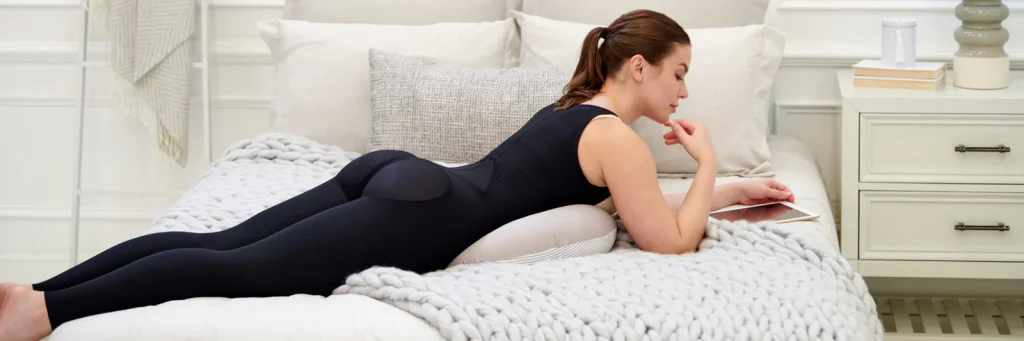
Experiment with various styles, identify what complements your figure and resonates with your skin. Be mindful of assistance. Some still like light compression or seamless underwear for shape and comfort. If you get swelling or soreness that returns, return to looser garments and consult your care team.
Routine follow-up with your surgeon at 6 weeks, 3 months, and 6 months ensures you’re healing beautifully and can gradually add to your wardrobe.
Beyond The Basics
Post-BBL recovery requires more than just some wardrobe changes. Each garment you choose to wear can impact your comfort, recovery, and final outcome in the upcoming weeks. Swelling is common, and patients typically wear a compression garment 23 hours a day for as long as six weeks. Medical-grade garments with adjustable closures and seamless, breathable fabric fit most.
As the swelling can sometimes last for six weeks or more, watching for changes and checking in with a plastic surgeon if it does is prudent. Select outfits and shoes that slip on easily, are soft on skin, and allow you to skip with ease.
Footwear
Shoes should be flexible, supportive, and simple to put on. Steer clear of stilettos or anything that pinches your foot, which can disrupt your balance and pressurize where you don’t need it. Slip-on shoes and sandals are easy, particularly if bending is hard after surgery.
Seek out thick, soft-soled pairs that cushion your step. This reduces pressure on your feet. Supportive shoes with a non-slip sole are crucial for steady footing, particularly if you are feeling weak or unstable. Stick with shoes that won’t bind or pinch.
Opt for styles that stretch or have adjustable straps, allowing your feet to swell or relax as necessary.
Sleepwear
Fluffy, baggy jammies assist you in snoozing and tossing and turning easily. Breathable fabrics, such as cotton or bamboo, keep you cool and comfortable. If you get cold, a light robe can provide some heat without encumbering you.
Select pajamas without tight cuffs or seams, which can aggravate skin or press on incision sites. If you have to dress or check wounds overnight, then button and zipper-front sleepwear is easier to access. Swelling can alter your body shape from one day to the next, so be sure your PJs accommodate or stretch accordingly.
Outerwear
Layering is the optimal means of keeping warm post surgery without sacrificing comfort and mobility. Lightweight jackets or cardigans with loose sleeves are great. Select jackets with zippers or buttons you can easily manipulate.
Heavy coats are suffocating, so steer clear of anything bulky or rigid. A soft poncho or wrap provides additional warmth and is easy to slide on and off. Warmth is key, but cozy always comes first this season.
Waistbands and Pockets
Waistbands that dig or squeeze only cause pain and slow healing. Adjustable bands are ideal because they provide you space as swelling fluctuates. Seek out pants or skirts with soft, elastic waists or drawstrings.
Steer clear of seams that go over incision sites. They should be slick and soft inside out with pockets located far away from tender regions. If you want pockets, choose ones that are low on the hips or high on the chest where they won’t compress healing tissue.
The Pressure Problem
Pressure is a big component of BBL recovery. Fat in the buttocks is friable after surgery and any additional pressure can decrease the survival of transferred fat. Sitting down directly on your butt isn’t recommended for weeks post-op, and even the wrong type of clothes can endanger results.
Compression garments are advised by the American Society of Plastic Surgeons for a minimum of 6 to 8 weeks, with numerous surgeons recommending 24/7 wear for 2 to 6 weeks. This should taper to 12 to 18 hours a day through week 8 and nightly up to 12 weeks. PODsy Garment fit, waistband, seams, pockets – they all help in healing and comfort!
Waistbands
Wide waistbands distribute pressure and are less prone to digging into swollen or healing areas. Skinny or snug bands can impede circulation, create irritation, and exacerbate puffiness around your tummy or hips. High-waisted styles aid in supporting the midsection, particularly as swelling fluctuates across the recovery timeline.
Elastic waistbands that stretch with the body adjust nicely to size fluctuations, which is frequent in aftercare. Clothes that utilize flat, wide elastic or soft, stretch fabrics are preferable to rigid, thin bands that cut off blood flow. The right waistband can help patients feel more secure and stable, making it easier to return to light activity sooner.
Seams
Flat seams minimize irritation to the skin, which is sensitive post-surgery. Bulky seams can chafe and cause sore spots or even skin breakdown in areas of compression. Seamless clothing is the epitome of comfort by eliminating raised stitching altogether.
If that’s unfeasible, smooth, minimal seams are the next best alternative. It is smart to try a garment on for an hour or so at home before you wear it all day. For some, pressure from even small seams can cause redness or discomfort, particularly when wearing compression garments for long hours as instructed.
Pockets
Pocket clothes have to be selected carefully. Deep pockets can cause uneven pressure that endangers the healing in the buttocks or hips. Hidden or flat pockets provide utility without bulk or pressure points.
Firm stitching is necessary so pockets don’t drag on or twist the garment, particularly when active. For those who want to pack light, choose styles with discreet, strategically placed pockets that won’t disrupt compression or comfort.
Social Outfits
Planning ahead to align comfort and confidence at social events is essential. Clothing should be loose and not rub on tender or healing spots. Your clothes need to accommodate your recovery needs, particularly when you’re away from home.
It’s a good idea to inform friends or family about comfort thresholds or the need for pauses, so excursions proceed smoothly. Most patients discover that transparent, open discussions about their recovery alleviate pressure and simplify social events during this time.
Navigating Social Life
Post-BBL surgery, everyday life changes a little, particularly in terms of your outside-the-house attire. Your outfits should strike that delicate balance between comfort and style, make you feel like a rockstar, and assist the healing process. You might have to put your life on hold for a few weeks, and it is natural to struggle with social plans or your work schedule while you are healing.
Casual Outings
Loose, soft fabrics such as cotton or bamboo are your best bet for out on the town. These allow your skin to breathe, help you stay cool, and minimize the chance of chafing. Flowy dresses, oversized shirts, and wide-leg pants can be combined to create both laid-back and fashionable ensembles.
Adding light layers, like a cardigan or a thin scarf, keeps you comfortable if the weather shifts. Don’t wear skinny jeans or tight skirts for the first six weeks. Snug waistbands can scratch tender regions, impeding healing and making you miserable.
We often bring supportive pillows when sitting for longer stretches at cafes or parks, so outings are relatively less stressful. Flats or low heels are more manageable than high heels, particularly if you’re still hobbling. Accessories such as hats, sunglasses, or crossbody bags bring a dose of style without putting pressure on the healing areas.
Compression garments, per your doc’s advice, should still be worn under your clothes. They provide support and mold the body as you recover.
Special Occasions
Formal occasions may appear intimidating while healing. You can still pull off a dressed-up look without sacrificing your comfort. Go for dresses or suits with elastic waistbands, wrap closures, or adjustable ties, which are easier to put on and take off.
Silk blends or soft knits provide an elegant drape without hugging your body too tightly. A one-piece jumpsuit with a front zip or loose-fit maxi dress are excellent examples of event-ready outfits that won’t restrict your body.
Trade those stiletto heels for dressy flats or padded sandals. Statement jewelry and a sleek clutch can enhance your look without the additional weight or discomfort.
Work Attire
Returning to work post BBL means selecting outfits that appear sleek yet don’t constrict or pummel. Tailored trousers with stretch, A-line skirts, and loose blouses allow you to move freely and look professional. If your office is cool, a soft blazer or cardigan injects polish and warmth.
Others require the supportive cushion of their desk for a few weeks. Opt for pants with elastic or adjustable waists instead of stiff jeans or pencil skirts. As your strength returns, gradually bring back more organized bits only if you’re up for it.
Clothing and Mental Well-Being
What you wear post surgery can define how you feel about yourself. Selecting outfits that fit your personality, bold hues, quirky prints, or classic neutrals, boosts your spirits. Experimenting with styles or the odd combination of pieces provides a feeling of control while recovering.
Most folks get it, and talking with friends and family about your needs when you are out there socializing can be a big help. By being open, you allow others to know your boundaries, so you can rest and concentrate on recovering.
If you’re self-conscious, remind yourself that recuperation is fleeting and your ease is paramount.
The Mental Wardrobe
To know what to wear after BBL surgery is about way more than grabbing some clothes from your drawer. It begins with comfort and support. Soft, stretchy clothes made of cotton or bamboo give your skin the opportunity to breathe and lower the likelihood of friction against healing wounds.
Flowy dresses, button-up shirts, and wide-leg pants make dressing effortless while relieving tension from tender areas. Compression garments your doc will probably suggest are a must. They reduce swelling, shape, and secure new curves. They should fit snug but not tight, and you may have to wear them night and day for weeks.
It’s nice if you have a couple of sets, two or three, so you can rotate them for laundry! Garments that support your recovery objectives and way of living can grease the wheels of everyday life. Sitting may be tricky in the beginning, so seek out apparel that enables you to stand or recline without pulling or gathering.
Flowy tunics, soft robes, and elastic waistbands back your light step. Shoes count, too; slip-ons or sandals prevent you from having to bend down too much. If you have to go out of the house, long cardigans or loose coats will disguise compression garments and still look fashionable. Others are layering lovers, opting for lightweight tops to veil their garments for modesty and warmth without added weight.
It’s critical that you stay patient and flexible during your transition back into your regular wardrobe! Swelling can fluctuate weekly, so your size might bounce around for a bit. Trying on clothes before you leave saves time and stress. It helps to keep your favorite soft clothes around on those days you just need more comfort.
Others shop for new clothes once the swelling breaks, so that they don’t waste money on items that may end up too small later. If you have to go back to work or social engagements, planning an outfit or two in advance will help you transition.
Flaunt your new shape as you heal and celebrate your progress. Selecting pieces that flatter and highlight your new curves can really boost confidence. Easy accents such as a new belt, wrap dress, or tighty whities can emphasize results without overwhelming them.
The snapshots or little milestones, fitting into your favorite skirt, help signify recovery. Nothing is like some good old-fashioned cheerleading from your loved ones, either in person or online, to grease the path and bolster spirits.
Conclusion
Soft loose clothes work best to heal well after BBL surgery. Avoid tight jeans or rugged material. Cotton pants, fuzzy shorts, and flowy dresses feel airy and help skin breathe. Keep it basic, switch sizes if you puff up, and change clothes if you perspire. Pressure marks delay healing, so inspect your skin daily. Out with old shapewear, in with new delicate pieces. Friend support is great, but take breaks when you need them. Dressing smart accelerates healing and reduces stress. For additional tips or stories, contact or inquire. Recovery is unique to each person, so figure out what suits your days. It’s most important that you feel comfortable.
Frequently Asked Questions
What is the best type of clothing to wear after BBL surgery?
Loose, soft clothing is best after a BBL surgery. Opt for baggy shirts, dresses, or sweatpants. Stay away from snug waistbands or anything that compresses your buttocks.
How long should I avoid tight clothes after BBL?
Most surgeons suggest avoiding tight clothes for a minimum of 6 weeks post-bbl surgery. This aids your body in recovering and maintains your results naturally.
Can I wear jeans after BBL surgery?
No jeans or tight pants until your surgeon gives you the green light. Jeans can put pressure on the healing area and impact your results.
Why is it important to avoid pressure on the buttocks after BBL?
Sitting or wearing tight clothes post BBL surgery can damage the transplanted fat cells. This can compromise your surgery and your final results.
What should I wear to social events during BBL recovery?
Wear loose, comfortable dresses or tunics while out. This clothing conceals swelling and does not compress your healing regions, so you can brave the world feeling secure and fabulous!
How can I support my mental well-being through clothing choices after BBL?
Slipping into ones that are comfortable and fit well will make you feel good and confident during recovery. Pick styles that make you feel good and support your healing body.
Is there special post-surgery clothing for BBL recovery?
Yes, most surgeons suggest a compression garment. This aids in decreasing swelling and promotes healing. Make sure you always listen to your doctors about when and how to wear it.