
Key Takeaways
-
Focus on a balanced plate of lean protein, colorful produce, healthy fats and complex carbohydrates to help heal tissue, fight inflammation and maintain your liposuction results. Try to include protein at every meal and rotate fruits and vegetables for nutrient variety.
-
Keep yourself hydrated with plenty of water and hydrating fluids and eat hydrating foods like cucumber and watermelon to reduce swelling and maintain skin elasticity. Set a daily hydration goal and scale up for activity and climate.
-
Concentrate on micronutrients that are known to streamline wound healing including Vitamin C, Zinc, and Magnesium by selecting whole foods such as citrus fruits, bell peppers, lean meats, pumpkin seeds, and leafy greens.
-
Limit processed foods, excess salt, added sugars, alcohol, and fried foods as these can increase inflammation, fluid retention, and lead to digestive discomfort. Steer clear of heavy meals and high-sodium snacks in early recovery.
-
Use gentle supports like probiotics for gut health, bromelain and arnica (with caution) for bruising, and small frequent meals with portion control to stabilize blood sugar, aid digestion, and avoid unwanted weight gain.
-
Pair nutrition with lifestyle practices such as sufficient sleep, stress reduction, consistent care-team check-ins, and light activity like short walks to promote circulation and healing.
What to eat after liposuction for faster healing involves a balance of protein, healthy fats, fiber and fluids to help with tissue repair and swelling.
Lean proteins like fish and legumes, omega-3 sources including walnuts and flaxseed, and vitamin C-rich colorful vegetables should be your post-lipo meal priorities.
Minimize salt and processed sugar to control inflammation.
Below are all of the meals, timing, and easy snack suggestions for recovery.
Your Healing Plate
About Your Healing Plate A healing plate constitutes a practical post-liposuction diet designed to assist your body’s recovery. It focuses on foods that aid in tissue repair, minimize inflammation, and maintain new contour. The advice below simplifies the major groups and provides specific examples you can apply every day.
1. Lean Proteins
Aim for lean proteins such as skinless chicken, turkey, white fish, tofu, tempeh, beans and lentils. Protein energizes cell growth and repairs muscle and skin post-surgery. Try for a serving at each meal.
For most adults, that translates to approximately 20 to 30 grams of protein, depending on body size. If solid foods are difficult to swallow, opt for whey or plant protein powder shakes. Add fruit and spinach to boost vitamin content.
Skip processed meats and fatty cuts. They can increase inflammation and delay recovery.
2. Colorful Produce
You want to fill half your plate with fruit and vegetables at each meal to provide vitamin C, vitamin A, potassium, and antioxidants. Citrus, berries, bell peppers, leafy greens, and cruciferous vegetables help repair skin and produce collagen.
Rotate your produce to expose yourself to more nutrients and to feed your gut biome. Make smoothies with yogurt or kefir to ease digestion, or lightly steam vegetables to keep the fiber easy on your gut while retaining nutrients.
3. Healthy Fats
Add olive oil, avocado, nuts, seeds and oily fish like salmon to enhance skin elasticity and assist in absorbing fat-soluble vitamins A, D, E and K. These fats back hormone and heart health.
Substitute fried and saturated-fat heavy products for omega-3 rich sources like walnuts, chia seeds and oily fish. Sprinkle a little drizzle of extra-virgin olive oil on salads or steamed vegetables to add calorie and nutrient density without excess inflammation.
4. Complex Carbohydrates
Whole grains like quinoa, brown rice, oats, and starchy veggies like sweet potato offer sustained energy and fiber, which assists in keeping your bowels regular, a key concern following anesthesia and pain killers.
Say NO to refined sugars and white bread that set off blood sugar spikes and feed inflammation. Balance each plate with carbs, protein, and healthy fats to keep blood sugar steady and reduce cravings.
5. Hydrating Fluids
Drink at least eight glasses of water a day, or half your body weight in ounces, to flush toxins and reduce swelling. Add coconut water and herbal teas for electrolytes and variation.
Skip soda and sugary drinks that promote fluid retention and impede healing. Create a hydration habit and sip throughout the day to enhance skin suppleness and speed healing.
Foods to Limit
Post-lipo, your diet can either support or hinder healing. For the initial weeks, try to limit foods that increase inflammation, promote water retention, irritate digestion or disrupt sleep and hydration. Keep meals small and regular to steady blood sugar and energy.
Drink plenty of water to flush toxins, reduce swelling and help skin stay elastic. Counterbalance the need to abstain with an emphasis on whole foods, lean protein, fruits and vegetables to aid in tissue repair.
Avoid processed foods, too much salt and added sugars. Packaged snacks, ready meals, fast food and products with long ingredient lists are generally high in sodium and refined sugars that promote inflammation and fluid retention.
This can aggravate swelling and cause compression garments to feel tighter. Think about canned soups, frozen meals, salted snacks, baked goods and sugary cereals. Swap in plain whole grains, fresh foods or low-sodium versions whenever you can.
Stay away from heavy and fatty foods that can upset your stomach and add unwanted pounds. Heavy, greasy meals such as fried foods, fast-food burgers, and decadent cream sauces require more effort to digest and make you lethargic.
Overindulging can counteract the sculpting accomplished by your operation. Go for less, and distribute into small meals throughout the day to maintain energy and blood sugar.
No more than 24 ounces of alcohol or caffeine can dehydrate you and impact the recovery process. Alcohol thins blood and can hinder liver function, which is crucial when your body needs to clear inflammation.
Wait at least two weeks after surgery before you imbibe. Too much caffeine can interfere with sleep and increase blood pressure, both of which are counter to healing. If you do have caffeine, keep it moderate and wash it down with water.
Specific foods to avoid after liposuction:
-
Fried foods and fast-food items
-
Processed meats (salami, hot dogs, deli meats)
-
Sugary drinks, energy drinks, and sweetened juices
-
Refined sweets and pastries
-
High-sodium canned or packaged meals
-
Heavy cream, butter-heavy sauces, and full-fat cheeses
-
Excessive red meat servings in one sitting
-
Excessive alcohol and more than moderate caffeine
Focus on what to eat instead: lean protein like fish, poultry, tofu, and legumes to help cell growth. Include plenty of colorful fruits and vegetables for vitamins, minerals, and antioxidants.
Choose whole grains and healthy fats in moderation. Stay hydrated with water during the day and attempt smaller, more frequent meals to support digestion and fuel ongoing recovery.
Essential Micronutrients
Essential micronutrients are vitamins and minerals the body can’t make on its own and must obtain from food. They promote immune function, collagen formation, and cell repair, which are critical processes in postoperative healing from liposuction. A diet rich in a rainbow of veggies, fruits, whole grains, lean meats, nuts, and seeds will typically provide daily requirements and mitigate inflammation.
Below are targeted suggestions and realistic examples to assist in meal planning for fueling fast recovery.
Vitamin C
Vitamin C aids in collagen formation, a protein necessary to close wounds and repair tissue. Consume citrus, kiwi, strawberries, papaya, bell peppers, broccoli and brussels sprouts. Fruit provides more fiber and holistic nutritional benefits than juice.
A cup of sliced strawberries and a small orange at breakfast deliver vitamin C and fiber in one delicious combination. Serve up a helping of vitamin C foods at every meal. Consider bell pepper strips at lunch, a side of steamed broccoli with dinner and berries with yogurt for snack time.
Daily consumption through food boosts the immune system and reduces the risk of infection post-surgery.
Zinc
Zinc is key for cell growth and tissue regeneration. Think lean beef, pumpkin seeds, chickpeas, lentils, and shellfish such as oysters or mussels. Zinc and vitamin C are essential micronutrients.
Pair zinc-rich foods with vitamin C sources. Add lemon to chickpea salad or serve oysters with a squeeze of citrus to help absorption. Don’t take high-dose zinc supplements unless instructed by a clinician. Excessive zinc can disrupt copper homeostasis as well as other minerals.
Rotate zinc foods across the week: one day pumpkin-seed-topped oatmeal, another day a chickpea stew, and a seafood meal later. This variety supports steady intake without excess.
Arnica & Bromelain
Arnica (both topical and oral) and bromelain, an enzyme in pineapple, can lessen bruising and swelling when used correctly. Add fresh pineapple to smoothies or in small servings with cottage cheese to naturally introduce bromelain.
If you’re taking arnica supplements, check labels and potential interactions, and double-check safety with your surgeon or pharmacist. Test for allergies first by applying a tiny topical amount or eating a small pineapple portion before making them part of a routine.
Incorporate these into easy, light post-op meals, such as a pineapple-protein smoothie for breakfast.
Probiotics
Probiotic foods can help restore the gut balance thrown off by anesthesia or antibiotics. Think of yogurt, kefir, sauerkraut, kimchi, and other fermented foods. Just one a day—yogurt with fruit at breakfast, a side of sauerkraut at dinner—helps healthy digestion and immune function.
Rotate sources to diversify gut bacteria: kefir one day, kimchi another, and a probiotic yogurt on alternating days. Fermented foods are flavorful and easy to incorporate without additional pills.
|
Micronutrient |
Key food sources |
|---|---|
|
Vitamin C |
Oranges, strawberries, kiwi, bell peppers, broccoli |
|
Zinc |
Lean beef, pumpkin seeds, chickpeas, oysters |
|
Bromelain |
Pineapple (fresh or frozen) |
|
Arnica |
Standardized supplements or topical preparations |
|
Probiotics |
Yogurt, kefir, sauerkraut, kimchi |
The Hydration Imperative
Hydration is key in post-liposuction recovery. It rinses out surgical fluids and metabolic debris, reduces inflammation, promotes regeneration, and maintains skin suppleness. Try to sip throughout the day instead of chugging a large amount at once. Small, regular sips keep you hydrated and ensure a steady flow of blood to healing tissues.
Hydration decreases infection risk as well by supporting immunity. Many patients are at increased risk for infection when fluids are low. Maintaining levels of water is a no-fuss, straight-up effective move to decrease that risk.
Drink no less than eight glasses a day, a reasonable baseline for most adults post-op, increasing to 8 to 10 cups (1.9 to 2.4L) if you have an active lifestyle or inhabit a warmer climate. Adjust for body size and sweat losses: heavier patients or those who move more will need more.
Spread intake across the day: for example, a glass on waking, one mid-morning, one at lunch, mid-afternoon, and with meals in the evening. This consistent rhythm aids in dissipating edema in a matter of hours and promotes tissue healing in a matter of days.
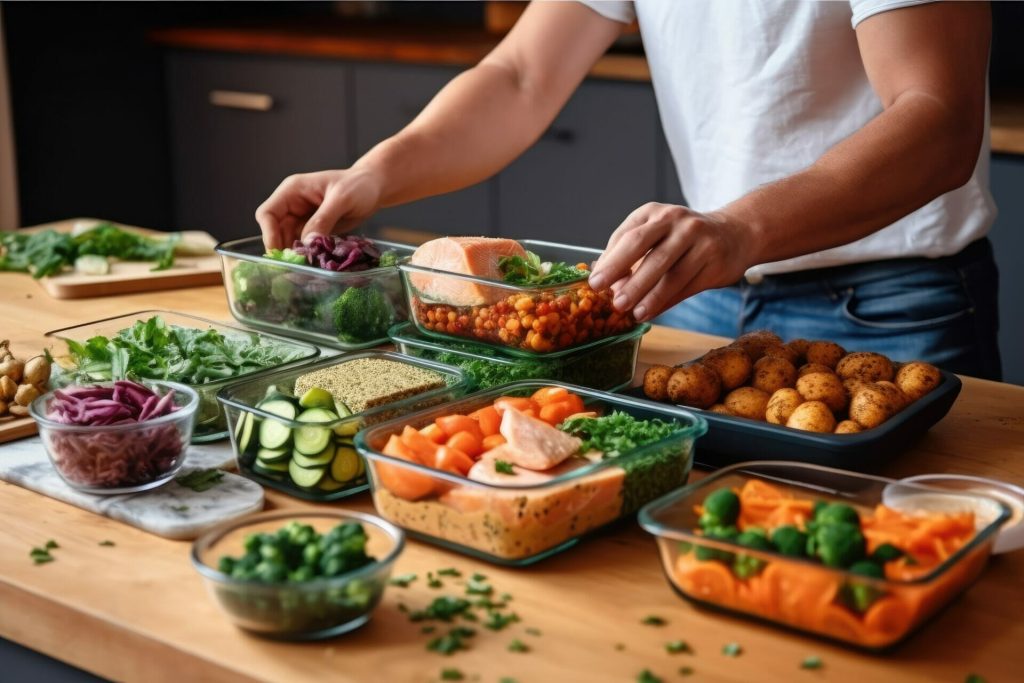
They include many hydrating foods that provide fluids and nutrients. Water-rich fruits and veggies provide fluids as well as healing vitamins and minerals. Think watermelon, cucumber, oranges, strawberries, lettuce, tomatoes, and bell peppers.
A cup of diced watermelon or cucumber delivers approximately 100 to 150 milliliters of fluid and antioxidants. Broths, herbal teas, and diluted fruit juices contribute, but restrict sugary drinks and stay away from booze, which dehydrates and may sabotage treatments and healing.
Use a basic hydration checklist to track daily intake and trends. Items to include are the number of 240 ml cups consumed, the times of each intake, servings of water-rich foods, alcohol or diuretic drinks consumed, and notes on urine color, with pale straw being the target.
Track your hydration in a phone note or small notebook. Check totals midday and evening to ensure you hit the 8 to 10 cup target and augment if exertion or weather increases demand.
Practical tips to stay hydrated include carrying a marked water bottle showing volume, setting hourly reminders to drink small amounts, starting meals with a glass of water, and adding slices of citrus or cucumber for taste.
If nausea limits plain water, try clear broths or electrolyte solutions recommended by your clinician. If swelling persists despite good intake, contact your surgeon for evaluation. Persistent fluid imbalance can signal other issues.
Beyond the Meal
Post-liposuction recovery is about more than just what you eat. Nutrition, sleep, stress management, hydration, and movement all synergize. The nutritional plan goes beyond the meal, assisting the skin to heal, minimizing swelling, and fighting for lasting results.
Routine check-ins with your surgeon or dietitian allow you to adjust meals, activity, and garment use as swelling subsides over one to two months.
Meal Timing
Eat regular, lighter meals to stabilize energy and suppress appetite. Small meals support steady blood sugar and minimize the chance of body contour stretching from overeating.
-
Eat every 3 to 4 hours, three small meals and two snacks.
-
Kick the day off with a protein-packed breakfast within an hour of waking.
-
Add a mid-morning snack of fruit and Greek yogurt to avoid a big lunch.
-
Eat a sensible late-afternoon snack to avoid evening binging.
-
Dinner is light and protein-forward. Stop eating two or more hours before bed.
Meal spacing facilitates clean digestion and stable metabolism. Don’t starve yourself into blood sugar lulls that drag your repair down.
Portion Control
Portion control extends the life of your surgery and avoids creeping weight gain. Grab small plates and use simple tricks to guide portions and balance macro-nutrients at every meal.
-
Measure protein: Aim for a palm-sized portion of about 85 to 100 grams cooked at main meals.
-
Vegetables: Half your plate should be non-starchy vegetables for fiber and micronutrients.
-
Carbohydrates: Keep to a cupped-hand portion of whole grains or starchy foods.
-
Fats: A thumb-sized portion of healthy fats like olive oil or avocado per meal.
-
Follow for a week to learn normal portions. Then scale for calories.
Balance supports healing. Prioritize lean protein for tissue repair, complex carbs for energy, and healthy fats for inflammation control.
Gentle Movement
Gentle movement helps circulate blood, drain fluid and decrease swelling. Vigorous exercise can actually interfere with healing. Start with light walking and basic stretches as soon as the surgeon allows.
Begin with brief, multiple daily walks. Include light range-of-motion exercises to keep you loose. No heavy weights or intense cardio until cleared, usually after 2 weeks to 2 months depending on swelling and the surgeon.
Wear a compression garment for a few weeks as recommended. It supports tissues and aids in sculpting healing. Build activity up over weeks, gauging progress at regular follow-ups and tweaking the plan as swelling subsides and strength returns.
Hydration matters across all areas. Drink about half your body weight in ounces of water daily to keep skin elastic, flush toxins, and reduce swelling.
Wait two weeks before alcohol so the immune system and liver can focus on healing. Sleep, stress control, and regular follow-through round out a realistic, balanced recuperation strategy.
The Gut-Skin Axis
It’s the bidirectional connection between your gut microbiome and your skin. Gut bacteria shifts impact skin barrier function, inflammation and healing, and skin’s condition can feedback to gut. Following liposuction, nourishing this relationship can aid in decreasing inflammation, reducing infection risk, and enhancing clearer, strengthened skin as you recuperate.
Support the gut-skin axis by eating foods that promote healthy digestion and glowing skin after surgery
Consume nutrient-dense whole foods that are gentle on digestion and full of nutritional components the body needs for repair. Lean protein like chicken, fish, tofu, and legumes balance amino acids for tissue rebuilding. Bone broth and soups are soothing, hydrate, and provide collagen and minerals.
Add in colorful fruits and vegetables for skin repair vitamins A, C, and E, which protect skin cells. Citrus, berries, sweet potato, spinach, and bell peppers are convenient options that translate well across cuisines.
Focus on fiber-rich produce, probiotics, and healthy fats to enhance both gut and skin health
Fiber feeds good gut bacteria. Try to include both soluble and insoluble fiber from oats, barley, whole grains, beans, apples, pears, broccoli, and leafy greens. Polyphenols from berries, green tea, olives, and dark chocolate fuel good bugs.
Introduce fermented foods with live cultures like yogurt, kefir, sauerkraut, kimchi, or miso, which add probiotics that can help balance the gut and impact skin inflammation. DHA is an anti-inflammatory omega-3 that makes up your skin’s lipid barrier, which traps moisture and helps prevent dryness and acne.
Recognize the link between gut health and reduced inflammation for better surgical outcomes
The gut microbiome produces metabolites that enter the bloodstream and modulate immune responses in the skin. A balanced microbiome can help to reduce circulating inflammatory markers, which in turn can reduce swelling and promote wound healing post-liposuction.
Stay away from too much sugar, ultra-processed junk food, and alcohol early in recovery. These can tip your gut bugs toward a pro-inflammatory profile. Hydration matters: plain water, herbal teas, and broths support lymphatic flow and help flush waste products.
If you end up taking antibiotics post-surgery, talk to your clinician about probiotics to reduce long-term disturbance.
Monitor changes in your skin and digestion as you adjust your post-liposuction diet
Monitor your bowel habits, bloating, and skin changes such as redness, increased oiliness, or slow-healing spots. Small diet shifts let you see what helps. Increase fiber slowly to avoid gas, test fermented foods in small amounts, and note effects on swelling or itch.
Stress management using breathing, light movement, or gentle yoga is important because stress changes the gut-skin axis and can increase inflammation. See your surgeon or a registered dietitian if you have persistent digestive issues or worsening skin problems.
Conclusion
Smart eating accelerates liposuction healing. Strive for a combination of lean protein, vibrant vegetables, whole grains, and healthy fats. Include vitamin C-rich fruits, zinc sources such as beans and seeds, and omega-3s from fish or flax for reduced swelling and firmer skin. Hydrate well and utilize broths or herbal teas for a bit of additional sodium balance and soothing. Reduce sugar, alcohol, and fried food to decrease inflammation and promote wound closure. Stick to simple, consistent meals. Follow your body and choose foods that appeal to your digestion and palate. Consult your care team or a dietitian for guidelines tailored to your situation. Pick one small change for today and observe how your energy and recovery transform.
Frequently Asked Questions
What foods speed healing after liposuction?
Consume lean protein (chicken, fish, tofu), vibrant vegetables and fruits, whole grains, and good fats (avocado, nuts, olive oil). These offer amino acids, vitamins, and anti-inflammatory agents that promote tissue repair and combat inflammation.
How much protein do I need daily for recovery?
Shoot for approximately 1.2 to 1.6 grams of protein per kilogram of body weight each day. This promotes collagen formation and wound healing. Modify with your surgeon or a dietitian as medically necessary.
Which vitamins and minerals matter most?
Priority nutrients: Vitamin C, vitamin A, zinc, and iron. They support collagen formation, immune function, and tissue repair. Think about a multivitamin if your diet is restricted after checking with your provider.
What should I avoid after liposuction?
Minimize alcohol, high-sodium processed foods, and sugars. They cause inflammation, swelling, and delay recuperation. Skip excessive caffeine if it impacts hydration.
How much water should I drink while healing?
Strive for 2 to 3 liters daily, scaling up for body mass and activity. Good hydration decreases swelling, supports circulation, and aids lymphatic drainage. Adhere to any fluid recommendations from your surgeon.
Are probiotics or gut-friendly foods helpful?
Fermented foods like yogurt, kefir, and sauerkraut and fiber-rich foods help maintain gut health. This balanced microbiome can help reduce inflammation and support recovery overall. Check with your clinician regarding supplements if necessary.
When should I see a professional about nutrition after surgery?
Check with your surgeon or a registered dietitian if you experience persistent swelling, slow wound healing, or if you have dietary restrictions. Get customized recommendations if you have chronic conditions or take medications that affect nutrition.