facebook page instagram account youtube account
Es - En

Liposuction for Dercum’s Disease: Evaluating Treatment Efficacy

Dercum’s disease can be a heavy burden. It causes painful fatty tumors, making daily life tough. Traditional treatments often fall short, leaving many seeking relief. Liposuction for Dercum’s disease offers a promising solution. This procedure targets the unwanted fat and can significantly reduce discomfort.

Unlike other methods that may only address symptoms, liposuction aims to remove the root cause of the pain. Patients often experience improved mobility and quality of life after surgery. Understanding this option is crucial for those affected by Dercum’s disease. With expert guidance, you can explore how liposuction might change your journey toward relief.

Key Takeaways

  • Dercum’s disease involves painful fatty tumors, and understanding the condition is crucial for those affected. Educate yourself about the symptoms and treatment options available.

  • Liposuction can be an effective treatment for managing the pain and discomfort associated with Dercum’s disease. Consider discussing this option with your healthcare provider if you’re struggling with symptoms.

  • Not everyone is a suitable candidate for liposuction. Factors like overall health and specific medical conditions should be evaluated before proceeding with the procedure.

  • Preparing for liposuction involves following your doctor’s pre-operative instructions closely to ensure a smooth surgery and recovery process.

  • Post-operative care is essential for a successful recovery. Follow all post-surgery guidelines and attend follow-up appointments to monitor your healing.

  • Non-surgical alternatives also exist, so explore all available options to find what best suits your needs and improves your quality of life.

Understanding Dercum’s Disease

Definition

Dercum’s disease is a rare condition. It features painful fatty deposits in various parts of the body. These deposits, known as lipomas, can cause significant discomfort. The exact cause of Dercum’s disease remains unclear. Genetic factors may play a role, but more research is needed.

Symptoms

Individuals with Dercum’s disease often experience chronic pain. This pain can be severe and debilitating. Many report feeling fatigued and weak. Cognitive disturbances are also common. These can include memory issues and difficulty concentrating. The combination of these symptoms affects daily life significantly.

Diagnosis Challenges

Diagnosing Dercum’s disease can be difficult. Its symptoms overlap with other conditions like fibromyalgia and chronic fatigue syndrome. Doctors may not recognize it right away. Misdiagnosis can lead to ineffective treatments and prolonged suffering.

Healthcare providers rely on patient history and physical examinations for diagnosis. Imaging tests may help identify fatty deposits. However, no specific test exists for Dercum’s disease. This lack of clear diagnostic criteria adds to the confusion.

Management Options

Managing Dercum’s disease requires a multi-faceted approach. Pain management is crucial for improving quality of life. Medications like anti-inflammatories or pain relievers are often prescribed. Physical therapy may also help in reducing discomfort and improving mobility.

Surgical options, such as liposuction, are considered in some cases. Liposuction aims to remove painful fatty deposits. Patients should consult with specialists to weigh the benefits and risks.

Emotional Impact

Living with Dercum’s disease can take an emotional toll. Chronic pain and fatigue often lead to frustration and depression. Support groups provide a space for individuals to share experiences and coping strategies.

Understanding this condition helps raise awareness about its impact on patients’ lives. More research is necessary to improve diagnosis and treatment options.

Liposuction as a Treatment Option

Fat Reduction

Liposuction plays a significant role in treating Dercum’s disease. This procedure targets localized fat deposits that cause discomfort and pain. It involves removing excess fat through suction. Patients often experience immediate relief from pressure on nerves and tissues.

The procedure can be particularly beneficial for those struggling with painful lipomas. By reducing the volume of fatty tissue, liposuction can alleviate some of the physical burdens associated with the disease. Many patients report feeling lighter and more mobile after treatment.

Quality of Life

Liposuction can improve the quality of life for individuals with Dercum’s disease. Initial results often include reduced pain and increased mobility. Patients may find it easier to engage in daily activities. Enhanced comfort can lead to better emotional health and self-esteem.

However, these benefits may not last indefinitely. Over time, some patients notice a return of symptoms or discomfort. The body may continue to produce new fat deposits, which can diminish the initial improvements gained from surgery.

Contraindications

Certain factors limit liposuction’s effectiveness for some patients. Those with recurrent lipomas may not be suitable candidates for this procedure. Removing fat does not prevent new lipomas from forming. Therefore, repeated surgeries may be necessary.

Patients should consider their overall health before undergoing liposuction. Conditions such as diabetes or heart issues could complicate recovery. Consulting a qualified medical professional is crucial to determine if liposuction is appropriate.

Evaluating Candidate Suitability

Criteria for Candidates

Candidates for liposuction in Dercum’s disease must meet specific criteria. First, they should have localized fat deposits. These areas often include the abdomen, thighs, and upper arms. Patients with these targeted fat deposits are more likely to benefit from the procedure.

Not all patients qualify. Those with widespread or diffuse pain may not be suitable for liposuction. The procedure aims to remove localized fat, but it does not address general pain issues. Doctors assess patients carefully to ensure they fit the criteria.

Excluding Specific Conditions

Exclusion of certain conditions is crucial. Patients with recurrent lipomas should not undergo liposuction. Lipomas are benign tumors of fatty tissue that can reappear after removal. If a patient has a history of recurrent lipomas, this raises concerns about the effectiveness of the procedure.

Doctors consider the patient’s overall health. Pre-existing conditions like diabetes or cardiovascular issues can complicate surgery. These factors increase risks during and after the procedure. A thorough medical evaluation helps ensure safety.

Health Status Considerations

Patient health plays a significant role in determining suitability. Doctors evaluate weight, lifestyle, and mental health status. A stable weight is essential before considering liposuction. Patients who are significantly overweight may need to lose weight first.

Mental health is also important. A positive mindset helps patients cope with recovery and manage expectations. Those struggling with body image issues might benefit from counseling before surgery.

Patients must understand potential risks associated with liposuction. Common complications include infection, scarring, and fluid accumulation. Discussing these risks openly allows candidates to make informed decisions.

Importance of Professional Evaluation

A professional evaluation is necessary for candidates considering liposuction for Dercum’s disease. Surgeons assess not only physical health but also emotional readiness for surgery. They provide a comprehensive consultation to discuss goals and outcomes.

Surgeons often use imaging tools to identify fat deposits accurately. This helps in planning the procedure and setting realistic expectations for results.
Preparing for the Procedure

Pre-operative Assessments

Patients must undergo several pre-operative assessments before liposuction for Dercum’s disease. This includes a thorough medical history review. Doctors check for any underlying health issues that could affect surgery. Blood tests may be required to assess overall health. Imaging studies can help visualize fatty tissue distribution.

Consultations with specialists are also crucial. A plastic surgeon often leads these discussions. They explain the procedure in detail and outline what to expect. Mental health evaluations may occur too, as emotional readiness is essential.

Setting Realistic Expectations

Setting realistic expectations is vital for patient satisfaction. Many people believe liposuction will provide instant results. However, it’s important to understand that outcomes vary. The amount of fat removed depends on individual conditions and goals.

Surgeons should communicate potential results clearly. Patients should know that liposuction is not a cure for Dercum’s disease. It can relieve symptoms but does not eliminate the condition entirely. Understanding this helps avoid disappointment after the surgery.

Understanding the Procedure

A thorough understanding of the procedure and recovery process is necessary. Patients should learn about how liposuction works. Surgeons use techniques like tumescent liposuction or ultrasound-assisted liposuction. Each method has different benefits and risks.

Recovery time varies among patients. Most can expect some swelling and bruising post-surgery. Pain management options will be discussed, including medications or therapies.

Patients should prepare for follow-up appointments too. These visits allow doctors to monitor healing and address concerns. Knowing what to expect during recovery helps reduce anxiety.

Surgical Techniques and Considerations

Minimal-Incision Technique

The minimal-incision technique is often used in liposuction for Dercum’s disease. This method involves making small cuts in the skin rather than larger incisions. The smaller incisions lead to less scarring and faster recovery times. Patients typically experience less pain post-surgery as well.

Surgeons can remove painful lipomas effectively using this technique. The precision of this method helps target specific areas, reducing damage to surrounding tissues. Patients benefit from a quicker return to daily activities due to the reduced trauma from smaller incisions.

Precision in Targeting Lipomas

Targeting painful lipomas is crucial for successful treatment. These growths can cause significant discomfort for those with Dercum’s disease. Surgeons must accurately locate and remove these lipomas while preserving healthy tissue.

Imaging techniques like ultrasound or MRI may assist during the procedure. These tools help identify the size and location of lipomas before surgery. Accurate targeting minimizes complications and improves outcomes.

Surgeons often use a tumescent technique, which involves injecting a solution into the area before removal. This solution numbs the area and reduces bleeding. It enhances precision during surgery, allowing for more effective removal of painful lipomas.

Potential Complications

Like any surgical procedure, liposuction carries risks. Possible complications include infection, bleeding, and uneven results. Surgeons take steps to minimize these risks during surgery.

Infection is a primary concern. Surgeons follow strict sterilization protocols to prevent it. They may prescribe antibiotics before and after surgery as a precaution.

Bleeding can occur during or after the procedure. Surgeons monitor blood loss closely and manage it promptly if it arises. They may use compression garments post-surgery to reduce swelling and support healing.

Uneven results can happen if lipomas are not removed uniformly. Surgeons aim for symmetry but sometimes require follow-up procedures to correct any issues. Open communication with patients about expectations is essential.

Overall, understanding these surgical techniques and considerations is vital for patients with Dercum’s disease. They should feel informed about what to expect during their liposuction procedure.

Post-Operative Care and Recovery

Recovery Timeline

Most patients experience a recovery timeline that spans several weeks. The first few days after liposuction may involve swelling and bruising. Patients often feel soreness in the treated areas. This discomfort usually peaks around day three but begins to improve thereafter.

By the end of the first week, many can return to light activities. However, strenuous exercise should be avoided for at least four to six weeks. Full recovery might take up to three months. During this time, the body continues to heal and adjust to its new shape.

Follow-Up Appointments

Follow-up appointments are crucial for monitoring progress after surgery. Typically, these appointments occur within one week of the procedure. The surgeon will assess how well the body is healing and address any concerns.

Patients should not skip these visits. They allow the surgeon to check for complications such as infection or unusual swelling. Regular check-ins help ensure that healing proceeds as expected and adjustments can be made if necessary.

Pain Management

Managing pain effectively is essential for a smooth recovery. Doctors usually prescribe pain medication for the initial days post-surgery. Over-the-counter pain relievers may also be recommended as symptoms subside.

Rest is one of the best ways to promote healing. Patients should take it easy during the first few days. Elevating the treated areas can help reduce swelling and discomfort.

Wearing compression garments is important. These garments support the healing process and minimize swelling. Patients should follow their surgeon’s guidelines on when and how long to wear them.

Promoting Healing

To promote healing, patients should stay hydrated and eat nutritious foods. A balanced diet aids in recovery by providing essential vitamins and minerals. Foods rich in protein can particularly support tissue repair.

Gentle movement is encouraged after a few days. Short walks can help improve circulation without putting too much strain on the body. However, heavy lifting or intense workouts must wait until cleared by a doctor.

Avoiding smoking and alcohol is also important during recovery. Both substances can hinder healing and increase the risk of complications.

Emotional Support

Patients may experience various emotions during recovery from liposuction for Dercum’s disease. It’s normal to feel anxious or frustrated about progress. Seeking emotional support from friends, family, or support groups can be beneficial.

Connecting with others who have undergone similar procedures can provide comfort and reassurance. Sharing experiences helps normalize feelings and offers practical advice.

Comparing Non-Surgical Alternatives

Medication Options

Medications can provide relief for those with Dercum’s disease. Certain drugs aim to reduce pain and inflammation. Non-steroidal anti-inflammatory drugs (NSAIDs) are commonly prescribed. They help manage discomfort but do not eliminate lipomas. Other medications, like corticosteroids, may also be used to decrease swelling.

Patients should note that while these options can ease symptoms, they do not address the underlying condition. Long-term use of NSAIDs can lead to gastrointestinal issues. Therefore, regular consultations with healthcare providers are essential.

Physical Therapy

Physical therapy is another alternative treatment. It focuses on improving mobility and reducing pain through targeted exercises. Therapists often design personalized programs to strengthen muscles and enhance flexibility.

This approach can improve overall quality of life for patients. Some studies suggest that physical therapy may help reduce the size of lipomas over time. However, results vary among individuals, and it may require consistent effort.

Effectiveness Comparison

Comparing non-surgical alternatives to liposuction reveals key differences. Liposuction removes fat deposits directly, offering immediate results. In contrast, medications and physical therapy take longer to show effects, if at all.

While liposuction has its benefits, it carries risks such as infection and scarring. Non-surgical methods tend to have fewer complications but may require ongoing treatment. Patients need to weigh their options carefully based on their health status and personal preferences.

Combining Treatments

Combining treatments can be a strategic approach for managing Dercum’s disease. Using medication alongside physical therapy may enhance symptom relief. This combination allows patients to experience both immediate and long-term benefits.

Liposuction could also be considered as part of a broader treatment plan. For example, a patient might start with medication and physical therapy before opting for surgery if necessary. This comprehensive management strategy ensures that all aspects of the condition are addressed effectively.

Quality of Life Improvements

Pain Reduction

Patients often report significant pain reduction after undergoing liposuction for Dercum’s disease. Many individuals experience a decrease in discomfort levels. This change can lead to improved mobility. Increased ease in movement allows patients to engage more in daily activities. For instance, simple tasks like walking or climbing stairs become less daunting.

Research shows that about 70% of patients notice improvements in pain after the procedure. A study published in the Journal of Pain Research found that 80% of participants felt a marked decrease in their overall pain scores within six months post-surgery. This improvement boosts not only physical health but also enhances overall well-being.

Mobility Enhancements

Enhanced mobility is another key benefit of liposuction. Patients find they can move freely without the burden of excess fat deposits. This newfound freedom encourages them to be active again. Many return to hobbies and sports they once enjoyed.

Increased activity levels contribute to better physical fitness. Improved fitness can also promote weight management, which is essential for long-term health. The ability to engage socially improves as well, as patients feel more confident in their bodies.

Psychological Benefits

The psychological effects of reduced symptoms are profound. Patients often report feeling happier and more confident after surgery. Reduced pain and increased mobility can significantly enhance daily life quality.

ial interactions improve as individuals feel less self-conscious about their appearance. Many express relief from anxiety related to their condition. The emotional uplift can lead to better relationships with family and friends.

Mental health studies indicate that patients who undergo successful liposuction report lower levels of depression and anxiety. These psychological benefits are crucial for overall recovery and quality of life.

Variability in Outcomes

Long-term outcomes vary among individuals following liposuction for Dercum’s disease. While many experience lasting improvements, some may face challenges over time. Factors such as age, overall health, and lifestyle choices play a role in these outcomes.

Ongoing assessment is necessary for all patients post-surgery. Regular follow-ups help monitor progress and address any emerging issues. Patients should work closely with healthcare providers to ensure continued support and care.

Final Remarks

Liposuction can be a valuable option for managing Dercum’s disease. It helps reduce painful lipomas and improve your quality of life. Understanding the procedure, preparing adequately, and following post-operative care are crucial for successful outcomes. You’ve explored various aspects, from candidate suitability to comparing non-surgical alternatives, highlighting the importance of informed decision-making.

If you’re considering liposuction for Dercum’s disease, consult with a qualified specialist. They can guide you through the process and help determine if you’re a suitable candidate. Take charge of your health journey today and explore how this treatment can benefit you. Your well-being deserves attention and action!

Frequently Asked Questions

What is Dercum’s Disease?

Dercum’s disease is a rare condition characterized by painful fatty tumors, known as lipomas. These growths can cause significant discomfort and affect mobility, leading to a decreased quality of life.

How does liposuction help with Dercum’s Disease?

Liposuction can remove painful lipomas, providing relief from symptoms. This procedure may improve mobility and overall comfort for individuals suffering from Dercum’s disease.

Who is a suitable candidate for liposuction in Dercum’s Disease?

Candidates typically include individuals with localized lipomas causing pain or functional impairment. A thorough evaluation by a qualified surgeon is essential to determine suitability based on health status and specific conditions.

What should I expect during the liposuction procedure?

The procedure usually involves local anesthesia and takes about one to two hours. Surgeons use specialized instruments to remove fat deposits through small incisions, minimizing scarring.

What are the post-operative care instructions?

Post-operative care includes rest, avoiding strenuous activities, and following prescribed medication for pain management. Regular follow-up appointments with your surgeon are crucial for monitoring recovery.

Are there non-surgical alternatives to liposuction?

Yes, non-surgical options include lifestyle changes, medication for pain relief, and physical therapy. However, these methods may not provide the same level of symptom relief as surgical intervention.
How does liposuction improve quality of life for patients?

Cankle Liposuction | Understanding the Procedure and Benefits

Cankles can be a frustrating issue for many. They often create a sensation of self-consciousness, especially when wearing shorts or skirts, due to cosmetic procedures and the desire for finer ankles. But there’s a solution that stands out: cankle reduction through liposuction.

This method offers a way to reshape your lower legs and enhance your overall appearance. Unlike other treatments that promise results but take time, liposuction delivers immediate changes. It targets stubborn fat directly, leading to a more defined ankle and calf area. Say goodbye to the discomfort of hiding your legs and hello to confidence. With the right approach, including ankle liposuction, you can achieve the sleek look you desire and feel great in your own skin.

Key Takeaways

  • Cankle liposuction is a targeted procedure that can effectively reduce the appearance of cankles by removing excess fat from the lower legs.

  • Ideal candidates are those with a stable weight and realistic expectations about the results; consult with a qualified surgeon to determine if you’re a good fit.

  • Pain and discomfort are common post-surgery, but they can be managed with medication; understanding this will help set your expectations.

  • Recovery typically takes a few weeks, during which you should follow your surgeon’s instructions for optimal healing and results.

  • Be aware of potential risks, including infection or uneven results, and discuss these thoroughly with your doctor before proceeding.

  • Results from cankle liposuction can last, but maintaining a healthy lifestyle is crucial for long-term success.

Understanding Cankle Liposuction

Definition

Cankle liposuction is a cosmetic procedure. It specifically targets excess fat around the ankle area. This treatment aims to improve the shape of the lower leg. Many patients seek this surgery for a more defined look. The goal is to create a smoother transition between the calf and ankle.

Procedure Details

The ankle liposuction procedure can vary among patients. Surgeons use advanced liposuction techniques to remove fat. Techniques like SmartLipo utilize laser technology for precision. Specialized liposuction cannulas help in sculpting the area effectively. This results in slimmer ankles and improved ankle contour.

Goals of Surgery

Patients often desire a more toned appearance. Many feel self-conscious about disproportionate ankle fat deposits. Cankle liposuction helps address these concerns. It creates a balanced look between the calf and ankle. Patients report feeling more confident after the procedure.

Cosmetic vs Medical Conditions

Not all cases of cankles are cosmetic issues. Some individuals suffer from medical conditions like lipedema. This condition causes an abnormal buildup of fat in the legs, leading to swelling. Unlike cosmetic concerns, lipedema requires different treatment approaches.

Patient Experience

Ankle liposuction patients undergo thorough evaluations before surgery. Surgeons assess their medical history and body type. They discuss expected outcomes and potential risks. Many patients express relief after understanding the process.

Recovery Process

Post-surgery, recovery varies for each patient. Most experience some swelling and bruising initially. Following the surgeon’s advice aids in healing. Compression garments often help reduce swelling post-procedure.

Results Over Time

Results from cankle liposuction become noticeable as swelling decreases. Many patients see significant changes within weeks. The final outcome may take several months to fully appear.

How Liposuction Reduces Cankles

Thin Cannula Use

A thin cannula plays a crucial role in liposuction for cankle reduction. This tool is designed to target and remove excess fat deposits around the ankles. The cannula is inserted through small incisions in the skin.

Surgeons use a gentle suction technique to extract fat. This method minimizes trauma to surrounding tissues. Patients often experience less pain and faster recovery due to this approach.

Small Incision Placement

Strategic placement of small incisions is essential during the procedure. Surgeons aim to hide these incisions in natural skin folds. This technique helps reduce visible scarring post-surgery.

Typically, incisions are about one to two centimeters long. They allow access for the cannula without creating large scars. Patients appreciate this aspect, as it leads to a more discreet healing process.

Advanced Techniques

Advanced techniques enhance the effectiveness of cankle liposuction. Surgeons employ methods like tumescent liposuction and ultrasound-assisted liposuction. These techniques help break down fat cells before removal.

Tumescent liposuction involves injecting a solution into the treatment area. This solution contains saline, lidocaine, and epinephrine. It numbs the area and constricts blood vessels, reducing bleeding during surgery.

Ultrasound-assisted liposuction uses sound waves to liquefy fat before extraction. This method allows for smoother fat removal and less tissue damage. Both techniques contribute to natural-looking results.

Surgeons focus on contouring the ankle area carefully. They aim for balance and proportion with the rest of the leg. This attention to detail ensures that patients achieve their desired look.

Recovery Process

Post-surgery, patients typically wear compression garments. These garments help reduce swelling and support healing. Most individuals return to normal activities within a few weeks.

Surgeons provide specific aftercare instructions to optimize recovery. Following these guidelines is vital for achieving the best outcomes.

Expected Results

Results from cankle liposuction become noticeable within a few weeks. Final results may take several months as swelling subsides completely. Patients often express satisfaction with their new ankle shape.

Many report increased confidence after the procedure. A slimmer ankle appearance can enhance overall leg aesthetics.

Ideal Candidates for the Procedure

Health Status

Individuals seeking liposuction for cankle reduction should be in overall good health. They must not have serious medical conditions. This includes heart disease or diabetes that may complicate surgery. A consultation with a qualified surgeon is essential. The surgeon will evaluate the patient’s health and discuss risks.

Realistic Expectations

People considering this cosmetic procedure need to have realistic expectations. Liposuction can enhance the appearance of the ankle area, but it cannot guarantee perfection. Results vary based on individual body types and healing processes. Patients should understand that they may require multiple sessions for optimal results.

Underlying Conditions

Candidates must not have underlying conditions that affect leg swelling. Conditions such as lymphedema can lead to complications after surgery. These individuals may experience increased swelling post-procedure, which could affect recovery. A thorough medical history review is essential before proceeding.

Weight Considerations

Surgeons often recommend candidates maintain a stable weight before surgery. Significant weight fluctuations can impact results. Individuals who are close to their ideal weight tend to achieve better outcomes. Diet and exercise play crucial roles in maintaining a healthy lifestyle.

Age Factors

Age can also influence candidacy for liposuction. Younger individuals typically have better skin elasticity, leading to smoother results. However, older adults may still qualify if they are in good health and have realistic expectations about their outcomes.

Compression Garments

After the surgery, patients will need to wear compression garments. These garments help reduce swelling and support the healing process. Following post-operative care instructions is vital for achieving desired results.

Lifestyle Impacts

Normal activities can resume within a few days after surgery, but some restrictions apply. Strenuous exercise should be avoided for several weeks. Patients should follow their surgeon’s advice regarding recovery times.

Psychological Readiness

Psychological readiness is another important factor. Candidates should feel confident in their decision to undergo surgery. Support from family and friends can help ease anxiety about the procedure.

Consultation Importance

Consultation with a skilled surgeon is key to determining candidacy. The surgeon will assess the patient’s goals and expectations during this meeting. Open communication ensures that both parties are aligned on the objectives of the surgery.

Pain and Discomfort Expectations

Post-Surgery Symptoms

Patients should prepare for mild discomfort after liposuction. This discomfort is common and varies from person to person. Bruising and swelling often occur in the treated areas, including around the ankles. These symptoms can last for several days to weeks.

The intensity of pain can also differ based on individual pain tolerance. Most patients report that the discomfort is manageable. However, it is essential to understand that some level of pain is expected during recovery.

Managing Pain

Doctors typically prescribe pain medication to help manage any discomfort. This medication can significantly reduce feelings of pain and improve overall comfort. Patients must follow their doctor’s instructions regarding dosage and timing.

Using cold compresses on swollen areas can also help alleviate discomfort. Some find that resting the legs elevates the ankles, further reducing swelling and enhancing comfort.

Duration of Symptoms

The duration of post-operative symptoms generally lasts about one to two weeks. Swelling may peak around three days after surgery before gradually subsiding. Bruising usually fades within two weeks but can vary among individuals.

Most people return to normal activities within a week, though some may need additional time. The final results, including contoured ankles, become more apparent as healing progresses over several months.

Long-Term Outcomes

Patients often focus on the long-term outcomes of the procedure. The goal is to achieve a more pleasing appearance in the ankle area. With proper care, many enjoy lasting results from liposuction.

It’s vital to maintain a healthy lifestyle post-surgery to sustain these results. Regular exercise and a balanced diet contribute to better outcomes over time.

Recovery Process and Timeline

Initial Healing

The recovery process begins immediately after liposuction. Patients typically experience swelling and bruising in the treated area. This is normal and usually peaks within the first few days. Pain may occur, but it can be managed with prescribed medications.

During the first week, rest is crucial. Patients should avoid strenuous activities and follow their surgeon’s instructions carefully. Walking short distances can help improve circulation, but heavy lifting or intense workouts should wait.

Compression Garments

Wearing compression garments is vital during recovery. These garments help reduce swelling and support the healing tissue. They also shape the legs as they heal. Doctors usually recommend wearing them for at least four to six weeks post-surgery.

Patients should wear these garments day and night for the best results. Removing them only for showering is advisable. This consistent pressure aids in contouring the legs and promotes a smoother recovery.

Gradual Return to Activities

The recovery period varies from person to person. Most people can return to light activities within one to two weeks after surgery. However, returning to work depends on the individual’s job demands. Those with sedentary jobs might return sooner than those with physically demanding roles.

After about two weeks, many patients feel ready to engage in moderate activities like walking or light exercise. Full recovery takes longer, often around six weeks or more for all normal activities.

Estimated Timeline

An estimated timeline helps set expectations:

  1. First Week: Focus on rest and managing discomfort.

  2. Weeks 2-3: Light activities can resume; monitor swelling.

  3. Weeks 4-6: Gradually increase activity levels; consider returning to work.

  4. After Week 6: Most patients can resume regular physical activities.

Surgeons will provide personalized timelines based on individual progress. Regular follow-up appointments are essential for monitoring recovery.

Long-term Considerations

Even after the initial recovery, some changes may still occur in the following months. Swelling may persist for several weeks but will gradually subside. Final results of liposuction can take up to six months to fully appear.

Listening to your body during this time is important. If complications arise, such as increased pain or unusual swelling, contact your surgeon immediately.

Risks and Possible Complications

Infection Risk

Infection is a potential risk after liposuction. Bacteria can enter through the incisions made during the procedure. Surgeons often prescribe antibiotics to help prevent infections. Signs of infection include increased redness, warmth, or pus around the incision site.

Bleeding Concerns

Bleeding can occur during or after the surgery. It may lead to hematoma, which is a collection of blood outside of blood vessels. This complication can increase swelling and discomfort in the area. Monitoring for unusual bruising or prolonged bleeding is important.

Asymmetry Issues

Asymmetry is another possible complication. This happens when one ankle appears different from the other. It may result from uneven removal of excess fat or natural healing processes. A skilled surgeon minimizes this risk by planning the procedure carefully.

Swelling and Changes

Swelling is common after liposuction. The body reacts to surgery by sending fluids to the area. This can cause temporary changes in appearance. Most swelling subsides within weeks, but some may persist for months. It’s crucial to follow post-operative care instructions to manage swelling effectively.

Activity Limitations

After surgery, patients need to limit certain activities. Strenuous exercises should be avoided for several weeks. Resuming normal activities too soon can lead to complications like increased swelling or bleeding. Patients should gradually reintroduce physical activity based on their comfort level.

Importance of Monitoring

Monitoring during recovery is vital. Patients should watch for signs of complications such as increasing pain, fever, or unusual discharge from incisions. Regular follow-up appointments with the surgeon help ensure proper healing and address any concerns.

Surgeon Experience Matters

The experience of the surgeon plays a significant role in minimizing risks. Surgeons with extensive training and practice tend to have lower complication rates. Researching credentials and patient reviews can aid in selecting a qualified professional.

Long-Term Effects

e patients may experience long-term effects after liposuction. These include skin changes or contour irregularities in the calf and ankle areas. Understanding these potential outcomes helps set realistic expectations.

Longevity of Liposuction Results

Lasting Effects

Results from liposuction procedures tend to be long-lasting. Many patients enjoy a smoother leg profile after the treatment. This outcome remains stable, especially with consistent weight management. Maintaining a healthy weight plays a crucial role in preserving results.

Fat removal through liposuction targets specific areas. For instance, leg liposuction focuses on fat deposits around the calves and ankles. Once removed, these fat cells do not return. However, if patients gain weight, remaining fat cells may expand. This could affect the overall appearance.

Influencing Factors

Lifestyle choices significantly influence the durability of results. Regular exercise and a balanced diet help maintain the sculpted appearance. Genetics also play a role in how bodies store fat. Some individuals may be predisposed to gaining weight in certain areas.

Genetic factors can affect how fat is distributed in the body. Even after liposuction, new fat can develop in different locations. Patients should understand that while liposuction removes fat, it does not prevent future weight gain.

Healthy Habits

Adopting healthy habits is essential for long-term success. A well-rounded diet supports overall wellness and helps maintain results. Incorporating physical activity into daily routines enhances recovery and promotes a healthy lifestyle.

Wearing a liposuction compression garment post-surgery aids in healing. It helps reduce swelling and supports the new shape of the legs. Following your liposuction surgeon’s recommendations ensures smooth liposuction recovery.

Emotional Considerations

Many patients feel more confident after their procedure. This boost in self-esteem can motivate them to pursue healthier lifestyles. Engaging in regular activities becomes easier when individuals feel good about their appearance.

Support groups or counseling may help those adjusting to their new bodies. Emotional health is just as important as physical health during this transition.

Professional Guidance

Choosing the right professional for liposuction is vital. Experienced surgeons use refined liposuction techniques for optimal results. They provide personalized advice based on individual needs and goals.

Patients should communicate openly with their surgeons about expectations and concerns. Understanding the process increases satisfaction with outcomes.

Frequently Asked Questions

Anesthesia Types

Patients often wonder about the types of anesthesia used during cankle liposuction. Common options include local anesthesia and general anesthesia. Local anesthesia numbs the area, allowing patients to remain awake. General anesthesia puts patients to sleep for the entire procedure. The choice depends on the extent of the surgery and patient preference.

Recovery expectations vary based on anesthesia type. With local anesthesia, recovery may be quicker. Patients can usually return home shortly after the procedure. General anesthesia may require a longer recovery period, as patients need time to wake up fully.

Procedure Differences

Cankle liposuction differs from other leg contouring procedures. While standard liposuction targets larger areas, cankle liposuction focuses specifically on the lower legs. This specialized approach helps create a more defined ankle appearance. Other procedures like thigh lifts or calf implants address different leg areas and concerns.

Understanding these differences is essential for anyone considering leg contouring options. Cankle liposuction provides a targeted solution for those unhappy with their ankle shape due to excess fat.

Consultation Process

The consultation process is crucial for successful cankle liposuction. During this meeting, surgeons evaluate the patient’s goals and medical history. They discuss expectations and outline personalized treatment plans tailored to individual needs.

Surgeons often use 3D imaging technology during consultations. This helps visualize potential outcomes and allows patients to see how their legs might look post-surgery. Surgeons provide instructions on preparing for the procedure and what to expect afterward.

Post-Procedure Steps

After cankle liposuction, patients receive specific post-operative care instructions. These steps are vital for a smooth recovery. Surgeons typically recommend rest for several days and avoiding strenuous activities.

Light exercise may be encouraged after a short period, but it’s essential to follow professional advice closely. Gradually increasing activity helps maintain results while ensuring proper healing.

Recovery Period

The average recovery period lasts about one to two weeks. Most patients experience swelling and bruising initially, which is normal. Full results become visible within a few months as swelling subsides.

During recovery, staying hydrated and following a balanced diet is beneficial. These practices support overall health and can improve healing outcomes.

Final Remarks

Cankle liposuction can be a game-changer for those looking to enhance their leg aesthetics. By understanding the procedure, recovery, and potential risks, you can make informed choices. This treatment offers a path to slimmer ankles, boosting your confidence and overall appearance.

If you’re considering this option, consult with a qualified professional to discuss your goals and expectations. Take the first step towards achieving the look you desire. Your journey to beautiful legs starts now!

Frequently Asked Questions

What is cankle liposuction?

Cankle liposuction is a cosmetic procedure that removes excess fat from the lower legs, specifically around the ankles. This treatment enhances leg shape and improves overall appearance.

How long does the liposuction procedure take?

The procedure typically lasts between one to three hours, depending on the amount of fat being removed and individual patient factors.

Is cankle liposuction painful?

Most patients experience mild discomfort during and after the procedure. Pain management options are available to ensure a comfortable recovery.

When can I return to normal activities?

Most individuals can resume light activities within a few days. However, it’s recommended to avoid strenuous exercise for about two weeks post-surgery.

Are the results of cankle liposuction permanent?

Yes, the results are generally permanent as long as a stable weight is maintained. Gaining weight can affect the appearance of your legs over time.

What are the risks associated with cankle liposuction?

Common risks include infection, scarring, and uneven results. Consulting with a qualified surgeon can help mitigate these risks.

How do I choose a qualified surgeon for this procedure?

Look for board-certified plastic surgeons with experience in liposuction. Check reviews, before-and-after photos, and schedule consultations to find the right fit for you.

Arm Liposuction: Benefits, Procedure & What To Expect

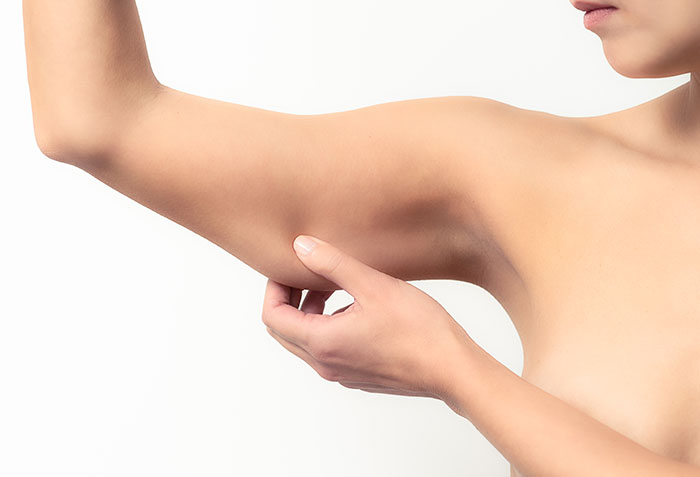
Liposuction for upper arms has gained popularity over the years as a go-to solution for those seeking a sleeker silhouette. This cosmetic procedure targets stubborn fat deposits that resist diet and exercise. First introduced in the late 1970s, liposuction has evolved significantly, becoming safer and more effective, much like arm lift surgery for reducing arm fat. Today, many people choose this option to enhance their body image and boost confidence.

The process involves removing excess fat through small incisions, resulting in more toned arms. With advancements in technology, techniques like tumescent liposuction have minimized recovery time and improved results. Understanding the benefits and risks of this procedure is crucial for anyone considering it. Knowledge empowers you to make informed decisions about your body, including arm lipo and appearance.

Key Takeaways

  • Arm liposuction effectively targets excess fat in the upper arms, offering a less invasive option compared to an arm lift.

  • Consider your specific needs: liposuction is best for fat removal, while an arm lift addresses sagging skin.

  • Research and choose a qualified surgeon who specializes in arm procedures to ensure safety and desired results.

  • Understand the recovery process; expect swelling and bruising, but most people return to normal activities within a few weeks.

  • Be aware of potential risks, such as infection or uneven results, and discuss these with your surgeon beforehand.

  • Arm liposuction can boost confidence and improve arm appearance, making it a valuable option for those struggling with stubborn fat.

What is Arm Liposuction

Definition

Arm liposuction is a cosmetic procedure. It targets unwanted fat in the upper arms. Many people seek this treatment for various reasons. Some want to enhance their appearance with arm lipo, while others desire a more toned look. This surgery helps create a slimmer profile and boosts confidence.

Procedure Details

During arm liposuction surgeries, the surgeon makes tiny incisions. These small cuts from arm lipo are usually hidden in natural folds of the skin. A cannula, which is a thin tube, is inserted through these incisions. The cannula breaks up the fat cells in the area. Once broken apart, the fat is gently suctioned out.

This method minimizes damage to surrounding tissues. As a result, patients experience less bruising and swelling. The entire arm lipo procedure typically takes about one to two hours. Patients often go home on the same day.

Immediate Results

The results of arm lipo can be seen almost immediately. Patients notice flatter and firmer arms right after surgery. However, some swelling may occur initially. Over time, as the swelling from arm lipo subsides, the final results become clearer.

Most people feel satisfied with their new arm shape. The change can significantly improve body image and self-esteem. Many report feeling more comfortable wearing sleeveless clothing afterward.

Recovery Process

Recovery from arm liposuction varies among individuals. Most patients can return to normal activities within a few days. Light exercise may be allowed after about two weeks. Full recovery can take several weeks, depending on individual healing rates.

Surgeons often provide specific aftercare instructions. Following these guidelines helps ensure optimal results. It’s important to wear compression garments as advised. These garments support the healing process and reduce swelling.

Candidates for Surgery

Not everyone is a good candidate for arm liposuction. Ideal candidates are generally healthy adults with localized fat deposits in their upper arms. They should have realistic expectations regarding the outcome of the procedure.

Surgeons evaluate each patient during consultations. They discuss medical history and any potential risks involved with arm liposuction.

Benefits of Arm Liposuction

Immediate Improvement

Arm liposuction provides immediate improvement in the contour and firmness of the upper arms. Many patients notice a significant change right after the procedure. This transformation boosts self-confidence. The arms appear slimmer and more toned, enhancing overall body proportions.

Patients who undergo this procedure often feel happier with their appearance. They can wear sleeveless tops or swimsuits without feeling self-conscious. This newfound confidence can lead to a more active lifestyle and improved social interactions.

Minimal Scarring

Another advantage is the minimal scarring associated with arm liposuction. Surgeons make small incisions, usually in hidden areas like the armpit or along the inner arm. These tiny cuts heal quickly and are less visible than larger surgical scars.

Most patients find that their scars fade over time. Proper care during recovery also helps minimize scar visibility. This feature makes arm liposuction appealing for those concerned about the aesthetic results of surgery.

Enhanced Results with RF Treatments

Enhanced results can be achieved with follow-up radiofrequency (RF) treatments for skin tightening. After liposuction, some patients may experience loose skin due to fat removal. RF treatments help address this concern by stimulating collagen production.

Collagen is essential for skin elasticity and firmness. These non-invasive treatments can improve skin texture and tightness over time. Many patients combine RF treatments with their liposuction for optimal results.

Arm Lipo Candidates

Not everyone is a suitable candidate for arm liposuction. Ideal candidates should be at or near their target weight. Good skin elasticity is also important for achieving the best outcomes. Those who have realistic expectations about the results tend to be more satisfied.

Before undergoing the procedure, candidates must consult with a qualified surgeon. They will evaluate individual health conditions and discuss any concerns.

Arm Lift vs. Liposuction

Fat Removal

Liposuction focuses on removing excess fat from the upper arms. This procedure targets stubborn fat deposits that do not respond to diet or exercise. Many people choose liposuction when they have good skin elasticity and only need fat removal.

Fat removal through liposuction is less invasive than an arm lift. It requires smaller incisions, which means a quicker recovery time. Surgeons use a thin tube called a cannula to suction out the fat. Patients often see immediate results after the procedure.

Skin Tightening

Arm lifts are different. They address loose, saggy skin that comes with age or weight loss. This surgery involves larger incisions along the inner arm. The surgeon removes excess skin and tightens the remaining tissue.

Patients with significant sagging benefit more from an arm lift than from liposuction alone. The results can be more dramatic since the procedure reshapes the entire arm area. Recovery may take longer due to the larger incisions.

Combination Procedures

Surgeons sometimes combine both procedures for optimal results. An arm lift can include liposuction to remove localized fat pockets. This combination allows for comprehensive sculpting of the upper arms.

Using both methods addresses both skin and fat issues effectively. Patients can achieve a smoother and tighter appearance in one surgery. However, this approach may also extend recovery time and increase risks.

Recovery Differences

Recovery varies between these two options. Liposuction typically has a shorter downtime. Patients can return to daily activities within a few days. Swelling and bruising may occur but usually resolve quickly.

In contrast, recovery from an arm lift takes longer due to larger incisions. Patients might experience more pain and discomfort initially. Full recovery can take several weeks, requiring more careful management of physical activity.

Choosing Between Options

Deciding between an arm lift and liposuction depends on individual needs. Those with good skin elasticity might prefer liposuction for fat removal only. Others with significant sagging should consider an arm lift for better results.

Consulting with a qualified surgeon is essential for making this decision. They will evaluate body type, skin condition, and overall health before recommending a procedure.

Liposuction for Excess Fat

Fat Removal

Liposuction serves as an effective method for removing stubborn fat deposits. Many individuals struggle with excess fat that does not respond to diet or exercise. This is especially true for the upper arms, where fat can accumulate despite efforts to lose weight.

The procedure focuses on specific areas of the body. Surgeons use liposuction to target unwanted fat in the upper arms. They create small incisions and insert a thin tube called a cannula. This cannula helps to suction out fat from beneath the skin. The precise technique allows for better control over the contours of the arm.

Precision Technique

Liposuction surgery emphasizes precision and minimal invasiveness. Surgeons utilize advanced techniques to ensure the best results. For instance, tumescent liposuction involves injecting a solution into the fatty area. This solution numbs the area and reduces bleeding during surgery.

The use of lasers in some procedures enhances precision further. Laser-assisted liposuction melts fat before removal. This method can lead to less trauma and quicker recovery times. Patients often experience less discomfort compared to traditional methods.

Weight Loss Benefits

Many people consider liposuction as part of their weight loss journey. While it is not a substitute for exercise or a healthy diet, it can complement these efforts. Liposuction removes excess fat that may hinder progress in weight management.

After the procedure, patients often feel more motivated to maintain their results. They may find it easier to engage in physical activities due to improved body confidence. This psychological boost can lead to healthier lifestyle choices.

Recovery Process

The recovery process after liposuction varies from person to person. Most patients experience swelling and bruising, which typically resolves within a few weeks. Doctors recommend wearing compression garments to support healing and reduce swelling.

Light exercise can usually resume within a few days, but strenuous activities should wait longer. Following post-operative instructions is crucial for optimal healing and results. Regular follow-up appointments allow doctors to monitor progress and address any concerns.

Considerations

Potential candidates must consider several factors before undergoing liposuction. Age, overall health, and skin elasticity play significant roles in determining eligibility. Consulting with a qualified surgeon is essential for understanding risks and benefits.

Patients should have realistic expectations about outcomes and recovery time. Liposuction is not an instant fix but rather a tool for contouring the body.

Arm Lift for Excess Skin

Suitability of Candidates

Arm lift surgery is ideal for individuals with significant loose skin. This condition often arises from weight loss, aging, or genetics. Many arm lift patients seek this procedure to improve their upper arm contour. Candidates typically have flabby arms and excess skin that does not respond to diet or exercise.

Surplus arm skin can lead to discomfort and self-consciousness. An upper arm lift can restore confidence by creating a more toned appearance. However, not everyone is a suitable candidate. Good health and realistic expectations are crucial for successful outcomes.

Procedure Overview

The arm lift procedure involves trimming excess skin and tightening underlying tissues. Surgeons make incisions along the inner arm, where scars are less visible. They remove unwanted skin and fat, reshaping the arm for a smoother contour.

Surgeons may combine an arm lift with liposuction to enhance results. Liposuction helps eliminate stubborn fat deposits, further refining the arm shape. Patients often experience a noticeable improvement in their arm’s appearance after surgery.

Recovery times vary among individuals. Most patients return to normal activities within a few weeks. Full recovery may take several months as swelling subsides.

Scarring Considerations

Patients should be aware of potential scarring from the surgery. While surgeons strive to minimize scars, some visibility is inevitable. Techniques such as precise incision placement help reduce scar prominence.

Surgeons often recommend post-operative care to promote healing. Using silicone sheets or creams can improve scar appearance over time. Following care instructions is essential for optimal results.

Benefits of Arm Lifts

Arm lifts offer several benefits beyond aesthetic improvements. They can enhance comfort during physical activities, especially for those who engage in arm weight training. A well-contoured arm allows for greater freedom of movement and increased confidence in clothing choices.

Many patients report improved self-esteem after undergoing an upper arm lift. The psychological benefits can be just as significant as the physical changes.

Procedure and Recovery

Surgery Steps

Liposuction for the upper arms involves several key steps. First, the surgeon marks the treatment area. This helps to define where the fat removal will occur. Then, the patient receives anesthesia. This can be local or general, depending on the amount of fat to be removed.

Next, the surgeon makes small incisions in the skin. These incisions are typically less than an inch long. They are placed in discreet areas to minimize visible scarring. After that, a thin tube called a cannula is inserted through the incisions. The cannula helps to break up and suction out excess fat from the upper arms.

Surgeons may use various techniques during the procedure. Tumescent liposuction is common. This method involves injecting a solution into the area to reduce bleeding and swelling. Another technique is ultrasound-assisted liposuction, which uses sound waves to help remove fat more effectively.

Recovery Timeline

Recovery from arm liposuction varies by individual. Most patients can expect some swelling and bruising after surgery. These symptoms usually peak within a few days. Initial recovery takes about one to two weeks. During this time, patients should rest and avoid strenuous activities.

After about two weeks, many patients return to light activities. Full recovery can take several weeks, often up to three months. By this time, most of the swelling will have subsided. Final results become visible as healing progresses.

Patients should monitor their progress during recovery. If any unusual symptoms arise, they should contact their surgeon immediately.

Post-Operative Care

Following post-operative care instructions is crucial for optimal results. Patients should wear compression garments as advised. These garments help reduce swelling and support the healing process.

Staying hydrated and eating a balanced diet also aids recovery. Avoiding smoking and alcohol is essential, as these can slow healing.

Regular follow-up appointments with the surgeon ensure everything is healing properly. Surgeons may provide additional guidance during these visits.

Results from arm liposuction can significantly improve appearance and confidence. However, maintaining a healthy lifestyle post-surgery is vital for lasting results.

Potential Risks and Complications

Common Risks

Liposuction for upper arms carries common risks. Infection is one of the primary concerns. It can occur if bacteria enter the body during or after the procedure. Bruising is also common. Patients often notice discoloration around the treated area. Swelling can last for several weeks, causing discomfort.

These risks are generally manageable with proper care. Following post-operative instructions helps reduce complications. Patients should monitor their healing closely. Any unusual symptoms should be reported to a healthcare provider immediately.

Rare Complications

Serious complications are rare but can happen. Nerve damage may occur during the procedure. This can lead to numbness or tingling in the arms. Asymmetry is another possible issue. In some cases, one arm may appear different from the other after surgery.

Such complications can affect a person’s satisfaction with the results. Understanding these risks helps patients make informed decisions. Discussing concerns with a qualified surgeon is essential.

Importance of Qualified Surgeons

Choosing a qualified surgeon is crucial for minimizing risks. Board-certified plastic surgeons have extensive training and experience. They understand the complexities of liposuction procedures. A skilled surgeon reduces the likelihood of complications significantly.

Patients should research potential surgeons thoroughly. Checking credentials and reading reviews can provide insight into their expertise. A good surgeon will discuss all potential risks openly. They will answer any questions patients may have, ensuring comfort and understanding.

Consultations are important before making a decision. During these meetings, patients can express their goals and concerns. The surgeon can then tailor recommendations based on individual needs.

Choosing the Right Surgeon

Credentials Check

Verify the surgeon’s credentials before proceeding. Look for board certification in plastic surgery. This ensures they have the required training and skills. Experience is crucial, especially with arm liposuction. Ask how many procedures they have performed. A seasoned surgeon can better manage complications.

Research their educational background and any additional training. Some surgeons specialize in specific areas, such as body contouring. This specialization can increase the chances of a successful outcome.

Review Photos

Before-and-after photos provide insight into a surgeon’s work. Examine these images closely to gauge their results. Look for consistency in outcomes among various patients. This can indicate the surgeon’s skill level.

Pay attention to the quality of results. Notice how well the arms appear post-surgery. Check for minimal scarring and smooth contours. Good results should show natural-looking arms without excessive scars.

Schedule Consultations

Consultations are essential in choosing a surgeon. Schedule meetings with multiple surgeons to discuss your goals. Share your expectations regarding arm liposuction. This helps ensure everyone is on the same page.

During consultations, ask about techniques used in the procedure. Surgeons may use different types of cannulas during liposuction. These tools help remove fat effectively while minimizing damage to surrounding tissues.

Discuss potential scarring as well. Understand what to expect post-surgery regarding recovery and scars. Surgeons should explain how they minimize scarring during the procedure.

Discuss Concerns

Bring up any concerns you may have during consultations. Questions about recovery time, pain management, and risks are important to address. A good surgeon will take time to listen and answer all questions clearly.

Discussing previous experiences with other patients can also be helpful. Ask if they can provide testimonials or references from past clients. Hearing from others who underwent similar procedures can ease anxiety.

Evaluate Comfort Level

Evaluate your comfort level with each surgeon you meet. Trust your instincts when making this decision. A good rapport with your surgeon is vital for a successful outcome.

A positive relationship fosters open communication throughout the process. Feeling comfortable allows you to express concerns freely and ask questions without hesitation.

Final Thoughts on Arm Liposuction

Benefits Overview

Arm liposuction offers several benefits for those seeking a more toned appearance. Many candidates experience slimmer and firmer arms after the procedure. This can enhance self-esteem and body image. The results often lead to improved confidence in wearing sleeveless tops or swimsuits.

The arm liposuction procedure typically involves removing excess fat through small incisions. These incisions are strategically placed to minimize visible scarring. Patients generally appreciate the quick recovery time compared to other surgical options. Most can return to daily activities within a week.

Weighing Pros and Cons

Potential patients should carefully weigh the pros and cons of arm liposuction. On the positive side, many individuals achieve significant changes in their arm contour. However, there are risks involved, such as potential complications or dissatisfaction with arm liposuction results. Consulting with a qualified professional is essential. They can provide personalized advice based on individual health and goals.

Understanding who qualifies as an ideal candidate is crucial. Generally, good candidates are those near their target weight but struggle with stubborn fat in the upper arms. Age, skin elasticity, and overall health also play roles in determining eligibility for this surgery.

Setting Realistic Expectations

Setting realistic expectations is vital before undergoing any cosmetic procedure. Arm liposuction does not guarantee perfection. Instead, it aims to improve the overall shape of the arms. Patients must understand that results vary among individuals. Factors like genetics and lifestyle influence outcomes significantly.

Following medical advice post-surgery is critical for optimal recovery. Surgeons often recommend specific aftercare routines, including compression garments and limited physical activity initially. Adhering to these guidelines helps ensure the best possible results.

Final Remarks

Arm liposuction can be a game-changer for those struggling with stubborn fat in their upper arms. It offers a less invasive option compared to an arm lift, making recovery easier and faster. You gain confidence and improved body contours without the need for extensive surgery. Understanding the procedure, benefits, and potential risks is crucial for making informed decisions.

Choosing the right surgeon is key to achieving your desired results. Take your time, do your research, and prioritize expertise. If you’re ready to take the next step toward your ideal arms, consult with a qualified professional today. Your journey to a more confident you starts now!

Frequently Asked Questions

What is arm liposuction?

Arm liposuction is a cosmetic surgical procedure that removes excess fat from the upper arms. It helps to create a more contoured and toned appearance, enhancing overall arm aesthetics.

Who is a good candidate for arm liposuction?

Ideal candidates are individuals with localized fat deposits in their upper arms and good skin elasticity. They should be at or near their target weight and have realistic expectations about the results.

How long does the recovery take after arm liposuction?

Recovery typically takes about one to two weeks. Most patients can resume light activities within a few days but should avoid strenuous exercise until cleared by their surgeon.

Are there any risks associated with arm liposuction?

Yes, potential risks include infection, bleeding, scarring, and uneven contours. Choosing a qualified surgeon minimizes these risks significantly.

Can arm liposuction be combined with other procedures?

Yes, arm liposuction can be combined with procedures like an arm lift for better results. Consult your surgeon to discuss the best options for your needs.

How long do the results of arm liposuction last?

Results can last for years if you maintain a stable weight and healthy lifestyle. However, significant weight fluctuations may affect the outcome.

Is anesthesia required for arm liposuction?

Yes, arm liposuction usually requires local or general anesthesia, depending on the extent of the procedure. Your surgeon will determine the best option for you during the consultation.

Hand Rejuvenation: Comprehensive Guide to Techniques & Benefits

Arm sculpting and hand rejuvenation are gaining popularity in the beauty world. Historically, these facial skin rejuvenation treatments were reserved for the elite but have become accessible to many, including ultimate hand rejuvenation and youthful hand revitalization through hand rejuvenation consultation. Today, people seek ways to enhance their arms and hands for a more youthful appearance.

Sculpting techniques focus on toning muscles, improving skin texture, and addressing hand aging and hand rejuvenation surgery. Hand rejuvenation addresses signs of aging like wrinkles and sunspots. These procedures can boost confidence and improve overall aesthetics. With advancements in technology, achieving toned arms and youthful hands is easier than ever. Explore how these treatments can transform your look and elevate your self-esteem.

Key Takeaways

  • Arm sculpting and hand rejuvenation can enhance your appearance, making your arms and hands look toned and youthful.

  • Consider hand rejuvenation if you notice signs of aging like wrinkles or volume loss; it can significantly improve your self-confidence.

  • Check if you’re a good candidate for these procedures by consulting with a qualified professional who can assess your needs and goals.

  • Explore various treatment options such as filler injections, chemical peels, or laser skin resurfacing to find what suits you best.

  • Fat transfer techniques can provide natural-looking results, while sclerotherapy effectively treats visible veins in the hands.

  • Always prioritize safety and choose experienced practitioners to ensure the best outcomes for your arm and hand treatments.

Understanding Arm Sculpting and Hand Rejuvenation

Arm Sculpting

Arm sculpting is a cosmetic procedure that focuses on improving the shape and tone of the arms. It targets excess fat and loose skin, giving the arms a more defined look. This procedure can involve various techniques, such as liposuction or non-invasive treatments.

Liposuction removes unwanted fat from specific areas. It helps create a slimmer appearance. Non-invasive methods, like ultrasound or radiofrequency, tighten the skin without surgery. Both options aim to enhance overall arm aesthetics.

Aging and lifestyle factors affect arm appearance. Over time, skin loses elasticity. Weight fluctuations can also contribute to sagging skin. Regular exercise may help maintain muscle tone, but some people still seek arm sculpting for better results.

Hand Rejuvenation

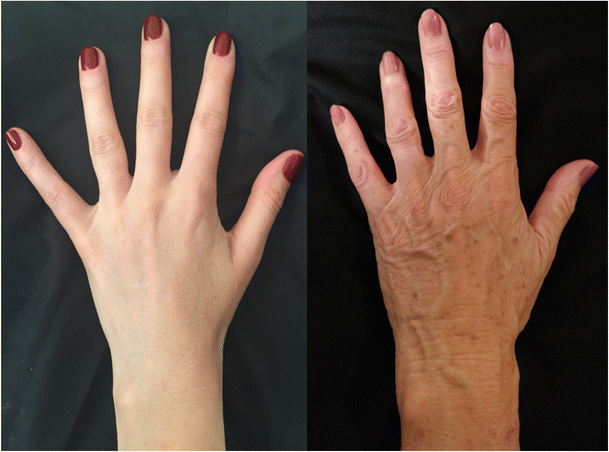
Hand rejuvenation refers to a series of treatments designed to restore a youthful look to aging hands. As people age, their hands often show signs of wear and tear. Common issues include wrinkles, sunspots, and loss of volume.

These treatments can include fillers, laser therapy, or chemical peels. Fillers add volume to the back of the hands, reducing the appearance of veins and bones. Laser therapy targets pigmentation issues and improves skin texture. Chemical peels remove dead skin cells, promoting new cell growth.

Hand rejuvenation is essential for those concerned about hand aging. Beautiful hands contribute to overall body aesthetics. Many individuals want their hands to reflect their youthful spirit.

Importance of Procedures

Both arm sculpting and hand rejuvenation address aesthetic concerns related to aging and lifestyle choices. Aging affects everyone differently, but these procedures offer solutions for those looking to enhance their appearance.

People often feel self-conscious about their arms and hands as they age. They may avoid wearing short sleeves or engaging in activities that expose their hands. These feelings can impact confidence levels.

By opting for these procedures, individuals can regain confidence in their appearance. Improved arm contour and youthful-looking hands can boost self-esteem significantly.

In summary, arm sculpting enhances the contour of the arms while hand rejuvenation restores the youthful look of aging hands. Both procedures play a crucial role in addressing aesthetic concerns caused by time and lifestyle factors.

Benefits of Hand Rejuvenation

Improved Texture

Hand rejuvenation treatments offer significant improvements in skin texture. These procedures enhance the elasticity of the skin, making hands appear younger. Many people notice a smoother feel after undergoing rejuvenation.

These treatments often include fillers or laser therapy. They help to plump up the skin and reduce signs of aging. As a result, individuals experience a more youthful look.

Even Skin Tone

Visible veins and pigmentation can make hands look older. Hand rejuvenation techniques aim to reduce these issues. Treatments like chemical peels and laser therapy can help achieve a more even skin tone.

Removing dark spots and reducing vein visibility leads to rejuvenated hands. Patients often report feeling more confident after seeing improvements in their hand quality.

Restored Volume

Many individuals suffer from bony or crepey hands due to aging. Hand rejuvenation procedures restore volume effectively. Fillers can be injected to add fullness back into the hands.

This restoration minimizes the appearance of bones and tendons. The result is a smoother, plumper look that enhances overall hand aesthetics. Patients appreciate how this change makes their hands appear healthier.

Long-lasting Results

Permanent hand rejuvenation options exist for those seeking lasting effects. Some surgical techniques provide long-term solutions for hand quality improvement. These methods often include fat grafting or advanced filler injections.

Patients can enjoy the benefits of youthful hands for years with proper care. Regular maintenance treatments can help sustain the results achieved through initial procedures.

Proper Hand Care

Proper hand care plays a crucial role in maintaining rejuvenated hands. Frequent hand washing can lead to dryness and irritation if not managed well. Using moisturizers daily helps keep the skin hydrated and supple.

Sunscreen application is equally important. Protecting hands from sun damage prevents premature aging signs. A consistent skincare routine ensures that patients maximize the benefits of their hand rejuvenation treatments.

Consultation Importance

Considering hand rejuvenation procedures starts with a consultation. This step allows individuals to discuss their concerns with professionals. Experts can recommend appropriate treatments based on specific needs.

A personalized approach helps ensure satisfactory results for each patient. Understanding available options empowers individuals to make informed decisions about their hand care.

Candidate Eligibility for Procedures

Ideal Candidates

Individuals with visible signs of aging on their hands are often the best candidates for hand rejuvenation procedures. Common issues include wrinkles, loss of volume, and hyperpigmentation. These signs can make hands appear older than the person’s actual age. Many people seek treatment to restore a youthful look.

Those who notice changes in their hands may feel self-conscious. They might avoid social situations or activities that expose their hands. This emotional impact can motivate them to consider surgical or reconstructive procedures.

Health Considerations

Good overall health is crucial for anyone considering these procedures. Patients should be free from serious medical conditions that could complicate recovery. Conditions like diabetes or heart disease may increase risks during and after surgery.

Realistic expectations are also important. Understanding what the procedure can achieve helps patients feel satisfied with the results. A clear discussion about potential outcomes will prepare them for what to expect post-treatment.

Consultation Importance

A consultation with a board-certified plastic surgeon is essential before any procedure. During this meeting, the surgeon will assess the patient’s specific needs. They will discuss options like IPL (Intense Pulsed Light) therapy or other techniques tailored to individual cases.

Surgeons evaluate skin condition, age, and health history during consultations. They will explain safety protocols and strict standards followed at accredited facilities. This ensures that patients receive high-quality care.

Patients should come prepared with questions. Knowing what to ask can help clarify concerns about the procedure and recovery process.

Age Factors

Age plays a role in candidate eligibility for hand rejuvenation procedures. Generally, individuals over 30 begin to notice more significant signs of aging on their hands. However, younger patients may also seek treatment if they have early signs of aging or skin damage.

Surgeons often consider the patient’s skin elasticity and healing ability based on age. Younger patients tend to heal faster, while older individuals may require a longer recovery period.

Safety Standards

Safety is a priority in any surgical procedure. Accredited facilities adhere to strict standards to ensure patient well-being. These facilities maintain cleanliness and utilize advanced technology for optimal results.

Potential patients should always verify the credentials of their chosen facility and surgeon. This step is vital in ensuring they receive safe and effective care.

Treatment Options Overview

Noninvasive Treatments

Filler injections are popular for arm sculpting. These injectables add volume and smooth out wrinkles. Patients often see immediate results. Chemical peels also help rejuvenate the skin. They remove the outer layer, revealing fresher skin underneath. This method can reduce signs of aging.

Laser resurfacing is another effective option. This technique uses laser technology to improve skin texture and tone. It targets specific areas, reducing blemishes and fine lines. Many patients prefer noninvasive treatments due to shorter recovery times.

Surgical Options

Surgical methods offer more dramatic results. Fat transfer is one such procedure. Surgeons harvest fat from other body areas and inject it into the arms. This creates a fuller appearance while contouring the body.

Sclerotherapy is often used for treating varicose veins in the hands. This involves injecting a solution that collapses the veins, improving overall appearance. Both procedures require careful consideration of patient goals.

Customization of Plans

Each treatment plan should be tailored to individual concerns. Factors like age, skin type, and personal preferences play a role in decision-making. Patients need to discuss their desired outcomes with professionals.

The customization process helps ensure satisfaction with results. Some may prioritize appearance while others focus on recovery time. A thorough consultation allows for a comprehensive approach to rejuvenation.

Patients should also consider potential downsides of each option. Noninvasive treatments may require multiple sessions for optimal results. Surgical options involve longer recovery periods but can yield lasting effects.

Ethics in Treatment

Ethics are crucial in any medical treatment. Professionals must ensure that patients fully understand their options. They should provide information about risks and benefits before proceeding.

Informed consent is vital for patient safety and satisfaction. Practitioners must respect patient autonomy when discussing treatment plans.

Filler Injections for Hands

Dermal Fillers

Dermal fillers like Restylane Lyft and Radiesse are popular choices for hand rejuvenation. These products restore volume to thinning hands. They work by adding fullness, making the hands appear younger. Restylane Lyft contains hyaluronic acid, which attracts moisture. Radiesse stimulates collagen production, providing long-lasting results.

Both fillers offer a non-surgical option for hand enhancement. They help improve the appearance of veins and tendons that become more visible with age. Patients often seek these treatments for a more youthful look.

Minimally Invasive

Filler injections are minimally invasive procedures. They require no surgical incisions, reducing recovery time significantly. Most patients can return to their daily activities almost immediately after treatment.

The process usually takes less than an hour. A healthcare professional administers the injections in a clinical setting. Local anesthesia may be used to minimize discomfort during the procedure.

Immediate Results

One of the main advantages of filler injections is the immediate results they provide. Patients see a noticeable difference right after the procedure. The hands look fuller and more youthful immediately.

These results typically last several months, depending on the type of filler used. Maintenance treatments can help maintain the desired look over time. Many people appreciate how natural these enhancements appear.

Effectiveness

Filler injections effectively address common concerns about aging hands. Thinning skin and loss of volume are significant issues as we age. Fillers tackle these problems head-on by restoring lost volume.

Studies show that most patients report satisfaction with their results. They enjoy the improved aesthetics and feel more confident in their appearance.

Choosing the right type of filler is essential for achieving optimal results. Consulting with a qualified provider ensures that patients receive personalized treatment plans tailored to their needs.

Chemical Peels for Skin

Skin Layers

Chemical peels work by removing the superficial skin layers. This process helps to reveal fresher and healthier skin underneath. The peels use various acids to exfoliate the outer layer of skin. As a result, the skin appears smoother and more radiant.

Dark Spots

These treatments are effective for reducing dark spots. They help improve skin tone on the hands as well. Many people deal with pigmentation issues due to sun exposure or aging. Chemical peels can target these particular skin concerns effectively. Over time, patients notice a reduction in uneven pigmentation.

Peel Strengths

Different peel strengths are available to suit various skin types and concerns. Light peels are suitable for sensitive skin and require minimal downtime. Medium peels penetrate deeper and address more severe issues like wrinkled skin and age spots. Deep peels offer significant results but involve longer recovery times.

Collagen Boost

Chemical peels stimulate collagen production in the skin. Collagen is essential for maintaining a youthful complexion. Increased collagen leads to firmer and more elastic skin. This benefit can significantly enhance the appearance of aged hands.

Skincare Routines

Incorporating chemical peels into skincare routines can yield impressive results. Regular treatments can help maintain a youthful look over time. It’s important to follow up with proper sun protection after a peel. Sunscreen helps protect newly exposed skin from UV damage.

Consultation Importance

Consulting with a dermatologist is crucial before starting any peel treatment. A professional assessment can determine the best type of peel for individual needs. They will consider factors like skin type, concerns, and desired outcomes.

Results Timeline

Results from chemical peels vary based on peel strength and individual skin response. Some may see improvements within a few days, while others may take weeks to notice changes. Patience is key when waiting for optimal results.

Emotional Impact

People often feel more confident after undergoing chemical peels. Improved skin tone and texture can boost self-esteem and enhance overall well-being. Many individuals report feeling rejuvenated after their treatments.

Laser Skin Resurfacing

Erbium Laser

Erbium laser is a popular choice for skin resurfacing. It effectively targets wrinkles and sun damage. This laser removes the outer layer of skin with precision. It also promotes collagen production in deeper layers. Patients often see significant improvement in skin texture after treatment.

This laser is suitable for various skin types. It minimizes the risk of side effects, such as hyperpigmentation. Many qualified plastic surgeons prefer erbium lasers for their effectiveness. The procedure typically requires minimal downtime, making it appealing to many.

Fraxel Laser

Fraxel laser is another advanced option for skin rejuvenation. It uses fractional technology to treat specific areas of the skin. This method enhances healing while reducing recovery time. Fraxel can address issues like acne scars, wrinkles, and uneven tone.

Surgeons recommend this treatment for its versatility. It can be customized based on individual needs and skin conditions. Patients appreciate the gradual improvement seen over several weeks post-treatment.

Precision Treatment

Laser resurfacing stands out due to its precision. The laser targets specific areas without damaging surrounding tissues. This focused approach leads to better results in cosmetic rejuvenation.

Surgeons can adjust the intensity of the laser according to the patient’s needs. This customization helps in treating various skin concerns effectively. The outcome is smoother skin with fewer visible imperfections.

Significant Improvements

Many patients report a noticeable change in their skin appearance after laser treatments. Improvements include reduced wrinkles, even skin tone, and enhanced texture. These changes boost confidence and self-esteem.

Skin resurfacing procedures can also help with excess skin removal. For individuals with sagging skin, this can be a game-changer. A skilled surgeon will assess each case to determine the best approach.

Safety and Training

Safety remains a priority during these procedures. Surgeons undergo extensive training in laser techniques. This training ensures they understand how to use lasers safely and effectively.

Patients should always seek a qualified plastic surgeon for these treatments. Proper training and experience are crucial for achieving desired results.

Fat Transfer Techniques

Liposuction Process

Liposuction is the first step in the fat transfer process. Surgeons use a thin tube called a cannula to remove unwanted fat from specific areas of the body. Common sites for liposuction include the abdomen, thighs, or hips. The procedure begins with anesthesia to ensure patient comfort.

Surgeons make small incisions on the skin and insert the cannula. They then suction out excess fat through these incisions. This method allows for precise fat removal while minimizing damage to surrounding tissues. After this, the extracted fat undergoes a refining process. It gets cleaned and prepared for reinjection.

Refining and Reinjecting Fat

Once surgeons prepare the fat, they inject it into the hands. This technique enhances volume and smooths out wrinkles. The injected fat helps restore lost fullness, providing a youthful appearance.

The reinjection process requires skill and precision. Surgeons use small syringes to carefully place the fat in targeted areas. They ensure an even distribution for natural-looking results. Patients often notice immediate improvements after the procedure.

Dual Benefits

Fat transfer offers a dual benefit: body contouring and hand rejuvenation. Patients can reshape their bodies while enhancing their hands simultaneously. This technique allows individuals to achieve their desired aesthetic goals without multiple procedures.

For example, someone may want to remove stubborn fat from their abdomen while restoring volume in their hands. By combining these two treatments, patients save time and reduce recovery periods.

Natural and Long-lasting Results

One of the key advantages of fat grafting is its natural results. Since the procedure uses the patient’s own fat, there is little risk of rejection or allergic reactions. The body recognizes this fat as its own, leading to a more natural look.

Results from fat transfer are also long-lasting. Unlike fillers that need regular maintenance, transferred fat can remain for years if properly maintained. Patients enjoy improved aesthetics without frequent visits to clinics.

Studies show that about 50-70% of injected fat survives long-term after the procedure. Factors such as age, health, and lifestyle can influence these outcomes.

Sclerotherapy for Veins

Sclerotherapy Overview

Sclerotherapy is a medical procedure used to treat visible hand veins. It involves injecting a solution directly into the veins. This solution irritates the vein lining, causing it to collapse and eventually fade from view. Many patients seek sclerotherapy to achieve smoother, vein-free hands. The results can be quite effective, restoring confidence in one’s appearance.

In many cases, large veins in the hands can become prominent due to volume loss. As people age, they may experience a decrease in fat and skin elasticity. This can lead to more visible veins. Sclerotherapy addresses this issue by targeting those larger veins, effectively reducing their visibility.

Medical Considerations

Accessibility of upper arm veins is crucial for future medical needs. These veins are often used for blood draws or IV placements. If sclerotherapy is performed on these veins, it may limit access during medical procedures. Patients should discuss their medical history with their healthcare provider before proceeding with treatment.

The decision to undergo sclerotherapy should factor in personal health considerations. Patients with certain conditions or those who have had prior vein treatments may need special attention. Consulting with an experienced professional ensures that all risks are understood.

Effectiveness of Sclerotherapy

Sclerotherapy has proven effective in achieving desired results for many patients. After treatment, individuals often notice a significant reduction in the appearance of hand veins. The procedure typically requires multiple sessions to achieve optimal results. Patients usually see improvements within weeks following treatment.

For those seeking alternatives to fat transfer techniques, sclerotherapy offers a non-surgical option. Unlike fat transfer, which adds volume, sclerotherapy focuses on removing unwanted veins. This can create a smoother appearance without the need for invasive surgery.

Patients often report high satisfaction rates after completing their sclerotherapy treatments. The procedure is generally well-tolerated and does not require extensive downtime. Many individuals return to normal activities shortly after treatment.

Closing Thoughts

Arm sculpting and hand rejuvenation can transform your appearance and boost your confidence. You’ve explored various treatment options, from filler injections to fat transfer techniques. Each method has its unique benefits tailored to your needs. Understanding these choices helps you make informed decisions about your aesthetic goals.

Now is the time to take action. Consult with a qualified professional to discuss what works best for you. Embrace the opportunity to enhance your arms and hands, revealing a more youthful version of yourself. Your journey to a refreshed look starts today—don’t wait any longer!

Frequently Asked Questions

What is arm sculpting?

Arm sculpting is a cosmetic procedure aimed at enhancing the shape and contour of the arms. It can involve various techniques such as liposuction, fat transfer, or skin tightening to achieve a toned appearance.

Who is a good candidate for hand rejuvenation?

Good candidates for hand rejuvenation are individuals who want to improve the appearance of aging hands. Ideal candidates typically have realistic expectations and are in good health without significant underlying medical conditions.

How long do results from filler injections last?

Results from filler injections for hands typically last between six months to two years, depending on the type of filler used and individual factors like metabolism and lifestyle.

Are chemical peels safe for hands?

Yes, chemical peels are generally safe for hands when performed by a qualified professional. They help improve skin texture and reduce signs of aging, such as sun spots and wrinkles.

What is sclerotherapy used for?

Sclerotherapy is used to treat spider veins and small varicose veins on the hands. The procedure involves injecting a solution that causes the veins to collapse and fade from view.

Can I combine treatments for better results?

Yes, combining treatments like fillers, laser resurfacing, and chemical peels can enhance overall results. A consultation with a specialist will help determine the best approach for your needs.

How soon can I see results after treatment?

Most patients notice improvements immediately after procedures like fillers or chemical peels. However, optimal results may take several weeks as swelling subsides and skin heals.

Fat Transfer: Benefits, Procedure, Recovery & What to Know

Liposuction with fat transfer for subtle body enhancements in cosmetic surgery has gained popularity over the years among plastic surgeons, particularly for managing fatty tissue, often following a plastic surgery training program. This technique allows individuals to sculpt their bodies while enhancing areas that may need a boost. It combines the removal of unwanted fat from one area and its reinjection into another, creating a more balanced silhouette.

Historically, liposuction emerged in the late 20th century as a way to contour the body. Over time, it evolved, leading to innovative methods like fat transfer. This approach not only helps in reducing stubborn fat but also offers natural-looking results. Many people now opt for this dual benefit of fat transfer surgeries, seeking a refined appearance with quality fat without drastic changes.

Key Takeaways

  • Liposuction with fat transfer is an effective way to enhance your body subtly, allowing you to reshape areas while using your own fat for natural-looking results.

  • Ideal candidates for this procedure are those with enough excess fat and realistic expectations about the outcomes, making it important to consult with a qualified professional.

  • Common areas for fat transfer include the breasts, buttocks, and face; choose a target area that aligns with your personal enhancement goals.

  • The procedure involves removing fat from one area and injecting it into another, which can lead to longer-lasting results compared to synthetic fillers.

  • Recovery typically takes a few weeks, but you should follow post-operative care instructions closely to ensure optimal healing and results.

  • Always discuss the potential risks and safety concerns with your doctor before proceeding, as understanding these factors is crucial for informed decision-making.

Understanding Fat Transfer

Definition

Fat transfer is a procedure that involves removing fat from one part of the body. This fat is then injected into another area. The goal is to enhance body contours. The process reshapes and improves the body’s appearance naturally.

This technique is also known as autologous fat transfer, fat grafting, fat injections, or lipofilling. It uses the patient’s own fat, which reduces the risk of allergic reactions. Doctors often choose this fat grafting method for its safety and effectiveness in fat transfer surgeries.

Procedure Steps

The procedure begins with liposuction. Surgeons remove fat from areas like the abdomen, thighs, or hips. They use a thin tube called a cannula to extract the fat. This step usually requires local or general anesthesia.

After collecting the fat, doctors prepare it for injection. They clean and process the fat to ensure quality. This step removes any impurities and excess fluids.

Once ready, the surgeon injects the purified fat into the desired area. Common areas for injection include fat grafting in the face, breasts, and buttocks. The amount of fat transferred varies based on individual needs.

Goals of Fat Transfer

The main goal of fat transfer is to enhance body contours naturally. Patients seek this procedure for various reasons. Some want fuller lips or cheeks through fat grafting, while others desire a more rounded buttocks.

Fat transfer can also improve skin texture. It helps fill in wrinkles and creases with fat graft, giving a youthful appearance. Many prefer this method over synthetic fillers because it uses their own tissue.

Patients appreciate the subtle enhancements that fat transfer provides. Unlike implants, which can create dramatic changes, fat transfer offers a more natural look. Results appear gradual and blend seamlessly with existing features.

Recovery Process

Recovery from fat transfer varies by individual. Most patients experience swelling and bruising in both the donor fat graft and injection sites. These effects usually subside within a few weeks.

Surgeons recommend avoiding strenuous activities during recovery. Following post-operative care instructions for the fat graft is essential for optimal results. Patients should wear compression garments to support healing.

Many return to regular activities in about one week but may need longer for full recovery after a fat graft. Results become more visible as swelling decreases over time.

Considerations

Fat transfer is not suitable for everyone. Candidates should be in good health and have enough excess fat for removal. Discussing expectations with a qualified surgeon is crucial before deciding on this procedure.

Understanding the benefits and limitations of fat transfer helps patients make informed choices. With proper planning, many achieve their desired body enhancements through this technique.

Benefits of Liposuction with Fat Transfer

Dual Benefit

Liposuction with fat transfer offers a dual benefit. It removes unwanted fat from one area while enhancing another. Patients often choose this procedure to shape their bodies more effectively. With surgical liposuction, excess fat can be taken from areas like the abdomen or thighs. This fat is then purified and injected into areas that need volume, such as the breasts or buttocks.

The combination of these two procedures allows for a more balanced figure. Many patients appreciate this approach because they achieve two goals at once. They can slim down in one area while adding fullness in another.

Natural Results

The use of the patient’s own fat leads to natural-looking results. Unlike synthetic fillers, using body fat reduces the risk of allergic reactions. The body accepts its own tissue better than foreign materials. This means the results often look smoother and more natural.

Patients enjoy the fact that their enhancements blend seamlessly with their bodies. The fat transferred integrates well into the surrounding tissues. Over time, it can even develop its own blood supply. This process enhances the longevity of the results.

Improved Proportions

Liposuction with fat transfer also improves body proportions and symmetry. Many individuals feel self-conscious about uneven body shapes or sizes. This procedure helps create a more harmonious appearance.

For example, someone might have larger hips but a smaller bust. By removing fat from the hips and transferring it to the bust, they can achieve better balance. This improvement boosts confidence and satisfaction with one’s appearance.

Minimal Scarring

Another advantage includes minimal scarring compared to traditional liposuction techniques. Surgeons make small incisions during the process. These incisions are less noticeable than those from other surgical methods. Patients tend to heal faster due to smaller wounds.

People appreciate this aspect since they want to avoid visible scars after surgery. The focus remains on enhancing their bodies without drawing attention to the procedure itself.

Versatile Applications

This technique has various applications beyond just lip enhancement. It can improve facial features, like cheeks or jawlines, too. By providing volume where needed, it creates a youthful look.

Many patients find this versatility appealing. They can customize their enhancements based on personal preferences and needs.

Suitable Candidates for Fat Transfer

Ideal Candidates

Good candidates for liposuction with fat transfer are typically those who are close to their ideal body weight. These individuals should also be in good health, as overall wellness plays a significant role in the success of the procedure. A healthy lifestyle can enhance results and ensure a smoother recovery.

Candidates must have enough unwanted fat available for removal. This excess fat is crucial because it provides the material needed for transfer to other areas of the body. Without sufficient adipose fat, the procedure may not be feasible or effective.

Realistic Expectations

Realistic expectations are vital for anyone considering this procedure. Patients should understand that liposuction with fat transfer aims for subtle enhancements rather than dramatic changes. Those seeking noticeable alterations might feel disappointed if they do not achieve their desired look.

Potential patients should also recognize that results can vary based on individual circumstances. Factors such as skin elasticity and body type play a role in how well the transferred fat integrates into the new location.

Consultation with Surgeons

Choosing an experienced plastic surgeon is essential for successful outcomes. A skilled surgeon will evaluate each candidate’s unique situation during consultations. They will assess body composition and discuss goals to determine if someone qualifies as a suitable candidate.

Surgeons often explain the importance of quality fat in these procedures. Not all fat cells survive after transfer. Healthy, well-preserved fat cells lead to better results and longer-lasting effects. Surgeons may also use techniques to ensure that the transferred fat has the best chance of thriving in its new location.

Understanding Risks

Every surgical procedure comes with risks. Candidates should be aware of potential complications associated with liposuction and fat transfer. Common risks include infection, uneven results, and changes in skin texture. Discussing these risks with a plastic surgeon helps prepare candidates for what to expect.

Surgeons emphasize the importance of following pre- and post-operative instructions closely. Adhering to guidelines can minimize complications and improve overall satisfaction with the results.

Common Body Parts for Fat Transfer

Breasts

Fat transfer can enhance breast size and shape. Many women choose this option over implants. The procedure is known as breast augmentation. Surgeons remove fat from areas like the abdomen or thighs. They then inject it into the breasts. This method provides a more natural look and feel.

e women prefer fat transfer because it avoids foreign materials. The results can last longer than implants if done correctly. Patients often appreciate the added benefit of body contouring in donor areas.

Buttocks

The Brazilian butt lift (BBL) is a popular procedure. It uses fat transfer to create fuller, rounder buttocks. Surgeons first extract fat from areas such as the abdomen, flanks, or thighs. After purification, they inject this fat into the buttocks.

Many patients report satisfaction with their new curves. The BBL not only enhances the butt but also shapes the waist and thighs. This creates an appealing hourglass figure.

Face

Facial enhancements are another common use of fat transfer. Many people seek higher cheekbones or fuller lips. Fat can fill in wrinkles around the mouth and eyes. This gives a youthful appearance.

Surgeons often perform these procedures under local anesthesia. Recovery tends to be quicker than other surgical options. Results can last for years, making it a popular choice.

Hips

Fat transfer can also improve hip contours. Some individuals want a more balanced silhouette. By adding volume to the hips, patients achieve a more feminine shape.

This procedure often complements other body enhancements like the BBL or breast augmentation. Patients enjoy a harmonious look across their entire body.

Cheeks

Enhancing cheek volume can lead to a youthful face. Fat transfer to cheeks can restore lost volume due to aging or weight loss. This procedure smooths out lines and adds definition.

Patients often notice an improvement in their overall facial symmetry after treatment. A well-defined cheekbone structure contributes to an attractive profile.

Under Eyes

Fat transfer can reduce dark circles and hollows under the eyes. This area is delicate and requires precision during injection. Surgeons carefully place fat to ensure natural results without lumps.

Many patients find this procedure refreshing. It brightens their appearance and reduces signs of fatigue.

The Fat Transfer Procedure

Steps Involved

The fat transfer procedure begins with liposuction. Surgeons remove excess body fat from areas like the abdomen or thighs. This fat serves as the donor fat for the process.

Next, doctors purify the extracted fat cells. They use a centrifuge to separate healthy fat cells from other fluids and debris. This step ensures only viable fat is injected into the target area.

Finally, the purified fat is injected into the desired locations. These can include the face, breasts, or buttocks. The fat transfer process can enhance volume and improve contours.

Anesthesia Options

Surgeons usually administer anesthesia during the procedure. Local anesthesia numbs specific areas, while general anesthesia puts patients to sleep. The choice depends on how extensive the surgery will be.

Patients should discuss their options with their surgeon beforehand. This helps ensure comfort throughout the operation.

Session Details

The fat transfer surgeries can be completed in one session or multiple sessions. The decision relies on the desired volume of fat transfer.

In some cases, patients may require more than one visit to achieve their goals. Each session allows for additional fat grafting if needed.

Recovery Expectations

After the procedure, patients might experience swelling and bruising at both the donor and injection sites. These effects typically subside within a few weeks.

Doctors provide guidelines for post-operative care. Following these instructions helps ensure optimal healing and results.

Longevity of Results

Results from fat transfers can last several months to years. However, some of the injected fat may get reabsorbed by the body over time.

Surgeons often recommend follow-up appointments to assess outcomes. This way, adjustments can be made if necessary.

Ideal Candidates

Not everyone is a candidate for fat transfer surgery. Ideal patients have enough donor fat available and realistic expectations about results.

People looking for subtle enhancements often benefit most from this procedure. It provides natural-looking results without synthetic implants.

Expected Results and Longevity

Permanent Results

Results from liposuction with fat transfer are generally permanent. The procedure removes fat from areas of the body, enhancing volume in other regions. However, not all fat cells survive the transfer process. Some may die or be absorbed by the body. This can lead to a slight decrease in volume over time. Despite this, many patients enjoy lasting effects.

Timeline for Results

It takes about six months to see the final results after the procedure. Initially, swelling and bruising may obscure the true appearance. As healing progresses, the shape and contour become clearer. Patients often notice changes gradually during this period. Regular follow-ups with a healthcare provider help monitor progress.

Natural Appearance

Fat transfer achieves a natural and youthful appearance. Unlike synthetic fillers, using one’s own fat creates harmonious results. The transferred fat integrates with surrounding tissues. This integration leads to smoother transitions between treated areas. Many patients report feeling more confident in their bodies after the procedure.

Areas of Enhancement

Common areas for fat transfer include the face, breasts, and buttocks. Each area benefits uniquely from added volume. For example, transferring fat to the face can smooth wrinkles and restore fullness. In contrast, enhancing breast or buttock volume can create more curves.

Patient Experience

Patient experience varies based on individual goals and anatomy. Some seek subtle enhancements while others desire more noticeable changes. Understanding personal objectives helps guide decisions about treatment plans. Consulting with a qualified surgeon is crucial for achieving desired results.

Volume Considerations

Volume is an important factor in liposuction with fat transfer. Surgeons assess how much fat can be safely harvested and transferred. Too little fat may not yield significant changes, while too much can lead to complications. A careful balance ensures both safety and satisfaction.

Maintaining Results

Maintaining results requires ongoing care post-procedure. Healthy lifestyle choices support long-lasting effects. Regular exercise and a balanced diet play key roles in keeping weight stable. Gaining or losing significant weight can alter appearance after the procedure.

Recovery Process and Timeline

Initial Recovery

The recovery from liposuction with fat transfer varies for each patient. Swelling and bruising are common after the procedure. These effects usually peak within the first few days. Most patients experience discomfort, but pain can often be managed with prescribed medications.

Patients should expect to wear compression garments. These help reduce swelling and support the treated areas. It’s essential to keep these garments on as advised by the surgeon.

Returning to Activities

Most patients can return to normal activities within a few weeks. Light activities can typically resume within a few days after the session. However, strenuous exercise should wait at least three to six weeks. This timeline allows the body to heal properly.

Each individual has a unique healing process. Factors such as age, health, and adherence to post-operative care play significant roles. Following the surgeon’s advice is crucial for a smooth recovery.

Post-Operative Care

Post-operative care is vital for achieving optimal results. Surgeons provide specific instructions that must be followed closely. Patients should attend all follow-up appointments to monitor progress.

Hydration is important during recovery. Drinking plenty of water aids in healing and reduces swelling. A balanced diet supports overall recovery and energy levels.

Avoiding smoking and alcohol is also recommended during this period. Both substances can hinder healing and affect final results.

Long-Term Considerations

While most of the swelling subsides within weeks, some residual swelling may last longer. Full results can take several months to become apparent. Patience is necessary during this time.

Maintaining a stable weight is key after any liposuction procedure. Weight fluctuations can alter the results achieved through fat transfer. Engaging in regular physical activity promotes long-term success.

Understanding the recovery timeline helps manage expectations. Patients should be aware that every body responds differently to procedures like liposuction with fat transfer.

In summary, the recovery process involves initial swelling and bruising, which are typical after the procedure. Most individuals can return to their daily routines within a few weeks, provided they follow post-operative care instructions carefully. This attention to care significantly influences their results.

Safety and Risks of Fat Transfer

General Safety

Fat transfer is generally safe. It is a common procedure in cosmetic surgery. An experienced plastic surgeon can perform it with minimal complications. Surgeons use fat from your body to enhance other areas. This method reduces the risk of allergic reactions since it uses your own tissue.

Potential Risks

Despite its safety, certain risks exist. Infection is one of the most common concerns. Bacteria can enter the body during the procedure, leading to infection. Immediate medical attention is necessary if signs of infection appear.

Another serious risk is fat embolism. This occurs when fat enters the bloodstream and blocks blood vessels. Fat embolism can lead to severe complications, including respiratory issues or even death.

Uneven results are also possible. Sometimes, the transferred fat does not settle evenly in the new area. This can lead to lumps or uneven contours, which may require additional procedures to correct.

Importance of Choosing a Qualified Surgeon

Choosing a qualified surgeon is crucial for minimizing risks. A skilled surgeon has experience with fat transfer techniques. They understand how to handle potential complications effectively. Researching a surgeon’s credentials and past patient reviews can help you make an informed decision.

Ask questions during consultations. Inquire about their training, experience, and success rates with fat transfer procedures. Understanding their approach will give you confidence in your choice.

Aftercare Considerations

Aftercare plays a significant role in recovery and safety. Following post-operative instructions helps reduce risks of complications like infection or uneven healing.

Patients should monitor their bodies closely after surgery. Any unusual symptoms should prompt immediate contact with the surgeon. Early detection of issues can lead to quicker resolutions.

Discussing all concerns with your surgeon before the procedure helps set realistic expectations. Understanding what to expect during recovery is key to feeling comfortable with the process.

Combining Fat Transfer with Other Procedures

Enhanced Results

Fat transfer can enhance the results of other cosmetic procedures. It is often combined with facelifts or tummy tucks. This combination allows for more comprehensive body contouring. Patients can achieve a more balanced and natural look. For example, during a facelift, fat can be transferred to the cheeks or temples. This adds volume and creates a youthful appearance.

Recovery Considerations

Combining procedures may extend recovery time. Each procedure has its own healing process. When performed together, the body must heal from multiple areas. Patients should prepare for a longer downtime. However, the benefits often outweigh this concern. Enhanced outcomes can lead to higher satisfaction rates.

Specific Applications

Fat transfer also plays a role in breast reconstruction. After mastectomy, women may choose to restore breast volume using their own fat. This method provides a natural feel and reduces complications associated with implants. Surgeons can use fat grafting to create a more feminine silhouette.

Comprehensive Approach

A comprehensive approach improves overall body contouring results. Combining liposuction with fat transfer allows for targeted enhancements. For instance, excess fat can be removed from one area and added to another. This dual action shapes the body while enhancing specific features.

Patient Satisfaction

Patients report high levels of satisfaction when combining these procedures. They appreciate the natural results that fat transfer offers. Many enjoy seeing immediate changes post-surgery. The ability to sculpt their bodies in one operation is appealing.

Consultation Importance

Consultation with a qualified surgeon is crucial. They assess individual needs and goals during the initial visit. A tailored plan ensures that patients understand what to expect from each procedure. Surgeons will discuss potential risks and recovery timelines as well.

Final Remarks

Liposuction with fat transfer offers a fantastic way to achieve subtle body enhancements. You gain the dual benefits of body contouring and volume restoration. This procedure is not just about aesthetics; it boosts your confidence and self-image. With proper understanding, suitable candidates can enjoy lasting results and a smoother recovery process.

Safety is key, and knowing the risks helps you make informed decisions. If you’re considering this option, consult with a qualified expert to discuss your goals. Take the first step towards enhancing your natural beauty today. Your journey to a more confident you starts now!

Frequently Asked Questions

What is liposuction with fat transfer?

Liposuction with fat transfer involves removing excess fat from one area of the body and injecting it into another. This technique enhances body contours while providing natural-looking results.

Who are the ideal candidates for this procedure?

Ideal candidates are generally healthy adults with specific areas of fat to remove and volume deficits in other areas. A consultation with a qualified surgeon can determine suitability.

How long do the results of fat transfer last?

Results can last several years, but factors like aging, weight fluctuations, and lifestyle choices may affect longevity. Maintaining a stable weight can help preserve your results.

What are common areas for fat transfer?

Common areas include the breasts, buttocks, face, and hands. These areas benefit from added volume and improved contouring, providing subtle enhancements.

Is the fat transfer procedure safe?

Yes, when performed by a qualified plastic surgeon, fat transfer is considered safe. However, as with any surgery, there are risks involved that should be discussed beforehand.

How long is the recovery process?

Recovery typically takes 1-2 weeks. Most patients return to normal activities in this timeframe, although full results may take several months to manifest.

Can I combine fat transfer with other cosmetic procedures?

Yes, fat transfer can be safely combined with other procedures like breast augmentation or tummy tuck for enhanced results. Discuss your goals during your consultation for personalized options.

Laser Tattoo Removal: Process, Safety, and Alternatives

Laser tattoo removal is a game-changer for anyone wanting to lighten troublesome tattoos, erase cosmetic tattoos, or remove multicolored tattoos from their skin. It offers a safe and effective way to remove unwanted tattoos without the pain of traditional methods. Many people find themselves regretting their unwanted tattoo choices as time passes, leading to a desire for significant tattoo clearing and effective tattoo removal services in the tattoo process.

This innovative procedure uses advanced technology to break down tattoo pigments, allowing your body to naturally eliminate them. Whether it’s an ex’s name or a design that no longer resonates, laser tattoo removal can help you reclaim your skin. Discover how this laser tattoo removal session process works and what you can expect as you take the first step toward a clean slate using various tattoo removal techniques and methods for fragmenting tattoo pigment particles.

Understanding Laser Tattoo Removal

Definition

Laser tattoo removal is a medical procedure that uses lasers to break down the ink in tattoos. The laser emits light energy that targets the tattoo pigment. This energy causes the ink particles in the tattoo removal process to fragment into smaller pieces. The body’s immune system then gradually removes these particles over time.

Targeting Ink

The process specifically focuses on fragmenting tattoo pigment particles in the ink while protecting the surrounding skin. Lasers can be adjusted to different wavelengths. This allows for precise targeting of various ink colors. The surrounding tissue remains unharmed, fragmenting tattoo pigment particles and reducing the risk of scarring or other skin damage.

Treatment Factors

Several factors affect how effective laser tattoo removal will be. These include the age of the tattoo, its size, color, and the type of skin involved.

  • Tattoo Age: Older tattoos are generally easier to remove. The ink fades naturally over time, making it less dense.

  • Tattoo Size: Larger tattoos take more sessions to remove than smaller ones. Each session targets a specific area, so larger designs require more time.

  • Tattoo Color: Different colors absorb laser light differently. Black ink absorbs all wavelengths well, making it easier to remove. Colors like green and yellow can be harder to target effectively.

  • Skin Type: Skin tone plays a role too. Lighter skin tones respond better to laser treatments because there is less contrast between the skin and the ink.

Procedure Steps

  1. Consultation: A consultation with a qualified professional is necessary before starting treatment. They assess the tattoo and discuss expectations.

  2. Preparation: The area around the tattoo is cleaned and may be numbed with a topical anesthetic.

  3. Laser Application: The laser is applied in short bursts to minimize discomfort. Patients may feel a slight sting during this phase.

  4. Aftercare: After treatment, care instructions are provided. These usually involve keeping the area clean and protected from sun exposure.

Session Frequency

Sessions are typically spaced several weeks apart. This gives the body time to heal and for the immune system to eliminate the broken-down ink particles. Most people need multiple sessions for complete removal, depending on their specific circumstances.

Risks and Considerations

While generally safe, some risks exist. Side effects can include redness, swelling, and temporary changes in skin color. It’s crucial to follow aftercare instructions closely to minimize these risks.

Safety of Laser Tattoo Removal

Professional Consultation

Consulting with a trained professional is crucial before undergoing laser tattoo removal. Experts assess your tattoo and skin type to determine the best approach. They explain the procedure and potential risks involved. A thorough consultation helps set realistic expectations. It also ensures that you understand what to expect during and after the treatment.

Trained professionals can identify any underlying skin conditions that may affect the outcome. They can also recommend alternative methods if laser removal is not suitable for you. This personalized assessment is essential for ensuring safety and effectiveness.

FDA-Approved Lasers

Safety in laser tattoo removal largely depends on the technology used. Only FDA-approved lasers should be utilized for this procedure. These lasers are tested for safety and efficacy. They minimize the risk of adverse effects compared to non-approved devices.

Different types of FDA-approved lasers target various ink colors effectively. For instance, Q-switched lasers can remove black, blue, and green inks efficiently. Understanding which laser is appropriate for your tattoo can significantly impact the results.

Using approved lasers ensures that treatments adhere to established safety standards. This reduces the chances of complications during the process. Always ask your provider about the specific type of laser they use.

Aftercare Importance

Proper aftercare following laser tattoo removal plays a vital role in recovery. Following treatment, the skin may be sensitive and prone to infection. Keeping the area clean and moisturized is essential. Avoiding sun exposure helps prevent pigmentation changes.

Patients should follow their provider’s aftercare instructions closely. This might include applying ointments or avoiding certain activities for a few days. Neglecting aftercare can lead to complications such as scarring or infection.

Infections can occur if bacteria enter through broken skin post-treatment. Signs of infection include increased redness, swelling, or discharge from the treated area. If any symptoms arise, contact your healthcare provider immediately.

Risks and Considerations

While laser tattoo removal is generally safe, some risks still exist. Common side effects include temporary redness and swelling at the treatment site. Some individuals may experience blistering or changes in skin texture.

Understanding these risks allows patients to make informed decisions about their care. Discussing concerns with a qualified professional helps address any fears before starting treatment.

Types of Laser Treatments

Q-Switched Lasers

Q-switched lasers are the most commonly used for tattoo removal. They work by emitting short bursts of high-energy light. This energy targets the ink particles in the skin. The laser breaks down the ink into smaller pieces. The body can then absorb these smaller particles more easily.

These lasers are effective for a variety of tattoo colors. They work well on darker inks, such as black and blue. Studies show that Q-switched lasers can significantly fade or remove tattoos after several sessions. Most patients need multiple treatments to achieve desired results, typically spaced six to eight weeks apart.

Picosecond Lasers

Picosecond lasers represent a newer technology in tattoo removal. They operate with even shorter pulses than Q-switched lasers. This allows them to break down ink particles more efficiently. As a result, picosecond lasers can reduce treatment times.

Research indicates that picosecond lasers may require fewer sessions compared to traditional methods. Patients often see quicker results, which can be appealing. These lasers also minimize skin damage, leading to less recovery time.

Ink Color Considerations

Different types of lasers target various ink colors effectively. For example, certain wavelengths work better for specific colors. Red ink often responds well to green wavelengths, while blue and black inks respond better to different settings.

Skin type also plays a crucial role in selecting the right laser treatment. Lighter skin tones generally have better outcomes with laser treatments due to higher contrast with the ink. Darker skin tones may require special considerations to avoid damage.

Practitioners assess both ink color and skin type before beginning treatment. This personalized approach ensures the best possible results while minimizing risks.

Treatment Sessions

Laser tattoo removal is not a one-time process. Patients typically undergo multiple sessions for complete removal. Each session lasts about 15 to 30 minutes, depending on the tattoo size and complexity.

After each session, some redness and swelling may occur but usually subsides quickly. Following proper aftercare is essential for optimal healing and results.

The Laser Tattoo Removal Process

Initial Consultation

A laser tattoo removal procedure begins with an initial consultation. During this meeting, the dermatologist evaluates the tattoo. They consider factors like size, color, and pigment density. This helps them determine the best approach for your specific tattoo. You will also discuss your medical history and any skin conditions. This information allows the dermatologist to assess potential risks.

Preparation Steps

Cleaning the skin is the first step in the tattoo removal process. The area around the tattoo is washed thoroughly. This reduces the risk of infection during the procedure. After cleaning, the dermatologist applies a numbing cream to minimize discomfort. This cream usually takes about 30 minutes to take effect. Once numb, they proceed with the laser treatment.

Laser Application

The next step involves using a specialized laser. Different lasers target various colors of tattoo pigment. For instance, Q-switched lasers are common for their effectiveness on darker inks. The laser emits light that breaks down the tattoo pigment in the skin. As a result, the body can gradually absorb and eliminate these particles over time.

Multiple Sessions Required

Complete removal often requires multiple tattoo removal sessions. Most people need between 5 to 10 sessions, depending on factors like tattoo age and pigment density. Each session is spaced about 6 to 8 weeks apart to allow healing. After each session, you may notice your tattoo gradually lightening.

Aftercare Instructions

After a laser tattoo removal session, proper aftercare is essential. The treated area may be red or swollen initially. Keeping it clean and applying any prescribed ointments helps speed up recovery. Avoiding sun exposure is crucial as UV rays can affect healing.

Alternative Methods

e individuals explore alternative methods for tattoo removal, such as excision or dermabrasion. Excision involves cutting out the tattooed skin, while dermabrasion sands down the skin layers. However, these methods may leave scars and are not as commonly recommended as laser treatments.

Pain and Side Effects

Discomfort Level

The laser tattoo removal procedure can be uncomfortable. Many people report a sensation similar to a rubber band snapping against the skin. Numbing agents are often used to help manage this discomfort. These agents can significantly reduce pain during the treatment.

Common Side Effects

After the procedure, some common side effects occur. Soreness is typical in the treated area. Swelling and redness may also appear. These reactions usually last for a few days, but they should gradually subside.

Post-Treatment Care

Proper care after the procedure is essential. Using an ice pack on the treated area can help alleviate swelling and soreness. Apply the ice pack for about 10-15 minutes at a time. This method cools down the skin and reduces inflammation.

Over-the-counter pain relief can also be beneficial. Medications like ibuprofen or acetaminophen can ease discomfort. Always follow the recommended dosages on the packaging.

Blisters Formation

e people may experience blisters after treatment. Blisters form as part of the body’s healing process. They act as a protective barrier for the underlying skin. It’s important not to pop these blisters, as this can lead to infection.

If blisters do occur, keep the area clean and dry. Applying a gentle antibiotic ointment can help prevent infection. Consult with your healthcare provider if you notice signs of infection, such as increased redness or pus.

Healing Timeline

Healing times vary among individuals. Most people see significant improvement within a few weeks. However, complete healing may take longer depending on various factors, including skin type and tattoo size.

It’s crucial to follow all aftercare instructions provided by your technician. Adhering to these guidelines ensures optimal healing and minimizes side effects.

Emotional Impact

The emotional aspect of tattoo removal should not be overlooked. Many people feel anxious about how their skin will look post-treatment. It’s important to remember that side effects are temporary. Most individuals find that their skin heals well over time.

Support from friends or family can help ease anxiety during recovery. Sharing experiences with others who have undergone similar procedures can also provide comfort.

Post-Treatment Care

Cleanliness Importance

Keeping the treated area clean is crucial. Proper hygiene helps prevent infection and promotes healing. Patients should gently wash the area with mild soap and water. Avoid scrubbing or using harsh chemicals. After cleaning, apply an antibiotic ointment as recommended by the provider. This ointment protects the skin and aids in recovery.

Regularly changing the bandage is also important. It keeps the area covered and reduces exposure to dirt. Bandages should be replaced whenever they become wet or dirty. This simple step can significantly lower the risk of complications.

Bandage Recommendations

Wearing a bandage after treatment is essential for protection. It shields the skin from external irritants. Patients should use a sterile bandage to cover the treated area. This reduces the chances of contamination.

Avoiding tight clothing is also recommended. Tight fabrics can rub against the skin, causing irritation. Loose-fitting clothes allow the skin to breathe, which is beneficial for healing.

Sun exposure can harm sensitive skin post-treatment. Avoid direct sunlight on the treated area for at least four weeks. If sun exposure is unavoidable, apply a high-SPF sunscreen to protect it.

Infection Monitoring

Monitoring the treated area for signs of infection is vital. Look for symptoms such as increased redness, swelling, or pus. These signs may indicate an infection that needs immediate attention.

If any unusual changes occur, contact the provider promptly. Early intervention can prevent more serious issues down the line. Regular follow-ups with the treatment provider are also advisable. They can assess healing progress and address any concerns.

Following these care guidelines supports effective recovery after tattoo removal treatments. Proper care minimizes side effects and enhances results from laser procedures.

Number of Sessions Needed

Tattoo Characteristics

The number of sessions needed for laser tattoo removal varies. Factors include the tattoo’s size, color, and age. Each tattoo is unique, which influences how it responds to treatment.

Older tattoos often fade more easily than newer ones. They usually require fewer sessions for complete removal. Smaller tattoos also tend to need less time in treatment. Their limited ink coverage makes them easier to target.

Skin Type

Skin type plays a crucial role in the number of sessions required. Lighter skin tones generally respond better to laser treatments. The contrast between the skin and the ink allows for better targeting by the laser. Darker skin tones may require additional sessions due to increased risk of pigmentation changes.

A consultation with a professional can help determine how many sessions will be necessary. They assess the tattoo characteristics and individual skin type during this meeting.

Professional vs. Amateur Tattoos

Professional tattoos often have more ink and multiple colors. These tattoos can take longer to remove compared to amateur tattoos. The presence of various colors means that different wavelengths of laser light are needed for effective treatment.

Each color may require its own specific setting on the laser device. This complexity can lead to an increase in the total number of sessions needed for removal.

Treatment Plan

After the initial consultation, a treatment plan is developed. This plan includes estimates on how many sessions will be required based on the earlier assessments.

Typically, patients undergo treatments spaced about 6-8 weeks apart. This spacing allows the skin to heal properly between sessions.

During follow-up appointments, progress is evaluated. Adjustments to the treatment plan can be made if necessary. Some patients may notice significant fading after just a few sessions, while others may need more time.

Emotional Considerations

Removing a tattoo can be an emotional process for many people. Individuals often seek this procedure due to changes in personal circumstances or regrets about past decisions. Understanding that multiple sessions may be needed helps set realistic expectations.

Patients should prepare for this journey both physically and emotionally. Support from friends or family can be beneficial during this time.

Alternative Tattoo Removal Methods

Surgical Excision

Surgical excision is a tattoo removal method for small tattoos. This procedure involves cutting out the tattooed skin and stitching the remaining skin together. It can provide complete tattoo removal in one session. However, it is best suited for smaller designs.

The recovery time after surgical excision can be longer than other methods. Patients may experience pain and swelling. Scarring is also a significant concern with this technique. Proper aftercare is essential to minimize complications.

Dermabrasion

Dermabrasion is another option for removing unwanted tattoos. This technique uses a rotating device to sand down the outer layers of skin. The goal is to remove the ink embedded in the skin.

While dermabrasion can lead to successful tattoo removal, it has its drawbacks. It often requires multiple sessions for effective results. Patients may experience redness and irritation during recovery. Like surgical excision, this method can also result in scarring.

Home Tattoo Removals

Home tattoo removals are becoming popular due to their convenience. Various tattoo removal kits are available on the market. These kits often include creams and ointments designed to fade tattoos over time.

However, home treatments may not be as effective as professional options. Results vary widely among users. Some people report minimal fading, while others see no change at all. These methods can also cause skin irritation or allergic reactions.

Tattoo Removal Creams and Ointments

Tattoo removal creams claim to lighten or remove tattoos without surgery. They contain ingredients that penetrate the skin and break down ink particles. While some users find success with these products, many dermatologists remain skeptical.

The effectiveness of these creams varies significantly from person to person. Some individuals may experience side effects such as rashes or burns. Users should approach these products with caution and consult professionals if unsure.

Drawbacks of Other Methods

Many alternative tattoo removal procedures come with drawbacks. Scarring is a common issue across various techniques, including surgical excision and dermabrasion. Longer recovery times can also deter individuals from choosing these methods.

Patients must weigh the pros and cons before deciding on a treatment plan. Consulting a dermatologist can help identify the most suitable option based on individual needs and tattoo size.

Effectiveness of At-Home Solutions

Risks of DIY Creams

Many people consider using DIY tattoo removal creams. These products promise quick results. However, they often lack FDA approval. This means their safety and effectiveness are not guaranteed. Using these creams can lead to skin irritation or serious damage. Some users have reported burns and scarring. It’s essential to recognize the risks involved in these at-home methods.

Limited Effectiveness

At-home tattoo removal methods are generally less effective than professional treatments. Many users find that these solutions do not work as advertised. Creams may lighten tattoos slightly, but they rarely remove them completely. This can lead to frustration and disappointment. Professionals use advanced techniques like laser therapy, which targets ink particles more effectively.

Professional Consultation Recommended

Consulting with a professional is the best option for tattoo removal. Experts assess the tattoo’s size, color, and age before recommending a treatment plan. They use safe and proven methods that minimize skin damage. A consultation ensures you receive personalized advice tailored to your needs.

Summary

Laser tattoo removal is your go-to solution for erasing unwanted ink safely and effectively. Understanding the process, types of lasers, and aftercare can make all the difference in your journey to clear skin. You’ve learned about pain levels, side effects, and how many sessions you might need. Plus, you now know the alternatives that exist if laser isn’t your thing.

Taking the plunge into tattoo removal is a big step. Trust in the expertise of professionals to guide you through it. Embrace the benefits of laser technology and say goodbye to regrets. Ready to start your journey? Reach out to a certified specialist today and take control of your skin!

Frequently Asked Questions

What is laser tattoo removal?

Laser tattoo removal uses concentrated light beams to break down ink particles in the skin. This method effectively fades or eliminates unwanted tattoos, making it a popular choice for many.

Is laser tattoo removal safe?

Yes, when performed by a qualified professional, laser tattoo removal is generally safe. Side effects are minimal and can include temporary redness or swelling.

How many sessions are needed for complete removal?

The number of sessions varies based on tattoo size, color, and skin type. Most people require between 5 to 10 sessions for optimal results.

Does laser tattoo removal hurt?

Patients often describe the sensation as similar to a rubber band snapping against the skin. Local anesthesia can be used to minimize discomfort during the procedure.

Are there any side effects?

Common side effects include redness, swelling, and blistering. These usually resolve within a few days. Following post-treatment care can help reduce these effects.

Can I remove my tattoo at home?

At-home solutions are generally less effective and can cause skin damage. Professional treatments offer safer and more reliable results for tattoo removal.

How does post-treatment care work?

Post-treatment care includes keeping the area clean, avoiding sun exposure, and applying recommended ointments. Proper care aids healing and enhances the effectiveness of the treatment.

Sclerotherapy Treatment: Benefits, Procedure & Recovery for Varicose Veins

Did you know that nearly 30% of adults experience some form of venous disease, including venous varicosities affecting large veins and limb veins? Sclerotherapy treatment is a popular solution for those struggling with venous varicosities, varicose and spider veins, and vessel issues. This minimally invasive procedure involves injecting a special solution directly into the affected veins, specifically targeting venous varicosities, causing them to collapse and fade away after several sclerotherapy treatments.

Patients often seek sclerotherapy not just for cosmetic reasons related to spider leg veins and large veins but also to relieve discomfort associated with varicose vein treatment and spider vein conditions. The therapy process for spider vein treatment is quick, typically requiring only a few sessions, making it an appealing option for busy individuals. Understanding the benefits and details of sclerotherapy can help you make an informed decision about your vein health.

Purpose of Sclerotherapy

Treat Veins

Sclerotherapy effectively treats varicose and spider veins. This therapy procedure involves injecting a solution directly into the affected veins. The therapy solution irritates the vein lining, causing it to collapse and seal shut. Over time, the body absorbs the treated vein through therapy, making it disappear.

This treatment is often preferred for its simplicity. Patients can typically return to their daily activities and therapy shortly after the procedure. Many find that sclerotherapy provides noticeable results within weeks. For those suffering from unsightly veins, this therapy option offers a way to regain confidence.

Improve Appearance

Sclerotherapy improves the appearance of affected skin areas. Varicose and spider veins can be embarrassing for many people, but therapy can help. Their presence may lead to self-consciousness, especially in warmer months when wearing shorts or swimsuits is common therapy.

After undergoing sclerotherapy, patients often report smoother skin with fewer visible veins. This change can significantly impact one’s self-esteem. Improved appearance through therapy encourages individuals to engage more in social activities without fear of judgment.

Alleviate Symptoms

Sclerotherapy also alleviates symptoms associated with varicose veins, such as pain and swelling. Many individuals experience discomfort from these veins, including aching, heaviness, and fatigue in the legs.

The treatment helps reduce these symptoms by closing off problematic veins. As blood flow redirects to healthier veins, patients often notice relief from discomfort. Reduced swelling improves overall leg health and function, allowing for a more active lifestyle.

Patients should discuss their symptoms and treatment goals with healthcare providers before proceeding. Understanding individual needs ensures tailored care for each person.

Additional Benefits

Beyond cosmetic improvements and symptom relief, sclerotherapy has other benefits. It is a minimally invasive procedure with few risks compared to surgery. Most patients do not require anesthesia, which simplifies the process further.

Recovery is typically quick, allowing individuals to resume normal activities soon after treatment. Some may experience mild side effects like bruising or redness at injection sites, but these usually resolve quickly.

Benefits for Varicose Veins

Reduced Visibility

Sclerotherapy is effective in treating varicose veins. It reduces the appearance of unsightly veins. The treatment involves injecting a solution into the problematic veins. This solution causes the veins to collapse and fade over time. Many patients notice a significant reduction in visible veins after just one session.

Spider veins and larger veins can also be treated effectively. Patients often feel more confident wearing shorts or skirts after treatment. The improvement in appearance can lead to increased self-esteem. Many people report feeling happier with their legs post-treatment.

Minimized Discomfort

Discomfort and pain are common issues for those with venous disorders. Sclerotherapy helps alleviate these symptoms. By closing off the affected veins, it reduces pressure on surrounding tissues. This leads to less swelling and discomfort in the legs.

Patients often describe a sense of relief after undergoing sclerotherapy. They experience fewer aches and pains associated with venous insufficiency. This treatment allows many individuals to return to daily activities without discomfort.

Prevention of Complications

Sclerotherapy not only treats existing varicose veins but also prevents future complications. Untreated varicose veins can lead to serious issues like ulcers or blood clots. By addressing the problem early, patients can avoid these risks.

The procedure helps improve blood flow by ensuring that vein valves function correctly. This reduces the chance of developing new problematic veins. Regular follow-up treatments may further decrease the likelihood of complications.

Long-lasting Results

Patients often enjoy long-lasting results from sclerotherapy. Many report that treated veins do not return, especially when following aftercare instructions. Maintaining a healthy lifestyle can also support these results.

In some cases, new spider leg veins may appear over time, but they can be treated again with sclerotherapy. Regular check-ups with a healthcare provider can help monitor vein health.

Cost-effective Solution

Sclerotherapy is often considered a cost-effective option compared to other treatments like vein stripping. Patients typically find that sclerotherapy requires fewer sessions than expected for satisfactory results.

Insurance may cover part of the treatment if deemed medically necessary due to pain or discomfort. This makes it an accessible option for many seeking relief from venous problems.

Preparing for Treatment

Consultation

Patients must consult with a healthcare provider before beginning sclerotherapy treatment. This step is crucial to assess individual suitability for the procedure. The doctor will evaluate the patient’s medical history and any existing conditions. They will also discuss the specific goals of the therapy.

During this consultation, the doctor may ask about previous treatments or surgeries. Understanding any past procedures helps in planning the current treatment. Patients should be open about their health and any medications they take. This honesty ensures a safer experience during the injection process.

Medication Management

Certain medications can increase the risk of bleeding during sclerotherapy. Doctors often advise patients to avoid these medications before treatment. Common drugs to avoid include aspirin and other blood thinners. These can interfere with blood flow and complicate the injection site healing.

Patients should also inform their doctor about all supplements they are taking. Some herbal supplements can have similar effects as blood thinners. Examples include ginkgo biloba and garlic supplements. It’s essential to follow medical advice regarding medication management leading up to the procedure.

Day of Procedure

On the day of the sclerotherapy procedure, patients should wear loose, comfortable clothing. This choice allows easy access to the injection site without causing discomfort. Tight clothing can restrict movement and may make it harder for the surgeon to work effectively.

Before entering the treatment room, patients might undergo a brief assessment again. The doctor will confirm the areas that need injections and explain what to expect during therapy. Understanding the process helps reduce anxiety and prepares patients mentally.

Injection Process

The injection itself involves a needle that delivers a solution into the targeted veins. This solution causes irritation in the vein walls, leading to their closure over time. Blood flow then reroutes through healthier veins, improving circulation.

Surgeons often use ultrasound guidance during this procedure for accuracy. This technology ensures precise targeting of problematic veins, minimizing damage to surrounding tissues. Patients may feel some discomfort during injections but usually tolerate it well.

Post-Treatment Care

After treatment, patients receive specific aftercare instructions from their doctor. These guidelines help ensure proper healing at the injection sites. Patients might be advised to wear compression stockings for several days post-procedure. Compression aids in reducing swelling and promotes better blood flow.

Monitoring for any unusual reactions is important after leaving the clinic. If symptoms like excessive pain or swelling occur, contacting a healthcare provider is necessary.

Sclerotherapy Procedure Overview

Injection Process

During a sclerotherapy procedure, a dermatologist injects a chemical solution directly into the targeted vein. This solution is typically a sclerosant, which irritates the lining of the blood vessel.

The injected sclerosant causes the vein walls to swell. As a result, the walls stick together and seal shut. This process effectively closes off the problematic vein.

No Anesthesia Required

The sclerotherapy treatment usually occurs in an office setting. Patients generally do not require anesthesia for this procedure. The injections may cause mild discomfort, but most people tolerate it well.

Dermatologists often use gentle techniques to minimize pain during injection sclerotherapy. They may apply ice or use a small needle to reduce discomfort.

Vein Size Matters

The effectiveness of various sclerotherapy techniques can depend on the size of the vessels being treated. Smaller veins often respond better to single sclerotherapy procedures. Larger veins may require several sclerotherapy treatments for optimal results.

Patients should discuss their specific conditions with their dermatologist. Understanding the size and type of vessels involved will help in planning the treatment.

Treatment Outcomes

After injection sclerotherapy, patients may notice changes in their veins over time. The treated vessels often fade and become less visible within weeks to months.

Most individuals see positive injection sclerotherapy outcomes after completing their sessions. Some might need follow-up treatments for best results.

Post-Procedure Care

Following the procedure, dermatologists recommend wearing compression stockings. These help support the treated area and improve circulation. Patients should also avoid strenuous activities for a few days post-treatment.

Monitoring for side effects is important after sclerotherapy treatment. Common side effects may include bruising or swelling at the injection site. These symptoms typically resolve without intervention.

What to Expect During Treatment

Preparation Steps

Patients will lie on their backs with legs slightly elevated. This position helps improve blood flow during the procedure. It also ensures that the doctor has a clear view of the veins being treated. Proper positioning is crucial for effective sclerotherapy.

Injection Experience

Most patients experience minimal discomfort from fine needle injections. The needles used are very thin, which reduces pain during insertion. Some may feel a slight sting, but this usually lasts just a moment. After the injection, patients might notice some swelling or bruising in the treated area. These effects are normal and typically resolve within a few days.

Post-Treatment Care

After the injections, compression and massage of the treated area occur. Compression helps prevent blood from flowing back into the veins that were treated. This action enhances the results of the treatment. Patients often wear compression stockings for several days following the procedure.

Massage can help distribute the solution evenly within the vein. This technique may also reduce any discomfort or swelling experienced after treatment. Doctors often provide specific instructions about how long to wear compression garments.

Treatment Results

Results vary from person to person. Most patients see significant improvement in their symptoms within weeks. The veins may appear less visible as they gradually fade away. Full results can take several months to become evident, depending on individual healing rates.

e patients require multiple sessions to achieve desired outcomes. Each session targets specific areas and builds upon previous treatments. Regular follow-ups with healthcare providers ensure that progress is monitored effectively.

Potential Side Effects

While sclerotherapy is generally safe, some side effects can occur. Common side effects include bruising, redness, and swelling at injection sites. These usually disappear within a few days but should be reported if they persist longer than expected.

Rarely, more serious complications may arise. These can include allergic reactions or blood clots. Patients must inform their doctors about any unusual symptoms after treatment.

Long-Term Considerations

Long-term results depend on lifestyle choices and overall health. Maintaining a healthy weight and staying active can support vein health post-treatment. Avoiding long periods of sitting or standing can also help prevent new varicose veins from forming.

Regular check-ups allow doctors to monitor vein health over time. They can provide additional treatments if necessary.

Post-Treatment Care

Walking

Walking is essential after sclerotherapy. It helps improve blood circulation and reduces the risk of blood clots. Patients should walk around for at least 30 minutes each day. This activity encourages blood flow in the legs, which is crucial for healing.

Doctors often recommend walking immediately after the procedure. This simple action can make a big difference in recovery time. It is important to avoid sitting or standing still for long periods. Regular movement can significantly enhance the treatment’s effectiveness.

Normal Activities

Most patients can return to normal activities the same day as their sclerotherapy treatment. Light activities are encouraged, but high-impact exercises should be avoided for a few days. This includes running or heavy lifting.

Patients should listen to their bodies during this period. If any discomfort arises, it’s best to take a break. Resting allows the body to heal properly without unnecessary strain. Following these guidelines helps ensure a smoother recovery process.

Specific Instructions

Following specific post-treatment instructions is crucial for optimal results. Avoid sun exposure to the treated areas for several weeks. Sunlight can cause pigmentation changes on the skin, which may lead to unwanted results.

Wearing compression stockings is another vital step in post-care. These stockings help maintain pressure on the treated veins, promoting better healing. Patients typically wear them for about one week after treatment.

Compression stockings should fit snugly but not too tight. They help reduce swelling and support blood flow in the legs. Many doctors provide guidelines on how long to wear them each day.

Monitoring Symptoms

Patients need to monitor their symptoms after treatment closely. Some swelling and bruising are normal and usually resolve within a few days. However, if symptoms worsen or new issues arise, contacting a healthcare provider is important.

Signs such as severe pain, redness, or warmth in the treated area could indicate complications. Quick action can prevent more serious health problems later on. Being proactive about these symptoms ensures safety and well-being.

Follow-Up Appointments

Follow-up appointments play a critical role in post-treatment care. Doctors assess recovery progress during these visits. They check for any signs of complications and determine if further treatment is needed.

Patients should keep track of their appointment schedule and attend all follow-ups as recommended. These sessions allow healthcare providers to address any concerns and adjust care plans accordingly.

Recovery Guidelines

Monitor Symptoms

After sclerotherapy treatment, it’s crucial to monitor for unusual symptoms. Common side effects include swelling, bruising, or mild pain at the injection site. However, if you notice severe pain, significant swelling, or discoloration, contact your healthcare provider immediately.

Monitor for any signs of allergic reactions. Symptoms may include rash, itching, or difficulty breathing. These require immediate medical attention. Keeping an eye on these symptoms helps ensure a smooth recovery.

Follow-Up Appointments

Schedule follow-up appointments as recommended by your doctor. Typically, these occur within a few weeks after treatment. During these visits, your doctor will assess the treated areas and determine if further sessions are necessary.

Regular check-ups allow for adjustments in your recovery plan. They help track progress and address any concerns that arise. Consistent communication with your healthcare provider is vital for effective recovery.

Healthy Lifestyle Choices

Maintain a healthy lifestyle to support vein health during recovery. Focus on a balanced diet rich in fruits, vegetables, and whole grains. Proper nutrition aids in healing and overall well-being.

Incorporate regular physical activity into your routine. Walking is particularly beneficial as it promotes blood circulation without straining the veins. Aim for at least 30 minutes of moderate exercise most days of the week.

Stay hydrated by drinking plenty of water. Hydration helps maintain blood volume and supports circulation. Avoid long periods of sitting or standing to reduce pressure on your veins.

Compression Garments

Wear compression garments as directed by your healthcare provider. These garments help improve blood flow and reduce swelling in the treated areas. They should be snug but not too tight.

Follow specific instructions regarding when to wear them and how long to keep them on each day. Consistent use can significantly enhance recovery outcomes.

Avoid Strenuous Activities

Avoid strenuous activities or heavy lifting for at least two weeks post-treatment. High-impact exercises can strain the veins and hinder recovery. Listen to your body and rest as needed.

If you experience discomfort while engaging in any activity, stop immediately. Gradually reintroduce more intense workouts as advised by your doctor.

Emotional Support

Recovery can be an emotional journey for some individuals. Seek support from friends or family if feelings of anxiety or stress arise during this time. Sharing experiences can provide comfort and encouragement.

Consider joining support groups where you can connect with others who have undergone similar treatments. This community can offer valuable insights and coping strategies.

Managing Side Effects

Injection Pain

Expect temporary stinging or pain at injection sites. This discomfort usually lasts for a few minutes after the procedure. Most patients describe it as mild and manageable. Applying ice to the area may help reduce any pain.

e people experience soreness in the treated areas for a day or two. This is normal and should gradually improve. If pain persists beyond this timeframe, consult your healthcare provider.

Swelling and Bruising

Be aware of potential swelling, bruising, or red raised areas following sclerotherapy treatment. These effects can occur as the body reacts to the injected solution. Bruising is common and can last from a few days to several weeks.

Swelling may happen immediately or develop over time. It often resolves on its own. However, if swelling increases or becomes painful, contact your doctor for advice.

Allergic Reactions

Monitor for any signs of an allergic reaction after treatment. Symptoms may include rash, itching, or difficulty breathing. These reactions are rare but can occur with any medical procedure.

If you notice these symptoms, seek immediate medical attention. Your safety is crucial, and prompt action can prevent serious complications.

Reporting Side Effects

Report any severe or persistent side effects to your healthcare provider. Keeping an open line of communication helps manage any issues effectively. Documenting your symptoms will provide valuable information during follow-up visits.

Your doctor may suggest adjustments to your recovery plan based on your feedback. They may also provide additional guidance on managing side effects.

Recovery Timeline

Most side effects improve within a few days to weeks. Understanding this timeline can help set realistic expectations. Regular check-ins with your healthcare provider will ensure that your recovery proceeds smoothly.

Follow their recommendations closely for best results. Avoid strenuous activities until cleared by your doctor to minimize complications.

Potential Risks and Complications

Allergic Reactions

Allergic reactions to the sclerosing solution are possible. These reactions can vary from mild to severe. Symptoms may include itching, rash, or swelling. In rare cases, anaphylaxis can occur. This serious condition requires immediate medical attention. Patients should inform their doctors about any known allergies before treatment.

Inflammation and Lumps

Inflammation in treated vessels is another potential issue. Patients may notice lumps or hard areas at the injection site. These lumps often resolve on their own over time. However, they can cause discomfort or pain during the healing process. Following post-treatment instructions can help minimize these problems.

Rare Complications

Rare complications can arise after sclerotherapy. Some patients report small, painful ulcers at the injection sites. These ulcers may take time to heal completely. Discoloration of the skin can also occur in some areas. This discoloration might appear as brown spots or patches.

Blood Clots

Blood clots are a significant risk associated with sclerotherapy. They can form in treated veins and lead to serious health issues. Symptoms of blood clots include swelling, redness, and warmth in the affected area. Immediate medical evaluation is necessary if these symptoms appear.

Compression Guidelines

Compression after treatment is crucial for reducing risks. Doctors typically recommend wearing compression stockings for several days post-procedure. These stockings help support the veins and prevent complications like blood clots. Following compression guidelines is essential for a successful recovery.

Valve Functionality

Sclerotherapy targets specific veins but may affect nearby valves as well. If these valves do not function properly after treatment, it could lead to further complications. Patients should discuss any concerns about valve functionality with their healthcare provider.

Follow-Up Instructions

Patients must adhere to follow-up instructions provided by their doctors. Regular check-ups allow healthcare providers to monitor recovery and address any emerging issues promptly. Ignoring follow-up care can increase the risk of complications.

Final Remarks

Sclerotherapy offers a reliable solution for varicose veins, enhancing your comfort and aesthetic appeal. Understanding the procedure, preparation, and recovery can empower you to make informed decisions. Post-treatment care is crucial for optimal results, and managing side effects ensures a smoother experience.

If you’re considering sclerotherapy, consult a qualified professional to discuss your options. Your journey to healthier veins starts with the right information and support. Take action today to reclaim your confidence and well-being!

Frequently Asked Questions

What is sclerotherapy?

Sclerotherapy is a medical procedure used to treat varicose and spider veins. It involves injecting a solution directly into the affected veins, causing them to collapse and fade from view.

How effective is sclerotherapy for varicose veins?

Sclerotherapy is highly effective for treating varicose veins, with many patients experiencing significant improvement after one session. Results may vary based on individual conditions and vein types.

Is sclerotherapy painful?

Most patients report minimal discomfort during sclerotherapy. The injection may cause a brief sting, but it typically subsides quickly. Local anesthesia can be used if needed for added comfort.

How long does a sclerotherapy session take?

A typical sclerotherapy session lasts between 30 minutes to an hour. The duration depends on the number of veins being treated and the complexity of the procedure.

What should I do after sclerotherapy?

After treatment, it’s essential to walk for at least 15 minutes to promote circulation. You should also avoid strenuous activities and sun exposure for a few days.

Are there any side effects of sclerotherapy?

Common side effects include bruising, swelling, and redness at the injection site. These usually resolve within a few days. Serious complications are rare but can occur.

How soon can I see results from sclerotherapy?

Patients often notice improvements within a few weeks after treatment, as the injected veins gradually fade. Full results may take several months to manifest completely.

Acne Scar Treatment with Fat: Transform Your Skin Today!

Acne scar treatment with fat, a cosmetic procedure using microlipoinjection therapy as a liposuction technique, is gaining popularity as a solution for those struggling with skin imperfections. This innovative method utilizes microlipoinjection fat grafting to fill in and smooth out scars, offering a natural and effective filler alternative to traditional treatments, asds dermatologist recommended for buttocks. Historically, acne scars have been challenging to treat, leading many to seek various remedies over the years, including cosmetic changes post treatment, fat grafts, and fat cell grafting, often with the help of an ASDS dermatologist.

Fat transfer techniques have evolved, providing patients with more options and better results in acne scars procedure, scar treatment support, and scar size method. This approach not only enhances skin texture through structural fat grafting but also promotes healing by using the body’s own resources in the acne scars procedure with autologous fat and fat cell grafting. With minimal downtime and lasting effects, acne scar treatment with fat is becoming a go-to choice for individuals wanting clear skin.

Key Takeaways

  • Fat transfer can effectively reduce the appearance of various types of acne scars, such as atrophic and boxcar scars, by adding volume to the skin.

  • The procedure offers benefits like natural results and minimal downtime through techniques such as fat cell grafting and autologous fat, making it a popular choice for those looking to improve their skin’s texture with structural fat grafting.

  • It’s important to weigh the drawbacks of the acne scars procedure, including potential side effects and the need for multiple sessions, before deciding on fat transfer.

  • Proper preparation is crucial; consult with a qualified dermatologist to assess your skin type and determine if you’re an ideal candidate for the acne scars procedure involving autologous fat, fat cell grafting, or structural fat grafting.

  • During the procedure, expect a minimally invasive technique that involves harvesting fat from another part of your body and injecting it into the scarred areas.

  • Post-treatment care is essential for optimal recovery after the acne scars procedure; follow your doctor’s instructions to ensure the best results, and consider combining fat transfer with other treatments for enhanced effects.

Understanding Fat Transfer for Acne Scars

Fat Transfer Process

Fat transfer, an acne scars procedure, involves using processed fat from the patient’s own body. This method helps elevate depressed acne scars. The process begins with liposuction, where a small amount of fat is removed from a donor area, often the abdomen or thighs.

The surgeon uses a thin tube called a cannula to extract fat cells in the acne scars procedure. This acne scars procedure is minimally invasive and usually requires only local anesthesia with structural fat grafting. After collecting the fat, it undergoes processing to separate healthy fat cells from unwanted materials.

Injection Technique

The next step is injecting the prepared fat into the scarred areas. This technique is known as microlipoinjection or autologous fat transplantation. It allows for precise placement of fat cells, promoting better results.

Surgeons use a fine needle or cannula to inject small amounts of fat into specific spots. This precision helps ensure that the fat integrates well with surrounding tissues. Patients often notice immediate improvements in skin texture after structural fat grafting the procedure.

Benefits of Fat Transfer

Fat transfer has several advantages over other acne scar treatments. First, it uses structural fat grafting with the patient’s own tissue, reducing the risk of allergic reactions. This makes it a safer option for many individuals.

Second, the procedure can provide long-lasting results. Once injected, the fat cells can survive and integrate into the skin. Many patients enjoy improvements from structural fat grafting that last for several months or even years.

Third, this treatment can improve overall skin quality. The transferred fat contains stem cells that may promote healing and rejuvenation in the treated area.

Recovery and Results

Recovery from fat transfer is generally quick. Most patients can return to normal activities within a few days after structural fat grafting. Minor swelling and bruising from structural fat grafting are common but usually resolve quickly.

Results vary based on individual factors like skin type and the extent of scarring. Many patients see noticeable changes after just one session. However, some may require multiple treatments for optimal results.

Follow-up appointments help monitor progress and determine if additional sessions are needed.

Considerations

While fat transfer is effective, it may not be suitable for everyone. Individuals with certain medical conditions should consult their doctor before proceeding. Discussing expectations and potential outcomes during consultations is essential.

The cost of this treatment varies depending on location and complexity but typically ranges from $1,500 to $5,000 per session.

Types of Acne Scars Treated

Superficial Scars

Superficial scars form when the skin heals after mild acne. These scars often appear as small, flat marks on the skin. They usually do not require extensive treatment.

Fat transfer can improve the appearance of these scars. The procedure adds volume to the scar area. This helps create a smoother skin texture.

Surgical Scars

Surgical scars result from more invasive acne treatments. These include procedures like surgical scar excision. The goal is to remove deep or problematic scars.

Fat transfer can also be beneficial for surgical scars. It fills in the depressions left by surgery. This method promotes scar healing and improves overall aesthetics.

Deep Contour Defects

Deep contour defects are common in nodulocystic acne cases. These defects create significant indentations in the skin. Fat transfer directly targets these areas.

The fat injection fills in the depressions effectively. Patients often notice a marked improvement in their scar size and appearance.

Atrophic Scars

Atrophic scars are depressed scars that form when the skin loses collagen. Fat transfer is particularly effective for these types of scars. The procedure restores volume and smooths the skin’s surface.

Many dermatologists recommend this approach for atrophic scars. It provides long-lasting results compared to other methods.

Hypertrophic Scars

Hypertrophic scars are raised scars that develop due to excessive collagen production. Fat transfer may not be suitable for these types of scars. Injecting fat into raised areas could worsen their appearance.

Alternative treatments exist for hypertrophic scars. Options include steroid injections or laser therapy, which help flatten the scar tissue.

Scar Management Support

Scar management support is essential for optimal outcomes after any acne scar treatment. Following the procedure, patients should follow specific guidelines to aid healing.

These guidelines may include keeping the treated area clean and avoiding sun exposure. Consulting with an ASDS dermatologist ensures proper care during recovery.

Patients should also discuss their expectations with their dermatologists before undergoing any acne scars procedure. Understanding possible results helps manage hopes regarding scar improvement.

Results Over Time

Results from fat transfer for acne scars may take time to fully develop. Initial swelling may mask improvements right after treatment. As the swelling subsides, results become clearer.

Patients often experience satisfaction with their scars results after several months. Regular follow-up appointments can track progress and address any concerns.

Benefits of Fat Transfer

Natural Results

Fat transfer uses the patient’s own fat, leading to a natural look and feel. This method involves harvesting fat cells from one part of the body, then injecting them into the scarred area. The body recognizes these fat cells as its own. As a result, patients often experience smoother skin that blends seamlessly with their natural complexion.

This procedure stands out among other acne scar treatments. Many alternatives use synthetic fillers, which can sometimes create an artificial appearance. Patients appreciate that fat grafting provides a more organic outcome. They can enjoy enhanced facial volume without looking overdone.

Low Risk of Rejection

Fat transfers carry a low risk of allergic reactions or rejection. Since the treatment utilizes the patient’s own tissue, there is minimal chance of adverse effects. This contrasts with dermal fillers made from foreign substances. Allergic reactions can lead to swelling, redness, or even infection.

The safety profile of fat injection procedures makes them appealing to many individuals seeking acne scar treatment. The body accepts the transferred fat, allowing for smoother integration into the skin. This gives peace of mind to those concerned about complications.

Longevity of Results

Repeated treatments can lead to long-lasting results with fat transfer procedures. After the initial fat cell transfer, some cells may be reabsorbed by the body. However, surviving cells can thrive in their new location and provide lasting benefits.

Patients often notice improvements in skin texture and tone over time. With multiple sessions, they can achieve optimal results that last longer than traditional fillers. Regular follow-ups allow doctors to assess progress and make adjustments as needed.

Additional Advantages

  1. Minimal Downtime: Recovery from fat grafting is typically quick. Most patients resume normal activities within days.

  2. Dual Benefits: The procedure not only improves scars but also contours areas where fat was harvested. This creates a more balanced appearance.

  3. Versatile Application: Fat transfer can treat various types of scars beyond acne, including surgical or traumatic scars.

  4. Enhanced Skin Quality: Fat contains stem cells which may improve overall skin health and elasticity.

In summary, fat transfer offers numerous advantages for treating acne scars. It provides natural-looking results with minimal risk of rejection and long-lasting effects with repeated treatments. Patients benefit from improved skin quality and fewer complications compared to synthetic options.

Drawbacks of Fat Transfer

High Reabsorption Rate

Fat transfer for acne scar treatment has some notable drawbacks. One major issue is the high rate of fat cell reabsorption. Studies show that up to 50% of injected fat can be reabsorbed by the body within six months. This means that patients often need multiple treatments to achieve the desired results. Each session can lead to additional costs and time spent in recovery.

Patients must also consider that not all areas may retain the fat equally. Some regions might absorb more than others, leading to uneven results. This unpredictability can be frustrating for those seeking a smooth appearance.

Post-Procedure Effects

After the procedure, there can be potential risks associated with swelling, bruising, and redness. These side effects are common and may last several days or even weeks. Swelling can obscure initial results, making it hard to judge the effectiveness right away. Bruising may also draw attention, which can be uncomfortable for some individuals.

Patients should prepare for these post-procedure effects. Ice packs and prescribed medications can help manage discomfort and reduce inflammation. However, it’s important to note that everyone reacts differently. Some may experience more severe reactions than others.

Follow-Up Necessity

Follow-up appointments are crucial after fat transfer treatments. These visits allow healthcare providers to monitor progress effectively. They assess how well the fat has integrated into the surrounding tissue. Regular check-ups ensure that any complications are addressed early on.

Patients should expect at least one follow-up appointment within a few weeks of the procedure. Additional visits may be necessary depending on individual healing rates. This ongoing care adds another layer of commitment for those considering this treatment.

Each step in this process requires careful consideration of the potential risks involved. Understanding these drawbacks is essential for making an informed decision about acne scar treatment with fat transfer. Patients should weigh these factors against the benefits discussed earlier.

Preparing for the Procedure

Marking Injection Points

Patients must begin with a clear plan. The doctor marks the injection points on the skin. This helps in targeting areas with acne scars. Proper marking ensures accurate placement of fat injections. It also minimizes discomfort during the procedure.

Cleansing the area is essential. A medical professional uses an anti-bacterial agent for this step. This reduces the risk of infection. Clean skin is vital for a successful outcome.

Anesthesia Application

Pain management is crucial in cosmetic procedures. A topical numbing agent is applied to the marked areas. This helps reduce discomfort from the small needle used for injections.

In some cases, ice packs may be used before starting. Ice numbs the skin and decreases swelling. Local anesthesia might also be an option for patients who need it. This method provides deeper pain relief during the procedure. Patients should discuss their preferences with their doctor.

Fat Removal Process

The next step involves fat removal from another part of the body. This process is called liposuction. Doctors often use a syringe to extract fat from areas like the abdomen or thighs.

Once the fat is collected, it undergoes processing. The doctor separates viable fat cells from other materials. Only healthy fat cells are prepared for injection beneath the scar.

After processing, doctors inject the fat into the marked areas using a syringe. The goal is to fill in and smooth out acne scars effectively. Each injection aims to promote scar retraction and improve skin texture.

Risks and Considerations

Every surgical skin rejuvenation procedure carries potential risks. Patients must be aware of these before proceeding. Possible complications include infection, uneven results, or allergic reactions to anesthesia.

Discussing medical history with a healthcare provider is crucial. Patients should inform their doctors about any previous surgeries, allergies, or health issues. This information helps minimize risks and ensures safety during the procedure.

Post-Procedure Care

Recovery can vary from patient to patient. Following proper aftercare instructions can improve results and reduce complications. Doctors usually recommend avoiding strenuous activities for a few days post-procedure.

Patients may experience some swelling or bruising at injection sites. These symptoms are typically temporary and should subside within a week or two.

What to Expect During the Procedure

Duration

The entire procedure typically takes about one hour. This includes preparation, the actual fat injection, and post-procedure care. Patients should plan for a visit that lasts longer than just the injection time.

Injection Process

A small needle is used for injecting the processed fat into the skin. The doctor carefully places the needle at various points on the face or body. This technique helps to ensure even distribution of the fat.

The physician will take great care during this process. They will focus on areas with acne scars, aiming to improve skin texture and appearance.

Comfort Measures

Patients are kept comfortable with numbing agents or anesthesia. Before starting, medical staff apply a topical numbing cream to minimize discomfort. Some patients may receive local anesthesia injections as well.

These measures help reduce pain during the procedure. Most people report feeling little to no discomfort while the injections occur.

Recovery Expectations

After the procedure, some swelling and bruising may occur at the injection sites. These effects are usually mild and subside within a few days.

Patients can expect to see initial results shortly after treatment. However, final results will develop over several weeks as the fat settles into place.

Follow-Up Care

Follow-up appointments are essential for monitoring progress. Doctors may suggest specific skincare routines to enhance healing and results.

Patients should adhere to these recommendations closely. Proper care helps maintain improvements in skin texture.

Post-Treatment Recovery

Return to Work

Most patients can return to work immediately after the treatment. The procedure usually causes minimal disruption to daily activities. Many feel comfortable resuming their routine within a few hours. This quick recovery is appealing for those with busy schedules.

Possible Side Effects

Side effects may occur after the treatment. Common reactions include swelling, bruising, and redness. Some patients might also experience scabbing in the treated areas. These symptoms are typically mild and resolve within a few days. However, it’s important to monitor the skin closely during this time.

Pain Management

Pain relievers can help manage discomfort post-treatment. Doctors often prescribe over-the-counter medications for pain relief. Antibiotics may also be given to prevent infection. Following these prescriptions helps ensure a smooth recovery.

Absorption Process

The absorption of fat used in the treatment plays a crucial role in recovery. Fat cells need time to integrate into the skin. This process can affect the overall outcomes of the treatment. Patients should expect changes as their skin heals.

Rapid Healing Process

The healing process varies from person to person. Most patients notice improvements within weeks. Full results may take several months to manifest as the body adjusts. Regular follow-up appointments can help track progress.

Cosmetic Changes Post Treatment

Patients often experience cosmetic changes post-treatment. Initial swelling may alter how results appear temporarily. As swelling subsides, the true effects of the treatment become visible. Understanding this timeline is essential for managing expectations.

Time Considerations

Recovery time can differ based on individual factors. Age, health, and skin type influence how quickly one heals. Generally, most people find that they recover faster than expected.

Ideal Candidates for Fat Transfer

Deep Scars

Individuals with deep, depressed acne scars are ideal candidates for fat transfer. These scars often create a noticeable texture on the skin. Traditional fat grafting can help fill in these depressions, leading to smoother skin.

Candidates should have a clear understanding of their scar type. Not all acne scars respond equally to treatment. For instance, rolling scars and boxcar scars may benefit significantly from fat grafting techniques.

Sufficient Donor Fat

Candidates must have sufficient donor fat available for the procedure. Autologous fat grafting requires harvesting fat from another area of the body. Common donor sites include the abdomen and buttocks.

During the liposuction fat grafting technique, surgeons extract fat using a liposuction device. This harvested fat is then processed before being injected into the scarred areas. A good amount of adipose graft ensures effective results.

Overall Health

Good overall health is necessary for optimal results. Surgeons assess the candidate’s health during consultations. Individuals with chronic illnesses or certain skin conditions may not be suitable for this procedure.

Healthy candidates typically experience better healing and fewer complications. They also have a higher chance of successful fat cell grafting outcomes.

Surgeons often recommend lifestyle changes before the procedure. These may include quitting smoking or improving diet and exercise habits.

Realistic Expectations

Candidates should have realistic expectations about the outcome. While fat grafting can improve appearance, it may not eliminate scars completely. Understanding what can be achieved helps in making informed decisions.

Post-treatment recovery plays a crucial role in achieving desired results. Following aftercare instructions is essential for success.

Consultation Process

The consultation process is vital in determining candidacy for this treatment. During this phase, potential candidates discuss their medical history and aesthetic goals with a surgeon.

Surgeons evaluate skin condition and scar depth during consultations. They also explain the fat grafting liposuction procedure in detail, ensuring candidates understand each step.

Potential candidates might also receive information on alternative treatments. This includes dermal fillers or laser therapy if they are not suitable for fat transfer.

Combining Fat Transfer with Other Treatments

Laser Therapy

Fat transfer can be more effective when combined with laser therapy. This technique uses focused light to improve skin texture and tone. The heat from the laser stimulates collagen production. Increased collagen helps in reducing the appearance of scars.

Laser therapy works well on different scar types, including hypertrophic and atrophic scars. Patients often notice smoother skin after this combination treatment. Research shows that using lasers alongside fat transfer can enhance overall results.

Microneedling

Microneedling is another great option to pair with fat transfer. This method involves tiny needles making micro-injuries in the skin. These injuries trigger the body’s healing response, promoting new skin growth.

Using microneedling before fat injection can prepare the skin for better absorption of fat. It also improves blood flow to the area, which aids in healing. Many patients report improved texture and reduced visibility of scars after this combination.

Comprehensive Treatment Plan

A comprehensive treatment plan is essential for addressing various acne scar types. Different scars require different approaches for effective treatment. For instance, ice pick scars may need deeper injections compared to rolling scars.

Combining auto fat injection treatments with other therapies allows for a tailored approach. Each patient’s needs are unique. A customized plan can maximize results and minimize downtime.

Patients should consult with a qualified dermatologist before starting any treatment plan. They can provide guidance on the best combinations based on individual skin conditions and scar types.

Summary

Fat transfer is a promising option for treating acne scars. It offers benefits like natural results and minimal downtime. However, it’s essential to weigh the drawbacks and prepare adequately. Knowing what to expect during the procedure and recovery can ease your mind.

If you’re considering fat transfer for your acne scars, consult a qualified professional. They can guide you through the process and help determine if you’re an ideal candidate. Remember, combining treatments may enhance results. Don’t hesitate to explore all your options. Your skin deserves the best care possible!

Frequently Asked Questions

What is fat transfer for acne scars?

Fat transfer involves harvesting fat from one part of your body and injecting it into areas with acne scars. This technique helps to fill in depressions, promoting smoother skin texture.

How long do the results last?

Results can last anywhere from six months to several years, depending on individual factors like skin type and lifestyle. Maintenance treatments may be needed for optimal results.

Is the procedure painful?

Most patients experience minimal discomfort during the procedure. Local anesthesia is typically used to ensure a pain-free experience.

Are there any risks involved?

As with any medical procedure, there are risks such as infection, swelling, or uneven results. Consulting with a qualified professional can help mitigate these risks.

How should I prepare for the treatment?

Avoid blood thinners and alcohol at least a week before the procedure. Discuss any medications or supplements you’re taking with your doctor.

Can fat transfer be combined with other treatments?

Yes, fat transfer can complement other procedures like laser therapy or chemical peels for enhanced results. Consult your dermatologist for personalized advice.

Who are the ideal candidates for fat transfer?

Ideal candidates are generally healthy individuals with realistic expectations. Those seeking a natural-looking solution for acne scars often benefit most from this treatment.

How Painful is a Forehead Lift? Recovery Insights Revealed

A forehead lift, also known as a brow lift, is a popular cosmetic procedure in facial plastic surgery that smooths wrinkles and lifts sagging brows using a surgical method. Many wonder, ‘how painful is a forehead lift or endoscopic brow lifts?’ Understanding the pain level of brow surgery can help ease concerns day by day. Historically, this surgery has evolved from invasive techniques like the classic forehead lift procedure and coronal brow lift to more refined methods such as the nonsurgical brow lift procedure, reducing discomfort significantly while avoiding complications. Most patients report mild to moderate pain after the surgical brow lift procedure, manageable with medication for the head and invasive endoscopic brow lift.

Recovery from the brow lift procedure varies per individual but typically includes swelling and bruising on the head after a surgical brow lift. Knowing what to expect can make the process smoother. This post will explore brow pain factors, recovery tips, and personal experiences to help you decide if a forehead lift is right for you.

Understanding a Forehead Lift

Purpose

Forehead lifts aim to enhance facial appearance. They smooth the forehead and raise the eyebrows. This procedure also minimizes frown lines. Many people seek a more youthful look. A brow forehead lift can provide that by rejuvenating the upper face.

Surgical Methods

Two main surgical methods exist for forehead lifts. The classic forehead lift uses conventional techniques. Surgeons make incisions hidden in the hairline. This method allows for lifting and repositioning the brow and head skin effectively.

The second method is the endoscopic forehead lift. It involves smaller incisions and uses an endoscope, which is a thin tube with a camera in the brow lift procedure for a surgical brow lift on the head. Surgeons insert this tube through small cuts in the scalp during a brow lift procedure for a surgical brow lift on the head. This technique reduces scarring and recovery time.

Both techniques have their advantages. The classic brow lift procedure offers more direct access to deeper head tissues. The endoscopic method provides less trauma to surrounding areas.

Results

Both forehead lift procedures achieve similar results. Patients experience smoother skin and a more animated appearance. They often notice significant improvements in their overall look. Eyebrows appear higher, and frown lines diminish.

A typical brow lift shares similar goals with a forehead lift. Both procedures enhance facial aesthetics and improve self-confidence.

Avoiding Complications

Every surgical procedure carries risks. Surgeons take steps to ensure safety during forehead lifts. Proper patient selection plays a critical role in avoiding complications in the brow lift procedure.

Surgeons assess medical history before proceeding. They discuss potential risks with patients, such as infection or scarring, especially in relation to a brow lift. Following post-operative care instructions helps reduce these risks.

Patients should choose experienced surgeons for their procedures. An expert can navigate challenges effectively and minimize complications.

Ideal Candidates for a Forehead Lift

Age Range

Individuals aged 40 to 60 often seek forehead lifts. This group wants to reduce visible signs of aging. They may notice horizontal forehead lines and drooping eyebrows. These changes, like a brow lift, can make a person look tired or stressed. A forehead lift can help create a smoother brow and enhance overall facial appearance.

Common Conditions

Good candidates include those with stress-related furrows. Some people inherit conditions like low brows or long foreheads. These features can contribute to an aged look. A forehead lift addresses these issues effectively. It tightens the forehead tissues and raises the brow, which improves facial harmony.

Compatibility with Other Procedures

Forehead lifts often complement other facial plastic surgeries. Many patients choose to combine this procedure with brow facelifts or eyelid surgeries. This combination can enhance results significantly. Eyelid surgery removes excess skin around the eyes and brow, while a facelift tightens sagging skin on the face and neck. Together, they provide a more youthful appearance.

Nonsurgical Options

For those hesitant about surgery, nonsurgical brow lift options exist. These alternatives can also smooth out forehead lines and provide a brow lift without significant downtime. Injectable treatments like Botox can temporarily relax muscles that cause frown lines and forehead furrows, offering a subtle brow lift. Patients should discuss these options, including a brow lift, with their surgeon to determine the best approach for their needs.

Procedure Expectations

Classic forehead lift patients can expect certain outcomes. The surgery typically involves making incisions along the hairline or in the forehead area for a brow lift. Surgeons then remove excess skin and adjust underlying tissues. Endoscopic forehead lift patients experience less scarring due to smaller incisions and quicker recovery times.

Results Over Time

Results from a forehead lift become apparent as swelling decreases. Most patients see improvements within weeks after surgery. However, full results may take several months to settle in completely. Patients should maintain realistic expectations regarding their brow lift recovery and results.

Surgery Risks and Uncertainties

Rare Complications

Forehead lift surgery carries certain risks. Some complications are rare but can occur. Nerve injuries may happen during the procedure. These injuries can affect eyebrow movement, leading to asymmetry. Patients might experience difficulty raising their eyebrows or frowning.

Broad scar formation is another concern. Scars may be more visible than expected. Proper placement of incisions can help minimize this risk. However, some individuals may still develop wider scars despite careful techniques.

Hair Loss and Sensation Changes

Hair loss along the edges of the scars can also occur. This happens due to trauma from the surgery. Patients may notice thinning hair in those areas after healing. It’s important to have realistic expectations about hair regrowth.

Loss of sensation along the incision line is possible too. Some patients report numbness or tingling in that area. These sensations may improve over time, but they can persist in some cases.

Infection and Bleeding

Infection is a rare but serious risk associated with forehead lifts. Signs of infection include redness, swelling, and discharge at the incision site. If an infection occurs, it may require additional treatment or antibiotics.

Bleeding during or after surgery is another potential complication. Excessive bleeding can lead to hematomas, which are collections of blood outside blood vessels. In severe cases, this may necessitate a return to the operating room to address the issue.

Procedure Adjustments

Surgeons sometimes need to switch from an endoscopic to an open procedure during surgery. This change can happen if they encounter unexpected issues while operating. An open procedure involves larger incisions and may increase recovery time.

Patients should follow all instructions provided by their surgeon before and after surgery. Adhering to these guidelines helps reduce risks and promotes better healing.

Planning and Preparing for Surgery

Consultation Importance

A thorough evaluation is essential. Patients must meet with their plastic surgeon to discuss their goals. The doctor will assess the facial structure and skin condition. This helps in planning the best approach for a forehead lift.

Surgeons need detailed information about the patient’s medical history. Previous surgeries can affect recovery and results. Patients should disclose any past issues, especially those related to anesthesia or healing.

Medical History

Patients must be honest about their health. Discussing smoking habits is important as it impacts healing. Nicotine can slow down blood flow, leading to complications. Medications also play a crucial role in surgery planning. Some drugs can increase bleeding risks or interfere with anesthesia.

The surgeon will ask about current medications and supplements. This includes over-the-counter drugs like aspirin or herbal remedies. These can affect the surgery’s outcome and recovery time.

Surgical Techniques

During the consultation, patients should discuss surgical techniques. Different methods exist for forehead lifts, including endoscopic approaches. Each has its own benefits and risks. Understanding these options helps patients make informed decisions.

Anesthesia types will also be discussed. Local anesthesia may be used for minor procedures, while general anesthesia is common for more extensive surgeries. Knowing what to expect reduces anxiety on the day of surgery.

Facility and Care

Patients should inquire about the facility where the surgery will take place. A licensed hospital or accredited surgical center ensures safety standards are met. The environment should be clean and equipped for emergencies.

After discussing the procedure, patients should understand post-operative care guidelines. Bandages may be applied to minimize swelling and support healing. Surgeons provide instructions on how to care for the area after surgery.

Risks and Costs

Every surgical procedure carries risks. Potential complications include infection, scarring, or dissatisfaction with appearance. Discussing these risks openly with the surgeon is vital.

Costs vary based on several factors, including location and technique used. Patients should clarify all expenses upfront to avoid surprises later.

Anesthesia Used in the Procedure

Types of Anesthesia

Surgeons often use general anesthesia or local anesthesia with sedation for a forehead lift. General anesthesia puts the patient completely to sleep. Local anesthesia numbs only the forehead area while the patient remains awake or lightly sedated.

The choice of anesthesia depends on several factors. These include the patient’s overall health and the surgeon’s recommendation. Patients with certain health issues may not be suitable for general anesthesia. Surgeons assess each case before making a decision.

Role of Anesthesia

Anesthesia plays a crucial role in ensuring patient comfort during surgery. It helps manage pain effectively. Patients often experience numbness in the forehead area after receiving local anesthesia. This numbness allows surgeons to perform the procedure without causing discomfort.

Surgeons apply gauze and elastic bandages after completing the surgery. These materials help support the forehead and reduce swelling. The use of these items also aids in recovery. Patients typically feel more relaxed knowing that anesthesia will minimize pain.

Recovery and Side Effects

Patients may experience some side effects from anesthesia. Common effects can include drowsiness, nausea, or headaches. Most side effects are temporary and resolve quickly.

Nerves may take time to recover from the effects of local anesthesia. Full sensation usually returns within a few hours after surgery. Surgeons provide detailed instructions for post-operative care, including how to manage any discomfort.

Importance of Communication

Communication between patients and surgeons is vital during this process. Patients should discuss their medical history openly. This information helps surgeons choose the safest method of anesthesia.

Surgeons also explain what to expect during and after the procedure. Understanding the role of anesthesia can ease anxiety about surgery.

The Surgical Process

Conventional Method

Surgeons often use the conventional method for a forehead lift. This technique involves making incisions behind the hairline. The surgeon pulls back the skin to tighten it and remove excess tissue. This approach helps to smooth out furrowing and reduce sagging. The incisions are placed in a way that minimizes visible scarring.

During this procedure, surgeons carefully plan the incision line. They aim to ensure that it follows the natural contours of the scalp. This helps conceal the scars after healing. The operation usually lasts between one to two hours, depending on the complexity.

Endoscopic Method

The endoscopic method has become popular due to its minimal invasiveness. Surgeons create short scalp incisions instead of larger ones. They insert an endoscope through these small openings. An endoscope is a thin tube with a camera that allows surgeons to see inside without making large cuts.

This technique provides several benefits. It reduces recovery time and minimizes discomfort. The small incisions also lead to less noticeable scars. Surgeons can still achieve effective results, such as lifting the brow and smoothing wrinkles.

Duration of Surgery

Both methods typically require about one to two hours for completion. The actual time depends on individual factors like the patient’s condition and specific goals. Surgeons prepare for potential complications, which may extend surgery time.

Patients should understand what to expect during this timeframe. They may feel some anxiety, but anesthesia helps manage pain during the operation. After surgery, patients can expect swelling and bruising as part of recovery.

Post-Operative Care

After undergoing cosmetic facial surgery, following post-operative care is crucial. Surgeons provide detailed instructions for recovery. Patients should rest and avoid strenuous activities for several weeks.

Pain management is essential during recovery. Doctors may prescribe medications or recommend over-the-counter options. Keeping the head elevated can help reduce swelling as well.

Post-Surgery Experience

Recovery Timeline

Patients often experience noticeable swelling and bruising after a forehead lift. This typically occurs around the forehead and eyes. These effects can last for several days. Most patients report that the swelling peaks within 48 hours. Discomfort is common during this time, but it usually decreases after the initial recovery period.

Stitches are generally removed between 7 to 10 days post-surgery. This timeline allows for proper healing of the skin. Many patients can return to normal activities within 10 to 14 days. However, some may need more time depending on their individual healing process.

Pain Management

Pain levels vary among patients. Some report mild discomfort, while others may feel more intense sensations. Doctors often prescribe pain medication to help manage this. Patients should follow their doctor’s instructions regarding medication use.

Cold compresses can significantly aid in reducing both swelling and discomfort. Applying them gently around the forehead and eyes helps numb the area. Keeping the head elevated also plays a crucial role in minimizing swelling. Using extra pillows at night can provide comfort and promote better drainage of fluids.

Sensation Changes

After surgery, some patients notice changes in sensation around the forehead area. Numbness or tingling may occur as nerves begin to heal. This sensation usually improves over time. Full recovery of sensation can take several weeks to months.

Patients often have questions about their recovery experience. They might wonder about how long these effects will last or if they are normal. Consulting with a healthcare provider can provide reassurance and clarity regarding any concerns.

Emotional Effects

The emotional aspect of recovery is significant as well. Many patients feel anxious during this period due to visible changes in appearance. Support from family and friends can help ease these feelings. Understanding that bruising and swelling are temporary can also provide comfort.

Maintaining a positive outlook is essential during recovery. Keeping expectations realistic about results helps in managing emotions post-surgery.

Resuming Daily Activities

Recovery Timeline

Recovery after a forehead lift varies for each person. Most people can return to light activities within a week. However, strenuous activities should be avoided for at least two to three weeks. This includes heavy lifting and intense workouts. Following the surgeon’s advice is crucial during this period.

Gradually reintroducing physical activities helps ensure proper healing. Start with gentle movements before progressing to more demanding exercises. Each person’s recovery timeline may differ, but listening to your body is essential.

Follow-Up Appointments

Follow-up appointments play a vital role in the recovery process. These visits allow the surgeon to monitor healing and address any concerns. Typically, the first appointment occurs about one week after surgery. Additional check-ups may follow as needed.

Patients often experience some itching or discomfort during recovery. Discussing these sensations with the surgeon can help ease worries. Regular communication ensures that any potential problems are addressed promptly.

Activity Restrictions

Certain activities can pose risks during recovery. Strenuous exercise raises blood pressure, which may lead to complications. Activities like jogging, weightlifting, or contact sports should be postponed until cleared by the surgeon.

People should also avoid bending over or straining for several weeks. This can increase swelling and delay healing. Keeping the head elevated while resting can help reduce discomfort and promote better circulation.

Goals for Healing

Setting realistic goals for recovery is important. Many people aim to return to their normal routines quickly. However, patience is key for optimal results. The skin needs time to heal properly after a forehead lift.

Aiming for gradual improvement helps manage expectations. Full recovery may take several months, but most people notice significant changes within weeks. The appearance of fine lines and wrinkles may improve as swelling subsides.

Common Problems

e common problems during recovery include swelling, bruising, and tightness in the forehead area. These symptoms typically decrease over time. If issues persist or worsen, patients should consult their surgeon immediately.

Being aware of potential complications can aid in early detection and treatment. Understanding what is normal versus what requires attention is crucial for peace of mind.

Closing Thoughts

Understanding the pain level of a forehead lift can help you make informed decisions. While discomfort is part of the recovery, many find it manageable with proper care. Knowing what to expect eases anxiety and sets realistic expectations.

If you’re considering this procedure, weigh your options carefully. Consult with a qualified surgeon to discuss your concerns and desires. Your journey to a refreshed appearance starts with the right information. Don’t hesitate—take the first step toward enhancing your confidence today!

Frequently Asked Questions

How painful is a forehead lift?

Pain levels vary by individual. Most patients report mild to moderate discomfort, manageable with prescribed pain relief.

What is the recovery time after a forehead lift?

Recovery typically takes 1 to 2 weeks. Swelling and bruising may last longer, but most people return to normal activities within two weeks.

Are there any risks associated with a forehead lift?

Yes, potential risks include infection, scarring, and changes in sensation. Discuss these with your surgeon to understand your specific situation.

How long do the results of a forehead lift last?

Results can last 10 years or more, depending on factors like age and skin quality. A healthy lifestyle can help maintain results.

Will I need anesthesia for the procedure?

Yes, a forehead lift usually requires anesthesia. Options include local anesthesia with sedation or general anesthesia, depending on the surgical plan.

Can I resume work immediately after surgery?

Most patients can return to work within 1 to 2 weeks. However, strenuous activities should be avoided for at least 4 weeks post-surgery.

Who is an ideal candidate for a forehead lift?

Ideal candidates are individuals with sagging brows or deep frown lines seeking a more youthful appearance. Consultation with a qualified surgeon is essential to determine suitability.

Injection Lipolysis Double Chin: Say Goodbye to Stubborn Fat!

Struggling with a double chin can be frustrating. Injection lipolysis, a double chin reduction treatment, offers a solution to help you achieve a more defined jawline with fat dissolving injections for double chin fat reduction and double chin removal. This non-surgical treatment, using a lipolytic solution, targets fat cells under the chin through free intake lipolysis and cry lipolysis, breaking them down for your body to naturally eliminate. Many people are turning to this method, including botox and fat dissolving injections, for quick results and minimal downtime, such as in free lipolysis treatment and double chin reduction treatment.

With fat dissolving injections for double chin removal, you can enjoy a boost in confidence and a fresher appearance as a result of this double chin reduction treatment. It’s an effective way for double chin reduction and lipolysis treatment to contour your face without invasive procedures. Understanding the benefits and process of injection lipolysis for double chin reduction is essential for anyone considering this option. Say goodbye to stubborn fat and hello to a sleeker profile!

What is Injection Lipolysis?

Definition

Injection lipolysis is a medical procedure. It focuses on removing local fat deposits from specific areas of the body. This treatment is often used to target the double chin area. Patients seek this method for a more defined jawline and improved facial contours.

Target Area

The double chin can be a source of frustration for many individuals. It often appears due to weight gain, aging, or genetic factors. Injection lipolysis specifically addresses this issue. The procedure offers a non-surgical option to reduce fat in this region.

Active Ingredient

Deoxycholic acid is the key component in injection lipolysis. This substance occurs naturally in the body. It helps break down and absorb dietary fat. When injected into the double chin, it works to dissolve fat cells.

Procedure Details

During the procedure, a healthcare professional administers superficial injections of deoxycholic acid. This process typically takes about 20 to 30 minutes. Most patients require multiple sessions for optimal results. Treatments are spaced at least one month apart.

Expected Results

Patients may notice changes within weeks after treatment. Full effects usually become visible after several months. Skin tightening occurs as the body absorbs the dissolved fat cells. Many individuals report increased confidence following the procedure.

Safety and Side Effects

Injection lipolysis is generally safe when performed by qualified professionals. Common side effects include swelling, bruising, and discomfort at the injection site. These effects usually resolve within a few days. Serious complications are rare but can occur.

Alternatives

Other options exist for reducing a double chin. Laser lipolysis uses laser energy to melt away fat. Traditional liposuction is another method that removes fat through suction. Each option has its benefits and risks.

Cost Considerations

Costs vary based on location and provider expertise. On average, injection lipolysis treatments range from $1,200 to $1,800 per session. Insurance typically does not cover cosmetic procedures like this one.

How Injection Lipolysis Reduces Double Chin

Fat Breakdown

Deoxycholic acid is the key ingredient in injection lipolysis. This substance occurs naturally in the body. It helps break down fat cells in the double chin area. When injected, it targets and destroys fat cells. The body then metabolizes these destroyed cells over time.

The process of fat dissolution takes about two to three weeks. During this period, patients may notice gradual changes in their double chin appearance. The reduction in fat leads to a slimmer profile. Many people find this result satisfying.

Skin Tightening

Post-injection, an inflammatory response occurs. This response is part of the body’s healing process. It helps tighten the skin around the treated area. As fat cells dissolve, the skin adjusts to the new contour. This can improve overall chin aesthetics.

Patients might experience some discomfort following the treatment. Common side effects include swelling and bruising. These usually subside within a few days. Most individuals find that the benefits outweigh any temporary discomfort.

Treatment Sessions

Multiple sessions may be necessary for optimal results. Depending on individual needs, a doctor will recommend a treatment plan. Each session typically lasts around 30 minutes. Patients can return to normal activities shortly after.

e factors influence how many treatments are needed. These include the amount of double chin fat present and personal goals for fat reduction. Most people see noticeable improvements after two or three sessions.

Long-term Results

Results from injection lipolysis are generally long-lasting. Once fat cells are destroyed, they do not regenerate. Maintaining a healthy lifestyle can help preserve these results. Proper diet and exercise play crucial roles in preventing future weight gain in the double chin area.

Regular follow-ups with healthcare providers ensure that patients stay on track with their goals. They can assess progress and make adjustments as needed.

Benefits of Injection Lipolysis

Non-Invasive Option

Injection lipolysis offers a non-invasive alternative to traditional liposuction. This method involves the injection of substances that target fat cells, leading to their breakdown. It requires no surgical incisions. Patients can return to daily activities quickly. The procedure is often more affordable than surgery. Many people find this appealing.

Reduced Risks

The risks associated with injection lipolysis are smaller compared to surgical options. Common side effects include swelling and bruising at the injection site. These side effects usually resolve within a few days. In contrast, surgical procedures can lead to complications like infections or scarring. Injection lipolysis minimizes these concerns, making it a safer choice for many.

Natural-Looking Results

Results from injection lipolysis appear natural. The treatment enhances the jawline without significantly altering facial features. Patients often appreciate how their appearance improves without looking overly done. This method allows for gradual fat removal, leading to a subtle change over time. Many individuals prefer this approach for its ability to create a refined look.

Skin Improvement

Injection lipolysis can also promote skin improvement in the treated area. By breaking down fat cells, it may stimulate collagen production. Collagen helps maintain skin elasticity and firmness. Patients often observe smoother skin texture post-treatment. This added benefit makes injection lipolysis attractive beyond just fat reduction.

Fat Reduction Effectiveness

Studies show that injection lipolysis effectively reduces fat in targeted areas like the double chin. The active ingredients work by dissolving fat cells, which the body then naturally eliminates. This process leads to noticeable changes in contour and shape over time. Many patients report satisfaction with their results after several sessions.

Lipolysis Indications

Injection lipolysis is indicated for those seeking localized fat removal. Ideal candidates include individuals who struggle with stubborn fat deposits despite diet and exercise efforts. Consultation with a qualified provider ensures that patients understand their suitability for the treatment.

Safety and Potential Risks

Side Effects

Injection lipolysis can have minimal side effects. Patients often experience temporary redness at the injection site. Soreness may occur but usually fades quickly. These effects are mild and do not last long. Most people feel comfortable resuming their daily activities immediately after the procedure.

Reduced Risks

The chances of heavy swelling or infections are reduced with this treatment. Many patients report only slight swelling that resolves in a few days. Loss of sensation is also uncommon. The body typically responds well to the substances injected, minimizing serious problems.

Post-Treatment Care

After the procedure, patients should avoid strenuous physical activities for two days. Light activities are fine, but intense workouts may increase swelling. Following this advice helps maintain optimal results and reduces discomfort.

Insurance Coverage

Health insurance may not cover injection lipolysis since it is often considered cosmetic. Patients should check their policy for specifics on coverage for procedures like these. Understanding insurance options is important before deciding on treatment.

Alternatives to Injection Lipolysis

Several alternatives exist for reducing a double chin. Some people opt for fillers or surgical methods instead. Each alternative has its own risks and benefits. Consulting with a qualified professional helps determine the best option based on individual health needs.

Candidacy for Injection Lipolysis

Ideal Candidates

Individuals with a double chin that does not respond to diet and exercise are ideal candidates for injection lipolysis. This treatment targets localized fat deposits under the chin. Many people struggle with this issue, even when they maintain a healthy lifestyle. The stubbornness of these fat deposits can be frustrating.

Causes of Double Chins

Several factors contribute to the development of double chins. Aging plays a significant role. As people get older, skin loses elasticity, leading to sagging. Obesity is another major factor. Excess weight can lead to increased fat deposits in the chin area. Genetic predisposition also matters. Some individuals may have a family history of double chins, making them more likely to develop one themselves.

Consultation Importance

Consulting with a medical professional is crucial before undergoing treatment. A qualified expert can evaluate individual circumstances. This evaluation includes discussing health history and current conditions. Understanding personal goals and expectations is essential. Medical professionals can determine if someone is eligible for fat reduction injections, such as deoxycholic acid injections.

Treatment Options

Various treatment options exist for reducing double chins. Injection lipolysis is popular due to its non-surgical nature. Unlike surgical liposuction, it involves minimal downtime and fewer risks. Patients receive deoxycholic acid injections directly into the fat cells under the chin. This substance helps dissolve fat cells over time.

e might consider other cosmetic treatments like botox fillers or facial plastic surgeries. However, these options may not specifically target fat reduction in the same way as injection lipolysis does.

Risks and Considerations

While injection lipolysis has many benefits, potential risks exist. Side effects may include swelling, bruising, or discomfort at the injection site. Some patients might experience temporary numbness or redness as well. Discussing these risks with a healthcare provider ensures informed decisions.

Post-Treatment Care

After receiving treatment, following post-care instructions is vital for optimal results. Patients should avoid strenuous activities for a few days following the procedure. Staying hydrated also aids recovery and helps with overall skin health.

The Procedure Explained

Numbing Cream

Patients often start with a numbing cream application before the treatment. This step helps to reduce discomfort during the injections. The cream is applied to the area beneath the chin and left for about 30 minutes.

This allows it to take effect fully. Once numb, patients feel minimal pain during the procedure. Comfort is essential for a positive experience, so this step is crucial.

Injection Process

The physician then prepares for the injections. They use a fine needle to make small injections into the fatty tissue beneath the chin. The product used contains ingredients that help dissolve fat cells.

As the solution enters the fatty tissue, it begins working immediately. The body absorbs the dissolved fat cells into the bloodstream over time. Patients may feel slight pressure or a pinching sensation during this process.

Each session typically lasts around 20-30 minutes. Afterward, patients can return to their normal activities right away. There is usually no need for invasive surgery or extensive recovery time.

Treatment Schedule

Multiple treatments may be necessary for optimal results. Physicians recommend scheduling these sessions with an eight-week interval between each visit. This allows the body to process and eliminate fat effectively.

Most patients see visible improvements after two to four sessions, depending on their individual goals. Results can vary based on factors like metabolism and lifestyle choices.

Maintaining a healthy diet and exercise routine can enhance outcomes further. Following these guidelines supports long-lasting effects from the cosmetic procedure.

Recovery Process and Aftercare

Pre-Treatment Advice

Patients should prepare for the treatment by taking certain precautions. It’s important to avoid alcohol and specific supplements before the procedure. These substances can increase bleeding and bruising. Consulting with a healthcare provider about pain relief medication is also advisable. This helps in managing discomfort during the treatment.

Immediate Care

After the injection lipolysis treatment, immediate care is crucial. Patients should apply cooling methods right away. Using ice packs can help reduce redness and bruising. Cooling should be done regularly for the first few hours post-treatment. This method is effective in minimizing side effects.

Pain Management

Pain relief medication may be necessary after the treatment. Patients who experience discomfort can take over-the-counter pain relievers as needed. Staying comfortable is essential during recovery. If pain persists or worsens, contacting a healthcare professional is important.

Activity Restrictions

Strenuous activities should be avoided for at least two days following the treatment. Physical exertion can lead to increased swelling and bruising in the treatment area. Patients benefit from resting during this period to promote healing. Light activities like walking are acceptable, but heavy workouts should wait.

Monitoring Progress

Monitoring how the treated area responds is vital. Patients should look for any unusual symptoms like excessive swelling or persistent pain. Keeping track of changes helps in identifying potential complications early on. Regular follow-ups with a healthcare provider are recommended to ensure everything is healing properly.

Long-Term Care

Long-term care involves maintaining a healthy lifestyle after recovery. Staying hydrated and eating a balanced diet supports skin health and overall recovery. Avoiding smoking and limiting alcohol consumption also contribute positively to results.

Expected Results and Before-and-After

Results Timeline

Results from injection lipolysis for a double chin typically appear within two to three weeks after treatment. Patients often notice a gradual change in their jawline as fat reduces. This timeline allows the body to process the injected substances effectively.

e may wish for faster results, but patience is essential. The body needs time to metabolize fat cells. Full results can take up to six weeks or more, depending on individual factors.

Multiple Sessions

Achieving the best outcome often requires multiple sessions. Many patients need two to four treatments spaced several weeks apart. Each session builds upon the last, enhancing the final result.

Consultation with a qualified provider helps determine the right number of sessions for each person. This personalized approach ensures that expectations align with potential outcomes.

Tracking Progress

Taking before-and-after photos can significantly help track progress. These photos provide a clear visual comparison over time. They allow patients to see subtle changes that may not be noticeable day-to-day.

Documenting the experience can also boost motivation. Observing improvements reinforces commitment to the treatment process. It highlights the natural enhancement of the jawline that occurs with each session.

Patient Experiences

Many patients report positive experiences with injection lipolysis. They express satisfaction with how their appearance changes gradually. This method offers a non-surgical option that appeals to those wanting a refined look without extensive recovery.

Patients often share stories about feeling more confident post-treatment. A defined jawline can enhance overall facial aesthetics, leading to increased self-esteem.

Wishes and Expectations

Understanding realistic wishes is crucial before undergoing treatment. Each individual’s body responds differently to lipolysis injections. Factors such as age, metabolism, and skin elasticity all play roles in results.

Setting achievable goals helps manage expectations. Patients should discuss their desired outcomes during consultations. This open communication fosters trust between patient and provider.

Final Remarks

Injection lipolysis offers a targeted solution to tackle stubborn double chins. This minimally invasive procedure can enhance your facial contours, boost self-esteem, and provide lasting results. Understanding the benefits, safety, and recovery process helps you make informed decisions. You deserve to feel confident in your appearance.

If you’re considering injection lipolysis for your double chin, consult a qualified professional to discuss your options. Take the first step towards a more defined jawline today. Your journey to confidence starts now!

Frequently Asked Questions

What is Injection Lipolysis?

Injection lipolysis is a non-surgical treatment that uses injectable substances to dissolve fat cells. It’s commonly used to target areas like the double chin, resulting in a more contoured appearance.

How long does the procedure take?

The injection lipolysis procedure typically takes about 30 minutes. It’s quick and can often be done during a lunch break, making it convenient for busy individuals.

Are the results permanent?

Yes, results from injection lipolysis can be long-lasting if you maintain a stable weight. The dissolved fat cells do not return, but new ones can form if lifestyle changes aren’t maintained.

How many sessions are needed?

Most patients require 2 to 4 sessions for optimal results. The number of sessions may vary based on individual goals and the amount of fat being treated.

Is there any downtime after the procedure?

There is minimal downtime associated with injection lipolysis. Patients may experience some swelling or bruising, but these effects usually resolve within a few days.

Who is a good candidate for this treatment?

Good candidates for injection lipolysis are adults with localized fat pockets who are near their ideal weight. It’s essential to consult with a qualified provider to determine suitability.

What should I expect during recovery?

After treatment, expect mild swelling or tenderness in the area. Follow your provider’s aftercare instructions, and avoid strenuous activities for a few days to ensure optimal healing.