facebook page instagram account youtube account
Es - En

Understanding Facial Fat Grafting: Benefits, Process & FAQs

Natural-looking results with fat grafting can transform your appearance without the need for synthetic fillers. This popular cosmetic procedure uses your body’s own fat to enhance areas like the face, breasts, and buttocks through nanofat grafting, filler injection, and filler treatment after harvest. It offers a unique way to achieve a fuller, youthful look that feels authentic.

Many people are surprised by how natural the outcomes can be. Fat grafting not only sculpts but also rejuvenates, giving you that fresh vibe. Understanding the benefits and process is key to making an informed choice. Let’s dive into how this innovative fat graft technique works and what you can expect from it.

Key Takeaways

  • Fat grafting uses your own body fat to enhance facial features, providing a natural look that fillers can’t always achieve.

  • Ideal candidates are those looking for subtle enhancements and have enough fat to harvest; consult with a qualified surgeon to see if you’re a good fit.

  • Proper preparation is crucial; follow your surgeon’s guidelines before the procedure to ensure the best results.

  • Understand the differences between fat grafting and filler injections, as fat grafting offers longer-lasting results but involves a more complex process.

  • Recovery can vary, so be prepared for some downtime and follow post-operative care instructions for optimal healing.

  • Always discuss safety and risks with your surgeon; knowing potential complications helps you make an informed decision.

Understanding Fat Grafting

Process Overview

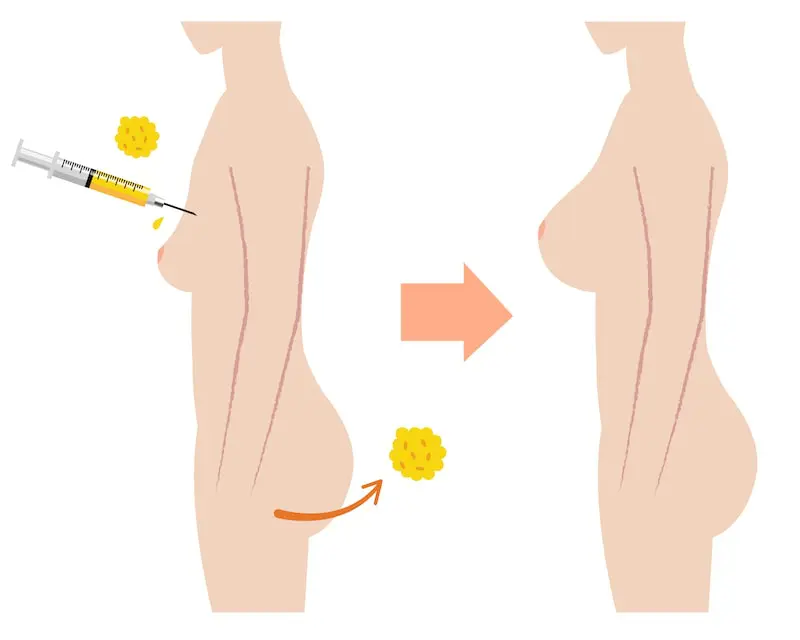
Fat grafting involves a two-step process. First, fat is harvested from a donor site on the body. This can be from areas like the abdomen, thighs, or hips for fat transfer surgeries and fat graft. Surgeons use liposuction to extract this fat. After harvesting, the fat is purified and prepared for injection.

Next, the prepared fat is injected into the targeted area. This could be the face, breasts, or hands. The precise placement of the fat ensures that it integrates well with surrounding tissues.

Facial Rejuvenation

Fat grafting plays a significant role in facial rejuvenation. It helps restore volume lost due to aging. Many people experience sagging skin and hollow cheeks as they age, often seeking solutions like fat graft or fat transfer. Injecting fat can fill these areas, creating a more youthful appearance.

Surgeons often target specific areas during facial contouring. Common sites for fat graft include the cheeks, under the eyes, and jawline for fat transfer. The results can enhance facial features while maintaining a natural look.

Natural-Looking Results

The science behind fat grafting explains its effectiveness in providing natural-looking results. Transferred fat integrates into the existing tissue over time. This integration allows it to blend seamlessly with surrounding structures, like a fat graft.

Fat cells have unique properties that help them survive after being transferred. They receive nutrients from nearby blood vessels. This connection helps maintain their viability and function.

Studies show that about 50-70% of injected fat survives long-term. Factors affecting survival include the fat graft technique used and the area injected. Proper techniques increase fat cell survival rates.

Patients appreciate that results improve over time. Initial swelling may occur after fat graft injection, but it subsides as healing progresses. The final outcome reveals smoother contours and natural volume.

Benefits of Fat Grafting

Fat grafting offers several advantages over other procedures:

  • Minimally invasive: It requires smaller incisions than traditional surgeries.

  • Dual benefit: Patients lose unwanted fat while gaining volume in another area.

  • Long-lasting results: Surviving fat cells provide enduring effects compared to fillers.

These benefits make fat grafting an attractive option for those seeking enhancement without looking artificial.

Benefits of Natural Fat Grafting

Natural Appearance

Using autologous fat for grafting leads to results that look very natural. This method utilizes the patient’s own fat, which means the body accepts it easily. The texture and color match the surrounding skin well. This creates a seamless look that many patients desire. Unlike synthetic fillers, which can sometimes appear artificial, fat grafting provides a more organic feel.

Patients appreciate this natural appearance. They often feel more confident after the procedure. The results blend with their features, enhancing their beauty with fat graft without looking overdone. Many choose this option specifically for its ability to create a subtle enhancement.

Longevity

Another significant benefit is the longevity of the results. Fat grafting typically offers longer-lasting effects compared to synthetic fillers. While fillers may need touch-ups every few months, purified fat can last for years. Studies show that about 50-70% of the injected fat survives long-term. This durability appeals to many individuals looking for a lasting solution, including those considering fat graft.

Patients save time and money by opting for fat grafting. They avoid frequent appointments for filler injections. Instead, they enjoy sustained results from a single procedure. This makes fat grafting an efficient choice for those seeking aesthetic enhancements.

Reduced Allergic Reactions

The use of autologous fat significantly reduces the risk of allergic reactions or rejection. Since the fat graft comes from the patient’s own body, there is no foreign substance involved. This minimizes complications associated with synthetic products. Patients often worry about how their bodies will react to fillers. With fat grafting, these concerns are greatly alleviated.

The safety aspect, especially regarding fat graft procedures, is crucial for many individuals considering cosmetic procedures. Fewer risks lead to a smoother recovery process and greater satisfaction with outcomes. This peace of mind encourages more people to choose natural fat grafting over alternatives.

Versatility in Treatment

Fat grafting is also versatile in its applications. It can be used in various areas of the body, including the face, hands, and breasts. Patients can address multiple concerns in one session, such as restoring volume or smoothing wrinkles. This adaptability makes it an attractive option for diverse cosmetic needs.

Combining fat grafting with other procedures enhances overall results. Surgeons often recommend pairing it with facelifts or breast augmentations for optimal outcomes. This synergy allows patients to achieve their desired look more effectively.

Ideal Candidates for the Procedure

Sufficient Donor Fat

Individuals with sufficient donor fat are ideal candidates for fat grafting. This procedure requires a source of fat to transfer to the target areas. People who have extra fat in areas like the abdomen, thighs, or flanks can often provide what is needed. A plastic surgeon evaluates the patient’s body to determine if they have enough fat available.

Those with limited fat may not be suitable for this method. They might need to explore other options for volume enhancement. The presence of excess fat is crucial for achieving natural-looking results.

Long-Term Volume Enhancement

Patients seeking long-term volume enhancement can greatly benefit from this procedure. Fat grafting provides a more lasting solution compared to fillers. Fillers often require repeated treatments over time. In contrast, transferred fat can integrate into the surrounding tissues and last for years.

This makes it an appealing choice for many individuals. Those looking to enhance their appearance without frequent visits to a clinic may find this option favorable. It allows patients to achieve fullness in areas like the cheeks or under the eyes, addressing wrinkles and smile lines effectively.

Addressing Multiple Areas

Considerations for patients looking to address multiple facial areas simultaneously are important. Fat grafting can treat various concerns at once, such as marionette lines, depressions, and lumps. This versatility appeals to those wanting a comprehensive approach to facial rejuvenation.

A plastic surgeon will assess the patient’s needs during a consultation. They will discuss which areas can benefit from treatment. Patients often appreciate the ability to target several issues in one session. This saves time and reduces recovery periods.

Targeting Specific Concerns

Anyone dealing with facial aging signs might consider this procedure. Common targets include wrinkles around the mouth, hollowness in the cheeks, and deep scars from past injuries or surgeries. Fat grafting helps restore volume and improve overall appearance.

Surgeons use advanced techniques to ensure natural-looking results. Proper placement of the fat is crucial for avoiding visible lumps or unevenness. The goal is always to enhance features without making them look artificially altered.

Preparing for Fat Grafting

Consultation Importance

A thorough consultation is vital before undergoing fat grafting. This meeting allows patients to discuss their goals and expectations. The surgeon will evaluate the patient’s medical history and current health status. This evaluation helps determine if they are suitable candidates for fat transfer surgery. During this time, patients should express any concerns or questions. Clear communication ensures that both parties understand the desired outcomes.

Surgeons often use this opportunity to explain the fat transfer technique in detail. They describe how fat is harvested and injected into specific areas. Understanding the process helps manage patient expectations. It also builds trust between the patient and the surgeon.
Pre-Procedure Guidelines

Certain guidelines should be followed before the fat transfer procedure. Patients must avoid medications that can increase bleeding risks. These include blood thinners like aspirin and ibuprofen. Stopping these medications at least two weeks before surgery is advisable.

Patients should also refrain from smoking. Smoking can hinder healing and affect results. A healthy diet leading up to the procedure is essential too. Eating well supports overall health and prepares the body for surgery.

Hydration plays a key role in recovery as well. Drinking plenty of water helps maintain skin elasticity. This can improve the quality of the fat tissue used during grafting.

Healthy Lifestyle Focus

Maintaining a healthy lifestyle is crucial for optimal results after fat grafting. Regular exercise strengthens the body and aids recovery. Patients should aim for moderate activities, avoiding intense workouts shortly after surgery.

Nutrition impacts healing significantly. A balanced diet rich in vitamins and minerals promotes better recovery. Foods high in protein support tissue repair and muscle growth. Incorporating fruits and vegetables provides necessary antioxidants.

Staying hydrated continues to be important post-surgery. Adequate fluid intake helps flush out toxins and reduces swelling. Following these guidelines can enhance final results from procedures like breast fat transfer or other fat transfer surgeries.

Emotional Preparation

Fat transfer surgeries can lead to emotional changes as well. Patients may feel anxious about their appearance post-surgery. Having realistic expectations can ease these feelings. Support from family and friends can also help during recovery.

Surgeons often recommend joining support groups or forums related to cosmetic surgery training. Hearing others’ experiences can provide reassurance and valuable insights.

Fat Grafting vs Filler Injections

Longevity of Results

Fat grafting treatments offer longer-lasting results compared to filler injections. While fillers typically last between six months to two years, fat grafts can remain effective for several years. Studies show that about 50-70% of the injected fat survives long-term. This makes fat grafting a more durable option for those seeking natural-looking results.

Filler injections, on the other hand, require regular maintenance. Patients often return for touch-ups every few months. This can lead to higher cumulative costs over time. Many prefer the idea of fewer appointments and longer-lasting effects with fat grafting.

Texture and Feel

The texture and feel of the skin differ significantly after these procedures. Fat grafting uses the body’s own fat, leading to a more natural feel. Patients report that treated areas appear softer and blend seamlessly with surrounding tissues.

Fillers are synthetic substances. They can sometimes create a firmer or less natural texture under the skin. Some individuals notice lumps or unevenness after filler treatments. These differences in texture can affect overall satisfaction with the results.

Versatility in Treatment Areas

Fat grafting is versatile in treating various facial areas. It can enhance cheeks, fill hollows under the eyes, and reduce frown lines. A single procedure can address multiple concerns at once.

Filler injections are also used for different areas but may not provide the same level of fullness as fat grafts. For example, while fillers can smooth out frown lines effectively, they may not restore volume in the cheeks like fat grafting does.

Patients appreciate this versatility when considering their options. Choosing fat grafting means addressing several aesthetic issues simultaneously.

The Procedure and Recovery Process

Harvesting Fat

Fat grafting involves a few critical steps. First, the harvesting of fat occurs. Surgeons use liposuction to extract fat from areas like the abdomen or thighs. They insert a thin tube called a cannula into the skin. This tube connects to a suction device that removes unwanted fat.

Next, the extracted fat goes through purification. Surgeons process it to separate healthy fat cells from blood and other fluids. This step is essential for ensuring that only quality tissue is injected back into the body. After purification, the surgeon prepares for injection into the treatment site.

Injection Technique

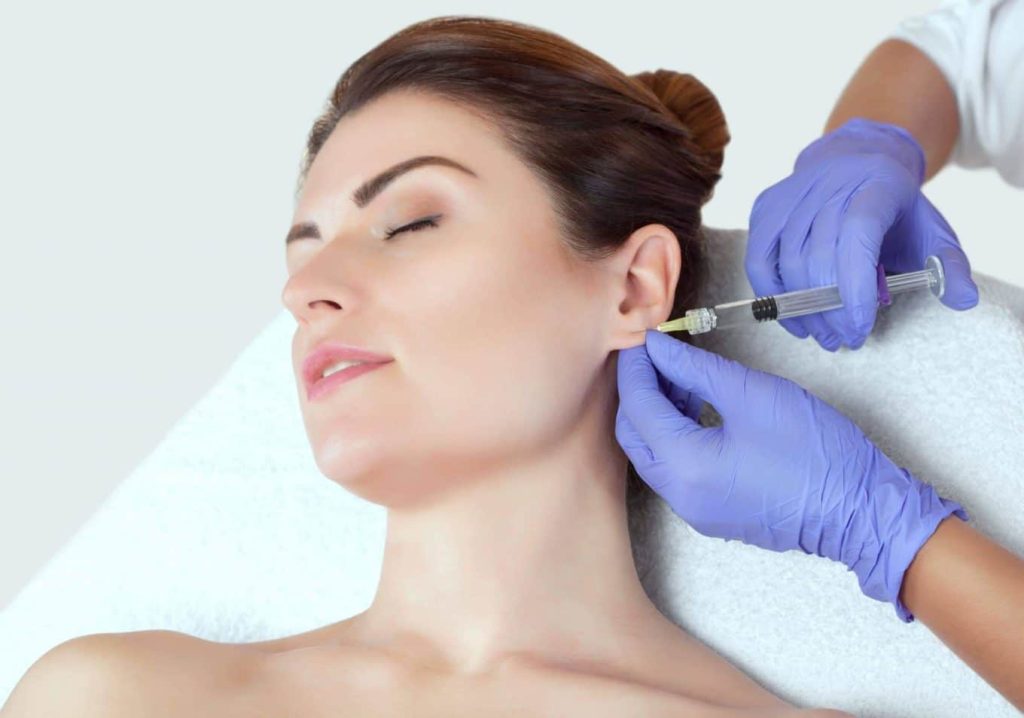
The injection technique is equally important in achieving natural-looking results. Surgeons use small syringes to inject the purified fat into specific areas. They place the fat in layers to ensure even distribution. This careful placement helps create a smooth appearance.

Surgeons often target facial procedures to enhance volume in areas like cheeks and lips. The goal is to restore youthful contours while maintaining a natural look.

Recovery Timeline

Recovery after fat grafting varies by individual. Most people can expect some swelling and bruising at the treatment site. Initial recovery typically takes about one to two weeks. During this time, patients should avoid strenuous activities.

After two weeks, many individuals return to their normal routines. However, complete healing may take several months. Patients should monitor their progress during this time.

Post-Procedure Care

Post-procedure care plays a crucial role in recovery. Patients receive specific instructions from their surgeons. Following these guidelines promotes optimal healing.

  1. Rest: Patients should rest as much as possible during the first few days.

  2. Compression Garments: Wearing compression garments can help reduce swelling.

  3. Avoid Sun Exposure: Protecting the treated area from sunlight aids in healing.

  4. Hydration: Staying hydrated supports tissue recovery.

  5. Follow-Up Appointments: Attending follow-up visits allows surgeons to monitor healing.

Swelling usually subsides within a few weeks, but some residual swelling may last longer. Patients should be patient with their results as it takes time for the final outcome to appear.

Longevity and Permanence of Results

Lasting Effects

Fat grafting results can last several years. This is a significant advantage over temporary fillers. Fillers often need to be reapplied every few months. In contrast, fat grafting uses the patient’s own fat. This method allows for more natural-looking results that integrate well with surrounding tissues.

Studies show that 75% of the injected fat can survive long-term. This means many patients enjoy their results for years after the procedure. The longevity of these results makes fat grafting an attractive option for those seeking facial rejuvenation.

Influencing Factors

Several factors influence the permanence of results from fat grafting. Age plays a crucial role. As people age, skin elasticity decreases and facial volume changes. These changes can affect how long the results last.

Lifestyle choices also matter. Smoking, excessive sun exposure, and poor diet can impact overall skin health. Maintaining a healthy lifestyle can help prolong the effects of fat grafting. Regular exercise and proper skincare routines contribute to better outcomes.

Patients should also consider their unique body characteristics. Each person’s metabolism and healing process differ. These differences can affect how long the results last.

Touch-Up Procedures

e individuals may require touch-up procedures. Over time, natural aging will continue to occur. Touch-ups help maintain the desired look and counteract any volume loss.

Surgeons often recommend waiting at least six months before considering touch-ups. This allows enough time to assess the final results of the initial procedure.

Patients should discuss their goals with their surgeon. Understanding what to expect is essential for satisfaction with the outcome.

Safety and Risks Considerations

Common Risks

Fat grafting is generally safe, but it carries some risks. Infection is a potential concern. It can occur at the injection site or in the donor area. Symptoms include redness, swelling, and pain. Asymmetry is another common issue. This happens when fat is not distributed evenly. Patients may notice uneven contours after the procedure.

Choosing a Qualified Surgeon

Selecting a qualified and experienced surgeon is crucial for safety. A skilled professional minimizes risks associated with fat grafting. They understand the anatomy and techniques involved. They also have experience managing complications if they arise. Researching credentials and reading patient reviews can help in making this decision.

Minimizing Risks During Procedure

Surgeons take several measures to minimize risks during fat grafting. They conduct thorough assessments before surgery. This includes evaluating the patient’s medical history and current health status. Surgeons also use sterile techniques to reduce infection risk.

They carefully select areas for fat harvesting. Common areas include the abdomen, thighs, or buttocks. The viability of the harvested fat depends on proper handling. Surgeons must process the fat correctly to ensure its survival after injection.

Monitoring patients during recovery is essential too. Surgeons provide clear post-operative instructions to enhance healing. These may include avoiding strenuous activities and following up regularly.

FAQs About Facial Fat Grafting

Procedure Duration

Facial fat grafting treatments typically take about one to three hours. This duration includes both the fat extraction and the injection process. Surgeons often perform the procedure under local anesthesia or sedation.

Recovery time varies. Most patients return to normal activities within one week. Swelling and bruising may occur but usually subside in a few days. Following post-operative care is crucial for optimal healing.

Amount of Fat Required

Many people misunderstand how much fat is needed for effective results. Not every patient requires a large volume of fat. In fact, even a small amount of facial fat can create noticeable improvements.

Surgeons assess individual needs during consultations. They consider factors like age, skin quality, and desired outcomes. This personalized approach ensures better results without overfilling areas.

Results Timeline

Patients often wonder how soon they will see results after facial fat grafting. Initial changes appear within a few days as swelling decreases. However, final results may take three to six months to fully develop.

During this period, the body absorbs some of the injected fat. The remaining fat stabilizes, leading to natural-looking outcomes. Patients should be patient as their appearance improves gradually.

Effects on Facial Aging

Facial fat grafting can effectively combat signs of facial aging. It restores volume lost due to factors like genetics and environmental damage. This technique enhances facial contours and provides a more youthful look.

e patients also find that it helps with acne scars and other imperfections. The added volume can make these features less noticeable, contributing to overall facial rejuvenation.

Safety and Risks

Like any surgical procedure, facial fat grafting carries risks. Common complications include infection, asymmetry, or uneven results. Choosing a qualified facial plastic surgery practice minimizes these risks significantly.

Surgeons should have experience in performing fat grafting procedures. They must also provide clear information about potential complications during consultations.

Últimas Consideraciones

Fat grafting offers a fantastic way to achieve natural-looking results. You can enhance your features while maintaining a soft, authentic appearance. Understanding the benefits and preparation involved is crucial for a successful experience. With proper care, you can enjoy long-lasting results that boost your confidence.

If you’re considering fat grafting, consult with a qualified professional. They can guide you through the process and ensure it aligns with your goals. Don’t hesitate to explore this transformative option for achieving the look you desire. Your journey to a more youthful and vibrant appearance starts now!

Frequently Asked Questions

What is fat grafting?

Fat grafting, also known as lipofilling, involves transferring fat from one area of your body to another. This technique enhances volume and contours, providing natural-looking results.

How long do the results last?

Results from fat grafting can last several years. However, individual factors like metabolism and lifestyle may affect longevity. Regular follow-ups with your provider can help maintain optimal outcomes.

Is fat grafting safe?

Yes, fat grafting is generally considered safe when performed by a qualified professional. Risks exist, but they are minimal when proper techniques are used and safety protocols are followed.

Who is an ideal candidate for fat grafting?

Ideal candidates include those seeking facial volume restoration or contouring without synthetic fillers. Good health and realistic expectations are essential for best results.

Can I combine fat grafting with other procedures?

Absolutely! Fat grafting can complement procedures like facelifts or rhinoplasty. Combining treatments enhances overall results and addresses multiple concerns simultaneously.

What is the recovery process like?

Recovery varies by individual but generally includes swelling and bruising. Most people resume normal activities within a week. Follow post-operative care instructions for optimal healing.

Are there any side effects?

Common side effects include swelling, bruising, and discomfort at both the donor and recipient sites. These usually subside within a few days. Consult your surgeon if you have concerns.


Achieving Facial Balance with Dermal Fillers | Expert Guide

Facial symmetry plays a crucial role in beauty and attractiveness. The role of fillers in facial symmetry is significant. Fillers can enhance features, smooth out imperfections, and create balance. Many people seek these treatments to achieve a more harmonious look.

Understanding how fillers work can help you make informed choices. They can sculpt the jawline, lift cheeks, and even out lips. This approach not only boosts confidence but also aligns with modern beauty standards. With the right application, fillers can transform your appearance while maintaining natural aesthetics. Dive into the world of facial fillers and discover how they can redefine your features for a stunningly symmetrical look.

Key Takeaways

  • Understanding facial symmetry is crucial for achieving a balanced look; consider how fillers can enhance your natural features.

  • Facial balance can significantly impact your overall appearance and confidence; prioritize treatments that focus on symmetry.

  • Different types of dermal fillers serve unique purposes; familiarize yourself with options like hyaluronic acid, calcium hydroxylapatite, and poly-L-lactic acid to make informed choices.

  • Hyaluronic acid fillers provide immediate results and hydration, making them a popular choice for enhancing facial symmetry.

  • Strategic placement of fillers can create more harmonious facial proportions; consult with a professional about the best approach for your needs.

  • Always choose a qualified professional for filler treatments to ensure safety and optimal results; their expertise is key to achieving desired symmetry.

Understanding Facial Symmetry

Facial symmetry refers to the balanced proportion of facial features on both sides of the face. A symmetrical face has similar shapes and sizes for features like the eyes, cheeks, and jawline. This balance creates a pleasing appearance.

Many cultures associate symmetry with beauty and attractiveness. Research shows that people often prefer symmetrical faces over asymmetrical ones. In art and media, symmetrical faces are frequently highlighted as ideal beauty standards. For example, models and actors typically have facial features that align closely in shape and size. This preference is not just cultural; it seems to be rooted in human biology.

Natural asymmetries occur in most faces. Few people have perfectly symmetrical features. Common variations include uneven cheeks, different eye sizes, or a jawline that isn’t perfectly aligned. These facial asymmetries can impact perceived attractiveness. Some studies suggest that slight imperfections can enhance a person’s charm. They add character and uniqueness to a face.

Facial anatomy plays a crucial role in how we perceive symmetry. Key elements like cheekbones, chin, and nasolabial folds contribute to overall balance. When these features are proportionate, they create a harmonious look. However, even small differences can lead to noticeable asymmetry. For instance, one cheekbone may be slightly higher than the other. Such variations can affect how we view someone’s attractiveness.

Facial wrinkles also influence symmetry perceptions. Wrinkles can appear unevenly on the face due to natural aging or sun exposure. As skin loses elasticity, it may sag more on one side than the other. This can create an illusion of asymmetry where none existed before.

People often seek solutions for improving their facial symmetry. Fillers can help address unevenness in certain areas. They can enhance cheekbones or smooth out wrinkles around the mouth and chin. By adding volume to specific areas, fillers create a more balanced appearance.

Understanding facial symmetry helps us appreciate beauty in diverse forms. While many strive for a symmetrical face, embracing natural asymmetries is essential too. These unique traits make each person distinctive and beautiful in their own right.

Importance of Facial Balance

Self-Esteem Boost

Facial balance plays a crucial role in enhancing self-esteem and confidence. Individuals often feel more attractive when their facial features are symmetrical. This symmetry creates a sense of harmony, making people feel good about themselves. When someone perceives their face as balanced, they are more likely to engage socially and present themselves positively.

Facial rejuvenation treatments often aim to improve this balance. Fillers can help correct asymmetries. They enhance cheekbones or smooth out uneven areas. As a result, many individuals report feeling more confident after these procedures.

Aesthetic Appeal

Balanced facial features contribute significantly to facial aesthetics. People generally find symmetrical faces more appealing. Studies show that symmetry is associated with beauty across cultures. This perception influences fashion, media, and even relationships.

A harmonious appearance can also affect how others perceive an individual. A well-balanced face may suggest youthfulness and vitality. This impression can lead to better social interactions and opportunities in life.

Psychological Effects

Facial imbalance can have serious psychological effects. Many individuals experience insecurity due to perceived flaws in their appearance. This insecurity can lead to a desire for corrective measures. Some may seek cosmetic procedures to achieve facial balance.

The impact of facial aging compounds these feelings. As people age, their facial features may lose symmetry due to changes in skin elasticity and muscle function. This loss can create feelings of dissatisfaction and distress.

The desire for aesthetic improvement often drives individuals towards options like fillers or even cascade facial surgery. These procedures aim to restore balance and enhance overall appearance. The psychological benefits of such improvements can be profound.

Individual Variations

Everyone has unique features that contribute to their individual beauty. However, some may feel that these features disrupt their facial balance. This perception varies from person to person.

Cultural standards also play a role in defining what is considered attractive. For example, some cultures prioritize certain facial traits over others. This diversity leads many individuals to seek treatments tailored to their specific desires.

Types of Dermal Fillers

Hyaluronic Acid

Hyaluronic acid is one of the most common dermal fillers. It attracts water, adding volume to the skin. This filler is great for restoring lost volume and smoothing out wrinkles.

Results from hyaluronic acid fillers typically last six months to a year. The texture feels soft and natural. Patients often choose this type for areas like the cheeks and lips.

Calcium Hydroxylapatite

Calcium hydroxylapatite is another popular option. This filler is thicker than hyaluronic acid. It provides immediate volume but also stimulates collagen production over time.

It works well for deeper lines and folds. Results can last from one to two years. Patients often use it for cheek enhancement and wrinkle correction.

Poly-L-lactic Acid

Poly-L-lactic acid is unique among advanced dermal fillers. It gradually stimulates collagen production in the skin. This means results appear more natural over time.

This filler is often used for volume restoration in larger areas, such as the cheeks and temples. Effects can last up to two years, making it a long-lasting option for those seeking subtle changes.

Polymethylmethacrylate Beads

Polymethylmethacrylate beads are permanent fillers. They create a scaffold under the skin, providing lasting support. These fillers are not as commonly used due to potential complications.

They work well for specific areas, like deep wrinkles or scars. However, patients must be cautious, as results are permanent and harder to reverse.

Specific Uses

Each type of facial filler serves unique purposes. Some focus on wrinkle correction while others restore volume. For example, hyaluronic acid works well for lip enhancement, while calcium hydroxylapatite excels in cheek augmentation.

Patients should consider their individual needs when choosing a filler type. Consulting with a qualified professional helps ensure the best outcome.

Longevity and Texture Differences

Longevity varies significantly among different fillers. Hyaluronic acid lasts six to twelve months, while calcium hydroxylapatite can last up to two years. Poly-L-lactic acid offers gradual results that can last longer than both.

Texture also differs between types. Hyaluronic acid feels softer, while calcium hydroxylapatite has a thicker consistency. Understanding these differences aids in selecting the right treatment for achieving facial symmetry.

Hyaluronic Acid Benefits

Natural Presence

Hyaluronic acid occurs naturally in the body. It is found in connective tissues, skin, and cartilage. This natural presence makes it a safe option for fillers. Many people prefer it due to its compatibility with the human body. Since it is already present, the risk of allergic reactions is low.

Moisture Retention

Hyaluronic acid has a unique ability to retain moisture. It can hold up to 1,000 times its weight in water. This property helps keep the skin plump and hydrated. As a result, using hyaluronic acid fillers provides a youthful appearance. The skin looks fuller and healthier after treatment. Patients often notice immediate improvements in their facial symmetry.

Reversibility

One significant advantage of hyaluronic acid fillers is their reversibility. If adjustments are needed, hyaluronidase can dissolve the filler quickly. This feature gives patients peace of mind. They can change their minds without permanent effects. Many choose this option for its flexibility.

Treatment Results

Results from hyaluronic acid fillers typically last six to twelve months. Factors such as age, lifestyle, and skin type influence longevity. Regular treatments can maintain desired results over time. Patients often report satisfaction with their appearance after these procedures.

Safety Record

Hyaluronic acid has an excellent safety record. Studies show that side effects are usually mild and temporary. Common issues include swelling or bruising at injection sites. Serious complications are rare when performed by qualified professionals. This safety profile contributes to its popularity among patients.

Popularity Among Patients

Hyaluronic acid fillers remain one of the most popular choices in cosmetic treatments today. Many clinics offer various formulations tailored to specific needs. Patients appreciate the natural-looking results and minimal downtime associated with these fillers.

Calcium Hydroxylapatite Use

Effectiveness

Calcium hydroxyapatite is known for its thicker consistency. This thickness makes it effective in treating deeper lines and wrinkles. Unlike lighter fillers, it can fill in more significant volume loss. Many patients notice a smoother appearance after treatment. Results often last longer than with other fillers.

This filler works well for areas like the cheeks and nasolabial folds. It can also enhance facial contouring. The thicker gel provides support to the skin. It helps restore lost volume effectively.

Collagen Production

Calcium hydroxyapatite does more than just fill wrinkles. It stimulates natural collagen production over time. Collagen is essential for skin elasticity and firmness. As the body absorbs the filler, it encourages collagen growth in the treated area.

This process leads to improved skin texture. Patients may see gradual improvement even after the initial treatment. The stimulation of collagen helps maintain results longer. This feature sets calcium hydroxyapatite apart from some other fillers.

Longevity

Longevity is another advantage of calcium hydroxyapatite. Many fillers provide temporary results, but this one lasts longer. Effects can remain visible for up to 12 months or more. This duration depends on individual factors, such as metabolism and lifestyle.

Patients appreciate fewer follow-up appointments. They find that long-lasting results save both time and money. The effectiveness and durability make it a popular choice among fillers.

Summary

Calcium hydroxyapatite offers unique benefits in facial aesthetics. Its thicker consistency makes it ideal for deeper wrinkles and volume loss. It promotes collagen production, enhancing skin quality over time. Long-lasting results further add to its appeal compared to other options.

Choosing the right filler depends on individual needs and goals. Consulting with a qualified professional is crucial for optimal outcomes. They can help determine if calcium hydroxyapatite is suitable for specific concerns.

Poly-L-lactic Acid Benefits

Collagen Stimulation

Polylactic acid plays a crucial role in stimulating collagen production. This is important for maintaining skin elasticity and firmness. As we age, collagen levels drop, leading to volume loss. Polylactic acid injections help counteract this effect. They encourage the body to produce more collagen over time.

The results from polylactic acid are not immediate. Instead, they develop gradually. Patients often notice improvements within a few weeks after treatment. The full effects can take several months to appear. This gradual approach leads to more natural-looking enhancements.

Volume Restoration

This filler is particularly effective for larger areas of the face. It addresses significant volume loss that can occur with aging or weight changes. Common treatment areas include the cheeks and temples. These regions often lose fullness as part of the aging process.

Polylactic acid can restore volume effectively without looking artificial. It integrates well into the skin, providing a smooth appearance. Many patients prefer this option for its subtlety.

Natural Enhancement

Natural-looking results are a key benefit of polylactic acid fillers. Unlike some other fillers, which may provide instant volume, polylactic acid works slowly. This slow enhancement allows for a more gradual transition.

Patients appreciate that the changes are not drastic. Family and friends may notice a refreshed look without realizing the reason behind it. This aspect makes polylactic acid an appealing choice for many individuals seeking facial symmetry.

Safety Profile

Safety is also an important factor when considering fillers. Polylactic acid has a good safety profile. Most patients tolerate it well with minimal side effects. Common reactions include swelling or bruising at the injection site. These usually resolve quickly.

Long-term studies show that polylactic acid is safe for repeated use over time. This makes it a reliable option for ongoing facial rejuvenation.

Strategic Filler Placement

Importance of Precision

Precise filler placement is crucial for achieving facial symmetry. Symmetry enhances attractiveness and balance in the face. A skilled practitioner understands how to strategically position fillers. This ensures that the right amount is used in the right areas. Overusing or misplacing fillers can lead to an unbalanced appearance.

Key Areas for Application

Several key areas benefit from filler supplementation. These include the cheeks, lips, and jawline. Each area requires a different approach based on its unique structure. For example, fillers in the cheeks can add volume and lift. This helps create a youthful contour. Lips may need subtle enhancement to improve fullness without looking unnatural. The jawline can be defined with fillers to create a sharper profile.

Marionette lines also play a significant role in facial aesthetics. These lines run from the corners of the mouth to the chin. They can make a person appear older or sadder than they are. Filling these lines can restore youthfulness and improve overall symmetry.

Role of Skilled Practitioners

A skilled practitioner plays an essential role in mapping the face for optimal results. They assess each individual’s facial structure before making decisions about filler types and placement. Understanding low cohesivity fillers versus other types is vital. Low cohesivity fillers spread easily under the skin, which may suit certain areas better than others.

Practitioners must also consider the patient’s goals and anatomy. Each face is unique, requiring a tailored approach to filler application. They often use a combination of techniques to enhance symmetry effectively.

For instance, using permanent filler in specific areas can provide lasting results. However, it requires careful consideration due to its irreversible nature.

Injection Techniques

Injection techniques significantly impact filler outcomes. Practitioners should use precise techniques to ensure even distribution of fillers. This minimizes risks like lumpiness or unevenness after treatment.

Using micro-cannulas instead of needles can reduce bruising and swelling. This technique allows for smoother application across larger areas, such as the cheeks and jawline.

Proper consultation before any procedure is essential. Patients should discuss their desired outcomes openly with practitioners. This dialogue leads to better understanding and expectations regarding filler treatment.

Personalized Filler Approaches

Individual Treatment Plans

Injecting fillers requires a personalized approach. Each person’s facial structure is unique. This means treatment plans should be tailored to match individual features. A skilled practitioner assesses the face’s dimensions and proportions. They consider factors like bone structure, skin elasticity, and volume loss.

Targeted filler injections can enhance facial symmetry effectively. For example, chin filler may balance a weak jawline. Lip filler can improve fullness and shape, creating harmony in the lower face. Customizing these treatments ensures that results look natural and suit the patient’s overall appearance.

Aesthetic Goals

Personal aesthetic goals play a crucial role in filler therapy. Patients often have specific expectations for their appearance. Some may seek subtle enhancements, while others desire more dramatic changes. Understanding these goals helps practitioners choose the right approach.

Filler treatment should align with what each patient wants to achieve. Open communication between the patient and provider is essential. Discussing desired outcomes leads to better satisfaction with the results. This dialogue also aids in managing expectations about what fillers can accomplish.

Achieving Natural Results

The benefits of a customized approach are clear in achieving natural-looking results. Superficial filling techniques allow for smooth transitions between treated areas and untouched skin. This prevents an overdone or artificial appearance.

Filler cohesivity matters too. High-quality injectable fillers blend seamlessly into the skin. Practitioners should select products that suit each area being treated. For instance, softer fillers work well for delicate areas like lips. Firmer options are better for contouring cheeks or chins.

A comprehensive understanding of facial anatomy enhances treatment outcomes. Practitioners trained in cosmetic treatment know how to apply fillers strategically. They use their expertise to create balance and symmetry on the face.

Long-Term Considerations

Long-term effects must also be considered when planning filler injections. The longevity of results varies based on the type of filler used and the area treated. Regular follow-ups ensure that patients maintain their desired look over time.

In some cases, adjustments may be necessary as facial structures change with age. Continuous assessment allows for timely modifications to keep results looking fresh.

Choosing a Qualified Professional

Certified Practitioners

Selecting a certified professional is crucial when considering fillers for facial symmetry. An experienced provider understands the nuances of cosmetic procedures. They know how to enhance features while ensuring safety. Certifications indicate that a practitioner has undergone proper training. This training includes knowledge about products and techniques.

Researching credentials helps ensure the chosen professional is qualified. Look for board certification in dermatology or plastic surgery. These qualifications demonstrate expertise in administering treatments.

Client Reviews

Client reviews provide insight into the professional’s experience and results. Reading testimonials can reveal the quality of care provided. Positive feedback often reflects successful outcomes and satisfied clients. Conversely, negative reviews may indicate potential issues with treatment or service.

Consider looking at before-and-after photos as well. These images can showcase the results achieved by the practitioner. A good professional will have a portfolio of their work available for prospective clients.

Risks of Unqualified Providers

Choosing an unqualified provider poses significant risks. Inexperienced practitioners may lack knowledge about facial anatomy. This can lead to suboptimal results or even complications from treatments. Incorrect application of fillers can result in uneven features or excessive volume.

Counterfeit products also present a danger. Some providers may use unregulated fillers that are not safe. These products can cause severe reactions or long-lasting damage to the skin. It is essential to ensure that any product used is FDA-approved.

Safety First

Safety should always be a priority during cosmetic procedures. A qualified professional will conduct thorough consultations before treatment starts. They will discuss your goals and assess your facial structure carefully.

During this consultation, ask questions about the procedure, risks, and recovery time. A trustworthy provider will be transparent and address any concerns you may have.

Treatment Experience

Experience matters in achieving desired results from filler treatments. Professionals with years of practice tend to have refined skills. They understand how different products interact with various skin types.

It’s wise to inquire about the specific types of fillers the practitioner uses. Different products serve different purposes. For instance, some add volume while others correct deep lines or enhance lips.

Final Remarks

Fillers play a crucial role in enhancing facial symmetry and balance. Understanding the different types of dermal fillers, like hyaluronic acid and calcium hydroxylapatite, empowers you to make informed choices. Strategic placement can elevate your features, creating a harmonious look tailored just for you.

Choosing a qualified professional is vital for achieving your desired results safely. Don’t hesitate to explore personalized filler approaches that suit your unique needs. Embrace the journey toward a more symmetrical and confident you. Take the first step today and consult with an expert in facial aesthetics. Your ideal look is within reach!

Frequently Asked Questions

What is facial symmetry?

Facial symmetry refers to the balance and proportion of facial features on either side of the face. It plays a crucial role in perceived attractiveness and can be enhanced through cosmetic procedures.

How do fillers improve facial symmetry?

Fillers can add volume and contour to specific areas, correcting imbalances. By strategically placing fillers, professionals can enhance overall facial harmony and achieve a more symmetrical appearance.

What types of dermal fillers are available?

Common types include Hyaluronic Acid, Calcium Hydroxylapatite, and Poly-L-lactic Acid. Each offers unique benefits for enhancing facial structure and symmetry.

Are Hyaluronic Acid fillers safe?

Yes, Hyaluronic Acid fillers are widely used and considered safe. They are biocompatible and provide natural-looking results while allowing for easy adjustments if needed.

How long do filler results last?

The longevity of filler results varies by type. Generally, Hyaluronic Acid lasts 6-12 months, while Calcium Hydroxylapatite can last up to 18 months. Individual factors also influence duration.

Can anyone receive dermal fillers?

Most adults are suitable candidates for fillers. However, individuals with certain medical conditions or allergies should consult a qualified professional before treatment.

How do I choose a qualified professional for fillers?

Look for licensed practitioners with experience in facial aesthetics. Check reviews, ask about their training, and ensure they prioritize safety and personalized approaches in their practice.

Understanding Hyaluronic Acid Fillers: Benefits, Uses, and Safety Considerations

Hyaluronic acid fillers have transformed the beauty industry since their introduction in the early 2000s. These popular cosmetic treatments offer numerous benefits, making them a go-to option for many seeking youthful, plump skin. Hyaluronic acid naturally occurs in our bodies, providing hydration and elasticity, and is also used in cosmetic ha filler injections, dermal fillers, skin filler, and ha filler treatments.

Using these fillers can enhance facial features, smooth out wrinkles, and restore volume lost with age. They are versatile and can be applied to various areas, including lips, cheeks, and under the eyes. With minimal downtime and impressive results, it’s no wonder why so many people are turning to hyaluronic acid fillers for a refreshed look. Understanding the benefits and uses of dermal fillers and hyaluronic acid filler can help you make informed choices about your beauty routine.

Key Takeaways

  • Hyaluronic acid fillers can greatly improve skin hydration and elasticity, making them a popular choice for enhancing skin health.

  • These fillers are commonly used in cosmetic treatments to reduce wrinkles, add volume, and create a more youthful appearance.

  • Understanding the filler procedure is crucial; it involves consultation, preparation, and a quick injection process that can yield immediate results.

  • Proper preparation before your filler session can enhance your experience and results; consider discussing any medications or allergies with your provider.

  • After receiving fillers, follow post-procedure care tips to minimize swelling and ensure optimal healing for the best results.

  • Always weigh potential risks and safety considerations when opting for hyaluronic acid fillers to make informed choices about your skin treatment.

Understanding Hyaluronic Acid Fillers

Definition

Hyaluronic acid fillers are non-surgical cosmetic treatments. They restore facial volume and smooth out wrinkles. These fillers provide a quick solution for those seeking a refreshed appearance without going under the knife. Many people choose hyaluronic acid dermal fillers for their effectiveness and minimal downtime.

Composition

Hyaluronic acid is a naturally occurring substance in the body. It plays a crucial role in retaining moisture. The body produces hyaluronic acid molecules that help keep skin hydrated and plump. As we age, our natural levels decrease. This reduction leads to dryness and loss of volume in the skin, necessitating dermal filler.

Hyaluronic acid gel fillers consist of hyaluronic acid particles suspended in a gel-like substance. This composition allows for easy injection of dermal filler into various facial areas. The gel provides immediate volume and hydration upon injection.

Versatility

Hyaluronic acid fillers are versatile. They can treat several areas of the face effectively. Common treatment areas include:

  • Lips

  • Cheeks

  • Under-eye hollows

Injections can enhance lip fullness, giving them a more youthful look. For cheeks, these fillers add volume and contour, creating a more defined appearance. Under-eye hollows can also be treated with hyaluronic acid gel injections, reducing the appearance of dark circles and puffiness.

Procedure

The procedure for hyaluronic acid filler injections is straightforward. A healthcare professional will assess the areas needing treatment. They will then apply a topical anesthetic to minimize discomfort during the injection process. Using a fine needle, they inject the filler into targeted areas.

Results are often visible immediately after treatment. The effects can last from six months to over a year, depending on the specific product used and individual factors.

Safety

Hyaluronic acid injections are generally considered safe. Side effects may include swelling, bruising, or redness at the injection site. These symptoms typically resolve within a few days.

Patients should consult with qualified professionals before undergoing treatment. This ensures that they receive appropriate care tailored to their needs.

Key Benefits for Skin Health

Hydration Boost

Hyaluronic acid fillers have a remarkable ability to hydrate the skin. They attract and hold water, enhancing moisture levels in the skin. This hydration results in a plumper appearance. When skin cells retain more water, they look fuller and healthier.

The immediate results from these fillers are often noticeable right after treatment. Many people see a visible improvement in their skin’s texture and tone. Fine lines can diminish, giving the face a smoother look.

Collagen Production

Fillers also play a role in stimulating collagen production. Collagen is essential for maintaining skin elasticity and firmness. Over time, as we age, collagen levels decrease. This decline leads to sagging skin and wrinkles.

By using hyaluronic acid fillers, individuals can boost their body’s natural collagen production. This enhancement doesn’t just provide short-term benefits; it promotes long-lasting improvements in skin health.

Temporary Nature

The temporary nature of hyaluronic acid fillers offers unique advantages. Since they are not permanent, adjustments can be made based on individual preferences. People can choose how much volume they want at any given time.

This flexibility allows for customized treatments. For example, if someone desires more fullness in their cheeks or lips, they can easily request additional filler. Conversely, if less volume is preferred later on, the effects will gradually fade over time.

Longevity of Results

While results vary from person to person, many experience longevity with hyaluronic acid fillers. Depending on the specific product used and individual factors, effects may last from six months to two years. Regular maintenance treatments can extend these effects even further.

This longevity makes fillers a worthwhile investment for those seeking to enhance their appearance without committing to permanent changes.

Weight Consideration

The weight of hyaluronic acid fillers also plays a role in their effectiveness. Different formulations have varying weights that influence how they behave under the skin. Heavier fillers provide more structure and support for deeper wrinkles, while lighter ones are ideal for surface-level hydration.

Understanding these differences helps individuals select the right type of filler for their needs. Consultation with a qualified professional ensures the best choice is made based on individual skin conditions and desired outcomes.

Common Uses in Cosmetic Treatments

Lip Augmentation

Hyaluronic acid fillers are popular for lip augmentation. Many patients seek fuller lips. The procedure involves injecting a gel-like substance into the lips. This results in enhanced volume and shape. Clinicians often use these products because they provide natural-looking results. Patients appreciate that the effects can last several months.

Cheek Enhancement

Cheek enhancement is another common application. Fillers add volume to the cheeks, giving a youthful appearance. The injections help restore lost facial contours due to aging. Many individuals choose this treatment to achieve a more defined look. It can also improve symmetry in the face.

Smoothing Nasolabial Folds

Smoothing nasolabial folds is a significant use of fillers. These lines run from the nose to the corners of the mouth. They can become more pronounced with age. Hyaluronic acid fillers fill in these folds, creating a smoother transition between facial features. This treatment boosts confidence and enhances facial aesthetics.

Jawline and Chin Contouring

Fillers play a crucial role in jawline and chin contouring. Many patients desire a more defined profile. The injections can create sharper angles and enhance overall facial structure. This procedure is non-surgical and offers immediate results. Patients enjoy the ability to shape their profiles without extensive downtime.

Non-Surgical Rhinoplasty

Non-surgical rhinoplasty is an innovative use of hyaluronic acid fillers. It allows clinicians to reshape the nose without invasive surgery. The process involves careful injection to alter the nose’s contour. Many people prefer this option due to its lower risk and quicker recovery time. Results are visible almost instantly, making it an attractive choice.

Pain Relief During Procedures

Many hyaluronic acid preparations include lidocaine for pain relief during procedures. This addition helps minimize discomfort during injections. Patients report less anxiety when they know pain management is part of the treatment plan. Clinicians aim to make each experience as comfortable as possible.

Clinical Trials and Safety

Numerous clinical trials support the safety and effectiveness of hyaluronic acid fillers. Research shows low rates of complications when administered by trained professionals. These studies highlight the importance of using qualified clinicians for cosmetic procedures. Understanding indications ensures better outcomes for patients.

The Filler Procedure Explained

Consultation Process

A consultation is the first step in any dermal filler treatment. During this meeting, practitioners assess the patient’s needs and goals. They discuss areas of concern, such as wrinkles or volume loss. Patients should express their expectations clearly. This helps in deciding on the right filler treatment.

Practitioners also review medical history. They check for allergies or conditions that may affect the procedure. This ensures safety during the filler injection process.

Marking and Preparation

After the consultation, the next step involves marking the treatment area. Practitioners use a skin marker to outline where fillers will be injected. This helps maintain precision during the procedure.

Topical anesthetics are often applied to minimize discomfort. These creams numb the skin before injections begin. Most patients report minimal pain during the process. Some may feel a slight pinch or pressure.

Injection Techniques

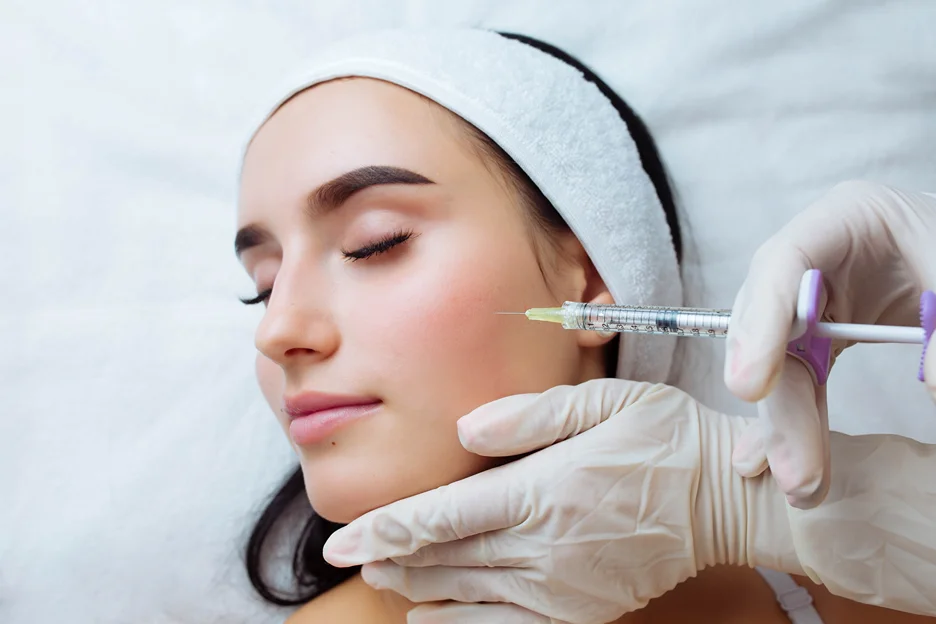
The actual injection of soft tissue fillers follows preparation. Practitioners use fine needles or cannulas for injecting fillers into targeted areas. The choice of technique depends on the area being treated and desired results.

Injectable filler treatments can vary in depth and technique. For example, lip filler treatment requires different techniques than chin filler treatment. Each area has unique anatomical considerations.

The practitioner injects small amounts of filler at a time. This careful approach allows for better control and smoother results. After each injection, they may massage the area to ensure even distribution.

Post-Procedure Care

After the filler injection, patients receive aftercare instructions. Swelling or bruising may occur, but these effects usually subside within a few days. Practitioners advise avoiding strenuous activities for 24 hours post-treatment.

Results appear immediately but improve over time as swelling decreases. Patients should schedule follow-up appointments to monitor progress.

Choosing a Qualified Practitioner

Selecting a qualified practitioner is crucial for safe and effective results. Experienced professionals understand facial anatomy well. They know how to choose the right filler for each individual’s needs.

Patients should verify credentials and seek reviews from previous clients. A skilled practitioner will prioritize safety and patient satisfaction throughout the dermal filler process.

Preparing for Your Filler Session

Preparation Steps

Patients should take several preparations before getting hyaluronic acid fillers. It’s crucial to avoid blood-thinning medications and supplements. This includes aspirin, ibuprofen, and certain herbal supplements. Stopping these a week before the procedure can help reduce bruising at the injection sites.

Discussing medical history with the clinician is also important. Patients should inform their practitioners about any allergies or previous reactions to fillers. Talking about desired outcomes helps align expectations. A clear understanding of what the patient wants will guide the clinician during the session.

Clean Face

Arriving at the appointment with a clean face is essential. Patients should wash their skin thoroughly, removing all makeup and skincare products. This practice minimizes the risk of infection at the injection site. It also allows the clinician to assess the skin better before starting.

Clinicians often use an ice pack on the area before injections. This helps numb the skin and reduces discomfort during the procedure. Patients may feel some pain, but it is usually manageable. The ice pack can ease this sensation and make the experience more comfortable.

Injection Sites

Understanding where injections will occur is vital. Common areas for hyaluronic acid fillers include nasolabial folds and hollows under the eyes. These injection sites are chosen based on individual needs and desired volume restoration. The clinician will mark these spots before starting.

The type of filler brand used can also affect results. Different brands have unique properties that suit various areas of the face. Patients should ask their clinician about the specific product being used during their session.

Post-Procedure Care

After receiving fillers, patients must follow post-procedure care instructions. Avoiding strenuous activities for 24 hours helps minimize swelling and bruising. Maintaining hydration supports recovery as well.

e patients may experience mild swelling or redness after injections. These effects are typically temporary and resolve within a few days. If significant pain or unusual symptoms occur, contacting the clinician is necessary.

Post-Procedure Care Tips

Ice Application

Applying ice packs right after the procedure can help reduce swelling and bruising. Use a clean cloth to wrap the ice pack. Place it gently on the treated area for 10 to 15 minutes. This method cools the skin and constricts blood vessels, minimizing inflammation.

Repeat this process several times during the first few hours after treatment. It helps in achieving a smoother recovery. Be cautious not to apply ice directly to the skin. This can cause frostbite or irritation.

Activity Restrictions

Avoid strenuous exercise for at least 24 hours post-procedure. Activities like running or heavy lifting can increase blood flow to the face. This may lead to more swelling and bruising.

Also, stay away from excessive sun exposure during this time. The heat can irritate the treated area and slow down recovery. If you must be outside, wear a wide-brimmed hat and sunscreen with high SPF.

Follow-Up Care

Following up with your practitioner is crucial for a successful recovery. Schedule an appointment within one week of the procedure. During this visit, discuss any concerns or questions about your healing process.

Your practitioner can provide guidance on what to expect as you recover. They might also check for signs of complications, such as tissue necrosis or infection. Early detection of issues leads to better outcomes.

Health Considerations

Maintaining good health is vital during recovery. Drink plenty of water and eat nutritious foods. These habits support healing and boost your overall well-being.

If you experience unusual symptoms, contact your healthcare provider immediately. Symptoms like persistent pain or severe swelling should not be ignored.

Techniques for Safe Recovery

Practicing aseptic techniques at home can help prevent infections. Always wash your hands before touching your face or applying any products. Cleanse your skin gently, avoiding harsh scrubs or chemicals that might irritate the area.

Using gentle skincare products is essential in the days following treatment. Opt for items labeled as hypoallergenic or non-comedogenic to avoid potential reactions.

Potential Risks and Safety Considerations

Common Side Effects

Redness and swelling often occur at the injection site. These effects are common after receiving hyaluronic acid fillers. Bruising may also appear, especially if the area was sensitive. Most of these side effects are temporary and resolve within a few days.

Patients should expect some discomfort during the procedure. The level of pain varies based on individual sensitivity. Ice packs can help reduce swelling and bruising post-treatment.

Rare Risks

Serious risks, though rare, include infection and vascular occlusion. Infection can happen if bacteria enter the skin during the injection. Symptoms like increased redness, warmth, or pus indicate a possible infection. Immediate medical attention is necessary in such cases.

Vascular occlusion occurs when filler blocks blood flow in a blood vessel. This complication can lead to tissue damage or necrosis. Signs include sudden pain, discoloration, or blisters in the treated area. Seeking professional help promptly can minimize potential damage.

Professional Administration

Several healthcare professionals administer hyaluronic acid fillers. It’s crucial to choose qualified practitioners with experience. They should understand facial anatomy and have training in injection techniques. Proper administration reduces the chances of complications.

Patients must ensure that the provider uses sterile equipment and follows safety protocols. Discussing any medical history is vital before the procedure. Conditions like autoimmune diseases or allergies may affect suitability for treatment.

Understanding Risks and Benefits

Before proceeding with treatment, understanding the risks and benefits is essential. Patients should ask questions about potential side effects and complications. Reviewing clinical trials can provide insight into reproducibility and outcomes associated with fillers.

Informed consent is an important part of the process. Patients must feel confident in their decisions based on accurate information. A thorough discussion with the healthcare provider can clarify doubts.

Contraindications and Hypersensitivity Reactions

Certain contraindications exist for hyaluronic acid fillers. Individuals with hypersensitivity reactions to components of the filler should avoid treatment. Allergies or previous adverse effects can increase risks significantly.

Discussing any past reactions with a healthcare professional is crucial. They can evaluate whether it’s safe to proceed with treatment based on individual health conditions.

Enhancing Overall Skin Appearance

Comprehensive Treatments

Hyaluronic acid fillers can significantly improve skin appearance. Combining these fillers with Botox or laser therapy enhances overall results. Botox reduces wrinkles by relaxing muscles. Laser therapy can address skin discoloration and texture issues. Together, they create a more youthful look.

Patients often see a more balanced face when using these approaches. The fillers add volume while Botox smooths out lines. This combination targets multiple signs of aging effectively.

Skincare Routine

Maintaining a healthy skincare routine is crucial after receiving dermal injections. Proper care helps prolong the effects of hyaluronic acid fillers. Daily cleansing, moisturizing, and sun protection are essential steps. Products rich in antioxidants can also support skin health.

Regular use of sunscreen prevents further skin damage from UV rays. This protection reduces the likelihood of new wrinkles or discoloration appearing. A consistent routine aids in keeping the skin vibrant and youthful.

Regular Touch-Ups

Regular touch-ups play a vital role in sustaining desired results. Over time, natural degradation of collagen occurs, leading to changes in facial structure. Patients may need to schedule follow-up appointments every six to twelve months.

These appointments allow practitioners to assess the effectiveness of the treatment. They can adjust the amount of filler used based on changing needs. This adaptability ensures that the results remain fresh and aligned with each person’s unique facial features.

Managing Side Effects

e side effects may occur after dermal injections. Common issues include swelling, redness, and bruising at injection sites. These effects usually resolve within a few days but can vary by individual.

Using ice packs immediately after treatment can help reduce swelling and discomfort. An over-the-counter pain reliever can provide additional relief if needed. Most patients find these side effects manageable compared to the benefits gained from improved skin appearance.

Efficacy of Fillers

The efficacy of hyaluronic acid fillers depends on various factors. The type of product used plays a significant role in results. Different formulations target specific areas like lips or cheeks. Patients should discuss their goals with practitioners for optimal outcomes.

Understanding how fillers work can ease concerns about safety and effectiveness. Hyaluronic acid naturally occurs in the body, making it a safe choice for many people. With proper application and care, patients can achieve long-lasting improvements in their skin’s appearance.

Closing Thoughts

Hyaluronic acid fillers offer a game-changing way to enhance your skin’s appearance. With benefits ranging from improved hydration to reduced wrinkles, these fillers can transform your look and boost your confidence. Understanding the procedure, preparation, and care is crucial for achieving the best results while minimizing risks.

If you’re considering hyaluronic acid fillers, consult with a qualified professional to discuss your goals and concerns. Take the leap toward rejuvenated skin and feel great about your appearance. Your journey to a fresher, more youthful you starts now!

Frequently Asked Questions

What are hyaluronic acid fillers?

Hyaluronic acid fillers are injectable substances used to add volume and hydration to the skin. They help reduce wrinkles and enhance facial contours, providing a smoother, more youthful appearance.

How long do hyaluronic acid fillers last?

Typically, the effects of hyaluronic acid fillers last between 6 to 18 months, depending on the type of filler used and individual factors like metabolism and lifestyle.

Are there any side effects from using hyaluronic acid fillers?

Common side effects include swelling, bruising, and redness at the injection site. These usually resolve within a few days. Serious complications are rare when performed by qualified professionals.

Can anyone get hyaluronic acid fillers?

Most adults can receive hyaluronic acid fillers. However, those with certain medical conditions or allergies should consult with a healthcare provider before treatment.

How should I prepare for my filler session?

Avoid blood thinners, alcohol, and anti-inflammatory medications for at least 24 hours before your appointment. This helps minimize bruising and ensures a smoother procedure.

What aftercare is recommended post-procedure?

Post-procedure care includes avoiding strenuous exercise, sun exposure, and excessive touching of the treated area for at least 24 hours to promote healing and optimal results.

Do hyaluronic acid fillers provide immediate results?

Yes, results from hyaluronic acid fillers are often visible immediately after the procedure. Full effects may be seen as swelling subsides over a few days.

Understanding Allergic Reactions to Injectable Fillers

Managing allergies related to derma fillers is essential for a safe and satisfying cosmetic experience. Many people seek these treatments to enhance their appearance, but allergic reactions can occur. Historically, the use of dermal fillers dates back decades, evolving in safety and effectiveness. However, allergic responses can still arise from ingredients like hyaluronic acid or collagen. Understanding how to identify symptoms and take preventive measures is crucial. Knowing your skin type and discussing any history of allergies with your provider, especially when considering injectable fillers, can significantly reduce risks. This guide will explore practical tips and strategies for managing potential allergies while enjoying the benefits of derma fillers. Stay informed to make the best choices for your skin health and beauty goals.

Key Takeaways

  • Know Your Allergies: Before getting dermal fillers, consult with your doctor about any known allergies to ensure safety during the procedure.

  • Watch for Symptoms: Be aware of symptoms like redness, swelling, or itching after injectable fillers injections. Early recognition can help manage allergic reactions effectively.

  • Take Precautions: Follow all pre-injection guidelines for injectable fillers, such as avoiding certain medications and informing your provider about any allergies or medical history.

  • Have a Plan: Discuss with your healthcare provider how to manage potential allergic reactions, including the use of injectable fillers, antihistamines, or other treatments.

  • Understand Risks: Familiarize yourself with common complications and risks associated with fillers so you can make informed decisions.

  • Seek Professional Help: If you experience severe reactions to injectable fillers, seek immediate medical attention to address any complications quickly and safely.

Understanding Filler Allergies

Common Allergens

Allergic reactions to dermal fillers can occur due to various allergens. Common culprits include animal-derived ingredients like collagen and hyaluronic acid. These components, often including injectable filler, come from animal sources, leading to potential allergic responses in some individuals.

Synthetic compounds also pose risks. Some fillers contain substances like polymethylmethacrylate (PMMA) or calcium hydroxylapatite. These materials can trigger reactions as well. Individuals with known sensitivities should consult with their healthcare providers before using these injectable filler products.

Immune Response

The body’s immune system reacts to foreign substances, including allergens in fillers. This response can lead to an allergic filler reaction. When the immune system identifies a filler ingredient as harmful, it produces antibodies. These antibodies attack the allergen, causing symptoms like swelling, redness, or itching, similar to an injectable filler.

Understanding how the immune system works is crucial for managing allergies. The severity of reactions can vary widely among individuals. Some may experience mild symptoms, while others face severe consequences.

Types of Reactions

Allergic reactions can be classified into two main types: immediate hypersensitivity and delayed-type hypersensitivity reactions.

Immediate hypersensitivity occurs within minutes after exposure. Symptoms may include hives, difficulty breathing, or anaphylaxis in severe cases. This type of reaction is often linked to IgE antibodies, which trigger rapid responses.

Delayed-type hypersensitivity takes longer to develop. Symptoms may appear hours or even days after exposure. This type involves T-cell mediated responses and usually results in localized swelling or irritation at the injection site.

Individuals should monitor their bodies for any signs of these reactions after receiving dermal fillers. Recognizing early symptoms allows for prompt medical attention if necessary.

Managing Allergies

Managing allergies related to dermal fillers requires careful planning. Consulting with a qualified professional is essential before any procedure. They can help identify potential allergens based on individual health history.

Patients should also communicate any previous allergic reactions to their healthcare provider. This information helps professionals recommend safer alternatives.

In some cases, pre-testing may be advised. A small amount of filler could be injected into a less visible area to check for reactions before proceeding with full treatment.

Symptoms of Allergic Reactions

Common Signs

Allergic reactions to dermal fillers can show various symptoms. These symptoms range from mild irritation to severe responses. Localized signs are the most frequent. Swelling and redness often appear at the injection site. This swelling can sometimes last for several days. Other common signs include itching and tenderness in the treated area.

Monitoring these localized symptoms is crucial. They usually do not require immediate medical attention. However, persistent or worsening symptoms may indicate a more serious issue.

Systemic Symptoms

Systemic allergic reactions can occur but are less common. These reactions affect the whole body rather than just one area. They can present as difficulty breathing, swelling of the face or throat, and rapid heartbeat. If any systemic symptoms develop, it is essential to seek emergency help immediately.

Patients must remain vigilant after receiving fillers. Monitoring for signs like hives or widespread rash is important. These could be early indicators of a systemic reaction.

Severity and Treatment Urgency

The severity of allergic reactions varies widely. Mild reactions might only need home care, such as cold compresses for swelling. In contrast, severe reactions require urgent medical treatment. Recognizing the difference helps in deciding when to act.

e individuals may experience anaphylaxis, a life-threatening condition. This occurs when the body reacts severely to an allergen. It can lead to shock, difficulty breathing, and even loss of consciousness. Immediate intervention with epinephrine is critical in these cases.

Allergy Risks

Certain factors increase the risk of developing allergies to dermal fillers. Previous allergic reactions to similar products heighten this risk significantly. Individuals with known sensitivities should discuss their history with their healthcare provider before treatment.

e fillers contain substances that can provoke allergies more than others. For example, hyaluronic acid is generally well-tolerated, while other ingredients might cause issues for sensitive individuals.

Importance of Awareness

Awareness of potential allergy risks is vital for anyone considering dermal fillers. Understanding what symptoms to look for can make a difference in outcomes. Early detection leads to better management of allergic reactions.

Educating yourself about possible signs and symptoms will help in making informed decisions. Consulting with qualified professionals also aids in minimizing risks associated with filler treatments.

Precautions Before Injections

Disclose Allergies

Patients must inform their doctor about any known allergies. This includes allergies to medications, foods, or materials used in cosmetic procedures. Previous adverse reactions can indicate a risk for future complications.

Sharing this information helps practitioners make informed decisions. It allows them to choose the safest products and techniques for each individual. Patients should be honest and thorough during these discussions.

Allergy Testing

A patch test or allergy test is highly recommended. This is especially true for those with a history of allergies. These tests can identify potential reactions before injections occur.

During an allergy test, a small amount of the injectable is placed on the skin. The area is then monitored for any signs of a reaction. If no reaction occurs, it indicates a lower risk for complications during actual injections.

Choose Qualified Practitioners

Selecting a qualified practitioner is essential. A skilled professional understands proper injection techniques. They can assess individual risk factors effectively.

Practitioners should have experience with hyaluronic injections and other cosmetic injectables. They must also stay updated on best practices and safety protocols. This knowledge helps minimize the chances of accidental injection or other complications.

Understand Injectable Options

Patients should learn about different types of injectables available. Hyaluronic skin injections are popular for facial enhancements. Lip injections also use hyaluronic acid to add volume.

Understanding the options allows patients to make informed choices. Researching the specific products used in procedures is important as well. Knowing what’s in these injectables can help patients feel more comfortable.

Review Aftercare Instructions

After receiving injections, patients should follow aftercare instructions closely. Adhering to these guidelines can help reduce the risk of allergic reactions. Practitioners often provide detailed instructions post-procedure.

Common aftercare tips include avoiding strenuous activities and excessive sun exposure. Patients should also monitor the injected areas for unusual changes or reactions.

Monitor Symptoms

Post-injection, monitoring symptoms is crucial. Patients should be aware of signs that may indicate an allergic reaction. These include redness, swelling, or itching at the injection site.

If any concerning symptoms arise, contacting a healthcare provider immediately is vital. Quick action can prevent serious complications from worsening.

Managing Allergic Reactions

Antihistamines

Antihistamines can be useful for managing mild allergic reactions. Keeping them on hand is a smart move after receiving dermal fillers. Patients may experience swelling, redness, or itching at the injection site. Taking an antihistamine can help relieve these symptoms quickly.

e common over-the-counter options include diphenhydramine and loratadine. Always consult with a healthcare provider before taking any medication. They can recommend the best choice based on individual health needs.

Emergency Plan

An emergency plan is crucial for severe allergic reactions. Some individuals may have a more serious response to dermal fillers. Access to epinephrine should be part of this plan. Epinephrine can counteract life-threatening symptoms like difficulty breathing or swelling of the throat.

Patients should discuss their allergy history with their injector. They need to know if they have had previous reactions to similar materials. Having an emergency kit ready can save lives in case of an unexpected event.

Follow-Up Appointments

Follow-up appointments are important for monitoring reactions. Some allergic responses may not appear immediately after the procedure. Delayed reactions can occur days or even weeks later. Regular check-ins with a healthcare provider can help manage these situations effectively.

During follow-ups, patients should report any unusual symptoms. This includes persistent swelling, pain, or changes in skin texture. Healthcare providers can assess these concerns and recommend appropriate actions.

Material Awareness

Understanding the materials used in dermal fillers is essential. Different fillers contain various substances that may trigger allergies. Common components include hyaluronic acid, collagen, and calcium hydroxylapatite.

Patients should inform their injector about known allergies before treatment. This helps minimize risks associated with specific materials. Knowledge about filler ingredients allows for better decision-making regarding procedures.

Experience Matters

Experience plays a significant role in managing allergic reactions to dermal fillers. Choosing a qualified and experienced injector reduces risks significantly. Well-trained professionals know how to handle complications effectively.

They can provide guidance on what to expect after injections. Clear communication about potential side effects helps prepare patients for possible reactions.

Common Complications and Risks

Infection Risks

Infection is a significant risk when using dermal fillers. Bacteria can enter the skin during the injection process. If proper hygiene is not maintained, this can lead to serious complications. In some cases, infections may require antibiotics or even surgery to resolve.

Signs of infection include redness, swelling, and pain at the injection site. Immediate medical attention is essential if these symptoms arise. Preventing infection starts with choosing a qualified professional for the procedure.

Granulomas Formation

Granulomas are another potential complication associated with dermal fillers. These small lumps form when the body reacts to foreign substances. They can develop weeks or months after the filler is injected. Granulomas can be bothersome and may require treatment to reduce their appearance.

e cases show that certain types of fillers are more likely to cause granulomas than others. Understanding the materials used in fillers can help patients make informed choices. Consulting with a healthcare provider about specific risks is crucial.

Vascular Occlusion

Vascular occlusion occurs when filler material blocks blood vessels. This condition can lead to tissue death if not treated promptly. Symptoms include sudden pain, discoloration, or loss of vision in rare cases. Quick action is vital to restore blood flow and minimize damage.

Improper injection techniques often increase the likelihood of vascular occlusion. Injectors must know facial anatomy well to avoid critical areas. Training and experience play significant roles in preventing this risk.

Injection Techniques

The method of injecting dermal fillers affects complication rates significantly. Improper technique can lead to uneven distribution or excessive pressure on tissues. Both outcomes may result in complications like bruising or swelling.

Qualified professionals should follow best practices during injections. This includes using appropriate techniques and tools for different areas of the face. Patients should ask about the injector’s experience and training before proceeding.

Short-term vs Long-term Risks

Understanding both short-term and long-term risks associated with dermal fillers is essential for informed decision-making. Short-term risks involve immediate reactions like swelling or bruising, which usually resolve quickly.

Long-term risks include persistent lumps or changes in skin texture. Some individuals may experience allergic reactions over time as well. These effects may not appear until years after the initial treatment.

Patients should discuss these potential risks with their healthcare providers before undergoing treatment. Knowledge about what to expect helps manage concerns effectively.

Treating Allergy Reactions

Steroid Treatments

Oral or topical steroids can help reduce inflammation and itching. These medications work by calming the immune response. They can be effective for mild to moderate allergic reactions. Doctors often prescribe them when antihistamines are not enough. Topical steroids are applied directly to the affected area. Oral steroids may be given for more severe cases.

Patients should follow their doctor’s instructions carefully. Misuse of steroids can lead to side effects. Common side effects include weight gain, mood changes, and increased blood sugar levels. It’s essential to use these treatments only as directed.

Epinephrine Use

Epinephrine is vital in treating anaphylactic reactions. Anaphylaxis is a severe, life-threatening allergic reaction. Symptoms can include difficulty breathing, swelling of the throat, and a rapid drop in blood pressure. Immediate administration of epinephrine can reverse these symptoms quickly.

Epinephrine works by constricting blood vessels and opening airways. This helps restore normal breathing and circulation. Patients at risk for anaphylaxis should carry an epinephrine auto-injector at all times. They must know how to use it correctly. Delaying treatment can lead to serious complications.

Importance of Medical Attention

Severe allergic reactions require immediate medical intervention. Waiting too long can worsen the situation significantly. If someone shows signs of anaphylaxis, call emergency services right away. Even if epinephrine is administered, further medical care is necessary.

Doctors will monitor the patient closely after an allergic reaction. They may provide additional treatments or observation as needed. Understanding when to seek help is crucial for safety.

Allergy management is essential for anyone considering dermal fillers. Knowing how to treat potential reactions can prevent complications. Being prepared with medications like antihistamines and knowing when to use epinephrine can save lives.

Recognizing early signs of an allergic reaction is also important. Symptoms may include redness, swelling, or hives at the injection site. Prompt action can make a significant difference in outcomes.

Injection Site Side Effects

Common Side Effects

Injection site reactions are common after procedures involving hyaluronic acid injections. Patients often experience bruising, tenderness, or swelling at the injection site. Temporary numbness can also occur, especially with lip injections. These side effects usually appear shortly after the procedure and may last a few days.

In some cases, superficial silicone injections can cause more significant reactions. Patients should be aware of these potential complications. Understanding what to expect helps in managing anxiety about the procedure.

Aftercare Tips

Proper aftercare is crucial in minimizing post filler injection complications. Applying ice packs to the area can reduce swelling and discomfort. Keeping the head elevated for several hours post-injection also aids in decreasing bruising.

Avoiding strenuous exercise for 24 hours is essential. Physical activity can increase blood flow, leading to more swelling and bruising. Patients should refrain from touching or massaging the injection site. This prevents unwanted movement of the filler.

Duration of Side Effects

Most side effects from hyaluronic acid injections resolve within a week. Bruising typically fades within 5 to 10 days. Swelling may take a bit longer but usually decreases significantly after three days.

If side effects persist beyond this timeframe, patients should seek medical advice. Signs of an allergic reaction include extreme redness, prolonged swelling, or pain at the site. Consulting a healthcare provider ensures proper management of any complications.

Medical Interventions

In specific cases, hyaluronidase injections can dissolve hyaluronic acid fillers if necessary. This treatment helps manage adverse reactions effectively. However, it’s essential to consult with a qualified practitioner before proceeding with any corrective measures.

Patients should communicate openly with their injector about any concerns. Discussing medical history and allergies beforehand reduces risks during the procedure.

Contraindications for Fillers

Active Infections

Active skin infections can pose serious risks when using dermal fillers. Conditions like herpes simplex or bacterial infections should be treated before any filler injections. These infections can worsen and lead to complications after the procedure.

Skin that is inflamed or has open wounds should not receive filler treatments. The risk of spreading infection increases significantly in these cases. A healthcare provider will assess the skin condition before proceeding.

Autoimmune Disorders

Individuals with autoimmune disorders may face heightened risks with filler injections. Diseases such as lupus or rheumatoid arthritis can affect how the body responds to foreign substances, including fillers.

Inflammation and unpredictable immune responses can complicate recovery. Providers often recommend avoiding fillers for patients with these conditions. Each case requires careful evaluation by a qualified professional.

Allergic Reactions

A history of severe allergic reactions is another critical factor. Those who have experienced intense reactions to products similar to hyaluronic acid fillers should avoid dermal filler procedures.

An allergic reaction can lead to swelling, redness, and even anaphylaxis in extreme cases. Patients must disclose all allergies during their consultation. A thorough review helps prevent unexpected complications.

Consultation Importance

Consulting with a healthcare provider is essential before considering injectable filler treatments. A qualified professional will assess medical history and current health status. They will evaluate potential risks associated with fillers based on individual circumstances.

During the consultation, patients should discuss any prior experiences with fillers or related products. This information helps gauge suitability for treatment. Providers may suggest alternatives if fillers are deemed inappropriate.

Medication Interactions

Certain medications can also contraindicate the use of dermal fillers. Blood thinners, for example, increase the risk of bruising and bleeding at injection sites. Patients should inform their providers about all medications they take.

e supplements may affect blood clotting, increasing complication chances during procedures. A healthcare provider will offer guidance on managing these interactions effectively.

Skin Sensitivity

People with sensitive skin may react negatively to filler injections. Skin that is prone to irritation could experience adverse effects from the procedure.

Providers often conduct patch tests or recommend alternative treatments for sensitive individuals. Understanding one’s skin type helps in making informed decisions regarding filler options.

Closing Thoughts

Managing allergies related to dermal fillers is crucial for your safety and satisfaction. Understanding symptoms, precautions, and treatment options empowers you to make informed choices. You can reduce risks by following guidelines and consulting with professionals who know their stuff.

Stay proactive in your skincare journey. If you suspect an allergy, don’t hesitate to reach out to a qualified expert. Your health matters, and taking the right steps ensures a smoother experience with fillers. Let’s keep your skin glowing and safe!

Frequently Asked Questions

What are filler allergies?

Filler allergies occur when the body reacts negatively to substances in dermal fillers. This can lead to swelling, redness, and discomfort at the injection site.

How can I identify symptoms of an allergic reaction?

Symptoms include itching, hives, swelling, or a rash near the injection area. Severe reactions may involve difficulty breathing or dizziness.

What precautions should I take before getting fillers?

Consult with a qualified practitioner. Disclose any allergies, medications, and medical history. A patch test may be recommended to check for reactions.

How can I manage allergic reactions after filler injections?

If you notice symptoms, contact your healthcare provider immediately. They may recommend antihistamines or corticosteroids depending on the severity.

Are there common complications associated with dermal fillers?

Yes, common complications include bruising, swelling, and infection. Allergic reactions are also a risk, so it’s essential to choose reputable products and practitioners.

What should I do if I experience side effects at the injection site?

Apply a cold compress to reduce swelling and pain. If symptoms persist or worsen, seek medical attention promptly.

Who should avoid dermal fillers?

Individuals with known allergies to filler ingredients, pregnant or breastfeeding women, and those with certain skin conditions should consult their doctor before treatment.

Earlobe Rejuvenation with Dermal Fillers

Earlobe rejuvenation with derma fillers is gaining popularity in the beauty world. Over time, earlobes can lose volume and elasticity due to aging or heavy earrings. This treatment offers a simple solution, including earlobe fillers and a novel earlobe repair procedure, to restore their youthful appearance and improved earlobe shape.

Derma fillers plump up the earlobes, making them look fuller and smoother. It’s a quick earlobe rejuvenation treatment with minimal downtime, attracting many seeking a refreshed look through earlobe fillers. Celebrities have embraced this trend, making it more mainstream. With advancements in cosmetic treatments, earlobe rejuvenation has become accessible for everyone.

Discover how this innovative approach, including earlobe rejuvenation treatment and earlobe fillers, can enhance your overall appearance and boost your confidence with a novel earlobe repair procedure for your earring.

Key Takeaways

  • Earlobe rejuvenation with dermal fillers can restore volume and improve appearance, making it a popular choice for those looking to enhance their earlobes without surgery.

  • Dermal fillers provide immediate results and have minimal downtime, allowing you to enjoy a youthful look quickly.

  • Different types of fillers, such as hyaluronic acid, are commonly used; understanding their properties can help you choose the right one for your needs.

  • The procedure is generally quick and involves only mild discomfort, making it accessible for most individuals seeking enhancement.

  • Costs can vary widely depending on the type of filler and the provider’s expertise; it’s essential to budget accordingly and consider this when planning your treatment.

  • Always choose a qualified specialist who has experience with earlobe rejuvenation to ensure safety and optimal results.

Understanding Earlobe Rejuvenation

Aging Effects

Aging impacts the earlobe area significantly. Over time, skin loses elasticity and collagen. This leads to sagging and wrinkles in the earlobes. External factors like wearing heavy jewelry can worsen this condition. Constant pressure from earrings stretches the earlobe tissue. This results in wrinkly earlobes or even elongation. Many people notice these changes in their thin ear lobes or external ear in their 40s or 50s.

Dermal Fillers

Dermal fillers are a popular solution for earlobe rejuvenation. They help restore lost volume and improve earlobe shape. Fillers contain hyaluronic acid, which adds fullness to the earlobes. The treatment is quick and minimally invasive. Patients can see immediate results after the procedure. Most fillers last between six months to two years before needing a touch-up on the lobe.

Aesthetic Importance

Maintaining youthful earlobes is crucial for overall appearance. Well-shaped earlobes enhance facial symmetry. They contribute to a more balanced look. Many people feel more confident with rejuvenated earlobes. In social situations, youthful features, including ear lobes and ear lobe fillers, can make a positive impression, along with ear lobule correction.

Earlobe Repair Surgeries

For those with severe sagging or damage, including ear lobule correction and ear lobes, surgical options exist. Surgical ear rejuvenation can correct significant issues. It often involves removing excess tissue or reshaping the ear lobule. Techniques vary based on individual needs. Some may require an ear lobe lift for better contouring.

Novel Procedures

New techniques in earlobe repair are emerging. These include non-surgical methods that use advanced technology. For example, laser treatments can tighten loose skin without surgery. These novel approaches offer alternatives for those hesitant about traditional ear lobe surgery.

Benefits of Earlobe Treatments

Treatments for problem earlobes provide several benefits:

  • Restored volume

  • Improved shape

  • Enhanced confidence

  • Minimal downtime

  • Quick recovery

These advantages make earlobe rejuvenation appealing to many individuals.

Benefits of Dermal Fillers

Quick Recovery

Dermal fillers offer a minimally invasive option for earlobe rejuvenation. The treatment involves injecting hyaluronic acid fillers directly into the earlobes. This process takes only a few minutes and does not require any downtime. Most patients return to their normal activities immediately after the ear lobe procedure. Swelling or bruising is typically mild and resolves quickly.

Immediate Results

Results from dermal filler treatments are noticeable right away. Patients often see plump, youthful earlobes immediately after the injections. Hyaluronic acid fillers provide volume and hydration, enhancing the earlobe’s appearance. These results can last several months, depending on the ear lobe filler used and individual factors.

Long-Lasting Effects

Hyaluronic acid is known for its longevity. Many people enjoy the benefits of dermal fillers for six months to a year in the lobe. As the body gradually absorbs the filler, results fade naturally. Regular maintenance treatments can extend these effects, keeping earlobes looking youthful over time.

Versatility

Dermal fillers are not just for aging individuals. Younger people also benefit from these treatments, such as ear lobe procedures, as a form of preventive care. Filling in the earlobes can help maintain their shape and structure. This approach prevents sagging that can occur with age or weight loss.

Treatment Options

Patients have various dermal filler options available. Some may prefer hyaluronic acid fillers for their safety profile and natural results in the ear lobe. Others might choose different formulations based on their specific needs and goals. Consulting with a qualified professional can help determine the best choice for each individual.

Customization

The dermal filler process allows for customization tailored to each patient’s needs, including the lobe of the ear. A practitioner can adjust the amount of filler used based on desired outcomes. This flexibility ensures that results look natural and fit well with each person’s facial features.

Enhanced Self-Esteem

Many patients report increased confidence after undergoing ear filler treatment. Improved appearance often leads to enhanced self-esteem. Feeling good about one’s looks can positively impact various aspects of life, including social interactions and personal relationships, ear.

Safety Profile

Hyaluronic acid fillers have an excellent safety record when administered by trained professionals. Side effects are generally minor and temporary. Serious complications are rare, making this treatment a low-risk option for those seeking earlobe rejuvenation.

Types of Fillers Used

Hyaluronic Acid

Hyaluronic acid is the most common filler used for earlobe rejuvenation. This substance naturally occurs in the body. It helps retain moisture and adds volume to the skin, ear. Treatments with hyaluronic acid fillers are popular due to their immediate results and safety profile.

These fillers can last between six months to a year. Many people prefer them because they can be easily adjusted or dissolved if needed. The procedure is quick, often taking less than 30 minutes. Patients can return to daily activities almost immediately after treatment, ear.

Semi-Permanent Options

Other semi-permanent fillers may also be considered based on individual needs, ear. These include poly-L-lactic acid and calcium hydroxylapatite. Poly-L-lactic acid stimulates collagen production over time. This option provides gradual results that can last up to two years.

Calcium hydroxylapatite offers similar benefits but works differently in the skin. It provides instant volume and encourages natural collagen growth as well. Both types have longer-lasting effects compared to hyaluronic acid, ear.

Selecting the Right Filler

Choosing the right filler depends on various criteria related to earlobe conditions. Factors include age, skin elasticity, and desired outcomes. Older patients may need more volume due to sagging skin, ear. Younger individuals might seek subtle enhancements.

The size of existing ear holes from jewelry can also influence the choice of filler. Larger holes may require thicker fillers for effective restoration. A consultation with a qualified professional is essential before making a decision.

Patients should discuss their medical history and any allergies during this consultation. Understanding personal goals helps in selecting the most suitable filler type, ear.

Procedure Considerations

The earlobe rejuvenation process involves minimal discomfort. Most practitioners use a local anesthetic to numb the ear area before injecting the filler. Aftercare is simple, requiring patients to avoid heavy jewelry for a few days.

Results often appear immediately after treatment but may take a few days to fully settle. Swelling or bruising can occur but usually resolves quickly.

Patients should schedule follow-up appointments to assess the results and make any necessary adjustments, ear.

Procedure and Pain Level

Steps Involved

Earlobe rejuvenation with dermal fillers involves several key steps. First, a consultation occurs between the patients and the medical professional, ear to ear. This discussion covers goals and expectations. Next, the area is cleaned to ensure hygiene.

After cleaning, the filler is prepared. The practitioner then uses a fine needle to inject the filler into specific areas of the earlobe. This process enhances volume and smooths wrinkles. The entire procedure usually takes about 30 minutes or less, ear.

Finally, the practitioner assesses the results. Adjustments can be made if necessary. Patients often leave with immediate improvements visible in their earlobes.

Minimal Pain

Many patients express concern about pain during procedures. However, earlobe filler treatments are known for their minimal discomfort. Most practitioners apply a topical anesthetic to the ear before starting the injections. This numbs the area effectively.

During the injections, patients may feel a slight pinch or pressure. Many describe it as mild and tolerable. After the procedure, some swelling or tenderness in the ear might occur, but this is typically temporary.

Duration of Procedure

The duration of the earlobe filler treatment is another appealing factor for many. Most procedures are completed within a single session lasting around 30 minutes, ear. This makes it convenient for those with busy schedules.

Patients appreciate that they can return to their daily activities shortly after treatment. The quick nature of this procedure allows for immediate results without extensive downtime, ear.

In summary, earlobe rejuvenation with dermal fillers involves a straightforward process that prioritizes patient comfort. With minimal pain and a short duration, it has become an attractive option for many seeking enhancements in their appearance.

Cost Considerations

General Costs

Earlobe rejuvenation with dermal fillers typically costs between $300 to $800 per session. This price range depends on several factors, including the type of filler used, the location of the clinic, and ear considerations. Some clinics may offer package deals for multiple sessions, potentially lowering the overall cost.

Fillers vs. Surgery

Fillers present a more cost-effective option compared to surgical procedures. Surgical earlobe repair can range from $1,500 to $3,000. Surgery involves longer recovery times and more significant risks. On the other hand, fillers provide immediate results with minimal downtime, ear. Many patients prefer fillers due to their lower financial commitment and quicker recovery.

Influencing Factors

Pricing for earlobe filler treatments varies based on several factors:

  1. Type of Filler: Different fillers have different costs. Hyaluronic acid fillers are popular and often less expensive than collagen-based options.

  2. Practitioner Expertise: Experienced practitioners may charge higher fees due to their skills and reputation, ear. Choosing a qualified professional can lead to better results and fewer complications.

  3. Location: The clinic’s geographical location affects pricing. Urban areas generally have higher costs than rural settings.

  4. Volume Needed: The amount of filler required also impacts the total cost, ear. Larger volumes result in higher expenses.

Effects and Results

The effects of earlobe fillers are usually visible immediately after treatment. Patients can expect fuller lobes that appear youthful and rejuvenated. Results can last from six months to two years, depending on the type of filler used and individual factors like metabolism.

Downtime

Downtime is minimal with earlobe filler treatments. Most people resume normal activities right away. Some may experience slight swelling or bruising at the injection site, particularly around the ear, but these effects typically resolve within a few days.

Comparing Surgical Alternatives

Non-Invasive Fillers

Fillers offer a non-invasive option for earlobe rejuvenation. They involve injecting substances like hyaluronic acid into the earlobes. This process requires no incisions and is quick. Patients often complete the procedure in less than an hour, ear.

The results from fillers can be seen immediately. There is minimal discomfort during the injection. Many people return to their daily activities right after treatment, ear. This lack of downtime is a significant advantage.

Surgical Procedures

Surgical methods, on the other hand, are more invasive. These procedures typically require cutting the skin, including the ear, and stitching it back together. Surgery aims to remove excess skin or reshape the earlobe.

Recovery from surgery can take weeks. Patients may experience swelling and bruising. They often need to avoid certain activities during this time. This downtime can disrupt personal and professional life.

Limitations of Surgery

Surgery has its limitations in achieving subtle enhancements. It often leads to more dramatic changes rather than gradual improvements. Some individuals may seek minor adjustments that fillers can provide effectively.

Morphological changes from surgery can be permanent but not always desirable. The risk of complications such as infection or scarring exists with surgical options. These factors make fillers a safer choice for many.

Piercings and Earlobes

Piercings can also affect earlobe appearance over time. Repeated stretching from earrings can lead to sagging or elongated lobes. Filler treatments can address these issues without surgery.

While surgical options may remove stretched skin, they cannot restore volume lost due to aging or weight fluctuations. Fillers can add volume quickly and effectively, making them a popular choice among those looking for earlobe rejuvenation.

Cost Considerations

Cost plays a role in choosing between fillers and surgery. Fillers generally have lower upfront costs compared to surgical procedures. However, patients should consider that fillers may require repeat sessions for maintenance.

Surgery might seem like a one-time expense, but hidden costs arise from recovery care or potential complications. Patients should weigh these factors carefully when deciding.

At-Home Care Tips

Gentle Cleaning

After undergoing earlobe rejuvenation with dermal fillers, gentle cleaning is crucial. Use a mild soap and lukewarm water to clean the area. Avoid harsh cleansers that can irritate the skin. Pat the earlobes dry with a clean towel. This helps maintain the integrity of the fillers.

Moisturizing is also important. Apply a light, fragrance-free moisturizer to keep the skin hydrated. This can enhance the appearance of your earlobes. Proper hydration supports skin elasticity and overall health.

Avoid Heavy Earrings

Heavy earrings can strain the earlobes after treatment. They may cause discomfort or even lead to filler displacement. Opt for lightweight earrings during the healing process. This reduces stress on the treated area.

Excessive manipulation of the earlobes should also be avoided. Refrain from touching or pulling on them unnecessarily. This includes playing with earrings or adjusting them frequently. Such actions can disturb the fillers and affect results.

Follow-Up Appointments

Scheduling follow-up appointments is essential for monitoring results. These visits allow professionals to assess how well the fillers have settled. They can make adjustments if necessary and discuss future treatments.

Typically, a follow-up occurs about two weeks after the initial procedure. This timeframe allows for any swelling to subside and gives a clearer view of results. Regular check-ins ensure that your earlobes remain looking their best.

Follow-ups also provide an opportunity to address any concerns you may have. Open communication with your provider is key to achieving desired outcomes.

Choosing a Qualified Specialist

Board-Certified Experts

Selecting a board-certified dermatologist or plastic surgeon is crucial for earlobe rejuvenation. These specialists have undergone extensive training and testing. Their expertise ensures safer procedures and better results.

Certification from a recognized body, like the American Board of Dermatology or the American Board of Plastic Surgery, provides reassurance. Patients can trust that these professionals adhere to high standards. They understand the complexities of facial anatomy, especially in delicate areas like the earlobes.

Researching Experience

Experience plays a significant role in achieving desired outcomes. Look for specialists who focus specifically on earlobe fillers. A practitioner with a strong background in this area is more likely to deliver satisfactory results.

Ask about their experience with similar procedures. Inquire how many earlobe rejuvenation treatments they have performed. A higher number often indicates greater skill and confidence.

Check if they have before-and-after photos of previous patients. This visual evidence can help gauge their proficiency. It also allows you to see the potential results you could expect.

Recommendations and Reviews

Seek recommendations from friends or family who have undergone similar treatments. Personal experiences provide valuable insights into a specialist’s skill and demeanor.

Online reviews are another great resource. Websites like RealSelf or Healthgrades offer patient feedback on various practitioners. Look for comments about the results, professionalism, and overall experience.

Pay attention to any recurring themes in reviews. Positive feedback about specific aspects, such as pain management or post-treatment care, can be telling.

Initial Consultations

Schedule consultations with a few specialists before making a decision. During these meetings, evaluate how comfortable you feel discussing your concerns. The right specialist will listen carefully and address your questions thoroughly.

Discuss the procedure in detail during the consultation. Ask about the types of fillers used and their longevity. Understanding the materials helps ensure safety and effectiveness.

Also, inquire about potential side effects and recovery time. Knowing what to expect can ease anxiety surrounding the procedure.

Trust Your Instincts

Trust your instincts when selecting a specialist for earlobe rejuvenation. If something feels off during consultations, consider other options. Your comfort and confidence in your chosen provider are essential.

A qualified specialist should make you feel at ease throughout the process. They should prioritize your safety and satisfaction above all else.

Pensamientos Finales

Earlobe rejuvenation with dermal fillers offers a fantastic solution for those seeking to restore volume and youthfulness. You’ve learned about the benefits, types of fillers, and what to expect during the procedure. Consider the cost and care tips to ensure you make informed decisions. Choosing a qualified specialist is crucial for achieving the best results.

If you’re ready to enhance your earlobes, don’t hesitate to explore your options. Consult with a trusted professional today to discuss your goals and get personalized recommendations. Your journey to rejuvenated earlobes can start now!

Frequently Asked Questions

What is earlobe rejuvenation?

Earlobe rejuvenation involves restoring volume and youthfulness to the earlobes, often using dermal fillers. This procedure can address sagging or thinning earlobes caused by aging or wearing heavy earrings.

How long do dermal fillers last in the earlobes?

Dermal fillers typically last between 6 to 12 months in the earlobes. Results may vary based on the type of filler used and individual factors such as metabolism.

Are dermal fillers safe for earlobe rejuvenation?

Yes, when administered by a qualified specialist, dermal fillers are generally safe for earlobe rejuvenation. Always ensure your provider has proper training and experience.

Is the earlobe filler procedure painful?

Most patients report minimal discomfort during the procedure due to the use of topical anesthetics. The pain level is usually low, making it a quick and tolerable treatment.

What are the costs associated with earlobe rejuvenation?

Costs for earlobe rejuvenation with dermal fillers vary widely based on location and provider expertise. On average, expect to pay between $300 to $800 per session.

Can I do anything at home after getting fillers?

After receiving dermal fillers, avoid strenuous activities and excessive sun exposure for at least 24 hours. Follow any specific aftercare instructions provided by your specialist for optimal results.

How do I choose a qualified specialist for this procedure?

Look for certified dermatologists or plastic surgeons with experience in cosmetic injectables. Review their credentials, patient testimonials, and before-and-after photos to ensure they meet your expectations.

How to Prepare for Your Dermal Filler Treatment Appointment

Preparing for your derma filler appointment can feel overwhelming. Knowing what to expect helps ease anxiety and ensures the best results. Research your provider’s qualifications and read reviews, including tips from satisfied dermal filler clients, to find trusted dermal filler experts in cosmetic surgery. Discuss your goals and any concerns during the consultation.

Understanding aftercare is just as crucial. Follow pre-appointment guidelines, like avoiding blood thinners and alcohol. This preparation sets you up for success, making the experience smoother and more enjoyable. With the right mindset and information about filler injections and dermal filler treatments, you’ll step into that appointment feeling confident and ready. Get informed, stay calm, and embrace the enhancement journey ahead.

Key Takeaways

  • Research Providers: Always choose a qualified provider for your dermal filler appointment by checking their credentials and reading patient reviews to ensure safety and effectiveness.

  • Prepare for Consultation: Use the initial consultation to ask questions about the procedure, discuss your goals, and understand the different types of fillers available.

  • Timing Matters: Plan your dermal filler treatment appointment at a time when you can relax afterward, as swelling or bruising may occur from the filler injection, and you’ll want to avoid social engagements immediately after.

  • Avoid Certain Substances: Refrain from alcohol and blood thinners before your dermal filler treatment to minimize the risk of bruising and complications from filler injection.

  • Hydrate Well: Drink plenty of water leading up to your appointment for your dermal filler, and skip makeup on the day of the filler injection procedure to ensure clean skin for treatment.

  • Follow Aftercare Instructions: Adhere to aftercare guidelines provided by your provider to promote healing and achieve the best results from your dermal fillers.

Understanding Dermal Fillers

Key Components

Dermal fillers contain several key ingredients. Hyaluronic acid is one of the most popular components. This substance naturally occurs in the body. It helps retain moisture and adds volume to the skin. Another common ingredient is calcium hydroxylapatite. This mineral-like compound helps stimulate collagen production in dermal filler treatment, providing a more lasting effect.

Purpose of Fillers

The primary purpose of dermal fillers is to enhance facial volume. They can effectively reduce wrinkles and fine lines. Many people seek dermal filler treatments to achieve a more youthful appearance. These dermal filler treatment injections can restore lost volume in areas like cheeks and lips. Clients often report feeling more confident after treatment.

Common Treatment Areas

Several areas on the face are commonly treated with dermal fillers. The lips are a popular choice for enhancement. Lip fillers add fullness and shape, creating a more defined look. Cheeks also benefit from filler injections, providing a lifted and contoured appearance.

Another area frequently treated is the nasolabial folds. These lines run from the nose to the corners of the mouth after dermal filler treatment. Filling these lines can create a smoother look around the mouth and nose.

Types of Fillers

Different fillers serve various purposes. For instance, Juvederm lip filler is specifically designed for lip enhancement. It provides smooth results and natural-looking volume. Other fillers, like Radiesse, focus on deeper wrinkles and restoring structure to the face.

Clients may choose regular filler injections for ongoing results. These treatments can help maintain that youthful glow over time. Discussing options with dermal filler experts can guide clients in selecting the best type of filler for their needs.

Aftercare Recommendations

After receiving dermal filler injections, proper aftercare is essential. Clients should avoid strenuous exercise for at least 24 hours post-treatment. This helps minimize swelling and bruising. Keeping the treated area clean is crucial for preventing infection.

Ice packs can be applied to reduce swelling as well. Avoiding alcohol and blood thinners before an appointment can also help with recovery.

Choosing a Qualified Provider

Verify Credentials

A qualified provider is crucial for a safe dermal filler appointment. Check the provider’s credentials first. They should have proper licensing and training in cosmetic procedures. Look for certifications from recognized medical boards.

Experience matters as well. A provider with years of practice often has better skills. This can lead to more successful outcomes. Ask about their specific experience with dermal fillers. Providers should be able to show proof of their expertise.

Successful Treatments

Next, evaluate the provider’s history of successful treatments. Research their past work. A good provider will have a portfolio of before-and-after photos. This gives insight into their results.

Client satisfaction is another important factor. Look for testimonials or reviews from previous patients. High ratings usually indicate a positive experience. You want to choose someone who consistently meets client expectations.

Seek Recommendations

Ask trusted sources for recommendations on providers. Friends or family who have had similar treatments can offer valuable insights. Their personal experiences may help you find a reliable professional.

Online reviews are also useful. Websites like RealSelf or Yelp provide patient feedback on various providers. These platforms allow you to see both positive and negative experiences.

Understand Risks

Choosing the wrong person can lead to complications and risks. Some common risks include bruising, swelling, or even infection. A qualified provider minimizes these risks through proper techniques and hygiene practices.

You should feel comfortable discussing any concerns with your chosen provider. They should be open to answering questions about the procedure and its risks.

Initial Consultation

Schedule an initial consultation with your selected provider. This meeting allows you to gauge their professionalism and communication style. During this time, discuss your goals and expectations openly.

The provider should listen carefully and offer tailored advice based on your needs. If they rush through your consultation or dismiss your concerns, consider looking elsewhere.

Trust Your Instincts

Trust your instincts when choosing a provider. If something feels off or uncomfortable, it’s okay to walk away. Finding the right person is essential for your comfort and safety during the procedure.

A qualified provider will prioritize your well-being throughout the process.

Initial Consultation

Communicate Goals

During the initial consultation, you should clearly communicate your aesthetic goals. Discuss what you hope to achieve with the treatment. Whether you want more volume in your lips or a smoother face, be specific.

Providers need to understand your expectations. This helps them create a tailored treatment plan. Make sure to express any concerns about the procedure as well. They can address these issues and help ease your mind.

Medical History

Disclosing relevant medical history is crucial. Inform the provider about any allergies you have. Mention all medications you are currently taking, including over-the-counter drugs. Some medications can affect how your body responds to injections.

Providers may ask about previous cosmetic procedures as well. This includes any past cosmetic surgery or injections you’ve had. Being honest ensures safety and effectiveness during the treatment.

Facial Evaluation

Expect the provider to evaluate your facial structure during the consultation. They will assess areas needing enhancement or correction. This evaluation helps them decide on the best approach for your treatment.

Providers often take time to discuss different options available for lip injections and other areas. They may recommend specific products based on your needs and desired outcomes.

Understand Risks

Every procedure carries risks, including bruising and swelling. Providers should explain these potential side effects during the consultation. Understanding these aspects can prepare you for what to expect after the injections.

You may experience some discomfort during the procedure as well. Discuss ways to minimize this discomfort with your provider. Many use ice packs before and after injections to reduce swelling and bruising.

Time Commitment

The initial consultation usually lasts about 30 minutes to an hour. This timeframe allows for a thorough discussion of your goals, medical history, and facial evaluation. It’s essential not to rush through this process.

After the consultation, providers will often schedule your appointment for injections. They will inform you of any preparations needed before the procedure. Understanding this timeline can help you plan accordingly.

Research Provider’s Recommendations

Suggested Fillers

Providers often recommend specific types of fillers based on individual needs. Common options include hyaluronic acid and collagen-based fillers. Hyaluronic acid fillers add volume and hydration. They typically last from six months to a year. Collagen-based fillers can provide longer-lasting results but may require more downtime.

Research shows that different fillers have unique outcomes. For instance, some are better for fine lines, while others work well for deeper wrinkles. Understanding these differences helps in choosing the right option.

Potential Risks

Every treatment comes with potential risks. Common side effects include swelling, bruising, and redness at the injection site. These effects usually subside within a few days. However, serious complications can occur, such as allergic reactions or infections.

Discussing these risks with your provider is crucial. They can offer insights on how to minimize them. Knowing what to expect can ease anxiety about the procedure.

Expected Benefits

Many patients seek dermal fillers for aesthetic improvements. The benefits often include enhanced facial volume and improved contours. Results can boost self-esteem and confidence.

Providers emphasize realistic expectations. Fillers can enhance appearance but won’t create dramatic changes. Understanding this helps align your goals with possible outcomes.

Post-Treatment Care

After the procedure, providers will give specific care instructions. These guidelines help ensure optimal results and reduce complications. Common advice includes avoiding strenuous exercise and excessive sun exposure for a few days.

Follow-up appointments may also be necessary. Providers will check the results and address any concerns you have. Staying in touch with your provider is essential for achieving desired outcomes.

Supplements and Medications

Before your appointment, discuss any supplements or medications you take. Some can increase bruising or interfere with healing. Blood thinners like aspirin or certain herbal supplements should be mentioned to your provider.

They may recommend stopping these medications a week before treatment. This step reduces the risk of complications during the procedure.

Day of Appointment

On the day of your appointment, arrive with a clear mind. Bring any questions you have prepared from your research. This ensures you understand every aspect of the treatment.

Wearing comfortable clothing can also help you relax during the process. A calm demeanor contributes positively to your overall experience.

Plan Your Appointment Time

Choose Your Timing

Selecting the right time for your filler appointment is crucial. Avoid scheduling it just before a major event. Recovery can take a few days. You want to look your best, not deal with swelling or bruising during an important occasion.

Consider planning your appointment at least a week ahead of any big events. This gives your body time to recover. For example, if you have a wedding or a party coming up, aim for the appointment at least seven days prior. This way, you can enjoy the event without worrying about any side effects.

Allow Recovery Days

Think about when you can take it easy after the treatment. The first few days are often the most important for recovery. Your body needs time to adjust to the filler. Schedule your appointment on a day that allows for rest afterward.

Taking a long weekend can be beneficial. If you can, book your appointment on a Friday. This gives you Saturday and Sunday to relax and monitor any changes. You’ll feel more comfortable knowing you have time to heal without rushing back to your daily routine.

Arrange Transportation

Transportation is another key factor in planning your appointment. After receiving fillers, some people may experience discomfort or swelling. It’s wise to arrange for someone to drive you home if needed.

Public transportation might not be ideal post-treatment. Consider asking a friend or family member for help. Having someone with you can provide comfort and support during this time.

Check Your Age and Area

Your age and the area being treated can also influence when to schedule your appointment. Younger individuals may have quicker recovery times, while older clients may need more time. Discuss this with your provider during consultations.

Certain areas of the face might swell more than others. For instance, lip fillers often result in more visible swelling compared to cheek fillers. Knowing these details helps you plan accordingly.

Confirm Your Schedule

Before finalizing your filler appointment, confirm all details with your provider. Ensure they understand your timeline and any concerns you may have. Clear communication helps avoid any misunderstandings.

Make sure to ask about specific aftercare instructions tailored to your situation. Knowing what to expect will ease any anxiety leading up to the appointment.

Avoid Alcohol and Blood Thinners

Alcohol Consumption

Refrain from consuming alcohol at least 24 hours before your appointment. Alcohol can thin your blood and increase the risk of bruising. It can also lead to swelling after the procedure. By avoiding alcohol, you give your body a chance to be in its best condition for treatment.

e people may think a drink will help them relax before the appointment. However, this is not worth the potential complications. The goal is to have smooth results without unnecessary side effects.

Medications and Supplements

Stop taking blood-thinning medications or supplements as advised by your provider. Common blood thinners include aspirin, ibuprofen, and certain herbal supplements like garlic or ginkgo biloba. These substances can interfere with the body’s ability to clot blood.

Consult your healthcare provider about when to stop these medications. It may be necessary to pause them several days before your appointment. Always follow their guidance closely. This helps ensure safety during the procedure.

Minimizing Risks

Understanding that avoiding these substances helps minimize bruising and swelling is crucial. Bruises can take time to heal, potentially impacting the appearance of your results. Swelling can also alter how your fillers settle into place.

By preparing properly, you enhance the chances of achieving optimal results. Many patients notice that following these guidelines leads to a smoother recovery process. This allows them to enjoy their new look sooner without complications.

Importance of Preparation

Preparation plays a key role in the success of any cosmetic procedure. Following these steps shows that you are serious about your treatment. It also builds trust between you and your provider.

Your provider wants what is best for you. They will provide specific instructions tailored to your needs. Adhering to these recommendations reflects positively on you as a patient.

Final Thoughts

Stay Hydrated and Skip Makeup

Hydration Importance

Drinking plenty of water before your appointment is essential. Proper hydration improves your skin’s condition. It can help reduce the appearance of wrinkles and promote a more youthful look. Aim for at least eight glasses of water daily in the days leading up to your treatment. This simple step ensures that your skin remains plump and healthy.

Dehydrated skin may not respond well to fillers. When skin lacks moisture, it can appear dull and lifeless. This makes it harder for the filler to integrate smoothly. Therefore, focus on hydration to achieve the best results from your procedure.

Clean Face Requirement

Arriving with a clean face is crucial for a successful appointment. Make sure to skip makeup on the day of your treatment. This allows the practitioner to apply the filler directly onto clean skin. It reduces the risk of irritation and infection during the procedure.

Using normal skincare products is acceptable before your appointment. However, avoid heavy creams or oils that might leave residue on your skin. A gentle cleanser will prepare your face effectively. Washing your face thoroughly helps ensure that no makeup or dirt interferes with the treatment.

Moisturizer Application

Applying a gentle moisturizer before your appointment can be beneficial. It keeps your skin supple and ready for treatment. Choose products that are lightweight and free from strong fragrances or irritants.

A good moisturizer helps maintain skin elasticity. This is important since fillers work best on well-hydrated, elastic skin. Lightly moisturized skin allows for smoother application of fillers, enhancing overall results.

Avoid using any new skincare products just before your appointment. Stick to your normal skincare regimen to prevent unexpected reactions. Consistency is key in preparing your skin for this type of treatment.

Final Preparations

Plan ahead for your appointment by ensuring you have everything ready. Remember to stay hydrated and maintain a clean face without makeup. These steps enhance both comfort and effectiveness during the procedure.

Following these guidelines sets you up for success with dermal fillers. They help minimize potential complications while maximizing results. Your skin deserves attention and care leading up to this moment.

What to Expect During Appointment

Procedure Duration

Appointments for dermal fillers are typically quick. Most procedures take under half an hour. This short timeframe makes it easy to fit into a busy schedule.

During the appointment, the provider will first discuss your goals. They will explain the process and answer any questions you may have. After this discussion, they will prepare for the injections.

Numbing Cream

Before starting the procedure, the provider applies a numbing cream. This cream helps reduce any discomfort during the injections. Many patients report feeling minimal pain or pressure. The numbing effect usually takes about 10-15 minutes to kick in.

Once the area is numb, the provider begins the injections. They use a fine needle to ensure precision. You may feel a slight pinch, but it should not be painful. Most people find the experience tolerable.

Injection Process

The provider will make precise injections based on your desired outcome. They carefully assess each area before proceeding. This attention to detail ensures natural-looking results.

During the process, you might notice some adjustments being made. The provider may ask for your feedback as they inject. This interaction helps achieve the best possible look.

After completing the injections, the provider will clean the area. They may apply ice packs to reduce swelling and bruising. Swelling is common but usually subsides within a few days.

Post-Care Instructions

After your appointment, follow any post-care instructions given by your provider. These instructions may include avoiding strenuous exercise for at least 24 hours. Staying away from heat sources like saunas or hot tubs can help prevent complications.

You might also want to avoid touching your face immediately after treatment. This helps prevent infection and ensures the fillers settle properly.

Results Timeline

Results from dermal fillers are often visible immediately after the procedure. However, full effects may take several days to fully develop as swelling decreases. It’s essential to allow time for your body to adjust.

Many patients enjoy their results for several months before considering touch-ups. Regular appointments help maintain a youthful appearance over time.

Aftercare and Recovery

Treatment Care

Following your dermal filler appointment, specific aftercare instructions are crucial. These guidelines help ensure the best results. Your provider may recommend using ice packs on the treatment area. This can help reduce swelling and discomfort. Apply ice packs for 10-15 minutes at a time during the first few hours post-treatment.

You should also avoid touching or massaging the treated areas. This can disturb the filler and alter its placement. If you experience any swelling or bruising, it is usually temporary. Most effects will subside within a few days.

Rest and Effects

Rest plays an important role in recovery. Take it easy for at least 24 hours after your treatment. Strenuous activities can increase blood flow to the face, leading to more swelling and bruising. Avoid intense workouts, hot baths, and saunas for a few days.

Direct sun exposure can also affect your recovery. Protect your skin by staying indoors or wearing a hat when outside. Sunscreen is essential if you must go out in the sun.

Monitoring Areas

Monitor the treated areas closely for any unusual reactions. Common side effects include redness, swelling, or mild pain. These symptoms are typically normal and will improve over time. However, if you notice excessive swelling or signs of infection, contact your provider immediately.

Your journey doesn’t end with the appointment. Follow-up appointments may be necessary to evaluate how well the fillers settled in. Always communicate openly with your provider about any concerns.

Post-Treatment Care

Post-treatment care is just as vital as the procedure itself. Use gentle cleansers and avoid harsh products on your skin for at least a week after treatment. Avoid makeup on the treated areas for 24 hours to minimize irritation.

Hydration is key during recovery. Drink plenty of water to keep your skin healthy and support healing. A good moisturizer can also aid in recovery but consult with your provider before using new products.

In summary, proper aftercare ensures that you achieve optimal results from your dermal filler treatment. Following these steps will promote healing and enhance the overall outcome of your procedure.

Closing Thoughts

Preparing for your dermal filler appointment can make all the difference in your experience. You’ve learned about choosing the right provider, what to expect, and how to care for yourself before and after the procedure. Each step is crucial for achieving the look you desire while ensuring your safety and comfort.

Now that you’re equipped with this knowledge, take action! Schedule that consultation, ask questions, and don’t hesitate to voice your concerns. Your confidence in the process will shine through, leading to better results. Embrace the journey and enjoy your enhanced beauty!

Frequently Asked Questions

What are dermal fillers?

Dermal fillers are injectable substances used to restore volume, smooth wrinkles, and enhance facial contours. They can provide a more youthful appearance and improve facial symmetry.

How do I choose a qualified provider for fillers?

Look for licensed practitioners with specific training in injectables. Read reviews, check credentials, and ask about their experience with dermal fillers.

What should I expect during my initial consultation?

During the consultation, your provider will assess your needs, discuss goals, and explain the procedure. This is also a great time to ask questions and address concerns.

Why is it important to avoid alcohol before my appointment?

Avoiding alcohol reduces the risk of bruising and swelling. Alcohol can thin your blood, making side effects more likely during and after the procedure.

How can I prepare my skin before the appointment?

Stay hydrated and avoid makeup on the day of your appointment. Clean skin helps ensure proper injection technique and reduces the risk of complications.

What happens during the filler appointment?

The appointment typically involves cleansing the area, applying a numbing agent, and then injecting the filler. The procedure usually takes 30 minutes to an hour.

What aftercare is necessary following dermal filler treatment?

Aftercare includes avoiding strenuous exercise, excessive sun exposure, and touching the treated area for at least 24 hours. Follow your provider’s specific instructions for optimal recovery.

Does Sun Exposure Impact the Longevity of My Fillers?

Are you aware of how sun exposure affects your derma fillers? Understanding this connection is crucial for maintaining your skin’s health and appearance, especially in the realm of cosmetic dermatology, where cosmetic specialists utilize various cosmetic innovations and treatment options. Derma fillers can enhance your look, but they require proper care, especially when it comes to sun protection.

Sun exposure can lead to complications, such as uneven results and premature aging. Knowing how to protect your skin after getting fillers is essential. This guide will discuss what to consider regarding derma fillers and sun exposure, helping you make informed decisions. Keep your skin looking fresh with popular dermal fillers while enjoying the sun safely through aesthetic medicine procedures.

Key Takeaways

  • Derma fillers can enhance your appearance, but understanding how they interact with sun exposure is crucial for optimal results.

  • Sunlight can affect the longevity and effectiveness of fillers; therefore, protecting your skin from UV rays is essential.

  • Always use a high-SPF sunscreen and wear protective clothing when exposed to the sun after receiving filler treatments.

  • Follow aftercare tips provided by professionals to maintain the quality and duration of your fillers.

  • Timing your filler treatments around sun exposure can help you achieve the best outcomes; consider scheduling them during cooler months.

  • Consult with skincare professionals to get personalized advice on managing fillers and sun exposure safely.

Understanding Derma Fillers

Definition

Dermal fillers are substances injected into the skin. They help restore volume and smooth out wrinkles. These cosmetic injections, a filler treatment in aesthetic medicine procedures, are popular in cosmetic dermatology for enhancing skin care and facial features.

Common Types

Many types of dermal fillers exist today. Hyaluronic acid dermal fillers are among the most common. Hyaluronic acid is a natural substance found in the body and is used in popular dermal fillers, facial fillers, and facial filler treatments for skin care. It helps retain moisture, making the skin appear plumper. Other popular dermal fillers include calcium hydroxylapatite and poly-L-lactic acid. Each type has unique properties and uses.

Purpose of Fillers

Dermal filler treatments aim to improve facial aesthetics. They can enhance lips, cheeks, and under-eye areas. Fillers also address signs of aging like fine lines and sagging skin.

Enhancing Features

Fillers provide subtle changes that boost confidence. For example, adding facial fillers to the cheeks creates a youthful appearance. Smoothing out laugh lines can make someone look refreshed. Many people choose dermal filler appointments to achieve these effects without surgery.

Aging Signs

As people age, their skin loses elasticity and volume. This leads to wrinkles, facial fillers, and hollow areas on the face. Dermal fillers offer a non-invasive solution to these problems. They can fill in deep lines and restore lost volume effectively.

Treatment Experience

The dermal filler experience varies for each person. Most treatments take less than an hour. Patients often notice immediate results after their appointment. Some may experience mild swelling or bruising, but this usually resolves quickly.

Safety and Considerations

Safety is crucial with any cosmetic dermatology treatment. It’s important to choose a qualified professional for injections. Research shows that complications from dermal fillers are rare when performed by experts.

Effects of Sun on Fillers

UV Ray Impact

UV rays from the sun can harm skin and cosmetic treatments. These rays can degrade hyaluronic acid, a key component in many dermal fillers. This degradation occurs because UV radiation breaks down the molecular structure of hyaluronic acid. As a result, fillers may lose their volume and effectiveness sooner than expected.

Skin exposed to sunlight undergoes changes. The skin’s natural barrier weakens under UV exposure. This weakening can lead to faster absorption and breakdown of fillers. Studies show that prolonged sun exposure can reduce the longevity of these treatments. Patients may notice that their results fade more quickly if they do not protect their skin.

Healing Process

Sun exposure can also affect the healing process after receiving dermal fillers. After treatment, the skin is often sensitive and inflamed. Exposure to sunlight can worsen this inflammation, leading to discomfort. Healing may take longer when the skin is subjected to harsh UV rays.

Patients might experience increased swelling or redness if they are in the sun shortly after treatment. This reaction can be frustrating and may lead to dissatisfaction with results. Proper care during recovery is crucial for achieving optimal outcomes.

Post-Treatment Care

Avoiding sun exposure immediately after receiving dermal fillers is essential. Experts recommend staying out of direct sunlight for at least 48 hours post-treatment. Wearing protective clothing and using sunscreen with high SPF can help shield the skin from harmful rays.

Following these precautions helps maintain the integrity of the filler. It also promotes better healing and reduces the risk of side effects. Regular application of sunscreen is necessary even beyond the initial recovery period. Consistent protection extends the life of dermal fillers and enhances overall results.

Long-Term Effects

Over time, repeated sun exposure can contribute to cumulative damage on treated areas. This damage may lead to premature aging signs, such as wrinkles or sagging skin. Maintaining a diligent skincare routine becomes vital for individuals who use dermal fillers regularly.

Patients should consider scheduling treatments during seasons with less intense sun exposure. Planning appointments in cooler months can minimize risks associated with UV rays. Consulting with a dermatologist about personalized sun protection strategies is also beneficial.

Protect Fillers from Sun

Sunscreen Importance

High SPF sunscreen is essential for protecting natural skin after filler treatments. The sun can cause fillers to degrade faster. This degradation can lead to the formation of wrinkles. Using a broad-spectrum sunscreen with at least SPF 30 helps shield treated areas from harmful UV rays. Reapply every two hours, especially if sweating or swimming.

Applying sunscreen should be part of your daily routine. It prevents not only filler degradation but also protects against skin damage. Consider choosing a sunscreen that contains antioxidants for added protection. These ingredients can help combat free radical damage caused by sun exposure.

Physical Barriers

Wearing hats or using umbrellas offers physical protection from the sun. A wide-brimmed hat shields your face and neck from direct sunlight. It acts as an extra layer of defense for areas treated with fillers. Umbrellas provide shade during outdoor activities, reducing sun exposure significantly.

Choosing the right type of hat is important. Look for hats with a UPF (Ultraviolet Protection Factor) rating for better protection. This added measure ensures that you are not only stylish but also safe from UV rays.

Antioxidants Application

Topical antioxidants play a crucial role in maintaining skin health post-treatment. They help combat free radical damage caused by sun exposure. Ingredients like Vitamin C and E are effective in this regard. Applying these antioxidants can enhance the skin’s natural barrier.

Antioxidants work by neutralizing harmful molecules that can lead to premature aging. Regular use can improve overall skin texture and appearance. They complement the effects of fillers, ensuring that your skin looks its best longer.

Recovery Timeframe

After receiving dermal fillers, it’s wise to limit sun exposure for at least two weeks. This timeframe allows the fillers to settle properly in the skin without interference from UV radiation. During this period, focus on maintaining a protective skincare routine.

Monitor your skin closely during recovery. If you notice any unusual changes, consult your dermatologist immediately. They can provide guidance tailored to your specific situation.

Longevity of Fillers in Sunlight

Filler Lifespan

Sun exposure can significantly shorten the lifespan of dermal fillers. Hyaluronic acid, a common ingredient in many fillers, is sensitive to UV radiation. This sensitivity leads to quicker degradation when exposed to sunlight. Studies show that prolonged sun exposure can reduce the effective duration of fillers.

Fillers typically last anywhere from six months to two years. However, excessive sun exposure can cut this time frame in half. It is essential to understand that while fillers do provide immediate results, their longevity relies heavily on how well they are protected from environmental factors.

UV Radiation Effects

UV radiation plays a crucial role in the breakdown of hyaluronic acid. When skin is exposed to sunlight, it undergoes changes. These changes include increased oxidative stress and inflammation. Both factors contribute to faster degradation of fillers under the skin.

Research indicates that UV rays can cause structural damage to hyaluronic acid molecules. This damage accelerates the breakdown process. As a result, the filler loses its volume and effectiveness more quickly than expected. Protecting your skin from these harmful rays is vital for maintaining filler results.

Importance of Sun Protection

Using sun protection is key to prolonging the effects of dermal fillers. Sunscreen with a high SPF should be applied daily, even on cloudy days. The right sunscreen protects against both UVA and UVB rays, which are harmful to skin health.

In addition to sunscreen, wearing protective clothing can help shield your skin from direct sunlight. Hats and sunglasses also provide extra layers of defense against UV exposure. Regularly seeking shade during peak sun hours further reduces risk.

Maintaining healthy skin enhances the results of fillers as well. Hydration plays a significant role in overall skin health. Drinking plenty of water helps maintain moisture levels in the skin, supporting filler longevity.

Consider incorporating antioxidant-rich products into your skincare routine. Antioxidants combat oxidative stress caused by sun exposure. They help preserve the integrity of hyaluronic acid and other components within fillers.

Aftercare Tips for Fillers

Follow Instructions

Post-treatment care is crucial. Professionals provide specific aftercare instructions. Following these guidelines helps ensure the best results from the filler treatment. Each person’s skin reacts differently. Adhering to professional advice can minimize risks.

Ignoring these instructions can lead to complications. For example, patients might experience swelling or bruising if they do not follow the guidelines. It is essential to keep the treated area clean and avoid touching it unnecessarily.

Avoid Tanning Products

Tanning sprays and lotions should be avoided right after treatment. These products contain chemicals that can irritate the skin. Using them may increase the risk of adverse reactions. Skin sensitivity often rises after receiving fillers.

Waiting at least two weeks before using tanning products is wise. This waiting period allows the skin to heal properly. Sun exposure can also affect the filler’s appearance over time. Protecting the skin during this healing phase is vital.

Monitor Skin Reactions

Monitoring your skin is important after getting fillers. Look for any unusual changes such as redness, swelling, or pain. These could indicate an adverse reaction to the treatment. If any concerning symptoms arise, contact a healthcare provider immediately.

Complications, although rare, can occur. Infections or allergic reactions are possible in some cases. Being vigilant about your skin’s condition helps catch issues early on.

Limit Sun Exposure

Limiting sun exposure is crucial after filler treatments. The sun’s rays can damage sensitive skin and affect filler longevity. Using sunscreen with a high SPF provides protection against harmful UV rays.

Applying sunscreen daily helps maintain the results of your treatment. Reapplying every two hours when outdoors is necessary for effective protection. Wearing hats or seeking shade further shields your skin from direct sunlight.

Hydration and Skin Care

Keeping your skin hydrated aids recovery after fillers. Drinking plenty of water promotes overall skin health. Using gentle moisturizers helps soothe and protect treated areas.

Avoid harsh skincare products for at least a week post-treatment. Products with strong acids or fragrances can irritate sensitive skin. Stick to mild cleansers and moisturizers during this time.

Sun Exposure Precautions

Avoid Direct Sunlight

Direct sun exposure can be harmful after receiving dermal fillers. It is crucial to avoid this for at least two weeks post-treatment. The skin needs time to heal and recover. Intense sun exposure can lead to unwanted skin reactions. Redness, swelling, or even bruising may occur if the skin is exposed too soon.

Wearing a wide-brimmed hat helps shield the face. Staying in the shade whenever possible also reduces risk. This precaution is vital for maintaining the results of your treatment.

Skip Tanning Beds

Tanning beds are not safe after filler treatments. They expose the skin to excessive UV rays. This can cause damage and increase the risk of complications. The heat from tanning beds may aggravate any swelling or irritation. For optimal skin health, it’s best to avoid these entirely.

Consider alternatives like self-tanners or bronzers for color without UV exposure. These products provide a glow without harming the skin.

Use Sunblock Religiously

Sun protection is essential after dermal filler treatments. Using a broad-spectrum sunblock with SPF 30 or higher is highly recommended. Apply it generously to all exposed areas of the skin. Reapply every two hours, especially if sweating or swimming.

Sunblock protects against both UVA and UVB rays. These rays can cause premature aging and skin damage. Protecting your skin aids in maintaining its health and appearance.

Monitor Skin Reactions

Be aware of how your skin reacts after sun exposure. If you notice any unusual changes, seek medical advice promptly. Signs such as increased redness or persistent swelling should not be ignored. Consulting a dermatologist ensures proper care and guidance.

Consider Protective Clothing

Wearing protective clothing can enhance your sun protection strategy. Long sleeves and pants offer physical barriers against harmful rays. Lightweight fabrics allow for comfort while providing coverage.

Sunglasses are also important for protecting the delicate skin around the eyes. Choose sunglasses that block 100% of UVA and UVB rays.

Follow Professional Advice

Always follow the post-care instructions provided by your healthcare professional. They understand your unique situation and can offer tailored advice on sun exposure. Their expertise helps ensure you achieve the best results from your dermal fillers.

Expert Advice on Fillers

Consult Professionals

Consulting with a dermatologist or cosmetic surgeon is crucial before getting filler injections. These experts understand how different products work and can provide tailored advice. They assess your skin type, medical history, and aesthetic goals. This personalized approach ensures that you choose the right type of filler for your needs.

Discussing specific fillers like hyaluronic acid fillers is important. These fillers are popular due to their natural appearance and effectiveness. A professional can explain how hyaluronic acid acts in the skin. They will also inform you about potential side effects and recovery time.

Understand Individual Needs

Every individual has unique skin characteristics. Factors such as age, skin type, and lifestyle affect how fillers perform. Some may need more frequent treatments than others. For instance, younger individuals may require less maintenance than older clients.

Understanding your own skin’s response to sun exposure is vital. Sun damage can alter the effectiveness of facial fillers over time. It is essential to discuss your sun exposure habits with a professional. They can offer advice on how to protect your skin before and after treatment.

Discuss Sun Exposure

Sun exposure can impact the longevity of lip fillers and other facial injections. UV rays may cause premature aging, which can diminish the results of cosmetic treatments. Dermatologists recommend using sunscreen daily to protect your investment in fillers.

After receiving filler injections, avoiding sun exposure is crucial for optimal healing. Direct sunlight may lead to swelling or bruising at injection sites. Professionals often advise staying out of the sun for at least 48 hours post-treatment.

Follow Up Care

Post-treatment care plays a significant role in achieving desired results. Following your provider’s instructions helps maintain the effects of facial plastic surgery procedures. Regular follow-ups allow professionals to monitor progress and make necessary adjustments.

Using quality skincare products can enhance filler longevity. Products containing antioxidants help combat sun damage. These can be discussed during consultations for a comprehensive skincare routine.

Timing Your Filler Treatments

Seasonal Considerations

Scheduling filler treatments during seasons with less sun exposure is critical. Winter and early spring are often ideal times. The sun’s rays are not as strong, reducing the risk of complications. Skin is more sensitive after filler procedures. Sun exposure can lead to increased swelling or bruising. Choosing cooler months allows for better healing.

Event Planning

Planning filler procedures around vacations or outdoor events is also important. If you have a beach trip planned, consider getting your treatment done well in advance. Aim for at least two weeks before your vacation. This gives your skin time to heal properly. Avoiding direct sunlight helps maintain the results of the cosmetic treatment.

Healing Time

Allowing ample healing time before significant sun exposure is essential. After any cosmetic treatment, skin may be more vulnerable. The injected areas need time to settle and recover. Experts recommend waiting at least 14 days post-treatment before exposing your face to the sun. This helps prevent any adverse reactions, such as discoloration or uneven texture.

Protective Measures

Using sunscreen is a must after facial filler treatments. A broad-spectrum sunscreen with SPF 30 or higher can protect your skin. Apply it daily, even if it’s cloudy outside. Reapply every two hours when exposed to sunlight, especially during outdoor activities.

Consultation with Professionals

Consulting with professionals about the timing of your treatments is wise. They can provide personalized advice based on your specific situation. Discuss upcoming events and travel plans during your consultation. They can help you create a timeline that maximizes your results while minimizing risks.

Understanding Risks

Understanding the risks associated with sun exposure after cosmetic treatments is crucial. Direct sunlight can cause inflammation and slow down the healing process. It may also affect how long the fillers last in your skin. Being informed helps you make better decisions regarding your aesthetic medicine procedures.

Long-Term Care

Long-term care after lip filler treatment involves ongoing protection from the sun. Regular use of sunscreen will keep your skin healthy and vibrant. It also enhances the effects of previous treatments, ensuring they last longer.

Consult Professionals for Guidance

Importance of Consultation

Patients should always seek advice from cosmetic specialists before and after receiving dermal fillers. These professionals have the training to provide tailored aftercare plans. Each patient’s skin type and treatment goals are unique. Specialists can help navigate these differences effectively.

Consultation allows patients to discuss specific concerns about sun exposure. This is crucial for maintaining results and ensuring safety. Experts will evaluate skin conditions and recommend suitable protective measures. They may suggest using sunscreen with a high SPF or avoiding direct sunlight during peak hours.

Discussing Concerns

It is essential for patients to bring up any worries about sun exposure during their appointment. Some may not realize how sunlight can affect filler longevity. Others may be unaware that UV rays can lead to complications. Addressing these topics openly helps in crafting a safer post-treatment plan.

Healthcare providers can offer practical tips on minimizing sun damage. They might recommend wearing wide-brimmed hats or sunglasses when outdoors. Such precautions protect the skin from harmful rays and enhance the effectiveness of fillers.

Role of Experts

Experts play a vital role in ensuring safe and effective filler treatments. Their knowledge extends beyond just the application of fillers. They understand how external factors, like sun exposure, impact results.

Specialists keep up with the latest research in cosmetic procedures. They know how different fillers react under various conditions, including sunlight. This expertise helps them advise patients accurately about care routines.

By consulting with professionals, patients receive guidance on timing their treatments. For example, scheduling filler injections during seasons with less sun exposure can be beneficial. This strategy reduces risks associated with UV radiation.

Personalized Aftercare Plans

Aftercare plans need to be personalized based on individual needs. Cosmetic specialists will consider each patient’s lifestyle and environment. A comprehensive plan includes recommendations for skincare products as well.

Patients should follow their aftercare instructions closely to achieve optimal results. Regular check-ins with healthcare providers can help monitor progress and make necessary adjustments.

Closing Thoughts

Understanding the relationship between derma fillers and sun exposure is crucial for maintaining your skin’s appearance. Sunlight can negatively impact the longevity of your fillers, leading to uneven results. Protecting your skin with proper aftercare and precautions is essential. Always consult professionals for tailored advice, ensuring you make informed decisions about timing and treatment.

Take charge of your skincare routine. Prioritize sun protection to keep your fillers looking fresh and vibrant. Remember, a little prevention goes a long way. Stay informed, stay protected, and enjoy the benefits of your treatments. Your skin deserves it!

Frequently Asked Questions

What are derma fillers?

Derma fillers are injectable substances used to restore volume, smooth wrinkles, and enhance facial contours. They can improve skin texture and provide a youthful appearance.

How does sun exposure affect derma fillers?

Sun exposure can lead to premature aging of the skin, potentially diminishing the effectiveness of fillers. UV rays may also cause inflammation or discoloration around the injection sites.

How can I protect my fillers from the sun?

To protect your fillers, apply a broad-spectrum sunscreen with SPF 30 or higher daily. Wear a wide-brimmed hat and seek shade during peak sun hours.

Do fillers last longer in the shade?

While shade can help maintain skin health, the longevity of fillers primarily depends on the type of filler used and individual metabolism. Avoiding direct sunlight can prevent rapid degradation.

What aftercare tips should I follow post-filler treatment?

Post-treatment, avoid sun exposure for at least 48 hours. Keep the area clean, moisturized, and refrain from strenuous activities that may increase swelling.

What precautions should I take regarding sun exposure after fillers?

Limit sun exposure for at least two weeks after receiving fillers. Use sunscreen diligently and consider wearing protective clothing to safeguard your skin.

When should I consult professionals about my fillers?

Always consult professionals before getting fillers or if you experience unusual side effects. Regular check-ins ensure optimal results and address any concerns promptly.

Understanding Your Rights: Legal Aspects of Cosmetic Surgery

Navigating the world of cosmetic surgery can be overwhelming. While many focus on the aesthetic benefits of the service, understanding your legal rights in cosmetic surgery and the multiple patient needs, insurance plan, and hospital privileges is crucial. Patients often overlook these rights, putting themselves at risk. Knowing what to expect can empower you and enhance your experience.

From informed consent to post-operative care, including many details like a good faith estimate (GFE), patients must be aware of their protections. Surgeons have a duty to provide clear information about procedures and potential risks. This knowledge can prevent complications and ensure a smoother journey. Informed patients make better choices and hold practitioners accountable. Stay informed and confident as you explore your options in cosmetic surgery.

Key Takeaways

  • Understand your legal rights before undergoing cosmetic surgery to ensure you are protected throughout the process.

  • Always discuss ethical considerations with your provider, including informed consent and the right to ask questions about your procedure.

  • Be aware of financial responsibilities; request transparency about costs and payment plans to avoid unexpected expenses.

  • Familiarize yourself with the No Surprises Act, which protects you from unexpected medical bills during emergencies or out-of-network care.

  • Know your options for emergency care regulations and how they apply to cosmetic procedures to ensure you receive appropriate treatment if needed.

  • Learn about independent dispute resolution and patient-provider dispute solutions to effectively address any issues that arise during or after your surgery.

Patient Protections

Patients have specific legal protections when undergoing cosmetic surgery. These laws ensure safety and quality in medical care. For example, patients can expect that their procedures are performed by licensed professionals. Each state has its own regulations regarding the qualifications of surgeons.

In some states, laws require that facilities meet certain standards. These include cleanliness and equipment safety. Patients should check if the surgical center is accredited. Accreditation means the facility meets established safety criteria.

Informed consent is crucial in cosmetic procedures. Surgeons must explain all risks and benefits before any operation. This includes potential complications like infection or dissatisfaction with results. Patients should receive written information about the procedure as well.

Patients must understand what they agree to before signing any documents. They have the right to ask questions and seek second opinions. This process helps ensure that patients make educated decisions about their bodies.

Regulations Overview

State and federal regulations play a key role in protecting patient rights in cosmetic surgery. Federal laws like the Health Insurance Portability and Accountability Act (HIPAA) safeguard personal health information. This law ensures that patient data remains confidential.

State laws vary but often include specific requirements for anesthesia charges. Surgeons must provide clear information about these fees upfront. Patients should know how much they will be charged for anesthesia services before surgery.

Regulatory bodies oversee compliance with these laws. They investigate complaints against surgeons and facilities. If a patient feels wronged, they can file a complaint with state medical boards.

Patients have options if they experience malpractice or negligence during cosmetic procedures. They can pursue legal action against the surgeon or facility involved. Common claims include failure to obtain informed consent or performing unnecessary procedures.

Many states set time limits for filing lawsuits, known as statutes of limitations. Patients should act quickly if they believe their rights have been violated.

Ethical Considerations and Patient Rights

Ethical Practice

Ethical practice in cosmetic surgery is crucial. It ensures that physicians prioritize patient care and well-being. Surgeons must focus on the best interests of their patients. They should avoid performing procedures solely for profit. This commitment helps build a strong patient relationship based on trust.

Surgeons must also consider the emotional state of patients. Many individuals seek cosmetic surgery due to patient distress or low self-esteem. Surgeons should assess whether these feelings are influencing their decisions. Understanding the motivations behind extreme patient wishes can prevent potential harm. This approach aligns with medical law and ethical standards.

Privacy Rights

Patients have a right to privacy and confidentiality. This principle is vital in all medical fields, especially in cosmetic surgery. Individuals often share personal information when seeking treatment. Protecting this information builds trust between the patient and physician.

Health care providers must adhere to laws regarding patient privacy. Violating these rights can lead to legal consequences for the physician. Patients must feel safe discussing their concerns without fear of exposure. Respecting confidentiality fosters a supportive environment for healing and decision-making.

Obtaining informed consent is essential before any procedure. Physicians must explain all aspects of the surgery to the patient. This includes potential risks, benefits, and alternatives available. Patients need clear information to make educated choices about their health.

Informed consent protects both the patient and the physician from future disputes. It demonstrates that the physician respects the individual’s autonomy. Minor patients require special attention in this area. Parents or guardians must provide consent for procedures involving minors.

Physicians should ensure that patients fully understand what they are agreeing to. Using simple language can help clarify complex medical terms. This step is critical for preventing misunderstandings about procedures.

Medical liability arises when a physician fails to meet ethical standards or laws. If a surgeon performs unnecessary procedures, they may face legal action. Patients can file complaints against surgeons who violate their rights.

Health insurance law also plays a role in cosmetic surgery. Insurers may not cover elective procedures, which can affect patient options. Physicians must inform patients about coverage limitations upfront.

Patients should be aware of their rights within public health care systems as well. They deserve access to safe and ethical treatment options, regardless of financial status.

Financial Responsibilities and Transparency

Cost Breakdown

Patients should receive a detailed cost breakdown before any cosmetic surgery. This includes all expenses related to the procedure. Surgeons must provide clear estimates for surgery fees, anesthesia, and facility costs.

Understanding these costs helps patients make informed decisions. Patients often face unexpected charges if they do not have this information upfront. A good faith estimate is essential. It outlines the expected costs, allowing patients to plan their finances better.

Insurance Obligations

Clarifying financial obligations is crucial for both insured and uninsured patients. Insured patients need to understand their insurance coverage. They should know what their plan covers and what it does not. Many plans may have deductible requirements that affect out-of-pocket expenses.

Uninsured patients must also be aware of their payment responsibilities. They usually pay the full amount upfront. Knowing the total cost helps them avoid surprises later on. Transparency in billing practices builds trust between patients and providers.

Transparent Billing Practices

Transparent billing practices are vital in cosmetic surgery. Patients deserve clarity about their bills and charges. Facilities must provide itemized statements that reflect actual services rendered.

Insurance matters can complicate billing. Clean claims submitted to insurers help ensure timely payments. Inaccuracies can lead to delays and disputes over charges. Clear communication about payment expectations reduces confusion.

Patients should ask questions regarding their bills or any unclear charges. Providers must be willing to explain costs and services in detail. This open dialogue fosters a better patient-provider relationship.

Payment Options

Patients often seek flexible payment options for cosmetic procedures. Many facilities offer financing plans to help manage costs. These plans allow patients to pay over time, making procedures more accessible.

Providers should inform patients about available payment methods. Understanding these options can ease financial stress for many individuals considering surgery.

Sharing Calculations

Sharing calculations related to costs is essential for patient understanding. Providers should explain how they arrive at specific charges. This includes detailing factors like surgeon fees, facility fees, and anesthesia costs.

Such transparency empowers patients to take control of their financial responsibilities. When patients understand how costs are calculated, they feel more confident in their decisions.

The No Surprises Act Overview

Protections Explained

The No Surprises Act (NSA) provides critical surprise act protections for patients undergoing cosmetic surgery. This law aims to protect individuals from unexpected medical bills, especially when they receive care from out-of-network providers. Patients often face high costs when they are unaware of their provider’s network status. The NSA ensures that individuals are not left with hefty bills due to unforeseen circumstances.

Patients must be informed about their financial responsibilities before receiving services. This requirement helps them make informed choices regarding their cosmetic procedures. If a patient receives emergency care or is treated by an out-of-network provider without prior consent, the NSA limits what they can be charged. This protection prevents patients from facing excessive charges that could lead to financial strain.

Disclosure Requirements

Providers are now required to disclose out-of-network charges upfront. This means that patients must receive a clear estimate of costs before undergoing any treatment. The law mandates that healthcare providers share information about their network status and potential out-of-pocket expenses.

This requirement applies to all healthcare settings, including cosmetic surgery clinics. Providers must give patients a good faith estimate of the expected charges for their procedures. Patients should be aware of how much they might pay if they choose an out-of-network provider. This transparency helps them avoid surprises and plan accordingly.

Penalties for Non-Compliance

Non-compliance with the NSA can result in significant penalties for healthcare providers. If a provider fails to comply with the disclosure requirements, they may face fines imposed by federal regulators. These penalties serve as a deterrent against misleading practices in billing and insurance.

For instance, if a cosmetic surgeon does not provide the required estimates or fails to inform patients about their out-of-network status, they risk facing hefty fines. The penalties can vary based on the severity of the violation and the number of affected patients. This enforcement encourages providers to adhere strictly to the regulations set forth by the NSA.

Emergency Care Regulations

Definition of Emergency Care

Emergency care in cosmetic surgery involves immediate medical attention for unexpected complications. These situations can arise during or after a procedure. Examples include severe bleeding, infections, or adverse reactions to anesthesia. Patients must seek treatment promptly to prevent further harm.

Emergency services are crucial in these cases. They ensure patients receive the necessary medical care without delay. Hospitals and ambulatory surgery facilities must be prepared for such emergencies. This readiness can significantly impact patient outcomes.

Patient Rights Under Insurance Plans

Patients have specific rights regarding emergency services under their insurance plans. Insurance providers must cover emergency medical care regardless of the provider’s network status. This means patients can seek help from any local hospital or facility without worrying about out-of-network charges.

Statutory health insurance plays a vital role here. It mandates that insurers cover emergency services at in-network rates. Patients should understand their rights to avoid unexpected hospital charges. They should also verify their coverage details before undergoing cosmetic procedures.

Cost Management Under the No Surprises Act

The No Surprises Act protects patients from unexpected medical bills. This legislation took effect on January 1, 2022. It limits how much patients must pay for out-of-network emergency care. Under this act, individuals cannot be charged more than the in-network rate for emergency services.

Patients receiving care at an out-of-network hospital or ambulatory surgery facility will benefit from this law. They will not face surprise bills if they cannot choose the provider due to an emergency situation. The act requires clear communication about costs before treatment begins.

Health care providers must inform patients about their rights under this law. This transparency helps individuals make informed decisions regarding their medical care.

Importance of Emergency Services

Emergency services are essential in cosmetic surgery settings. They provide a safety net for patients facing unforeseen complications. Quick access to emergency medical care can save lives and reduce long-term damage.

Patients should be aware of their rights when it comes to emergency situations. Understanding insurance coverage can ease financial burdens during stressful times. Knowledge about the No Surprises Act is equally important for managing costs effectively.

Independent Dispute Resolution Explained

IDR Process Overview

The Independent Dispute Resolution (IDR) process helps resolve payment disputes in cosmetic surgery. This process allows patients and providers to settle disagreements without going to court. It provides a structured method for addressing issues, especially when costs exceed estimates or insurance claims are denied.

Eligibility Criteria

Not everyone can initiate the IDR process. Patients and providers must meet specific eligibility criteria. First, the dispute must involve a service covered by the federal independent dispute resolution framework. Second, the claim amount must exceed a certain threshold, typically set at $400. Lastly, both parties must agree to participate in the IDR process voluntarily.

Steps in the IDR Process

Several steps outline how the IDR process works for both patients and providers.

  1. Notice of Dispute: The first step involves sending a notice of dispute. Either party can do this within four months after receiving a bill.

  2. Selection of Arbitrators: Next, both parties select an arbitrator from a list provided by an approved organization. This selection usually occurs within 15 days.

  3. Submission of Documents: After selecting an arbitrator, both parties submit relevant documents. These may include bills, medical records, and any communications regarding the treatment.

  4. Hearing: A hearing may take place where both parties present their cases. This hearing can be done in person or virtually.

  5. Decision: Finally, the arbitrator reviews all evidence and makes a decision. The decision is typically binding for both parties.

The entire IDR process aims to settle disputes fairly and efficiently. It helps maintain transparency in cosmetic surgery costs while protecting patient rights.

Patient-Provider Dispute Solutions

Mediation First

Mediation serves as an effective first step in the provider dispute resolution process. It allows patients and providers to discuss their differences openly. This method encourages a collaborative atmosphere. Both parties can express their concerns without fear of escalation.

Mediation is often less formal than litigation. It helps in addressing certain disputes quickly. A neutral third party facilitates the discussion. This person guides both sides toward a mutual understanding. Many private hospitals offer mediation services to resolve conflicts.

Open Communication

Open communication plays a crucial role in preventing disputes between patients and providers. Clear dialogue can help manage expectations on both sides. Patients should feel comfortable voicing their concerns about treatment or costs. Providers must listen actively to patient feedback.

Misunderstandings often lead to conflicts over patient payments or treatment outcomes. Regular check-ins during treatment can clarify any uncertainties. For instance, discussing potential complications before surgery can reduce anxiety and confusion.

Establishing trust through communication fosters better relationships. Patients are more likely to return to providers they feel they can talk to openly. This trust can lead to improved satisfaction with care received.

In complex cases, the role of legal counsel becomes significant. Some disputes may involve intricate issues like medical negligence or insurance claims. Navigating these situations requires expert advice.

Legal counsel can help patients understand their rights under health plans. They provide guidance on how to approach disputes with medical providers. Having an attorney can be essential when negotiations fail.

Providers also benefit from legal support during disputes. Legal teams ensure compliance with healthcare regulations and protect providers’ interests. They help clarify obligations under contracts with health plans.

Patients facing challenges regarding medical insurance coverage should seek legal advice early. An attorney can assist in appealing denials from health plans or negotiating fair settlements.

Summary

Disputes between patients and providers are common in cosmetic surgery. Utilizing mediation as a first step can resolve many issues amicably. Encouraging open communication prevents misunderstandings that could escalate into conflicts.

In complex scenarios, seeking legal counsel is advisable for both sides. Understanding rights and responsibilities is key to navigating these disputes effectively.

Informed consent is a crucial legal term in cosmetic surgery. It refers to the process where a patient agrees to a procedure after understanding the risks and benefits. Surgeons must provide clear information about what the surgery involves. This includes potential complications, recovery time, and expected outcomes.

Patients have the right to ask questions. They should feel comfortable discussing any concerns with their surgeon. If a patient does not receive sufficient information, they may argue that consent was not truly informed. This can lead to legal issues if something goes wrong during or after the procedure.

Negligence

Negligence occurs when a surgeon fails to meet the standard of care expected in their field. This could involve mistakes during surgery or inadequate post-operative care. For example, if a surgeon operates on the wrong body part or does not follow proper sterilization techniques, this may be seen as negligence.

Patients who experience harm due to negligence can file lawsuits. They must prove that the surgeon’s actions directly caused their injuries. Legal cases often require expert testimony to establish what constitutes acceptable practice within the field of cosmetic surgery.

Standard of Care

The standard of care is a legal benchmark for medical professionals. It defines what a competent surgeon would do under similar circumstances. In cosmetic surgery, this standard varies based on factors like the type of procedure and patient history.

Surgeons are expected to stay updated with current practices and techniques. If they fail to do so, they might be held liable for malpractice. The standard of care helps protect patients by ensuring they receive treatment that meets industry norms.

Importance of These Terms

Understanding these legal terms is essential for both patients and surgeons. Patients should know their rights and what to expect from their procedures. Surgeons must adhere to these standards to avoid legal repercussions.

Legal disputes can arise when expectations are not met or when communication breaks down between patients and providers. Clear documentation of informed consent and adherence to established standards can help mitigate these issues.

Closing Thoughts

Navigating the world of cosmetic surgery requires a solid understanding of your legal rights. You’ve learned about ethical considerations, financial responsibilities, and emergency care regulations that directly impact your experience. Knowing these aspects empowers you to make informed decisions and advocate for yourself effectively.

Stay proactive in your journey. Familiarize yourself with the key legal terms and dispute resolution options available to you. This knowledge not only protects your interests but also enhances your overall experience. If you’re considering cosmetic surgery, take the time to research and ask questions. Your safety and satisfaction should always come first.

Frequently Asked Questions

Patients have the right to informed consent, meaning they should understand the risks, benefits, and alternatives before undergoing any procedure. They also have the right to privacy and confidentiality regarding their medical records.

Can I sue my surgeon for malpractice?

Yes, you can sue for malpractice if your surgeon fails to meet the standard of care, resulting in injury or harm. Documenting evidence and seeking legal counsel is crucial in these cases.

What should I know about financial responsibilities?

Patients must be aware of all costs involved in cosmetic surgery, including hidden fees. Surgeons should provide a clear breakdown of expenses before the procedure to ensure transparency.

How does the No Surprises Act protect me?

The No Surprises Act protects patients from unexpected medical bills by requiring providers to give advance notice of costs. This applies mainly to out-of-network services during emergencies or non-emergency situations.

What are emergency care regulations in cosmetic surgery?

Emergency care regulations require that patients receive necessary treatment regardless of their insurance status. Cosmetic surgeons must stabilize patients in emergencies, ensuring their health and safety come first.

How can disputes between patients and providers be resolved?

Disputes can often be resolved through direct communication or mediation. If unresolved, independent dispute resolution services may help reach a fair agreement without litigation.

Familiarize yourself with terms like “informed consent,” “malpractice,” “negligence,” and “standard of care.” Understanding these terms helps you navigate your rights and responsibilities effectively.

Cellulite and Sensitive Skin: Understanding, Treatments, and Solutions

Cellulite treatments for sensitive skin can be tricky. Many products irritate or worsen the condition instead of helping. However, finding the right solution is essential for smooth, healthy skin.

Natural remedies and gentle treatments can make a significant difference without causing discomfort. Options like coffee scrubs, aloe vera, and specialized creams offer relief while minimizing irritation. These approaches not only target cellulite but also cater to sensitive skin needs. Embracing these alternatives can lead to visible results and boost confidence. Say goodbye to harsh treatments that don’t deliver and hello to effective, skin-friendly solutions.

Key Takeaways

  • Consult a dermatologist before starting any cellulite treatment, especially if you have sensitive skin, to ensure safety and effectiveness.

  • Look for topical creams specifically designed for sensitive skin, as they can help minimize irritation while targeting cellulite.

  • Consider acoustic wave therapy, as it is gentle on sensitive skin and can improve skin texture and reduce the appearance of cellulite.

  • Explore laser treatment options that are suitable for sensitive skin; these can offer effective results without causing excessive discomfort.

  • Incorporate lifestyle changes, such as a balanced diet and regular exercise, to enhance the effectiveness of your cellulite treatments.

  • Steer clear of treatments that lack scientific backing or have been shown to be ineffective for cellulite reduction.

Understanding Cellulite and Sensitive Skin

What is Cellulite?

Cellulite is a common skin condition. It appears as dimpled or lumpy skin. This happens when fat deposits push through the connective tissue beneath the skin. Many people experience it, especially women. Factors like genetics, hormonal changes, and lifestyle contribute to its appearance.

Cellulite often forms on areas such as thighs, buttocks, and abdomen. The severity can vary from person to person. For some, it may be mild with only slight dimpling. Others may have more noticeable lumps and bumps. Despite being harmless, many seek treatments to reduce its visibility.

Sensitive Skin Reactions

Sensitive skin reacts differently to various products and treatments. People with sensitive skin may experience redness, irritation, or allergic reactions. This makes choosing the right treatment crucial. Normal skin might handle aggressive treatments well. However, sensitive skin requires a gentler approach.

Common triggers for sensitive skin include harsh chemicals or fragrances. These can worsen irritation and lead to discomfort. Individuals with sensitive skin should be cautious when selecting cellulite treatments. A patch test is always a good idea before applying new products.

Choosing Gentle Treatments

Selecting gentle treatments is vital for those with sensitive skin. Harsh methods can cause more harm than good. Instead of invasive procedures, consider milder options that soothe rather than irritate.

Topical creams with natural ingredients often work well. Look for products containing aloe vera or chamomile. These ingredients are known for their calming effects on the skin.

Another option is massage therapy. Gentle massages can improve circulation without causing irritation. They may also help in breaking down fat deposits that cause cellulite.

Avoid treatments that promise quick results but use strong chemicals. These often lead to negative side effects for sensitive skin types.

Consult a Dermatologist First

Professional Guidance

Seeking professional advice is crucial before starting any cellulite treatment. A dermatologist specializes in skin health. They can assess your specific situation and provide tailored recommendations. Many treatments may not suit everyone, especially those with sensitive skin.

Dermatologists understand various skin types. They consider factors such as age, genetics, and overall health. This knowledge helps them suggest the most effective options. For example, some treatments may irritate sensitive skin. Others might be too aggressive and cause further issues. Consulting a professional allows for a personalized approach.

Tailored Treatments

Each person’s skin reacts differently to treatments. Dermatologists can customize plans based on individual needs. They evaluate the severity of cellulite and skin sensitivity. This assessment ensures the chosen treatment aligns with your skin’s unique characteristics.

For instance, if you have very sensitive skin, certain procedures may be off-limits. Some treatments like laser therapy or chemical peels can be harsh. A dermatologist may recommend gentler alternatives, such as topical creams or less invasive methods.

Discussing Side Effects

Understanding potential side effects is vital, especially for sensitive skin. Every treatment carries risks that vary by individual. Dermatologists can explain these risks clearly. They can highlight which side effects are more likely for people with sensitive skin.

Patients should ask about common reactions associated with specific treatments. Redness, swelling, or irritation may occur after certain procedures. Knowing what to expect helps manage anxiety about trying new treatments.

Make sure to discuss any past reactions to skincare products during your consultation. This information provides insight into how your skin may respond to different treatments.

Importance of Follow-Up

Follow-up appointments are essential after beginning treatment. These visits allow dermatologists to monitor progress and adjust plans if necessary. Sensitive skin may react unexpectedly, requiring changes in the treatment approach.

Regular check-ins help ensure the treatment remains effective while minimizing discomfort. Patients should feel comfortable discussing their experiences during these visits.

Making Informed Decisions

Informed decisions lead to better outcomes in cellulite treatment for sensitive skin. Consulting a dermatologist provides clarity and confidence when choosing a method. Their expertise helps navigate the options available.

Patients should prioritize their well-being by seeking professional advice first. Taking this step can prevent complications and enhance results.

Topical Creams for Sensitive Skin

Testing Products

Testing creams on a small area is crucial. This method helps identify any adverse reactions before applying the product widely. Apply a small amount of cream to a discreet area, like the inner arm. Wait 24 to 48 hours to see if redness or irritation occurs. This step can save you from discomfort and skin damage.

Beneficial Ingredients

Certain ingredients may help reduce cellulite effectively. Caffeine is one such ingredient. It works by temporarily tightening the skin and improving circulation. Retinol is another valuable component. It promotes cell turnover and may improve skin texture over time. Look for creams that contain these active ingredients for better results.

Hypoallergenic Options

Selecting hypoallergenic products is essential for sensitive skin. These creams are less likely to cause allergic reactions or irritation. They often contain fewer harsh chemicals and irritants. Always read labels carefully. Avoid products with fragrances or dyes, as they can trigger sensitivities.

Consistency Matters

Using topical creams consistently yields better results. Daily application allows the active ingredients to work effectively over time. Establish a routine that fits into your skincare regimen. This commitment can lead to noticeable improvements in skin appearance.

Professional Recommendations

Consulting a dermatologist can provide tailored advice on which creams suit your skin type best. A professional can recommend specific brands or formulations that align with your needs. They can also help monitor your skin’s reaction to new products.

Lifestyle Factors

In addition to using topical treatments, consider lifestyle changes that support skin health. Staying hydrated is vital for maintaining skin elasticity. Eating a balanced diet rich in antioxidants can also promote healthier skin. Regular exercise improves circulation, which may further enhance the effectiveness of cellulite treatments.

Combining Treatments

Combining topical creams with other treatments may enhance results. Some people find success using body wraps or massages alongside their cream application. These methods can stimulate blood flow and improve the overall appearance of the skin.

Acoustic Wave Therapy Benefits

Treatment Mechanism

Acoustic wave therapy uses sound waves to target areas with cellulite. These sound waves penetrate the skin, stimulating blood flow and collagen production. The increased circulation helps break down fat deposits under the skin. This process improves the skin’s texture and reduces the appearance of cellulite.

Non-Invasive Approach

One major advantage of acoustic wave therapy is its non-invasive nature. Unlike surgical options, this treatment does not require incisions or anesthesia. It is gentle on sensitive skin, making it a suitable choice for many individuals. Patients often experience minimal discomfort during sessions.

Gradual Improvement

Results from acoustic wave therapy are not immediate. Many patients notice gradual changes over time. Typically, noticeable improvements occur after multiple sessions. Treatments usually take place once a week for several weeks. This allows the body to adjust and respond to the therapy effectively.

Safe for Sensitive Skin

Sensitive skin can react poorly to certain treatments. Acoustic wave therapy stands out because it minimizes risks associated with more invasive procedures. Patients with sensitive skin report fewer side effects compared to other methods. This makes it an appealing option for those who have struggled with harsher treatments in the past.

Long-Term Effects

The long-term benefits of acoustic wave therapy can be significant. Regular treatments may help maintain smoother skin over time. Patients often combine this therapy with other methods, such as topical creams, for enhanced results. The synergy between these treatments can lead to better outcomes in managing cellulite.

Patient Experience

Many patients describe their experience with acoustic wave therapy positively. They appreciate the comfortable environment during sessions. Most find the procedure relaxing rather than painful. Some even enjoy the feeling of warmth from the sound waves as they work on their skin.

Cost Considerations

Cost can vary based on location and provider. On average, each session may range from $100 to $300. While this might seem expensive, many consider it a worthwhile investment for effective cellulite reduction.

Laser Treatment Options

Types of Treatments

Laser treatments offer various options for reducing cellulite. Some popular methods include:

  • Cellulaze™: This treatment uses a laser to target the fibrous bands beneath the skin. It breaks down these bands, resulting in smoother skin.

  • SmoothShapes®: This method combines laser energy with light and vacuum technology. It helps to stimulate collagen production and improve skin texture.

  • VelaShape®: This treatment uses infrared light and radiofrequency energy. It heats the skin to promote circulation and reduce the appearance of cellulite.

  • UltraShape®: This non-invasive procedure uses ultrasound technology. It targets fat cells while leaving surrounding tissue unharmed.

These treatments vary in technique but share a common goal: to reduce the visibility of cellulite.

Cellulaze™ Highlights

Cellulaze™ stands out for its long-lasting results. Many patients notice improvements that last for years after just one treatment. The laser not only smooths the skin but also stimulates collagen production. This process enhances skin elasticity over time.

Studies show that patients experience significant changes in their skin’s appearance up to two years post-treatment. Cellulaze™ is FDA-approved, making it a trusted option among professionals.

Suitability for Sensitive Skin

Laser treatments can be suitable for sensitive skin types, but caution is necessary. Each person’s skin reacts differently to lasers. Some may experience redness or swelling after the procedure. Consulting with a dermatologist before undergoing any treatment is crucial.

Doctors often recommend patch tests prior to full treatments. These tests help assess how sensitive skin will react to lasers.

Patients with conditions like eczema or rosacea should discuss these issues with their provider. They might need special care or alternative treatments that are gentler on their skin.

Aftercare Considerations

Post-treatment care is essential for sensitive skin recovery. Patients should follow specific guidelines provided by their healthcare provider.

Common recommendations include:

  1. Avoiding sun exposure for several weeks.

  2. Using gentle moisturizers to soothe the skin.

  3. Staying hydrated to support healing.

Following these steps can enhance results and reduce complications.

Radiofrequency and Ultrasound Insights

Radiofrequency Benefits

Radiofrequency (RF) treatment works by heating the deeper layers of skin. The heat targets cellulite by stimulating collagen production. This process helps to tighten the skin, which can reduce the appearance of dimples. RF treatments typically use a device that emits energy waves. These waves penetrate the skin and raise the temperature in targeted areas.

The procedure is non-invasive and usually requires multiple sessions for best results. Patients often report feeling a warm sensation during the treatment. Most find this sensation comfortable rather than painful. However, individuals with sensitive skin should consult a specialist first. They may need adjustments to avoid discomfort.

Ultrasound Functionality

Ultrasound therapy uses sound waves to break down fat deposits beneath the skin’s surface. The sound waves create vibrations that help disrupt the fat cells responsible for cellulite. This method is effective because it targets specific areas without harming surrounding tissues.

During treatment, a gel is applied to the skin. The ultrasound device glides over this gel, sending sound waves into the tissue. Many patients experience minimal discomfort during this process. Sessions typically last about 30 minutes and may require several visits for optimal results.

Sensitive Skin Considerations

Sensitive skin requires extra caution during these treatments. Both radiofrequency and ultrasound can cause irritation if not applied correctly. Practitioners must adjust settings based on individual needs. They should consider factors like skin type and sensitivity levels.

Before starting treatment, patients should discuss their concerns with professionals. A patch test may be recommended to assess how the skin reacts to these therapies. This step is crucial for preventing adverse reactions.

Aftercare is also important for sensitive skin. Patients should follow guidelines provided by their practitioners to aid recovery. Keeping the treated area moisturized can help soothe any irritation. Avoiding harsh skincare products post-treatment is also advised.

Both radiofrequency and ultrasound offer promising options for reducing cellulite. They work differently but aim for similar results: smoother, firmer skin. Patients should weigh these choices carefully, especially when dealing with sensitive skin.

Subcision Techniques Explained

Process Overview

Subcision is a minimally invasive procedure. It targets the fibrous bands under the skin. These bands pull down on the skin, causing dimpling. During subcision, a small needle is inserted into the skin. The needle breaks these fibrous bands apart. This process releases tension and improves the skin’s texture.

Patients often notice immediate improvements after the treatment. However, full results can take time to develop as the body heals.

Effectiveness in Reducing Dimpling

Subcision effectively reduces the appearance of cellulite dimpling. Studies show that many patients experience smoother skin after treatment. The procedure works well for various skin types, including sensitive skin.

One popular method is Cellfina™. This technique uses a specialized device to perform subcision. It has gained attention for its precision and effectiveness.

Patient Satisfaction Rates

High satisfaction rates characterize treatments like Cellfina™. In clinical studies, over 90% of patients reported being satisfied with their results. Many noted visible improvements in their skin’s appearance.

Patients appreciate that this treatment offers long-lasting effects. With proper care, results can last for two years or more. This durability makes it an appealing option for those seeking solutions for cellulite.

Aftercare and Longevity

Caring for the treated area is crucial for maintaining results. Patients should follow post-treatment guidelines from their healthcare provider. Keeping the skin moisturized is essential. Regular exercise and a healthy diet may also help prolong results.

e patients return for maintenance treatments as needed. These follow-up visits can help sustain the improvements achieved through subcision.

Lifestyle Changes to Support Treatment

Regular Exercise

Regular exercise helps build muscle and improve skin tone. Engaging in activities like walking, running, or swimming can boost blood circulation. This increased flow of blood delivers more nutrients to the skin. Strength training is also beneficial. It helps tone muscles, making the skin appear firmer. Aim for at least 150 minutes of moderate aerobic activity each week. Adding strength training twice a week can enhance results.

Exercise also releases endorphins. These hormones improve mood and reduce stress. Lower stress levels can lead to better skin health. People often overlook the connection between mental health and skin appearance. A positive mindset supports overall wellness, which reflects on the skin.

Balanced Diet

Maintaining a balanced diet plays a crucial role in supporting overall skin health. Eating plenty of fruits and vegetables provides essential vitamins and antioxidants. Foods rich in omega-3 fatty acids, like salmon and walnuts, help maintain skin elasticity. They can also reduce inflammation, which may worsen the appearance of cellulite.

Incorporate whole grains into daily meals. Whole grains provide fiber that aids digestion and helps eliminate toxins from the body. Reducing processed foods and sugars is equally important. These foods can cause inflammation and disrupt hormonal balance. A well-rounded diet not only supports skin health but enhances energy levels too.

Hydration

Staying hydrated is vital for enhancing skin elasticity and appearance. Drinking enough water keeps the skin plump and reduces the visibility of cellulite. Aim for at least eight glasses of water daily, or more if active. Herbal teas and water-rich fruits like watermelon also contribute to hydration.

Dehydration can lead to dry skin, making cellulite more noticeable. Proper hydration ensures that your skin remains smooth and resilient. It also aids in detoxification, helping remove waste from the body efficiently.

Stress Management

Managing stress effectively contributes to better skin health as well. High-stress levels can trigger hormonal changes that may worsen cellulite appearance. Techniques such as yoga, meditation, or deep breathing exercises can help lower stress.

Finding time for relaxation is key to maintaining a healthy lifestyle. Engaging in hobbies or spending time with loved ones can also relieve tension.

Avoid Ineffective Treatments

Questionable Methods

e treatments claim to reduce cellulite but lack scientific support. Ionithermie is one such method. It uses electrical currents and heat to target cellulite. Studies show it does not produce long-lasting effects. Many users report only temporary improvements. These results often fade quickly after treatment ends.

Temporary Solutions

Many options provide quick fixes. Creams, wraps, and spa treatments promise immediate results. However, these solutions do not address the root cause of cellulite. They may tighten skin temporarily but do not improve skin texture over time. Users may feel disappointed when results disappear shortly after treatment.

Evidence-Based Options

Focusing on evidence-based treatments can lead to better outcomes. These methods have undergone scientific testing and show real effectiveness. For example, laser therapy targets fat cells under the skin. This method can reduce the appearance of cellulite significantly. Another option is radiofrequency therapy. It heats the skin and stimulates collagen production for a smoother look.

Importance of Consistency

Consistency is key in any treatment plan. Combining evidence-based methods with lifestyle changes can enhance results. Regular exercise strengthens muscles and improves circulation. A balanced diet also plays a role in reducing body fat. Staying hydrated keeps skin healthy and plump.

Consult Professionals

Before starting any treatment, consulting a dermatologist is wise. Professionals can recommend suitable options based on individual skin types. They can help avoid ineffective treatments that may irritate sensitive skin further. Personalized advice ensures safety and efficacy.

Long-Term Commitment

Treatments for cellulite require a long-term commitment for lasting effects. Quick fixes may seem appealing, but they often lead to frustration. Evidence-based methods may take time to show results, but they are more reliable. Dedication to a consistent routine pays off in the end.

Final Remarks

Navigating cellulite treatments for sensitive skin can be tricky. You’ve explored various options, from topical creams to advanced therapies. Each treatment has its pros and cons, but the key is finding what works best for you. Always prioritize your skin’s health by consulting a dermatologist before diving into any treatment plan.

Stay informed and proactive about your skincare routine. Consider making lifestyle changes that support your treatments. Remember, effective solutions exist, and you deserve to feel confident in your skin. Take the next step today—research options, consult professionals, and start your journey toward smoother skin. Your path to feeling great starts now!

Frequently Asked Questions

What is cellulite and how does it affect sensitive skin?

Cellulite is a common skin condition characterized by dimpled, lumpy skin, often on the thighs and buttocks. Sensitive skin may react more negatively to treatments, making it essential to choose gentle options.

Why should I consult a dermatologist before starting treatment?

A dermatologist can assess your skin type and recommend suitable treatments tailored to your needs. This ensures safety and effectiveness, especially for sensitive skin.

Yes, look for creams containing natural ingredients like caffeine or retinol. These can reduce the appearance of cellulite without irritating sensitive skin.

What are the benefits of acoustic wave therapy for cellulite?

Acoustic wave therapy uses sound waves to break down fat cells and improve circulation. It’s non-invasive and generally safe for sensitive skin, promoting smoother texture.

How do laser treatments work for cellulite?

Laser treatments target fat beneath the skin’s surface, stimulating collagen production. They can effectively reduce cellulite but should be approached cautiously with sensitive skin.

Can lifestyle changes help manage cellulite?

Absolutely! A balanced diet, regular exercise, and hydration can enhance skin elasticity and overall appearance. These changes support any treatment plan you choose.

What treatments should I avoid if I have sensitive skin?

Avoid aggressive procedures like deep chemical peels or intense laser treatments. These can exacerbate sensitivity and lead to adverse reactions. Always opt for gentler alternatives.

Comprehensive Guide to Non-Surgical Cellulite Treatments

Did you know that around 90% of women experience cellulite, a cosmetic issue caused by fatty deposits, at some point in their lives, despite the fact that no fat reduction technique works, even with lotion? Many seek cellulite reduction without surgery as a solution. This approach offers effective options without the risks and recovery time associated with surgical procedures.

From topical treatments to lifestyle changes, there are numerous ways to tackle this common concern. Embracing these methods, including surgical cellulite reduction treatments and fat reduction options, can boost confidence and enhance skin appearance. In this post, we’ll explore practical strategies for reducing cellulite effectively. Say goodbye to invasive treatments and hello to natural solutions that fit your lifestyle. Let’s dive into the world of cellulite reduction without surgery.

Key Takeaways

  • Explore various non-surgical treatment options like laser therapies and mechanical solutions to effectively reduce cellulite without invasive procedures.

  • Consider incorporating regular exercise and a balanced diet into your routine, as weight loss can help minimize the appearance of cellulite.

  • Look for qualified providers who specialize in cellulite treatments to ensure you receive safe and effective care.

  • Understand the causes of cellulite, as this knowledge can empower you to choose the best prevention and treatment strategies.

  • Be patient and realistic about your expectations; results may vary and often take time to become noticeable.

  • Regularly evaluate your treatment results to determine what works best for you, adjusting your approach as needed.

Understanding Cellulite

Definition

Cellulite is a common skin condition. It appears as dimpled or lumpy skin. This texture occurs mainly on the thighs, hips, and abdomen. Many people notice it on their bum and legs. Cellulite forms when fat cells push against the connective tissue beneath the skin. This creates a bumpy surface.

Cosmetic Concern

Cellulite is not a medical issue. It does not pose health risks. However, it often causes concern for many individuals. People seek various cellulite treatments to improve their appearance. The desire for smooth skin drives this interest in cellulite reduction techniques.

Gender Differences

Both men and women can experience cellulite. However, studies show that it is more common in women. Up to 90% of women may have some form of pronounced cellulite during their lives. Hormones play a significant role in this difference. Estrogen affects fat distribution and skin structure, contributing to the prevalence in women.

Cellulite Zones

Certain areas of the body are more prone to cellulite formation. Common cellulite zones include the thighs, buttocks, and abdomen. These areas contain subcutaneous fat, which is closer to the skin’s surface. The arrangement of fat cells and connective tissue varies between individuals. This variation influences how noticeable cellulite dimples become.

Connective Tissue Role

Connective tissue plays a crucial role in the appearance of cellulite. Muscle fascia surrounds fat tissue and helps support the skin. Collagen bands within this connective tissue can pull down on the skin while allowing fat to push up. This creates the characteristic dimpling effect associated with cellulite.

Grading System

Experts use a grading system to classify cellulite severity. The grading ranges from mild to severe based on the appearance and depth of dimples. Grade 1 shows slight dimpling when standing but none when lying down. Grade 2 presents visible dimples both standing and lying down but without significant skin changes. Grade 3 displays deep dimples with noticeable skin changes.

Fat Cell Reduction

Fat cell reduction is essential in managing cellulite. Reducing fat tissue can help lessen its appearance. Various methods exist for targeting these fat cells, including mechanical cellulite reduction treatment and cellulite reduction therapy options.

Causes of Cellulite

Fibrous Septae

Fibrous septae play a significant role in cellulite formation. These connective tissue strands connect the skin to underlying fat layers. As fat cells enlarge, they push against the skin. This pressure causes the fibrous septae to pull down, creating a dimpled appearance on the surface.

In areas with more fat deposits, like the thighs and buttocks, this effect is more pronounced. The tension from the septae creates noticeable bumps on the skin. This is why cellulite often appears in specific areas. Understanding this helps explain why some people may have bothersome cellulite while others do not.

Hormonal Factors

Hormones also contribute to cellulite severity. Estrogen, for example, influences how fat is stored in the body. When estrogen levels drop, such as during menopause, fat distribution changes. This can lead to increased visibility of cellulite.

Hormones affect blood flow and lymphatic drainage. Poor circulation can cause fluid retention and make cellulite appear worse. Genetic factors also play a role in how body fat is distributed and how easily one develops cellulite.

Genetics

Genetics influence an individual’s likelihood of developing cellulite. Studies show that if family members have cellulite, others may also be prone to it. Certain genetic traits determine skin thickness and fat distribution patterns.

People with thinner skin may notice their cellulite more than those with thicker skin. In this way, genetics affects both cellulite visibility and severity. Understanding these factors can help individuals find effective cellulite treatment options.

Lifestyle Factors

Lifestyle choices impact the visibility of cellulite as well. Diet plays a key role in how much fat accumulates in certain areas. A diet high in processed foods can lead to increased fat deposits. Consuming more fruits, vegetables, and whole grains can help reduce overall body fat.

Physical activity also matters significantly. Regular exercise helps maintain a healthy weight and improves muscle tone. Stronger muscles can help support the skin better, reducing the appearance of cellulite.

Staying hydrated is another important factor. Proper hydration aids in maintaining skin elasticity and reduces fluid retention. This can help minimize the look of severe cellulite.

Non-Surgical Treatment Options

Laser Treatments

Laser treatments are popular for reducing cellulite. These methods target the skin’s layers and stimulate collagen production. This process can improve skin texture and elasticity. Many cosmetic surgeons recommend lasers like the Cellulaze system. It uses laser energy to break down fat cells and smooth the skin. Results can last for years, making it a favored choice among women.

Injectables

Injectables also play a significant role in non-surgical cellulite reduction. Substances like deoxycholic acid help dissolve fat beneath the skin. This treatment can contour areas with stubborn fat deposits. Another option is the use of hyaluronic acid fillers. They add volume and improve the appearance of dimpled skin. The effects of injectables can vary, but many patients see improvements after just one session.

Topical Creams

Topical creams offer another alternative for cellulite treatment. Many products contain caffeine or retinol, which may temporarily tighten the skin. Regular application can lead to smoother skin over time. However, results from creams are often less dramatic than other methods. It’s essential to choose products based on individual skin types for better outcomes.

Combination Treatments

Combining different treatments may enhance overall results. For example, using laser treatments alongside injectables can provide a more comprehensive approach to fat reduction options. Patients often notice improved texture and firmness when multiple methods are used together. Consulting with a qualified cosmetic surgeon is crucial in this decision-making process.

Individual Needs

Choosing the right treatment depends on individual needs and skin types. Factors such as age, skin condition, and personal goals play a role in selecting the best method. A thorough consultation with a cosmetic surgeon can help identify the most effective plan. Surgeons assess each patient’s unique situation before recommending any treatments.

Technological Advances

Over the years, technology has significantly advanced in non-surgical options for cellulite reduction. New devices and techniques continuously emerge, providing patients with more choices than ever before. Staying informed about these advancements can empower individuals to make educated decisions regarding their treatment plans.

Laser and Energy Therapies

Laser Treatments

Laser treatments like Cellulaze specifically target fibrous bands beneath the skin. These bands pull down on the skin, creating dimples. By using a laser, the procedure breaks these bands and smooths out the surface. This process also stimulates collagen production. Increased collagen helps improve skin elasticity and texture over time.

Laser cellulite reduction is effective for many individuals. It can provide noticeable results after just one session. The treatment typically lasts about an hour. Patients may experience some swelling or bruising, but this usually resolves quickly.

Radiofrequency Applications

Radiofrequency therapy uses heat to treat cellulite. The device heats the skin’s deeper layers while keeping the surface cool. This method tightens the skin and improves its overall texture. It also stimulates collagen production, similar to laser treatments.

Many clinics offer radiofrequency as a non-invasive option. Sessions generally last around 30 to 60 minutes. Patients often see gradual improvements over several weeks following treatment.

Ultrasound Technology

Ultrasound therapy is another effective method for reducing cellulite. This technique uses sound waves to penetrate deep into the skin. The energy from ultrasound heats the tissue, which enhances blood flow and reduces the appearance of cellulite.

Many find ultrasound treatments comfortable and painless. Each session can take between 30 to 90 minutes, depending on the area treated. Results may vary, but patients often notice smoother skin after a few sessions.

Venus Freeze

Venus Freeze combines both radiofrequency and magnetic pulses for enhanced effects. This therapy targets stubborn areas of cellulite effectively. The dual action helps tighten loose skin while improving circulation in the treated area.

Patients appreciate Venus Freeze for its comfort and efficiency. Each session usually lasts around 30 minutes and requires no downtime afterward. Many enjoy visible results after just a few sessions.

Minimal Downtime

One of the biggest advantages of these therapies is their minimal downtime. Most patients can return to their daily activities immediately after treatment. Some might experience mild redness or swelling, but this typically fades quickly.

These non-surgical options allow individuals to achieve smoother skin without significant recovery time. They are ideal for those who want results without invasive procedures.

Injectable and Mechanical Solutions

QWO Injections

QWO is an FDA-approved injectable that targets cellulite. It works by breaking down collagen bands under the skin. These bands can pull down on the skin, creating dimples. By disrupting these fibrous bands, QWO helps to reduce the appearance of cellulite. The treatment involves a few small injections into the affected areas. Many patients see results within weeks.

Clinical studies show that QWO can significantly improve skin smoothness. Some users report noticeable changes after just one treatment. However, multiple sessions may be necessary for optimal results. Patients should consult with a qualified provider to determine the best approach.

Vacuum-Assisted Treatments

Vacuum-assisted precise tissue release is another effective method for reducing cellulite. This mechanical treatment uses suction to lift the skin. It also releases tension in the fibrous bands that cause dimpling. The vacuum creates a pulling effect that helps to smooth out the skin’s surface.

This procedure often combines with other treatments for better outcomes. It can enhance the effects of injectables like QWO. Patients typically experience minimal discomfort during this treatment. Sessions usually last around 30 minutes, making it convenient for busy schedules.

Benefits of Non-Surgical Options

Both injectable and mechanical solutions offer several advantages over traditional surgery. They are less invasive and often require little to no downtime. Patients can return to their daily activities almost immediately after treatment.

These methods aim to provide smoother skin and reduced dimpling without extensive recovery time. They are suitable for individuals looking for cosmetic improvements without surgical risks. Many manufacturers now produce products specifically designed for these non-surgical options.

Considerations and Results

Results from these treatments can vary based on individual factors. Skin type, age, and lifestyle all play significant roles in effectiveness. It’s essential for patients to manage expectations regarding outcomes.

Regular follow-up sessions may be needed to maintain results over time. Providers often recommend combining treatments for enhanced effects. For example, using QWO alongside vacuum-assisted therapies may yield better results than either method alone.

Massage and Topical Methods

Massage Techniques

Massage techniques can improve circulation. This increase in blood flow helps to enhance skin texture. When blood circulates better, it can reduce the appearance of dimpling on the skin. Regular massage can help to break down fat deposits under the skin. This process may lead to smoother skin over time. However, these effects are often temporary.

Different types of massage exist for cellulite reduction. Manual massage focuses on specific areas with dimpling. It helps to stimulate lymphatic drainage. This technique can decrease fluid retention and swelling in tissues. As a result, it may temporarily tighten skin and improve its overall appearance.

Topical Creams

Topical creams play a significant role in reducing cellulite visibility. Many products contain ingredients like caffeine or retinol. Caffeine can constrict blood vessels, which may diminish the look of cellulite. Retinol promotes collagen production, leading to tighter skin. These ingredients work together to improve the dermal structure.

Using these creams requires consistency. Results from topical applications are not permanent. Users often see improvements only with regular use. Bruising or prolonged skin discoloration can occur if applied too aggressively. Therefore, it’s crucial to follow product instructions carefully.

Dermatology Insights

Dermatologists recommend combining massage and topical methods for better results. They emphasize that while these techniques help, they are not a cure-all for cellulite. Cosmetic issues related to cellulite require ongoing attention.

e dermatology practices offer specialized treatments alongside at-home care. These include advanced massage techniques and professional-grade creams. Such options may yield more noticeable results than at-home methods alone.

Consistency is Key

Consistency remains essential for effective cellulite reduction. Individuals need to commit to regular massages and daily application of creams. Skipping days can lead to diminished outcomes.

Many people find that tracking their progress helps maintain motivation. Keeping a journal of treatments and results can provide insight into what works best.

Overall, while massage and topical solutions can aid in reducing the appearance of cellulite, they do not replace surgical options for long-term solutions.

Role of Weight Loss and Exercise

Weight Loss Impact

Weight loss can play a role in fat reduction. Losing weight may help decrease the overall amount of fat in the body. This includes fat stored under the skin, which contributes to the appearance of cellulite. However, it’s important to note that weight loss alone does not guarantee the elimination of cellulite.

Cellulite can still remain even after significant weight loss. This is because cellulite is not just about fat; it also involves the structure of connective tissue and skin elasticity. Therefore, individuals may notice that while they lose weight, their cellulite may still be visible.

Exercise Benefits

Engaging in regular exercise can be an effective fat reduction technique. Exercise helps tone muscles beneath the skin. Stronger muscles can improve the appearance of skin by making it look firmer and smoother. Activities like strength training and resistance exercises are particularly beneficial for this purpose.

Cardiovascular exercises, such as running or cycling, also contribute to fat loss. These activities increase heart rate and burn calories. They help reduce body fat over time, which can indirectly assist in reducing the visibility of cellulite.

In addition to toning muscles, exercise improves skin elasticity. Increased blood flow during workouts nourishes skin cells and promotes collagen production. Collagen is essential for maintaining skin firmness and reducing the appearance of dimples associated with cellulite.

Healthy Lifestyle Choices

Maintaining a healthy lifestyle is crucial for managing cellulite long-term. A balanced diet rich in fruits, vegetables, lean proteins, and whole grains supports overall health. Staying hydrated also plays a vital role in keeping skin healthy and elastic.

Avoiding excessive sugar and processed foods can further aid in fat reduction. These foods can contribute to weight gain and worsen the appearance of cellulite. Instead, focus on nutrient-dense options that support your fitness goals.

Incorporating regular physical activity into daily routines is essential. Aim for at least 150 minutes of moderate aerobic activity each week, along with muscle-strengthening exercises on two or more days per week. Consistency is key to achieving lasting results.

Ultimately, while weight loss and exercise can significantly improve the appearance of cellulite, they may not eliminate it entirely. Combining these methods with a healthy lifestyle provides the best chance for long-term management.

Choosing a Qualified Provider

Research Credentials

Individuals should start by researching the credentials of potential providers. Look for licensed professionals with experience in cellulite reduction treatments. Check their educational background and any specialized training they have received.

Providers may use various devices and techniques, such as Qwo or energy-based treatments. Understanding these options helps in making an informed choice. Check if they are certified by reputable medical boards. This ensures that they follow safety protocols.

Consult Multiple Providers

Consulting multiple providers is crucial to understanding different treatment options. Each provider may offer unique insights into the best approaches for cellulite reduction. Some might suggest non-surgical methods, while others could recommend specific products or devices.

During consultations, ask about the type of bands or tools they use. Inquire about the expected results and any associated risks. This will help gauge their expertise and approach to treatment. Comparing different recommendations allows individuals to make a more educated decision.

Comfort and Information

Feeling comfortable with a provider is essential before proceeding with any treatment. Individuals should trust their provider’s knowledge and experience. A good provider will take the time to explain procedures thoroughly.

Ask questions about the treatment process, including any downtime involved. Understand what to expect during recovery days after the procedure. Knowing this information can ease anxiety and build trust.

Providers should also discuss potential risks associated with each option. For example, some treatments may cause bruising or swelling, which are common but temporary side effects. Being aware of these risks allows individuals to weigh the benefits against possible complications.

Treatment Options

Several treatment options exist for cellulite reduction without surgery. These include topical products, laser therapies, and injectable treatments like Qwo. Each method has its own set of advantages and disadvantages.

  • Topical Products: These often contain ingredients aimed at improving skin appearance.

  • Laser Therapies: These use energy to target fat cells and improve skin texture.

  • Injectable Treatments: Qwo involves injecting enzymes that break down fat under the skin.

Researching these options provides valuable insights into what may work best for individual needs.

Timeline Considerations

Be aware of the timeline for achieving desired results. Some treatments show improvements within a few weeks, while others may take longer to see changes in appearance. Discuss timelines with providers during consultations.

Understanding how long each option takes can help manage expectations. It also aids in planning for follow-up appointments or additional sessions if needed.

Evaluating Treatment Results

Treatment Outcomes

Patients often seek cellulite reduction without surgery. They expect significant changes. However, it’s important to set realistic expectations. Clinical trials show varied results. Many patients notice improvements, but complete elimination of cellulite is rare. Most treatments reduce the appearance of cellulite but do not remove it entirely.

Research indicates that results depend on multiple factors. The treatment area plays a critical role. Areas with more fat may respond differently than leaner areas. Individual skin types also affect outcomes. Some patients may see better effects than others due to their unique body composition.

Tracking Progress

Tracking progress is essential for evaluating treatment effectiveness. Patients should take photos and measurements before starting treatments. Regular documentation can highlight improvements over time. This practice helps manage expectations and motivates individuals throughout their journey.

Photos should be taken consistently under similar lighting conditions. This consistency ensures accurate comparisons. Measurements can include circumference of thighs or other affected areas. Documenting these changes provides tangible evidence of progress.

Maintenance Treatments

Sustaining results often requires ongoing maintenance treatments. Many patients find that initial treatments yield good results, but effects may diminish over time. Research supports the idea that regular follow-up sessions are beneficial.

Patients might need to return for touch-up treatments every few months. These maintenance sessions help prolong the benefits achieved from initial treatments. The frequency of these sessions varies based on individual responses and the type of treatment used.

Side Effects and Evidence

Understanding potential side effects is crucial when evaluating any treatment. Many non-surgical options have minimal side effects, such as temporary swelling or bruising. Clinical trials provide evidence regarding these effects. Review studies often highlight that most side effects are mild and resolve quickly.

Patients should consult their providers about specific side effects related to their chosen treatment method. Providers can offer guidance based on research findings and patient experiences.

Final Thoughts

Evaluating treatment results requires a combination of realistic expectations, careful tracking, and understanding maintenance needs. By taking photos and measurements, patients can witness their progress clearly over time. Awareness of potential side effects also prepares individuals for what to expect during their journey toward smoother skin.

Final Remarks

Navigating cellulite reduction without surgery offers you a range of effective options. From laser therapies to topical treatments, there are solutions tailored to fit your needs. Understanding the causes and the various methods empowers you to make informed choices. Evaluating results helps ensure you’re on the right track.

Take charge of your journey toward smoother skin. Consult qualified providers who can guide you through the best treatments for your unique situation. Don’t wait—explore these non-invasive methods today and discover what works best for you. Your path to confidence starts now!

Frequently Asked Questions

What is cellulite?

Cellulite is a skin condition characterized by dimpled, lumpy flesh, primarily found on the thighs, buttocks, and abdomen. It occurs when fat deposits push through connective tissue beneath the skin.

What causes cellulite?

Cellulite is caused by several factors, including genetics, hormonal changes, poor diet, lack of exercise, and skin structure. These elements can contribute to the appearance of cellulite in both men and women.

What non-surgical treatments are available for cellulite?

Non-surgical treatments include laser therapy, radiofrequency treatments, massage techniques, and topical creams. These methods aim to improve skin texture and reduce the visibility of cellulite without invasive procedures.

How effective are laser and energy therapies for cellulite reduction?

Laser and energy therapies can effectively reduce the appearance of cellulite by stimulating collagen production and tightening the skin. Results vary by individual but often show noticeable improvements after multiple sessions.

Can weight loss help reduce cellulite?

Yes, weight loss can help reduce the appearance of cellulite. Losing excess fat may decrease the volume of fat pushing against the skin, leading to a smoother appearance. However, it may not eliminate cellulite entirely.

How should I choose a provider for cellulite treatment?

Choose a qualified provider with experience in non-surgical cellulite treatments. Look for certifications, patient reviews, and before-and-after photos to ensure credibility and trust in their expertise.

How long do results from non-surgical treatments last?

Results from non-surgical treatments can vary. Generally, improvements last several months to a couple of years. Maintenance sessions may be necessary to sustain results over time.