Key Takeaways
-
GLP-1 drugs can cause quick weight loss, sometimes causing loose abdominal skin and a loss of skin elasticity that may require surgery.
-
Whether to pursue panniculectomy is a decision best made after you’ve reached your goal weight and stabilized, rectified any medical health issues, and ensured proper nutrition.
-
Factors like age, genetics, and health impact candidacy and recovery.
-
Transparent discussions with your healthcare professionals regarding GLP-1 medication use are required for safe surgical planning and recovery.
-
Following post-operative care including scar management and nutritional support aids healing and long-term outcomes.
-
A holistic recovery approach that addresses physical, nutritional, and mental health can optimize both the surgical journey and overall wellness.
Panniculectomy after GLP-1 weight loss is a surgery that removes excess skin and fat remaining following significant weight loss from GLP-1 drugs.
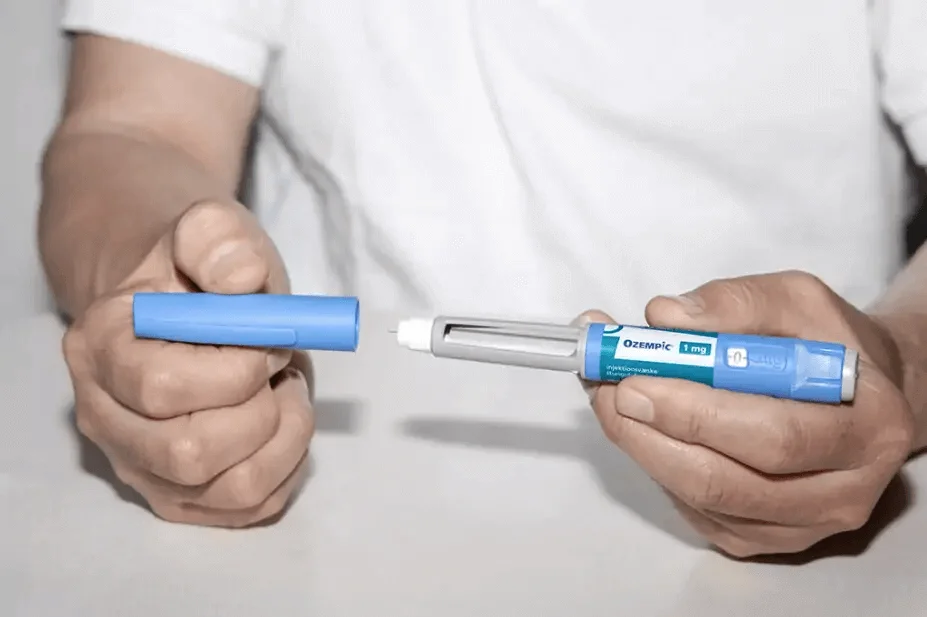
A lot of GLP-1 users such as semaglutide or tirzepatide have flabby skin around the abdomen. This excess skin can create rashes or pain.
Understanding what panniculectomy covers, the time for healing, and typical results allows individuals to prepare for life after major weight transformations.
The GLP-1 Effect
For a long time, no one was able to lose a lot of weight without having surgery, but with GLP-1 medications, that’s changed. These medicines act by delaying gastric emptying, suppressing appetite, and modulating energy metabolism. This may translate to rapid weight loss, but it brings about transformation — particularly in the appearance of the body and skin.
Rapid Weight Loss
Weight falls rapidly with GLP-1 drugs, yet the skin doesn’t always recede back to the new form. It’s your stomach that this loose skin tends to make its first appearance. Most lose weight over months, not years, so there’s less time for the skin to adapt.
If weight falls too quickly, stretch skin’s stretch limit can be threatened. If weight remains stable for 6 to 12 months, skin can further tighten, but frequently not entirely.
|
Factor |
Why It Matters |
|---|---|
|
Pace of Weight Loss |
Faster loss, more loose skin |
|
Age |
Older skin, less bounce-back |
|
Smoking |
Slows healing, worse skin quality |
|
Stable Weight Period |
Needed for safe surgery |
|
Medical Conditions |
May affect healing and risk |
The mental side counts too. It’s rough seeing saggy skin after you put in the effort. It can be hard on the ego or body image. It’s one reason why some opt for panniculectomy post-weight loss.
Skin Elasticity
Skin bounce-back is age and genetics related. Younger skin or good gene skin shrinks best. Collagen and elastin are the key components maintaining skin tautness. With age, these disintegrate and the skin becomes thin or saggy.
Sure, some creams or lasers may do something, but once you lose a lot of weight, loose skin in the belly doesn’t get fixed very often. The majority experience minimal effects, making surgery the next logical option.
Not everyone’s skin responds the same way. Some people have more loose skin, even if they lose less weight.
Metabolic Changes
GLP-1 medications shift the body’s fat-burning mode. Fat doesn’t disappear from the same places. Certain regions, such as on the stomach, cling to loose skin more. Rapid weight loss can alter muscle and fat in a way that actually makes skin look looser.
Metabolic changes can impair skin repair, particularly if nutrition is poor. Surgery outcomes may be contingent on how these changes influence the skin and tissues.
Many surgeons routinely request that patients discontinue GLP-1 drugs several weeks prior to an operation due to concerns such as gastroparesis and anesthesia complications.
Most people need a stable weight for six or more months before surgery. This allows the skin to settle and provides the optimal opportunity for favorable outcomes.
GLP-1 patients frequently require a combination of skin excisions and contouring procedures, sometimes referred to as a “GLP-1 makeover,” to meet their individual needs.
Your Surgical Candidacy
Your surgical candidacy for panniculectomy post-GLP-1 weight loss is a nuanced decision influenced by numerous elements. Every factor from weight stability to psychological preparedness contributes to safe and successful surgery results.
1. Weight Stability
You should be at a stable weight before surgery. Surgeons typically request a stable weight for six months or longer, up to 18 months following bariatric surgery. In practice, this implies that your weight remains within 2-5 kgs of your target for 3-6 months.
Weight that continues to fluctuate makes surgery riskier, increases the risk for wound healing complications, and can cause new excess skin if you keep losing weight. For instance, an individual who drops the weight fast with GLP-1 but continues losing pounds could get bad outcomes if they go too soon.
Stability indicates that your body has adapted and reduces the chances of complications.
2. Medical Health
Prior to surgery, a comprehensive medical workup is required. Common conditions such as diabetes, heart disease, or hypertension can increase risk. If you have diabetes, your blood sugar will need to be managed and at times, GLP-1 medication is discontinued or modified immediately prior to surgery.
If you’re a smoker, you have to quit four to six weeks prior to and after the procedure. Cardiovascular health is checked by your healthcare team to make sure your heart and blood vessels can handle both anesthesia and recovery.
Medical clearance from your doctor is required to assist in minimizing complications and ensuring you are in good health for the procedure.
3. Nutritional Status
Your nutritional status is important for healing and recovery. Rapid weight loss patients are occasionally vitamin or mineral deficient. Iron, B12, and protein are common concerns.
Prior to surgery, your doctor might perform blood tests to identify any issues. Getting enough protein, vitamins, and water will give you better results and faster wound healing.
No weight swings due to balanced pre- and post-op nutrition support long-term health.
4. Realistic Goals
If you set realistic goals, you won’t be disappointed. Panniculectomy does an amazing job of removing the extra skin that hangs or causes rashes, but it doesn’t sculpt your perfect body.
Discussing with your surgeon the potential and limitations of the procedure is important. Some individuals might require multiple surgeries or experience enhancement in limited regions only.
Final results take a while. The healing can take several months and full results can take up to a year. Patience comes with the territory.
5. Psychological Readiness
Psychological readiness is just as important as physical. New body shape adjustment can stir mixed emotions. It never hurts to consult with mental health professionals if you’re feeling uncertain or concerned about body image.
Support groups and counseling can help smooth the transition. Being mentally prepared aids your recovery and helps you set realistic expectations for life post-surgery.
The Procedure
Panniculectomy is a body contouring surgery that removes excess skin and tissue from the lower abdomen, frequently following substantial weight loss with GLP-1 medications. The process, surgeon selection, surgical alternatives, and the day of surgery expectations must be thoroughly considered. Most patients have to be at a stable weight for six to twelve months before surgery so that it is safer.
The surgery typically lasts two to four hours and certain patients are required to spend the night in the hospital.
Surgical Technique
For panniculectomy, there are a few different techniques. The most common is a horizontal excision, where the surgeon takes out a strip of skin and fat from the lower abdomen, just above the pubic area. Occasionally, a vertical incision is included as well, producing what’s called an “anchor” or “inverted T” pattern that enables more tissue to be removed for those with excess in both the vertical and horizontal dimensions.
Some surgeons employ newer techniques that combine liposuction with skin removal for a more even contour. The technique is chosen based on the quantity and location of excess skin, old scars, and the patient’s body shape. Selecting the appropriate method determines not only the repair process and the end appearance.
Larger incisions often result in longer recovery times and more visible scars. They can provide improved outcomes for patients with excess skin. Less invasive options could translate into quicker recovery, but they won’t be for everyone.
The trick for surgeons is to tailor the plan to each patient: skin quality, health, and preferences. Surgeons with more modern instruments and more advanced stitching techniques can assist in minimizing the risks and enhancing the final outcome.
Anesthesia
The majority of panniculectomy surgeries utilize general anesthesia. The patient is completely out and feels no pain. On very rare occasions, regional anesthesia and sedation may be possible. The anesthesia team checks your history and monitors heart rate, breathing, and blood pressure during surgery.
Patients encounter the anesthesia team pre-surgery. They talk about allergies and prior reactions and what to anticipate. This helps calm nerves. Typical concerns are nausea upon waking and drowsiness. These tend to be short-lived.
It’s the team’s primary responsibility to ensure the patient’s safety and comfort. They remain there from beginning to end, tweaking meds and on the lookout for warning symptoms.
Incision Placement
Where you put the incision is important for both aesthetics and healing. Surgeons strive to make incisions low on your stomach, concealed by underwear or swimwear. The length and shape are determined by how much skin has to come.
With fragile hands, surgeons attempt to minimize scarring. Thin, direct slashes and tiered stitching assist. Scars, for the most part, tend to fade with time, although it can take as much as two years for the ultimate outcome.
A few individuals could experience numbness or strange sensations around the scar, which typically improve over time. Incision types differ. Some patients receive one horizontal incision, while others require an additional vertical incision. It is selected according to each individual’s requirements and objectives.
Unique GLP-1 Considerations
When patients achieve dramatic weight loss with GLP-1s, there’s often extra skin that doesn’t necessarily shrink back down or bounce back over time. This is particularly the case for those over 34 or who have lost more than 22 kilos. Our skin’s elasticity cannot keep up with fast weight fluctuations, creating a desire for procedures such as panniculectomy.
Body contouring surgery after GLP-1 use requires more detailed planning than your average case. Medication management, healing, and nutrient status all need special considerations.
Medication Management
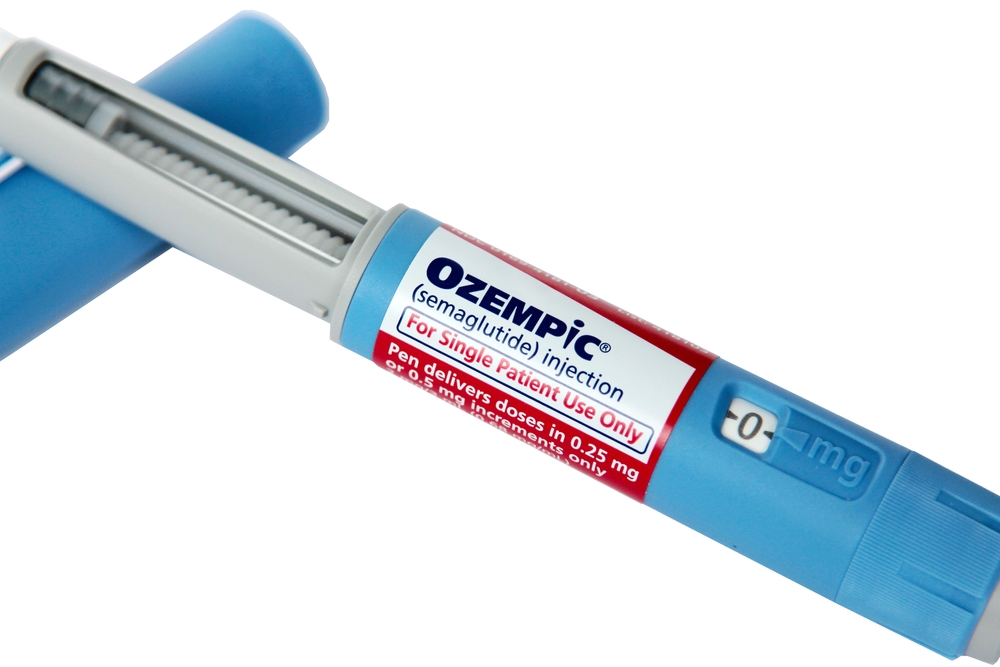
Special GLP-1 considerations Surgeons usually request patients to discontinue these medicines a minimum of a month before surgery. This ensures they mitigate hazards, particularly those connected with anesthesia and blood sugar fluctuations. For diabetics, pre-op blood glucose should be well controlled and plans for medication adjustments need to be clear.
Certain weight loss medications may have interactions with anesthesia, either by modifying drug absorption or by impacting the body’s stress response. This is why it’s important to provide a full medication list to your surgical team.
Surgeons can titrate GLP-1 drugs or recommend a pause, with defined guidance on when to resume postoperatively. Adhering to the surgical team’s medication instructions isn’t just a recommendation; it’s a safety measure that can impact healing and results.
Healing Potential
Following fast weight reduction, skin and tissue are thin or loose, further delaying healing. The quality of skin, how much it can stretch or shrink, plays a role in the final outcome. This is a greater issue for individuals who’ve shed a lot of poundage in a short time or who are more advanced in age.
A custom-crafted recovery plan helps mitigate risk and enhance outcome. Surgeons typically counsel patients to stop smoking at least 4 to 6 weeks prior to and after surgery to increase blood flow and healing.
These check-ups let us catch problems early, like fluid accumulation or infection, so treatment can begin immediately. Recovery occurs in phases. Most patients experience a more subtle change, with the final appearance becoming evident four to six months post-surgery.
Adhering to the plan and reporting any concerns helps guarantee the best outcome.
Nutrient Absorption
GLP-1 meds slow the gut and can affect nutrient absorption post-surgery. Fast weight loss, particularly when not customized, can result in vitamin and protein deficiencies. Surgeons frequently suggest 60 to 80 grams of protein per day to assist healing.
A nutrient-dense diet is required for healing. Some patients might require supplements to help them attain these targets. Blood tests can track for complications such as iron or vitamin B12 deficiency.
Standard check-ins allow the care team to identify and address issues early, so recovery stays on course.
Recovery and Outcomes
Panniculectomy following GLP-1 induced weight loss is common when diet and medication leave behind loose skin. Recovery is both body and mind. It’s what you do before, during, and after the operation that really matters when it comes to your outcomes.
|
Recovery Phase |
Time Frame |
Key Features |
|---|---|---|
|
Initial Recovery |
2-3 weeks |
Swelling, bruising, discomfort, limited activity |
|
Return to Desk Work |
~2 weeks |
Gradual return to light, non-strenuous work |
|
Resume Exercise |
6-8 weeks |
Full activity after clearance from care team |
|
Results Appear |
6-12 months |
Swelling resolves, scars fade, body shape settles |
-
Checklist for Healing:
-
Keep surgical sites dry and clean.
-
Wear compression garments as directed to minimize swelling.
-
Take any antibiotics and pain killers as scheduled.
-
Don’t smoke, which delays healing.
-
Elevate legs when feasible to minimize edema.
-
Pain is most acute in the initial days. A cold pack and some prescribed medication will do the trick. Pain tends to dissipate after the first week but can sporadically persist in a mild capacity for another week or two.
Inspect the wound for heat, redness, or seepage. These signs could indicate infection or other issues. Call the care team if anything feels off.
Sleep is important. Short walks keep your blood moving, and there is no lifting or hard chores. While most return to desk work in two weeks, they hold off on exercise for six to eight weeks.
Results can persist for years if weight remains stable. Scars will fade and the final contour emerges in six to twelve months. Skin elasticity is important. If skin was stretched for an extended period, it might not shrink back a ton.
Generally, individuals who shed a greater amount of weight, such as 150 pounds, will experience more loose skin compared to someone who loses 50 pounds. Maintain weight of 2 to 5 kilos of your surgery weight. Significant weight fluctuations can sabotage results.
Some might require a few more for the ideal contour. Recovery and outcomes usually depend on how much skin remains after the initial surgery.
Scar care begins immediately. Silicone sheets or gels help scars remain flat and soft. Topical creams can help heal, but picking or scratching scars impedes it.
Do not expose scars to the sun. The UV rays will darken and thicken them. Scars evolve for a year or more. Patience is important because scars do fade and soften with time.
A Holistic Approach
A holistic approach after panniculectomy is more than just caring for the surgical site. It considers the entire individual—body, mind, and spirit—assisting individuals recover more effectively and optimize the benefits of the treatment. In other words, it involves working with a healthcare team and making space for both medicinal and lifestyle adjustments.
Key elements include:
-
Addressing physical, emotional, and mental health together
-
With both medical and alternative therapies such as yoga or meditation
-
Encouraging balanced eating, movement, and rest
-
Engaging supportive friends, family, and communities
-
Setting realistic goals for both appearance and well-being
-
Recognizing that care plans may differ for each person
Nutritional Support
You are what you eat. Eating well is the backbone of healing after surgery. Concentrating on nutrient-dense foods provides the body with what it needs to repair tissue, reduce the risk of infection and speed healing.
Protein is crucial when it comes to repairing tissues. Lean meats, beans, fish, and eggs can assist wounds to heal sooner and keep muscles robust. Hydration factors in big time, too, as water aids in nutrient delivery, reduces inflammation, and maintains energy levels.
Whole foods like fresh fruits, veggies, and grains provide more vitamins and minerals than processed foods, giving your body a solid foundation as it heals from GLP-1 weight loss and surgery.
Mental Health
It’s not just physical recovery. Surgery can stir up intense emotions surrounding body image and self-confidence, particularly following significant weight fluctuations. Others have difficulty accepting their “new” body or dealing with scars, so it’s crucial to monitor mental health.
Discussing with a counselor, support group, or friends can alleviate the anxiety. It can be a gradual process to build a good self-image. Having a community – online or in person – often makes a huge difference.
Support from others who have experienced similar transitions can provide reassurance and advice.
Physical Therapy
Physical therapy gets people moving safely and back to life faster. Light activity, such as walking or stretching, may commence shortly after the operation. It maintains blood circulation, reduces the chances of blood clots, and assists with reducing swelling.
Collaborating with a physiotherapist to construct a straightforward rehab plan helps you stay within secure boundaries and prevent injury. As the weeks pass, more movement keeps weight in check and builds confidence.
This emphasis on gradual progress operates for everyone, regardless of their fitness background.
Conclusion
GLP-1 weight loss brings so many people real transformation, yet loose skin can linger. Panniculectomy removes this excess skin, providing relief for everyday living. It reduces rash and pain, and clothes fit better. Outcomes rely on being healthy and maintaining consistent weight after GLP-1. Most people should arrange leave from work and assistance around the house after surgery. Doctors want a full picture of your health before they give the thumbs up to surgery. For optimal treatment, consult a board-certified surgeon experienced in both GLP-1 weight loss and skin surgery. Inquire, communalize your objectives, and select what’s most effective.
Frequently Asked Questions
What is panniculectomy after GLP-1 weight loss?
Panniculectomy is a surgery to remove loose skin and fat from the lower belly. It’s something that individuals with GLP-1 mediated weight loss commonly contemplate when loose or hanging skin is present.
Am I a good candidate for panniculectomy after using GLP-1 medications?
You could be a candidate if your weight is stable, you have considerable excess skin, and you’re in good health overall. Only a qualified surgeon can see if you are a candidate for a panniculectomy after GLP-1 weight loss.
How is panniculectomy different from a tummy tuck?
A panniculectomy extracts solely the surplus skin and fat under the navel. A tummy tuck (abdominoplasty) tightens muscles. Panniculectomy tends to be the preferred pick for skin removal post-weight loss.
What are the unique considerations for GLP-1 users?
GLP-1 users should have a weight plateau for a minimum of six months prior to surgery. Nutritional status and potential medication side effects should be addressed with your surgical team for safe recovery.
How long is the recovery after panniculectomy?
Recovery is generally a few weeks. Most individuals resume light activities within 2 to 4 weeks. Complete recovery can extend up to 2 to 3 months. Adhere to your surgeon’s post-operative guidelines.
What are the main benefits of panniculectomy after GLP-1 weight loss?
Its primary advantages are in terms of comfort, hygiene, mobility, and self-confidence. Excess skin removal may alleviate skin irritation or infections.
Is panniculectomy covered by insurance after GLP-1 weight loss?
Coverage differs depending on the country and insurance company. Certain plans may cover panniculectomy if it is medically necessary, for example, for chronic skin issues. Always check with your insurance company for specifics.