Key Takeaways
-
J-plasma uses plasma energy and helium gas to tighten and rejuvenate skin under the chin by stimulating collagen and offering immediate contraction with minimal invasiveness.
-
It addresses deeper skin layers through subdermal application, resulting in potentially improved outcomes and faster recovery than conventional surgery.
-
Best candidates are those with mild to moderate skin laxity. Age, genetics, and lifestyle all contribute to candidacy and results.
-
Right consultation and preparation, such as making sure to communicate clearly with a qualified provider and adhere to pre-procedure instructions, are key for safety and best outcomes.
-
Post care usually includes wearing a compression garment, controlling swelling, and following medical guidance to facilitate smooth healing and optimize results.
-
Patients need to consider the advantages of enhanced skin tightening versus the risks involved, find reliable data, and have it done by qualified, experienced physicians.
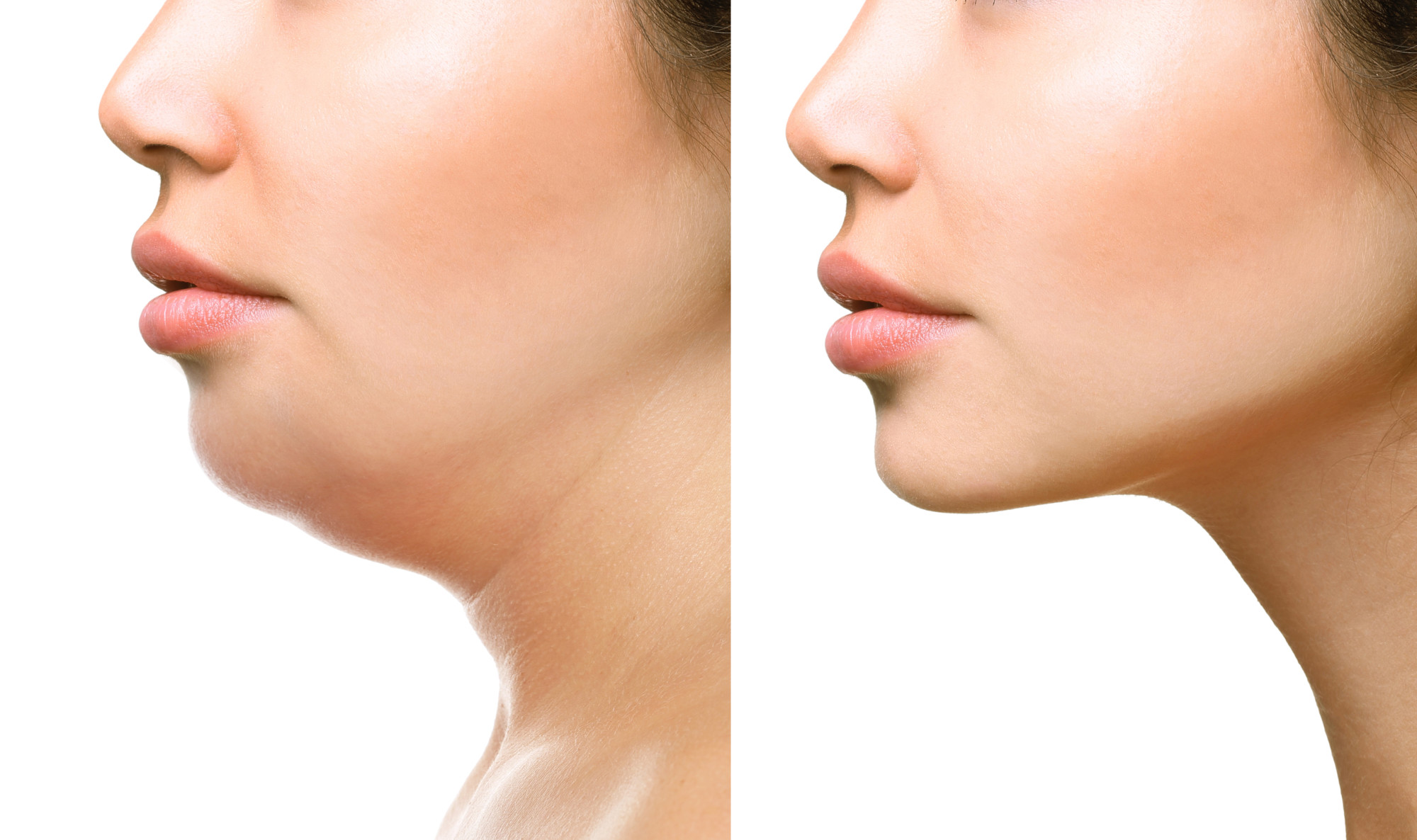
J-plasma under chin skin tightening is a minimally invasive procedure that helps tighten and smooth loose under chin skin.
Using cold plasma energy, it operates under the skin to tighten tissue and provide a more sculpted chin line.
For a speedy recovery and obvious effects with no big scars, many opt for this route.
To find out whether it suits your needs, it’s useful to understand how the procedure operates and what to anticipate.
The Technology
J-Plasma or J Plasty is at the intersection of non-surgical skin tightening. The technology is effective on the area under the chin and other areas with loose skin, aging, or weight loss. The system combines plasma energy with helium gas, creating a contained and precise effect.
The procedure hopes to tighten and refresh skin without huge surgical scars and minimizes downtime. It’s applicable to various body parts including the neck, arms, thighs, and abdomen and is popular for its results longevity and minimal invasiveness.
1. Plasma Energy
At the heart of J-Plasma is plasma energy. When applied, it activates the skin’s own healing response through collagen stimulation. Collagen keeps skin firm and elastic, so stimulating its production supports skin to appear smoother and more youthful.
Unlike older laser treatments, plasma energy works at lower temperatures, decreasing the chances of burns or unintended tissue harm. For most, this translates into a better tolerated experience.
Plasma energy does not depend on heat. Instead, it produces a focused energy field that contracts tissues and tightens skin nearly immediately. This approach can penetrate deeper layers without damaging the surface, which is a significant advantage for sensitive areas such as the neck or under the chin.
Traditional lasers can cause more swelling, redness, or extended downtime. Plasma energy tends to abbreviate these impacts, so the treatment is that much more convenient for hectic schedules.
2. Helium Gas
Helium gas is the secret to the device’s cooling impact. As the plasma energy is discharged, helium immediately cools the tissue, which prevents burns and maintains comfort. The gas is inert, so it doesn’t react with body tissues, and it has been cleared for cosmetic medicine by health authorities, including the FDA.
Helium is safer than other gases because it is light, stable, and less reactive. Its distinct cooling ability enables precise control, making the J-Plasma procedure safer and more comfortable.
Helium helps keep the device’s tip cool, which is an important feature for longer sessions or larger areas.
3. Skin Contraction
Skin contraction is why patients notice an immediate difference post-treatment. Plasma energy makes the skin pull together, shrinking loose areas under the chin and helping texture. A lot of them observe tighter, smoother skin and higher self-esteem and confidence.
This impact is more than skin deep. It can result in enhanced tone and less wrinkles, which refreshes the face and neck. As collagen forms over time, the results tend to improve, sustaining a youthful appearance for years.
It’s gentle, so side effects like swelling or bruising typically subside within a week. Basic care like ice packs assists in the healing process.
4. Subdermal Application
Subdermal means it operates beneath the skin’s surface. It targets the deeper layers and can tighten skin more effectively than creams or surface-only treatments. It is less invasive than surgery, so there are no big scars or extended downtime.
Most procedures require only one to two hours, and the majority of patients return to routine activities within days. This tiny technology will allow physicians to be exact by addressing only what is necessary and sparing surrounding tissue.
Patients with mild to moderate loose skin from age, weight loss, or pregnancy enjoy this method because it provides visible, lasting results.
Candidacy
J-plasma under chin skin tightening is a targeted treatment for mild to moderate skin laxity. It is very effective for adults with the first signs of loose skin under the chin who want to avoid invasive surgery. The optimal outcome tends to be among individuals aged 30 to 60.
Younger candidates with good skin elasticity will experience more evident changes, whereas older patients suffering from advanced laxity may require more than J-plasma alone. If your skin is very loose, only a surgical facelift or neck lift may work. J-plasma can tighten small areas, like under the chin or eyes, but cannot substitute for excisional surgery if sagging is too advanced or there is excess tissue.
Genetics and lifestyle play a big part in how skin ages and who benefits most from J-plasma. Genetics can decide how much the skin sags or how fast it loses firmness. People with a family history of early skin laxity might see changes sooner, even with a healthy lifestyle.
Habits such as smoking, sun exposure, and changes in body weight can speed up skin aging. These lifestyle factors can affect results, so a full evaluation always looks at both genetics and day-to-day habits. For example, a non-smoker with mild laxity and stable weight could see longer-lasting results than someone with fluctuating weight or heavy sun exposure.
Some health conditions could make J-plasma less appropriate. Pregnant women shouldn’t have this done. Patients with some serious health conditions like poor wound healing or active skin infections are bad candidates until these are addressed.
If there are big fat deposits under the chin, these might need removal with liposuction first, as J-plasma does not remove fat. There may be restrictions for people with blood disorders, immune problems, or a history of keloid scarring. A complete review of medical history and current health is imperative prior to advancing.
In considering J-plasma, it helps for patients to have clarity on what they want to change. If you’re looking for a bit of tightening and a little lift, J-plasma might be just right. If you’re looking for dramatic change or have very loose skin, other surgeries may be a better option.
Establishing real goals with a seasoned provider staves off disillusionment and makes sure the appropriate treatment is selected. J-plasma can be a great surgical adjunct, but understanding its limitations is as important as understanding its advantages.
The Procedure
J-plasma under chin skin tightening is a minimally invasive procedure used by men and women of many different age groups, from their 30s through their 80s. As the name suggests, the treatment works to tighten and firm loose skin under the chin for natural results without major surgery, downtime, or large scars. Cold plasma energy is delivered under the skin, where it tightens and shrinks almost immediately.
Swelling and bruising occur, but most patients return to daily activities in 3 to 5 days, which usually subside after 1 to 2 weeks. Every step, from consultation to aftercare, is important for safety, comfort, and optimal results.
Consultation
A serious consultation lays the groundwork. The surgeon inquires regarding the patient’s priorities, aspirations, and trouble spots. This step is key to tailoring treatment to individual requirements. Confidence springs from transparent, open dialogue.
Patients should feel encouraged to communicate their expectations and inquire about anything. Surgeons test the neck’s skin for laxity and quality. They consider overall anatomy to determine whether J-plasma is a good match. A custom schedule is created for each individual, guided by objectives and the inherent contours of the neck and chin.
Preparation
-
Disclose all current medications and supplements to the doctor.
-
Stop blood thinners and anti-inflammatories, as recommended, to minimize bleeding risk.
-
No smoking and alcohol for a few days prior to the procedure.
-
Increase water intake too, which will assist healing and skin tone.
-
Use gentle skin care products as recommended.
-
Show up at the clinic with a fresh, makeup-free face and neck.
Patients please heed all pre-appointment directions carefully. These measures reduce the likelihood of complications and increase the probability of an easy recovery.
Treatment Day
On the day, patients walk into a serene, sanitary clinic room. Staff go over the steps and address last-minute questions. Local tumescent anesthesia is typical, with the patient comfortable and conscious.
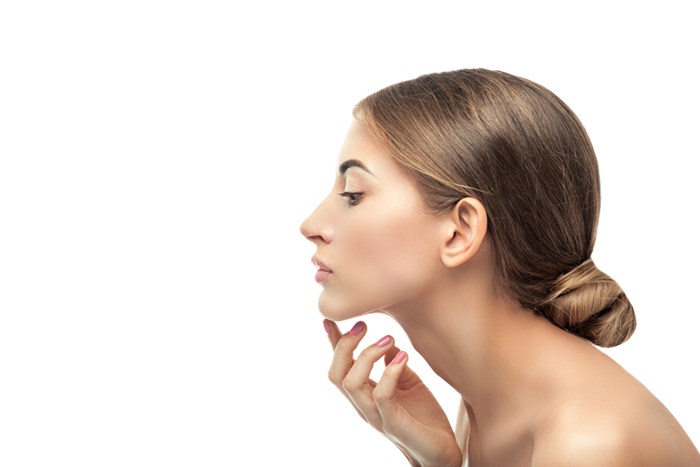
The actual procedure takes around 30 to 60 minutes. The procedure occurs under the chin, so scars are tiny and heal well. Cold plasma is applied beneath the skin, tightening and lifting tissue. Supportive care is provided throughout, with nurses available to assist with comfort and alleviate anxiety.
Aftercare
-
Wear your compression garment for 72 hours.
-
Maintain hygiene and do not scratch or rub the skin.
-
Apply cold compresses or Doc-approved pain relief to reduce swelling and pain.
-
Be aware of signs of infection or anything unusual and get in touch with your provider if necessary.
-
Go to all after-care appointments for check-ins and guidance.
Wearing the compression garment sculpts results and reduces swelling. There is mild swelling and bruising that lasts days to two weeks, but the majority of routine activities can be accomplished within a few days. Routine check-ups keep tabs on healing and spot trouble early.
Recovery & Results
J-plasma under chin skin tightening is a minimally invasive solution for patients looking for enhanced jawline definition and tightened skin. Recovery occurs in stages, with the majority of individuals returning to normal activities within days. Post-operative feelings are typical, but when taken care of properly, they subside with time. The benefits can be immediate and long-term, but various factors influence the duration of benefits.
Timeline
|
Phase |
Timeframe |
What to Expect |
|---|---|---|
|
Immediate |
0–2 days |
Mild swelling, redness, tight feeling |
|
Early Recovery |
3–14 days |
Bruising, tenderness; most resume daily activities |
|
Subacute Recovery |
2–12 weeks |
Swelling fades, skin tightens more |
|
Ongoing Improvement |
3–6 months |
Up to 80% improvement, firmness increases |
|
Full Results |
6–12 months |
Healing completes, natural skin texture returns |
Swelling, redness, and bruising are common the first week or two. The vast majority are back to work or social life within a few days. Exercise and strenuous activity should be avoided for up to four weeks as the skin heals.
Follow-up visits monitor progress and detect problems early. Habits such as not smoking, good meals, and proper hydration assist in a quicker recovery.
Sensation
Anticipate some mild discomfort, tightness, and tenderness in the immediate post-procedure period. Swelling can persist for a week or two, but typically subsides by the third month. Redness is common, but it subsides with time.
All of these are good news and mean the skin is recovering. Any new or intensifying pain, severe swelling, or odd changes should be reported to a physician immediately.
Fragrance-free gentle cleansers and moisturizers can ease the skin and reduce irritation during healing. Stay away from strong exfoliants and strong actives until the skin normalizes.
Longevity
J-plasma results are apparent immediately, frequently with 60% tighter skin. In the following six months, collagen accumulates, accounting for up to 80% enhancement in skin firmness and appearance.
These impacts can persist for at least five years for many patients. Skin type, age, and sun habits all influence the longevity of results.
Daily sun protection slows skin aging and helps seal in benefits. A basic skincare regimen—gentle cleansers, moisturizing lotions, and non-abrasive sunblock—can make the skin silky soft. Others might require touch-ups a couple of years down the road to maintain their results.
Risk vs. Reward
J-plasma under chin skin tightening is an option for those seeking firmer skin without major surgery. As with any surgery, it provides both positive outcomes and genuine dangers. We like to know both sides so we can decide if it suits us.
The dangers with this method are not uncommon. Most individuals experience inflammation, red skin, or bruises beneath the chin. These signs can linger for a week or two. Infection is another risk, even though it’s not frequent. To mitigate this risk, clinics provide explicit aftercare instructions, such as keeping the treated area clean and not over-manipulating it.
Renuvion, the device behind J-plasma, received warnings from the FDA for certain uses. This includes skin tightening and dermal resurfacing, so it’s helpful to inquire about these cautions with your provider. As more people give it a shot, research and clinic reports indicate a continued low rate of serious issues. As with any treatment, you can’t make the risk zero.
On the reward side, the figures are difficult to resist. Immediately post treatment, some patients experience as much as 60% more tightness in their skin. With time and good aftercare, results can top 70 to 80% tighter. More than 90% see distinct improvements and feel the skin beneath their chin is smoother and younger-looking.
These outcomes might persist for a decade or more with good skincare and healthy habits. Recovery is rapid as well. Most return to work or their daily routine within days, not weeks or months, as with traditional surgery. This abbreviated downtime simplifies the process of participation for busy professionals or parents unable to take much time off.
The price is not insignificant. Treatment can cost anywhere from $3,000 to $15,000, depending on the clinic, provider’s skill, and size of the area. This might be a considerable spend for some, so it’s smart to consider the risk versus reward, the cost versus the potential increase in skin tautness and pride.
A practiced purveyor reduces hazards. Choosing a board-certified surgeon with proven experience in J-plasma treatment is crucial. These physicians understand how to identify risk indicators and how to navigate their patients through recovery.
Good clinics tell you the truth about side effects, costs, and the risk of things turning out worse than you hoped. Patients need to request before and after photos, read reviews, and ensure all their questions are met with sincere answers. This helps frame clear expectations and provides a feeling of control.
Beyond The Hype
J-plasma under chin skin tightening is a quick fix, but there are myths about the power of it and the results. Others believe it yields immediate and flawless outcomes in just a single sitting. In reality, the majority of patients require more than one treatment, often two or three, spaced approximately a month apart, to achieve their objectives.
The treatment does yield tighter skin, but it doesn’t halt the aging process or provide a one-time fix. It’s not always true that the results are permanent or the recovery is always fast. Recovery is typically rapid, although the majority of individuals experience some degree of swelling, redness, or numbness for several days to weeks.
These effects dissipate, but some tautness and soreness can remain in the skin for some time, which is part of the healing process.
In real-world results, J-plasma can be fantastic for numerous individuals. The improvement is relative to the original skin condition, age, and other factors. Research shows patients experience a 70 to 80 percent increase in skin tightness and over 90 percent see distinct changes.
Results can emerge in a few weeks and then improve over a few months as the body develops new collagen. Complete healing can take as long as a year. Many patients enjoy being able to return to their daily activities in under 10 days, and the treatment is only 30 to 60 minutes long.
This makes it a realistic choice for busy individuals seeking noticeable results with less downtime than surgery.
Plasma has advanced. J-plasma utilizes cold plasma energy, delivering less heat and less burn risk than older devices. This allows physicians to address sensitive submental regions with increased precision and oversight.
The energy makes the skin tighten immediately and initiates a cascade of changes that encourage new tissue for longer. The important thing is that these advances reduce hazards and increase the likelihood of an uncomplicated recuperation.
Patients need to seek honest, unbiased testimonials from others who have experienced J-plasma. Trusted medical sources and peer-reviewed studies are more reliable than ads alone.
Reading candid reviews and requesting before and after pictures can really help establish realistic and reasonable expectations. It’s smart to discuss with a talented provider who can walk you through what results to anticipate, what side effects to expect and how to prepare for recovery so you’re not caught off guard.
Conclusion
J-plasma under the chin presents a new avenue for people desiring tight, smooth skin without prolonged healing. J-plasma under chin skin tightening. Results appear quickly and are natural looking for most people. Side effects can appear, but the majority resolve on their own. We attract people who choose this route for obvious transformations and a quick escape from their routine. J-plasma is best suited for mild to moderate sag. Everyone has different results. Always consult a skilled physician before you do. Have questions or want to hear more? Connect with a care team near you and discover if J-plasma is right for you.
Frequently Asked Questions
What is J-Plasma under chin skin tightening?
J-Plasma under chin skin tightening is a minimally invasive procedure that uses cold plasma energy to tighten and rejuvenate loose skin beneath the chin. It seeks to enhance skin tightness and aesthetics in a minimally invasive way.
Who is a good candidate for J-Plasma under the chin?
Best candidates are adults with mild to moderate under chin skin laxity. Candidates for J-Plasma are those individuals who want a less invasive alternative to surgery. A consult with a physician is required.
How does the J-Plasma procedure work under the chin?
A mini probe sends cold plasma energy under the skin. This energy contracts and tightens the tissue and encourages natural collagen production for firmer skin over time.
What is the recovery time after J-Plasma under chin treatment?
Most patients have mild swelling or bruising that subsides within 7 to 10 days. Light activities can typically be resumed within 1 to 2 days.
Are results from J-Plasma under the chin immediate?
You’ll experience some immediate tightening, but the magic emerges over the following weeks as collagen grows and skin heals.
What risks are associated with J-Plasma under chin skin tightening?
Complications can consist of momentary inflammation, bruising, a hypnotic state, and skin unevenness. Serious complications are uncommon when done by a skilled provider.
How long do the results of J-Plasma chin tightening last?
Results can last for years, depending on skin type, age, and lifestyle. Your provider may recommend maintenance treatments for the best results.