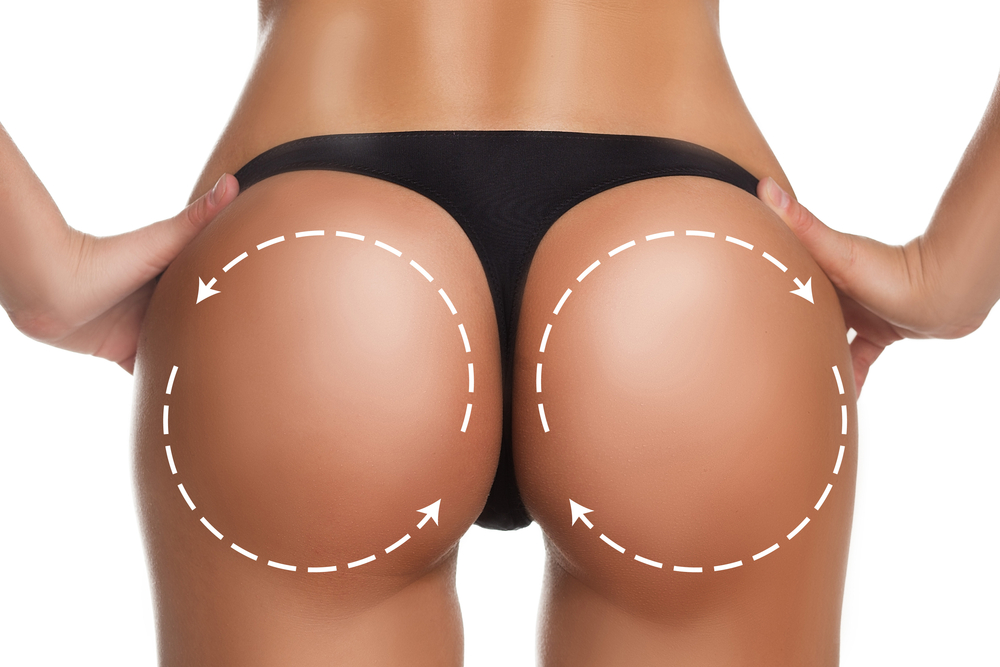
Key Takeaways
-
SKIN LAXITY AFFECTS BBL RESULTS Skin elasticity directly impacts BBL results and can restrict how smooth and lifted the final contour looks. Evaluate skin tone preoperatively and schedule a tightening if necessary.
-
Excess loose skin can camouflage fat grafting results and would necessitate staged or combined procedures, such as body lifts or excision, to accomplish the desired contour.
-
Strong skin tension undergirds graft survival and even volume distribution, so restore skin health with hydration, nutrition, and targeted care to help preserve results.
-
Non-surgical tightening provides modest enhancement for mild laxity. Moderate and severe laxity typically requires surgical intervention. Talk about benefits and limitations with your surgeon.
-
Use objective candidacy checks such as the pinch test, elasticity grading, and detailed history to set realistic expectations and shape a personalized treatment plan.
-
Implement these habits longterm! Maintain a healthy weight, exercise consistently, and implement skin-savvy habits to preserve BBL results and reduce future laxity.
BBL and skin laxity will loose skin affect results, especially when there is extra skin after weight loss or aging. Skin laxity can diminish contour crispness and may necessitate skin tightening or lifts to achieve desired outcomes.
These factors include age, sun damage, smoking, and the quality of your collagen. A surgeon’s exam and realistic goals guide if BBL alone will do or if combined procedures are needed for optimal results.
The Skin Factor
About skin factor – skin quality sets the stage for how a BBL will look when everything is healed. Skin laxity affects retraction and contour. Loose skin will not cling to new fat deposits the way firm, elastic skin does.
Elastic skin aids in a smooth transition between graft and native tissue, whereas saggy or flaccid skin can leave folds, wrinkles, or uneven texture that exposes where fat was transferred. Existing concerns like stretch marks, cellulite, or extreme laxity further complicate a toned look and frequently accompany compromised collagen and elastic fiber architecture in the dermis.
1. Aesthetic Compromise
Severe loose skin can cause visible folds and a sagging buttock even when fat grafting is technically successful. Extra skin can obscure the fresh curves generated by fat transfer, so more doesn’t necessarily translate into shapely.
Dimples and cellulite can become more pronounced post volume change if the skin does not tighten, resulting in a rippled appearance as opposed to smooth. Patients with significant laxity frequently require additional skin-tightening treatments or excision to achieve the result they desire.
2. Volume Support
Tight, healthy skin acts as a built-in scaffold for transplanted fat, preserving projection and shape. If it’s not firm enough, grafts can slip or bottom out or end up with seemingly muted projection because the tissue envelope is non-resisting.
Good skin elasticity underpins long-term defense by entrenching fat cells where they belong and minimizing aberrant migration. Individuals with poor skin quality will generally experience less dramatic volume increases because their tissue can’t provide the same structural support as firm skin.
3. Contour Irregularities
Loose skin increases the potential of lumps, ripples, and saggy areas post-BBL. Uneven fat absorption paired with bad skin retraction can cause asymmetry over the buttocks.
These are the “problem areas,” like thighs, abdomen, and flanks where laxity typically exists alongside the fat that’s been transferred. For significant contour defects, body lifts or localized skin excision may be required to regain flawless lines.
4. Graft Survival
Proper skin tension enhances blood circulation and adipocyte fusion, increasing graft survival. Too much laxity can delay integration and cause increased fat loss post transfer.
A robust, well-vascularized tissue bed supports permanent results. Hydration, daily sun protection of the skin layers, and good skin health help grafts take and heal well.
5. Long-Term Stability
Good elasticity helps preserve the lifted appearance. Weight fluctuations, aging, and pregnancy all continue to stretch skin and can impact BBL results.
About: The skin factor. Collagen loss post MWL and modified elastic fibers shift tensile strength. Measured lab values show differences in the density of collagen and the fiber diameter.
Instruments such as a Universal testing machine measure tensile thresholds. Lifestyle measures, including stable weight, physical activity, and skin care, support long-term outcomes.
Candidacy Assessment
A careful candidacy assessment determines whether a Brazilian butt lift (BBL) will yield the desired shape without leaving troublesome loose skin. This section lays out the key evaluations used before recommending BBL or combining it with skin tightening procedures.
The Pinch Test
The pinch test is a fast, low-tech measure of skin thickness and recoil. Lightly pinch the skin on the buttocks and surrounding area to test its ‘snap-back’ ability. If the tissue returns quickly and evenly, skin elasticity is probably good for fat grafting alone.
If the skin holds tented or wrinkled for several seconds, elasticity is diminished and the risk of post-operative loose skin increases. Document if recoil is immediate, sluggish, or nonexistent and any asymmetry between sides. Employ photos and straightforward measurements to record results for surgical planning and demonstrate to the patient why additional measures, like skin tightening or staged operations, may be necessary.
Elasticity Grades
Grade skin elasticity on a simple scale: Grade 1 (tight/firm), Grade 2 (mild laxity), Grade 3 (moderate laxity), Grade 4 (severe laxity/sagging). Assigning a grade helps match treatment.
Grade 1 to 2 candidates often do well with BBL alone. Grade 3 may need limited skin-tightening adjuncts. Grade 4 often requires excisional techniques or combined lifts. The more elastic the grade, the better it will hold fat and have less contour irregularities.
Provide side-by-side examples in diagrams so patients understand the visual distinctions and establish feasible volume objectives. For slender patients, emphasize proportional goals. Limited donor fat means aim for subtle curvature rather than exaggerated volume.
Patient History
Gather a full history: recent weight loss, pregnancies, prior surgeries, chronic skin conditions, smoking or nicotine use, and patterns of weight fluctuation. Significant weight loss and subsequent pregnancies often create loose skin that will not tighten after fat transplant.
Active weight fluctuation and yo-yo dieting are harbingers of bad long-term outcomes. Demand that the weight be stable for a few months before surgery. Record nicotine use and demand cessation weeks before and after the operation as nicotine constricts blood supply and stalls healing.
Remember previous scars or interventions that might change the vascularity and impact fat graft persistence. Save available fat to be harvested. Without available donor fat, certain patients become marginal candidates and are at increased risk for asymmetrical fat retention or revisions.
Then consider blood supply and injection technique as other variables affecting graft take and final contour.
|
Criterion |
Ideal finding |
|---|---|
|
Skin elasticity |
Grade 1–2 |
|
Weight stability |
Stable for several months |
|
Donor fat |
Adequate volume for goals |
|
Smoking |
None (stop nicotine) |
|
Weight history |
No recent major loss or gain |
|
Vascular/scar issues |
Minimal |
Strategic Solutions
Managing loose skin in the context of a Brazilian butt lift (BBL) requires a clear plan that matches skin quality, body goals, and surgical risk. Assessment before any procedure is essential. Skin elasticity, pattern of laxity, and overall health guide whether non-surgical measures, staged surgery, or combined operations are best.
Below are structured options and specifics to help clinicians and patients decide.
Combined Procedures
Pair BBL with excisional skin or tightening surgeries when excess skin is pronounced and concentrated. When performed in unison, for example, BBL with tummy tuck or lower body lift, your surgeon can eliminate fat, remodel tissue and cut away excess skin in one operation.
It can enhance contour blending and minimize the overall anesthetic episodes. These combined procedures can shorten your overall recovery time compared to separate surgeries and tend to produce more dramatic, unified results.
Planning must be exact: use microcannulas (3 mm or less) for precise fat removal near incision zones to lower the risk of depressions. Notice the additional technical difficulty and longer operative duration, along with greater acute perioperative requirements.
A customized garment protocol should be established by treatment area, skin quality, and fat volume removed to optimize healing.
Staged Approach
A staged sequence suits patients with significant laxity or several areas to address. Begin with liposuction or BBL, let it heal and see how much the skin naturally retracts and then opt for excision or advanced tightening down the line.
This method prevents over-resection and allows clinicians to quantify actual skin response over the course of months. Staging reduces modality overlap and surgical strain.
Skin tightening can continue up to a year after liposuction as collagen remodels, so patience pays off. Recommend a clear timeline: initial procedure, three to six month follow-up assessment, then plan secondary excision or lift if needed.
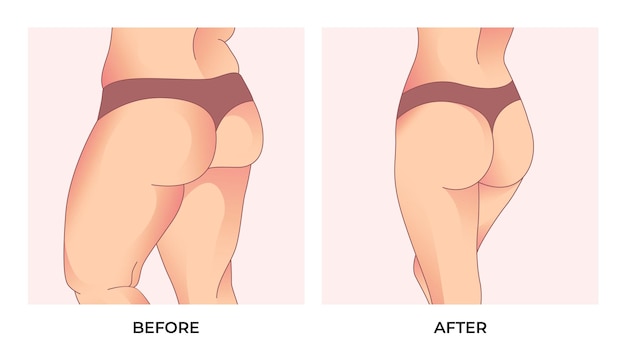
Emphasize avoiding large volume fat removal in one session to protect skin perfusion and contour.
Non-Surgical Options
Some of the non-invasive skin tightening options include ultrasound, radiofrequency, and lasers which remodel collagen. These choices fit gentle to reasonable laxity and allure for lower downtime and less surgical risk.
Results are modest. They take multiple sessions and months to peak. Topical care supports outcomes: powerful moisturizers, retinoids, and hyaluronic acid products help skin quality and will not replace surgery when laxity is severe.
Mix nonsurgical tightening with liposuction when applicable. Collagen stimulating technologies make great adjuncts. Motivate patients to maintain a stable weight, exercise regularly, and lead a healthy lifestyle pre and post procedures to optimize long-term contour and skin response.
Surgeon’s Technique
Surgeon technique is the dominant factor that sculpts final BBL results when skin laxity exists. An experienced surgeon evaluates the quality of your skin, the fat distribution, and regional anatomy prior to determining placement patterns, layering depth, and incision points.
Experienced teams frequently combine contouring by region – arms, breasts, lateral chest – to related laxity and may schedule staged work when multiple excisions are required. For patients post massive weight loss, procedures such as circumferential body lift or lower body lift, known as belt lipectomy, address deformities that are 360-degree problems and require hospitalization and care over multiple days.
Fat Placement
Strategic fat placement improves buttock contours and provides an internal bra for saggy skin. Surgeons outline areas of projection, lateral fullness, and upper pole shape, then position fat to replace convexity in places where skin support is less robust.
Fat is not injected in thin-skinned areas that tend to sag when overfilled. Instead, adjacent strong zones are infused with volume, pulling the silhouette into a smooth line. Layering fat in anatomic planes, such as subcutaneous, supramuscular, and intramuscular, generates projection without focal bulges.
In challenging situations, high-volume liposuction might come before excisional work. Fat harvested from several sites can be selectively grafted to tension skin and soften transitions.
Graft Layering
Layering grafts at multiple depths provides a natural surface and assists the skin to retract evenly. Small-volume passes produce multiple thin ribbons of fat so each graft invites blood supply rapidly and reduces fat necrosis risk.
Even pressure from stacked grafts reduces the potential for nodules or irregular absorption and promotes slow skin retraction. When skin laxity is pronounced, deeper layers add bulking while superficial layers provide contouring finesse.
A few surgeons employ ultrasound or other imaging to verify plane and graft placement, increasing precision and reducing the need for revisions.
Incision Strategy
Dr. Wolfe’s technique focuses on incision planning to minimize scarring and maintain skin quality while still providing safe passage for liposuction and grafting. Tiny strategically placed ports minimize trauma, expedite healing and reduce tension on surrounding skin.
Incision placement influences both skin closure and scar location in relation to clothing, and surgeons record these patterns of closure for subsequent follow-up and patient counseling. Minimally invasive approaches stall disruption to lymphatics and subcutaneous tissues, which helps reduce swelling and accelerates return to mobility.
When larger excisions are required, like in belt lipectomy, the considerations for staging depend on the patient’s health, BMI, how many surgeons were involved and how much contouring could be accomplished.
The Elasticity Myth
The elasticity myth is that skin will invariably snap back and that age is the sole predictor of how well this occurs. Reality is more complex: collagen and elastin production falls with time, and many non-age factors shape how skin responds to stretching, weight change, and surgery.
Before getting into the details, there’s a big difference between checking skin for a BBL based on its texture, thickness, and past rate of size change versus using age as a proxy.
Beyond Age
Skin elasticity varies widely among people no matter their age. Sun exposure breaks down collagen and elastin over years. Smoking reduces blood flow and speeds tissue damage.
Hormonal shifts, such as those in menopause or with thyroid disease, change skin thickness and resilience. Personal habits like poor nutrition or repeated rapid weight shifts often matter more than birth year. Genetic makeup sets a baseline too.
Two people of the same age can have very different skin bounce-back. Checklist to assess non-age factors during consultation:
-
Sun history: frequency, tanning bed use, history of severe sunburns, and typical SPF use.
-
Lifestyle includes smoking status, alcohol intake, diet quality, and exercise routine that affects muscle tone.
-
Medical history: hormonal disorders, diabetes, previous surgeries, or conditions that hinder healing.
-
Weight history: records of major weight gain or loss, bariatric surgery, or chronic yo-yo dieting.
-
Skin exam: thickness, texture, stretch marks, and the degree of laxity at rest and with movement.
Every checklist item should have notes on how long, what treatments were tried, and when possible, photos to capture change.
The Weight Loss Paradox
Major or fast weight loss can leave excess skin that sabotages BBL results. Significant weight loss frequently creates diffuse laxity. The skin has been stretched for so long that fibres don’t fully re-form.
Slow weight loss preserves at least some elasticity, as opposed to crash diets. Bariatric surgery patients often come to us with excess skin and require skin removal or tightening as well as contouring.
Monitor your weight and body fat percentage for a few months prior to scheduling BBL or skin tightening to determine whether your weight is stable. Record trends, not single readings, and target stable weight within five percent of your goal in the months leading up to surgery.
Genetic Predisposition
Genetics largely define baseline elasticity and who will sag. A family history of loose skin, hernias, or bad wound healing frequently foreshadows the same problems post body contouring.
Talk ancestry when establishing realistic result objectives for BBL as well as any adjunctive skin tightening procedures. Utilize a pointed patient questionnaire inquiring about familial skin laxity, cellulite, and age of onset for relatives’ sagging.
This customizes the expectations and schedules joint procedures when necessary.
Realistic Expectations
Realistic expectations begin by taking an honest read of your skin and body. Skin quality and elasticity are huge indicators of how well skin will contract after lipo and BBL. Have reasonable expectations. Consider your age, past weight fluctuations, sun damage, smoking, and hormonal status to set achievable goals.
For instance, someone who is 35 with a healthy skin tone and consistent weight will benefit more in terms of resection than a 55-year-old with decades of laxity and weight fluctuations. Understand that skin contraction after liposuction is variable, with studies quoting between 35 percent and 60 percent. That range demonstrates results are not always the same and are subject to one’s tissue response.
Plan for the timeline and the limits of healing. Recovery from a BBL typically takes 1 to 2 weeks for basic healing but can require up to six months for the body to fully settle and show final shape. Fat graft take is variable. The body may reabsorb between 30 percent and 50 percent of transferred fat cells, which changes the volume outcome over months.
Elasticity itself changes slowly. Many skin-tightening treatments do not give instant results. It can take several months to see the full effect. Regular re-evaluations at set intervals, six weeks, three months, and six months, help track progress and guide any follow-up decisions.
Create a reasonable outcome list pre-surgery. Set realistic expectations. Write down expected gains, probable boundaries, and situations that would trigger revision or additional skin-tightening procedures. Include examples: a patient may expect smoother contours but still have mild folds, or gain moderate buttock projection yet need a touch-up if much of the fat is reabsorbed.
A well-defined list keeps expectations in check and limits frustration. Focus on well-being for sustainable outcomes. Stable weight is important, as weight gain or loss post-surgery can create sagging or volume loss. Weight is more of a concern as we get older and go through menopause, when hormonal changes make our skin less elastic.
Good skin care—sun block, moisturization and smoking cessation—facilitates healing. With the right nutritional support and a slow return to activity, tissue remodeling is facilitated. Realistic expectations. There will still be some laxity or irregularity and subsequent procedures or non-surgical tightening can be indicated for those desiring more perfection.
Routine follow-up, candid conversation with your surgeon, and a long-term plan for weight and skin care provide the greatest likelihood for a gratifying result.
Conclusion
Loose skin may alter BBL outcomes. It doesn’t render surgery pointless. Firm skin that holds a shape delivers the best lift and curve. Skin laxity could require additional measures, such as skin-tightening treatments or a lift, to complement fat grafting results. A straightforward exam and photographs indicate where skin will assist and where it won’t.
Choose a surgeon who evaluates skin tone, fat texture and scarring susceptibility. Request before and after photos of similar cases and a detailed plan. Staged care is needed. Small noninvasive boosts, like radiofrequency, help with mild laxity. For additional slack skin, a lift provides a more defined contour.
Consult with your surgeon, create attainable objectives, and chart the course that suits you and your lifestyle. Contact us for a consultation to discuss your options and next steps.
Frequently Asked Questions
Will loose skin affect my BBL results?
BBL and skin laxity will loose skin affect results. Mild laxity tends to do very well with fat grafting. Too much loose skin will impact results.
How do surgeons assess skin laxity before a BBL?
Surgeons evaluate skin quality in person. They check elasticity, thickness, and how skin drapes when standing and sitting. Photos and measurements help create a surgical plan tailored to your anatomy.
Can non-surgical treatments improve skin laxity before or after a BBL?
Yes. Radiofrequency, ultrasound, and laser treatments can enhance mild to moderate laxity. Results are gradual and best for patients with good baseline skin quality. They do not substitute for surgery for substantial skin redundancy.
When is a combined procedure recommended?
A combined approach of skin tightening or body lift and BBL is best when skin laxity is medium to severe. When possible, pairing procedures typically provide more long term predictable contour and better shape.
How long should I wait after weight loss or pregnancy to have a BBL?
Wait until you have reached a stable weight for 3 to 6 months. Skin will continue to retract over this period. Stable weight provides the surgeon an accurate evaluation of skin laxity and the greatest opportunity for optimal results.
Will age affect how my skin responds to a BBL?
Aging lessens skin’s elasticity and slows retraction. Younger patients tend to experience better natural tightening. Older patients can still get great results but may require adjunctive treatments or combined surgery.
What realistic results should I expect if I have loose skin and want a BBL?
Anticipate better shape but possibly less projection if laxity is significant. Your surgeon should demonstrate before-and-after examples and describe if supplemental tightening procedures are recommended to achieve your goals.