Key Takeaways
-
Skin elasticity is a key factor in liposuction candidacy and outcomes, impacting both appearance and recovery.
-
Evaluating skin quality, including physical tests and visual cues, helps identify the most suitable candidates and informs personalized treatment plans.
-
Age, genetics, lifestyle and the area of the body targeted play a role in skin elasticity, which can affect fat removal procedures.
-
For patients with less skin elasticity or excess skin, liposuction combined with skin tightening treatments or surgical lifts can yield better results.
-
While there’s no cure for lack of skin elasticity, ensuring proper pre-surgical care, including hydration, nutrition, and a healthy lifestyle, in addition to post-surgical support, can help optimize skin and recovery.
-
An open and comprehensive consultation with a skilled plastic surgeon guarantees realistic hope, tailored planning, and a partnership approach to shaping the body you desire.
Skin elasticity is a key consideration in liposuction candidacy due to its ability to aid the skin in adapting post-fat removal. Individuals with good skin elasticity generally exhibit smoother, more even outcomes.
Loose or stretched skin won’t tighten, so results will be less even. Age, previous weight fluctuations, and genetics all factor into skin health.
If you’re wondering whether skin elasticity makes you a good candidate, it’s useful to understand what doctors look for prior to liposuction.
Skin’s Role
Skin plays a big role for anyone considering liposuction. It determines not only whether you can receive the treatment, but how sleek and sculpted you’ll appear afterwards. The skin’s elasticity is what allows it to shrink back and reveal that new shape. Poor elasticity can result in sagging, uneven skin. Your skin plays a huge role in how effectively fat can be eliminated and how the body contour eventually settles and heals.
1. The Foundation
Collagen and elastin are the magic proteins beneath the skin’s surface. They keep skin taut and supple. When these are vigorous, the skin springs back quickly. This is crucial after fat is taken away. Liposuction relies on skin that can respond and contract after the fat is eliminated.
Skin that holds its form supports convalescence, reduces the risk of creases, and leads to fewer complications post-operation. Those with good elasticity tend to experience more favorable, smoother outcomes. Elasticity begins to decline in the mid-20s and declines further with age, so older adults may experience different results.
2. The Risk
Bad skin elasticity increases your chances of loose or sagging skin after fat is taken away. If the skin can’t adhere to the new form, it may sag or appear lumpy. This is an issue with heavy weight loss, sun damage, or age.
Skin that’s too loose can prevent you from achieving a clean, chiseled appearance. Sometimes, low elasticity patients require additional treatments or surgeries to address these concerns. Considering your skin prior to liposuction is key to having realistic expectations.
3. The Outcome
Final liposuction outcomes are intimately connected to skin elasticity. The more elasticity, the better chance the skin has of hugging those new curves. Individuals with bouncy skin tend to be happier with their results.
Good skin can make results last longer. If your skin is flabby or loose, the results might not appear as smooth or last as long. The ‘pinch test’ enables doctors to estimate how well the skin will bounce back.
4. The Technique
Various liposuction methods impact skin elasticity differently. State-of-the-art techniques, such as ultrasound or laser-assisted liposuction, can assist in skin tightening while fat is removed.
HD liposuction yields stronger results for people with more resilient skin, whereas traditional techniques are required for those with less elasticity. Physicians typically tailor the approach, pairing the technique to the skin’s role in achieving optimal results.
5. The Combination
Liposuction combined with skin tightening, like radiofrequency or surgical lift, will provide superior results, particularly for patients with loose skin. Here’s how a multi-step approach tackles fat and saggy skin simultaneously.
Coupling therapies may translate into less touch-up work and a sleeker silhouette. Doctors might propose this for patients with combination fat and skin concerns.
Assessing Elasticity
Determining elasticity is an important component in whether or not someone is a good candidate for liposuction. The skin’s elasticity in the area impacts the result, where good elasticity makes for smoother, more natural looking results. In consults, surgeons consider skin quality, manage patient expectations, and establish achievable objectives.
Several factors give clues about how well skin might respond after fat removal:
-
Age: Skin loses about 1% of elasticity every year after age.
-
Older adults might find that their skin does not retract as readily after surgery.
-
Skin Texture and Tone: Firm, supple skin with an even tone tends to recover better. Thin or crepey skin is less likely to bounce back after large fat removal.
-
Body Area: Some areas, like the abdomen or inner thighs, are more prone to sagging due to natural laxity. Back and arms could possibly maintain form more effectively.
-
Weight Fluctuations: Major weight loss or gain can stretch skin fibers and lower elasticity, which makes smooth results harder.
-
Lifestyle Factors: Good hydration, regular exercise, and sun protection support skin health. Smoking or excessive sun exposure can accelerate it.
-
Previous Procedures: Past cosmetic surgery or treatments may affect the skin’s ability to recover.
There’s a lot of patient education involved. Surgeons explain how skin ages, what tests they employ, and what healing may resemble, including that complete tightening can take as much as one year.
Physical Tests
Hands-on methods are often used to check for skin elasticity. The pinch test is easy. Pinch the skin, hold for five seconds, then check how quickly it snaps back. Vocational rebound indicates optimal elasticity. Slow return or wrinkling could imply less bounce.
Apart from the pinch test, touch and look are key. Surgeons palpate for firmness and thickness. They might poke at various spots, such as the arms, stomach, or thighs, to determine whether the skin is slack or firm. Documenting these findings guides the operative strategy. This is performed in more than one location on the body, as elasticity varies from site to site.
Visual Cues
Skin peeking provides clues as well. Wrinkles, deep lines, or sagging suggest weaker elasticity. Folds or hanging skin, particularly around the belly or inner upper arms, indicate areas where the skin will not tighten well post fat removal.
Skin tone actually does have an impact. Even healthy skin that’s nice and smooth is a positive indicator. Thinning or stria-looking areas won’t bounce back as nicely. Surgeons hone in on these signs when discussing with patients what to expect.
Patient History
Getting a full patient history is vital for skin assessment. Past weight swings, especially big losses, can stretch and weaken skin, making it less likely to shrink after liposuction. Lifestyle habits, such as exercise routines, water intake, and sun exposure, all shape skin health over time.
Surgeons ask about smoking since it slows healing and lowers elasticity. Any past cosmetic work, like tummy tucks or laser treatments, matters because they may have changed how the skin reacts. This background, along with physical and visual checks, builds a full picture for setting clear, realistic goals and helping patients know what to expect.
Elasticity Factors
Elasticity factors dictate how well the skin adjusts once the fat is removed. Skin’s snapping back or retracting is a function of age, genetics, lifestyle, and the area being treated. Good skin elasticity prevents sagging and lends a smoother, more chiseled appearance post-surgery.
Age
Skin collagen and elastin levels drop as we age. Collagen provides the skin strength, and elastin allows it to stretch and rebound. The fall begins young. By the time you’re 20, skin elasticity plunges roughly 1% a year.
This loss accelerates in your 40s and 50s. Therefore, seniors may find that their skin doesn’t rebound as well post-liposuction. Younger patients typically have more taut, responsive skin, so they generally do better and have fewer problems with loose skin.
When planning your procedure, Dr. Lefkovits will align the approach to your age and skin condition for an optimal result.
Genetics
Genes are a strong factor in how elastic someone’s skin is. Others have thicker skin or more elastin and are good liposuction candidates. One great indicator comes from family history. If your close relatives have tight skin well into their senior years, then chances are you’ll be fine as well.
Some genetic diseases, such as Ehlers-Danlos syndrome, can render skin overly flexible or delicate. Surgeons should always confirm family medical history and evaluate for indications of these conditions prior to advising liposuction because they can impact safety and outcomes.
Lifestyle
Daily habits can either aid or degrade skin elasticity. Smoking, excessive sun, and dehydration all take their toll on the skin’s resilience. Eating a balanced diet, drinking plenty of water, and applying sun protection can contribute to keeping skin robust.
Exercise aids by increasing circulation and maintaining a stable weight, both pre and post liposuction. Keeping your weight steady lessens skin stress and gives you a greater likelihood that your skin will retract smoothly after fat removal.
Minor lifestyle adjustments, such as smoking cessation or sunscreen application, can have a significant impact on the quality of the skin and surgical results.
Body Area
Not all body areas act the same after liposuction. The abdomen, flanks, thighs, and arms each have different skin thickness and elasticity. For example, the abdomen may have more stretch marks or loose skin, especially after weight changes or pregnancy.
Thigh skin is often thinner and can be prone to laxity. Surgeons use tests like the pinch test, which involves holding the skin for five seconds and seeing how fast it flattens out, to judge elasticity.
Knowing the unique traits of each area helps doctors plan the right technique and set realistic expectations for recovery and results.
Enhancing Potential
Skin elasticity is an obvious factor in who is a good liposuction candidate. Skin that is healthier and more elastic can rebound better after fat removal, creating smoother, more natural-looking results. Age, sun exposure, hydration habits, and daily skin care all influence the way skin reacts.
Preparing your skin for surgery and assisting in recovery afterward can help a lot of people achieve the best possible result from liposuction.
Pre-Surgical Care
Enhancing Potential
Taking daily habits that enhance skin health prior to surgery results in more resistant skin. Hydration is crucial. Six to eight glasses of water daily allow the skin to retain elastin, which helps it stretch and bounce back.
Eating a balanced diet full of fruits, vegetables, lean proteins, and healthy fats provides the skin with nutrients to generate collagen and elastin, such as fish, berries, and nuts. A healthy skin care regimen is key too. Washing and moisturizing your whole body, not just your face, helps keep skin supple and hydrated.
Incorporating a moisturizer with hyaluronic acid or ceramides can boost hydration. Using a high SPF broad-spectrum sunscreen on a daily basis minimizes UV damage that can accelerate loss of elasticity. Sun protection can mean wearing a wide-brimmed hat, UV-proof clothing, and avoiding the sun when it’s at its strongest.
Others could find value in supplements geared towards skin structure. Collagen peptides, vitamin C, and zinc are popular picks, but a healthcare professional must approve their appropriateness. This approval makes individuals comfortable with the process by tempering their expectations.
Skin recovery will be different for each individual as we all lose elasticity at different rates. Beginning in our mid-20s, the loss then accelerates with age.
-
Drink 6–8 glasses of water daily
-
Eat nutrient-rich foods for collagen support
-
Moisturize and cleanse skin every day
-
Use high SPF sunscreen and protective clothing
-
Get regular exercise (at least 30 minutes daily)
-
Ask about supplements with collagen or vitamin C
Post-Surgical Support
Post-operative care defines outcomes. Adhering to wound care guidelines, such as maintaining skin hygiene and applying mild moisturizers, can inhibit infection and assist recovery. Compression garments, as recommended, assist skin in sticking to the new body shape as it contracts.
These clothes might have to be worn for a few weeks based on your surgeon’s recommendation. Follow-up appointments enable the care team to monitor healing and identify issues at an early stage. Patients, heed all the scheduled visits, even if you feel like you’re coming along nicely.
Mild exercise, such as walking, induces beneficial blood flow and skin toning. Over time, consistent exercise can maintain both skin and muscles in optimal condition, which further upholds the outcomes.
Staying out of the sun, no tanning, and use of sunscreen are important as skin recovers. Good hydration and eating healthy are just as important post-op as they are pre-op. Every bit contributes to the possibility of an affirmative permanent outcome.
Alternative Procedures
A few others might not be perfect liposuction candidates because they have not-so-great skin elasticity. Some would prefer to avoid surgery at all costs. Here, some alternative procedures and supportive treatments can aid better skin quality or provide non-surgical fat dissolution.
Most of them provide noticeable effects with less risk and downtime, which is attractive to a broader population.
-
Laser skin tightening
-
Radiofrequency (RF) therapy
-
Ultrasound-based treatments
-
Cryolipolysis (CoolSculpting)
-
Laser lipolysis
-
Ultrasound fat reduction
-
Non-surgical body contouring devices
Skin Tightening
|
Treatment Type |
Benefit |
Typical Use Case |
|---|---|---|
|
Laser treatments |
Boosts collagen, firms skin |
Face, neck, abdomen, thighs |
|
Radiofrequency (RF) |
Tightens loose skin |
Arms, jawline, stomach |
|
Ultrasound |
Lifts deep tissue |
Chin, brow, upper arms |
Laser and radiofrequency treatments both target deeper skin layers to encourage collagen production. This increases elasticity and allows skin to rebound after weight loss.
Lasers tend to be reserved for the face, neck, and abdomen, whereas RF can be used on bigger areas such as the stomach or limbs. Both options are effective for mild to moderate sagging.
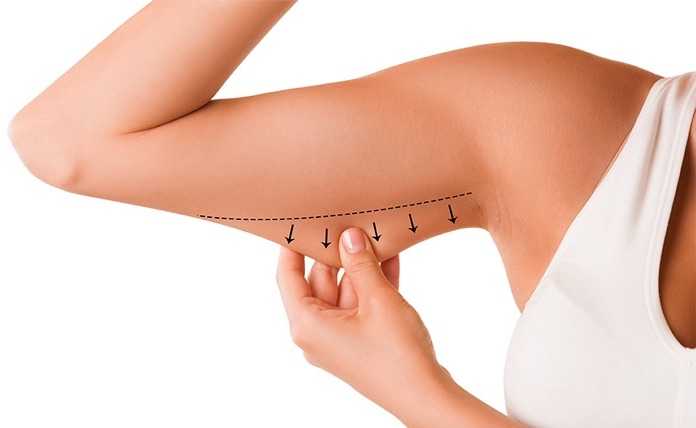
Skin tightening can enhance liposuction candidacy. When skin can shrink, your body lines appear sleeker once fat is eliminated. Many clinics are now pairing skin tightening with liposuction in the same session for improved outcomes.
It’s good for people with a little skin laxity but not enough to warrant a surgical lift. The effects are slow, frequently requiring a couple of weeks for full amelioration.
Surgical Lifts
Surgical lifts target important skin laxity that non-invasive modalities cannot repair. They’re the best option when there’s redundant, hanging skin after significant weight loss or pregnancy.
Lifts can be performed on the abdomen (abdominoplasty), arms (brachioplasty), and thighs, face, or neck.
One lift for every body area and skin concern. These procedures include a tummy tuck that eliminates loose stomach skin and a thigh lift that addresses the upper legs.
It’s common to combine a lift with liposuction because it removes fat and tightens skin simultaneously.
To have its own game plan. Not everyone wants both fat reduction and a lift. An experienced provider will evaluate skin quality, fat distribution, and health to suggest the optimal combination of procedures.
These alternative procedures, and often just figuring out when and in what order to have what treatments, can make a huge difference.
The Consultation
A consultation is the initial and key step for anyone considering liposuction. This is when patients and surgeons discuss the aesthetic surgery, motivation for the operation, and what outcomes to anticipate. It is when to evaluate skin quality, establish realistic goals, and determine whether someone is a good candidate for liposuction.
A checklist helps guide these talks:
-
Discuss reasons for surgery and expectations
-
Review medical history and lifestyle
-
Evaluate skin elasticity with tests like the “pinch test.”
-
Talk about health requirements and risks
-
Set realistic goals and timelines for recovery
-
Review surgeon’s experience and approach
Realistic Goals
Setting goals that match your skin and body is key. Not everyone will get the same results. Skin elasticity matters a lot. If skin is loose or stretched, it may not tighten well after fat removal.
For example, younger patients or those with firm skin often see smoother results. People with thin or sun-damaged skin may notice more sagging. It’s best to talk openly about what you want, but listen to what the surgeon says is likely.
Focus on what’s possible, not perfection. Aim for steady progress, not instant change. Healing takes time, sometimes weeks or months, so patience is needed before judging final results.
Surgeon’s Expertise
Choosing a surgeon who actually performs liposuction regularly is important from both a safety and an outcome perspective. A great surgeon doesn’t just remove fat. They can detect good skin elasticity with easy methods, such as pinching the skin for a few seconds to check its resilience.
This skill brings down risks and sidesteps issues like blotchy skin. Patients need to inquire about the surgeon’s training and view before-and-after pictures from previous liposuction procedures.
Selecting a board-certified surgeon with a good track record assists you with receiving better care and reducing stress during recovery.
Custom Plan
What liposuction procedure is right for you? The surgeon will take these test results, such as how your skin responds to a pinch, and construct a plan that fits your body type and goals.
Others might yearn for a little tweak, some desire a lot of tinkering. The smartest strategies combine the individual’s desires with clinical realities.
For example, if you have excellent skin elasticity, more fat can be eliminated safely. If skin is less stretchy, the plan might contain smaller adjustments or additional procedures to assist skin in appearing sleek.
Fat removal and skin quality have to be in the plan for the best outcome.
Conclusion
Good skin bounce goes a long way with liposuction results. Loose skin can slow healing or alter appearance after the fat is removed. Age, genetics, weight fluctuations and even behavior contribute to how skin bounces back. Others require skin tightening or consider alternative options. They test skin with easy tests and discuss candidacy. Liposuction isn’t for everyone, but transparent truths assist individuals in choosing sensibly. For optimal results, schedule a consultation with a board-certified physician. Come with your questions and see what suits your body and goals. At least take the first step to find out about your own skin and what you have available to you.
Frequently Asked Questions
What is skin elasticity and why does it matter for liposuction?
Skin elasticity is the skin’s capacity to stretch and bounce back. Great elasticity allows the skin to bounce back and conform smoothly after fat is removed, resulting in ideal liposuction candidates.
How can I know if I have good skin elasticity for liposuction?
Your plastic surgeon can evaluate your skin elasticity at a consultation. They test for firmness, stretch, and how well skin snaps back after a light pull.
What factors affect skin elasticity before liposuction?
Age, genetics, sun exposure and lifestyle habits like smoking can all impact skin elasticity. Healthier skin leads to better liposuction results.
Can I improve my skin elasticity before liposuction?
Yes, drinking water, following a healthy diet, and protecting against sun damage all assist. Certain topical treatments and exercise can help.
Are there alternatives if my skin elasticity is poor?
Yes, they may recommend options such as skin tightening treatments or non-surgical fat reduction. Your surgeon can suggest the most suitable procedure for your needs.
Why is a consultation important before deciding on liposuction?
A consultation allows the surgeon to evaluate your skin and overall health. This helps ensure safety and that you receive the most suitable treatment for your goals.
Does liposuction work the same for everyone regardless of skin type?
No, it depends on your skin type and elasticity. Individuals with tighter and more elastic skin tend to have better and more natural smooth results.