Key Takeaways
-
GLP-1s suppress appetite and delay stomach emptying, leading to fast fat loss and potentially some muscle loss as well. Therefore, track body composition and emphasize protein and resistance training.
-
Fat loss frequently alters body shape unevenly, with particularly stubborn deposits such as abdominal and flank fat lingering. Anticipate varied contouring requirements and address realistic goals with a surgeon.
-
Rapid weight loss can cause skin laxity in the abdomen, thighs, upper arms, buttocks, and face, so take a skin care regimen, hydrate, and prepare for potential surgical or non-surgical skin tightening.
-
In general, you should wait until your weight is stable for at least 6 to 12 months before considering elective contouring. Track weight trends, and ensure the nutrition is optimized for healing.
-
Full medical clearance is required and should consist of metabolic control, cardiovascular and liver work-up, and screening for nutrient deficiencies to minimize surgical risk.
-
Evaluate psychological preparedness, establish clear objectives, and organize a consistent support network to enhance post-GLP-1 contouring recovery and fulfillment.
Contouring after GLP-1 medication is body sculpting methods utilized following weight loss from GLP-1 medications. As a result, many search for surgical or non-surgical options to smooth out the excess skin, stubborn fat, and uneven contours that remain.
Popular options are skin removal, liposuction, and targeted energy treatments, all with varying recovery and risks. Thoughtful planning with a clinician assists in aligning goals, medical history, and attainable outcomes.
Medication’s Effect
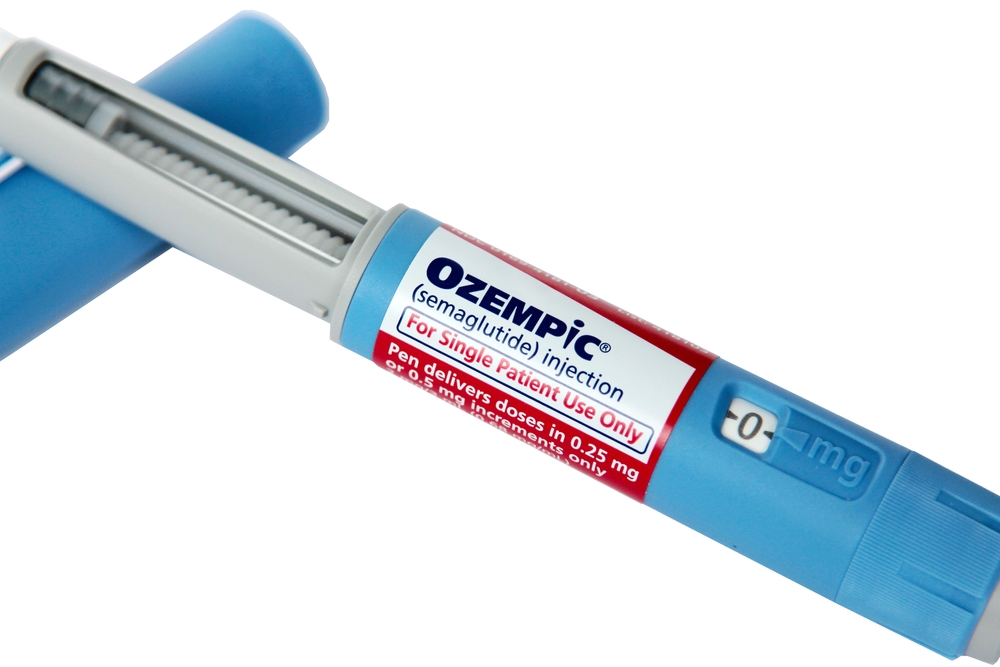
GLP-1 receptor agonists like semaglutide and tirzepatide suppress appetite and delay gastric emptying, reducing calorie intake and encouraging weight loss. They enhance insulin sensitivity and glycemic control, a critical concern for individuals with obesity and type 2 diabetes.
Semaglutide delivers approximately 15% average weight loss at 12 months in trials, while tirzepatide has demonstrated up to approximately 20% average weight loss within the same timeframe. These medications accelerate fat metabolism, allowing the body to flush out lysed fat cells post-adjuvant treatments.
Rapid weight loss from these agents frequently alters body volume more quickly than skin and musculature can adjust, which impacts contouring choices.
Body Composition
GLP-1 medications frequently lead to significant decreases in overall body fat and a noticeable transformation in body silhouette. Fat loss is often significant in visceral and subcutaneous stores, moving waist circumference and silhouette.
Both fat and lean tissue can diminish with medical weight loss. Weight change is not simply adipose loss. This double whammy shifts the fat-to-lean ratio. A patient can be smaller but flabbier if lean muscle mass decreases.
To save muscle, a strategy should consist of resistance training and sufficient protein, say 1.2 to 1.6 grams per kilogram of body weight per day, depending on age and activity. Track body composition with bioimpedance or DEXA scans. Observing trends helps customize your exercise and nutrition to favor lean tissue.
Fat Distribution
GLP-1 agents melt belly and flank fat more reliably than certain peripheral zones. Love handles and belly flab tend to disappear early, while lower-body fat—hips and thighs—can be stubborn. Fat loss isn’t uniform across people.
Genes, gender, age, and baseline distribution all play a role. Typical patterns after GLP-1 use include:
|
Body Region |
Typical Change |
|---|---|
|
Abdomen (visceral/subcutaneous) |
Large reduction |
|
Flanks/love handles |
Moderate to large reduction |
|
Thighs/hips |
Variable, often slower reduction |
|
Arms |
Mild to moderate reduction |
|
Face/neck |
Noticeable in some, variable |
Anticipate choppy transformations. Certain zones might require focused sculpting interventions. Skin laxity can get a little better over three to six months from new collagen, but older patients have less ‘bounce back.’
Muscle Mass
Fast weight loss on GLP-1 drugs can lead to muscle loss if left unchecked. Without strength training, atrophy risk increases, which decreases resting metabolic rate and can make it easier to regain weight after stopping medication.
Protein distributed throughout the day and resistance programs save your muscle. Excessive muscle loss impacts function and recovery, long-term health, and can complicate aesthetic goals.
Some patients seek out treatments that stimulate muscle regrowth to regain definition. Remember that 50–75% of patients discontinue GLP-1s within a year and regain weight, which shifts surgical timing and outcomes.
Resulting Skin
Rapid, significant weight loss from GLP-1 drugs commonly means the skin simply cannot bounce back to fit the new shape. Skin stretched for long periods loses some of its spring and folds loose in crepey texture and uneven folds. They can come about even in the context of welcomed weight loss, where they can cause irritation, chafing, or aesthetic issues that lead patients to pursue additional treatment.
A reasonable skin-care regimen combined with hydration can assist, but anatomical boundaries to healing imply certain individuals will require supplementary treatments or surgical intervention.
Elasticity Loss
Elastin and collagen are the two main proteins that allow skin to snap back. Deep fat loss undermines support beneath the dermis. Elastin fibers and collagen matrices can be either compromised or attenuated, so the outermost layer remains loose.
The older and longer overweight, the less likely to ever fully bounce back. A woman who had extra weight for decades typically has more collagen degradation than a woman carrying a few extra pounds for a couple of years.
-
Genetics: inherited skin quality and ability to repair
-
Age: older skin has less regenerative capacity
-
Rate of weight loss: Faster loss gives less time for skin to adapt.
-
Duration of obesity: long-standing stretch causes structural change
-
Sun exposure and smoking: accelerate collagen and elastin damage
Keep these in mind when you’re planning weight-loss pace or skin treatments. Slower loss, topical retinoids, and guided resistance exercise can modestly aid collagen reconstruction. A professional evaluation by a dermatologist or plastic surgeon can help clarify realistic expectations.
Common Areas
Abdomen, thighs, upper arms and buttocks tend to display the most excess skin following medical weight loss. The stomach and outer thighs in particular begin to fold deeply and look flabby due to the fact that those regions hold more subcutaneous fat and undergo a greater stretch.
List of body regions most affected:
-
Abdomen (lower and upper)
-
Inner and outer thighs
-
Upper arms (triceps area)
-
Buttocks and hip crease
-
Lower back and flanks
These areas vary by person’s fat distribution and skin quality. Compression garments, resistance training and topical moisturizers can minimize irritation and provide a better contour appearance. They seldom eliminate large redundant skin.
For stubborn, troublesome folds, surgical excision, including abdominoplasty, thigh lift, and brachioplasty, still provides the coda.
Facial Volume
Facial volume loss following fast fat reduction can create a hollowed or aged appearance, dubbed “ozempic face.” As buccal and subcutaneous facial fat diminishes, cheeks flatten, nasolabial folds deepen, and jawline definition can become harsh.
This emaciated look can be upsetting to others and can result in aesthetic treatments like dermal fillers, fat grafting, or mini facelifts to re-balance. Not every patient needs or desires these procedures, and there are noninvasive options such as skin-tightening devices and personalized skincare routines that can aid in keeping the skin healthy.
Consultation with a dermatologist or aesthetic clinician is key to tailoring interventions to skin type, extent of volume loss, and general health.
Contouring Procedures
Body contouring after GLP-1–related weight loss encompasses surgical and non-surgical options to address loose skin, stubborn fat, and volume loss. Procedure selection is based on how much weight you’ve lost, your pattern of laxity, overall health, and your goals. Here are the primary methods, how they function, anticipated results, potential risks, recovery, and expense.
1. Surgical Lifts
Surgical lifts such as abdominoplasty (tummy tuck), circumferential body lift, thigh lift, and brachioplasty (arm lift) remove excess skin and, where indicated, tighten the underlying layers to reconstitute firmer contours.
Abdominoplasty trims excess abdominal skin, repairs separated muscles when necessary, and provides a flatter, tighter midsection. Circumferential body lifts add lower body work to back and flank tightening in patients with generalized laxity. Upper body lifts can tackle breasts, back rolls, and the trunk in a single stage if desired.
Recovery can include 2 to 3 weeks of limited activity for arms and thighs, compression garments for 4 to 6 weeks, and perhaps 6 to 12 weeks until a full return to strenuous exercise. General anesthesia is routine.
Complications include wound healing problems, infection, bleeding, and visible scarring. Post-massive weight loss revision rates are higher than typical cosmetic cases, typically 15 to 25 percent, depending on the procedure. Costs vary: arm lifts range from $5,000 to $8,000, thigh lifts range from $6,000 to $12,000, and abdominoplasty ranges from $8,000 to $15,000. Final results can take 6 to 12 months to manifest as swelling subsides and scars mature.
2. Liposuction
Liposuction removes localized fat that can be resistant to GLP-1–induced weight loss. It contours stubborn fat pockets on the flanks, abdomen, inner thighs, or under the chin.
Liposuction alone does not address loose, sagging skin and in fact makes contour worse if the skin is lax. We find that liposuction combined with the lifts often gives the best contour.
High tech variations such as laser lipolysis and ultrasound-assisted liposuction apply energy to help disrupt fat and can slightly tighten skin. Their ability to do so is limited in comparison to excisional surgery.
Patients should possess stable weight, preferably for a minimum of six to twelve months, before liposuction for enduring results.
3. Fat Grafting
Fat grafting in effect transfers a patient’s own fat from donor sites to areas in need of volume. It brings back those curves that were lost in weight loss, be it applied to facial fill, breast enhancement, or buttock contouring.
When there is sufficient donor fat, fat grafting can fix hollowing or asymmetry and boost body satisfaction. Some of the fat you transfer will perish, so it’s important to have realistic expectations.
It requires several sessions. Ideal candidates possess sufficient donor fat and are in good health. This works beautifully in conjunction with lifts to sculpt shape and restore volume without implants.
4. Non-Invasive
Nonsurgical options include cryolipolysis (CoolSculpting), radiofrequency, and ultrasound skin tightening. These are no anesthetic and minimal downtime treatments that are great for mild to moderate laxity and small fat pockets.
Results are gradual and more modest than surgery. Multiple sessions are generally required. Non-invasive options have low complication rates and limited lift potential.
A quick method, benefit, downtime, and expected outcome comparison helps patients decide based on goals and recovery tolerance.
Optimal Timeline
Body contouring post-GLP-1 medication has an optimal timeline associated with weight stability, nutrition, and medical clearance. Delay until weight and metabolic markers have stabilized so that surgery corresponds with the patient’s persistent shape. Underneath are the key factors that decide when to move safely and achieve the ideal aesthetic result.
Weight Stability
Weight stability is remaining at a consistent weight, without significant gains or losses, for multiple months. It gives the excess skin a chance to ‘settle’ and the body to acclimate to its new shape, which limits the amount of tissue you have to remove.
Many surgeons recommend waiting at least six months following the initiation of GLP-1 therapy or bariatric surgery before considering any contouring, while others suggest 12 to 18 months post-major weight loss to achieve ideal skin quality. Fast or continuous weight loss with loose skin can cause continued shifting and therefore less-than-ideal results and potential for revision.
Record weight weekly and graph it on a basic chart. Expect to see small day-to-day variation but no obvious downward slope. If weight has stayed within a few percent for six months, the patient is a better candidate for elective contouring.
Nutritional Status
Proper nutrition nourishes wound healing, immune function, and muscle sparing. Protein intake is essential. Consume about 1.0 to 1.5 grams per kilogram per day, depending on age and clinical circumstances.
Micronutrient deficiencies, such as iron, vitamin D, vitamin C, zinc, and B vitamins, can delay healing and increase susceptibility to infection. Checklist of key nutrients for surgical readiness:
-
Protein: supports tissue repair.
-
Iron: prevents anemia and helps oxygen delivery.
-
Vitamin D: aids bone and immune health.
-
Vitamin C: needed for collagen formation.
-
Zinc: important for cell growth and wound repair.
How about a preoperative nutrition check with a dietitian to fix any deficiencies preoperatively?
Medical Clearance
Comprehensive health evaluation prior to elective body contouring post GLP-1 use is essential. Screen for cardiovascular disease, liver function, and glycemic control.
GLP-1s impact weight and metabolism, so monitor diabetes treatment. Make sure your blood sugar and metabolic tests are in decent shape to decrease anesthesia and surgical risks. Usual tests are complete blood count, comprehensive metabolic panel with liver enzymes, HbA1c, coagulation panel, and ECG for patients with risk factors.

Imaging or specialist clearance could be required for complex interventions. Talk to your surgical team about medication timing and GLP-1 dosing to plan perioperative care.
Your Candidacy
Determining if you’re a good candidate for body contouring after GLP‑1 medication starts with a clear health snapshot. This means recent medical history, current meds, and any ongoing conditions that could impact surgery or healing.
Health Assessment
Perform a targeted physical examination to identify conditions that increase surgical risk. Screen for uncontrolled diabetes, hypertension, blood clotting disorders or heart and lung disease, which can all be contraindications to surgery until controlled.
Have stable weight for at least 6 months. Stability leads to more long-lasting results and less risk of complications. Evaluate previous weight loss strategies, including GLP‑1 receptor agonists, other antiobesity medications, and bariatric surgery.
Record the timing and duration of GLP‑1 use, as active therapy can affect wound healing and nutritional status. Feel for muscle laxity, inflamed zones or skin irritation in the procedure locations, as active cutaneous disease generally requires clearance before elective contouring.
Bring a concise report of your findings for the surgeon, including medications, allergies, lab work, and any specialist clearances. This overview directs targeted suggestions and assists the team in mapping perioperative care.
Realistic Goals
Establish clear, quantifiable targets related to performance and aesthetics. Identify target areas, desired contour modifications, and acceptable trade-offs such as scarring or recovery time.
Tell them that surgical contouring sculpts and eliminates sag, but it almost never achieves exact symmetry or completely regains your pre-weight-gain tissue. Individuals with loose, sagging skin that impairs comfort or confidence experience significant improvement.
Temper expectations with pre/post photos and a measurement scheme. Write down targets such as ‘decrease lower-abdomen overhang by X cm’ or ‘shape inner-thigh to best accommodate size Y clothing’ then discuss possibilities with the surgeon.
Non-surgical options like laser lipolysis or electro-muscle stimulation might appeal to the less-invasive crowd. Generally, these require three to six treatments, spaced a few weeks apart, for optimal results.
Lifestyle Habits
Wellness habits heavily influence candidacy and results. Continue healthy eating, exercise, and hydration prior to and after procedures to promote healing and maintain results.
Smoking and heavy alcohol use complicate candidacy and should cease well in advance of surgery. Promote documented cessation plans. Stress maintenance and regaining post contouring sabotage results.
Recommend tracking food, activity, and sleep in a basic journal to notice patterns and maintain motivation. It’s the long-term commitment to these habits that often separates temporary change from sustained benefit.
Mental Readiness
Mental readiness encompasses the mindset and emotional preparation prior to elective contouring surgery following GLP-1–induced weight loss. This quick background addresses why checking on mindset, body image, emotional health, and your support system is important. Weight stability, typically six months post goal weight, and medical factors such as blood pressure, smoking, and nutritional demands need to coincide with mental steadiness before surgery can be scheduled.
Body Image
Big weight loss can alter your self-perception. Some are breathing easy and believing in themselves, while others are encountering sagging skin, vanished curves, or unupdated spots that don’t mirror the new weight and are horrified. Patients with BMIs in the 35 to 40 kg/m2 range may still have thicker subcutaneous fat, thereby limiting some contouring results and expectations.
Use concrete tools: a vision board or photo diary helps track changes and celebrate small wins. Photo documentation is a great help during consults, demonstrating practical starting points and surgical goals. Be specific about what parts bother you, such as the abdomen, arms, or breasts, so surgeons can recommend staged procedures versus one long operation.
Try to achieve weight maintenance for approximately six months to reduce risk and provide more predictable tissue quality.
Emotional State
Keep a close watch on mood shifts. Signs of depression, anxiety, or emotional swings are common with rapid body change and while scheming surgery. Your emotional health has an impact on wound healing, pain tolerance, and contouring satisfaction.
Getting your blood pressure normal and quitting smoking reduce your surgical risk. Stress that’s not worked out yet will increase your blood pressure, which could increase bleeding or cardiac risk. Get professional help if you experience ongoing depression or anxiety.
Peer groups and support networks provide perspective, but a licensed therapist delivers specific coping tools. Mindfulness, guided journaling, and brief breathing exercises can reduce stress before and after surgery. Nutritional support, particularly sufficient protein, aids healing and may help stabilize mood and energy.
Support System
A solid support system makes healing more secure and more fluid. Designate your MVPs—someone for the initial 48 to 72 hour period, another to assist with errand runs down the road—and add their numbers to your go list.
Engage family and friends in preoperative planning so they are aware of boundaries during recovery. Sign up for GLP-1 patient forums or local groups for body contouring people because shared experience really helps you set realistic expectations.
Consider practical limits since many centers advise limiting combined procedures to under six hours of anesthesia. Spreading surgeries may need more caregiver time but reduces immediate risk. Think about tests like cotinine screening if you need to quit smoking.
Conclusion
While most adults experience significant body changes after GLP-1 meds, skin sags and fat pads migrate. Contouring surgery and non-surgical options provide definitive methods to correct form and function. Ideal candidates maintain weight for a minimum of three to six months, have reasonable goals, and feel prepared for recovery. It’s about timing. Just wait until weight settles and healing requirements align with the procedure of choice. Easy audits and a consult or two with a board-certified plastic surgeon ensure a plan that is safe.
As a next step, schedule a consultation, bring recent weight logs and pictures, and inquire about timelines, risks, and expenses. A little prep today means a lot more success tomorrow.
Frequently Asked Questions
How does GLP-1 medication affect skin after weight loss?
GLP-1 medications curb appetite and calorie consumption, leading to quick weight loss. Rapid loss leaves looser, extra skin because the skin has less time to shrink. It depends on your age, genetics, and what your weight loss is.
When is it safe to consider body contouring after GLP-1–related weight loss?
Wait until your weight has been steady for 3 to 6 months. This assists surgeons in evaluating remaining volume and elasticity in the skin. Contouring after glp-1 medication. Stability minimizes the risk you will be back for more work down the line.
Which contouring procedures work best after GLP-1–induced weight loss?
Common options include abdominoplasty (tummy tuck), body lift, arm lift (brachioplasty), and thigh lift. Liposuction can be employed if pockets of fat persist. The decision is based on skin laxity and body locations involved.
Will non-surgical skin tightening help after GLP-1 weight loss?
Non-surgical (radiofrequency, ultrasound) assist mild to moderate laxity. They provide less downtime and produce more incremental, smaller results. They work best in patients with good skin elasticity and minimal excess.
How do I know if I’m a good candidate for surgery?
Good candidates have stable weight, realistic goals, controlled medical conditions, and cessation of smoking. A board-certified plastic surgeon can evaluate your skin quality and overall health to advise on candidacy.
What risks should I expect with contouring procedures?
Typical risks are infection, bleeding, scarring, and asymmetry. Bigger operations mean a greater chance for complications and a longer recovery as well. Discuss particular risks and mitigation with your surgeon.
How should I prepare mentally for contouring after GLP-1 medication?
Anticipate a transition. Have realistic expectations, recovery time, and emotional support. Counseling or a support group can assist with body image issues and healing.