Key Takeaways
-
Non-surgical and minimally invasive fat reduction methods reign in 2025, as cryolipolysis, laser, radiofrequency, ultrasound, and injectables provide results-first, lower downtime options to surgery.
-
Combination treatments that combine fat removal with skin tightening can often provide more comprehensive body-sculpting results. They’re being recommended increasingly for mild laxity.
-
Cryolipolysis and ultrasound are potent choices for singled-out, pinchable regions such as the abdomen and love handles. Laser and radiofrequency contribute advantages in skin smoothing and collagen activation.
-
Injectables are ideal for small, localized pockets like submental fat and suit patients desiring a subtle transformation without anesthesia or extended downtime.
-
Select treatments according to your objectives, downtime tolerance, and target areas. Explore staged or combined strategies for enhanced results. Monitor progress with photos and measurements.
-
Longevity depends on healthy habits. Surgical removal allows for more permanent cell loss, but all options benefit from weight maintenance and touch-ups.
Best fat reduction treatment 2025 means noninvasive and minimally invasive methods that achieve localized fat loss with quantifiable results.
These include cryolipolysis, laser lipolysis, radiofrequency, and focused ultrasound, each with its own typical reduction range and recovery profile. Choice varies based on body area, skin type, and desired downtime.
Price, safety information, and the expertise of the provider determine results. The main body contrasts techniques, side effects, and anticipated outcomes to assist educated decisions.
Top Treatments 2025
Non-surgical and minimally invasive fat reduction options in 2025. These strategies emphasize selective fat reduction, skin tightening, and rapid return to normal activities. Treatments range by mechanism, provider (medical aestheticians, RNs, or cosmetic surgeons), session length, and anticipated timeframe for noticeable change.
1. Cryolipolysis
Cryolipolysis, better known by popular brand names like CoolSculpting, applies regulated cooling to fat cells to ‘freeze’ them so your body can dispose of them organically. Clinical studies demonstrate up to 25% fat layer reduction after a single treatment. The majority of patients require 1 to 3 treatments per area.
It is best for pinchable fat on the belly, thighs, and love handles and is well suited to individuals within 9 to 14 pounds of their ideal weight who maintain healthy habits. The treatment takes anywhere from 35 to 60 minutes with minor discomfort and no downtime.
Side effects may involve temporary numbness, bruising, or mild swelling. For others, cryolipolysis is the non-surgical equivalent to a tummy tuck, despite not eliminating excess skin. Results come on gradually, typically in 3 to 6 weeks, and may continue to improve for up to six months after treatment.
2. Laser Therapy
Laser lipolysis and laser lipo utilize concentrated light energy to warm and fragment fat cell membranes. These treatments are less invasive than traditional liposuction and generally entail shorter recovery times. Sessions typically run 25 to 45 minutes.
Popular hits are the belly fat, double chin, and cellulite. The results are subtle and natural looking, which appeals to those in the market for a modest touch-up. Side effects can be redness and temporary sensitivity.
Laser choices frequently complement other techniques for dual sculpting.
3. Radiofrequency
Radiofrequency (RF) devices like some Venus and NuEra systems provide heat for fat reduction and collagen synthesis. The double action involves skin tightening and tissue reduction. RF is effective for mild skin laxity and cellulite, especially on the stomach, arms, and thighs.
Treatments are minimally invasive, fast and frequently paired with injectables or ultrasound to optimize results. Collagen response persists for months, so you can see improvements for a while. Sessions are typically brief and have minimal to no downtime.
4. Ultrasound
Ultrasound-based systems employ focused sound waves to rupture fat cell walls, inducing targeted loss. Liposonix is one of the most popular devices that target isolated belly fat. Sessions are typically noninvasive with little downtime.
Patients love the precision targeting and quick treatment times. The visible transformation typically arises over a few weeks as the body sheds treated cells. Ultrasound provides a surgery-free option.
5. Injectables
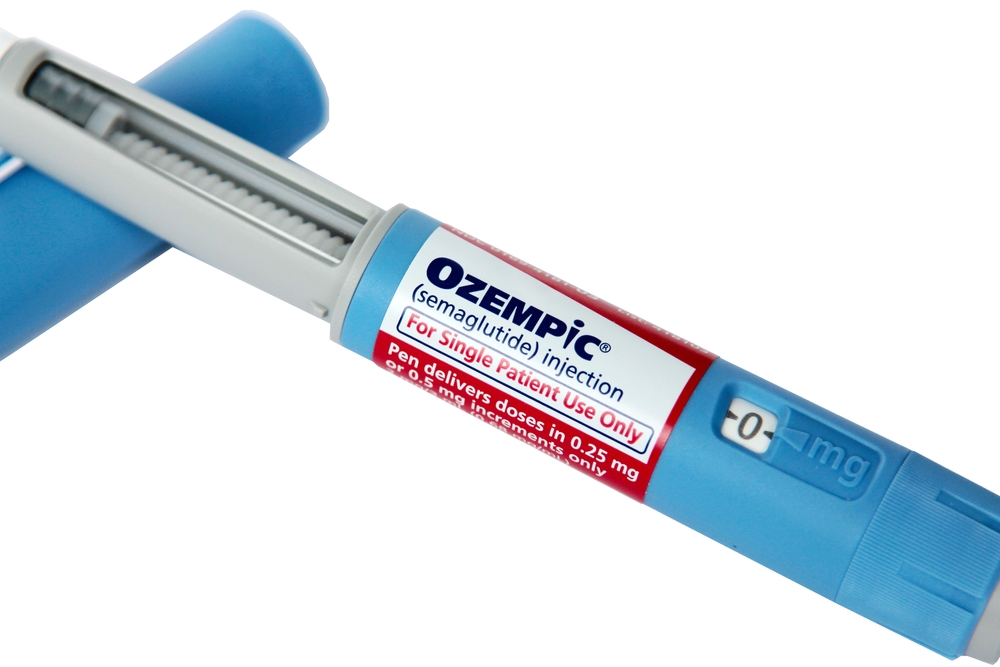
Injectables – fat-dissolving agents and weight-loss injections such as for submental fat. They break down fat tissue without general anesthesia and have less immediate risk than surgery.
Injectables are best for patients seeking mild transformation and simple, low-effort intervention in their daily schedule. Side effects are typically localized swelling or bruising. They complement more extensive weight-loss programs and do not substitute for holistic care.
Trending treatments 2025 include cryolipolysis, laser lipo, RF tightening, focused ultrasound, injectable fat dissolvers, and red light therapy.
Treatment Comparison
Treatment overview compares popular fat reduction treatments by technique, results, downtime, and sensations to help readers align objectives with expectations prior to diving into specific criteria.
|
Treatment |
Method |
Typical effectiveness |
Downtime |
Sensation |
|---|---|---|---|---|
|
Surgical liposuction |
Mechanical suction under anesthesia |
High; dramatic reshaping, variable % fat removed |
Days–weeks (bruising, swelling) |
Pressure, soreness, anesthesia |
|
Tummy tuck (abdominoplasty) |
Surgical excision and tightening |
Very high; removes tissue and reshapes |
Weeks–months (limited activity) |
Surgical pain, drains, anesthesia |
|
Cryolipolysis (CoolSculpting) |
Controlled cold to trigger fat cell death |
~20–25% per session |
Little to none; mild redness, numbness |
Intense cold then numbness, tugging |
|
Laser lipolysis (SculpSure, Zerona) |
Heat or cold+laser to break down fat |
15–25% per session; multiple sessions |
Minimal; 0–3 days possible tenderness |
Warmth, tingling; 40 min sessions common |
|
Radiofrequency/US (Vanquish, Ultrashape) |
RF or focused ultrasound |
10–25% per session; depends on device |
Minimal; same-day activity often possible |
Deep warmth, slight tingling |
|
Injection lipolysis (deoxycholate) |
Local chemical fat breakdown |
Localized reductions; multiple sessions |
Mild swelling, bruising for days |
Stinging, burning during injection |
Efficacy
Ranked roughly by average change, surgical liposuction and tummy tucks deliver the largest and most immediate contour change, suitable for extensive volume removal or skin laxity correction.
Noninvasive solutions such as cryolipolysis, SculpSure, and Vanquish generally offer 15 to 25 percent fat reduction per session and address minor to moderate bulges.
Cryolipolysis typically demonstrates its first change at 4 to 6 weeks and peaks at 8 to 12 weeks. Laser systems can require two to three treatments per area, each lasting around 40 minutes.
Combination approaches, such as noninvasive fat reduction and skin-tightening RF, can often provide superior overall contour for stubborn regions.
Downtime
Surgical options require the longest recovery. Liposuction has days to weeks of limited activity and swelling. A tummy tuck can need weeks of restricted motion.
Noninvasive devices typically provide an instant return to normal life.
-
Liposuction requires rest for 48 to 72 hours, light activity at one to two weeks, and full recovery in weeks.
-
Tummy tuck: 2 to 6 weeks of limited activity. Scars and drains are feasible.
-
Cryolipolysis: none to 2 days of numbness or tenderness.
-
Laser/RF/US: 0 to 3 days of mild soreness. Schedule treatments around work, travel, and workouts to prevent clashes.
Sensation
-
Cold with numbness and tugging (cryolipolysis).
-
Deep warmth or heating and tingling (RF, SculpSure).
-
Sharp sting at injection sites (deoxycholate).
-
Pressure and soreness after surgery.
Patients generally like noninvasive treatment for comfort reasons, but that doesn’t mean they all tolerate it well. Decide according to your pain threshold, need for numbing, and willingness to experience numbness or bruising.

Results
Anticipate noticeable differences in weeks to months. Noninvasive results may appear in three to six weeks, with the best results at eight to twelve weeks.
Multiple sessions, ranging from one to six, may be necessary. Surgical outcomes are quicker and longer lasting if weight remains steady.
Sustain gains through diet and exercise for enduring contour.
Personalized Plans
Your personalized plans begin with a clear vision of both what you want changed and where you store fat on your body. A plan for a person with visceral fat around the abdomen will differ from that for someone with small, stubborn pockets along the flanks or under the chin.
Provider tools are body composition analysis, advanced imaging, and 3D body scanning to map fat and muscle distribution. Metabolic rate testing and basic blood work for hormones bring in context about how the body stores and loses fat. Genetic testing, for example, some basic fat metabolism gene panels, can demonstrate probable reactions to particular interventions and inform decisions.
-
Assess baseline: perform 3D scans, DEXA or ultrasound for fat maps. Record weight, waist, and limb measures. Run metabolic rate and hormone tests.
-
Define goals: note target areas, amount of reduction desired, skin laxity concerns, and realistic timelines based on health status.
-
Match modalities: select from options—noninvasive fat reduction such as cryolipolysis, laser, and radiofrequency, energy-based body contouring, injectable fat-dissolving agents, or limited liposuction based on tissue type and goals.
-
Layer supportive care: add skin tightening, muscle toning, nutrition plan, and exercise prescription tailored to the person’s capacity.
-
Set monitoring plan: schedule repeat imaging, biomarker checks, and clinical exams to track results and side effects.
-
Adjust treatment by changing modality, dose, or timing based on response and patient preference.
Trace your progress with before and after photos and repeated measurements to maintain motivation and inform adjustments. Photos under standard lighting and pose, along with circumferential measurements in centimetres, demonstrate tangible and numeric progress.
Repeat scans or biomarker tests provide objective information when progress feels sluggish. In some clinics, real-time biomarker analysis and treatment response monitoring are used to quickly fine-tune sessions.
Personalized plans will frequently integrate multiple treatments at once to target fat, skin, and muscle simultaneously. For instance, you could have focal cryolipolysis for fat pockets, radiofrequency for skin tightening, and an at-home strength routine to enhance muscle tone.
This combination can accelerate visible change and minimize the necessity of more invasive measures down the road.
Expect variability: Genetics, sleep, diet, medications, and baseline health affect outcomes. These regular reviews allow clinicians to tailor plans.
For instance, increasing session frequency, switching technologies, or introducing hormonal therapy if tests indicate imbalance. Many patients feel more comfortable and engaged when the plan reflects their own data and preferences, which can enhance adherence and outcomes.
Lasting Results
Lasting results from fat reduction treatments rest on two things: the treatment’s mechanism and the patient’s ongoing habits. Non-surgical treatments can eliminate or reduce fat cells, but the duration that the transformation is visible is contingent on weight maintenance, nutrition, and physical activity. Research shows permanent results as long as patients maintain good habits and a steady weight. Results can be slow to emerge, with most people noticing definitive change between four and twelve weeks post treatment.
Surgical procedures such as liposuction do remove fat cells permanently from treated areas. Once those cells are gone, they’re gone for good. After all, the body can put fat somewhere else or remaining cells can expand if you gain weight. This implies that a permanent cellular change doesn’t necessarily guarantee a permanent look unless you are managing your weight.
For individuals seeking lasting results without drastic lifestyle transformation, surgery provides a structural advantage. However, it must be combined with nutrition and exercise strategizing to maintain results.
Noninvasive treatments like cryolipolysis (fat freezing), radiofrequency, and focused ultrasound will provide permanent fat loss when combined with steady habits. Others are employing cooling to destroy fat cells, with treatments sometimes resulting in permanent cell loss within treated areas after just one session. They work differently on different devices and different body parts.
Treatments, body composition, and metabolic factors alter results. Maintenance matters; touch-up sessions are often advised to keep contours sharp because the body can add fat over time in treated or untreated zones.
Muscle tone and consistent exercise have a more direct impact on maintaining a sculpted figure post fat loss. Strength work maintains or develops lean mass, which sculpts shape and increases resting metabolism. A straightforward schedule of 2-3 resistance workouts a week combined with some cardio prevents fat rebound and enhances the aesthetic effect of any reductive procedure.
Examples include targeted strength work for the core after abdominal contouring or glute and thigh exercises after leg treatments. Hands-on upkeep advice heightens the chances of lasting effects. Monitor weight with occasional weighing, eat a healthy diet with regular portion control, and introduce a combination of strength and cardio exercise.
For noninvasive avenues, plan follow-ups 6 to 12 months post treatment to determine whether touch-ups are required. For surgical patients, regular follow-up with the surgeon for scar and contour inspections helps in identifying early changes.
Investment Value
Noninvasive and surgical fat reduction have their own unique cost and value equation. Noninvasive options, such as laser, cryolipolysis, radiofrequency, and injection-based lipolysis, generally cost less per session and require several sessions. Surgical liposuction and body contouring have higher upfront costs, often including anesthesia and facility fees, and tend to provide a one-time, more dramatic outcome.
Over time, repeated noninvasive sessions can approach or exceed the cost of surgery, but they avoid surgical risk and lengthy recovery. Use a multi-year view: add procedure cost, maintenance visits, potential touch-ups, and indirect costs such as time off work and travel.
Market signals are important for investment value. The noninvasive segment was worth USD 2.19 billion in 2025 and is expanding quickly to USD 8.74 billion by 2034, with a compound annual growth rate of 17.04% between 2024 and 2034. Broader body fat reduction demand is rising: a market estimate of USD 13,650 million in 2025 with growth to USD 33,550 million by 2035, with a compound annual growth rate of 9.6%, shows both consumer interest and provider investment.
Increasing obesity rates inspire consistent demand, sustaining pricing authority and invention. Cryolipolysis accounted for a 33.5% share in 2025, on account of its balanced cost, safety, and visible results. Hospitals controlled 53.6% of the non-surgical market, confirming that institutional venues are still the top choice for trust and reach.
|
Factor |
Noninvasive |
Surgical |
|---|---|---|
|
Typical cost per treatment (USD) |
200–1,500 |
3,000–10,000 |
|
Sessions to optimal result |
Multiple (2–8) |
Single procedure, possible minor touch-up |
| Downtime | Minimal (hours to days) | Moderate to long (weeks) | | Risk | Low | Moderate to high | | Longevity of result | Variable, typically requires upkeep | Longer-lasting if weight is stable | | Market growth (segment) | Fast, CAGR approximately 17% | Steady | | Top share in 2025 | Cryolipolysis 33.5% | N/A |
| Provider supremacy | Hospitals 53.6 percent for non-surgical | Hospital and clinic-based |
Beyond the direct impact, long-term benefits from cutting-edge, low-downtime treatments include quicker return to work, lower indirect costs, and reduced complication rates. For most pros and busy adults, less downtime leads to more net value even with repeat sessions.
A few of the newer technologies mix modalities to increase durability, which reduces lifetime cost. Consider geographic factors: North America held about 40 percent share in the noninvasive market in 2025, which may mean easier access and competitive pricing there. Germany’s market, with a 3.10 percent CAGR forecasted, exhibited robust growth potential that influenced regional service rates and investment decisions.
Balance upfront cost with enduring appearance boosts and confidence returns. If you’re looking for incremental contouring with minimal interruption, noninvasive tech can be a smart value play. For a single, large amount of volume removal and shape alteration, surgery can provide more value per result so long as your weight is stable.
Beyond The Machine
Body contouring tools are most effective when they’re embedded within a broader strategy. Fat reduction procedures decrease stored fat but will not substitute adjustments to your diet regimen, consistent exercise, or stress and sleep monitoring. Most non-invasive techniques demonstrate approximately 20 to 25 percent fat reduction per session, and clinical trials indicate up to 25 percent in select cases.
Noticeable difference occurs in 3 to 6 weeks, with ongoing refinement until six months and optimal effects frequently at 2 to 3 months. Schedule one to three treatments per region for most technologies; some patients require more to achieve their objective. Sessions generally span 25 to 60 minutes and generally permit resumption of daily activities right afterward.
Combine fat removal with skin and muscle care. After fat loss, skin laxity or muscle separation may become more obvious. Consider skin-tightening options, from radiofrequency to minimally invasive lifts, to avoid loose skin after significant fat loss. For abdominal cases, muscle repair or diastasis recti correction can restore core shape and function.
These additional steps make the overall result look natural and lasting. Discuss sequencing with your clinician. Many providers perform non-surgical fat reduction first and then assess skin response before recommending tightening or surgical correction.
Understand boundaries and temper expectations. Not all territories are amenable to non-invasive devices. Very voluminous reduction typically does require surgical liposuction. Side effects including redness and swelling are common and may last a few hours to a few days, with more significant swelling possibly persisting one to two weeks.
The majority of patients report feeling an initial coldness and then numbness in the treated region. They do not last a lifetime in results, but if you keep your weight stable and have good genes and a good lifestyle, it should last a long time. Many folks keep results for a year or two, and more with persistent healthy habits.
Make a comprehensive plan for body and mind. Treat the body as a system: pair procedures with a nutrition plan, targeted strength training, and realistic time frames for recovery and visible change. Add emotional support—anticipation coaching or counseling aids with handling post-change body image adjustments.
When selecting a provider, request outcome data, average sessions for your objective, before and after photos with similar physiques, and an established timeframe and follow-up for results.
Conclusion
The optimal fat-reduction selection mixes together biochemistry, economics and your personal physiology. CoolTech cryolipolysis cuts small fat pockets with low downtime. High-intensity focused ultrasound targets deeper fat below the skin. Laser lipolysis tightens and contours in a single treatment. Surgical liposuction extracts high volumes quickly but requires extended downtime. Fit a plan to your objectives, budget and schedule. Include regular exercise and a high-protein diet to maintain results. Monitor progress with photos, tape and body-fat measurements every four to eight weeks. Consult with a qualified provider and review device clearances and safety profiles. Prepared to slim down your options? Book a consult, or compare two local clinics side by side to see what fits best.
Frequently Asked Questions
What are the top non-surgical fat reduction treatments in 2025?
The top non-invasive options are cryolipolysis (fat freezing), high-intensity focused ultrasound (HIFU), radiofrequency (RF) body contouring, and injectable deoxycholic acid. Each targets localized fat with different downtime and pace of fat loss.
How do I choose the right treatment for my body and goals?
Talk about your goals, medical history, skin laxity, and budget with a licensed provider. They will suggest a plan according to fat volume, treatment area, and recovery time needed.
How many sessions are typically needed to see noticeable results?
The majority of the treatments in the list require one to four sessions. Results depend on the method and individual. A few enhancements appear in weeks. Full results tend to require two to three months after the final session.
Are fat reduction treatments permanent?
Fat cells eliminated or destroyed are gone for good. Residual fat can enlarge if you put on weight. Maintain results with a balanced diet, exercise, and healthy habits.
What are common side effects and recovery times?
Side effects are usually mild: redness, swelling, bruising, numbness, or tenderness. Recovery is immediate or a few days. Uncommon complications need care. Select an experienced specialist to minimize hazard.
How much do these treatments typically cost?
Prices differ enormously according to technology, clinic, and geography. Anticipate anything from mid to top tier pricing per session. Request a comprehensive quote and treatment plan to gauge overall investment.
Will insurance cover fat reduction treatments?
Most cosmetic body fat reduction treatments are elective and not insurable. Insurance could kick in only for procedures linked to medical need. Check with your insurer and clinic ahead of time.