facebook page instagram account youtube account
Es - En

Best Fat Reduction Treatments in 2025: Non-Surgical Advances and How to Choose

Key Takeaways

  • Non-surgical and minimally invasive fat reduction methods reign in 2025, as cryolipolysis, laser, radiofrequency, ultrasound, and injectables provide results-first, lower downtime options to surgery.

  • Combination treatments that combine fat removal with skin tightening can often provide more comprehensive body-sculpting results. They’re being recommended increasingly for mild laxity.

  • Cryolipolysis and ultrasound are potent choices for singled-out, pinchable regions such as the abdomen and love handles. Laser and radiofrequency contribute advantages in skin smoothing and collagen activation.

  • Injectables are ideal for small, localized pockets like submental fat and suit patients desiring a subtle transformation without anesthesia or extended downtime.

  • Select treatments according to your objectives, downtime tolerance, and target areas. Explore staged or combined strategies for enhanced results. Monitor progress with photos and measurements.

  • Longevity depends on healthy habits. Surgical removal allows for more permanent cell loss, but all options benefit from weight maintenance and touch-ups.

Best fat reduction treatment 2025 means noninvasive and minimally invasive methods that achieve localized fat loss with quantifiable results.

These include cryolipolysis, laser lipolysis, radiofrequency, and focused ultrasound, each with its own typical reduction range and recovery profile. Choice varies based on body area, skin type, and desired downtime.

Price, safety information, and the expertise of the provider determine results. The main body contrasts techniques, side effects, and anticipated outcomes to assist educated decisions.

Top Treatments 2025

Non-surgical and minimally invasive fat reduction options in 2025. These strategies emphasize selective fat reduction, skin tightening, and rapid return to normal activities. Treatments range by mechanism, provider (medical aestheticians, RNs, or cosmetic surgeons), session length, and anticipated timeframe for noticeable change.

1. Cryolipolysis

Cryolipolysis, better known by popular brand names like CoolSculpting, applies regulated cooling to fat cells to ‘freeze’ them so your body can dispose of them organically. Clinical studies demonstrate up to 25% fat layer reduction after a single treatment. The majority of patients require 1 to 3 treatments per area.

It is best for pinchable fat on the belly, thighs, and love handles and is well suited to individuals within 9 to 14 pounds of their ideal weight who maintain healthy habits. The treatment takes anywhere from 35 to 60 minutes with minor discomfort and no downtime.

Side effects may involve temporary numbness, bruising, or mild swelling. For others, cryolipolysis is the non-surgical equivalent to a tummy tuck, despite not eliminating excess skin. Results come on gradually, typically in 3 to 6 weeks, and may continue to improve for up to six months after treatment.

2. Laser Therapy

Laser lipolysis and laser lipo utilize concentrated light energy to warm and fragment fat cell membranes. These treatments are less invasive than traditional liposuction and generally entail shorter recovery times. Sessions typically run 25 to 45 minutes.

Popular hits are the belly fat, double chin, and cellulite. The results are subtle and natural looking, which appeals to those in the market for a modest touch-up. Side effects can be redness and temporary sensitivity.

Laser choices frequently complement other techniques for dual sculpting.

3. Radiofrequency

Radiofrequency (RF) devices like some Venus and NuEra systems provide heat for fat reduction and collagen synthesis. The double action involves skin tightening and tissue reduction. RF is effective for mild skin laxity and cellulite, especially on the stomach, arms, and thighs.

Treatments are minimally invasive, fast and frequently paired with injectables or ultrasound to optimize results. Collagen response persists for months, so you can see improvements for a while. Sessions are typically brief and have minimal to no downtime.

4. Ultrasound

Ultrasound-based systems employ focused sound waves to rupture fat cell walls, inducing targeted loss. Liposonix is one of the most popular devices that target isolated belly fat. Sessions are typically noninvasive with little downtime.

Patients love the precision targeting and quick treatment times. The visible transformation typically arises over a few weeks as the body sheds treated cells. Ultrasound provides a surgery-free option.

5. Injectables

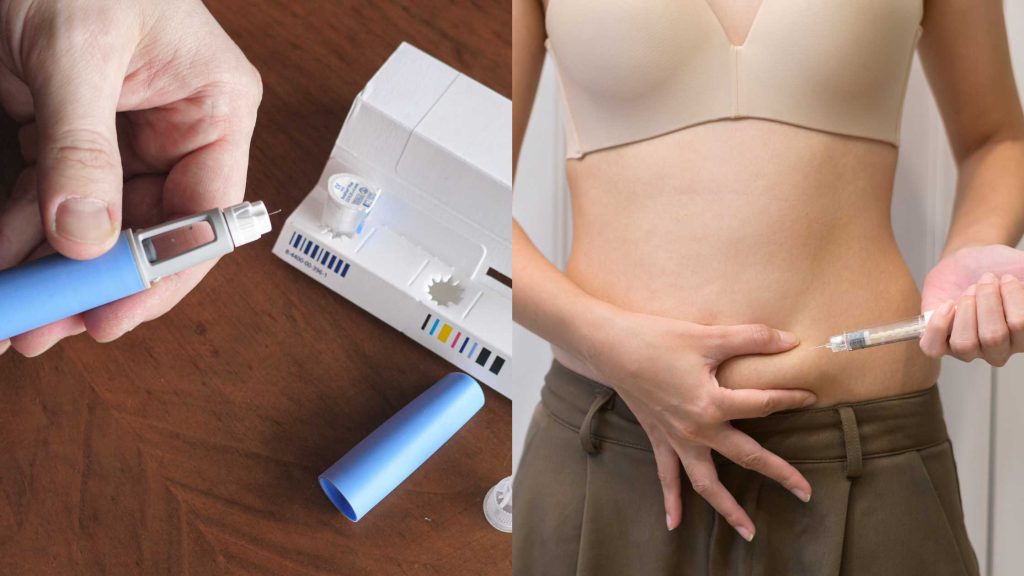
Injectables – fat-dissolving agents and weight-loss injections such as for submental fat. They break down fat tissue without general anesthesia and have less immediate risk than surgery.

Injectables are best for patients seeking mild transformation and simple, low-effort intervention in their daily schedule. Side effects are typically localized swelling or bruising. They complement more extensive weight-loss programs and do not substitute for holistic care.

Trending treatments 2025 include cryolipolysis, laser lipo, RF tightening, focused ultrasound, injectable fat dissolvers, and red light therapy.

Treatment Comparison

Treatment overview compares popular fat reduction treatments by technique, results, downtime, and sensations to help readers align objectives with expectations prior to diving into specific criteria.

Treatment

Method

Typical effectiveness

Downtime

Sensation

Surgical liposuction

Mechanical suction under anesthesia

High; dramatic reshaping, variable % fat removed

Days–weeks (bruising, swelling)

Pressure, soreness, anesthesia

Tummy tuck (abdominoplasty)

Surgical excision and tightening

Very high; removes tissue and reshapes

Weeks–months (limited activity)

Surgical pain, drains, anesthesia

Cryolipolysis (CoolSculpting)

Controlled cold to trigger fat cell death

~20–25% per session

Little to none; mild redness, numbness

Intense cold then numbness, tugging

Laser lipolysis (SculpSure, Zerona)

Heat or cold+laser to break down fat

15–25% per session; multiple sessions

Minimal; 0–3 days possible tenderness

Warmth, tingling; 40 min sessions common

Radiofrequency/US (Vanquish, Ultrashape)

RF or focused ultrasound

10–25% per session; depends on device

Minimal; same-day activity often possible

Deep warmth, slight tingling

Injection lipolysis (deoxycholate)

Local chemical fat breakdown

Localized reductions; multiple sessions

Mild swelling, bruising for days

Stinging, burning during injection

Efficacy

Ranked roughly by average change, surgical liposuction and tummy tucks deliver the largest and most immediate contour change, suitable for extensive volume removal or skin laxity correction.

Noninvasive solutions such as cryolipolysis, SculpSure, and Vanquish generally offer 15 to 25 percent fat reduction per session and address minor to moderate bulges.

Cryolipolysis typically demonstrates its first change at 4 to 6 weeks and peaks at 8 to 12 weeks. Laser systems can require two to three treatments per area, each lasting around 40 minutes.

Combination approaches, such as noninvasive fat reduction and skin-tightening RF, can often provide superior overall contour for stubborn regions.

Downtime

Surgical options require the longest recovery. Liposuction has days to weeks of limited activity and swelling. A tummy tuck can need weeks of restricted motion.

Noninvasive devices typically provide an instant return to normal life.

  • Liposuction requires rest for 48 to 72 hours, light activity at one to two weeks, and full recovery in weeks.

  • Tummy tuck: 2 to 6 weeks of limited activity. Scars and drains are feasible.

  • Cryolipolysis: none to 2 days of numbness or tenderness.

  • Laser/RF/US: 0 to 3 days of mild soreness. Schedule treatments around work, travel, and workouts to prevent clashes.

Sensation

  • Cold with numbness and tugging (cryolipolysis).

  • Deep warmth or heating and tingling (RF, SculpSure).

  • Sharp sting at injection sites (deoxycholate).

  • Pressure and soreness after surgery.

Patients generally like noninvasive treatment for comfort reasons, but that doesn’t mean they all tolerate it well. Decide according to your pain threshold, need for numbing, and willingness to experience numbness or bruising.

Results

Anticipate noticeable differences in weeks to months. Noninvasive results may appear in three to six weeks, with the best results at eight to twelve weeks.

Multiple sessions, ranging from one to six, may be necessary. Surgical outcomes are quicker and longer lasting if weight remains steady.

Sustain gains through diet and exercise for enduring contour.

Personalized Plans

Your personalized plans begin with a clear vision of both what you want changed and where you store fat on your body. A plan for a person with visceral fat around the abdomen will differ from that for someone with small, stubborn pockets along the flanks or under the chin.

Provider tools are body composition analysis, advanced imaging, and 3D body scanning to map fat and muscle distribution. Metabolic rate testing and basic blood work for hormones bring in context about how the body stores and loses fat. Genetic testing, for example, some basic fat metabolism gene panels, can demonstrate probable reactions to particular interventions and inform decisions.

  1. Assess baseline: perform 3D scans, DEXA or ultrasound for fat maps. Record weight, waist, and limb measures. Run metabolic rate and hormone tests.

  2. Define goals: note target areas, amount of reduction desired, skin laxity concerns, and realistic timelines based on health status.

  3. Match modalities: select from options—noninvasive fat reduction such as cryolipolysis, laser, and radiofrequency, energy-based body contouring, injectable fat-dissolving agents, or limited liposuction based on tissue type and goals.

  4. Layer supportive care: add skin tightening, muscle toning, nutrition plan, and exercise prescription tailored to the person’s capacity.

  5. Set monitoring plan: schedule repeat imaging, biomarker checks, and clinical exams to track results and side effects.

  6. Adjust treatment by changing modality, dose, or timing based on response and patient preference.

Trace your progress with before and after photos and repeated measurements to maintain motivation and inform adjustments. Photos under standard lighting and pose, along with circumferential measurements in centimetres, demonstrate tangible and numeric progress.

Repeat scans or biomarker tests provide objective information when progress feels sluggish. In some clinics, real-time biomarker analysis and treatment response monitoring are used to quickly fine-tune sessions.

Personalized plans will frequently integrate multiple treatments at once to target fat, skin, and muscle simultaneously. For instance, you could have focal cryolipolysis for fat pockets, radiofrequency for skin tightening, and an at-home strength routine to enhance muscle tone.

This combination can accelerate visible change and minimize the necessity of more invasive measures down the road.

Expect variability: Genetics, sleep, diet, medications, and baseline health affect outcomes. These regular reviews allow clinicians to tailor plans.

For instance, increasing session frequency, switching technologies, or introducing hormonal therapy if tests indicate imbalance. Many patients feel more comfortable and engaged when the plan reflects their own data and preferences, which can enhance adherence and outcomes.

Lasting Results

Lasting results from fat reduction treatments rest on two things: the treatment’s mechanism and the patient’s ongoing habits. Non-surgical treatments can eliminate or reduce fat cells, but the duration that the transformation is visible is contingent on weight maintenance, nutrition, and physical activity. Research shows permanent results as long as patients maintain good habits and a steady weight. Results can be slow to emerge, with most people noticing definitive change between four and twelve weeks post treatment.

Surgical procedures such as liposuction do remove fat cells permanently from treated areas. Once those cells are gone, they’re gone for good. After all, the body can put fat somewhere else or remaining cells can expand if you gain weight. This implies that a permanent cellular change doesn’t necessarily guarantee a permanent look unless you are managing your weight.

For individuals seeking lasting results without drastic lifestyle transformation, surgery provides a structural advantage. However, it must be combined with nutrition and exercise strategizing to maintain results.

Noninvasive treatments like cryolipolysis (fat freezing), radiofrequency, and focused ultrasound will provide permanent fat loss when combined with steady habits. Others are employing cooling to destroy fat cells, with treatments sometimes resulting in permanent cell loss within treated areas after just one session. They work differently on different devices and different body parts.

Treatments, body composition, and metabolic factors alter results. Maintenance matters; touch-up sessions are often advised to keep contours sharp because the body can add fat over time in treated or untreated zones.

Muscle tone and consistent exercise have a more direct impact on maintaining a sculpted figure post fat loss. Strength work maintains or develops lean mass, which sculpts shape and increases resting metabolism. A straightforward schedule of 2-3 resistance workouts a week combined with some cardio prevents fat rebound and enhances the aesthetic effect of any reductive procedure.

Examples include targeted strength work for the core after abdominal contouring or glute and thigh exercises after leg treatments. Hands-on upkeep advice heightens the chances of lasting effects. Monitor weight with occasional weighing, eat a healthy diet with regular portion control, and introduce a combination of strength and cardio exercise.

For noninvasive avenues, plan follow-ups 6 to 12 months post treatment to determine whether touch-ups are required. For surgical patients, regular follow-up with the surgeon for scar and contour inspections helps in identifying early changes.

Investment Value

Noninvasive and surgical fat reduction have their own unique cost and value equation. Noninvasive options, such as laser, cryolipolysis, radiofrequency, and injection-based lipolysis, generally cost less per session and require several sessions. Surgical liposuction and body contouring have higher upfront costs, often including anesthesia and facility fees, and tend to provide a one-time, more dramatic outcome.

Over time, repeated noninvasive sessions can approach or exceed the cost of surgery, but they avoid surgical risk and lengthy recovery. Use a multi-year view: add procedure cost, maintenance visits, potential touch-ups, and indirect costs such as time off work and travel.

Market signals are important for investment value. The noninvasive segment was worth USD 2.19 billion in 2025 and is expanding quickly to USD 8.74 billion by 2034, with a compound annual growth rate of 17.04% between 2024 and 2034. Broader body fat reduction demand is rising: a market estimate of USD 13,650 million in 2025 with growth to USD 33,550 million by 2035, with a compound annual growth rate of 9.6%, shows both consumer interest and provider investment.

Increasing obesity rates inspire consistent demand, sustaining pricing authority and invention. Cryolipolysis accounted for a 33.5% share in 2025, on account of its balanced cost, safety, and visible results. Hospitals controlled 53.6% of the non-surgical market, confirming that institutional venues are still the top choice for trust and reach.

Factor

Noninvasive

Surgical

Typical cost per treatment (USD)

200–1,500

3,000–10,000

Sessions to optimal result

Multiple (2–8)

Single procedure, possible minor touch-up

| Downtime | Minimal (hours to days) | Moderate to long (weeks) | | Risk | Low | Moderate to high | | Longevity of result | Variable, typically requires upkeep | Longer-lasting if weight is stable | | Market growth (segment) | Fast, CAGR approximately 17% | Steady | | Top share in 2025 | Cryolipolysis 33.5% | N/A |

| Provider supremacy | Hospitals 53.6 percent for non-surgical | Hospital and clinic-based |

Beyond the direct impact, long-term benefits from cutting-edge, low-downtime treatments include quicker return to work, lower indirect costs, and reduced complication rates. For most pros and busy adults, less downtime leads to more net value even with repeat sessions.

A few of the newer technologies mix modalities to increase durability, which reduces lifetime cost. Consider geographic factors: North America held about 40 percent share in the noninvasive market in 2025, which may mean easier access and competitive pricing there. Germany’s market, with a 3.10 percent CAGR forecasted, exhibited robust growth potential that influenced regional service rates and investment decisions.

Balance upfront cost with enduring appearance boosts and confidence returns. If you’re looking for incremental contouring with minimal interruption, noninvasive tech can be a smart value play. For a single, large amount of volume removal and shape alteration, surgery can provide more value per result so long as your weight is stable.

Beyond The Machine

Body contouring tools are most effective when they’re embedded within a broader strategy. Fat reduction procedures decrease stored fat but will not substitute adjustments to your diet regimen, consistent exercise, or stress and sleep monitoring. Most non-invasive techniques demonstrate approximately 20 to 25 percent fat reduction per session, and clinical trials indicate up to 25 percent in select cases.

Noticeable difference occurs in 3 to 6 weeks, with ongoing refinement until six months and optimal effects frequently at 2 to 3 months. Schedule one to three treatments per region for most technologies; some patients require more to achieve their objective. Sessions generally span 25 to 60 minutes and generally permit resumption of daily activities right afterward.

Combine fat removal with skin and muscle care. After fat loss, skin laxity or muscle separation may become more obvious. Consider skin-tightening options, from radiofrequency to minimally invasive lifts, to avoid loose skin after significant fat loss. For abdominal cases, muscle repair or diastasis recti correction can restore core shape and function.

These additional steps make the overall result look natural and lasting. Discuss sequencing with your clinician. Many providers perform non-surgical fat reduction first and then assess skin response before recommending tightening or surgical correction.

Understand boundaries and temper expectations. Not all territories are amenable to non-invasive devices. Very voluminous reduction typically does require surgical liposuction. Side effects including redness and swelling are common and may last a few hours to a few days, with more significant swelling possibly persisting one to two weeks.

The majority of patients report feeling an initial coldness and then numbness in the treated region. They do not last a lifetime in results, but if you keep your weight stable and have good genes and a good lifestyle, it should last a long time. Many folks keep results for a year or two, and more with persistent healthy habits.

Make a comprehensive plan for body and mind. Treat the body as a system: pair procedures with a nutrition plan, targeted strength training, and realistic time frames for recovery and visible change. Add emotional support—anticipation coaching or counseling aids with handling post-change body image adjustments.

When selecting a provider, request outcome data, average sessions for your objective, before and after photos with similar physiques, and an established timeframe and follow-up for results.

Conclusion

The optimal fat-reduction selection mixes together biochemistry, economics and your personal physiology. CoolTech cryolipolysis cuts small fat pockets with low downtime. High-intensity focused ultrasound targets deeper fat below the skin. Laser lipolysis tightens and contours in a single treatment. Surgical liposuction extracts high volumes quickly but requires extended downtime. Fit a plan to your objectives, budget and schedule. Include regular exercise and a high-protein diet to maintain results. Monitor progress with photos, tape and body-fat measurements every four to eight weeks. Consult with a qualified provider and review device clearances and safety profiles. Prepared to slim down your options? Book a consult, or compare two local clinics side by side to see what fits best.

Frequently Asked Questions

What are the top non-surgical fat reduction treatments in 2025?

The top non-invasive options are cryolipolysis (fat freezing), high-intensity focused ultrasound (HIFU), radiofrequency (RF) body contouring, and injectable deoxycholic acid. Each targets localized fat with different downtime and pace of fat loss.

How do I choose the right treatment for my body and goals?

Talk about your goals, medical history, skin laxity, and budget with a licensed provider. They will suggest a plan according to fat volume, treatment area, and recovery time needed.

How many sessions are typically needed to see noticeable results?

The majority of the treatments in the list require one to four sessions. Results depend on the method and individual. A few enhancements appear in weeks. Full results tend to require two to three months after the final session.

Are fat reduction treatments permanent?

Fat cells eliminated or destroyed are gone for good. Residual fat can enlarge if you put on weight. Maintain results with a balanced diet, exercise, and healthy habits.

What are common side effects and recovery times?

Side effects are usually mild: redness, swelling, bruising, numbness, or tenderness. Recovery is immediate or a few days. Uncommon complications need care. Select an experienced specialist to minimize hazard.

How much do these treatments typically cost?

Prices differ enormously according to technology, clinic, and geography. Anticipate anything from mid to top tier pricing per session. Request a comprehensive quote and treatment plan to gauge overall investment.

Will insurance cover fat reduction treatments?

Most cosmetic body fat reduction treatments are elective and not insurable. Insurance could kick in only for procedures linked to medical need. Check with your insurer and clinic ahead of time.


Laser Fat Removal Near Me | Body Contouring Clinics

Key Takeaways

  • Laser fat removal employs targeted laser energy to disrupt localized fat deposits and can firm skin by promoting collagen production, making it ideal for sculpting rather than dramatic weight reduction.

  • Candidates are optimal when they are close to their goal body weight, have good skin elasticity, and want treatment for those hard to address areas of fat that won’t respond to diet and exercise.

  • Most are minimally invasive or non-invasive, usually delivered as day procedures with less downtime than traditional lipo, although multiple treatments may be required.

  • Select board-certified providers who employ FDA-cleared devices, examine before and after portfolios, and ask for a transparent, personalized treatment plan prior to making a reservation.

  • Anticipate slow results over weeks to months, maintain results with diet and consistent exercise, and adhere to post‑procedure care, like compression and lymphatic massage, to accelerate healing.

  • Be aware of side effects such as swelling, bruising, skin irregularities, infection, and rare complications. Have a complete medical evaluation and establish reasonable expectations before moving forward.

Laser fat removal near me are local clinics that perform laser energy to minimize small areas of fat and firm skin. Clinics provide sessions that are roughly 20 to 60 minutes in duration and frequently note observable transformation within a handful of treatments.

Typical treatment areas are the abdomen, flanks, chin, and thighs. Recovery is typically brief with slight swelling and bruising. Below, we discuss price, safety, and choosing a clinic.

The Science

Laser fat removal utilizes targeted light energy to break up fat cells under the skin and stimulate biological processes that facilitate elimination and skin tightening. Here are in-depth details about the process, equipment and other options to assist you in understanding how laser lipolysis functions and how it compares to other alternatives.

How It Works

Laser energy heats fat cells until their membranes burst, liquefying the fat. In SmartLipo TriPlex sessions, the initial wavelength attacks fat, rupturing cells and destroying them for good instead of just shrinking them temporarily.

It’s administered through tiny cannula-sized incisions for cannula-based laser lipo or through non-invasive applicators that rest on the skin. One incision version permits suction of liquefied fat. Non-invasive types count on the body to absorb cell remnants.

The second wavelength in TriPlex targets small vessels and minimizes bleeding and bruising relative to traditional liposuction techniques. Once fat cells are disrupted, the lymphatic system sweeps the contents away over days to weeks. This clearance is incremental.

Post-op edema can persist for up to two weeks, and the definitive contour may require several weeks to manifest. Laser lipo intends to shape targeted zones such as the abdomen, flanks, and submental area. It does not act as a weight-loss tool for notable BMI drops.

The Technology

Contemporary clinics utilize a combination of laser, radiofrequency-based devices, and combined dual-sculpting platforms. SmartLipo uses three wavelengths: one to break fat, one to seal blood vessels, and one to heat the dermis to stimulate collagen and elastin.

Venus Bliss and other such systems leverage multi-polar radio frequency and pulsed electromagnetic fields to melt fat and tighten skin at the same time. Typical device types are laser lipolysis devices, cryolipolysis devices (CoolSculpting), and RF applicators such as contoured CoolAdvantage-type handpieces for smaller areas.

FDA clearance for a device or an indication matters from a safety and expected outcome perspective. Newer methods attempt to preserve surrounding tissue by directing energy to fat layers while leaving skin and muscle intact.

The Alternatives

Laser lipo versus cryolipolysis, ultrasound-assisted lipolysis, injectables, and traditional suction-assisted liposuction. Each has trade-offs: cryolipolysis is noninvasive with minimal downtime but slower visible change.

Ultrasound can hit deeper fat but might have more swelling. Traditional liposuction eliminates bigger quantities but is more intrusive.

Procedure

Pros

Cons

Typical recovery

SmartLipo (laser)

Skin tightening, less bruising

Small incisions, limited volume

Drive next day; work in ~2 days

CoolSculpting (cryolipolysis)

Noninvasive

Multiple sessions, gradual results

Little to no downtime

Traditional liposuction

Removes larger volumes

More bleeding, longer recovery

Weeks to resume normal activity

Diet, exercise and medical weight management are still key if overall weight loss is the objective. Cosmetic choices best target local, stubborn fat deposits.

Your Candidacy

Selecting laser fat removal starts with explicit standards. This segment dissects who gains the most, how regions are selected, what health measurements count, and the psychological preparation needed. Use these to determine if you match the typical candidate and what to anticipate in evaluation and treatment strategizing.

1. Ideal Profile

The perfect candidate has localized, resistant fat that remains unchanged by diet or exercise. Individuals close to their desired weight, typically with a BMI of 30 or less, achieve the most optimal outcomes while aligning with industry recommendations for noninvasive solutions such as SculpSure and a majority of laser liposuction treatments.

Skin elasticity is important because skin needs to ‘snap back’ when the fat is melted away; otherwise, contouring can leave loose skin that requires its own treatment. Laser liposuction is for small to medium-sized fat reduction, not significant weight loss. For those aspiring to shed massive amounts of weight, it’s really medical weight-loss programs that should come first.

Active serious medical problems, particularly those that interfere with healing, preclude somebody. A physician will consider previous procedures, chronic ailments, and medications prior to endorsing a plan.

2. Target Areas

Typical locations are the belly, love handles, thighs, arms, and chin. Laser techniques can address multiple regions at once, aiding in achieving a harmonious outcome when there are multiple loci of concern.

Smaller facial regions such as cheeks and neck can respond nicely to facial laser settings or targeted devices. Deciding what areas to treat is based on the fat distribution of the patient, anatomy, and cosmetic desires.

For patients who had old-fashioned liposuction and desire touch-ups, laser liposuction can polish contours and target stubborn pockets.

3. Health Check

A full health assessment is required to rule out contraindications such as active infections, uncontrolled diabetes, or vascular problems. Providers check skin condition, blood vessel health, and local tissue quality to ensure safe energy delivery and healing.

Pregnancy and breastfeeding are exclusions. Procedures are postponed until after these periods. If there is a history of prostate issues or benign prostatic hyperplasia, labs or urinalysis may be ordered for safety in procedures that affect pelvic regions or when sedation is used.

4. Mental Readiness

Realistic expectations are key. Laser fat removal diminishes volume over time and contours but isn’t a substitute for lifestyle change or dramatic weight loss. Dedication to aftercare, including compression garments, lymphatic drainage massage, and follow-up visits, enhances results.

Know potential side effects such as temporary hyperpigmentation, swelling, or water retention. Be prepared for gradual visible change over weeks to months rather than immediate transformation.

The Procedure

The procedure utilizes laser energy to wreck fat cells in targeted regions. Below is a concise walk-through from consultation to post-treatment care, followed by in-depth coverage of consultation, treatment, and recovery.

  1. Initial consultation and assessment.

  2. Medical history review and goal setting.

  3. Tailored treatment plan and scheduling.

  4. Pre-procedure preparation and consent.

  5. Treatment session: area marking, anesthesia, application of a laser or cooling device.

  6. Immediate post-treatment care: cooling, compression garment, instructions.

  7. Short-term follow-up for complications and progress check.

  8. Continued recovery care: massage/lymphatic drainage, activity guidance.

  9. Additional sessions scheduled if needed for desired outcome.

  10. Final measurement in six to twelve weeks to verify fat loss.

Consultation

A cosmetic surgeon or trained clinician evaluates suitability during the initial assessment. They review medical history, current medications, and any prior cosmetic surgeries to reduce risk and set expectations.

A clear discussion of aesthetic goals leads to a bespoke plan describing target areas, estimated number of sessions, and likely outcomes. Costs, financing options, and recovery timelines are covered so patients make informed choices.

Clinicians may use photos and measurements to set baseline metrics for later comparison.

Treatment

Once the treatment area is marked and local anesthesia or numbing agents are applied, the treatment begins. For laser-assisted fat removal, a small probe might be inserted through minor incisions, while non-invasive options such as cryolipolysis require no cuts and employ applicators on the skin.

Laser energy warms fat cells to induce apoptosis, and cooled devices freeze cells to achieve a similar result. Session length varies by the size of the area being treated and ranges from 30 minutes to two hours.

Many common areas can be treated in approximately 60 minutes. Expect measurable results: studies report an average fat reduction of 21.6% after one 60-minute session, typical permanent fat loss around 6.3 mm, and a circumferential reduction of 4.1 cm.

Redness generally dissipates within a day.

Recovery

Right after your procedure, we will cool the area and you will wear a compression garment to minimize swelling and help with shaping. Most patients are back to normal activities within a few days.

However, any strenuous exercise should be avoided until recommended by your clinician. The usual side effects include swelling, bruising, and minor discomfort.

Fat cells undergo apoptosis over six to twelve weeks and the body gradually flushes them out, so that is where you get visible slimming in that timeframe.

Massage and lymphatic drainage in the days post-treatment assist in mobilizing and flushing out dead cells and reduce fluid retention. Certain cases require multiple sessions to achieve the goals.

Realistic Expectations

Laser fat removal and other noninvasive body-sculpting procedures deliver incremental transformation, not immediate leanness. Results can sometimes present over weeks to months as treated fat cells reduce in size and the body clears them. These treatments are best considered contouring instruments, not weight-loss magic bullets.

Liposuction and laser lipo aren’t a replacement for a healthy lifestyle or serious weight loss.

The Results

Most patients see visible change from treating an area once, within 1-3 months. It’s typical to see early enhancement at three to four weeks, but the fuller contouring generally settles by three months with the final effects evident at six months. Fat cell removal is permanent in treated areas, but residual fat cells swell with weight gain.

Skin might tighten and the muscle definition can appear sharper after a while with increased collagen and minor tissue remodeling. Examples: a patient who treated the abdomen commonly reports a flatter midline at eight weeks, while flank treatments often show smoother waistlines by three months. Before-and-after photos used by clinics typically show progressive change rather than overnight shifts.

Optimal applicants are generally within close proximity to their desired weight with reasonable expectations. They appreciate that body sculpting trims inches; it doesn’t remove body fat.

Checklist for expected timeline and outcomes:

  • Initial swelling and numbness: normal, fades over 1–4 weeks.

  • Noticeable contour change: 3–4 weeks for many patients.

  • Substantial improvement: 1–3 months.

  • Final result: up to 6 months.

  • Possible need for touch-up if asymmetry or residual fat persists.

The Risks

Noninvasive and surgical fat removal have risks that patients must embrace. The typical problems are temporary bruising, swelling, and numbness. Less common but important complications include infection, scarring, contour irregularities, and paradoxical adipose hyperplasia (PAH), where fat deposits enlarge instead of shrink.

Uncommon occurrences include nerve damage, energy device burns, or extended lymphedema. Be alert for signs of delayed healing, increasing pain, spreading redness, fever, or persistent numb patches. Notify your provider immediately if you experience any of these symptoms.

Potential complications (point form):

  • Infection

  • Scarring

  • Skin irregularities or dimpling

  • Paradoxical adipose hyperplasia

  • Nerve injury (rare)

  • Skin burns (rare)

  • Excessive fluid retention

The Longevity

Sustainable success is founded in maintaining a stable body weight and consistent healthy habits. A serious case of the munchies will reverse any contour enhancements if the patient experiences major weight gain.

Other patients choose maintenance treatments or periodic touch-ups to fine tune results. Skin quality and elasticity comes into play. Younger or more elastic skin will typically hold contours better.

Consistent exercise and a healthy diet keep your fat distribution stable and maintain long-term results.

Beyond The Brochure

Laser fat removal is one component of a broader plan for body change. This section explains how to set realistic goals, how lifestyle and adjunct therapies affect outcomes, and what to expect in sensation and visible results. It aims to help readers evaluate treatments alongside daily habits and long-term commitments.

Lifestyle’s Role

Regular exercise and a healthy diet are required to keep the fat off. Exercise can help maintain muscle tone and metabolic health. Think of strength training two days a week and 30 to 45 minutes of moderate cardio three times a week.

Diet matters: prioritize protein, vegetables, whole grains, and controlled portions rather than fad diets. Weight loss should persist post-procedure. Follow-up visits, body composition checks, and behavior tracking can keep that fat from reaccumulating in untreated areas.

Do not initiate weight loss medications or injections unless it is part of a care plan with your clinician, as these can impact fat distribution and sculptural results. Monitor progress with images, measurements and easy logs. Observe shifts in garment tightness and skin tone.

Adjust habits if progress stalls. Small changes in meal timing, sleep, or activity often yield better long-term outcomes. Patients commonly tell us how supported they feel by caring staff that assist with establishing realistic, staged goals and follow through.

Photo Reality

Before and after pictures assist in setting expectations for shape change. Photos must display several angles and uniform lighting. Expect varied outcomes across treatment areas. The abdomen, flanks, and thighs respond differently based on tissue thickness and skin elasticity.

Varied technologies produce varied results. Here is a basic side-by-side comparison.

Treatment

Typical Reduction

Invasiveness

Downtime

Laser lipo

20–40% localized fat loss

Minimally invasive

1–7 days

CoolSculpting

15–25% per session

Non-invasive

Minimal

Traditional liposuction

30–50% large-volume

Surgical

Weeks

Pictures need to have diverse bodies to depict real ranges. Some patients notice a difference within a couple of weeks, while others require a few sessions. The kindness and professionalism of staff frequently make photo consultations clearer and less stressful.

The Feeling

During laser fat removal, the majority will feel warmth, tingling, or mild pressure. Providers often describe the feelings beforehand and the nurses and techs are very sweet and soothing during.

Pain is usually low for non-invasive methods. For minimally invasive laser lipo, local anesthesia mitigates pain. Post-operative swelling or numbness is possible. Recovery is different for everyone, but swelling typically drops within 2 to 6 weeks and sensation returns as swelling dissipates.

Patient comments focus on quick, friendly service and being proactive in their care. Testimonials often note improved confidence and satisfaction once healed, along with dedicated, professional teams who follow up and respond to concerns.

Others notice skin and contour changes within weeks, and all appreciate the caring hands-on staff who help ease the journey.

Finding A Provider

Selecting an appropriate clinic is important in all respects—safety, outcome, and ease. It’s up to you to locate a provider, so seek out those who specialize in laser fat elimination and body sculpting, demonstrate consistent patient results, and provide a variety of technologies and services for you to compare and receive a customized plan.

Credentials

Make sure the lead clinician is board-certified in appropriate specialties and has specialized training in fat-reduction techniques. Verify affiliation with reputable plastic surgery or medical aesthetics organizations. Memberships typically reflect a commitment to standards and peer review.

Seek a track record of surgical and non-surgical work, indicating the team will advise the least invasive option to achieve your goals. Verify continuing education, including workshops, conferences, or published case reports, to ensure the provider stays current on new devices and technique updates.

Inquire about where procedures are performed and if the facility is accredited. Accredited surgical sites adhere to stricter safety and sterilization rules which minimize risk.

Technology

Evaluate the clinic’s equipment combination and if they utilize validated platforms like laser lipolysis equipment, cryolipolysis (CoolSculpting) machines, or focused ultrasound. Ask what machine models they use and request a layman’s explanation of how each operates and why it fits your target area.

See if the clinic provides complementary skin treatments — think advanced laser hair removal, radiofrequency skin tightening, or microneedling to treat textural issues and laxity after fat reduction. Ask how frequently the clinic updates devices and if they run pilots for newer options — consistent investment in tech can translate into better outcomes.

Where you can, ask to see maintenance records or manufacturer certification and ask for a demo or video of the precise device you’ll be getting.

Consultation

Come armed with a short list of questions regarding the procedure, the actual recovery period, and realistic results. Bring medical records, current medications, and notes on any previous cosmetic procedures so your provider can evaluate risk.

Be specific about your body goals and reference pictures that display your expectations. Talk about scars, numbness, or contour irregularities. Ask for a written treatment plan that outlines the number of sessions, total cost in one currency (USD), follow-up visits, and any add-on therapies.

Check practical details such as operating hours, multiple locations, evening or weekend availability, and whether phone or Sunday consultations are possible. Inquire about appointment logistics, including confirmation calls, 24-hour phone lines, texting for time adjustments, and cancellation policies requiring 24-hour notice.

Leave with contact options, including a direct phone number and online form links for scheduling and follow-up.

Conclusion

Laser fat removal can slice fat in focused areas with less downtime than surgery. Treatments are most effective on compact areas such as the chin, flanks, or inner thighs. Most individuals experience gradual transformation over the course of several weeks and require between two and four treatments to achieve a distinct result. Smart prep and the right provider keep risks low. Inquire about device type, clinic pictures, and follow-up plans. Anticipate incremental but consistent fat loss, not a complete recontour of your physique. For a quick check, compare prices, read patient reviews, and book a consultation that lets you talk through goals and limits. Ready to check if this fits your scheme? Find a local clinic and book a consultation – take a question list.

Frequently Asked Questions

What is laser fat removal and how does it work?

Laser fat removal utilizes concentrated light to warm and disrupt fat cells underneath the skin. The body then eliminates the treated fat organically. It is non-surgical in many systems and focuses on small, localized contouring, not weight loss.

Am I a good candidate for laser fat removal?

You’re a good candidate if you are close to your target weight, have localized areas of fat, and have good skin elasticity. It’s not for heavy weight or obesity. A consultation with a qualified provider will confirm whether you’re a good candidate.

How long do results last?

These results are usually permanent as long as you keep a healthy weight and lifestyle. Once destroyed, fat cells will never return, but remaining fat cells can grow with weight gain.

Is the procedure painful and what is the recovery time?

Most patients experience mild to moderate discomfort during treatment. Recovery is brief, typically involving no downtime or just a few days of minor swelling and soreness. Adhere to post-care instructions to minimize the risk of complications.

How many sessions will I need to see results?

Many folks notice a difference after one session. One to three sessions a few weeks apart are typical. Your provider prescribes a plan based on device, area, and goals.

Are there risks or side effects I should know about?

Typical side effects are short-term redness, swelling, bruising, and numbness. Serious complications are uncommon when undertaken by a licensed professional. Inquire regarding device clearances and complication frequencies.

How do I choose a qualified provider?

Seek board-certified physicians or licensed clinicians trained in laser treatments. Look at before and after pictures and reviews, device clearance, and inquire about emergency protocols and aftercare.

How Surgeons Fix Uneven Liposuction: Causes, Revision Options, and Recovery

Key Takeaways

  • Uneven liposuction results are due to surgical technique, unique healing differences, and patient biology. Check your surgeon’s experience and see their past records before seeking revision.

  • Your in-depth consultation will involve hands-on evaluation, state-of-the-art imaging, and clear goal setting to design a focused and achievable revision strategy.

  • Revision may include targeted fat removal, structural fat grafting, scar release and skin excision combined to address both volume and skin to restore balanced contours.

  • Expert surgeons employ both technical competence and artistic contour blending so that your results look natural in multiple positions and lighting.

  • Non-surgical options like energy devices or manual therapy can assist minor defects and aid healing, but seldom substitute for surgery in significant defects.

  • Anticipate a staged recovery with swelling and remodeling over months. Adhere to post-op care and monitor for complications to maximize results.

Liposuction revision how surgeons fix uneven results. Surgeons evaluate scar tissue, fat asymmetry, and skin laxity with physical exam, imaging, and patient history.

Typical corrections involve focused fat grafting, small liposuction touch-ups, and skin tightening procedures. Recovery plans correspond with the technique selected and patient wellness.

The body details each method, hazards, and achievable results to inform your choice.

Understanding Unevenness

Irregular liposuction outcomes are caused by a combination of surgical decisions, the patient’s biology, and how tissues recover. Minor variation in the amount of fat removed and location and how the skin responds alters the ultimate shape. Revision surgery is often only considered after swelling settles, which takes six months to a year, so the actual issue can be visualized and evaluated.

Surgeon Factors

Surgeon skill and experience shape outcomes more than any tool. Exact cannula use, conservative fat suction, and symmetry-consciousness are important. Bad technique, like aggressive down and across passes or sudden depth changes, can leave divots, ridges, or uneven patches. Careful reshaping by a seasoned, board certified plastic surgeon minimizes those risks and increases the likelihood of an even contour.

Certain habits value volume and velocity over polish. Lipo factories” and less experienced providers increase the risk of visible undulations. Revision cases tend to demonstrate unevenness, where too much fat was removed in one area and too little in another. Fixing them takes precise mapping and cautious fat trimming or transfer to level the surface.

Costs reflect complexity and skill. Revision liposuction commonly runs between 5,000 and 10,000 (consistent currency), depending on how hard the fix is and who performs it. For me, selecting your surgeon is a safety and value decision.

Patient Biology

Tissue quality, fat pattern and skin elasticity form the outcome just as much as the surgeon’s decisions. Elastic skin simply springs back more effectively following volume loss, whereas skin with poor elasticity can be left loose with folds or sagging. Fat is all very different. Some patients have thick, fibrous fat that is harder to sculpt, while other patients have loose deposits that flow with your movement.

Age and genetics factor in when healing and building new collagen. Older patients or prior surgeries can leave scarred or shifted layers that complicate both the initial procedure and subsequent revisions. There are pre-existing asymmetries, such as leg length, muscle, and uneven fat pads, that can reveal themselves after surgery and may require specific correction.

Personal regrowth capability matters. Others develop more scar tissue or run-ins with fat necrosis that cause lumps. These biological factors contribute to why as many as 6 to 10 percent of patients require secondary corrections following primary liposuction complications.

Healing Variables

Wound healing and scar formation shift contours over months. Understanding Unevenness While natural collagen rebuilds can soften irregularities, they can cause tethering or dimples when there is too much collagen. Fat necrosis and residual fatty pockets manifest as stubborn lumps. They can slowly subside or necessitate focused touch-up.

Postoperative care matters. Compression is key. Shapewear, Spanx, and similar undergarments reduce swelling and support the skin, while non-compliance can exacerbate irregular contours. Post-operative swelling and bruising can hide gains for weeks after revision. Careful follow-up, following recovery protocols, and realistic timing of evaluation are essential for consistent results.

The Revision Consultation

A revision consultation evaluates the patient, prior surgery details, current contour issues, and realistic options before any corrective plan is made. This initial meeting sets the scope for technique selection, timing, and expected recovery. It determines whether the patient is a suitable candidate for revision liposuction or adjunctive procedures.

Physical Assessment

Hands-on exam finds areas where fat was under- or over-removed and reveals skin irregularities, dimples, or contour steps. The surgeon will chart irregular fat extraction, scar tissue, and lingering deformities from the previous surgery, identifying precise areas for adjustment.

We test tissue quality and elasticity by pinching and stretching the skin to determine if it will retract after additional lipo or if skin smoothing or excision is necessary. Previous scars, wound complications, and evidence of aggressive liposuction are noted.

A history of seroma or wound dehiscence observed in approximately 23% of complicated cases alters the revision strategy.

Advanced Imaging

Ultrasound and 3D imaging visualize deep fat pockets and fibrous bonds that may not be apparent on the skin. These pictures provide a fine-tuned roadmap of problem areas to direct the surgical plan, such as where to position fat grafts or where focused removal is necessary.

Reviewing a patient’s before and after photos and scans can highlight differences and provide an estimate of how much volume to add or subtract. They help in planning precision fat transfer versus fresh lipo and assist decisions for larger scale strategies like Lipo 360 to balance the torso.

Goal Alignment

Explain what the patient desires and what the previous outcome was lacking. Then establish reasonable goals for balance, shape, and organic appearance. Tailor surgery options to the patient’s anatomy, quality of tissue, and healing potential.

Some require minor touch-ups, while others need fat grafting or combination resurfacing with specialized devices. Discuss timing. Many surgeons wait six months to a year after the first operation before revision so swelling and scar remodeling settle.

Review risks and restrictions candidly. Occlusive asymmetry is still a possibility, around 2.7%, and around 1.7% can have chronic edema. Explain recovery. Expect swelling and bruising for weeks. Most light activity returns in 1 to 2 weeks, but final results can take many months, sometimes up to 12.

Focus on finding a revision surgeon who traces past records, walks you through your options, and constructs a stepwise plan optimistically grounded in realism.

Surgical Correction Techniques

About Surgical Revision for Uneven Liposuction Results, revision liposuction seeks to revive silky smooth lines by treating fat, skin, and scar issues simultaneously when necessary. Surgical correction techniques differ by defect type and severity and frequently mix and match tools—tumescent liposuction, VASER ultrasound-assisted liposuction, radiofrequency-assisted BodyTite, and fat grafting—to sculpt target zones.

Surgeries typically take 1 to 3 hours. Surgeons advise patients on compression garments for 1 to 4 weeks, staged recovery, and follow-up to monitor swelling and contour evolution over months.

1. Targeted Fat Removal

Surgeons employ a more refined liposuction in revisions than in primaries. Smaller cannulas and sophisticated, slow withdrawal techniques allow the surgeon to address pockets of residual fat without inducing new dimples. VASER can be used to break up scarred fat and facilitate smoother aspiration, as well as address scar bands that tether skin.

Extraction should be limited to prevent overcorrection. The surgeon frequently removes small amounts in any one session to maintain balance. While most patients return to light activity within a couple of days, we hold off on high-impact exercise for 2 to 3 weeks to shield the healing tissues.

2. Structural Fat Grafting

Fat grafting fills in depressions and smooths minor asymmetries by transplanting the patient’s own fat from donor sites. Harvest with gentle liposuction, process to concentrate viable cells, and inject in layered, structural planes to encourage integration.

Careful positioning minimizes potential for lumpiness and decreases fat necrosis risk. VASER-prepped recipient beds can receive grafts more effectively because ultrasound assists in disrupting fibrous bands. Bruising and swelling will be at their worst the first week, with significant contour changes typically becoming visible within four to six weeks as the grafts settle.

3. Scar Tissue Release

Scar release, either through subcision or direct surgical lysis of fibrotic bands, helps restore skin mobility and minimize surface abnormality. Breaking up adhesions creates room for fat grafts and further liposuction, enhancing the final sculpted contours.

Surgeons are careful to minimize new scarring by making small incisions and using atraumatic techniques. For tethered areas, combining release with subtle energy liposuction or grafting usually provides the optimal result.

4. Skin Excision

When lax or damaged skin is left, excision like an abdominoplasty might be necessary. The surgery is customized both to how much tissue is excess and to the patient’s desires. Surgical correction techniques weigh scar length against the advantage of eliminating surplus skin and, in some cases, combine excision with liposuction or grafting.

With appropriate scar planning and post-operative care, visible scarring is minimized and long-term appearance enhanced.

5. Combined Modalities

  • Combine tumescent, VASER, BodyTite, fat grafting and excision as necessary in one plan.

  • Time your treatments to first break down scarred planes, reduce or add volume, and then address skin.

  • Tailor choices to defects: fat-only, volume loss, and excess skin.

  • Combine to reduce repeat operations and improve contour harmony.

Expert, careful technique is the trick. Revisions are technically more difficult than virgin liposuction, so pick board-certified surgeons and anticipate weeks of downtime with post-op visits.

The Artistry Beyond Technique

Revision liposuction requires more than fine incisions and surgeons’ hands. Surgeons have to map every case since no two bodies or previous outcomes are identical. An efficient plan combines technical measures such as microcannulas, layered wound closure, or staged fat grafting with an aesthetic sensibility that anticipates how contours appear in motion and in light.

Sophisticated measures like laser therapy or layered closure can minimize scarring by as much as 90 percent. Multiple sessions spaced weeks apart tend to provide the best slow burn result as collagen reconstructs and tissues settle.

Contour Blending

Gentle transitions are most important when removing step-offs or hollow spots. Slow fat extraction precludes sharp edges, and when volume is deficient, small-volume fat grafting fills in dents and restores curves. Microcannulas allow the surgeon to work in thin layers, smoothing small asymmetries without excessive resection.

A patient with asymmetrical flanks may require conservative liposuction on one bulge and micro grafting on the other to equalize, frequently in two sessions so that swelling and scar tissue can be evaluated between procedures. Fine-tuning creates a harmonious figure. Symmetry is confirmed from several angles both during the procedure and afterward.

Light and Shadow

The way skin and fat catch the light is what makes it appear smooth. Surgeons sculpt surfaces to bounce light uniformly, polishing minuscule peaks that generate shadows and attract the eye. Tweaking local fat distribution produces soft highlights over muscle and soft shadows in natural grooves, imitating anatomy, not imposing shape.

Preoperative photos under varying lighting conditions assist in planning the corrections, while intraoperative palpation combined with visual checks under both daylight and clinical light guarantees that the transitions feel and look right. Mastering light, shade and contour minimizes the possibility that small bumps will become apparent on film or at the shore.

Dynamic Results

A figure has to ‘come right’ not only in repose, but in action. Static checks overlook deformities that appear when the patient bends, twists, or flexes. Surgeons test contours in multiple positions during examination and sculpt corrections that accommodate muscle tone fluctuations and posture.

Revision plans sometimes involve staged treatment to adjust as swelling subsides and the patient resumes normal activity. Non-surgical tools like CoolSculpting or SculpSure can assist with minor imperfections, but more significant unevenness typically requires surgical intervention to withstand movement.

It can take months to recover, with bruising and swelling peaking in the first week and final results taking as long as six months. By selecting a board-certified surgeon who is experienced in revisions, you increase your odds of achieving a beautiful, natural result that lasts.

Non-Surgical Alternatives

Non-surgical alternatives provide a safer way to tackle small post-lipo bumps and lumps. They work best as early intervention for small depressions or for patients who can’t or don’t want more surgery. Anticipate nuanced transformation, not the dramatic re-contouring that a revision surgery can offer.

Energy-Based Devices

Ultrasound, radiofrequency and laser devices tighten skin and help smooth mild contour defects. These heat deeper tissue to incite collagen production and tissue remodeling, which can help with skin texture and contraction over a period of weeks to months.

Devices like CoolSculpting and SculpSure can minimize small fat pockets and smooth out irregularities in the contour that linger after liposuction. Advertised benefits include up to approximately 53% enhanced skin retraction in certain contexts and generally reduced bleeding risk when combined with other techniques, occasionally reported as approximately 26% decreased blood loss relative to conventional procedures.

Several sessions are usually required, and results vary based on skin type, body composition, and the depth of the irregularity. Temporary side effects might be redness, numbness and swelling. These tools work best when contour issues are small and when the patient wants little to no downtime.

Injectable Solutions

Fillers and biostimulatory injectables can fill minor atrophies or conceal asymmetry. With instant, reversible results, these treatments can be a good alternative for the patient looking for a non-permanent fix, as no fat grafting or surgery is necessary.

Hyaluronic acid fillers provide immediate volume, whereas agents such as calcium hydroxylapatite or poly-L-lactic acid cause collagen to grow on a slower, more long-lasting basis. Be on the lookout for lumps, uneven absorption, or touch-ups.

Careful placement and conservative volumes minimize these risks. Depending on the desired effect, several sessions might be necessary. Injectable strategies are restricted by the volume required and cannot be used for extensive or contoured surface deficits.

Manual Therapies

Manual therapies promote healing and enhance tissue quality following liposuction and revisions. These hands-on techniques reduce puffiness and promote uniform soft-tissue settling.

  • Lymphedema massage helps to physically drain the fluid.

  • Targeted scar massage to soften adhesions and improve mobility.

  • Myofascial release is used for the tight bands that create surface unevenness.

  • Graston or a similar technique disrupts fibrotic nodules.

  • Compression and massage encourage tissue to achieve a smoother contour.

When used as adjuncts, these techniques accelerate recovery and may improve the results of either surgical or non-surgical interventions. They do not substitute for surgery for large defects and tend to be most effective when combined with device-based or injectable therapies.

Recovery and Expectations

Revision liposuction recovery is fairly standard, although results are contingent on the corrections made, the patient’s overall health, and post-surgical care compliance. The following three subsections describe the timeline, how to manage discomfort, and when to expect final results so patients know what to feel and when.

The Healing Timeline

  1. Immediate phase (days 0–7): Expect soreness, tightness, and occasional sharp twinges. Dressings and drains, if applicable, are removed according to the surgeon’s directions. Swelling and bruising peak in the first week, and early contour judgment is unreliable.

  2. Early recovery (weeks 1–4): The vast majority of patients are back to light activity within 1 to 2 weeks. Bruising continues to pale and swelling continues to subside. However, areas can still be indurated. Numbness or unusual sensations are common and typically get better over weeks.

  3. Intermediate remodeling (months 1–3): Tissues soften and contours become clearer. Scar tissue begins to rearrange. There is still some swelling, particularly following long-distance flights or salty dinners. No heavy lifting!

  4. Long-term settling (months 3–12): Final contouring can take 6 to 12 months as swelling resolves and scar remodeling continues. Full recovery can take as long as 12 months.

Watch for signs of complication: increasing pain, spreading redness, fever, persistent drainage, or wound separation. If you experience delayed wound closure or an odd lump, it should trigger an instant call to your surgical team.

Managing Discomfort

Wear compression garments as directed to reduce swelling and support tissues. These garments cut bruising and help shape the area. Pain is often controlled with a short course of oral analgesics. Follow dosing and avoid non-prescribed combinations. Discuss nerve-related pains with your surgeon if sharp twinges persist beyond initial weeks.

Try to avoid blood thinners prior to the procedure, unless cleared by the surgeon, to limit bruising and swelling. Stay well-hydrated and sleep with the treated area elevated when possible. Cold packs are your friend during the initial 48 to 72 hours; later, mild warmth can relieve the stiffness. Early ambulation decreases clot risk and improves circulation. You need rest; balance your short walks with some deliberate downtime.

Wound care: Keep incisions clean and dry, change dressings per instructions, and report any foul smell or increased discharge. Scar care can commence once wounds have closed. Silicone sheets, sunscreen, and gentle massage can enhance the quality of scars. Be wary of topicals and verify compatibility with healing skin.

Final Outcome

It may take months to a year for full recovery and the final aesthetic outcome. Patience is needed as residual swelling subsides and tissues remodel. Good revision produces sleek new contours and corrected distortions, yet some minor imbalances may persist and require additional fine tuning.

Realistic expectations and compliance to post revision care are key to patient satisfaction.

Conclusion

Uneven liposuction can feel impossible to patch. A combination of cannulas, artistry, and experience helps surgeons counter uneven results. In revision surgery, they make small, precise fat edits, scar work, and skin tightening. Non-surgical options can assist with mild dips or texture challenges and decrease downtime. Recovery needs patience and clear steps: wound care, light movement, and follow-up checks. Choose a board-certified surgeon who shares before and after photos, educates about risks, and outlines a specific plan. Inquire about the method, how much fat they are going to transfer, and the timeline. If you desire smoother, balanced results, schedule a consultation and bring photos of your goals.

Frequently Asked Questions

What causes uneven results after liposuction?

Uneven results arise due to uneven fat removal and poor skin elasticity, healing differences, swelling, or surgeon technique. Existing asymmetry can become more apparent after surgery.

How do surgeons evaluate if I need a revision?

Surgeons review your medical history, pictures, physical exam, and time from the initial procedure. They examine skin quality and scar tissue to map out optimal correction.

What surgical techniques fix contour irregularities?

They make use of targeted liposuction, fat grafting (fat transfer), scar release, or skin excision. The option depends on the anatomical area, tissue quality, and the type of unevenness.

Can non-surgical treatments help minor unevenness?

Yes. Ultrasound, radiofrequency, laser, and injectable fillers or fat-dissolving injections can help smooth mild lumps without surgery.

How long should I wait before considering revision surgery?

Waiting at least 6 to 12 months after allows swelling and scar tissue to subside. This guarantees more transparent final results and safer revision planning.

What are the recovery expectations after a revision?

Recovery differs by method. Plan for bruising, swelling, and compression garments for weeks. You can return to normal activity in one to four weeks, but full contour may take months.

How do I choose a qualified surgeon for revision?

Select a board-certified plastic surgeon who has revision experience, before and after photos, patient reviews, and transparent surgery plans. Inquire about complication rates and subsequent care.

Liposuction for Armpit Fat: Causes, Procedure & Results

Key Takeaways

  • Armpit fat can result from genetics, hormones, anatomy, or lifestyle and often resists diet and exercise. Evaluate root causes before choosing a treatment.

  • Underarm liposuction utilizes small incisions and advanced methods such as tumescent or ultrasound-assisted lipo to eliminate fat, enhance definition, and typically discharges patients the same day.

  • Good candidates are in overall good health, have realistic expectations, and enough skin elasticity. Individuals with specific medical issues or bleeding disorders may be ruled out.

  • Recovery includes short-term activity restrictions, compression garments, and following surgeon guidelines to minimize swelling and maximize results.

  • Non-surgical options are available for more mild cases but generally require numerous treatments and provide more limited, less durable results than surgical liposuction.

  • To sustain your results, pair procedure options with sensible eating, daily physical activity, consistent weight, care toward your mental health, and reasonable body-image expectations.

Liposuction for armpit fat causes and solutions is a surgical treatment to eliminate localized fat close to the underarm.

Armpit fat can be caused by genetics, weight fluctuation, hormonal change or tissue structure.

Liposuction procedures differ by cannula dimension and tumescent fluid utilization. Results are influenced by skin laxity and surgeon expertise.

Recovery times and risks vary, so evaluation and customized planning direct the optimal method for safety and aesthetic outcome.

Understanding Armpit Fat

Armpit fat is the fat that accumulates on your upper arms and beneath your armpits. Whether it shows as bulges, bra rolls, or underarm tissue, armpit fat is something that men and women alike struggle with. In this section, we deconstruct what causes these deposits to form, how they manifest, and why they are so stubborn to diet and exercise. It mentions the impact on fashion options and body confidence.

Genetic Predisposition

Genetics definitely determine where your body likes to store fat, including the axillary region. Some people genetically deposit fat around their armpits, which causes the area to stay fuller even at normal weight.

  • family history of underarm bulges

  • early development of localized fat in adolescence

  • poor response of underarm area to weight loss

  • presence of extra breast or axillary tissue in relatives

Some people are genetically predisposed to hold extra fat in the underarm region, and that habit tends to manifest itself despite moderate diet and exercise. Genetic tendencies can cause armpit fat to be more stubborn against non-surgical methods. Therefore, targeted approaches may be necessary.

Hormonal Influence

Hormonal shifts tend to redistribute fat at various stages of life. Puberty, pregnancy, and menopause are all hormonal changes that can lead to increased fat in the armpits.

About: Puzzles with armpit fat Hormone imbalances can make stubborn fat pockets in your axillary region. Estrogen and other hormone fluctuations frequently determine the way women store fat. Specific health issues that affect hormone levels, for example, thyroid dysfunction or polycystic ovary syndrome, can exacerbate build-up.

Checking on and, if necessary, addressing hormonal concerns can play into a larger plan to slim down armpit fat.

Anatomical Factors

Additional breast tissue, known as axillary breast tissue, isn’t just plain old fat. It can encompass fat, nipple, areolae, and glandular tissue surrounding the breast and impacts approximately 2% to 6% of females and 1% to 3% of males.

Accessory breast tissue or glandular tissue can result in pronounced armpit bulges that are not amenable to fat loss exclusively approaches. Differences in skin elasticity and local muscle tone impact how bulky the area appears.

These differences determine the most effective treatments. For instance, liposuction might decrease fat pads but cannot address large amounts of glandular tissue without excision.

Lifestyle Impact

Lazy lifestyles and zero strength training increase the risk of extra armpit flab. A bad diet and general weight gain cause your body to store fat everywhere, including in your armpits. Weight cycling and yoyo dieting can leave you with loose skin and more prominent bulges.

Targeted strength training can be one of the most effective non-surgical ways to reduce appearance by building surrounding muscle and improving contour. These bulges are often emphasized by tight bras or straps, which can impact your self-esteem and what you feel confident wearing.

Liposuction for armpit fat is gaining momentum and is frequently performed under a local anesthetic. The majority of patients return to work within a few days and abstain from vigorous physical activity for a few weeks.

The Liposuction Solution

Armpit liposuction targets localized deposits that are least receptive to diet or exercise. New versions, like tumescent liposuction, offer minimally invasive approaches that minimize bleeding and hasten recovery. The goal is better arm definition and more confidence rocking sleeves and moving those arms.

1. The Consultation

Talk about aesthetic ambitions and practical expectations with a board‑certified plastic surgeon. Review medical history, current medications, allergies and previous surgeries to screen for risks. A physical exam will chart fat distribution, skin laxity and arm muscle tone.

Outline a customized treatment strategy with incision location, anticipated volume of fat extraction, anesthesia type and follow-up appointments. Determine if armpit liposuction alone is the solution or if an arm lift, non‑surgical fat reduction or skin tightening better achieve your goals.

2. The Technique

Small incisions in natural lines provide for the insertion of fine cannulas to physically loosen and suction fat from the axillary region. Tumescent liposuction employs an injected saline, local anesthetic, and epinephrine solution to expand tissues, reduce bleeding, and make fat easier to break up.

Ultrasound-assisted or power-assisted tools can be included for dense or fibrous fat to achieve smoother outcomes. Awake or local-plus-sedation approaches may be alternatives in certain patients. Think smooth contours, minimal scarring, and preservation of surrounding nerves and lymphatics.

3. The Procedure

Under anesthesia, incisions are made and fat is suctioned in a regulated way. These procedures generally take one to two hours, depending on how extensive they are and if both sides of the body are treated. Almost all patients return home the same day and have someone drive them and stay the first night.

Immediately, compression garments are applied to restrict swelling and fluid accumulation. Temporary seromas can develop and require aspiration if they are persistent.

4. The Recovery

It’s easy to expect mild pain, bruising, and swelling for days to weeks, with pain meds typically controlling the discomfort. Avoid heavy lifting and strenuous activity for a couple of days, but it may take 4 to 6 weeks to resume exercise fully.

Wear compression garments for a few weeks as directed to minimize fluid accumulation and help skin re-adhere. Most patients are back at desk work within a few days, and the substantial difference manifests at three months with the final results evident at three to six months.

5. The Results

Visible contour change can be observed within weeks as swelling subsides. Fat cells that get removed can’t come back, but you can gain weight in new fat. Liposuction is for the guy with deep pockets and definite contour requirements.

If you don’t maintain the result with balanced eating, consistent calorie control, and regular activity, fat can come back. Better looking arms make you feel more confident and comfortable in your clothes.

Candidacy Assessment

Armpit liposuction candidacy depends on medical, anatomical, and lifestyle factors. Such a frank evaluation enables you to establish realistic ambitions and minimize exposure.

  1. Age and general health: Individuals over 18 years old are typically considered primary candidates. Perfect candidates are typically 18 and older in good health and are near a healthy weight. Patients in their 20s to 30s with small fat pockets and tight skin tend to have the best contouring results. Both men and women are eligible.

A detailed medical history and physical exam should screen for active infections, chronic diseases, and comorbidities that increase the risk of surgery. Examples of conditions that usually exclude candidacy until controlled include untreated diabetes or uncontrolled hypertension.

  1. Skin quality and elasticity: Good skin elasticity is key for smooth results after fat removal. Candidates with firm, well-elastic skin of the axilla tend to experience less sagging or irregularities. Older patients or those with dramatic weight loss may experience lax skin and require skin tightening to complement the liposuction.

A woman in her early 30s with small localized axillary fullness and firm skin is a stronger candidate than a person with the same fat but loose, wrinkled skin.

  1. Fat amount and distribution: Liposuction works best for small to moderate, localized fat deposits that do not respond to diet or exercise. Diffuse tissue or very large-volume deposits might necessitate staged procedures or alternative approaches.

For example, a focused fat bulge at the anterior axillary fold responds well, while widespread axillary and lateral chest fullness may need a broader plan.

  1. Medical exclusions and medication review: Exclude individuals with bleeding disorders, active infections, recent cancer treatment, or certain autoimmune conditions. Candidates must discontinue or modify medications that can increase the risk of bleeding, like anticoagulants and certain herbal supplements, with their physician’s approval.

Preoperative labs and clearance may be required based on history.

  1. Realistic expectations and consent: Candidates must understand limits. Liposuction reduces fat but does not stop future weight gain and may leave minor contour irregularities. They should be willing to follow post-operative instructions, including compression garments, limited arm use initially, and wound care.

Examples of realistic goals include modest narrowing of the axillary fold and smoother transition to the chest wall.

  1. Consultation and individualized plan: A thorough consultation with a qualified plastic surgeon or trained specialist assesses anatomy, photos, and possible adjuncts like fat grafting or skin excision. Discuss risks, benefits, recovery timeline, and alternatives such as noninvasive fat reduction.

Informed consent and a clear plan ensure better outcomes.

Risks and Benefits

Armpit liposuction is designed to eliminate those unsightly bullous or puffy localized fat pads under the arm. The procedure is relatively speedy and provides immediate transformation. It comes with risks that depend on patient health, skin integrity, and the adeptness of the surgeon.

Benefits

  • Fast reduction in underarm fullness with immediate contour change.

  • Less invasive than the larger body lifts, this procedure is typically performed with local or general anesthesia.

  • Short recovery time: many return to light work within one to two weeks.

  • Durable outcomes when weight is maintained can be a long-lasting solution for underarm sweat.

  • Can better fit of clothes minimize chafing from loose skin.

  • Frequently paired with other surgeries (breast or arm contouring) for symmetrical effects.

The risks and side effects are the usual: infection, irregularities, scarring, and temporary numbness in the treatment area. Swelling and bruising are common and typically subside within 1 to 2 weeks, while bruising and mild soreness typically resolve within a few weeks.

Pain is mild to moderate and generally worst in the initial 48 hours. Seroma, which is fluid collection, can form and, rarely, there can be significant blood loss or more serious complications. There are underlying factors like skin laxity, which is loose skin that doesn’t bounce back after fat is eliminated, that can influence your results and may necessitate other procedures.

Scars are typically minimal and limited to incision sites and incision lines, but they can vary depending on healing and skin type. Complication rates are low when liposuction is performed by experienced surgeons using modern techniques like tumescent anesthesia, microcannulas, or ultrasound-assisted liposuction.

Skilled surgeons lower the chance of contour irregularities, nerve injury, and infection through careful technique and proper patient selection. Preoperative assessment should include discussion of medical history, any bleeding disorders, and realistic expectations about skin elasticity.

Balancing expediency and effectiveness weighs immediate, tangible betterment against potential complications or revisions. Compression garments for weeks minimize swelling and support skin re-draping.

Patients should refrain from heavy lifting and intense workouts for a few weeks to minimize the risk of bleeding or seroma. Most people return to normal daily activities within 1 to 2 weeks, but final recovery and contour can take several weeks to a few months.

This treatment lasts for many years with stable weight, making it a long-term axillary fat solution when suitable.

A Holistic Perspective

A holistic perspective on armpit fat removal situates the surgery within a broader strategy encompassing physical fitness, psychological preparedness, and achievable expectations. This framing helps people balance why they want treatment, what it can and cannot do, and how it fits with diet, activity, and self-image.

Non-Surgical Options

  • Cryolipolysis (fat-freezing) targeted to the underarm area.

  • Radiofrequency and ultrasound treatments warm fat and firm skin.

  • Injectable deoxycholic acid to dissolve small localized fat pockets.

  • Laser lipolysis applied superficially to reduce small bulges.

  • Concentrated exercise and specific strength training transform local look.

These are great choices for those who have small deposits or like to play it safe. Most noninvasive paths require multiple sessions, often weeks apart, to demonstrate evident transformations. Results are generally slower and less dramatic than surgical liposuction, and they can fade without upkeep.

Surgical removal provides more immediate contour change and longer-lasting fat reduction, yet comes with greater expense, downtime, and surgical risk.

Post-Procedure Lifestyle

Take a holistic view. Maintain a balanced diet and moderate exercise regimen following any fat-loss procedure to ensure results remain steady. Metabolism-supporting nutrition, enough protein, moderate calories, and lots of vegetables make fat regain less likely.

Try to not have big weight swings. Weight can lay fat down in treated and untreated areas, nullifying contour efforts. Wear sport bras and loose layers in early recovery to minimize rubbing and swelling. Light arm activity is okay, but don’t do any heavy lifting until your clinician clears you.

Think skin-care and noninvasive skin-tightening to improve your texture and tone. Consistent hydration, sun protection, and when indicated, light or radiofrequency sessions can make the underarm area age more gracefully and appear more in sync with the arms.

Mental Well-being

Underarm fat removal can literally take a weight off your shoulders and improve your self-esteem and body comfort, enabling you to wear different clothes and move without that same self-consciousness. That psychological boon is integrated into the comprehensive benefit, not an afterthought.

Set realistic expectations about scope and limits: procedures reshape contours and reduce fat volume but do not create perfection. Emotional adjustment can come after visible change. Some experience instant relief while others require time to embrace their appearance.

Consult a counselor or support group if you feel there is some complexity to your body image feelings. Pair physical changes with mental-health habits: mindfulness, realistic self-talk, and self-acceptance exercises support lasting satisfaction.

Consider your options carefully, talk to someone who knows a lot about it, and make sure your decision fits into an overall healthy lifestyle.

Optimizing Outcomes

Optimal results from armpit liposuction rely on careful planning and disciplined follow-through. Patients should be within about 30% of their normal body mass index (BMI) and present with minimal skin laxity and minimal to moderately excessive adipose tissue. Those outside this range face reduced benefit and a higher complication risk.

Preoperative evaluation must include screening for body dysmorphic disorder or unrealistic expectations. If concerns arise, a mental health assessment should occur before surgery to avoid poor satisfaction and unnecessary procedures.

Listen to all your surgeon’s pre- and post-op instructions to encourage healing and final contour. Quit smoking at least 4 weeks prior, as this reduces wound and infection risk. Anticipate minimal physical activity for about a week or longer following surgery. Rest allows the tissues to begin healing.

Remember to don any suggested compression garments as instructed to minimize swelling and assist your skin in adjusting to new shapes. Bruising typically subsides within 1 to 2 weeks, and swelling may persist for a few weeks. Most individuals see significant improvements in the first month. However, complete healing and the final outcome may take weeks to months.

Arrange and attend all required follow-up appointments so the surgical team can monitor recovery and catch complications early. High-risk patients, such as those with higher BMI, large-volume liposuction, or other medical conditions, should be monitored more closely and may require overnight observation by nursing staff to manage fluids, pain, and early complications.

Report fever, increasing pain, or unusual drainage immediately. Defined lines of communication with the surgeon’s office expedite interventions and enhance safety.

Pain control and the intraoperative technique impact not only comfort but outcomes. Tumescent anesthesia is routine for several liposuction procedures, with lidocaine used up to 55 mg/kg being safe in this context and decreasing pain and hemorrhage. Pre-plan anesthesia and allergies.

Select a board-certified plastic surgeon or competent specialist with experience in axillary liposuction. Have them show you before-and-after pictures and inquire about complication and revision rates.

Stick with a healthy, stable weight and consistent exercise after recovery to sustain results. Pairing armpit liposuction with related procedures, like brachioplasty or chest contouring, can more effectively tackle skin laxity or nearby fat pockets.

Discuss combination strategies with your surgeon to balance advantages and downtime trade-offs. Know the timeframe and realistic results to set expectations and achieve the optimal long-term outcome.

Conclusion

Armpit fat can be a result of various factors such as weight gain, genetics, hormonal changes, or aging. Liposuction eliminates fat quickly and contours the region. The best results combine the procedure with consistent exercise, targeted strength training, and a nutritious diet. Good candidates have taut skin, consistent weight, and clean medical tests. It is normal to experience swelling, bruising, and a brief recovery. Experienced surgeons utilize tiny incisions and precise instrumentation to minimize complications and facilitate recovery.

Simple steps help keep results: keep active, build chest and back strength, and follow wound care rules. If unsure, seek another opinion and request before-and-after photos. Want to learn more or schedule a consultation? Contact a board-certified surgeon to schedule a consultation.

Frequently Asked Questions

What causes fat to collect in the armpit area?

Fat comes from genetics, your total body fat, hormonal fluctuations, aging, and skin laxity. Your clothes and posture can emphasize it.

Is liposuction effective for armpit fat?

Yes. Liposuction eliminates localized fat pockets and can smooth out the armpit curve. It is most effective with small, well-localized collections, not diffuse plumpness.

Am I a good candidate for armpit liposuction?

Ideal candidates are close to a healthy weight, possess firm skin elasticity, and have realistic expectations. A consultation with a board-certified plastic surgeon confirms that you are a candidate.

What are the main risks and recovery expectations?

Complications include swelling, bruising, numbness, asymmetry, infection, and scarring. Recovery typically takes days for regular activity and weeks for final results. Follow-up and compression garments aid healing.

Will liposuction remove excess skin or sagging?

Liposuction alone doesn’t tighten much. If skin laxity is present, surgeons may recommend skin excision or energy-based tightening to achieve optimal contour.

Can non-surgical options reduce armpit fat?

Some non-invasive treatments, such as cryolipolysis, RF, and injections, can remove small deposits. Results are slower and less dramatic than liposuction and can require several treatments.

How can I maintain results after armpit liposuction?

Keep a steady weight with nutritious eating, daily exercise, and proper posture. Adhere to your surgeon’s post-op directives and schedule follow-up visits for optimal long-term outcomes.

10 Immune-Boosting Tips for Faster Liposuction Recovery

Key Takeaways

  • Liposuction recovery is all about the immune response to surgical trauma. Watch out for typical symptoms such as mild redness, heat, swelling, and bruising. Seek care for atypical pain or prolonged redness.

  • Support healing with a diet rich in protein, vitamin C, zinc, and antioxidants. Avoid processed foods and excess sugar that can increase inflammation.

  • Hydrate well, strive for consistent hydration, and avoid alcohol and excess caffeine to aid lymphatic drainage and reduce swelling.

  • Adhere closely to your post-op instructions. Wear compression garments, schedule lymphatic drainage massage, and protect incision sites to avoid complications and optimize the new contours.

  • Start light movement like brief walks early post-op, avoid heavy lifting until approved, and steadily ramp up activity to improve circulation and minimize stiffness.

  • Focus on rest and stress management with consistent sleep, elevation of treated areas, and relaxation practices to promote optimal immune function and tissue healing.

Liposuction and immune system recovery tips detail how body contouring surgery impacts immune function and what actions promote healing. Liposuction is inflammatory and fluid shifting and causes transient immune perturbations.

Practical tips range from balanced protein consumption, consistent hydration, gentle exercise, sleep regularity, and timely surgeon follow-up. Wound care and keeping off cigarettes also aid.

The heart of the article details particular nutrition and activity regimens and symptoms to monitor post-surgery.

The Immune Response

It’s the beginning of any recovery following liposuction. It starts when tissue is sliced and fat is sucked and orchestrates clotting, inflammation and the clean-up work that allows new tissue to form. Knowing what your immune system is doing, when to anticipate normal signs and when to seek help will make recovery safer and clearer.

Initial Trauma

Anticipate acute immune response at surgical site once incision and suction eliminate fat. Blood clotting starts to halt the bleeding and platelets emit signals that summon white blood cells to manage bacteria and clear cellular debris. Redness, warmth, and mild swelling are typical early indicators and typically denote the immune system is doing its job.

Bruising and acute pain result from small blood vessels bursting and local nerve inflammation. These typically subside within a few days. Smoking and alcohol blunt these early immune steps, so quit smoking at least a month prior and abstain from alcohol around surgery to reduce infection risk and hasten healing.

Inflammation Phase

Swelling and tenderness ensue as the immune system mops up damaged fat cells and initiates repair. Ice packs in the initial 48 to 72 hours, compression garments as directed, and adhering to post-operative directions minimize swelling and pain.

Be sure to stay well hydrated and eat a nutrient-rich diet. Adequate protein, vitamins C and A, and zinc help immune cells do their job. Persistent or worsening redness, increasing pain or fever can all suggest infection or other complications and require early review.

The body further reabsorbs infiltrated fluids, serum, and emulsified fat over days to weeks, which is why the presence of swelling can vary on a day-to-day basis.

Long-Term Effects

This low-level inflammation, which can last a few weeks and help shape final contour and scar formation, is normal but variable. Observe for brawny, painful edema that extends beyond six weeks, as chronic swelling can be indicative of lymphatic disruption, excessive tissue trauma, or a pathological immune response and necessitate specialist care.

Early mobilization, such as light walking to increase circulation, enhances lymph flow and diminishes the chance of complications without compromising rest during those initial healing weeks when it’s still intense.

Maintain healthy routines: good sleep, balanced meals, avoiding tobacco and excess alcohol, and steady light activity. Skin retraction and contraction persist for months, powered in part by immune-driven remodeling, so long-term follow-up assists in monitoring advances and quickly treating lumps or irregularities.

How to Support Immune Recovery?

To support immune recovery post-liposuction, focus on your nutrition, hydration, movement, rest, and stress management. Your body requires consistent nutrients and rest in order to do its repair work. These steps calm inflammation, reduce the chance of infection, and assist lymphatic circulation so that you heal more efficiently.

1. Nourishment

Consume a variety of whole foods providing protein, vitamins, and healthy fats. Good options are leafy greens such as spinach and kale, berries, citrus, lean proteins like chicken, fish, and legumes, eggs, nuts, seeds, avocado, and olive oil. They provide the vitamin C, zinc, and antioxidants necessary for tissue repair and immune cell function.

Stay away from processed foods and added sugars as they increase inflammation and impede healing. Frequent light meals assist if nausea or diminished appetite is a concern. Five to six light meals will keep energy levels steady and limit bloating.

Include specific items rich in key nutrients: bell peppers and kiwi for vitamin C, oysters or pumpkin seeds for zinc, and colorful vegetables for polyphenols. Protein at every meal aids collagen production as well as wound repair.

2. Hydration

Strive to drink 8 to 12 cups (approximately 2 to 3 liters) of healthy fluids a day to help flush toxins and support nutrient delivery. Water assists lymphatic drainage, reduces swelling, and decreases infection risk by assisting mucosal and tissue defenses.

Avoid caffeine, alcohol, and other dehydrating substances. Alcohol, in particular, can delay healing and should be avoided at least a month after surgery. If electrolyte loss is a concern, use a mild electrolyte beverage per your clinician.

Monitor consumption with an easy chart or app to keep hydration consistent throughout the day and post activity.

3. Movement

Begin with brief, mild walks within 24–48 hours as recommended to help circulation and prevent clots. Be sure to avoid vigorous exercise or heavy lifting for several weeks until your surgeon clears you to prevent stress on incisions.

Advance to light stretching or Pilates once swelling and pain permit; these combat stiffness and return range of motion. Pay attention to your body, and don’t push too hard or you’ll risk a setback.

4. Rest

Enjoy 7–9 hours of good sleep each night to encourage immune cell renewal and hormonal balance. Make downtime, arrange a restful nook with propping pillows to support treated areas and reduce swelling.

Avoid long stretches of standing and unnecessary ambulation. Spreading out rest during the day aids recovery.

5. Stress Management

Try breathing, meditation, or short mindfulness to reduce cortisol and support immune recovery. Support immune recovery by pursuing relaxing hobbies, maintaining a low-key schedule with self-care breaks, and avoiding significant obligations in early recovery.

Quit smoking and exposure to secondhand smoke because it slows healing and increases the chances of complications.

Essential Post-Operative Care

Post-operative care after liposuction targets swelling control, infection prevention, and immune system support so tissues heal cleanly and efficiently. Here are the key post-operative patient actions with real-world examples and specific things to do during those immediate days and weeks after surgery.

Compression

Start wearing compression garments immediately after surgery to support tissues and contain operative swelling. Wear something snug but not so tight it cuts off circulation. You should feel firmness without numbness or intense pain.

Pressure should be even, without pinching of fabric over incisions. Switch out garments when they are dirty or lose their stretch to ensure you continue to get the support you need as your swelling fluctuates.

Follow recommended wear times and garment changes:

Period after surgery

Wear time per day

Days 0–7

24 hours, removed only for gentle cleaning

Weeks 1–2

22–23 hours, remove for showering

Weeks 3–6

12–20 hours, taper based on surgeon advice

After 6 weeks

As advised for final contour support

Change garment size if swelling falls significantly or if skin puckers. For example, switch to a smaller size post week 4 as directed. Compression aids in skin contraction and body sculpting results. However, too tight clothes impede circulation and stunt healing.

Lymphatic Drainage

Book lymphatic drainage massages with a professional therapist to accelerate clearance of excess fluid and reduce your risk of chronic edema. Commence sessions as advised by your surgeon, usually beginning in the first week and weekly for several weeks.

Maintain post-op swelling and bruising measurements to observe progress. Remember circumference changes or diminished discoloration. Ask the therapist to teach you gentle self-massage to keep the lymph flowing between appointments.

Employ gentle, stroking motions in the direction of regional lymph nodes and do not apply pressure near new incisions. Do not deep massage over treated regions or aggressive manipulation can harm tissue and impede immune healing.

If swelling plateaus or increases, contact your surgeon and check your temperature daily. A fever over 101°F (38.3°C) could indicate infection and requires immediate attention.

Daily hygiene boosts immunity. Bathe daily once permitted, wash treated areas with mild soap, pat dry using a clean towel, and use cold packs for 15 to 20 minutes a few times a day to reduce swelling.

Drink 2 to 3 liters (eight to twelve cups) of healthy fluids daily. Avoid heavy lifting or strenuous exercise for 4 to 6 weeks. Get up and walk around the house every hour to prevent clots and facilitate recovery.

Pre-Surgical Preparation

Pre-surgical preparation prepares you for gentler healing and less burden on your immune system. Follow the surgeon’s detailed directions, and organize tangible measures at home so the body and lifestyle necessities are primed in advance of the operation.

Follow preoperative instructions such as fasting, medication adjustments, and avoiding blood thinners before your surgery date.

Follow the fasting window your surgeon or anesthesiologist sets. This translates to nothing by mouth and clears for the aforementioned hours to minimize the risk of aspiration under anesthesia. Discontinue blood thinners and NSAIDs at least 1 week before surgery unless otherwise directed by a physician, as they increase bleeding risk and delay healing.

Bring a list of existing medications and supplements to the pre-op visit so personnel can check which to halt. Before surgery, have a good night’s rest the night before to bolster your immune system and reduce stress hormones.

Prepare a recovery space with necessary supplies, including bandages, compression garments, and hydration aids.

Arrange a pristine, cozy recovery nook with pillows, a hard-backed chair and convenient bathroom access. Prepare and spread out sterile bandages, tape, and your recommended compression garments ahead of time. Compression minimizes swelling and provides support as tissues heal.

Have hydration helpers within reach—big water bottle, electrolyte beverage, or refillable pitcher—because consuming 8 to 12 cups (2 to 3 liters) of nutritious fluid each pre-surgery day enhances your circulation and kidney function. Pack light, bland snacks for later. Small meals spaced through the day can help prevent nausea and bloating before and after surgery.

Take a long shower the morning of surgery, which can help lower bacterial load on skin, and avoid lotions, makeup or deodorant, which could interfere with monitoring or dressings.

Arrange for transportation and assistance at home to ensure safety and comfort after anesthesia or sedation.

Make sure you have a dependable driver and someone to keep you company the initial night. Don’t arrange to drive or navigate stairs solo post-anesthesia. Have your support person learn how to assist with easy things, such as reminders for medication, dressing changes, getting to the bathroom, and whipping up easy meals.

Keep phone numbers for your surgeon and emergency contact list handy. Pre-surgical preparation includes having at-home easy access clothing that opens in front, so you don’t have to pull apparel over treated areas.

Review your surgical plans and treatment goals with your surgical team to align expectations for recovery results.

Talk about target areas, volume extracted, possible asymmetry, and reasonable expectations for swelling to go down. Inquire about infection indicators, appropriate times to make contact, and a schedule for resuming work and physical activities.

Write up the plan and schedule follow-ups so the team can keep an eye on immune response and wound healing.

Technique Matters

Technique matters. Choosing the right liposuction technique determines not only your immediate recovery but your long-term immunological response. The surgeon’s selection is based on your treatment area, amount of fat removal, previous surgeries, and desired return to normal life timeframe.

Doctors inject a cocktail of saline and two drugs into the IS prior to operating. One drug reduces pain and the fluid assists in restricting bleeding and simplifies fat extraction. Compression, hydration, activity boundaries, and tight follow-up tie into technique selection and affect how the body, including the immune system, responds.

Traditional Lipo

Conventional liposuction utilizes a cannula and suction, inserted via small incisions, to eliminate fat. Anticipate more bruising and swelling than newer alternatives. This approach can lead to increased tissue trauma, which triggers a more robust inflammatory reaction.

Immune cells clean up the rubble and orchestrate repair, but that can contribute to stiffness and extended inflammation. Recovery is slower and skin retraction occurs over weeks to months. Wear compression garments as recommended to minimize swelling and restrict mobility in the treated areas during the initial weeks.

Temporary fluid pockets, known as seromas, can develop under the skin, and if they do, they should be watched and potentially drained. Patients generally take a couple of days off work and should organize assistance for the initial 24 to 48 hours at home. Stay away from heavy lifting and intense workouts for the first few weeks to avoid complications and allow your immune system to recover at a regular pace.

Methodical post-operative care minimizes infection risk and enhances contour results. Keep incisions clean, take wound-care steps, and stay hydrated. Eight to twelve cups (about two to three liters) of healthy fluids per day assist circulation, support immune cells, and promote lymphatic clearance. Anticipate the end results to take a few months to develop as swelling decreases.

Energy-Assisted Lipo

Energy-assisted methods, like VASER, apply ultrasound or laser energy to break up fat prior to suction, which can be less traumatic to neighboring tissues. Less blunt trauma frequently leads to fewer bruises and shorter, less painful recoveries. Many patients experience a faster return to light activity and improved early skin contraction compared to standard lipo.

This can expose the immune system to less raw tissue to mend. Uncommon side effects are temporary numbness, localized swelling, or mild extended liposuction swelling related to fluid shifts. Compression garments are still key post-energy treatments to mold tissues and contain swelling.

Previous operations or combined surgeries modify risk. Scar tissue can affect energy transmission and increase the potential for tissue injury, so technique should be adjusted accordingly. Watch for seromas and infection signs with both methods and postpone vigorous exercise until cleared, which is often several weeks.

Sustaining Health

Sustaining health post-liposuction is about mixing your daily habits, aftercare, and intelligent activity selections to guard results and accelerate healing. Hydrate yourself well — at least 8 to 10 glasses of water a day — because fluids flush toxins, decrease swelling, and lessen the pain. Proper hydration aids circulation and the lymphatic system so healing tissues drain fluid more rapidly.

Carry a water bottle, set reminders, and incorporate hydrating foods like melon or cucumber to keep intake steady. Consume a nutritious diet full of fruits, vegetables, and protein to aid tissue repair and reduce inflammation. Lean proteins should be included in a minimum of three meals. For instance, have eggs with breakfast, chicken or tofu at lunch, and fish or legumes at dinner.

The colorful vegetables deliver antioxidants that help control oxidative stress at the surgical site. Stay healthy. No crash diets or weight fluctuations. Steady weight maintains the chiseled shape you worked hard for and reduces the potential for fat to return in treated or non-treated regions.

Build muscle mass with gentle strength training as you recuperate after your surgeon gives you the all clear. Muscle enhances body composition and enhances metabolic rate, so you’re less likely to regain weight in the long run. Start with low-resistance exercises and slow progression: bodyweight squats, light resistance-band rows, and modified planks.

These moves assist in toning nearby areas without taxing healing tissues. Avoid heavy lifting or intense workouts for at least 4 to 6 weeks to prevent bleeding, seroma, or delayed healing. Wear your compression garments as prescribed to prevent fluid accumulation and decrease your risk of complications. Compression supports tissues, accelerates contouring, and may decrease post-operative swelling.

Maintain health. Adhere to wear times and garment care as prescribed to keep compression working. Inspect skin beneath the dressing regularly for irritation and notify your surgeon of any excessive pain, warmth or discharge. Follow-up regularly and self-check to track healing. Post-op visits allow clinicians to catch late-arising issues such as infection or asymmetries.

At home, note if the area becomes redder, feverish, increasingly swollen, or continually numb. Take pictures of such shifts and share them at your visits. Maintain notes on mobility, pain, and activity tolerance to discuss with your care team. Incorporate stress relief, sleep, and skin care. Sleep sustains immune protection and regenerates tissue damage, so prioritize rest every night.

Apply mild moisturizers and sunscreen to treated areas to preserve skin quality. As with everything in life, small, steady habits such as hydration, balanced meals, gradual strength work, compression use, and follow-up checks provide the most optimal long-term outcomes after liposuction.

Conclusion

Liposuction transforms your body and requests your immune system to recover. Rest, stable protein, and stable fluids assist in tissue repair and germ combat. Stir in brief walks to stabilize blood flow and reduce clot risk. Sleep on a schedule to assist immune cells. Apply mild cold to reduce swelling and stick to the wound care plan to minimize infection risk. Choose a competent surgeon and clean preparation to reduce the risk of unexpected immune strain. Keep stress low with easy routines and short breathing breaks. Use photos and notes to track progress so that little problems pop up quickly.

Take the next step: review your post-op plan with your care team and set a short, clear recovery routine now.

Frequently Asked Questions

What happens to the immune system after liposuction?

Liposuction results in a controlled inflammatory response. Immune cells clear out damaged tissue and begin repair. It is normal and typically short-term with proper care.

How long does immune recovery take after liposuction?

Most immune recovery indicators resurge over one to four weeks. Complete tissue remodeling can take months. Timelines depend on the scope of the procedure, your health, and how well you care for yourself after the surgery.

What actions speed immune recovery after surgery?

Rest, eat well, stay hydrated, care for wounds, and go to check-ups. Don’t smoke or drink excessively. These measures minimize the chance of infection and promote healing.

Can supplements help immune recovery after liposuction?

Certain supplements, such as vitamin C, zinc, and protein, aid in healing when dietary intake is low. Consult with your surgeon or doctor before initiating any to prevent drug interactions.

When should I contact my surgeon about immune-related problems?

Call your surgeon for fever, spreading redness, increasing pain, or any drainage or swelling that worsens. These may be signs of infection or complications requiring urgent treatment.

Does technique affect immune response after liposuction?

Yes. Less traumatic techniques, such as tumescent and ultrasound-assisted, can minimize tissue injury and inflammation. Find a board-certified surgeon who is experienced with your technique of choice.

How can I sustain immune health long-term after surgery?

Eat a good diet, exercise moderately and regularly, get plenty of sleep, and minimize stress. These habits promote continued immune function and recovery.

Body Sculpting After Kids: A Gift to Yourself After Raising Children

Key Takeaways

  • Pregnancy and breastfeeding bring about typical physical transformations such as loose skin, stretch marks, muscle separation, and those pesky leftover pockets of fat that so many mommies yearn to eliminate with body sculpting.

  • From fat reduction to skin tightening, muscle toning and cellulite smoothing, there are non-surgical and surgical options. Any busy mom can gift herself body sculpting with low-downtime treatments.

  • Hybrid or combination therapies typically provide the most complete and time-effective outcomes, so work with a practitioner to design a custom plan for specific postpartum trouble areas.

  • Book a professional consultation, prepare questions on risks and recovery, and account for postpartum recovery and breastfeeding when planning treatment timing.

  • Set realistic expectations. Multiple sessions or maintenance and healthy lifestyle habits are usually needed to maintain outcomes and support long-term results.

  • Act like a single person again. Treat body sculpting as a gift to yourself after years of raising kids.

Body sculpting for yourself as a present to yourself after raising kids is an individual decision that can rejuvenate shape and confidence.

It includes non-surgical and surgical treatments addressing stubborn fat, loose skin, and muscle tone. Most moms and dads select treatments because their results mean enhanced comfort and clothes that fit better.

Expenses, downtime, and attainable results differ according to procedure and specialist. The body of the post outlines typical techniques, timelines, and questions to ask providers.

The Post-Motherhood Body

Pregnancy, childbirth, and breastfeeding leave distinct impressions on the body. Loose skin, stretch marks, and pockets of stubborn fat remain after weight shifts. Muscles can loosen or separate, particularly in the abdomen. Your pelvic floor could be weak. Breasts can sag and you can lose some volume. These are physical facts, not failures, and they reflect what the body did: grow and feed a child.

Most moms observe a softer tummy and wider hips. Your thighs and hips might have a little extra fat on them. Diastasis recti, or abdominal muscle separation, leaves the belly looking rounded even after weight loss and basic sit-ups won’t repair it. Pelvic floor weakness can cause leaking with cough or exercise. Alterations in breast tissue can leave the chest sagging or deflated. These problems influence daily comfort, stance, and clothing fit.

We all wrestle with body image issues. Mothers scare themselves, guilt themselves, and shame themselves for not living up to the pictures they see in the magazines, on the Internet, and in the movies. That pressure piles stress onto an already exhausted body. Practicing body gratitude helps: focus on what the body can do, not only how it looks.

Remember, the post-motherhood body is a tale of strength, affection, and evolution. Thanking the body for its service can help quiet brutal internal monologues and soften the compulsion for fast fixes.

Many women choose body sculpting as a form of restoration rather than vanity. Options range from noninvasive fat reduction and skin-tightening treatments to surgical choices like abdominoplasty or breast lift. Where to start: consult a licensed specialist who assesses muscle separation, skin quality, and overall health.

A realistic plan addresses what is possible and sets clear steps, such as pelvic-floor physical therapy before any surgery or combining targeted fat removal with skin tightening for better contour.

Healing requires nurturing and time. Your post-motherhood body may be exhausted and in need of additional rest, nourishment, and slow re-introduction to exercise. Self-care and self-compassion are just as important as the treatment selected.

Embracing the post-motherhood body requires a shift in attitude: recognize strength and resilience, and allow choices that improve comfort and confidence. Medical advice, smart goal setting, and a combination of physical therapy, healthy habits, and, if you want, body sculpting in a staged plan is practical.

The Sculpting Gift

Body sculpting is a really effective self-care gift for moms who want to take back their bodies after years of raising an army. It provides laser-focused solutions for those pesky pregnancy and nursing-induced transformations like excess fat, lax skin, weakened muscles, and cellulite. They can last three to five years, and with a healthy lifestyle, they can last even longer.

Expect a gradual change: the body flushes out destroyed fat cells over weeks to months, often up to 12 weeks. Most plans require two to three sessions for full effect.

1. Fat Reduction

Zap postpartum flab in the tummy, love handles, and thighs through non-surgical or surgical means. Non-surgical options such as CoolSculpting, SculpSure, and ultrasound-based treatments eliminate fat cells by freezing or heating them. CoolSculpting can reduce fat in a targeted area by roughly 20 to 25 percent.

Laser-based systems and other devices operate on these same principles. Liposuction is still an option if more volume needs to be removed or if contouring requires an instant shift.

Non-surgical approaches kill fat cells that the body subsequently clears over time. This means slimming becomes evident within a few weeks, with multiple patients noticing dramatic change within months. Up to 90% of patients see visible change after sustained treatment.

Surgical routes excise fat right away, but they involve longer convalescence and surgical risk. Two of the most popular services for new moms are CoolSculpting and SculpSure as they have minimal downtime and usually do not require general anesthesia. For planning purposes, give yourself at least two treatments and anticipate results to continue to present over several months.

2. Skin Tightening

Post pregnancy loose skin is common and can often be improved with non-invasive skin tightening. Radiofrequency, infrared, or ultrasound-based devices encourage your body to produce collagen and generate new skin, resulting in tighter, smoother skin over weeks.

These therapies are effective on their own or combined with fat removal to revive contours and feel. When combined with other procedures, skin tightening can help create a cleaner silhouette.

Newer systems cause little pain and have quick recovery for moms who can’t be away from baby for months on end.

3. Muscle Toning

Pregnancy has a tendency to weaken core muscles. Muscle toning treatments such as EMSCULPT and EMSCULPT NEO utilize electromagnetic pulses to induce deep contractions. These contractions rebuild muscle strength and tone abdominal profile faster than traditional exercise for certain patients.

Incorporate sessions into a wellness routine to maintain posture, a lean tummy, and everyday vitality. These treatments come particularly handy when gym time is scarce.

4. Cellulite Smoothing

Cellulite treatments disintegrate fibrous tissue and increase circulation to soften hips, booty, and tummy. Methods range from mechanical massage to focused energy technology, and combining them with fat reduction and skin tightening provides more balanced outcomes.

Diminishing visible cellulite can enhance post-pregnancy body image and confidence, which encourages continued self-care.

5. Combination Therapies

Merge fat elimination, skin tightening, and muscle toning for quicker, more comprehensive results. Sculpting Gift: A tailored plan spaces treatments to permit recovery and amplify impact. Generally, begin with fat blasting, then tightening, then toning.

Integrated attention can reduce overall time to notice transformation and enhance longevity of outcomes. Preserve gains through balanced exercise and healthy habits. Sculpting is a stride toward sustainable wellness, not a quick fix.

Beyond The Physical

While body sculpting may begin as a decision about how clothes fit and look, it spills into feelings, everyday life and self-maintenance. For many mothers who spent years putting kids first, the post-baby body can drag both mood and self-image down. Body contouring can bring back a feeling of body familiarity. Research reveals that patients who take these treatments experience increased body satisfaction and self-esteem.

That shift in self-view can be steady and practical. Feeling more like your pre-pregnancy self can cut down on daily friction, like avoiding certain outfits or stepping back from social invites.

Recognize the emotional and psychological benefits of body sculpting, including improved mood and self-confidence.

Body contouring can make a difference in the way people feel about themselves. Others describe feeling less self-conscious in public and more at ease in social or professional situations. A better mood can result from less stress about looks, which tends to lead to more socialization and less isolation.

Examples include someone who stops avoiding pools or gyms after a tummy procedure or a new parent who takes more family photos without worry. Not promises, but typical results. Mental health benefits are documented in studies and patient accounts, with many reporting that self-assurance and daily happiness increased post-therapy.

Acknowledge that restoring the postpartum body can positively impact intimacy, relationships, and daily activities.

Postpartum body changes are about more than just appearance. Comfort in bed, wanting to join in couple activities, and gliding through daily tasks all tie back to your physical self. A few women report operations brought them back to the moment with partners, less burdened by pain or insecurity.

This can enhance communication and openness to return to joint schedules. For overwhelmed parents, these mini-wins, such as less chafing, better posture, and clothing that fits more smoothly, decrease friction and release energy for connections and work.

Emphasize the importance of self-care for mothers in managing stress, fatigue, and the demands of a busy lifestyle.

Opting for body sculpting can be positioned as a form of deliberate self-care. For any parent accustomed to handing over the majority of their time, this is an intentional action to put themselves first. Others experience an uplift in vigor and drive post-treatment, which aids with day-to-day stressors.

For instance, being more willing to work out without pain or to take time for social or professional endeavors. This decision can communicate to siblings that parents’ needs are important. Think of it as celebrating the work you’ve done raising kids by scheduling some time for your own health and happiness — setting realistic goals, talking options over with a qualified provider, and matching any procedure to recovery time that fits family life.

Your Personal Journey

Body sculpting can be a realistic, deliberate decision for moms who want to take back areas of their bodies post-mommy years. This part tells you how to transition from contemplating change to planning and executing it in a clear, informed manner. It includes how to begin, what to inquire about at consultation, when to book treatments, and how to establish and monitor realistic expectations while caring for your entire self.

The Consultation

Schedule a professional consultation to assess specific body areas and discuss desired outcomes. A qualified clinician will review goals for areas such as the abdomen, hips, thighs, arms, or breasts and recommend non-invasive or surgical options based on tissue quality and skin laxity.

  • Inquire about the clinician’s training, board certification, and experience with postpartum patients.

  • Request before‑and‑after photos of patients with similar concerns.

  • Clear recovery time and time off work and childcare duties.

  • Inquire about which treatments are safe during breastfeeding or when to wean.

  • Go over costs, financing, and what follow-up or revision care looks like.

Take into account medical history, postpartum timing, and lifestyle to find the best treatments for you. Take advantage of this consultation to establish expectations and learn the benefits, risks, and recovery for each procedure.

Be honest about activity. Most moms do more physical work than they think and this plays a role in planning recovery.

The Timing

Select body sculpting timing based on your postpartum recovery, breastfeeding, and family schedule. Wait until the body has settled after delivery, which is usually a few months. Plan sessions with the following table in mind.

Factor

Consideration

Suggested timing

Breastfeeding

Many procedures advise waiting until breastfeeding ends

3–6 months after weaning

Physical recovery

Return of pelvic floor and strength

6–12 months postpartum for surgical options

Family schedule

Partner help, childcare, work leave

Align with school breaks or partner’s leave

Put yourself first and find time for treatment without neglecting your mommy duties. Organize dependable babysitting, plan buffer days for recuperation, and establish reasonable schedules for return trips.

The Expectations

Have reasonable expectations about results, recovery, and maintenance of body sculpting procedures. Realize that although we see dramatic results, you may need more than one session or combination therapies for the best results.

Recognize that body sculpting accentuates natural shape and contours, not substitutes for a good diet and exercise.

  1. Shoot baseline photos from the same angle and lighting to monitor progress. Repeat every 4 to 8 weeks.

  2. Maintain a brief record of measurements, energy levels, and side effects following treatments.

  3. Mark any lifestyle changes like sleep, stress, or activity that impact results.

There will be days you feel sure and days you don’t. That’s natural. It’s demotivating to compare yourself to stylized photos on the internet. Body positivity, self‑compassion, and celebrating resilience help keep the process balanced.

A Lifelong Commitment

Mommy body sculpting isn’t a quick fix. It lives in the context of the broader life perspective that encompasses parenting, work, relationships, and goals. Such life decisions tend to introduce profound disruption in habits, budget, and self-concept. Pregnancy, childbirth, and those early years of child care reconfigure the body and day-to-day life.

Approaching body sculpting as a lifelong commitment involves planning for maintenance, consistent habits, and the changes that time brings. Dedicate yourself to wellness habits and healthy lifestyle decisions to sustain results. Consider body sculpting a waypoint, not a destination.

Include some light strength work twice a week to maintain muscle tone, 30 to 45 minutes of mixed cardio three times a week for cardio health, and mobility or stretching sessions to keep stiffness at bay. On the food side, accompany balanced meals with lean protein, vegetables, whole grains, and healthy fats. Think portion control more than dieting.

Use metric measures when tracking progress: servings of 100 to 150 grams of protein portions, 200 to 300 grams of vegetables per day, and 30 to 50 grams of healthy fats. These decisions assist in maintaining skin elasticity, muscular health, and metabolic well-being that prop sculpted ends.

Add exercise, proper meals, and sleep to your lifestyle to help your body restore itself. Postpartum life and parenting demand energy, so build realistic steps: short home workouts of 20 minutes on busy days, meal prep on weekends, and sleep hygiene practices to improve rest quality.

If children or work reduce available time, try micro-habits: 10-minute walks, plank sets between tasks, or preparing double portions for later use. Recovery and downtime are part of every procedure. Heed clinician instructions on downtime and gradual activity to prevent regression.

Just plan for occasional maintenance treatments or follow-ups as advised for enduring enhancements. A lot of sculpting techniques aren’t one-and-done: injectables need upkeep, device treatments need sessions, and minor fixes demand touch-ups.

Book follow-ups at the suggested timelines, with some non-surgical options every 6 to 12 months and surgical results annually. Maintain logs of treatments, before-and-after pictures, and documentation on how lifestyle changes impacted results. Invest in long-term care by approaching body sculpting in the same way you might a marriage, having children, or a career ambition, planning time and money across years.

Body positivity and self-care are lifelong, not just a postpartum transformation. A lifelong commitment can define who we are — our character, our beliefs, and even our interests. Use self-care rituals that fit your life: short meditations, therapy when needed, social time, or creative hobbies.

These support sanity and hold in check grounded expectations about liberty, security, and transformation.

The Emotional Reward

Body sculpting provides more than a new shape. It symbolizes a shift in self-esteem post years of parenting. Many moms talk about the emotional reward of motherhood as deep joy and purpose. That feeling can sit alongside exhaustion, overwhelm, or a feeling of lost self.

Choosing a body sculpting treatment often begins as a practical step. Yet, it can quickly take on symbolic meaning: a pause to tend to oneself, a visible nod that personal needs matter now too. For certain, it re-establishes control over their physique. For others, it validates a new lease on life. The goal is not to wipe away the parenting process. It is to inject a purposeful moment of nurture that aligns with the internal transformation most parents already experience.

Reinvigorated confidence tends to follow tangible results and confidence is practical. They tell me that they feel better, have more energy, and are more willing to get back to work on the things that once dropped off—exercise, social activities or work projects.

We’ve seen in our research that the emotional rewards of parenting can decrease stress and increase happiness for years following. When a parent feels physically more like themselves, those trends will only reinforce. Better sleep or less body anxiety post-treatment might liberate mental bandwidth for attention and wonder. For some, the boost is immediate; for others, it accumulates as they observe subtle changes in their clothing or posture.

Sharing the journey counts. Discussing goals, decisions, and outcomes with trusted peers or family members builds accountability and reduces stress. Online groups and forums provide useful advice, transformative narratives, and local clinic advice that contextualize expectations.

Real examples include a woman who posted recovery updates and found encouragement and sensible advice on pain management. Another joined a local walking group after a skin-tightening session and found renewed social ties. Support networks assist with controlling the delta between anticipated and actual results and normalize the ambivalence that can accompany any transition.

Viewing body sculpting as honoring your parenting work rather than an obligation recontextualizes the act. It could be an intentional commemoration of the physical strain and ecstasy introduced by child-rearing. Cultural norms and personal temperament influence the intensity of that reward.

Some are compelled to meet ideals, while others experience relief at having reclaimed a sense of self. The emotional reward of parenting is long-term and evolving, so sprinkling in a moment of self-investment here and there can be a practical step toward a steadier, kinder sense of identity.

Conclusion

Body sculpting can be a definitive, compassionate gift to yourself after years of nurturing the family. It will deliver actual transformation in form, carriage, and fluidity of motion. It can relieve tension from overworked muscles, assist in clothing fitting, and accelerate a comeback to active days. Most moms report the work elevates their spirits and returns a sense of self that was lost during motherhood. Pick a licensed provider, explore results from others like you, and design a plan that matches your lifestyle and budget. Tiny, incremental steps maintain gains and reduce danger. Give it the gift mentality with focused intentions and gentle nurture. Find out, explore realistic questions, and begin where you’re comfortable.

Frequently Asked Questions

What is body sculpting and how can it help after raising children?

Body sculpting as a gift to yourself after raising the kids. Tackling post-pregnancy stretched skin and stubborn fat, it helps moms by restoring contours while enhancing comfort and confidence.

Is body sculpting safe after pregnancy and breastfeeding?

While most procedures are safe post-pregnancy and breastfeeding, timing does matter. Wait until your body has settled and you are done nursing. See a board-certified provider to discuss your individualized risks.

Which body sculpting options are common for post-motherhood bodies?

Popular choices consist of liposuction, tummy tuck, body contouring, and non-invasive fat reduction, such as cryolipolysis and radiofrequency. All tackle different issues, including excess skin, separated muscles, or stubborn fat.

How long is recovery from body sculpting procedures?

Recovery varies. Non-surgical treatments often require minimal downtime of a few days, while surgical procedures can need two to eight weeks. Your surgeon will provide a customized timeline depending on the procedure and your health.

Will body sculpting affect future pregnancies?

Surgical results can be compromised by future pregnancy. Most surgeons advise you to be done having children before undergoing any significant surgeries. Non-surgical treatments should be less impacted, but check with your provider.

How should I choose a provider for post-motherhood body sculpting?

Opt for a board-certified plastic surgeon or an experienced licensed clinician in post-pregnancy care. Check out before and after photos, read verified reviews, and inquire about complications and follow-up care.

What realistic results and benefits can I expect?

Anticipate better body contours, tightened skin, and feeling good in your clothes. Results differ by procedure, anatomy, and lifestyle. A good provider will put you on a maintenance plan.

New Study Says Men and Women Respond Differently to Ozempic: What the Results Mean for Each Sex

Key Takeaways

  • Women and men can achieve significant weight loss with Ozempic, yet average percentages and speed may vary. Monitor personal development and modify objectives relative to initial BMI and age.

  • Blood sugar gets better in men and women with decreases in HbA1c, but watch for hypo risk and treatment steadiness, particularly in patients with long-term diabetes.

  • Gastrointestinal side effects are the most common for all patients, with some trials having demonstrated differences in frequency or severity based on gender. Counsel patients on side effect management and adjust the dose if necessary.

  • Appetite suppression and body composition changes are reported for both sexes, with men sometimes retaining more lean mass. We suggest resistance exercise and sufficient protein to maintain muscle.

  • Hormonal status and metabolic rate affect results, so factor in reproductive status, hormone levels, and metabolic markers when understanding responses and customizing treatment.

  • Pair the drug with individualized nutrition, fitness, psychological support, and ongoing monitoring to increase compliance, maximize non-weight effects, and tailor long-term results for different patients.

Ozempic results for women vs men: Weight loss, blood sugar control and side effect differences. Women tend to lose more weight during clinical trials, whereas men may experience larger increases in glucose reduction.

Hormones, body fat distribution and dosing help explain these trends. Everyone reacts differently based on age, initial weight and lifestyle.

The body discusses research, application and monitoring advice for both genders.

Gender-Specific Outcomes

Clinical data and subgroup analyses show measurable differences in how women and men respond to semaglutide (Ozempic) across weight loss, glycemic control, side effects, appetite, and body composition. Brief context: several large trials (STEP series) and phase 2 work report sex-disaggregated results, exposure differences, and varied trial enrollment that affect interpretation.

1. Weight Loss

Women, on average, lose a greater portion of body weight than men. STEP trial subgroup estimates show that the treatment difference versus placebo was minus 14.0% for women versus minus 8.0% for men in STEP 1, 7.5% versus 4.6% in STEP 2, and 16.2% versus 9.3% in STEP 4. More mean reduction in women occurs in trials. One factor is exposure difference: women usually have lower baseline body weight, which raises relative drug exposure per kilogram and may enhance percent weight loss.

The rate of loss can vary. Women can exhibit a more aggressive early weight drop, but kilogram losses may be more similar between sexes. Clinically significant milestones (greater than or equal to 5%, greater than or equal to 10% body weight) are achieved more often by women in published cohorts, in part because of higher relative percent loss.

Age and baseline BMI shift outcomes: older age blunts overall weight loss in both sexes. Higher baseline BMI can mean larger absolute but smaller percent loss for men. Trial demographics also matter: STEP 1, 3, and 4 enrolled significantly more women than men, which affects pooled estimates.

2. Blood Sugar

Both women and men experience HbA1c reductions with semaglutide. Magnitudes are broadly similar when adjusted for baseline glycemia. Some analyses show marginally faster reductions in men, likely tied to baseline differences and concomitant therapies.

Hypoglycemia remains uncommon with semaglutide monotherapy, but risk rises with insulin or sulfonylureas. Incidence does not show strong sex bias in available data. Duration of pre-existing diabetes can reduce glycemic response in both sexes. Longer disease often means less beta-cell reserve and smaller HbA1c drop.

3. Side Effects

GI effects (nausea, vomiting, diarrhea) are the most common for both sexes. Women do report these symptoms at slightly higher rates in some studies. Slow dose escalation over four-week increments from 0.25 mg per week minimized side effects in a largely male phase 2 trial without compromising efficacy.

Side-effect discontinuation rates vary but tend to be somewhat higher in women in certain datasets. Rare events such as pancreatitis and gallbladder issues have no obvious gender bias, while data on reproductive and sexual effects is sparse. Male sexual function and gonadal axis effects are underexplored.

4. Appetite Suppression

Women report larger reductions in appetite and food reward in several studies. Biological links include sex differences in eating physiology and interactions between GLP-1 and estrogen signaling that reduce food reward.

Satiety may increase earlier and more strongly in women, with cravings dropping faster. The timeline often shows appetite changes within weeks. Hormonal cycles can modulate appetite suppression in women, causing variability across the month.

5. Body Composition

Weight loss in men tends to include a higher proportion of lean mass loss relative to women, who often lose proportionally more fat mass. Muscle preservation appears slightly better in women, though differences depend on activity and protein intake.

Fat loss patterns follow sex norms: women lose more subcutaneous fat, and men lose more visceral fat, with semaglutide accentuating central adiposity reduction in both. A concise table can summarize percent shifts by sex for fat and lean mass.

Biological Underpinnings

Ozempic is a glucagon-like peptide-1 (GLP-1) receptor agonist. Its actions on insulin secretion, gastric emptying, and appetite interact with sex-specific biology. The following subsections break down how hormones, metabolism, and fat distribution can shape different results and risks in women and men.

Hormonal Influence

Estrogen and testosterone alter the effects of GLP-1 medications. Estrogen, which can improve insulin sensitivity and delay gastric emptying, could potentially enhance Ozempic’s glucose-lowering and appetite-suppressing impact in females. Testosterone tends to boost lean mass and basal insulin resistance in men, which can mute some weight-loss alerts and alter drug response.

Menstrual cycle phases can impact drug effects via shifting estrogen and progesterone. Higher estrogen during the follicular phase may amplify drug potency on appetite suppression. Luteal-phase progesterone can increase hunger and decrease apparent effectiveness. Hardly any controlled trials have correlated cycle phase to semaglutide response, but hormonal swings provide a plausible source of within-person variability.

Hormonal imbalances, like polycystic ovary syndrome or low testosterone, change side-effect risk and therapeutic outcomes. PCOS frequently features insulin resistance and elevated androgens, which may alter how your body responds to glucose and weight loss. Reported data shows that females generally report more side effects on GLP-1 drugs.

Pharmacovigilance finds women account for about 73% of cases, implying hormone-based sensitivity and reporting variation. Hunger cues are hormone-driven. Ghrelin and leptin interact with sex steroids. Women may exhibit stronger cyclical hunger signals and greater sensitivity to leptin changes, while men often show steadier appetite patterns tied to lean mass. These differences can affect perceived efficacy and adherence.

Metabolic Rates

Baseline metabolic rate is different between the sexes primarily because of body composition. Men generally have higher REE because of lean mass. Women have lower REE per kg on average.

With Ozempic, both men and women experience decreased appetite and weight. Proportional metabolic rate changes differ. Other research indicates men may lose more absolute lean mass and women more fat mass proportionally, which can alter REE differently.

Resting energy expenditure may fall with weight loss in both sexes. Evidence is mixed on whether this drop is greater in one sex. Sex-specific shifts depend on how much lean mass is lost versus fat.

Metabolic markers affected by Ozempic include:

  • Fasting glucose and HbA1c for both genders.

  • Fasting insulin and insulin resistance indices (variable change).

  • Resting energy expenditure (usually decreases with weight loss).

  • Lipid profile (LDL, triglycerides often improve).

  • Inflammatory markers (CRP may fall).

Fat Distribution

Women deposit more subcutaneous fat, particularly gluteofemoral. Men have more visceral abdominal fat. Ozempic reduces both fat types. Some research demonstrates proportionally greater visceral fat loss in men, which can result in larger declines in waist circumference.

Waist-to-hip ratio improvements can differ. Men often show larger absolute waist reductions. Women may show better overall body fat percent declines. Since visceral fat loss correlates most directly with improved cardiometabolic risk, men may experience more rapid shifts in cardiovascular risk markers.

Women benefit significantly as well. Cardiovascular implications: Reduced visceral fat lowers risk in both sexes. Baseline differences mean clinical risk change may be larger or appear faster in men. Females still tend to be more susceptible, with research revealing higher GI symptoms and headaches experienced by women.

Lifestyle Interplay

Ozempic’s impact isn’t in isolation. Lifestyle factors—diet, activity, sleep, stress, and social context—pattern outcomes for women and men differently. Even modest weight losses of about 5% already enhance cardiovascular risk, blood sugar, and quality of life. Bigger losses of 10 to 15 percent or more contribute additional health benefits.

This analysis dissects how lifestyle amplifies or blunts semaglutide (Ozempic) results by gender, barriers to change, work-life balance effects on adherence, and illustrative examples.

Dietary Habits

Typical grooves vary. Women of all ages have been found to diet more often and eat more fruits and vegetables, but snack more and eat emotionally. Men tend to eat bigger portions and more protein and alcohol.

Calorie reduction with Ozempic might be more significant in women, partly due to certain research indicating that females experience higher weight reduction and glycemic enhancements on GLP-1 receptor agonists. Meal timing matters: consistent meal windows and reduced late-night eating tend to help both sexes, but women may respond more to regular smaller meals that limit binge triggers.

Food preferences can also shift during treatment, with the majority of patients noting a decreased appetite for fatty, sugary foods. For example, a woman who moves from grazing to three balanced meals plus a protein snack may see steady progress. A man who reduces portion size and cuts evening beer can also speed results.

Track intake with simple tools. A photo log or a daily kcal estimate helps identify patterns to change.

Exercise Patterns

Physical activity levels often differ. Men typically report more vigorous sports and strength training, while women report more moderate aerobic activity and group classes. Exercise helps medication results by maintaining lean mass and increasing insulin sensitivity.

While some data imply exercise advantages are similar, given women can lose extra fat mass on semaglutide, blending in resistance training preserves muscle for both. Best types for women include a mix of resistance, brisk walking, and interval work. For men, the best types include resistance and aerobic intervals.

Tracking matters: log sessions, steps, or use simple weekly goals such as minutes per week. An example is three resistance sessions plus 150 minutes of moderate cardio, which yields broader metabolic gains and supports larger, sustained weight loss seen in trials over 65 weeks and longer.

Social Pressures

Different societal pressures motivate and stigmatize. Women tend to encounter tougher body-image forces, which might push them harder but cause more humiliation if they hit a plateau. Men’s norms may devalue dieting or target fast results, limiting help-seeking.

Support systems vary: women may access peer networks or online groups more readily, while men may rely on partners or coaches. Comparing yourself to peers can ruin satisfaction when social feeds establish unattainable benchmarks, but structured support and achievable objectives, such as an initial step of five percent, yield positive results.

Work-life balance affects adherence. Long hours, shift work, or caregiving duties reduce consistency in dosing, meals, and exercise for both sexes, but caretaking roles often fall more to women, creating specific barriers.

The Patient Experience

The patient experience with Ozempic shows differences between men and women in symptom burden, perceived benefits, and interaction with care teams. Clinical trial data and real-world reports indicate that women more frequently report side effects and a greater average weight loss, whereas men could have a delayed effect and fewer reported adverse events. These rhythms define contentment, day-to-day activity, and how patients want to discuss their treatment.

Patient-reported satisfaction by gender

Women tend to indicate greater satisfaction when Ozempic achieves weight loss or glycemic goals, balanced by increased incidence of side effects. In the trials, 90.5% of women compared to 83.4% of men had adverse events. Women said they had headaches almost eight times more frequently than men, dizziness over three times more frequently, and vomiting over four times more frequently.

These symptoms can diminish day-to-day comfort and suppress overall satisfaction in the face of clinically defined improvements. Men, on the other hand, tend to complain less about immediate side effects and might maintain enthusiasm associated with more gradual progress.

Satisfaction links to expectations: women who expect rapid weight loss may feel more pleased when change is visible, whereas men who expect gradual change may rate satisfaction higher over a longer window.

Quality of life improvements by gender

Quality of life (QoL) improvements track differently. Subgroup analyses in STEP trials found greater mean weight reduction in women than in men. The semaglutide versus placebo difference was negative 14.0% in women versus negative 8.0% in men in STEP 1, 7.5% versus 4.6% in STEP 2, and 16.2% versus 9.3% in STEP 4.

Greater weight loss tends to correspond to more rapid improvements in mobility, self-image, and metabolic markers for women, which can increase QoL earlier. Men might experience slower body changes but eventually receive energy and glycemic control benefits as well.

Getting patient-reported outcomes on sleep, mood, daily activity, and social function aids in demonstrating these differences in practical terms.

Communication preferences with healthcare providers

Women usually desire in-depth side-effect conversations, real-world tips for nausea and dizziness, and weekly check-ins during those initial weeks. Men in particular tend to like timelines of what to expect and a later check on efficacy since men’s weight response appears somewhat delayed.

Providers are suggested to check in on efficacy at three months or later. Both sexes appreciate plain language, numeric tracking of weight and labs, and a plan for handling adverse events and titrations.

Offer options for follow-up, such as short message check-ins, scheduled visits, or phone calls to fit varied access and comfort levels.

Collecting testimonials to illustrate diverse experiences

Collect both gender, age, baseline weight and treatment time testimonials. Such cases might include women who had fast weight losses but fleeting nausea and men who had slow weight losses but lingering satisfaction.

Observe that approximately 75% of trial subjects were female, which biases published accounts toward women, so look for male voices to provide additional color. Provide concise, metric-driven information—kilograms shed, weeks to progress, side effects and their management—to render each narrative informative and relatable.

Beyond The Scale

GLP-1 class drugs lower both blood glucose and drive weight loss, a crucial shift in treating metabolic disease. Ozempic use results in effects beyond pounds and kilograms. Those effects differ by gender due to biology, roles, and baseline health. The data demonstrate long-term users tend to experience significantly larger gains at six and 12 months or so.

Thirty percent of the US population is obese, so these broader outcomes matter to a lot of people. Note safety facts: boxed warning for possible thyroid cancer in animal studies, slight average heart rate rise of about five beats per minute, and that the active ingredient in some drugs traces back to a peptide found in Gila monster venom. Off-label use can come with additional hazards. Below, we differentiate between clinical and lived-experience outcomes for women and men.

Mental Health

Women frequently experience mood shifts associated with fast physique changes and appetite disruption. Body image anxiety has the ability to both subside and erupt. Some women notice better mood as energy and sleep improve, while others experience surprise mood swings or become discouraged when the weight loss plateaus.

Men might report more stable mood improvements associated with increased mobility or strength, but some suffer increased anxiety around body expectations or sexual side effects. Mixed evidence for mood change exists. Clinicians observe anxiety and low mood in a small number of users irrespective of gender.

Coping styles differ: women more often seek social support or therapy. Men more often use activity and goal tracking. Practical monitoring includes screening for depression, anxiety, and disordered eating before and during therapy, and repeating checks at three and six months.

Relationship Dynamics

Weight and energy shifts alter household dynamics, particularly when it comes to food and activity. Women can get partner heat for modified hunger or eating habits. Men can receive commendation that shifts power structures. Partner support too often predicts better adherence for both men and women.

When partners enroll in healthier habits, the results are even better. It’s difficult to communicate change. Families can mistake decreased intake as sickness or manipulation, creating friction. Talking about relationship goals with clinicians helps set expectations and keeps treatment in sync with shared life plans.

Couples counseling or family check-ins work as steps.

Long-Term Habits

Women tend to embrace meal structure, sleep, and monitoring as permanent lifestyle habits. Men typically gravitate towards more exercise and weight lifting. Relapse and maintenance are different. People on GLP-1s longer experienced higher rates of success at six and twelve months.

Many require continued support when doses discontinue. Strategies include building routines that do not rely on medication alone, planning for tapering, and addressing triggers.

Checklist — Women: Set meal timing, sleep routine, join peer support, track mood. Men: Schedule strength and cardio mix, log progress, get partner buy-in, monitor heart rate. Both: Consult clinicians about thyroid warning, avoid off-label combinations, and watch for heart rate changes.

Clinical Considerations

Clinical decisions about Ozempic (semaglutide) should reflect differences seen between women and men. The plan must match each person’s biology, risks, and goals. Evidence shows sex-linked differences in efficacy, side effects, and cardiovascular risk. Clinicians should use these data to guide dosing, monitoring, and follow-up rather than apply a one-size-fits-all approach.

Suggest that Ozempic dosing or monitoring may need to be gender-specific. Initiate doses according to the label but anticipate differential tolerability in females. Females experience nausea, headache, dizziness, and vomiting at a higher frequency. One series identified females on GLP-1 agents reporting side effects twice as frequently as males, with headaches eight times, dizziness three times, and vomiting four times more common.

Start with the minimum dose, extend titration periods if symptoms arise, and explore antiemetic measures or temporary dose suspensions. For men who may tolerate higher doses sooner and who seem more likely to hit HbA1c targets, clinicians can be more aggressive with up-titration when glycemic control is the focus.

Emphasize the importance of screening for gender-specific risk factors. Screen women with type 2 diabetes for heightened cardiovascular risk more vigorously as their relative risk increases three to six times compared to non-diabetic women, versus two to four times in men. Verify menstrual history, menopausal status, and estrogen therapy, as estrogen may modulate GLP-1 response and metabolic response.

Screen men for characteristics that forecast a greater glucose response to other drugs. For example, dapagliflozin trials found that being male predicted larger HbA1c reductions, so utilize combination or alternative therapies as appropriate.

Notice the emphasis of individualized goal-setting treatment plans. Establish glycemic, weight, and quality-of-life goals with your patient and reevaluate at scheduled intervals. Women who experience ongoing GI side effects may favor lower-dose maintenance or other agents if symptoms are functionally limiting. Use objective goals like HbA1c, weight change, and symptom burden.

Consider factors like pregnancy potential, bone health, and cardiovascular profile when selecting goals and therapies.

Consider periodic review of gender-based outcomes to optimize care. Gather and examine side effects, HbA1c, weight, and cardiovascular markers data every 3 to 6 months. Clinically, keep tabs on whether women have greater nausea or less HbA1c goal attainment and make plans accordingly.

In children or young patients, be aware of increased nausea risk with a relative risk of 2.11 and monitor growth and hydration.

Conclusion

Ozempic results for women vs men. Women tend to lose fat in the hips and thighs and experience initially slower weight loss. Males experience more rapid reductions in fat mass and greater increases in lean mass. Hormones, the pattern of body fat and muscle mass help form these trends. Lifestyle changes also alter the outcome. Diet, sleep, and activity keep progress steady and minimize side effects.

Discuss with a clinician the goals, dosage, and potential risks. Consider weight, mood, and blood tests. Work with a food plan that accommodates daily life and select activities you like. To bring clarity to what’s next, schedule a medical review and pick one tiny habit to begin this week.

Frequently Asked Questions

Does semaglutide (Ozempic) work differently for women and men?

Recent data shows minimal average differences. While both sexes lose weight and improve blood sugar, individual differences dwarf gender trends. Clinical monitoring is important for all.

Do women lose more weight than men on Ozempic?

Some studies report a slightly greater percentage weight loss in women. Differences are modest. Factors like starting weight, dose, and adherence drive results more than sex alone.

Are side effects different between genders?

Typical side effects — nausea, vomiting, constipation — happen in both genders. Women might experience slight gastrointestinal side effects more frequently. Inform your clinician of any severe or persistent symptoms.

How do hormones affect Ozempic outcomes?

Sex hormones influence appetite and fat storage. They may subtly alter response. Hormone effects are one of many factors, including age, metabolism, and lifestyle.

Should dosing differ for men and women?

Current guidelines do not recommend sex-based dose changes. Dosing follows medical indication, tolerance, and treatment goals. Always follow clinician instructions.

How does lifestyle affect results for women versus men?

For everyone – regardless of diet, exercise, sleep and stress management outcomes. Customizing lifestyle to the individual will yield the best results, regardless of whether you’re a man or woman.

Can Ozempic improve health measures beyond weight differently by sex?

Women and men both benefit in blood sugar, blood pressure, and cardiovascular risk markers. The magnitude differs from person to person, not reliably by gender. Regular medical follow-up monitors these improvements.

Skin Tightening Devices: Types, How They Work, Safety & Benefits

Key Takeaways

  • Skin tightening devices utilize rado frequency, ultrasound, microcurrent, laser and LED light to stimulate collagen and boost firmness, so pick a tech that matches your top concern and tolerance.

  • Pro clinic treatments generally provide more powerful, longer-lasting results whereas home devices provide convenience and affordability for continued upkeep.

  • Safety and technique do count — follow manufacturer directions, patch-test, avoid open wounds or contraindications.

  • Anticipate subtle enhancement with regular application over weeks to months and think reasonable rather than immediate or permanent.

  • Match device choice to your skin type, age and targeted area, and buttress treatments with a thorough skincare regimen featuring sunscreen, hydration and healthy habits!

  • Don’t just buy based on recommendations — check the clinical evidence, regulatory clearances, and verified user feedback, and stick with devices from reputable brands that have a clear return or warranty policy.

Skin tightening devices are energy based devices that reduce skin laxity by delivering heat to tissue to stimulate collagen and elastin production. They span radiofrequency, ultrasound and laser systems, and provide in-clinic and at-home options with different levels of the intensity and downtime.

Clinical studies report modest to large firmness increases after several treatments, depending on device and skin type. Below we compare device types, safety, predicted results, and buying and treatment tips.

Understanding The Tech

Skin tightening devices rely on different kinds of energy to induce the skin to remodel collagen and become firm again. Here’s the key tech, how it works and where it slots into home or professional routines.

1. Radiofrequency

Radiofrequency devices transmit electromagnetic waves that heat the dermis and subdermal layers in a controlled manner. This heat induces fractional controlled injury to collagen strands, which subsequently remodel and encourage new collagen to develop — over months this can help improve texture and diminish skin laxity.

Both monopolar and bipolar RF systems exist: monopolar reaches deeper tissues while bipolar confines energy between closer electrodes for more superficial heating. RF is popular for noninvasive facelift purposes and facial rejuvenation as it hits a nice sweet spot between effect and downtime.

Home RF devices, like currentbody skin RF, bring these benefits within reach and are more affordable than clinic treatments, but they require consistent application and proper technique to be effective. Results typically accrue gradually, emerging anywhere from 2-6 months as new collagen develops.

2. Ultrasound

Ultrasound skin tools utilize targeted sound waves that can penetrate deeper into tissue than numerous other at-home devices. The waves induce microvibrations and gentle heating that stimulate collagen production in subcutaneous tissues, handy when deeper sculpting is desired.

Treatments are fairly light with minimal downtime – perfect for those who can’t handle intense heating. Because ultrasound can penetrate to deeper planes, it can sometimes better combat sagging. Say hello to the go-to for sensitive skin and users looking for a non-heating or low-heat option (depending on the device settings).

3. Microcurrent

Microcurrent devices deliver extremely low electrical currents to activate facial muscles and tissues. The mini currents imitate the body’s own bioelectricity, assisting to tone muscles and produce a mild lifting effect as contour is enhanced.

Effects are often cumulative: short-term lift after one use and better, longer-term tone with repeated sessions. Some people sprinkle microcurrent on daily or weekly routines for consistent progress. Home devices such as Slendertone Face are sold for these aims and can decrease fine lines by increasing muscle support.

4. Laser

Laser skin tightening uses concentrated light energy to warm specific layers of skin and stimulate collagen growth. Non-ablative lasers heat beneath the surface with less downtime, ablative lasers remove outer tissue and need recovery, but produce more robust remodeling.

Lasers contribute to texture and pigmentation in addition to tightening. Aftercare matters: sunscreen and proper healing protocols reduce complications and protect new collagen.

5. Light Therapy

LED light therapy uses specific wavelengths to affect cells: red light promotes collagen and wound repair, blue targets bacteria and acne, and near-infrared supports deeper tissue repair. Red light therapy is very common to increase collagen and accelerate recovery.

Trusted masks and attachments, like Dr. Dennis Gross DRx SpectraLite FaceWare Pro, are for home integration. Light therapy shines brightest as a piece of a larger regimen, bolstering skin health rather than serving as a one-stop solution.

Professional vs. Home

Professional skin tightening and home devices both seek to tighten skin and minimize laxity, but they vary in scale, precision, and anticipated results. Professional clinics employ more powerful devices and specialized operators to reach deeper tissue depths. In contrast, home devices emphasize low-intensity, easy-to-use treatments for consistent upkeep.

Deciding between them is about goals and time and budget and tolerance for downtime.

Efficacy

Professional treatments typically provide more dramatic, longer term results because they provide higher energies to deeper dermal and subdermal layers. Clinical RF and laser therapies demonstrate proven gains in laxity, tone and wrinkle reduction in peer-reviewed studies.

Home-use options — RF, LED, and microcurrent gadgets — provide mixed evidence, with some small trials citing modest improvements in elasticity and texture but sample sizes and study quality are often lacking. For instance, a mini study on a home TriPollar RF device noted clinical tightening, but the cohort was tiny and follow-up brief, so outcomes aren’t conclusive.

Technology

Professional efficacy (typical)

Home-device evidence

Radiofrequency (RF)

High — deep heating, consistent collagen remodeling

Limited — some positive small studies, variable outcomes

Laser/Ultrasound

High — targeted, strong remodeling

Rare in home devices

LED light

Moderate — adjunctive benefits for texture

Some studies show improved moisture and elasticity

Microcurrent

Moderate — temporary lifting effects

Few rigorous reports; effects often subtle

Regular use and technique count more for home devices than for one-off clinic treatments. Most home treatments provide temporary firming or better tone. Professional processes are more likely to produce enduring organizational transformation.

Cost

Clinic sessions range widely: single professional RF or ultrasound treatments can cost hundreds to thousands of euros or dollars depending on region and device. Medspa series ratchet the prices even higher but frequently provide more powerful results.

Home devices range from less than 100 to more than 1,000 as a one-time purchase. Over time, a home device can put away moolah toward a spa day, but add-ons—replacement heads, gels or chargers—increase cumulative expense. Certain employers or health plans permit HSA/FSA reimbursement for some qualified treatments, so consult local guidelines.

Refund/return policies are brand dependent, and most retailers provide limited warranty but no guaranteed clinical refund.

Safety

Modern devices include safety features: temperature sensors, automatic cutoffs, and preset modes. Use manufacturer directions to decrease risks such as burns, lasting redness or swelling.

Common side effects are mild and temporary: redness, tingling, slight swelling. Overly tired heightens danger, follow suggested occurrence. There needs to be industry standards and better regulation, as reports mention inconsistent results and some adverse events.

Commitment

Professional regimens typically demand less sessions but can need touch-up visits every 6–12 months. Home devices require frequent, often daily, use for months to garner value.

Track progress with a simple checklist: date, device and setting, treatment area, skin reaction, and photos. Other devices require months of wearing before they achieve the necessary firmness.

Your Suitability

Determining suitability begins with your skin and aspirations clearly in mind. Identify skin type, age and the specific region you wish to treat. Be aware of any medical history that impacts skin healing or sensitivity. This rapid road map directs you if a home solution, clinic based non‑invasive procedure, minimally invasive or surgery will best fit your desires.

Skin Type

Dry skin typically loves RF but requires extra moisture pre/post treatment to prevent flaking or tightness. Oily skin might tolerate ultrasound and microcurrent devices with less problems, however pore-clogging topical products applied to devices can trigger breakouts, so opt for non-comedogenic serums. Sensitive skin should approve low-energy settings and patch testing to a hidden location for 48 hours. Redness and continued irritation indicate no-go.

Combination skin benefits from targeted use: lighter energy where the skin is thin, higher where thicker. RF does heat collagen, and when used correctly is safe across tones, but higher energies increase risk of temporary redness. Ultrasound penetrates deeper layers, without surface damage — often better for thicker skin. Microcurrent primarily increases muscle tone and hydration, providing subtle lift with minimal risk.

Never forget to patch test new tools or serums on a small spot. Tweak cleansers, skip potent acids on treatment day, and apply a calming moisturizer and broad‑spectrum SPF post-sessions.

Age Factor

Collagen production declines with age. In your 30s, early application of low‑to‑moderate energy devices help prevent visible sagging and maintain collagen—think monthly at‑home microcurrent or occasional RF boosters. For 40s, blended approaches — ultrasound for deeper tissue and RF for superficial tightening — tend to perform best.

At 50s and beyond, less elasticity means non‑invasive devices create more subtle change, more treatments or more aggressive levels, or even minimally invasive may be necessary. Younger skin reacts quicker because collagen repair is more aggressive. More mature skin typically requires extended regimens and reasonable expectations.

General nutrition, smoking status — all of these alter results, healthier skin heals, firms more consistently.

Concern Area

Jawline and neck do well with targeted RF or HIFU when paired with appropriate transducers, small handpieces get to the jaw angle. Periorbital wrinkles require low-energy, gentle instrumentation—microcurrent and low-level RF with small probes are typical. Full-face tightening benefits from combined modalities: macro tools for laxity, small tips for creases.

Specialized attachments do matter. Small round probes go for under-eye and nasolabial folds, while bigger plates feed cheeks and jowls. Match the device to the main concern: sagging requires more intense heat, fine lines react to surface stimulation.

It’s the consistency that counts. Hit the same spot per protocol for maximum effect. Intermittent application seldom produces sustained difference.

The Evidence

Skin tightening devices continue to develop clinical and real‑world evidence around efficacy and safety. The evidence ranges from randomized trials and histologic studies to regulatory summaries and compiled user reviews. The sections below unpack what we uncovered, highlighting where the evidence is most robust and calling out gaps in the research.

Clinical Studies

Nonablative laser, RF, and focused ultrasound are the best studied modalities. Nonablative lasers can affect the dermis without traumatic injury to the overlying epidermis, histologically demonstrating remodeling as opposed to surface injury. Photodamaged skin is characterized by solar elastosis — elastotic material accumulates in the papillary and mid dermis; collagen — more than 80% of dermal dry weight — becomes disordered and degraded.

Research notes significant post-treatment boosts in structured collagen. One series discovered type I collagen increased from 65.8 ± 4.7% pre‑treatment to 72.2 ± 4.3% at treatment conclusion, then 81.2 ± 4.5% at three months. Clinical endpoints frequently consist of skin firmness, wrinkle depth, texture and collagen synthesis. Trials range in size and length of follow‑up.

Sample size and participant diversity matter. Small, short trials exaggerate early success. RF works best for early aging with light to moderate wrinkling. Safety profiles show low incidence of adverse events. One study with nine 20‑minute light sessions reported 91% of participants saw improved skin tone and 82% noted smoother skin immediately, while three months posttreatment showed 70–75% improvement in tightening, 65–70% in texture, and 90–95% in rhytides. Only one volunteer had brief erythema and mild hyperpigmentation that resolved in five days.

Technology

Typical outcomes

Safety notes

Nonablative laser

Dermal remodeling, improved tone, reduced wrinkles

Low epidermal damage risk

Radio frequency

Firming for mild–moderate wrinkles

Best for early aging signs

Focused ultrasound

Lifting and tightening in deeper planes

More variable recovery

Regulatory Approval

FDA clearance and other such regulatory approvals indicate devices meet safety and performance benchmarks for their intended use. Clearance typically comes after clinical data and manufacturing audits. Top brands frequently include CE marking, FDA 510(k) clearances, and ISO certifications for manufacturing.

Purchasing from trusted retailers minimizes the chance of counterfeit or tampered with units and assists with distribution, warranty and regulatory compliance. Even though regulatory approval doesn’t ensure consistent outcomes, it does at least give consumers some baseline confidence.

User Reviews

Verified buyers report common themes: visible short‑term tone and texture improvements, ease of use varies by device, and consistent use improves outcomes. Pros often listed: noninvasive use, minimal downtime, and incremental visible change.

Cons: long treatment times, cost, and variable durability of results. Devices like CurrentBody Skin RF and trusted LED face masks have consistent glowing reviews for ease and tolerability. Rely on combined ratings and authenticated reviews to estimate probable real‑life performance.

Safety First

When selecting and using skin tightening devices, safety should always be your primary concern. Safety certifications and regulatory compliance indicate a device satisfies baseline criteria. Look for approvals or listings from recognised bodies for your region – for instance, devices sold in Australia should comply with Therapeutic Goods Administration (TGA) guidelines.

Safety first means understanding how the device operates, what power it utilizes and what side effects or dangers to anticipate.

Potential Risks

Temporary side effects are redness, swelling, tingling and mild discomfort. They typically resolve within a week but blistering or hyperpigmentation can happen. Incorrect application or excessive use increases the risk of burns and scarring, particularly with RF or lasers.

RF produces far less energy than diagnostic X-rays — about one billion times less — but focused heat can nevertheless damage skin if settings or technique are off. Observe skin carefully post each treatment. Discontinue use and consult a healthcare professional if you notice intensifying pain, unrelenting redness, open sores, blistering, or expanding discoloration.

Individuals with active skin disease, impaired healing, or recent cosmetic surgery are at higher risk for complications and should not undergo treatment until cleared by a clinician.

Contraindications

Don’t use skin tightening devices while you’re pregnant or on close to fresh surgical wounds. Do not use on open cuts, infections, dermatitis or inflamed acne. Pacemakers and implantable electronics can interact, so devices that emit electrical currents or RF are often indicated for those people.

Silicone implants and metal plates under the treated area can alter heat distribution and increase risk. Because certain devices aren’t appropriate for darker skin colors with a higher chance of pigment alteration, consult manufacturer recommendations.

Find a clinician who is well versed in treating varied skin tones before moving forward.

Proper Usage

Begin by reviewing the user manual and verifying the device has a suitable safety certification for your market. Cleanse the skin, remove any makeup, and apply ample, even layer of conductive gel or suggested serum to minimize surface heating and enable smooth device glide.

Follow suggested treatment times and limits: most sessions take less than an hour and should be nearly painless. For most home RF or light-based devices, standard regimens are brief 2-3 times per week with a few days off between courses — always adhere to the individual device protocol.

Dismantle the device post usage with authorized wipes and keep in accordance. Proper maintenance and inspection for damage minimize the chance of malfunctioning. When in doubt, check with a trained provider before initiating or if you feel unexpected.

Beyond The Hype

Skin tightening sits in the middle ground of marketing and medicine. They say claims outpace the science. Effects can take two to six months to emerge, as new collagen grows. Others can provide dramatic, long-lasting transformation for years, while a lot of at-home devices deliver incremental improvements that require consistent application.

Know what each device class really does, how long effects take and what are the tradeoffs between convenience and clinical strength.

The Mental Game

Striving for firmer skin can impact disposition and self-perception. To anticipate immediate change is to court frustration. Keep goals clear: small texture changes and firmer tone may appear first, then broader contour shifts later.

Let’s get back on track with some easy strategies. Do a device curfew, couple it with a habit like cleansing in the evening, and see your progress with monthly photos. Celebrate small wins: tighter jawline after three months or fewer creases around the eyes.

These milestones keep motivation peaking. Taking care of yourself counts. Pair screen time with nap, play date and some honest conversations about getting old. Good body image and regular maintenance curtail the temptation to pursue dangerous, expensive quick-fixes.

A Holistic View

Devices are most effective in the context of a broader strategy. Sunscreen, hydration and active actives back device induced collagen production. Low-level red light devices can minimize inflammation and increase collagen, but often require months of consistent use.

Radio frequency heats the dermis to trigger remodeling, but needs to be used cautiously to prevent burns. Lifestyle factors matter: protein-rich diet, regular sleep, and stress control all help skin repair.

Professional treatments, home devices and great creams can work in harmony. For instance, a clinic radio frequency session combined with home red light and daily SPF creates a layered strategy that honors both effectiveness and safety.

Non-invasive choices match mild to reasonable laxity and individuals who desire to get back to regular activities quickly. A lot of sessions can be completed in under an hour with minimal distress. Anticipate less radical change than surgical alternatives, but a kinder route with fewer hazards.

Long-Term Vision

Make reasonable plans. Most significant change arrives across months, not days. Maintenance with home devices can extend gains, but frequent use is necessary. While some notice tangible improvements with daily or a few times weekly schedules, others require periodic clinic boosts.

Reassess every three to six months. Check skin tone, laxity, and goals, and adjust tools or professional care accordingly. Be ready to mix approaches: stronger clinic treatments for change, home devices for upkeep.

Patience and steady habits yield the best return on time and money.

Conclusion

Skin tightening devices can provide genuine, noticeable transformation. Radio frequency and ultrasound concentrate heat at precise depths. Professional devices operate quicker and penetrate to the deep tissue. Home devices provide consistent, low-dose maintenance that suits a hectic lifestyle. Individuals with mild to moderate laxity experience optimal outcomes. Research indicates gradual, incremental improvements in skin tone and tightness measured over weeks to months. Risks remain minimal if you adhere to explicit use instructions and test skin type beforehand. Pair device use with sunscreen, hydration and a solid skincare routine to keep gains longer. Test it out with a quick trial, keep a journal of photos and observations, and select a device that fits your budget and objectives. Want to compare top picks or check safety for your skin type?

Frequently Asked Questions

What technologies do skin tightening devices use?

Mostly RF, ultrasound, or laser energy are used by most devices. These heat under deeper skin layers to stimulate collagen. Each tech has varying depth, comfort and downtime profiles. Compare device specs & clinical evidence for ideal match.

Are professional treatments better than home devices?

Yes, clinicians use higher-energy devices with deeper penetration. They usually provide quicker, more dramatic results. Home devices can assist maintenance but tend to provide more subtle changes over extended time.

Who is a good candidate for skin tightening devices?

Ideal candidates have mild-to-moderate skin laxity and realistic expectations. If you have severe sagging or substantial tissue, then you may require surgical alternatives. A consultation with an authorized clinician verifies eligibility.

How soon will I see results and how long do they last?

Early tightening can show in weeks, with collagen-driven enhancement over 3–6 months. Effects differ by device, number of treatments and skin biology. Touch-ups every 6–18 months usually assist in maintaining results.

What are the common side effects and risks?

Typical reactions are itching, redness and peeling. Less common hazards are burns, scarring or pigment shifts—more probable with misuse. Opt for FDA-cleared devices and trained providers to minimize risk.

Can home devices replace professional treatments?

No. At home devices can supplement professional treatment but seldom rival clinical strength. Use home devices as maintenance following professional treatments, not as a complete replacement for the heavier duty problems.

How do I evaluate claims and clinical evidence?

Seek out peer-reviewed studies, device clearance (FDA, etc), and clinician-reviewed before/after data. Steer clear of sales hype unsubstantiated by clinical evidence. Request published and real-patient proof from providers.

How Often Should You Schedule Body Sculpting Treatments for Best Results?

Key Takeaways

  • Treatment frequency varies based on technique and area, as nonsurgical approaches typically necessitate several weeks-apart treatments to achieve maximum effect.

  • Device type and target tissue impact session numbers, so contrast options like cryolipolysis, laser lipo and muscle-stimulating treatments when determining your schedule.

  • Bigger or higher-volume areas and more dramatic goals often require longer or additional sessions, while smaller areas may be treated quicker or with less visits.

  • Personal body variables like fat distribution, skin quality, metabolism, and previous procedures alter your session count, so monitor results and adapt schedules as necessary.

  • Providers apply protocol-based spacing and adjust frequency when necessary for safety and efficacy, so adhere to professional recommendations and give your body time to heal between sessions.

  • Maintain results with healthy habits and touch-ups, pair treatments with consistent resistance training and a healthy diet to prolong effects.

Body sculpting treatment frequency means how frequently you should get non-surgical or surgical contouring sessions to achieve and maintain optimal results. The advice is different depending on the technique, as several non‑invasive methods require 4–8 sessions at several weeks intervals and surgical touch ups spaced over months.

Goals, body type, recovery all come into play. Talking timing with a qualified provider helps establish reasonable plans and track progress prior to rescheduling.

Treatment Cadence

Treatment cadence is the frequency in which body sculpting treatments are done. Cadence is contingent on the selected technology, size of the treated area, patient goals, biological response, and the practitioner’s protocol. Below, we deconstruct each factor with pragmatic specifics and examples to inform grounded planning and expectations.

1. Technology

Different devices dictate different cadences. Coolsculpting, known as cryolipolysis, frequently employs applicators that suck pinchable fat into a vacuum and chill it for as long as an hour. An area might require 1-3 treatments spaced 4-8 weeks apart.

Laser lipo systems such as SculpSure operate in shorter cycles—some sessions can be 8–25 minutes long—and typically need 2-4 treatments spaced 6–8 weeks apart. Emsculpt Neo addresses muscle and fat and can be booked in a package of four sessions over a two week period with maintenances every few months.

Specialized or proprietary tech can switch up the strategy — like customized CoolSculpting platforms, or local patents that shift applicator fit or cycle time, which impacts the length and number of sessions. Others remove fat closer to 15–20% per treatment and might concurrently tighten skin through soft tissue coagulation, which contributes to the total number of treatments a provider suggests.

2. Treatment Area

Larger areas like the belly or thighs may require additional applicators or passes and therefore more treatments. Small areas such as the double chin, knees or inner arms can be addressed in single short sessions of 8–25 minutes.

Treating several areas at a time can lengthen sessions but reduce visits. For example, treating the flanks and lower abdomen at the same appointment may take more time per visit, but may eliminate the need for two separate trips to the clinic. Fat volume and area size impact not only how long each session runs but the total number needed.

3. Desired Outcome

Subtle contour changes generally need fewer sessions—occasionally one treatment provides demonstrable change. Dramatic fat elimination or body contouring reshaping often requires additional treatments or hybrid methods (noninvasive + surgical).

For a more volumized butt or extreme fat reduction, clinicians suggest three or more treatments, or add-on procedures. Match intensity and frequency to the aesthetic objective to prevent under- or overstreatment.

4. Body Response

Personal biology counts. Fat distribution, skin quality, metabolism and age affect how quickly results show. Fat from destroyed cells is eliminated by your immune system over a period of two to three months.

Some patients notice a change after a single treatment, while others require multiple. Reported complications occasionally arise two to five months post fat-freezing; therefore, aftercare is crucial. Monitor response and plan next steps.

5. Practitioner Protocol

Clinicians adhere to device specific guidelines and trial-driven protocols for safety. Session spacing and recovery are technique specific and can be adjusted if tolerance or outcome deviate from anticipated.

Create a checklist for each method: device settings, session length, interval, expected downtime, and follow-up timing.

Personalizing Your Plan

Personalizing your body sculpting plan begins with a clear read of your body and your goals, then aligns those to the appropriate blend of treatments and feasible timeline. A cookie-cutter schedule seldom applies – factors such as adipose distribution, pigmentation, muscle composition, surgical history, recuperation demands and daily regimen alter treatment frequency.

Use an easy worksheet to plot goals, body characteristics, favorite treatments, downtime windows, and week-by-week session plan.

Your Body

BMI, fat percentage, muscle mass tweak how many sessions you need. Someone with more muscle mass might require less fat elimination sessions but may require contouring, instead of volume. Extra skin or old, stubborn fat can equate to additional sessions or supplemental skin tightening procedures.

Consider the following characteristics:

  • Where you store fat (abdomen, hips, thighs, upper arms)

  • Skin tone and elasticity

  • Amount of existing muscle

  • Presence of excess or loose skin

  • Scar tissue from past surgeries

  • Overall metabolic rate and age

Enumerate these characteristics prior to consulting a clinician in order to negotiate reasonable session numbers and probable results. For instance, subcutaneous belly fat may require 4–8 sessions of a noninvasive fat-reduction device, whereas combined fat loss + skin tightening could hit 8–12 sessions.

Your Lifestyle

Just like any other sculpting results, regular exercise and a balanced diet help them last longer. A stable weight reduces touch-up sessions. Heavy weight swings or long sedentary stretches typically equate to additional upkeep.

Lifestyle factor

Effect on treatment frequency

Regular moderate exercise

Fewer maintenance sessions; better contour retention

High-calorie diet/weight shifts

More frequent repeat sessions

Sedentary work/lifestyle

May need extra treatments and stricter maintenance

Smoking or poor sleep

Slower recovery; possibly longer gaps between sessions

Healthy habits amplify results from dozens of treatments that require weeks to reach their full effects. Some individuals experience changes within a few weeks, while others require as many as 12 weeks for the ultimate results.

Schedule sessions to work around lifestyle limitations like work, travel, and rest.

Your Goals

Sessions are directly linked to goals. Focusing on one small area tends to require fewer sessions than full-body contouring. Ambitious shifts such as dramatic body reshaping require longer-lasting plans and blended therapies.

Set clear, realistic goals and then outline timelines: flat stomach (example: 6–10 sessions combining fat reduction and skin tightening), toned arms (example: 4–8 sessions with muscle-stim and fat-targeting), full torso recontour (example: 8–12 sessions across modalities).

Where possible, mix treatments such that one treatment builds muscle and the other tightens the skin for optimal results. Downtime – some treatments have no downtime, others require weeks to recover.

Results Timeline

Body sculpting returns follow an expected but variable timeline. Early results can begin to manifest in just a few weeks, with the full effect taking months. Anticipate rapid transformation as tissues respond and the swelling dwindles, followed by progressive smoothing as the system eliminates fat and the dermis settles.

How soon you see results is method- and session-specific, as well as individual-specific in terms of things like your metabolism, age, and skin quality.

Early before and after results and early timeline. Initial results from noninvasive fat-reduction and skin-tightening treatments can often be seen at six to eight weeks. For instance, following a CoolSculpting or radiofrequency treatment, a few patients experience contour melting and mild volume reduction around six weeks out.

Minor enhancements in skin tightness or texture can be apparent earlier, as swelling subsides and tissues stabilize. These initial indicators are helpful but inconclusive. They indicate that the process is underway, not that the conclusion is achieved.

When full effects kick in. Complete results become visible approximately ten to twelve weeks after treatment. Many clinicians use the 12-week mark as a benchmark since the body keeps eliminating shattered fat cells and remodeling collagen during that period.

By three months, the majority of patients experience the full cycle change for a treatment. For skin tightening body contouring procedures, collagen rebuilding can extend past 12 weeks and even stretch out as long as six months, providing additional subtle enhancement.

Distinguish between invasive and noninvasive timelines. Invasive procedures such as liposuction generate more immediate contour changes, as fat is taken away during surgery. Swelling, bruising and healing mask the final shape at first, but a clear change can often be seen once the acute swelling goes down – typically within a few weeks.

Final refinement can still take 3 to 6 months as tissues settle. Nonsurgical methods like cryolipolysis, ultrasound or radiofrequency work by fat-cell disruption or collagen stimulation and thus demonstrate slower, progressive change over weeks to months.

Session frequency and cumulative impact. Maximum results are achieved through several spaced sessions. A lot of protocols require repeat treatments every 4 to 12 weeks, depending on device and target location.

For instance, one clinic might do radio frequency treatments once every 4 weeks for 3 sessions, with maximum effect occurring roughly 10–12 weeks after the last session. Patience matters: while some people see significant changes within three months, others need three to six months for major differences.

Measure progress with photos and measurements, not short term feel good impressions.

Actionable advice. Schedule treatments on pragmatic timelines, request method-specific milestones from providers, and account for recuperation. Anticipate early indicators within weeks, but hold off on definitive conclusions until at least ten to twelve weeks post final treatment.

The Importance of Spacing

The right spacing between body sculpting sessions allows the body the time to process changes and recuperate. Treatments work in stages: tissue is stressed, the body responds with inflammation and removal of damaged cells, and then adaptation occurs. This rotation takes time. Several properly spaced sessions are usually required to achieve desired contour, and timing impacts both safety and result.

Spacing allows the lymphatic system to flush fluid and cellular debris. When treatments induce fat cell disruption or tissue remodeling, lymph flow is elevated to eliminate byproducts. If you do sessions too close together, the lymph system can’t keep up and that causes swelling and actually slows progress. That can blunten results and make subsequent visits less efficient.

For most noninvasive sculpting techniques, planning weekly or bi-weekly sessions strikes a nice balance between ongoing care to sculpt and healing to recover. Overly frequent treatments interfere with healing. Reintroducing aggressive work before inflammation has abated causes additional pain, bruising and risk of complications.

It may reduce the cumulative effect: the body responds less well to repeated insults without adequate rest. A good working rule is to give some procedures a minimum of 30 days of rest before re-treating the same area. Other treatments require more time to take full effect—up to 8-12 weeks in some cases—so continuing to add sessions before the result is evident can result in over-treatment.

Different techniques need different spacing and professionals should customize timing to the patient. Some treatments are an array of small doses, others a one-off with extended waits for full effect. We decide on a case by case basis if we are going to treat multiple areas the same day.

Multiple zones can be treated for efficiency, but it can extend the visit to 2+ hours and increase immediate recovery requirements. Providers must consider patient comfort, overall treatment burden and healing intervals when scheduling same-day work.

Below is a practical guide to spacing for common treatments:

Treatment

Typical spacing

Notes

Cryolipolysis (fat-freezing)

6–12 weeks

Full effect often seen by 8–12 weeks; repeat if needed

Radiofrequency skin tightening

1–4 weeks

Often done weekly or bi-weekly for a series

High-intensity focused ultrasound

8–12 weeks

Single or few sessions; tissue remodeling takes months

Laser lipolysis

4–6 weeks

Allows for swelling to subside before repeat

Injectables (deoxycholic acid)

4–6 weeks

Multiple small doses spaced to monitor response

Mechanical suction/ cavitation

1–2 weeks

Series of weekly or bi-weekly sessions common

Schedule spacing to minimize pain/swelling/bruising and let your body adjust and manifest the real results. Customize timing by technique, treated region and patient elements.

The Maintenance Myth

Body sculpting is great if you want to see a quantifiable change, but the notion that a single treatment yields lasting results is deceptive. While treatments that eliminate or injure fat cells eliminate fat in their targeted regions, the body continues to age and react to calorie balance, hormones, and genetics. Anticipating that one treatment will maintain its form eternally disregards the manner in which weight fluctuates, tissue sags, and metabolism evolves throughout months and years.

Fat removed during treatment can never come back in that same spot; however, new fat can accumulate elsewhere or even in treated areas if the patient gains weight. Some experience long-term results when weight is maintained and their regimen is healthy. Others require more frequent follow-ups due to factors like genetics, hormonal shifting, or habits like late nights, heavy drinking, or sedentary work. Both are normal, and neither is an indicator of treatment failure.

Maintenance sessions play a dual role. First, touch-ups can fix small pockets that pop up post-weight fluctuation or uneven loss. Second, these treatments can be applied periodically to address new issues as aging diminishes skin’s elasticity. Frequency ranges widely: some clients return every 6–12 months for minor touch-ups, while others wait several years.

A customized prescription from a professional clinician provides achievable schedules based on early outcomes, physiology, and aspirations. Several initial sessions are usually required to achieve desired results, then spaced maintenance visits if so desired.

Maintaining results is about systems – about how you behave from day to day. Consistent training that mixes weights and cardio keeps fat reserves controlled and muscle definition beneath the epidermis. Target 150 minutes of moderate activity a week plus two strength sessions, scaled for ability.

Eating in balance — enough to meet, but not exceed, energy needs, with a focus on real, unprocessed foods — minimizes the risk of new fat gain. Monitoring portions, whether through tracking or easy heuristics like plate balance, can assist. Sleep, stress management, and alcohol moderation impact body composition and recovery.

Practical tips include scheduling follow-up assessments three months after the final session to document changes and plan any touch-ups. Use photos and measurements to track progress, adopt a strength-based exercise plan to preserve muscle, and follow a calorie-aware, nutrient-rich eating pattern rather than fad diets.

Additionally, discuss maintenance frequency with your clinician based on personal risk factors. Maintenance treatments are a tool to sustain shape, not a substitute for healthy living.

Beyond The Machine

Body sculpting devices can remodel local fat and tighten tissue, but permanent alteration comes down to what happens outside the clinic. Ultrasonic cavitation is the FDA-cleared noninvasive fat reduction option and is typically safe when applied as directed, but it has an average fat-thickness reduction on imaging studies of just 5.5 mm — so temper your expectations. Some patients experience tremendous gains following sham procedures, illustrating just how subjective satisfaction and perceived improvement can be.

Clinical measures and patient impressions both count, but they narrate distinct tales. Resistance training fuels the muscle half of the equation. Muscle contractions microinjure muscle fibers, and that injury is the signal for muscle hypertrophy. Two weeks of hard work seldom transforms muscle mass – significant hypertrophy takes some time.

Anticipate 10–14 weeks of heavy dynamic resistance work to result in a 10–15% increase in muscle cross-sectional area. That timeline matters when you plan sessions around body sculpting treatments: stacking treatments without concurrent strength work will affect fat but leave muscle tone underdeveloped. Cardio aids fat loss and recovery.

Moderate-to-vigorous cardio increases energy expenditure and helps regulate body fat, which allows contour changes from treatments to be more apparent. Cardio enhances the blood flow, too — which can reduce post-light-based treatment inflammation and help to clear swelling. Understand certain individuals experience post-energy-treatment swelling that persists weeks to months due to residual inflammation — schedule recovery and expectations accordingly.

Mix treatments with a program that balances aerobic work, progressive resistance training and gradual load increases. Practical examples: pair ultrasonic cavitation sessions spaced two to four weeks apart with a thrice-weekly resistance routine that adds weight or reps every one to two weeks. Sprinkle in a couple of moderate 30–45 minute cardio sessions each week for fat management and circulation.

Nutrition matters: aim for a modest calorie deficit if fat loss is the goal, with adequate protein (roughly 1.6–2.2 g per kg bodyweight) to support muscle repair. Holistic strategies that augment procedures are sleep hygiene, hydration, and anti-inflammatory habits such as trimming excess alcohol and processed foods.

Screen for contraindications: pregnant or breastfeeding people, those with recent or past malignancy, cardiac pacemaker users, and people with coagulation disorders should avoid certain energy-based therapies. Track progress with objective measures — imaging or calipers — and subjective notes to delineate actual tissue change from perception.

Conclusion

Body sculpting is most effective when paired with a definitive schedule. Begin with a session pack at the clinic’s recommended interval. Monitor progress with photos and easy measurements. Choose from sculpting, fat-loss, or tone techniques according to your objectives. Make diet + strength work to maintain gains. Give the recommended interval between sessions for tissue recovery and result retention. Once through the initial cycle, transition to less frequent treatments for maintenance. For long-term change, establish habits consistent with the treatment course.

Need assistance crafting a plan that suits your lifestyle and schedule? Schedule a consultation or query your specialist for a customized schedule and an easy follow-up plan.

Frequently Asked Questions

How often should I get body sculpting treatments to see results?

Typically, noninvasive schedules call for 1 treatment every 1-2 weeks for 4-8 treatments. Follow provider guidance depending on your device and goals to maximize results safely.

Can I schedule treatments more frequently to speed up results?

No. Shortening intervals only makes side effects worse and reduces efficacy. Adequate spacing enables tissue recovery and more consistent results.

When will I notice visible changes after starting treatments?

Most notice changes after 2–4 sessions. Full results typically present 6–12 weeks after last, depending on the process.

Do maintenance sessions prevent fat from returning?

Maintenance preserves gains. Usually, 1-2 treatments every 3–6 months uphold results, paired with healthy habits.

Will personal factors change my treatment cadence?

Yes. Scheduling is impacted by age, metabolism, body composition and medical history. Your provider should customize the plan following a consultation and evaluation.

Are there risks if I skip recommended spacing between treatments?

Skipping the recommended spacing between treatments can increase bruising, swelling or uneven results. Be sure to adhere to your provider’s protocol for safety and efficacy.

Is combining body sculpting with diet and exercise necessary?

Pairing treatments with a healthy diet and exercise increases and extends results. Treatments accentuate the contour but are not a replacement for good habits.

Liposuction Recovery: Healthy Recovery Explained — Timeline, Tips, and Risks

Key Takeaways

  • Anticipate a phased healing process ranging from bed rest in the first 48 hours, most healing by three months and final contouring by six months, though timing varies depending on procedure type, area treated, and individual healing response.

  • Follow your surgeon’s postoperative instructions to a T, including consistent compression garment use, wound care, and pain management to minimize complications and enhance cosmetic outcomes.

  • Take lifestyle steps that encourage healing such as balanced, protein-rich meals, consistent hydration, avoiding cigarettes and alcohol, and gentle, daily activity — think short walks.

  • Watch for typical signs such as swelling, bruising, numbness and mild lumpiness and seek immediate care for warning signs like spreading redness, intense pain, heavy bleeding, fever or breathing difficulties.

  • Things such as age, quality of skin, previous surgeries and good health all play a role in recovery. To tailor rest, activity, and expectations to your individual needs and share adjustments with your surgeon.

  • Keep follow-up appointments, be gentle with scar care and sun protection and develop a lifelong healthy diet and exercise plan to maintain results and catch late-onset complications.

Liposuction healthy recovery explained is a how-to guide to healing after liposuction. It addresses wound management, pain management, use of compression garments, activity timelines, and complication warning signs.

It outlines common recovery cycles over days and weeks, anticipated swelling and bruising, as well as when to return to work and exercise. It emphasizes nutrition, hydration, and follow-up visits to assist a consistent, safe recovery.

Recovery Timeline

A clean timeline plans schedules, expectations, and what is normal throughout each stage of the healing process after liposuction. The recovery timeline breaks down into days, weeks, and months. It varies in pace by procedure type, treated areas, and every individual’s healing rate. Sticking to your surgeon’s schedule minimizes complication risk and maximizes final outcome.

1. First 48 Hours

Sleep comes first! Minimize motion and stick to your wound-care directions – this safeguards incisions and controls bleeding. Anticipate moderate pain, bruising, and inflammation – these indicators are prevalent and typically strongest during this phase.

Leave dressings and any drains as directed to control fluid and minimize infection. No baths or swimming, perhaps showers with caution. Take your pain medicine as directed instead of waiting for the pain to be bad.

2. First Week

Light walking a few times a day aids circulation and reduces risk of clots. Swelling, bruising, and discomfort tend to be at their worst during these days then start to subside by day seven or eight.

Maintain compression garments to contour treated regions and manage swelling – the majority of people still require them through weeks 5 or 6 with the surgeon’s blessing. Monitor changes: new increases in pain, redness, fever, or foul drainage need prompt contact with your surgeon.

Stay hydrated and consume protein to help heal your tissues.

3. First Month

Daily routines resume more fully, though stay away from heavy lifting and vigorous exercise to safeguard healing tissue. Around 4 weeks, the treated areas begin to settle and look more like final results; however, progress is still made.

Go to follow-ups so your surgeon can check for asymmetry, seroma, or early scarring. Begin gentle scar care—silicone sheets or light massage once incisions are fully closed and your surgeon allows.

Avoid soaking in water for a minimum of 3 weeks post-surgery.

4. Three Months

Contour changes become more visible, and residual swelling usually has dropped substantially for many patients. This is a good time to evaluate symmetry and decide with your surgeon whether any touch-up is needed.

Maintain a healthy lifestyle and a steady exercise routine. Most patients can return to full exercise after six weeks, which supports long-term results. Report any persistent lumps, numbness, or irregularities so they can be addressed.

5. Six Months Onward

By six months, most healing is done, and you can enjoy final shape & definition. Continued subtle changes can happen up to a year.

Watch for late problems such as too much scar tissue or subtle contour irregularities and address corrective options if necessary. Maintain solid habits—nutrition and exercise—so results are permanent.

Share your recovery to help others make informed decisions.

Essential Care

Your plastic surgeon’s postoperative instructions provide the foundation of a safe recovery. These include activity restrictions, when to take medicine, dressing changes and follow-up appointments. Adhere to them precisely, they are specific to your surgery and medical history.

Have routine follow-ups during which the surgeon can monitor healing, remove sutures or drains as necessary, and make care plan modifications. Have a driver to take you home and stay the first night after surgery to assist with simple tasks and to monitor for early complications.

Garment Use

Wear compression garments as recommended to minimize swelling, control fluid accumulation and assist skin retraction post fat extraction. For most, this translates to still wearing pieces for a few weeks at a time, taking brief reprieves to shower as permitted.

Ensure the garment fits well: it should be snug but not cut into the skin; a poor fit can cause pressure points, chafing, or reduced effectiveness. Maintain clothing hygiene—launder as directed and rotate extra sets if you can to prevent chafing.

Swap out or modify pieces if they become loose or lose their elasticity, since sagging support can inhibit contouring and impede healing.

Wound Care

Clean incision sites gently and regularly to avoid infection and help them heal properly. Rinse with the surgeon’s recommended cleanser and pat dry with a clean towel instead of rub.

Change surgical dressings precisely according to instructions, replacing with fresh dressings when they become damp or soiled to maintain dry protective covering of wounds. Be on the alert for infection—such as spreading redness, deep drainage, foul odor or fever—and report promptly.

Don’t soak wounds in the tub, pool or ocean until your surgeon gives you the green light to avoid bacteria.

Pain Management

Take prescribed or approved OTC painkillers to suppress pain, talk over a plan with the surgeon ahead of time, including which to stop prior to the surgery, blood thinners and some NSAIDs a week prior.

Apply cold compresses on treated areas for brief intervals to reduce swelling and calm sore tissue, but never apply ice directly to skin. Monitor pain and record sudden or new types of pain – intense or escalating pain should prompt an immediate call to your care team.

Skin Care

Moisturize periwound skin to maintain elasticity and minimize dryness from compression garments. Use mild, fragrance-free washes near incision sites.

Shield treated areas from sunlight to reduce the chance of hyperpigmentation and noticeable scarring. Once given the go ahead by your surgeon, initiate scar massage to help soften the tissue and enhance appearance over time.

Keep hydrated—consume 8-10 glasses (approximately 2–2.5 litres) per day—to assist in healing and relieve pain.

Lifestyle Adjustments

Liposuction recovery is as much about your day-to-day decisions after surgery as it is about the surgery. Tiny, regular lifestyle tweaks to nutrition, rest, activity and household rhythms accelerate recovery, reduce the risk of complications and assist in maintaining results.

Here are some actionable, research-backed steps to help you recover.

  • Consume a well-balanced diet rich in lean protein, vegetables, fruits and whole grains to repair tissue and reduce inflammation.

  • Drink 8–10 glasses (2–2.5 liters) of water every day to flush toxins, reduce swelling and control appetite, as well as provide energy and metabolic support.

  • Don’t smoke, either—quit at least two weeks prior and don’t pick up while you recover to optimize circulation and wound healing.

  • Cut out or significantly decrease alcohol pre- and post-op to minimize complication risk and boost your immune response.

  • Strive for 7–9 hours of rejuvenating sleep each night to regulate hormones, promote tissue repair and support weight management.

  • Arrange a peaceful, nurturing convalescence environment with convenient reach to supplies, medications and comfortable seating or bed.

  • Take a weekly meal plan to avoid binging and keeping your dosage of vitamins C and E for collagen and skin intact.

  • Begin light activity early—short walks—to stimulate circulation and prevent blood clots, progressing as your surgeon clears.

  • If stress levels rise, address with breathing, quick walks, or guided relaxation to promote healing & mood.

  • We’ve set up reminders to drink and take medicine to maintain consistency in these routines when appetite or energy are low.

Nutrition

An obvious meal plan aids recovery and avoids bad decisions.

  1. Breakfast: Greek yogurt with berries and a bowl of oatmeal provides protein, fiber, and vitamin C.

  2. Lunch: Grilled chicken or tofu salad with mixed greens, bell pepper, and citrus dressing offers lean protein and vitamin C.

  3. Snacks: Nuts, carrot sticks with hummus, or an orange keep blood sugar steady and offer vitamin E and antioxidants.

  4. Dinner: Baked salmon, quinoa, and steamed broccoli delivers protein, omega-3s, and vitamin C.

Weekly meal planning combats decision fatigue and aids in achieving the 7–9 hours sleep and consistent hydration goal.

Hydration

Water needs to be your friend throughout—drink a minimum of 8 glasses a day, although once again 8–10 seems perfect for most people during recovery.

Just right hydration reduces bloating, aids elimination and can help suppress appetite so calorie control is simpler. Stay away from sugary drinks and limit caffeine as they dehydrate.

Check urine colour – pale yellow is a good sign. Use phone alarms or water apps to remind you to sip, particularly when post-surgery appetite is low.

Movement

Start with short walks throughout the day as soon as it’s comfortable, to help prevent clots and accelerate fluid return.

Increase activity slowly: after the first week add light stretching or gentle yoga to keep range of motion without stressing treated areas.

Steer clear of heavy lifting and high-impact exercise until your surgeon clears you, usually around four to six weeks.

Later, establish a habit of 20–30 minutes of activity a day to keep in shape and build muscle tone.

Individual Factors

Individual factors contribute to the speed and quality of your recovery from liposuction. Age, genetics, health and habits all a real factor. These factors shift the timeline for swelling to subside, for bruising to diminish, and skin to drape over the new shape. Individual outcomes will differ, and that’s both natural and broadly predictable.

Age matters due to skin quality and healing speeds. Older patients typically have less skin elasticity and collagen, so their skin may not contract as seamlessly post liposuction. Healing of capillaries and tissue can be slower, so edema and ecchymosis can persist. For instance, a patient in their mid-20s with tight skin might notice more defined contours within weeks, whereas a 50-year-old may require months for final shape.

Genetics can affect recovery capacity. Genes influence inflammation, scarring and the speed of tissue repair. Two people of the same age and weight can exhibit very different bruising and scar patterns as a result of heredity. Others have a family predisposition toward prolonged swelling or denser scar tissue, which can alter both the timeline and ultimate appearance.

Good general health counts for safety as well as for rapid convalescence. Chronic conditions like diabetes or heart disease impede wound healing and increase complication risk. Even regulated cases require observation and occasionally an extended period away from activity. A robust immune function, nutritional status, and controlled chronic-disease stability result in fewer relapses.

Lifestyle habits matter: regular exercise and a balanced diet before and after surgery tend to improve outcomes, speed recovery, and lower infection risk. Targeted treated zones and fat volume shift recovery. Tiny, targeted regions like the chin or inner knees recover more quickly than huge sites like the abdomen or flanks.

Taking out massive amounts of fat causes more tissue damage, swelling, and drain and/or compression requirements. Liposuction of the thighs and abdomen simultaneously, for example, will typically need more downtime than a single small-area procedure. Prior surgeries and skin quality influence outcomes. Scar tissue from previous surgeries can hinder drainage of fluid and decrease skin stretch, rendering contouring less consistent.

Thinner or compromised skin might not contract as nicely, and modifications or staged procedures might be required. Pain tolerance, mobility limits, emotional state and BMI influence recovery. Low pain tolerance might translate into additional time on pain control, reduced mobility or a high BMI could necessitate modified physical therapy.

Stress and anxiety impede healing, so tackling your mental health helps you recover better.

Recognizing Complications

Liposuction recovery encompasses expected healing indicators as well as, less common but significant, complications. Know what to expect, when to act and how to document changes so your surgeon can rely on precise data. Below are key distinctions between normal signs and warning signs, a quick reference list of potential complications, and practical response and documentation steps.

Normal Signs

Anticipate some mild to moderate swelling, bruising and soreness in the treated areas post liposuction. Swelling generally reaches its maximum within the first week and resolves by three months, but final results can take up to six months to manifest.

Some transient numbness or tingling is typical as the nerves heal — sensation can return gradually over weeks to months. You might see progressive skin tightening and a slow reduction in fluid retention for weeks.

Small lumps or hard spots are included in natural healing and can soften with time and massage as instructed. Surface irregularities or waviness can occur but often correlate to fibrosis with adhesions, poor compression garment fit/posture, or redundant skin and not persistent infection.

Small changes when you stand or lie down help distinguish causes: dents from fibrous adhesions to underlying muscle tend to worsen with muscle contraction. Dents from skin redundancy can appear improved when you are lying supine and improve with skin retraction.

Seroma or hypertrophic scarring are uncommon but potential. For the majority that do, they clear or respond to standard treatment.

Warning Signs

Persistent or worsening redness, warmth, swelling, or pus at incision sites requires prompt attention as it can be an indication of infection. A fever over 100.4°F, particularly if accompanied by chills, is a red flag and should have you reaching out to your surgeon.

Severe, progressive pain or new onset swelling and shortness of breath could be warning signs of a complication such as a bleed, hematoma or rarely a pulmonary complication. Abnormal or heavy bleeding, large hematomas or rapidly spreading bruising need immediate attention.

Brawny post-operative oedema with atypical pain persisting more than 6 weeks can represent excessive tissue trauma or an internal burn-like injury and warrant early evaluation. Pay attention to systemic symptoms such as chills, weakness, or fast heart rate which may indicate a serious complication.

  • Quick reference list of potential complications:

    • Infection (redness, pus, fever >100.4°F).

    • Hematoma or abnormal bleeding.

    • Seroma (fluid collection).

    • DVT or PE (SOB).

    • Surface irregularities: fibrosis, adhesions, skin redundancy, or dents.

    • Long standing brawny oedema with pain.

    • Hypertrophic scar.

Act quickly on abnormal symptoms so small problems don’t escalate into big ones. Document and track changes: take dated photos from consistent angles, note swelling, pain scores, temperature, and any drainage.

Make sure to attend regular follow-ups and follow lifestyle and garment advice to assist permanent results.

The Mental Journey

Liposuction recovery isn’t just physical. Emotional changes post-surgery are typical and being aware of this in advance helps you manage. Anticipate mood, energy and body image swings as the swelling recedes and your body morphs. These transitions can manifest as excitement, anxiety, comfort or depression, and tend to flow in ebbs and flows rather than a direct path.

Recognize emotional roller coasters as a natural recovery phase. Post-surgery individuals can be euphoric at early visible changes and then depressed when healing is slower than anticipated. As many as 30% of patients can have some depression post-surgery, although almost 70% report increased self-esteem. These stats demonstrate the reward as well as the danger.

Things like your expectations, any pre-existing mental health conditions, and the robustness of your support system influence how you fare following the procedure. If you’ve had a history of anxiety or depression, coordinate in advance with your care team to receive additional assistance.

Be reasonable in your expectations, both with your healing time and your final results, so that you won’t be disappointed. Swelling and bruising can disguise the ultimate form for weeks or months. Remind yourself the ultimate outcomes typically require 3 to 6 months, and in certain fields a year.

Use concrete milestones: week one rest and light walking, week two reduced swelling and return to light tasks, month one clearer shape and increased activity. Review photos and notes to capture subtle change instead of waiting for the dramatic transformation. Timeline awareness mitigates anxious and hasty conclusions about the result.

High-five the small victories and noticeable inch-losses in your physique and confidence. Circle days that you were able to stand a little bit longer, get back to low impact exercise or observe a smoother contour. Small victories like these grow momentum.

Most folks notice the look changes gradually but confidence comes earlier. The transformation can free years of appearance-related tension and, for some, mitigate body-image-related depression.

Surround yourself with friends or family that will support a positive mindset and recovery. Request tangible assistance with errands and mood checks. Join a post-op support group, online or local.

Emotions and mindset matter — acknowledge them and learn to manage them. Reach for mindfulness, deep breathing or a brief yoga flow to stabilize mood. Maintain a normal sleep schedule, relaxation and light exercise as both body and mind can handle.

Conclusion

Liposuction recovery progresses in distinct phases. The first few days are dedicated to rest, wound care, and short strolls. By week two, swelling decreases and energy increases. By six weeks, much are back to normal work and light exercise. Adhere to your care plan, wear compression, eat protein-rich meals and sleep with your head slightly elevated to reduce swelling. Expect mood swings and slow mood lifts — talk with friends or a counselor if worry persists. Look out for escalating fever, profuse bleeding or excruciating pain. Those indications require immediate attention. Recovery quickness relates to age, health, and surgeon activity level. Tiny, incremental wins trounce sprints. Let the guide above inform your practical moves and realistic planning. Ready to recover safely! Schedule your follow-up and monitor progress each day.

Frequently Asked Questions

How long does a typical liposuction recovery take?

The majority of patients resume light activity within a week or two. Full recovery and final results tend to manifest around 3–6 months, varying with the procedure and individual healing.

What are the most important aftercare steps?

Follow your surgeon’s instructions: wear compression garments, keep incisions clean, avoid heavy lifting, stay hydrated, and attend follow-up visits to reduce swelling and risk of complications.

When can I resume exercise and normal activities?

Light walking is promoted immediately. Steer clear of strenuous exercise and heavy lifting for 4–6 weeks, or until your surgeon clears you based on healing.

How can I manage pain and swelling after liposuction?

Take pain medication and compression garments. Cold packs for short intervals can assist with early swelling. Elevate treated areas as able and adhere to activity restrictions.

What signs indicate a complication after liposuction?

Get urgent attention for fever, spreading redness, excruciating pain, necrotic discharge, or progressive asymmetry. These can indicate infection, bleeding or other complications.

Will liposuction results be permanent?

Fat cells taken out are gone for good but the fat that’s left behind has the ability to grow. Maintain a stable weight with healthy diet and exercise for long-term results.

How does mental recovery factor into healing?

Emotional upsets are normal. Anticipate mood swings and wavering contentment as the swelling subsides. If the anxiety or depression lingers, seek support from your surgeon, counselor or support groups.