facebook page instagram account youtube account
Es - En

Fibrosis After BBL: Causes, Treatment Options & Prevention Tips

Key Takeaways

  • Fibrosis after BBL can result from surgical trauma, chronic inflammation, or insufficient drainage. Meticulous technique and appropriate aftercare are vital to avoid this complication.

  • Early recognition of fibrosis symptoms, including hardness, lumpiness, or alterations in skin texture, facilitates prompt intervention and improved management.

  • Treatment options vary from non-invasive therapies and lifestyle modifications to minimally invasive procedures and, in extreme cases, surgical revision. Each treatment plan should be personalized.

  • By choosing a skilled surgeon and communicating openly about your medical history and concerns, you can minimize the risk of fibrosis.

  • Strictly following post-op care instructions and scheduling regular follow-up visits are vital to reduce fibrosis risk and help you heal.

  • Emotional support, counseling, and patient education can help with the psychological impact of fibrosis and support overall well-being throughout the healing journey.

Fibrosis after BBL is the hardened scar tissue that develops beneath the skin following a Brazilian Butt Lift. The primary causes are surgical trauma, poor aftercare, or irregular fat healing.

Late signs are hard lumps and tight skin. Treatments may involve massage, ultrasound therapy, and sometimes small procedures to break up the tissue.

The following sections describe how fibrosis occurs and how to safely treat it.

Understanding Fibrosis

Fibrosis is the generation of surplus connective tissue, typically in response to damage. Following BBL, it may present as hard tissue, lumps or adhesions in the surgical region. This process can begin within days of surgery and persist for weeks or months. Fibrosis can sporadically be benign and transient, but for others, it persists for years or becomes permanent.

The area may be indurated and tender to palpation, massage or other therapies for years, even up to 10 years. These alterations can affect healing, ease and appearance.

1. Surgical Trauma

Tissue injury is a prime cause of fibrosis. Trauma from surgery during a BBL can sever small blood vessels and fat cells, leading to bleeding and swelling. Certain surgical methods are more aggressive or less exact, increasing the likelihood of tissue injury.

The more trauma, the more scar tissue the body wants to make, which makes the areas thicker and harder. More skilled and experienced surgeons tend to cause less trauma, so the risk of fibrosis is lower. Deep cuts, rough handling, and using large tools will only exacerbate the issue.

2. Chronic Inflammation

The body’s natural healing process brings swelling and redness. When inflammation lingers, it’s trouble. Chronic inflammation leaves the tissue stuck in repair mode, continually driving the body to lay down more collagen, which accumulates as fibrotic tissue.

This can be exacerbated by infection, malnutrition, or comorbidities. Swelling and redness that persist beyond what you would expect are warning signs. Taming inflammation with rest, hydration, and attention helps reduce the danger.

3. Inadequate Drainage

Post-surgery, fluid can accumulate in the absence of sufficient drainage. This causes pressure and inflammation, which can promote fibrosis. The lymphatic system, which transports fluid and waste out of tissues, is crucial to healing.

If drainage is blocked or slow, recovery stalls. Light lymphatic drainage massage, performed by expert hands, can assist in mobilizing fluid and reduce the chance of fibrotic nodules. Compression and movement stimulate drainage.

4. Patient Predisposition

Certain individuals are more prone to fibrosis based on their genetics or health history. A family history, old surgery scars, and certain chronic illnesses can make you heal with additional scar tissue.

Smokers and individuals with specific autoimmune diseases are more prone. Being aware of your personal risk factors and being transparent with your surgeon helps guide that care plan. Knowledge is power.

5. Aftercare Deficiencies

Proper aftercare is crucial. Missing your follow-up visits, not wearing compression garments or ignoring care rules will exacerbate fibrosis. Missing early therapies means scar tissue sets in.

It is a plan that includes soft care initially, then focused massage and treatments as weeks pass, which offers the greatest opportunity for even, beautiful healing. Return visits allow the caregivers to monitor improvements and change the therapy.

Identifying Fibrosis

Fibrosis after BBL is the accumulation of dense, fibrous, scar-like tissue in the region where fat was injected or harvested. It frequently presents as lumps, hardness, or bands under the skin and can persist for months to years, occasionally up to 10 years, particularly following more scarring-inducing procedures.

It is easier to manage when it is detected early, which allows patients to contain the spread and damage. I want patients to know what to watch for and how fibrosis can transform the contours and texture of treated regions.

Physical Symptoms

  • Subcutaneous hard or raised lumps that feel firm.

  • Bands of thickened tissue or adhesions, sometimes in ridges you can see.

  • Irregular skin texture, often with dimples or uneven areas.

  • Tightness or restricted mobility in the skin and subcutaneous tissue.

  • Sensitivity during massage or when pressure is applied.

  • Prolonged swelling or areas that do not soften.

Normal BBL healing consists of swelling, mild firmness and bruising. These should gradually subside in the first few weeks. Fibrosis symptoms differ as lumps and tightness persist or become severe.

The region might be hard or ropey for months. Altered body contours are frequent. Hardened cords or nodules may cause the buttocks to appear dimpled or less smooth. Others observe that their contour remains firm instead of settling, or the skin feels stiffer.

Self-exam is crucial to the early diagnosis. Patients should lightly palpate, seek out any lumps or odd bands, and compare each side. Just checking a mirror regularly and softly rubbing hands over the area can ensure you catch changes early.

Diagnostic Imaging

Diagnostic imaging aids in confirming fibrosis when physical signs are ambiguous or to assist in treatment planning. Ultrasound is most common because it identifies hard tissue and scar bands beneath the skin safely.

Sometimes MRI or CT scans are used in case the fibrosis is deep or doctors want a better look. Imaging can detect fibrosis that is difficult to palpate, particularly in its early phases.

It identifies the size and depth of scar tissue, which can help guide therapy by indicating where to concentrate massage or more advanced intervention, like ultrasound therapy or red/infrared LED phototherapy.

Early imaging means that treatment can begin before fibrosis worsens. For established fibrosis, imaging additionally monitors advancement throughout a treatment course, revealing when scar tissue begins to degrade.

This matters because dissolving old fibrosis may require multiple sessions, sometimes as many as 16 over a course of months.

Treatment Pathways

Fibrosis treatment after a BBL must be customized to each patient to achieve optimal results. Fibrosis can persist anywhere from three months to more than two years post-surgery, frequently presenting as hard tissue or lumps in the area, which can even occur as soon as days after the procedure. Handling this begins with non-invasive measures, but for some, more advanced care may be necessary. Active patient participation in treatment decisions is important for positive outcomes.

Treatment

Benefits

Limitations

Massage Therapy

Boosts circulation, breaks down scar tissue

Not always enough for severe fibrosis

Topical Agents

Helps skin healing, easy to use

Effects may be mild, works best with other care

Ultrasound/RF

Targets deep tissue, speeds healing

Needs trained staff, may need repeated sessions

LED Phototherapy

Reduces swelling, supports other therapies

Limited data, not a stand-alone fix

Surgery

Removes hard scar tissue, reshapes area

Higher risks, longer recovery, more costly

Non-Invasive

Manual lymphatic drainage is crucial in the week following BBL. It assists in reducing inflammation and initiates recovery. Early care should be mild so as to not exacerbate inflammation. Starting week 3, a massage that gets a little harder helps target early fibrosis. It should fit the comfort of the patient, never too hard, and should be examined by a professional.

Topical creams and gels, such as those with silicone or vitamin E, can assist skin in its repair and scar softening. These are convenient at home, but they tend to be most effective as components of a larger strategy.

Lifestyle changes matter, too. Eating well-balanced meals with sufficient protein, drinking plenty of fluids, and not smoking can promote healing. Light exercise on a regular basis is excellent for circulation and prevents fluid retention.

Minimally Invasive

Ultrasound and radiofrequency treatments for fibrosis. Ultrasound provides an intense micromassage, disrupting scar tissue non-surgically. Radiofrequency, in particular monopolar devices, heats deeper skin layers and can aid the body in remodeling collagen. High-power LED phototherapy, typically red or infrared, is occasionally combined with these therapies for enhanced effect.

These provide more rapid recovery, less discomfort, and less risk than surgery. They’re best done by trained practitioners to prevent burns or skin damage. Nothing works for all cases, of course. Some folks will require multiple sessions over weeks.

Combining these treatments with massage or topical agents can produce improved outcomes. However, careful follow-up to monitor progress is essential.

Surgical Revision

Surgical revision is required in cases where non-invasive and minimally invasive methods do not work. This is typically for hard lumps or dense scar bands or adhesions that are painful or visually uneven.

Bleeding, infection, more scarring or skin loss are risks. The advantages are the immediate elimination of scar tissue and better contour. Comprehensive preoperative evaluation is vital. This includes reviewing the patient’s health, the extent of fibrosis, and the risks compared to expected results.

Opt for the most experienced surgeon possible. It is safer and ensures the best result.

Proactive Prevention

Avoiding fibrosis post-BBL requires a deliberate strategy that begins preoperatively and continues throughout recovery. Fibrosis, or tissue thickening, can be painful and cause suboptimal outcomes. That’s why it’s so important to be proactive at every step, from selecting the best surgeon to following recovery instructions to the letter.

A combination of good nutrition, open dialogue, and consistent check-ins keeps the dangers at bay and the results seamless.

Surgeon Selection

To be proactive about prevention, selecting a talented surgeon is one of the most straightforward ways to reduce your fibrosis risk. Experienced BBL surgeons understand exactly how much fat to transfer, where to inject it, and how to do it without causing tissue trauma. The proper method reduces the likelihood of scar tissue developing.

Good surgeons utilize modern technology and adhere to robust safety measures. Risks increase when a surgeon is inexperienced or when safety shortcuts are taken. Open discussion is essential. Patients should speak candidly about any health problems. This helps surgeons identify issues before they begin.

We’ve found that a surgeon who listens and explains clearly gets better outcomes.

Criteria

Experienced Surgeon

Inexperienced Surgeon

Knowledge of anatomy

Strong

Limited

Technique precision

High

Variable

Risk of fibrosis

Lower

Higher

Patient communication

Open and clear

May be lacking

Safety protocols

Consistent

May be inconsistent

Preoperative Health

Being in good health before surgery not only helps your body heal, it keeps the risk of fibrosis low. That means maintaining a stable weight, managing chronic diseases, and avoiding tobacco use. Minor adjustments can have a major impact, such as frequent walks, nutritious meals, and ample rest.

Diet matters—vitamin C and zinc packed nutrition repairs skin and tissue. Hydration maintains skin’s elasticity and flushes toxins. Patients need to inform their surgeon of any health problems, even if they appear insignificant. This might include allergies, previous surgeries, or blood clotting issues.

Complete honesty aids the care team in proactively identifying risks. In certain situations, doctors might recommend supplements like omega-3s to manage the inflammation. Sun exposure for a minimum of six weeks delays healing due to UV rays.

Postoperative Care

Once you’re out of surgery, taking care can make a big difference in healing. Compression garments for a week or two contour the area and prevent swelling. Lymphatic drainage massage, initiated in the first week, reduces fluid retention and accelerates healing.

Patients can perform light at-home cold therapy for a couple of days and then transition to heat starting in week three to encourage tissue mobility. Light activity, such as taking a walk each hour, helps prevent stiffness. Avoiding strenuous weightlifting and extended sitting minimizes stress on recovering skin.

Routine visits to your doctor catch any issues early. Patient education is critical—understanding what to expect reduces stress and keeps recovery on course.

The Psychological Impact

Fibrosis after BBL can extend beyond the physical, affecting self-esteem and body image. Swelling, skin ripples, or lumps from fibrosis tend to manifest within the first weeks, when patients are most susceptible to change. This can introduce a cocktail of blues, insecurity, or nervousness, which can intensify as recovery begins and movement is difficult.

For some, the psychological toll can persist for weeks or even months, particularly if the result appears different than expected.

Body Image

Fibrosis alters the body’s appearance and that can affect how people view themselves on a daily basis. When your skin feels lumpy and bumpy, it makes you anxious or insecure. Others become compulsive about their appearance, spending more time in front of the mirror or peeking to see if anyone can notice or hiding part of their body from the world.

This is even more difficult for those with BDD, which is the case for 10 to 15 percent of cosmetic surgery patients. For them, even modest shifts can seem enormous. The psychological effect is maybe even worse. Visible marks or bumps can deepen insecurities so that patients don’t feel comfortable in their own skin.

That’s where social media comes in, with roughly 70 percent of young women saying these platforms influence how they perceive surgery and the outcomes. If body image issues begin to become overwhelming, it can be beneficial to confer with a counselor or attend a support group.

These steps may provide coping mechanisms and remind patients that health trumps vanity. By redirecting your focus to movement, strength, and well-being—not just appearance—you can change your mindset in time.

Emotional Toll

There are psychological highs and lows of coping with fibrosis. Sadness, regret, and even anger are common, particularly the first two weeks after surgery when swelling and pain are at their worst. As much as 40% of surgery patients say they experience an emotional slump during this time.

Frustration usually comes next when healing doesn’t cooperate. Others feel adrift, not knowing if their experience is typical or if something’s amiss. Self-doubt about the decision to go under the knife can start to creep in, and regret soon follows.

These thoughts soften as recovery progresses, but for others the psychological effects linger on. Talking to a loved one, journaling, or even joining a community can assist. Coping tools such as deep breathing, light exercise, or small recovery goals make these feelings more manageable.

Seeking Support

Backing up from friends, family, or others who have gone through the same is crucial. Talking to others who know firsthand can relieve loneliness and make patients feel less stigmatized. There is something immediately comforting about connecting with support groups, in-person and online.

Here is a space to exchange what works and hear what those who have experienced fibrosis after BBL have to say. Professional counseling provides an additional level of assistance, particularly for those with more profound challenges or indications of BDD.

Pre- and post-surgery mental health check-ins can identify larger problems early. Good online forums and resources are available to fill in gaps, providing access to on-demand information and peer support from anywhere in the world.

The Surgeon’s Perspective

Surgeons view fibrosis as a normal part of healing from a BBL, but they recognize that when excessive fibrous tissue accumulates, it can lead to complications such as pain, palpable hard nodules, skin discoloration, or skin contracture. These shifts in experience can manifest early within the first week or even months post-surgery. Sometimes, people sense their skin is taut or see lumpy and dimpled areas up to 12 weeks later.

These symptoms can restrict mobility or healing, and the scars can become fibrotic.
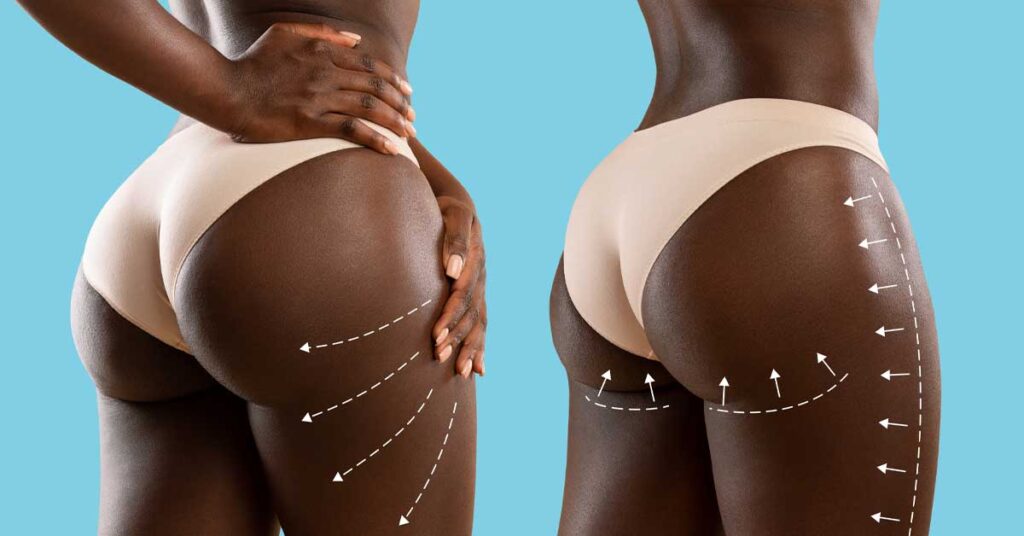
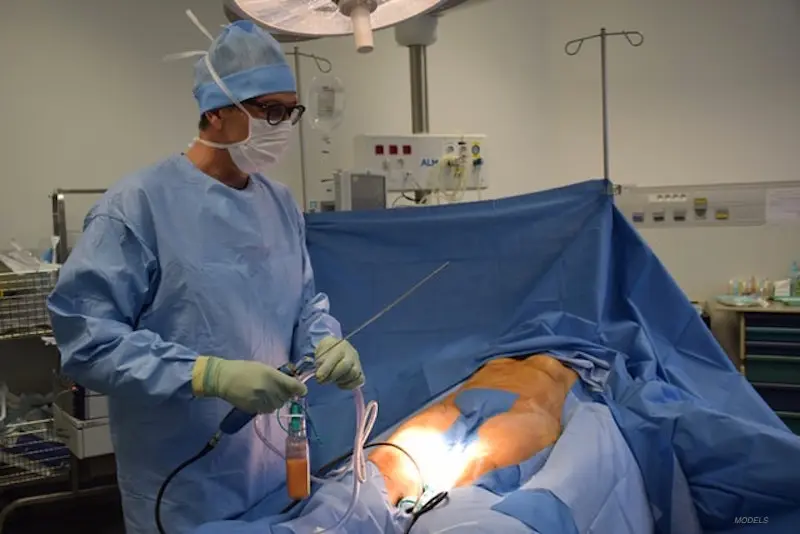
Surgeons do a lot before, during, and after BBL to keep these problems small. It’s the surgeon in the operating room that counts. Soft, even strokes with the cannula, proper fat placement, and no over-aggressive removal of fat all contribute to preventing scar tissue from going haywire.

When the surgeon avoids rough moves and deep cuts, it reduces the chance of thick fiber accumulation below the skin. When the surgeon keeps blood flow healthy and doesn’t bruise the tissue more than necessary, patients can heal smoother with less chronic dimpling or lumps.

As a surgeon, your job isn’t done when the surgery is over. The aftercare regime is equally crucial. Surgeons instruct patients to wear a compression garment, known as a faja, all day and all night for four to six weeks, removing it only to bathe or for post-operative care.

This faja applies gentle, constant compression to the skin, which reduces swelling and aids in preserving the new contour. Many surgeons instruct patients to put additional padding, such as 360 foam or lipo foam, underneath the faja. This distributes the force, prevents the material from gouging, and prevents the skin from bunching or being irritated.

The right padding can prevent stamps and burns and allows the skin to heal flat and smooth.

Manual lymphatic drainage is another step surgeons view as critical, particularly during the first week post-BBL. This easy massage assists in shifting liquid out of the location, reduces swelling, and prevents fibrosis from developing. Up to 80% of all fibrosis cases can improve greatly with manual massage and proper compression if the patient partners with an experienced post-op therapist.

As surgeons, we like to establish a feed plan for each individual depending on their healing and fibrosis formation progress to achieve an optimal outcome.

Continued education is essential for surgeons performing BBLs. The field is constantly evolving and new tools and techniques are being released continuously. Lifelong learning allows surgeons to identify and address issues early.

They discuss with patients what to expect, how to maintain their new shape, and which signs to watch for post-surgery. Best outcomes occur when patients and surgeons approach healing as a collaboration, exchanging updates and troubleshooting problems as they arise.

Conclusion

In summary, fibrosis can occur after a BBL. It can be hard, tight, or lumpy. Common causes include healing, pressure, or neglecting post-op care. Early interventions, such as light massage or remaining active, typically assist the majority of individuals. Treatments vary from easy home remedies to professional assistance from physicians. Most folks are stressed or anxious about body changes. The support of care teams and loved ones goes a long way. Surgeons see this all the time and walk people through what works best. For more about safe healing or what steps suit you, consult with a trusted physician or care team. Straight talk and no spin can really help.

Frequently Asked Questions

What is fibrosis after a Brazilian Butt Lift (BBL)?

Fibrosis is the development of too much scar tissue beneath the skin following a BBL. It can cause lumps, hardness, or irregular texture within the treated area.

What causes fibrosis after a BBL?

Fibrosis after BBL is caused by the body healing itself, trauma to tissue from surgery, poor aftercare or infections. Genetics may be a factor.

How can I recognize fibrosis following a BBL?

Symptoms include hard lumps, tightness or uneven skin texture in the buttocks. Pain and limited mobility are frequent symptoms.

What treatments are available for fibrosis after a BBL?

Typical treatment options are massages, ultrasound, lymphatic drainage and medical intervention from a trusted surgeon.

Can fibrosis after a BBL be prevented?

Early and appropriate aftercare, including gentle massage, use of compression garments, and adherence to your surgeon’s guidance, can reduce the risk of fibrosis.

Does fibrosis go away on its own after a BBL?

Mild fibrosis can sometimes resolve with time and appropriate care. Extreme cases can require professional treatment to reduce symptoms and restore appearance.

When should I consult a doctor for fibrosis after a BBL?

Consult a physician if lumps are persistent or associated with pain or skin changes or if self-care measures aren’t effective. The sooner you can get it treated, the better.
J-Plasma Under Chin Skin Tightening Guide 2026

Key Takeaways

  • J-plasma uses plasma energy and helium gas to tighten and rejuvenate skin under the chin by stimulating collagen and offering immediate contraction with minimal invasiveness.

  • It addresses deeper skin layers through subdermal application, resulting in potentially improved outcomes and faster recovery than conventional surgery.

  • Best candidates are those with mild to moderate skin laxity. Age, genetics, and lifestyle all contribute to candidacy and results.

  • Right consultation and preparation, such as making sure to communicate clearly with a qualified provider and adhere to pre-procedure instructions, are key for safety and best outcomes.

  • Post care usually includes wearing a compression garment, controlling swelling, and following medical guidance to facilitate smooth healing and optimize results.

  • Patients need to consider the advantages of enhanced skin tightening versus the risks involved, find reliable data, and have it done by qualified, experienced physicians.

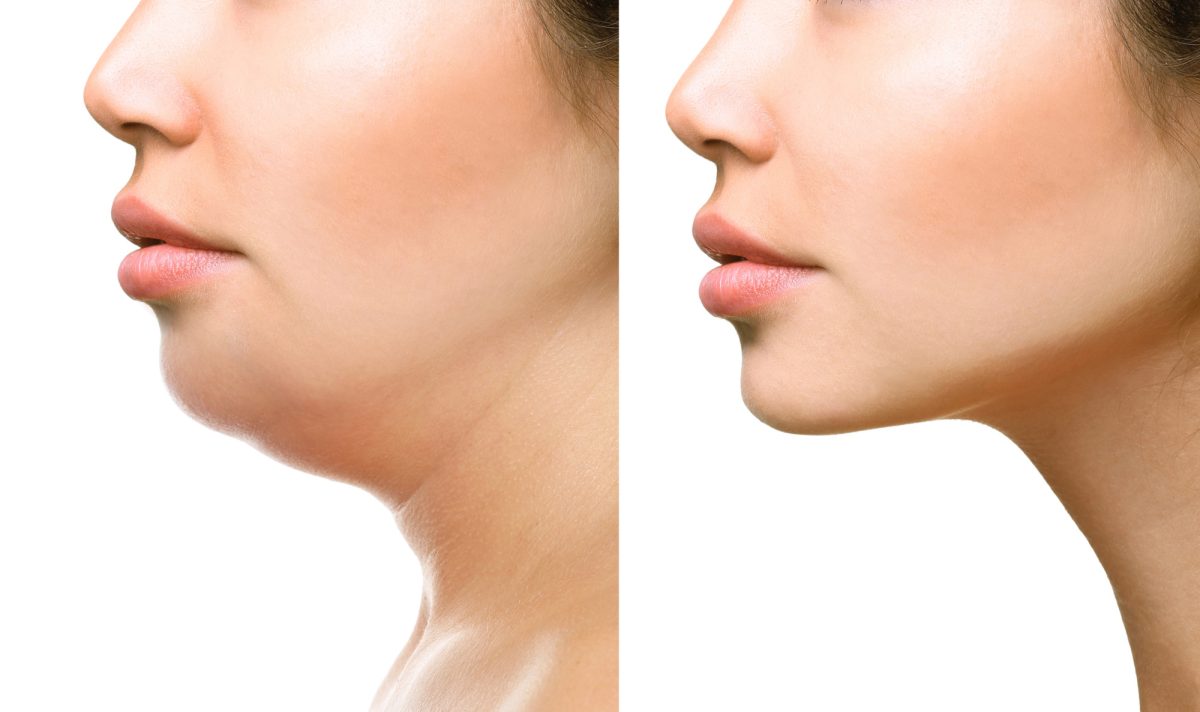
J-plasma under chin skin tightening is a minimally invasive procedure that helps tighten and smooth loose under chin skin.

Using cold plasma energy, it operates under the skin to tighten tissue and provide a more sculpted chin line.

For a speedy recovery and obvious effects with no big scars, many opt for this route.

To find out whether it suits your needs, it’s useful to understand how the procedure operates and what to anticipate.

The Technology

J-Plasma or J Plasty is at the intersection of non-surgical skin tightening. The technology is effective on the area under the chin and other areas with loose skin, aging, or weight loss. The system combines plasma energy with helium gas, creating a contained and precise effect.

The procedure hopes to tighten and refresh skin without huge surgical scars and minimizes downtime. It’s applicable to various body parts including the neck, arms, thighs, and abdomen and is popular for its results longevity and minimal invasiveness.

1. Plasma Energy

At the heart of J-Plasma is plasma energy. When applied, it activates the skin’s own healing response through collagen stimulation. Collagen keeps skin firm and elastic, so stimulating its production supports skin to appear smoother and more youthful.

Unlike older laser treatments, plasma energy works at lower temperatures, decreasing the chances of burns or unintended tissue harm. For most, this translates into a better tolerated experience.

Plasma energy does not depend on heat. Instead, it produces a focused energy field that contracts tissues and tightens skin nearly immediately. This approach can penetrate deeper layers without damaging the surface, which is a significant advantage for sensitive areas such as the neck or under the chin.

Traditional lasers can cause more swelling, redness, or extended downtime. Plasma energy tends to abbreviate these impacts, so the treatment is that much more convenient for hectic schedules.

2. Helium Gas

Helium gas is the secret to the device’s cooling impact. As the plasma energy is discharged, helium immediately cools the tissue, which prevents burns and maintains comfort. The gas is inert, so it doesn’t react with body tissues, and it has been cleared for cosmetic medicine by health authorities, including the FDA.

Helium is safer than other gases because it is light, stable, and less reactive. Its distinct cooling ability enables precise control, making the J-Plasma procedure safer and more comfortable.

Helium helps keep the device’s tip cool, which is an important feature for longer sessions or larger areas.

3. Skin Contraction

Skin contraction is why patients notice an immediate difference post-treatment. Plasma energy makes the skin pull together, shrinking loose areas under the chin and helping texture. A lot of them observe tighter, smoother skin and higher self-esteem and confidence.

This impact is more than skin deep. It can result in enhanced tone and less wrinkles, which refreshes the face and neck. As collagen forms over time, the results tend to improve, sustaining a youthful appearance for years.

It’s gentle, so side effects like swelling or bruising typically subside within a week. Basic care like ice packs assists in the healing process.

4. Subdermal Application

Subdermal means it operates beneath the skin’s surface. It targets the deeper layers and can tighten skin more effectively than creams or surface-only treatments. It is less invasive than surgery, so there are no big scars or extended downtime.

Most procedures require only one to two hours, and the majority of patients return to routine activities within days. This tiny technology will allow physicians to be exact by addressing only what is necessary and sparing surrounding tissue.

Patients with mild to moderate loose skin from age, weight loss, or pregnancy enjoy this method because it provides visible, lasting results.

Candidacy

J-plasma under chin skin tightening is a targeted treatment for mild to moderate skin laxity. It is very effective for adults with the first signs of loose skin under the chin who want to avoid invasive surgery. The optimal outcome tends to be among individuals aged 30 to 60.

Younger candidates with good skin elasticity will experience more evident changes, whereas older patients suffering from advanced laxity may require more than J-plasma alone. If your skin is very loose, only a surgical facelift or neck lift may work. J-plasma can tighten small areas, like under the chin or eyes, but cannot substitute for excisional surgery if sagging is too advanced or there is excess tissue.

Genetics and lifestyle play a big part in how skin ages and who benefits most from J-plasma. Genetics can decide how much the skin sags or how fast it loses firmness. People with a family history of early skin laxity might see changes sooner, even with a healthy lifestyle.

Habits such as smoking, sun exposure, and changes in body weight can speed up skin aging. These lifestyle factors can affect results, so a full evaluation always looks at both genetics and day-to-day habits. For example, a non-smoker with mild laxity and stable weight could see longer-lasting results than someone with fluctuating weight or heavy sun exposure.

Some health conditions could make J-plasma less appropriate. Pregnant women shouldn’t have this done. Patients with some serious health conditions like poor wound healing or active skin infections are bad candidates until these are addressed.

If there are big fat deposits under the chin, these might need removal with liposuction first, as J-plasma does not remove fat. There may be restrictions for people with blood disorders, immune problems, or a history of keloid scarring. A complete review of medical history and current health is imperative prior to advancing.

In considering J-plasma, it helps for patients to have clarity on what they want to change. If you’re looking for a bit of tightening and a little lift, J-plasma might be just right. If you’re looking for dramatic change or have very loose skin, other surgeries may be a better option.

Establishing real goals with a seasoned provider staves off disillusionment and makes sure the appropriate treatment is selected. J-plasma can be a great surgical adjunct, but understanding its limitations is as important as understanding its advantages.

The Procedure

J-plasma under chin skin tightening is a minimally invasive procedure used by men and women of many different age groups, from their 30s through their 80s. As the name suggests, the treatment works to tighten and firm loose skin under the chin for natural results without major surgery, downtime, or large scars. Cold plasma energy is delivered under the skin, where it tightens and shrinks almost immediately.

Swelling and bruising occur, but most patients return to daily activities in 3 to 5 days, which usually subside after 1 to 2 weeks. Every step, from consultation to aftercare, is important for safety, comfort, and optimal results.

Consultation

A serious consultation lays the groundwork. The surgeon inquires regarding the patient’s priorities, aspirations, and trouble spots. This step is key to tailoring treatment to individual requirements. Confidence springs from transparent, open dialogue.

Patients should feel encouraged to communicate their expectations and inquire about anything. Surgeons test the neck’s skin for laxity and quality. They consider overall anatomy to determine whether J-plasma is a good match. A custom schedule is created for each individual, guided by objectives and the inherent contours of the neck and chin.

Preparation

  • Disclose all current medications and supplements to the doctor.

  • Stop blood thinners and anti-inflammatories, as recommended, to minimize bleeding risk.

  • No smoking and alcohol for a few days prior to the procedure.

  • Increase water intake too, which will assist healing and skin tone.

  • Use gentle skin care products as recommended.

  • Show up at the clinic with a fresh, makeup-free face and neck.

Patients please heed all pre-appointment directions carefully. These measures reduce the likelihood of complications and increase the probability of an easy recovery.

Treatment Day

On the day, patients walk into a serene, sanitary clinic room. Staff go over the steps and address last-minute questions. Local tumescent anesthesia is typical, with the patient comfortable and conscious.

The actual procedure takes around 30 to 60 minutes. The procedure occurs under the chin, so scars are tiny and heal well. Cold plasma is applied beneath the skin, tightening and lifting tissue. Supportive care is provided throughout, with nurses available to assist with comfort and alleviate anxiety.

Aftercare

  • Wear your compression garment for 72 hours.

  • Maintain hygiene and do not scratch or rub the skin.

  • Apply cold compresses or Doc-approved pain relief to reduce swelling and pain.

  • Be aware of signs of infection or anything unusual and get in touch with your provider if necessary.

  • Go to all after-care appointments for check-ins and guidance.

Wearing the compression garment sculpts results and reduces swelling. There is mild swelling and bruising that lasts days to two weeks, but the majority of routine activities can be accomplished within a few days. Routine check-ups keep tabs on healing and spot trouble early.

Recovery & Results

J-plasma under chin skin tightening is a minimally invasive solution for patients looking for enhanced jawline definition and tightened skin. Recovery occurs in stages, with the majority of individuals returning to normal activities within days. Post-operative feelings are typical, but when taken care of properly, they subside with time. The benefits can be immediate and long-term, but various factors influence the duration of benefits.

Timeline

Phase

Timeframe

What to Expect

Immediate

0–2 days

Mild swelling, redness, tight feeling

Early Recovery

3–14 days

Bruising, tenderness; most resume daily activities

Subacute Recovery

2–12 weeks

Swelling fades, skin tightens more

Ongoing Improvement

3–6 months

Up to 80% improvement, firmness increases

Full Results

6–12 months

Healing completes, natural skin texture returns

Swelling, redness, and bruising are common the first week or two. The vast majority are back to work or social life within a few days. Exercise and strenuous activity should be avoided for up to four weeks as the skin heals.

Follow-up visits monitor progress and detect problems early. Habits such as not smoking, good meals, and proper hydration assist in a quicker recovery.

Sensation

Anticipate some mild discomfort, tightness, and tenderness in the immediate post-procedure period. Swelling can persist for a week or two, but typically subsides by the third month. Redness is common, but it subsides with time.

All of these are good news and mean the skin is recovering. Any new or intensifying pain, severe swelling, or odd changes should be reported to a physician immediately.

Fragrance-free gentle cleansers and moisturizers can ease the skin and reduce irritation during healing. Stay away from strong exfoliants and strong actives until the skin normalizes.

Longevity

J-plasma results are apparent immediately, frequently with 60% tighter skin. In the following six months, collagen accumulates, accounting for up to 80% enhancement in skin firmness and appearance.

These impacts can persist for at least five years for many patients. Skin type, age, and sun habits all influence the longevity of results.

Daily sun protection slows skin aging and helps seal in benefits. A basic skincare regimen—gentle cleansers, moisturizing lotions, and non-abrasive sunblock—can make the skin silky soft. Others might require touch-ups a couple of years down the road to maintain their results.

Risk vs. Reward

J-plasma under chin skin tightening is an option for those seeking firmer skin without major surgery. As with any surgery, it provides both positive outcomes and genuine dangers. We like to know both sides so we can decide if it suits us.

The dangers with this method are not uncommon. Most individuals experience inflammation, red skin, or bruises beneath the chin. These signs can linger for a week or two. Infection is another risk, even though it’s not frequent. To mitigate this risk, clinics provide explicit aftercare instructions, such as keeping the treated area clean and not over-manipulating it.

Renuvion, the device behind J-plasma, received warnings from the FDA for certain uses. This includes skin tightening and dermal resurfacing, so it’s helpful to inquire about these cautions with your provider. As more people give it a shot, research and clinic reports indicate a continued low rate of serious issues. As with any treatment, you can’t make the risk zero.

On the reward side, the figures are difficult to resist. Immediately post treatment, some patients experience as much as 60% more tightness in their skin. With time and good aftercare, results can top 70 to 80% tighter. More than 90% see distinct improvements and feel the skin beneath their chin is smoother and younger-looking.

These outcomes might persist for a decade or more with good skincare and healthy habits. Recovery is rapid as well. Most return to work or their daily routine within days, not weeks or months, as with traditional surgery. This abbreviated downtime simplifies the process of participation for busy professionals or parents unable to take much time off.

The price is not insignificant. Treatment can cost anywhere from $3,000 to $15,000, depending on the clinic, provider’s skill, and size of the area. This might be a considerable spend for some, so it’s smart to consider the risk versus reward, the cost versus the potential increase in skin tautness and pride.

A practiced purveyor reduces hazards. Choosing a board-certified surgeon with proven experience in J-plasma treatment is crucial. These physicians understand how to identify risk indicators and how to navigate their patients through recovery.

Good clinics tell you the truth about side effects, costs, and the risk of things turning out worse than you hoped. Patients need to request before and after photos, read reviews, and ensure all their questions are met with sincere answers. This helps frame clear expectations and provides a feeling of control.

Beyond The Hype

J-plasma under chin skin tightening is a quick fix, but there are myths about the power of it and the results. Others believe it yields immediate and flawless outcomes in just a single sitting. In reality, the majority of patients require more than one treatment, often two or three, spaced approximately a month apart, to achieve their objectives.

The treatment does yield tighter skin, but it doesn’t halt the aging process or provide a one-time fix. It’s not always true that the results are permanent or the recovery is always fast. Recovery is typically rapid, although the majority of individuals experience some degree of swelling, redness, or numbness for several days to weeks.

These effects dissipate, but some tautness and soreness can remain in the skin for some time, which is part of the healing process.

In real-world results, J-plasma can be fantastic for numerous individuals. The improvement is relative to the original skin condition, age, and other factors. Research shows patients experience a 70 to 80 percent increase in skin tightness and over 90 percent see distinct changes.

Results can emerge in a few weeks and then improve over a few months as the body develops new collagen. Complete healing can take as long as a year. Many patients enjoy being able to return to their daily activities in under 10 days, and the treatment is only 30 to 60 minutes long.

This makes it a realistic choice for busy individuals seeking noticeable results with less downtime than surgery.

Plasma has advanced. J-plasma utilizes cold plasma energy, delivering less heat and less burn risk than older devices. This allows physicians to address sensitive submental regions with increased precision and oversight.

The energy makes the skin tighten immediately and initiates a cascade of changes that encourage new tissue for longer. The important thing is that these advances reduce hazards and increase the likelihood of an uncomplicated recuperation.

Patients need to seek honest, unbiased testimonials from others who have experienced J-plasma. Trusted medical sources and peer-reviewed studies are more reliable than ads alone.

Reading candid reviews and requesting before and after pictures can really help establish realistic and reasonable expectations. It’s smart to discuss with a talented provider who can walk you through what results to anticipate, what side effects to expect and how to prepare for recovery so you’re not caught off guard.

Conclusion

J-plasma under the chin presents a new avenue for people desiring tight, smooth skin without prolonged healing. J-plasma under chin skin tightening. Results appear quickly and are natural looking for most people. Side effects can appear, but the majority resolve on their own. We attract people who choose this route for obvious transformations and a quick escape from their routine. J-plasma is best suited for mild to moderate sag. Everyone has different results. Always consult a skilled physician before you do. Have questions or want to hear more? Connect with a care team near you and discover if J-plasma is right for you.

Frequently Asked Questions

What is J-Plasma under chin skin tightening?

J-Plasma under chin skin tightening is a minimally invasive procedure that uses cold plasma energy to tighten and rejuvenate loose skin beneath the chin. It seeks to enhance skin tightness and aesthetics in a minimally invasive way.

Who is a good candidate for J-Plasma under the chin?

Best candidates are adults with mild to moderate under chin skin laxity. Candidates for J-Plasma are those individuals who want a less invasive alternative to surgery. A consult with a physician is required.

How does the J-Plasma procedure work under the chin?

A mini probe sends cold plasma energy under the skin. This energy contracts and tightens the tissue and encourages natural collagen production for firmer skin over time.

What is the recovery time after J-Plasma under chin treatment?

Most patients have mild swelling or bruising that subsides within 7 to 10 days. Light activities can typically be resumed within 1 to 2 days.

Are results from J-Plasma under the chin immediate?

You’ll experience some immediate tightening, but the magic emerges over the following weeks as collagen grows and skin heals.

What risks are associated with J-Plasma under chin skin tightening?

Complications can consist of momentary inflammation, bruising, a hypnotic state, and skin unevenness. Serious complications are uncommon when done by a skilled provider.

How long do the results of J-Plasma chin tightening last?

Results can last for years, depending on skin type, age, and lifestyle. Your provider may recommend maintenance treatments for the best results.

How to Tighten Skin After Losing 100 Pounds

Key Takeaways

  • Heavy weight loss can cause loose skin. It depends on your skin’s elasticity, genetics, age, and how quickly you lost the weight.

  • You can lose weight gradually and in conjunction with resistance training and nutrient-dense eating, which all help your skin contract back to firm.

  • By staying hydrated and using topical products with ingredients such as hyaluronic acid, you can begin to keep your skin looking and feeling its best.

  • Non-surgical treatments, such as radiofrequency, ultrasound, and laser therapy, provide skin tightening solutions with diverse outcomes and downtime durations.

  • For extreme cases of loose skin, surgical options are available. They must be weighed against the risks, benefits, and recovery process.

  • Keeping your spirits positive, developing patience, and managing expectations are critical for your emotional health and long-term satisfaction after significant weight loss.

To tighten skin after losing 100 pounds, consistent strength training, consistent hydration, and consistent nutrition will help your skin look tighter.

The results may take a while to show and they vary depending on age, skin type, and speed of weight loss. Others will consider medical options if the at-home steps don’t pan out.

Below are straightforward tips and facts to help you plan firmer-skin next steps.

Understanding Loose Skin

Loose skin is a common worry after significant weight reduction. Skin stretches as fat accumulates and when you lose a lot of weight, like 45kg, skin sometimes doesn’t bounce back. The primary culprits are fluctuations in fat volume, declining skin elasticity, and the degradation of essential proteins.

Age, genetics, and the pace of weight loss contribute to the amount of loose skin you will have. Collagen and elastin are what keep skin firm and flexible, but these proteins decrease with age and stressors like sun damage. Hydration, daily habits, and skincare choices play a role.

Skin Elasticity

Elasticity is what keeps skin tight and gives it that bounce-back. When the skin has been stretched for years, it can lose this ability, particularly after shedding a significant amount of weight. Collagen and elastin, the building blocks of skin, break down with age and are slow to rebuild.

Sun exposure can accelerate this decline, so sunscreen is important for everyone, not just those living in sunny climates. This is a simple, critical component. Skin cells are primarily water, so drinking a minimum of 2 liters daily helps sustain skin’s integrity.

Dry skin is rough to the touch and more prone to sagging. Moisturizers can plump the top layer, but don’t alter deeper layers overnight. Proper hydration and daily moisturizer application can do wonders, but it’s a process.

Resistance training can increase skin thickness and firmness. As your muscles expand, they can fill out some of that loose skin. It’s this approach and patience that often yields the best results.

Genetic Factors

Your genes play a significant role in how your skin will fare when you shed pounds. Some folks have skin that remains taut despite significant weight loss and others experience sagging with gradual change. If your immediate family members have battled loose skin post weight loss, the likelihood is greater you will as well.

Your body’s collagen production and repair process are inherited. Other genes accelerate collagen degradation, preventing skin from snapping back.

Age Influence

As we age, our skin loses collagen and elastin. Hormonal changes, particularly during middle age, can reduce skin elasticity. Older adults tend to have skin that doesn’t shrink as well after weight loss, so they’ll likely have to use aging skin type creams or routines.

Mature skin requires a different philosophy. It’s much more about treating the skin gently and boosting hydration.

Weight Loss Speed

Quick weight loss, more than 0.5 to 1 kg per week, gives skin scant time to adjust. That results in even more loose skin, particularly when the weight loss is swift and significant.

Slow down and you give your skin a fighting chance to catch up. As for the loose skin, that’s a little more complicated of an issue. Giving your body more time to heal and regenerate the skin from the inside.

Natural Firming Strategies

Firming skin after losing 100 lbs requires time and consistency. It’s good to be informed about what natural daily habits are most effective in keeping your skin firm. The following list covers proven ways to support natural skin tightening:

  • Eat protein-rich foods for collagen and healing

  • Establish a nutritious diet that is rich in vitamins and minerals.

  • Drink enough water for skin health

  • Do resistance training for muscle growth

  • Use topical skincare products to boost skin texture

  • Try facial massage tools for firmness

  • Get enough sleep nightly

  • Take collagen supplements if needed

  • Avoid dehydrating drinks like alcohol and excess caffeine

1. Build Muscle

Strength training is the secret to improved muscle tone beneath loose skin. Exercises with free weights, resistance bands, or even just bodyweight exercises like squats and push-ups help fill out the frame. This backing from new muscle can make skin appear tighter and more toned, particularly in regions that shed the most fat.

Core exercises count as well. Planks, bridges, and leg lifts firm the midsection, where loose skin likes to make an appearance first. Measuring strength, size, and endurance gains captures actual progress, not just superficial changes. Muscle over time will help you feel and look more firm, even if you still have some loose skin.

2. Increase Protein

Consuming sufficient protein aids your body in producing collagen, which keeps skin firm. Lean meats like chicken, turkey, and fish are excellent choices. Vegans can rely on beans, lentils, and tofu. When meals alone aren’t enough, protein shakes or bars can fill in the gap to meet daily targets.

Protein’s amino acids assist in repairing skin and muscle, so it’s wise to ensure you get enough with each meal. Most adults require 1.2 to 2.0 grams per kilogram of body weight if they want to bulk up or recover after weight loss.

3. Prioritize Nutrients

A diet filled with fresh fruit, leafy greens, nuts, and seeds ramps up skin health. Vitamins C and E, as well as minerals such as zinc, play an important role in collagen production and repair. Healthy fats from avocados, olive oil, and nuts help skin stay moist and supple.

By including antioxidant-rich foods, such as berries and dark chocolate, you’re helping combat skin damage. Nutrient-rich meals are best when pre-planned, ensuring every plate is packed with color and diversity. Aloe vera and vitamin E can be incorporated into both your diet and skincare regimen as additional reinforcement.

4. Stay Hydrated

Water is one of the easiest ways to maintain skin elasticity. Remember to drink a minimum of 8 glasses, roughly 2 liters, per day, more if you perspire a lot or reside in a hotter region. Water consumption helps cells stay plump, which lends skin a firmer appearance.

Limit dry-out drinks like coffee and alcohol. For added nourishment, apply hyaluronic acid or aloe vera infused creams and serums to seal in hydration. Be on the lookout for dry or dull signs and compensate with water intake accordingly. Proper hydration in and out can yield results in a matter of weeks.

5. Use Topicals

Hyaluronic acid, peptides, or aloe vera moisturizers can make skin feel smoother and appear more firm. Massaging these in for a few minutes a day may stimulate blood flow and aid collagen production. Some research says daily massage, even with a basic roller or your hands, can reduce fine lines and add plumpness.

Light exfoliation once or twice a week sloughs off dead skin and allows the creams to work even better. Applying high-grade skin care, combined with consistent hydration, tends to deliver the most impressive results. For additional firmness, spritz on facial rollers or gua sha, simple at-home tools that have demonstrated advantages in minor studies.

Non-Surgical Treatments

Loose skin is a challenge for those who have lost a dramatic amount of weight. Non-surgical treatments provide effective methods to assist in skin tightening and firming without the need for surgery. They include energy-based devices or topical products that increase collagen and help with skin texture.

Results are slow to develop, sometimes over months, and a course of combination treatments may be necessary for optimal results. Regular sun protection, hydration, and nutrition are important factors in maintaining skin health.

Treatment Option

Technique

Benefits

Expected Outcomes

Side Effects

Radiofrequency

Energy-based

Collagen boost, firmer skin

Gradual tightening, mild redness

Swelling, mild discomfort

Ultrasound

Deep tissue heat

Lifts, firms, non-invasive

Smoother, lifted skin

Temporary tenderness

Laser Therapy

Laser energy

Improved texture, less sag

Gradual results, improved tone

Swelling, redness

Hyaluronic Acid Fillers

Injectable

Adds volume, smooths folds

Fuller look, quick fix

Bruising, swelling

Combination Approach

Mixed methods

Stronger, longer-lasting

Enhanced firmness, texture

Varied, generally mild

Radiofrequency

Radiofrequency delivers energy deep into the skin, heating it and prompting additional collagen production. Collagen is what keeps skin tight and bouncy. Morpheus8 radiofrequency microneedling, for face or body, is one of the highest-profile examples.

Folks notice incremental toning and improved skin quality following a number of treatments. Treatments are typically a few weeks apart. Most people require a minimum of three treatments, but five is typical for bigger or more resistant areas.

Side effects are typically minimal. You may experience some redness or swelling that dissipates within a few hours to days. This method is ideal for loose skin on the arms, abdomen, and thighs, as well as the face and neck. Not everyone reacts the same—skin type and age are factors.

Never use aggressive skincare products, such as retinol, for at least a week prior to each session.

Ultrasound

Ultrasound therapy applies sound waves to heat underlying layers of skin. This heat gets skin cells to initiate new collagen. Safe for a lot of skin types, it’s most effective for mild to moderate sagging, particularly on the face and neck.

Most clients only require one or two treatments. Results are slow, occasionally taking three to six months to appear. There may be some swelling or tenderness, but these side effects disappear quickly.

You’re able to resume your normal day immediately after. For radiofrequency or laser, ultrasound tends to be less intense and has minimal downtime. It is not as potent as surgery, but it can lift and tighten without major risks.

Laser Therapy

Laser skin tightening utilizes focused light to heat the skin and stimulate new collagen growth. There are a few types; some are surface-level and some go deeper. Laser resurfacing can address light sagging and rough texture.

The majority of patients require between three and five treatments, approximately one month apart. Results are gradual and take time, typically for up to six months after your final treatment. Post-treatment, your skin might be red or puffy for a few days.

Use sunscreen SPF 30 or higher to shield new skin and assist healing. Laser therapy prices vary, but it is usually less expensive than surgery and carries fewer risks. For optimal effect, many clinics combine laser treatments with other techniques such as fillers or radiofrequency.

Surgical Removal

Surgical removal is a critical option for those dealing with loose skin following significant weight loss. The below-the-skin approach can assist with both physical comfort and self-image when non-surgical options fall short. About 9 out of 10 surgery choosers desire a more toned appearance and better skin fit.

The table below outlines popular surgical choices, what they excel at, and what risks to weigh.

Procedure

Area Targeted

Effectiveness

Common Risks

Abdominoplasty (Tummy Tuck)

Abdomen

High for midsection tightening

Infection, scarring, fluid buildup

Panniculectomy

Lower abdomen

Removes hanging skin, less shaping

Wound issues, swelling

Breast Rejuvenation

Breast/chest

Lifts and reshapes breast area

Bleeding, asymmetry

Thigh Lift

Inner/outer thighs

Improves thigh contour

Poor healing, numbness

Buttock Lift

Buttocks

Lifts and firms buttocks

Fluid buildup, pain

Circumferential Body Lift

Midsection (360°)

Most complete lower body result

Blood clots, long recovery

Body Contouring

Body contouring encompasses three primary procedures: tummy tucks, thigh lifts, and full body lifts. Each one removes excess skin and sculpts your body to fit your new weight. For instance, tummy tucks take care of loose skin on the stomach and thigh lifts tighten up the legs.

These operations can be performed individually or in multiple stages if you require adjustments in more than one location. Choosing a competent surgeon is essential. A board-certified plastic surgeon reduces the risk of complications and assists you in obtaining a safe, natural outcome.

All surgical removal carries risks such as infection, delayed healing, and permanent scars. Thoughtful aftercare and an honest conversation with your physician prepare you for what’s to come and how to handle any relapses.

Ideal Candidates

Ideally, the best candidates are those of steady weight for at least six months. You have to be in good health, have no major medical issues, and be a non-smoker. Quitting smoking at least six weeks before surgery is a must because it enables the body to heal better.

Be prepared for the emotional aspect—surgery does transform the body, but it can take a while to adjust to your new appearance. It’s natural to experience relief as well as adjustment stress. A healthy attitude and realistic expectations assist.

Everyday life will shift as well, particularly immediately post-surgery. You may need assistance at home and time away from work or normal activities to recover well.

Recovery Process

Most people are sore for 2 to 4 weeks. Full recovery can take months; it depends on the type and amount of surgeries. Medical professionals commonly recommend using a compression garment for six to eight weeks to reduce swelling and assist the skin in conforming to the new contour.

Pain is handled with prescription or OTC medicine, as your doctor recommends. Good wound care and heeding your surgeon’s advice avoid most issues. Scarring is par for the course, but the majority fade with time and can be treated with creams or silicone sheets.

By listening to your care team and keeping follow-up visits, you give yourself the best chance of a smooth and safe recovery.

The Mental Shift

There’s a swirl of emotions that accompany the mental shift of adapting to a new body after losing 100 pounds. It can signify feeling badass but becoming conscious of sagging skin and crinkled forms. For most, this mental shift is just as tangible as the physical. Studies indicate that although mental health does get better post-weight loss, a lot of people remain self-conscious and emotionally uncomfortable.

This occurs as they adjust to their new look, transition from a weight loss mentality to maintenance, and begin to perceive themselves differently.

Body Image

  • Try daily self-affirmations of strength, not weakness.

  • Dress in a way that your clothes lay well and feel comfortable rather than masking the body.

  • Find inspirational stories or pictures of others on the same path.

  • Cut back on unrealistic media images and harsh self-criticism.

  • Join support groups or online communities for shared encouragement.

It’s about mindset. It’s about viewing health as the primary objective. As a former struggler myself, I know that many people appreciate the support of reaching out to others who have walked a similar path in local groups or online forums.

These communities serve as a source of solidarity and comfort in knowing that skin changes are universal. When you direct your attention to what your body can do, like better fitness or endurance, it redirects your focus away from appearance alone.

Patience

It takes time to see skin changes, months even years. Skin repair takes time. Things like age, genetics, and how long you held on to those few extra pounds all contribute. Being realistic with your deadlines is crucial.

Of course you want quick results; who doesn’t? Patience is part of the ride. Everyone’s body responds at a different speed. Loose skin is a badge of honor for your journey, not just an issue to ‘correct.’

Recall, skin is slow to adjust as it understands your new form. A few may turn to medical interventions, such as body contouring surgery, but the majority do well first with time and continued attention. It helps to think of it as a marathon, not a sprint.

Redefining Success

  • Value health improvements over numbers on a scale.

  • Track progress through energy levels, strength, or endurance.

  • Rejoice when you complete a session or choose well.

  • Embrace change as part of your evolution.

Redefining what “success” means can feel liberating. Numerous non-scale victories, like improved sleep, increased confidence, or accomplishing a fitness goal, begin to feel as significant as pounds shed.

This mental shift of embracing self-acceptance is never easy; it’s one of the most profound. Studies even reveal that, for others, life quality increases with a newfound comfort in their own skin, post-skin removal surgery for some, but more frequently through introspection and support.

Realistic Expectations

Dropping 100 pounds is a big deal. After such significant weight loss, skin doesn’t always snap back. I think it’s useful to know the reality of what to expect. Skin can respond in numerous ways and frequently is dependent upon age, weight lost, genetics, and how rapidly the weight was shed.

Some experience mild looseness, others may fight heavier folds or sagging. Not all skin is created equal and certain things, like age or skin laxity, make it more difficult for skin to retract much. A bit of sagging skin is par for the course following massive weight loss. For some, it doesn’t fully disappear, and some shifts may be permanent.

In most cases, your skin will never be as tight as it was prior to weight gain. Even with the best care, hydration, sun safety, and gentle skin care, some stretched skin remains. That’s because when skin grows to accommodate a larger body, the fibers can tear or stretch too much to snap back. Even with good habits, skin can only shrink so much.

It’s not just about effort; it’s about what the skin can accomplish. Body contouring surgery is one option to drop loose skin. It can provide a more even appearance and assist with irritation, but it won’t turn you into a supermodel. It’s not right for everyone.

The cost, the risk, and the recovery can all be huge. Healing can take a year or more, and the final results might not appear until the body settles. Not everyone is a good candidate and not everyone desires surgery. Others may fare better with non-invasive alternatives, such as physical activity or nutrition, but these yield only mild benefits for skin firming.

Looking after skin contributes. Drinking a minimum of 2 liters of water a day keeps skin more supple, but it will not undo sagging on its own. Sun protection is equally key. SPF 30+ prevents new damage but doesn’t repair already stretched skin. Maintaining your skin’s good health is about consistent, small actions.

That means eating well, not smoking, and keeping moving. All these steps assist, but none are a panacea. A balanced view means understanding that skin will shift. Health and comfort are everything.

For others, the smart move is to embrace a bit of loose skin as a badge of honor while prioritizing whole body well-being.

Conclusion

Loose skin after significant weight loss manifests in many different forms, and there is no one-size-fits-all solution. Some experience positive results with consistent exercise, a healthy diet, and skin care. Others reach for medical assistance such as ultrasound, radio waves, or surgery. All roads require candid conversations with medical professionals. Results don’t happen overnight. Small victories count, even when skin doesn’t rebound quickly. A strong mind helps a lot through peaks and valleys. Skin might never be the same, but health victories frequently outweigh that. Looking to get support? Look at local clinics or trusted online communities. Be inquisitive and seek guidance when you require it.

Frequently Asked Questions

Can loose skin tighten on its own after major weight loss?

Certain skin will tighten on its own over time, particularly in younger patients or with gradual weight loss. That loose skin can be pretty prolific after losing 100 lbs or 45 kilos.

What natural methods help firm loose skin?

Staying hydrated, eating protein, strength training, and moisturizing can all support your skin health. These things can help the skin look better but have limited results.

Are non-surgical treatments effective for loose skin?

Nonsurgical options such as radiofrequency or ultrasound can tighten mild to moderate loose skin. Results differ and tend to be temporary.

When should I consider surgical removal of excess skin?

Surgical removal is the option taken when loose skin becomes uncomfortable, hard to keep clean, or negatively impacts life. Seek advice from a board-certified plastic surgeon.

Does age affect skin tightening after weight loss?

Sure, your younger skin is going to be more elastic and recover better. Older adults tend to experience less natural tightening because the production of collagen and elastin decreases with age.

How can I cope with the emotional impact of loose skin?

If you’re dealing with emotional issues related to looser skin, talking to a counselor, joining support groups, and focusing on your health accomplishments will help.

Can creams or supplements truly tighten loose skin?

Most creams and supplements have scant scientific proof to back their claims. Sure, they can hydrate skin a bit, but they don’t eliminate major loose skin.

How to Tighten Skin After Losing 50 Pounds

Key Takeaways

  • Skin tends to be more elastic when you’re younger and you’re less likely to experience loose skin when you lose weight slowly.

  • Slow weight loss and muscle-building exercises help keep the underlying structure of the skin, which helps prevent sagging. A healthy diet and proper hydration maintain the health of your skin.

  • Topical treatments and supplements such as collagen and omega-3 fatty acids might improve skin firmness. It’s best to consult a healthcare provider before beginning any new supplement regimen.

  • There are some professional treatments, such as laser therapy, ultrasound, and surgery, that can make skin tighter. Which one you choose is really going to come down to your needs, your preferences, and your doctor’s recommendation.

  • It’s key to set realistic expectations and monitor your progress, as skin tightening occurs over time and differs for everyone.

  • Prioritizing holistic wellness, cultivating a positive mindset, and appreciating non-scale victories can assist in nurturing mental health during the skin tightening process.

After weight loss, people use a combination of good nutrition, skin care, and occasionally, medical assistance to tighten loose skin. Skin can remain loose when weight falls rapidly, so patience, diet, and daily attention all assist the adjustment.

Some choose firming creams or attempt light workouts. Others could discuss additional options with a doctor.

The bulk of the body discusses what works, what to anticipate, and how to maintain patience through the process.

Understanding Loose Skin

Loose skin tends to rear its ugly head after significant weight loss, say 23 kilos (50 pounds) worth. How much loose skin appears and how well it bounces back depend on a few things: your age, genes, how fast the weight came off, how long you carried the extra weight, and your skin’s natural stretch.

A lot of people find that they have loose skin on the arms, belly, or thighs. It can itch, break down, or even hurt, sometimes requiring surgery if it interferes with life.

Skin Elasticity

Collagen and elastin are your skin’s primary building blocks for stretch and snap. Collagen gives it support, whereas elastin allows skin to stretch and snap back into place. When the body expands or contracts, these fibers become stretched or relaxed.

Following dramatic weight loss, if the fibers are healthy, skin may shrink back better. What you eat and how you live influence your skin’s health. Diets packed with protein, omega-3 fatty acids, vitamin C, and vitamin E aid in skin repair.

Water intake matters as well. Skin cells are primarily water, so hydration helps skin turgidity. Consistent exercise can encourage circulation, which can assist skin in receiving the nutrients it needs.

Sunlight can break down collagen and elastin, causing skin to lose its stretch. Use sunscreen with an SPF of 30 or higher to protect those netting skin fibers from damage. Smoking and excessive alcohol can accelerate skin aging, making it difficult for skin to bounce back after weight loss.

For example, as we age, our bodies produce less collagen and elastin. Yo-yo weight for years can wear out the fibers, making loose skin more likely with age.

Influencing Factors

  • Age: Older skin has less collagen and bounce.

  • Genetics: Family history can mean skin is more or less likely to sag.

  • Amount and speed of weight loss: The more weight lost and the faster it happens, the higher the risk.

  • Sun exposure: More sun means more fiber damage.

  • Smoking and alcohol both slow down skin repair and break down fibers faster.

  • Hormones: Changes like menopause can thin skin and make it less firm.

  • Nutrition: Lacking protein, healthy fats, or key vitamins weakens skin repair and stretch.

  • Hydration: Not drinking enough water dries out and weakens skin.

Smoking reduces blood flow to the skin and inhibits healing. Excessive alcohol consumption dehydrates skin and thins it with age. Hormones change with aging or health fluctuations.

They can decelerate new collagen growth. Getting sufficient protein, good fats, and vitamins in your diet aids the skin in repairing itself and remaining supple.

The Weight Loss Pace

  • Rapid weight loss, such as with crash or fad diets, can leave behind additional loose skin.

  • Slow, steady weight loss gives skin time to shrink.

  • The more years one spends at a high weight, the more difficult it is for skin to revert.

  • Healthy skin with good food, water, and sun protection goes a long way in the process.

Excess skin from weight loss is often caused by rapid weight loss. Slow weight loss, about 0.5 to 1 kg per week, is frequently recommended. This rate allows skin to catch up and can reduce loose skin.

Patience is really key here. Skin takes time to adjust to a changing body.

Natural Firming Strategies

Skin doesn’t always tighten up by itself after losing 50 pounds. What we’re talking about here is genetics, age, how quickly you lose weight and lifestyle. Skin’s elasticity comes from collagen and elastin — two proteins that provide firmness and resilience.

Sure, there’s surgery, but most folks seek less invasive methods to assist skin rebound. There are a number of strategies that can help promote skin health and firmness, particularly when combined and consistently applied over time.

  • Eat a balanced diet rich in vitamins and minerals

  • Drink enough water every day

  • Use topical products that boost skin firmness

  • Build muscle with resistance and core exercises

  • Take supplements that support collagen production

  • Apply sunscreen daily

  • Exfoliate skin weekly

  • Avoid yo-yo dieting to prevent skin stretching

1. Build Muscle

Resistance training fills out loose skin by building muscle underneath. Compound exercises such as squats, lunges, and push-ups engage more than one muscle group, resulting in more effective muscle hypertrophy and firmer support for your skin.

A regimen with both strength training and Pilates or yoga can help. Pilates and yoga are beneficial for core strength and flexibility, which can enhance skin appearance.

Workouts, 3 or more times a week, keep muscle mass steady. This matters, as lost muscle can lend skin a more saggy appearance. Maintaining a good exercise schedule can decelerate age-related collagen loss.

2. Nourish Inside

You can locate antioxidants in fruits, vegetables, and nuts. These combat free radicals that can undermine skin structure. I recommend eating vitamin A, C, and E rich foods to promote skin repair and health.

Vitamin C, for instance, assists the body in producing collagen, a crucial factor for skin resilience. Good fats, such as those found in avocados and olive oil, nourish skin’s moisture and elasticity.

Protein-packed foods like chicken, tofu, and lentils provide the body with what it needs to construct and repair tissue, including skin. Incorporating these foods into your daily meals yields consistent results.

3. Hydrate Consistently

Proper hydration around 2 litres per day for most adults keeps skin cells plump and assists skin in springing back. Dry skin is more prone to wrinkles and sagging.

Weather, heaters, and AC all dry skin out, so tweak water intake accordingly. Hydrating creams help by delivering moisture to skin’s surface.

For maximum effectiveness, establish a water and moisturizing regimen. With consistent care, these strategies can deliver early changes in skin texture and bounce within 4 to 8 weeks.

4. Apply Topicals

Cream retinoids accelerate skin renewal and increase collagen. Hyaluronic acid moisturizers pull water into the skin, so it looks plumper. Firming creams with peptides or vitamin C can help bolster collagen and elastin.

Daily sunscreen is non-negotiable. UV rays break down collagen. Exfoliating once a week removes dead skin and promotes new growth, resulting in smoother looking skin.

Used every day, with patience, these products can gradually enhance texture and firmness.

5. Consider Supplements

Collagen supplements can assist skin in maintaining its form and tautness. Omega-3 fatty acids in fish oil or flaxseed combat inflammation and nourish skin’s moisture.

Certain vitamins such as A, C, and E assist skin in repairing itself and producing new collagen. As always, check with a healthcare professional before beginning any new supplement.

Supplements are most effective when combined with a nutritious diet and lifestyle changes.

Professional Procedures

Professional skin tightening solutions vary from non-invasive treatments to surgical interventions, each of which has its own results and recovery requirements. The table below provides an at-a-glance overview of common procedures, efficacy, and key benefits.

Procedure

Effectiveness

Recovery Time

Invasiveness

Longevity of Results

Laser Skin Treatments

Moderate to High

1-2 weeks

Non-surgical

Up to 2 years

Ultrasound Therapy

Moderate

Minimal

Non-surgical

1-2 years

Radiofrequency

Moderate

Minimal

Non-surgical

1-2 years

Dermal Fillers

Mild to Moderate

None to 1 week

Non-surgical

6-18 months

Microneedling

Mild to Moderate

Few days

Non-surgical

6-12 months

Chemical Peels

Mild

1-2 weeks

Non-surgical

Months

Non-invasive Contouring

Moderate

None to few days

Non-surgical

6-12 months

Surgical Procedures

High

2-6 weeks

Surgical

Several years or permanent

Laser skin treatments use beams of focused light to heat layers of the skin, which can improve texture and even reduce laxity. Results appear over months as collagen accumulates, but the amount of tightening can be inconsistent.

Ultrasound therapy projects sound waves deep into the skin, stimulating new collagen production. This treatment is typically selected for mild to moderate sagging and has minimal downtime.

Radiofrequency treatments heat tissue and stimulate new collagen production using radio waves. These treatments are short, and most people can get back to their routine shortly after.

Non-Surgical Options

Dermal fillers assist through volumization beneath the skin, mildly correcting sag and smoothing wrinkles. They work best on smaller areas, like the face or hands, and results show quickly.

Microneedling penetrates the skin using small needles to induce micro-injuries. This can amplify innate collagen production and soften texture over time. Sessions are typically spaced weeks apart for optimal impact.

Chemical peels take off the top layer of skin to expose smoother, fresher skin below. They can assist with minor laxity and fine lines, but the effect on loose skin is often minimal. Several sessions might be required.

Non-invasive body contouring utilizes cryolipolysis (fat freezing), ultrasound, or radiofrequency to sculpt targeted areas and promote skin tightening. These non-incisional options are selected for minor to moderate issues. Outcomes are incremental and require upkeep.

Surgical Solutions

Surgery Type

Main Benefits

Key Considerations

Tummy Tuck

Removes excess belly skin

Visible scar, 4-6 weeks recovery

Brachioplasty

Tightens arm skin

Scar on inner arm, 2-4 weeks

Body Lift

Treats multiple areas

Longer surgery, 4-6 weeks

A tummy tuck flattens your tummy through excision of loose skin and some fat. It’s frequently chosen following significant weight loss.

A brachioplasty, or arm lift, removes excess skin from the upper arm. This procedure is nice for those of us who find that exercise alone doesn’t help.

A body lift addresses multiple regions: the abdomen, thighs, and buttocks for more comprehensive tightening following significant weight fluctuations.

Detailed consultation with a surgeon is essential to establish expectations. Surgical options require additional downtime and sometimes a compression garment for up to 8 weeks.

Recovery can take months and results last for years. Quit smoking well in advance of surgery to reduce your risks and help you heal faster. Some require staged procedures if multiple areas are addressed.

The Patience Principle

Skin tightening post 50-lb weight loss requires dedication and a healthy perspective of what can be achieved. Skin requires time to catch up to the body’s new form. How fast skin readjusts is dependent on several factors.

How rapidly the weight was lost, age, genetics, and general health all contribute. If you rush the process or seek quick fixes, you’re destined to become frustrated. The patience principle is about giving skin the months it requires to adjust, knowing in the back of your mind that some fixes can take 6 months or more.

If you stay positive and realistic, keeping your attention on healthy habits, the process becomes less stressful and more satisfying for folks everywhere.

Realistic Timelines

Timeline is helpful. They observe skin tone and tightness shifts over months, not weeks. The skin’s collagen and elastin architecture reengineers itself at a snail’s pace.

For the individuals who lost weight at a slower rate of approximately 0.5 to 1 kilogram per week, the skin has more of an opportunity to retract and conform to the new body mass. The skin is left sagging because it had no chance to catch up with the weight loss.

Monitoring your progress on a monthly basis provides you with a clearer feeling of what is working. For example, a person who drinks 2 liters of water per day and maintains a consistent weight loss schedule might begin to notice firmer skin within three to six months.

Some, particularly over the age of 40, might require a bit more time because of reduced collagen production. It’s worth mentioning that genetics can be a big factor. One friend might experience results in three months, while another might require six or more.

Aim for skin goals the same way you would weight loss goals—slow, specific, realistic.

Documenting Progress

A journal can be a simple, effective instrument. Jotting down changes in skin feel, texture, and look each week can help you identify minor improvements that might otherwise be overlooked.

Combine this with before and after photos every month. Photos facilitate noticing the changes, even if they are slow. Commemorating minor victories maintains enthusiasm.

Perhaps the arms have less sagging, or the skin on the stomach is silkier. Every incremental advance is worth recognizing. Others find it useful to post their journey in encouraging online communities or with buddies who have endured the same path.

This offers community and accountability and makes it easier to be patient and positive.

The Mental Game

Dropping 50 pounds is an incredible feat. Loose skin can introduce new emotional challenges. The mental side of this transition is as important as the physical. Strengthening your mind facilitates stress relief, boosts confidence, and encourages skin tightening and body reshaping.

Body Image

Loose skin thoughts always creep in after significant weight loss. Others might be embarrassed or even mourn their former self. The emotional cost of these transitions is genuine. It can cause insecurity or low self-worth, particularly for those who have battled body image issues in the past.

Challenging these thoughts and redirecting the focus works. Instead of seeing just skin, see how much the body can do—walk further, lift more, or just feel less heavy each day. Support really matters. Friends, family, or therapists can hear and provide actual encouragement. Surrounding yourself with those who boost your spirit and remind you of the entire journey, not just the appearance, can help dissipate anxiety or take the edge off depression.

Self-compassion is crucial as well. Embracing your body, loose skin and all, propels you onward. Confidence-building activities such as yoga, sports, or dance allow you to experience your body in new ways. They assist in redirecting attention from looking to moving and strong.

Keep in mind, media and beauty standards can be unrealistic. Looking at retouched photos or skinny standards doesn’t do you any good either. It is more helpful to establish your own objectives and commend your progress.

Non-Scale Victories

It’s simple to get caught up in the figures. Not all victories are measured in kilos. Whether it’s being more fit, sleeping better, or climbing stairs without getting winded, they’re all indicators of improvement. These N.S.V.s demonstrate the body is transforming in meaningful ways. Most report increased energy, clearer skin, or simply feel better.

Health markers such as lower blood pressure or balanced blood sugar indicate a larger narrative than the scale by itself. These shifts translate into better health, which is the true objective for most. Eating well, getting enough sleep, and keeping active means you’ve chosen a lifestyle that supports long-term happiness. There’s pride and joy in that beyond looks.

Celebrating these victories tends to help counteract any bad feelings about loose skin. A sense of accomplishment and pride in the journey will build resilience and help you weather emotional peaks and valleys with more fortitude.

Debunking Myths

Saggy skin after dropping 23kg is a concern for most people. Some myths can cloud your understanding. Knowing the truth helps you set expectations and goals.

A common misconception is that everyone who loses significant weight will deal with loose skin, as if it’s inevitable. The reality is that not everyone is going to have the same experience. The quantity of loose skin is dependent on how much weight was lost, how long the skin was accustomed to being stretched, age, and even genetics.

Some will observe very little loose skin, while others will discover more, even though they had comparable weight loss experiences. Another myth is that only older folks get loose skin after weight loss. Although age does make it harder for skin to spring back, other factors are equally important. Genetics, being a smoker, and sun exposure count as well.

The myth of rapid weight loss being the culprit of loose skin isn’t quite true either. Slow weight loss is frequently recommended for general health reasons. It turns out that how fast you lose the weight doesn’t significantly impact skin elasticity, according to studies.

Skin can become loose regardless of whether weight is lost fast or slow after losing a lot. There are quick-fix products that are sold as easy skin tightening products. A lot of people think that applying lotions and creams will firm up loose skin.

These products can soften skin or relieve dryness, but science tells us that they do not alter skin firmness or elasticity. The same goes for drinking water. Hydration is good for skin—skin cells are largely water—but increasing your water intake will not pull tight sagging skin.

Exercise is another minefield for myths. A lot of people believe that exercise, particularly strength training, will tighten loose skin. Exercise can build muscle and improve health, but it typically has a minimal effect on tightening skin.

Nutrients such as omega-3s, vitamin C, vitamin E, and collagen are occasionally recommended to augment skin health. Certain studies indicate potential benefits, but the evidence that they tighten loose skin is lacking so far.

Skin repair is a slow process, one that may last months or years. Loose skin tends to shrivel up for a few people, but for others, it stays.

Debunking Myths: Using sunscreen is proven to help protect skin from damage, and experts say using an SPF 30 or greater daily provides the best long-term results.

Conclusion

Loose skin post large weight loss feels hard, but it’s evidence of actual transformation. Skin requires time to rebound, and no solution fits all. Small steps do help, like eating balanced meals, moving your body and caring for your skin daily. Pick pro assistance if you desire quicker results. A forthright conversation and patience maintain your brain strong through the peaks and valleys. Myths can stall genuine progress, so adhere to straightforward truths. Every journey appears unique and every step is significant. For tips or to share your own journey, visit reliable guides or connect with fellow travelers. Continue seeking out information and support that suits your needs.

Frequently Asked Questions

Can loose skin tighten on its own after weight loss?

The loose skin can tighten up a bit over time, particularly in younger individuals. Age, genetics, and the speed at which you lost all figure in. Real tightening without effort is rare.

What natural methods help firm loose skin?

Keeping yourself well hydrated, eating a nutritious diet, and incorporating strength training can all help tighten skin. These tricks promote skin health, but results are slow and could be minimal.

Are there non-surgical treatments for loose skin?

Yes — radiofrequency, ultrasound, and laser treatments can stimulate collagen. These options are less invasive than surgery and could potentially need multiple treatments to see results.

How long does it take for skin to adjust after weight loss?

Skin retraction may require months to years. It’s a slow process, and it varies from person to person based on factors like age, genetics, and how much weight you lost.

Is surgery the only way to remove excess skin?

Surgery is the best way to get rid of a lot of extra skin. Treatments such as body contouring may provide rapid results, but they come with downtime and potential complications.

Does building muscle help reduce loose skin?

Bodybuilding can help the appearance of loose skin by plumping up some areas. It doesn’t reduce loose skin but can make it look taut.

Can creams or supplements tighten loose skin?

Most creams and supplements don’t do much for loose skin. They may help with skin texture or hydration, but they can’t meaningfully tighten loose skin by themselves.

How to Tighten Loose Skin After Medication-Induced Weight Loss

Key Takeaways

  • Collagen and elastin are essential for skin tightness. Their decline with age, genetics, and sun exposure can lead to sagging, particularly after quick weight loss.

  • Weight loss pills can speed up fat loss, which raises the chance of saggy skin. Keep an eye on your skin and know the side effects of your meds.

  • Non-surgical treatments such as radiofrequency, ultrasound therapy, microneedling, laser resurfacing, and topical products provide different approaches to enhance skin tightness without the need for surgery.

  • Body contouring procedures are an option for more severe skin laxity. Given the nature of surgery, they need to be thoughtfully approached in the context of overall health, weight stability, and reasonable expectations.

  • Maintaining a balanced lifestyle with adequate protein, hydration, strength training, and a consistent skincare routine helps skin stay healthy and elastic post-weight loss.

  • Speaking with medical professionals can assist in deciding the best course of action, whether non-surgical or surgical, for one’s specific requirements and objectives.

Skin tightening after medication weight loss refers to making your skin appear and feel tauter when you have shed pounds using medications. Loose skin can linger after rapid or significant weight loss, so folks are frequently seeking methods to aid skin’s rebound.

Most look to solutions like working out, skin care, or cosmetic procedures. To help explain what works and what doesn’t, this post lays out some real skin tightening facts.

Why Skin Sags

Skin sagging after medication weight loss results from a combination of biology, lifestyle, and environment. When we gain weight, our skin expands to cover the new form. Once you lose weight, particularly if it melts away rapidly or in large amounts, the skin might not contract. This results in loose, hanging skin which can impact comfort, mobility, and self-image.

A lot of us discover that our arm, thigh, or stomach skin remains loose, leaving it difficult to wear clothes that fit or feel comfortable.

Collagen and Elastin

  1. Collagen and elastin are two primary proteins that keep skin firm and resilient. Collagen provides skin with shape and firmness, and elastin allows it to stretch and bounce back. When these proteins function properly, the skin appears smooth and taut.

  2. Once people age, the body produces less collagen. This slow-down causes skin to lose its shape and sag more easily, even in the absence of weight loss.

  3. When elastin deteriorates or is deficient, skin can’t “bounce back.” We see this with rapid weight loss or after decades of weight gain.

  4. Vitamin C, protein, and healthy fats can help support collagen and elastin by eating foods high in these. Many people discover that peptide or retinol skin creams may assist, while results differ.

Weight Loss Speed

Skin stretches further with fast weight loss than it does with gradual, steady changes. The weight drops so quickly, the skin has no time to shrink to the new contours, thus it remains loose. This is typical after shedding 36–45kg or more.

Quick weight changes from medication, for example, can leave you with folds of skin that don’t ‘snap’ back. Those who shed pounds gently, less than 1kg per week, tend to have less sagging skin.

If you have a ton of skin left over, you might have to go under the knife to get rid of it. This may involve body lifts or multi-stage surgeries for those who shed 36 to 45 kg and beyond. Slow weight loss, muscle-building exercise, and staying hydrated let the skin catch up better.

Age and Genetics

Aging thins skin and reduces its ability to bounce back. Older people have less collagen and elastin, so it’s more likely to sag. Genetics factors in; some families have firmer skin than others. The rest of us are prone to sagging.

Understanding your family history puts things in perspective. If you’re genetically at risk or older, early skin care and sun protection can help skin stay firmer. Knowing about these things gives us the opportunity to do what we can early: moisturize and wear protective clothing.

Sun Exposure

Ultraviolet (UV) rays from the sun weaken collagen and elastin. Over time, this breaks down the skin’s infrastructure, leaving it saggy and wrinkly earlier. Sun exposure accelerates aging and diminishes the skin’s ability to bounce back after weight loss.

Daily sunscreen, protective clothing, and staying in the shade protect skin. Skincare with antioxidants such as vitamin E or C can combat some damage, but prevention is ideal. These tips are good for all, particularly for those wanting to maintain skin health post-weight loss.

The Medication Factor

Weight loss drugs are revolutionizing the way a lot of people shed unwanted body fat. These medications can act quickly and alter the skin’s response accordingly. Your skin, which extended to accommodate a larger physique, might not keep up with sudden changes and could start sagging and loosening. Knowing the impact of these medications on skin is vital to handling post weight loss changes.

The weight loss drugs induce rapid fat loss, which can exceed your skin’s ability to “snap back.” The most frequent skin change following fat loss is increased laxity, particularly on the arms, stomach, and thighs. Medications such as GLP-1 receptor agonists (semaglutide, liraglutide) and phentermine-topiramate are associated with significant skin laxity. Side effects from these medications can include nutritional deficiencies, dehydration, and hormone fluctuations, all of which impact skin tautness. Understanding these potential skin effects enables users to set realistic expectations and pursue appropriate care.

Rapid Fat Loss

Certain drugs — such as pills containing semaglutide or phentermine — can assist individuals in shedding a significant amount of pounds within a span of months. Your skin, while elastic, is not infinitely so and may not rebound just as fast. This can result in folds or loose skin, particularly if the weight loss is more than 10 to 15 kilos over a short period.

Rapid fat loss implies less time for the skin’s collagen and elastin to adapt. If these support fibers break down or can’t regenerate quickly enough, the skin remains stretched. This invites chafing, skin crease infections and self-image concerns.

If you’re on medication, check your skin regularly for new folds, rashes, or dryness. Observing these shifts sooner rather than later can assist in selecting treatments or lifestyle alterations that protect skin health.

Nutritional Shifts

Other medications suppress appetite or alter eating patterns, resulting in a reduced intake of calories and occasionally of important nutrients. When we are deficient in protein, vitamin C, vitamin E, or zinc, the skin loses bounce and takes longer to heal.

Along with staying hydrated, eating a variety of whole foods containing high amounts of vitamins and minerals can help skin support during weight loss. Incorporating antioxidant-rich foods such as berries, leafy greens, and nuts could support.

The medication thing. A dietitian can help steer both your weight loss and skin wellness efforts in the right direction.

Hormonal Influence

Weight loss drugs can influence hormones, particularly those related to metabolism and fat storage. For example, changes in insulin, cortisol, and thyroid hormones regulate the skin’s repair and its firmness.

Some users may notice drier or thinner skin due to these shifts. The body’s own sex hormones, like estrogen and testosterone, play a role in collagen production. Lower hormone levels after weight loss can slow skin renewal.

To help balance hormones, sleep well, manage stress, and stay active. These habits help the body maintain stable hormones and sustain skin health as the pounds fall off.

Non-Surgical Solutions

Non-surgical solutions are booming for skin tightening post-medication weight loss. They utilize heat, energy, or micro-wounds to stimulate your skin to produce more collagen and appear tighter. They provide less risk, less pain, and less recovery than surgery. Their effects tend to be more subtle.

A lot of people combine treatments to optimize results. A consult with a skilled professional helps align the proper mix to each individual’s skin and aspirations.

1. Radiofrequency

RF uses energy to heat the skin’s underlying layers. This heat stimulates cells to produce additional collagen, the protein that provides skin with its firmness. The skin becomes tighter and more lifted over time.

RF does great on mild to moderate loose skin, particularly on the face, neck, arms, and abdomen. Therapies are fast, generally less than an hour, and require minimal to no downtime. Most are good to go back to their regular day immediately following.

A little redness or slight swelling might appear but disappears quickly. Usually, a series of four to six sessions spaced a few weeks apart is needed for optimal results.

2. Ultrasound Therapy

Ultrasound therapy transmits sound waves deep into the skin. These waves warm the tissues, which stimulate collagen production. The impact accumulates for weeks and provides a subtle lift while smoothing saggy patches.

Ultrasound is noninvasive. Patients typically experience only mild heat or tingling. It’s great for sagging jaw, chin, or brow.

Post-care, stay away from the sun and use mild, gentle cleansers for a few days. This helps the skin heal and gain the maximum advantage.

3. Microneedling

Microneedling creates micro-perforations in the surface of the skin. This stimulates the body to repair itself by producing more collagen. It leads to smoother, firmer skin.

Most people observe improved skin texture and bounce after a few sessions. Downtime is minimal, only a day or two of slight redness.

When combined with serums such as hyaluronic acid or vitamin C, the results can be even more spectacular.

4. Laser Resurfacing

Laser resurfacing removes the sun damaged outside layer of skin while energizing the underlying layers. This can assist in tightening skin and diminish scarring or striae.

Most notice smoother, firmer skin in just a few weeks. The appropriate kind of laser and settings will differ based on skin type and problems, so a consultation with a specialist is important.

After care involves daily sunscreen, gentle washing, and absolutely no picking or scratching if you want to prevent marks.

5. Topical Treatments

Good skin-firming creams typically contain retinol, peptides, or hyaluronic acid. They can assist skin in retaining moisture and appearing more full.

A moisturizer and serum daily do the trick of keeping skin elastic. Brands such as Neutrogena or The Ordinary have serums with time-tested ingredients.

Don’t skip days because it will drag you down.

Surgical Solutions

Surgical solutions for loose skin after medicinal weight loss can provide a more immediate repair than non-surgical alternatives. They have the ability to remove excess skin, contour the body, and assist with enhancing comfort and clothing fit. Both surgeries have their advantages, risks, and recovery periods.

You should investigate each option and consult with a qualified professional before making a decision.

Surgical Option

Key Benefits

Risks

Body Contouring

Reshapes body, removes excess skin

Infection, scarring, long recovery

Tummy Tuck (Abdominoplasty)

Flatter stomach, better contour

Bleeding, swelling, numbness

Arm Lift (Brachioplasty)

Tighter upper arms, less sag

Visible scars, nerve damage

Thigh Lift

Smoother thighs

Fluid buildup, poor healing

Lower Body Lift

Improved lower body shape

Blood clots, wound issues

Do your research before any surgery. Risks such as scarring, infection, or slow healing may occur. Advantages can be lifelong if combined with a healthy lifestyle.

Selecting a board-certified surgeon and gaining a clear understanding of what to expect enhance safety and outcomes.

Body Contouring

Body contouring is a collection of procedures that sculpt and tighten areas with excess skin following weight loss. These procedures remove excess skin and fat, aiding the body in appearing more toned and proportioned.

Individuals frequently select contouring for the stomach, arms, thighs, or lower body. The results can be dramatic, but each individual heals at his or her own pace.

There are various forms of body contouring. Tummy tucks are for the tummy. Arm lifts are for loose skin on the arms. Thigh lifts and full lower body lifts combat sagging in the thigh or buttocks area.

Recovery can range from a few weeks for simple procedures to months for bigger surgeries before you see full results. Combining surgery with consistent activity and healthy nutrition can extend result longevity.

Common Procedures

Procedure

Target Area

Main Benefit

Tummy Tuck

Abdomen

Flatter, firmer belly

Arm Lift

Upper arms

Leaner arm contour

Thigh Lift

Inner/outer thighs

Smoother leg shape

Lower Body Lift

Belly, hips, thighs

All-around tightness

Surgeries focus on different areas of the body where sagging skin is most prevalent. Each comes with its own results and potential complications.

Not all results are as perfectly alike as what you see in the ads or on social media. Realistic expectations count. Consult a plastic surgeon to discuss objectives and concerns regarding surgical solutions.

Scar Management

Post-operative scar management is essential. Scars are part of the course, but there are ways to help them fade. Scar creams, silicone sheets, and gentle massage may assist.

Keeping scars out of the sun and not smoking promotes better scar healing. Proper diet, hydration, and resisting the urge to pick scabs all promote healthy healing.

Doctors could recommend laser treatments or steroid shots if scars are thick or raised. Monthly visits to your surgeon should keep you on track and catch any issues early.

Your Candidacy

Skin tightening post-med weight loss is not a universal process. For those considering surgery, such as skin removal, there are multiple major considerations to take into account. Knowing these aids individuals in determining if surgery is appropriate for them and priming them for what is to come.

Weight Stability

Maintaining weight is one of the most crucial things before skin removal surgery. Surgeons advise maintaining a stable weight, typically for 6 to 12 months or more, prior to booking a procedure. This reduces the chance of additional loose skin if the weight dips again post-surgery.

Rapid weight fluctuations are a concern since they could cause additional skin to stretch or sag, potentially reversing the results of the procedure. If weight fluctuates, it stresses the skin and it can even increase risk during recovery. Your body requires healing and must get accustomed to its new form.

Hitting your own weight goal pre-op is critical. If you intend to shed more pounds, waiting to reach your goal is optimal. If you find it difficult to maintain your weight loss, a dietitian or support group can assist. Consistent exercise, nutritious eating, and medical follow-up all promote weight maintenance.

Overall Health

We need to evaluate general health before proceeding with surgery. Surgeons want to be able to know that your body can tolerate the procedure and recover well. If you are diabetic or have heart or breathing issues, this can increase surgical risks.

Certain conditions could render surgery unsafe or require you to postpone it until your health gets better. You need a comprehensive health screening to detect any lurking illnesses. Blood tests, heart checks, and even a look at previous operations or allergies are typically involved.

Better health leads to better results. Quitting, moderation, rest, sleep, and stress all assist the battered body heal. Easy to understand actionable advice, like walking more or eating more whole foods, impacts surgical outcomes.

Realistic Expectations

Rooted targeting counts! Surgery can enhance the appearance and feel of your skin, but cannot completely eliminate all scars or stretch marks. Results may vary based on age, skin type, or the amount of skin to be removed.

Given any surgery, there are inherent risks such as infection, altered sensation, and scarring. Knowing what you can and cannot do keeps disappointment at bay. Surgeons can display photos and discuss real results from other clients with similar stories.

It’s a good idea to be candid with your doctor about your desires and concerns. By concentrating on minor, actual changes in how you look and feel, it’s easier to be satisfied with your outcomes.

Lifestyle Support

Lifestyle support is crucial for weight loss medication patients targeting skin tightening. These alterations assist the skin in adjusting to a new form and may contribute to enhanced elasticity, particularly following extended durations of excess weight carriage. Skin tightening isn’t a vanity—it’s lifestyle support.

The steps below center on easy things that anyone, anywhere, with any background can do.

  • Eat a balanced diet that is high in lean proteins, healthy fats, and antioxidants.

  • Stay well-hydrated every day.

  • Engage in regular strength and cardio exercise.

  • Use skincare products that promote firmness.

  • Add collagen supplements, such as hydrolyzed powders or capsules.

  • Wait until you’re near your goal weight, within 5 to 10 percent, to begin aggressive treatments.

  • Speak with a dermatologist for tailored advice.

Protein Intake

Opt for lean proteins such as fish, chicken breast, tofu, or lentils at each meal. Strive for a minimum of 1.2 to 2.0 grams of protein per kilogram of body weight per day, unless otherwise recommended by your doctor.

Add protein-packed snacks such as nuts, yogurt, and hardboiled eggs to the mix to hit your daily requirements. Track your intake using a food diary or app to identify any gaps.

Protein is the backbone of skin restoration. It aids your body in producing collagen, a primary component of skin structure. Skin without enough protein loses its bounce and strength.

Collagen powders or capsules can assist over time. Monitoring your protein guarantees you’re not forgoing these rewards.

Hydration

Keeping hydrated helps maintain skin elasticity. Water keeps skin supple, soft, and resilient to stretch post-weight loss or gain. Try to consume at least 2 liters a day, more if you’re active or reside in a hot climate.

Bring a reusable water bottle to sip throughout the day, and set phone reminders if you’re prone to forgetting. Sprinkle in moisturizing skincare, such as hyaluronic acid or glycerin, to enhance moisture from the outside.

All of these together combat dryness and support the skin’s natural repair.

Strength Training

Strength training builds muscle under the skin, helping fill out any loose areas and provide better shape. Weight, resistance band, or body weight exercises (such as squats and push-ups) do the trick. Make it a habit.

Two to three sessions a week is optimal. Combine strength training with cardiovascular activities, like fast-paced walking or bicycling. This aids fat loss and heart health, both of which help skin appear tighter.

Skin Care

A lifestyle support routine counts. Mild exfoliation two to three times a week clears away dead cells and encourages new growth. Daily moisturization aids in sealing in hydration and keeps skin soft to the touch.

Select products with tightening ingredients such as retinol, peptides, or vitamin C. For persistent problems, visit a dermatologist. They can suggest treatments or non-surgical options such as ultrasound or radiofrequency devices that promote skin tightening over three to six months and are most effective for mild initial laxity.

Conclusion

Lax skin after medication weight loss occurs to many patients. Skin might not snap back immediately, but incremental steps will assist. Actions such as keeping skin hydrated, consuming nutritious meals, and exercising can make a great beginning. Some do well with simple solutions. Others might consider surgery for a more significant transformation. Each body functions differently, therefore results may vary. For optimal solutions, consult a skin specialist or physician. They can assist you in aligning your objectives with good alternatives. Interested to hear more skin firming tips or need some? Check with a reputable health source or schedule a visit with an expert.

Frequently Asked Questions

What causes loose skin after medication weight loss?

Fast weight loss can stretch and weaken skin fibers. When weight falls rapidly, the skin doesn’t have time to adjust and can become loose.

Can loose skin tighten on its own after weight loss?

Mild sagging can fade with time, particularly in younger individuals. Pronounced loose skin usually requires more treatments to see considerable tightening.

Are there non-surgical ways to tighten loose skin?

Yes. Choices are topical creams, radiofrequency, ultrasound, and exercise to develop your muscles beneath the skin.

When should I consider surgery for loose skin?

Opt for surgery if loose skin is causing you pain, hygiene concerns, or self-esteem problems. Consult a good surgeon.

Does age affect skin tightening after weight loss?

Yes. Your younger skin has more collagen and elastin, so it’s more likely to rebound. Older skin can be less elastic and more prone to sagging.

How can I support skin health during weight loss?

Eat healthy, hydrate, and don’t smoke. Consistent exercise and skin care can help support skin elasticity.

Is everyone a candidate for skin tightening treatments?

Not everyone qualifies. Variables such as your skin type, overall health, and medical history matter. A doctor can evaluate if you’re a good candidate for certain treatments.

How Many Liters of Fat Can Be Safely Removed with Liposuction?

Key Takeaways

  • The accepted maximum volume of fat removal in a single liposuction procedure is approximately 5 liters. Beyond this amount, there is an elevated risk of severe complications.

  • Your specific anatomy and physiology ultimately govern the answer to how many liters are removed during liposuction.

  • Medical guidelines suggest meeting with experienced plastic surgeons who will evaluate your individual health, anatomy and goals and determine what is the safest option.

  • Good intra-operative fluid management and cautious monitoring are imperative to minimize the likelihood of risks like fluid shifts, embolism, and other complications.

  • Knowing the breakdown of the aspirate (fat versus fluids and tissues) provides us with helpful information in managing your expectations and potentially future procedures like fat transfer.

  • Larger volume fat removal may require staged procedures, placing importance on patient safety and optimal recovery.

Once again, how many liters removed liposuction? Physicians are careful to maintain a safe volume for each individual. They may differ depending on body type, health and local regulations.

Greater quantities may carry increased hazard as well. Thus, medical examinations prior to and following the procedure are essential.

To provide transparency, below are details on safety, recovery, and what to expect for various quantities.

The Liters Limit

How many liters of fat are safe to remove in a single liposuction session is a primary concern for any prospective patient. Five liters (5,000 cc) is the reported maximum in most outpatient clinics. This volume is reserved for certain patients and is termed “large-volume liposuction.” Most people have two to four liters removed.

Surgeons usually suggest smaller doses to reduce danger. Complication rates peak above five liters, so some cases are divided over multiple sittings. Personal health, body composition, and personal goals define safe removal limits.

Maximum Volume Removed

Setting

Complication Rate

Risks

2–4 liters

Standard outpatient

1.1%

Mild fluid shifts, bruising, swelling

| 5 liters | Large volume/outpatient | 3.7% | Blood loss, fluid imbalance, infection |

| 6 l | special cases/inpatient | Higher | Higher risk, typically needs tracking |

1. The Guideline

Medical groups establish 5 liters as the safe cutoff for fat removal in a single outpatient procedure. This rule isn’t universal; it’s an upper bound, not a goal. Surgeons have to factor in patient health, target areas, and body size.

Board-certified plastic surgeons leverage their expertise and experience to establish safe objectives for each individual. Patients should always discuss with a board-certified professional to determine their limits. Observing these protocols prevents you from risks of severe side effects, like fluid imbalance and infection.

2. Body Mass Index

BMI is one of the primary means by which doctors determine how much fat can be extracted. Low BMI individuals may be candidates safely only for one to two liters of aspirate, whereas a high BMI individual may handle even six liters, which is seldom the case.

Higher BMI carries more risk, so our doctors will sometimes suggest more treatments with lower amounts each time. Maintaining a stable weight preoperatively reduces risk and enhances the ultimate appearance.

3. Treatment Area

It turns out that where you remove the fat from matters. These include areas such as the belly, thighs, and flanks, but each comes with its own safe volume range. The belly tends to be forgiving when it comes to fat extraction, whereas areas with less loose skin, such as arms, call for a lighter touch.

Skin elasticity and fat quantity round the scheme. Each individual’s ambitions and shape determine the choices, rendering a personalized plan essential.

4. Patient Health

Good health pre-op keeps risks low. Chronic issues like heart disease or diabetes might require tighter limits or approval from other doctors. Being active and eating nutrient-rich meals in the weeks leading up to surgery makes your body heal quicker.

Age and fitness contribute to the speed of the bounce back and quality of the result.

5. Surgical Technique

Your body fat percentage determines how much fat can be safely extracted. Excessive body fat might require extra attention, as administering too much at one time can result in fluid shifts and shock.

Surgeons use body composition scans to map their safest approach. To our patients, it’s long term shape that you should be thinking about, not how many liters you took out. This aids in establishing secure, pragmatic targets and results.

Patient Variables

There are some patient variables involved in figuring out how many liters of fat can be removed safely during liposuction. Factors such as body fat, skin elasticity, and medical history all help point to safe surgical choices. By accounting for these variables, we can establish realistic expectations and foster safer outcomes for patients across the globe.

Body Fat Percentage

Body fat percentage is a major determinant in how much fat can be taken. Surgeons use this number to calculate a safe limit for each individual. Bigger patients might not always be able to get more fat removed in one sitting, since removing too much can be dangerous and does not yield the best aesthetic results.

For those with low body fat, surgeons can sometimes undertake a more aggressive fat removal in the name of safety. Great examples are athletic patients, where a small fat reduction may produce dramatic results, versus an obese person, where safety is the priority.

Fat distribution is important. If fat is dispersed in a region, the skin can pull back nicely. If fat is deep or irregular, taking out big chunks can cause dimples or irregular contours. For those with pockets of resistant fat, hitting those zones can sculpt the body even more.

We generally recommend that patients come to a stable, healthy body fat percentage before surgery as this can make the operation safer and produce superior results.

Skin Elasticity

Skin elasticity lays the foundation for how the body will look post-liposuction. Good elasticity implies that the skin can contract to accommodate the new shape, resulting in a smooth and natural appearance. Younger patients or those who have never experienced significant weight fluctuations tend to have more elastic skin and are good candidates for larger volume fat extraction.

If skin elasticity is poor, taking away too much can leave loose, hanging skin that can potentially look worse than before. This is typical in seniors or individuals who have experienced significant weight loss. The loose skin risk is real, so surgeons have to check skin quality at your first visit.

Patients with poor elasticity might be steered toward skin-tightening procedures or smaller fat reductions to mitigate trouble.

Medical History

A patient’s medical history is important for each stage of liposuction. Factors like heart disease, diabetes, or clotting disorders can restrict the amount of fat that can be safely removed. Even previous surgeries or allergies might modify the plan.

Be 100% honest about medicines and conditions. Missing details can be dangerous during surgery.

Physician variables: Doctors usually err on the side of caution for patients with complicated histories. They might suggest staged procedures or more conservative fat removal to err on the safe side. A standard pre-operative health check with lab work and medications is typical for any surgery.

Surgical Risk

Extracting high volumes of fat has its own risks, including fluid shifts, hypotension, or fat embolism. If too much fat is removed, the body can go off balance of salts and fluids, causing shock. There’s the possibility of deep vein clots or breathing problems, particularly during lengthy operations.

To stay in the safe zone, surgeons closely monitor heart rate, blood pressure, and urine output during the procedure. Experienced surgeons understand how to respond rapidly if anything shifts.

Selecting a skilled team and a qualified center reduces the risk of complications and enhances the healing process.

Volume and Risk

Volume and risk Knowing how many liters you can rip out during liposuction is a matter of both volume itself and the body’s response to fluid shifts. The most popular measure for large volume liposuction is either total fat removed, which is about four liters, or total volume removed, which includes fat and solution, usually five liters.

Five liters is the generally recognized maximum allowable amount to extract at one sitting. This number isn’t hard and fast; patient size, health, and goals all factor in. Greater removals can translate to more swelling, larger fluid shifts, extended recovery periods, and additional aftercare.

Even minor losses, such as two liters off the abdominal region, can yield major aesthetic differences. Complications are higher in those with higher BMI or when more fat is removed. Meticulous planning and monitoring during surgery are essential to maintaining fluid balance.

Fluid Shifts

Liposuction sucks fat and it redistributes body fluids as well. Extracting liters of fat and fluid can throw off the internal equilibrium. This can cause the blood volume to decrease, potentially reducing blood pressure and pulse.

For instance, high volume liposuction can reduce systolic blood pressure and pulse rate for a few months post-operatively. The danger of hypovolemia—too little fluid in the body—mounts as more is removed. This makes it crucial to monitor fluids in and out the entire time.

Surgeons inject special fluids to keep patients hydrated, but have to be careful not to over- or under-fill. Swelling can run a prolonged course and more follow-up is often required, particularly after large volume removals.

Anesthesia Time

Long operations lead to more anesthesia, which increases risk. Big-volume liposuction often takes longer, pushing the body harder under sedation. The more time you spend under, the more opportunity there is for complications like blood clots, pneumonia, or heart strain.

Surgeons attempt to operate quickly to minimize anesthesia time. Patients should inquire with their physician regarding the type and duration of anesthesia to anticipate and how this could potentially influence their personal risk.

Embolism Dangers

Fat embolism is an uncommon yet dangerous risk. If too much fat is extracted, pieces can enter the bloodstream, clogging small vessels. The risk of embolism increases with a higher number of liters removed.

Good surgical skill reduces this risk, ensuring fat remains where it belongs. Indicators such as difficulty breathing or post-surgical confusion require immediate medical attention.

Aspirate Composition

What flows out is not just fat. The soup—dubbed aspirate—includes water, blood, and connective tissue. This mix results in the real fat loss being shy of the total liquid consumed.

For instance, taking five liters of aspirate could translate to just three liters of fat lost. Patients should inquire about what’s being eliminated so they can anticipate and interpret their results.

Beyond Pure Fat

Lipo does more than just extract fat. The procedure sucks out water and occasionally tiny chunks of other tissues. Knowing what is extracted during liposuction helps patients feel more informed about how to anticipate the results and recovery. The mixture of fat, fluids, and tissue called aspirate in the material suctioned from the body influences post-surgery appearance and influences the healing process.

Understanding this blend is critical to anyone considering fat transfer down the line. Surgeons need to make sure patients know what is removed so expectations remain realistic.

Aspirate Composition

The combination of substance extracted during liposuction is known as the aspirate. It contains fat, blood, tumescent fluid, and occasionally small bits of tissue. Tumescent fluid is injected to numb the area and shrink blood vessels for less bleeding and bruising. Good fluid management is vital to patient safety.

If too much fluid is taken out or if levels are imbalanced, problems such as dehydration or fluid overload can occur. For instance, surgeons carefully monitor intake and output to establish limits. Methods to control this equilibrium may involve precise tracking of all fluids, application of compression clothing, and minimizing bleeding.

The OR team collaborates and tracks the patient’s fluid status in real time. This collaboration keeps the risk of complications minimal and aids in easier recuperation. Fluid management impacts the speed and comfort with which a patient heals. When the correct tissue fluid remains, swelling and bruising subside more quickly.

Safe and steady fluid balance is associated with better outcomes in the bulk of the population.

Fluid Management

True fat volume refers to the volume of fat actually removed, excluding the fluid. This figure matters in surgical planning and patient expectation management. For example, 10 to 12 pounds of fat and fluid is a lot, but if you want a small change, three to four pounds will do.

In places like Florida, local laws restrict fat removal to approximately four liters, which is equivalent to eight to nine pounds. Fat density varies for individuals, so the same quantity can appear different. Some will experience a significant transformation after eliminating just a couple of liters, while others require more to achieve similar results.

This knowledge helps patients discuss what is achievable with their doctor. Clear pre-op discussions communicate to all involved what is and isn’t possible.

True Fat Volume

The surgeon’s artistry and experience determine what can be done safely. Everyone’s health, body type, and objectives are important. Surgeons measure all of these things before and during surgery to establish safe limits.

Beyond pure fat, they all recommend that six to eight pounds or three to four liters is a safe maximum in one sitting. If more is required, it is best to divide it into two or more appointments, months apart. Patients can contribute by being inquisitive, voicing their aspirations and worries.

Such open discussions assist the team to collaborate and keep hazards minimal. Relying on your surgeon’s decisions is important, as they implement safety measures for optimal results. Liposuction is popular because it is low-risk, heals fast, and can focus on hard-to-shift spots that remain the same despite diet or exercise.

Surgeon’s Discretion

A safe and successful liposuction needs a thorough preoperative assessment. Surgeons use this step to set safe fat removal limits and spot unique risks that each patient brings. This helps make a custom plan for each person, not just a “one-size-fits-all” approach.

A detailed evaluation checks overall health, body fat distribution, and any medical issues that could raise the risk of problems. Surgeons talk to patients about their goals, lifestyle, and expectations. This helps the patient and surgeon understand what is possible and safe.

Patients play an active part by sharing their full health history and asking questions. Their input shapes the plan and helps keep the surgery safe and satisfying.

Preoperative Assessment

Surgeon’s discretion is needed for liposuction. Even with a good plan, things can change in the OR. Surgeons observe for indicators such as blood loss, tissue reaction, and patient stability.

If the body doesn’t react as they hoped, they can decrease the amount of fat extracted right then and there. This thinking in the moment can prevent problems before they begin. A surgeon’s discretion helps here.

Expert surgeons notice warning signs immediately and adjust quickly. That way, the patient stays safe and the result is better. Not all surgeons are created equal, so it’s smart to select someone who has been performing liposuction for years.

Just trust your surgeon’s discretion. If a surgeon says it is safer to quit at a lower volume, that’s grounded in careful observation, not guesswork.

Intraoperative Judgment

For some individuals, it’s not safe to take a massive amount of fat at once. That’s what staged procedures are for. Instead of being all at once, surgeons divide the treatment into two or more sessions.

This technique reduces hazards such as excessive blood loss or bodily stress. A staged approach facilitates healing. Because patients can recuperate between sessions, it places less strain on the heart and other organs.

It allows the body to acclimate to its new contours and volume. In the long run, the end result tends to be more organic and proportionate. For those with high-volume fat blasting ambitions, consider this your answer.

Although it might take more time, it is safer and has better outcomes.

Staged Procedures

It is important to establish realistic expectations. Safe liposuctioned fat limits are around 3 to 5 liters per session. Being aware of this can help keep expectations grounded.

Some patients anticipate drastic changes after one treatment, but it isn’t necessarily safe or feasible. Knowing what the surgery can and cannot accomplish results in more satisfaction at the conclusion.

Patients who reset their stance are happier with their outcomes. It is crucial to align objectives with what is beneficial and feasible. The care team support throughout recovery is what matters.

Our surgeons and nurses answer questions, share tips, and help soothe concerns, so the journey is easier for all involved.

Realistic Expectations

Liposuction is a body contouring procedure — not a weight-loss solution. They always want to know the answer to how much fat can safely be removed in one sitting. It’s a good question with many variables, but a solid range is generally 2 to 5 liters. Surgeons have removed as much as 6 or 7 liters in special cases, but this is uncommon. Most clinics and medical boards impose limits to decrease the likelihood of complications associated with removing excessive fat at one time.

What counts is safety. Removing additional fat isn’t necessarily the ideal solution. High-volume liposuction, which involves more than 5 liters, may cause additional swelling, blood loss, and prolong the healing process. Doctors monitor for shifts in fluid and blood loss during surgery. These dangers imply that most surgeons schedule smaller, safer excisions.

Generally, doctors take less if the individual is older, has medical issues, or if multiple areas are treated concurrently. Surgeons make decisions according to each individual’s health, body type and objectives. A fit, young individual may be able to tolerate more, but a frail or scarred person or someone with a lighter body mass might require less.

For example, a patient with a BMI of 30 may have 4 liters removed and a very thin patient may only have 2 liters. The location treated counts as well—hips and thighs can store more fat, while arms or chin require smaller removals to effect a change. Outcomes ought to be consistent with physique and skin texture.

If you take off too much fat, skin won’t shrink back which causes sagging or ripples. Good skintone folks get silkier results with higher volumes. A slow approach with more than one session if necessary can sometimes deliver a safer, more balanced change.

Liposuction is frequently combined with other adjustments, like eating better or moving more, to achieve long-term results. It’s true that the fat you remove doesn’t return, but if you go back to your old habits, new fat can accumulate. Some good planning, honest goals, and a clear talk with a trusted doctor are the secret to safe and pleasing outcomes.

Conclusion

Liposuction isn’t just sucking fat out. Surgeons examine health, anatomy and safety guidelines. The majority have fat removed in the 2 to 5 liter range. Doctors monitor closely to reduce risk. Some countries have a hard cap for how much fat can leave. Every person’s results look different. A safe plan requires a trusted, skilled physician and candid discussion of goals. Ready for real transformation? Inquire, verify, and be forthright with your surgeon. Curious to know more? Talk with a licensed provider to get answers that fit your own case. You and your peace of mind come first.

Frequently Asked Questions

How many liters of fat can be safely removed with liposuction?

Most surgeons will remove up to five liters of fat. This limit assists in reducing the risk of complications and promotes safer recovery.

Does the safe amount of fat removal vary per patient?

Yes, the safe quantity varies based on personal elements, including your general health, body type, and medical background. Your surgeon will evaluate these prior to suggesting a volume.

Why is there a limit on liters removed during liposuction?

Limits are in place to preserve patient safety. Taking too many liters is riskier and results in dehydration, blood loss, and anesthetic complications.

Does liposuction remove only pure fat?

No, liposuction removes fat interspersed with fluids and blood and sometimes a few tissue fragments. Not all of that is fat that was removed.

Can a surgeon remove more than 5 liters if needed?

Some surgeons may extract more, but only with careful medical oversight. Anything over this amount increases health risk and is not typically advised.

What should patients expect in terms of results from liposuction?

Disclaimer: Results vary by individual. Liposuction can enhance body contour, but it isn’t a means for losing weight. Realistic expectations are key to happiness.

How do surgeons decide the right amount to remove?

Surgeons follow medical guidelines, taking into consideration patient health and cosmetic goals. Their focus is safety and a natural look for every patient.

BBL and Pregnancy: What Happens to Your Results After Childbirth

Key Takeaways

  • Pregnancy can alter the results of a Brazilian Butt Lift due to weight gain, fat redistribution, and reduced skin elasticity. These factors may change the shape and fullness of the buttocks.

  • Maintaining a stable weight and eating healthy with exercise are key ways to help maintain BBL results during pregnancy and postpartum.

  • BBL before or after pregnancy decisions should be based on your personal objectives and the risk of body transformations for more sustainable outcomes.

  • Skin care and hydration play a key role in supporting skin health and elasticity.

  • Postpartum care, such as light exercise and routine visits to a plastic surgeon, promotes healing and preserves results.

  • Working with healthcare and surgical teams pre and post pregnancy leads to safe procedures, informed choices, and effectively managed expectations through the entire process.

BBL pregnancy after what happens results usually indicates alterations in body contour and the migration of fat during and post pregnancy.

BBL patients can experience fat shifting with weight gain, hormonal changes or skin stretching. Others see less shape or results unevenness post-partum.

To understand what to anticipate and what actions maintain results, the following sections provide information and advice on this subject.

Pregnancy’s Impact

Pregnancy introduces many changes to the body, and these shifts typically alter BBL outcomes. Most women experience temporary changes in the fullness, shape, and skin quality of their buttocks during and post pregnancy. Pregnancy does not directly affect BBL results, but weight gain, skin elasticity changes, hormonal shifts, and fat distribution can affect the appearance of the results. Knowing these effects can aid in setting reasonable expectations for anyone contemplating pregnancy after their BBL.

1. Weight Changes

Most women gain weight during pregnancy, which can make one’s buttocks look fuller as fat has a tendency to settle where it was transplanted during BBL. This fullness might not last. Post-pregnancy, as your body sheds the pounds, your booty can deflate or appear lumpy if weight loss is swift or intense.

Sometimes, weight gain or loss after BBL necessitates a revision if the shape becomes uneven. Keep it in check throughout and after your pregnancy to maintain that look! Other women schedule their pregnancies a minimum of 6–12 months post-BBL so their bodies have had time to recover and fat cells have had time to settle.

2. Skin Elasticity

Pregnancy stretches the skin and it can leave the bum looking less than firm or smooth post-baby. If the skin doesn’t rebound, the space can look flabby. This is more prominent in women with less skin elasticity.

Ways to assist skin quality are frequent moisturizing, drinking plenty of water, and consuming food high in vitamins C and E. Others need skin tightening or surgeries if sagging is an issue. Proper nutrition and hydration post-pregnancy are crucial for letting your skin bounce back.

3. Fat Distribution

Pregnancy can alter fat storage. The transplanted gluteal fat cells are not exempt from these shifts. Some women get new fat in the buttocks, while some get stubborn fat in their stomachs or thighs.

This change could cause the body to appear unlike it did immediately post BBL. In rare instances, additional liposuction is employed to enhance contours. A lot of the fat cells transplanted with BBL become permanent, but pregnancy can still change how those are distributed and integrate with native fat.

4. Hormonal Effects

Hormones have a significant influence on the body transformations that occur during and after pregnancy. Estrogen and progesterone shifts cause fat to be stored in different areas, altering your shape and developing your butt.

After pregnancy, hormones need time to level out, which is crucial for consistent BBL outcomes. Breastfeeding alters hormone levels, and doctors suggest waiting a few months after breastfeeding to get BBL surgery. Some women experience shifts in body image or self-esteem associated with these hormonal fluctuations.

5. Overall Shape

Pregnancy can shift more than just the tush. The belly expands, pelvic bones shift, and muscles loosen, which can alter posture and body curves. These shifts can change the appearance of buttock augmentation, at times reducing results.

Body image, particularly if your shape changes more than anticipated, can take a toll on self-esteem. Long-term, some women seek revisions if they want to restore their pre-pregnancy shape.

Timing Your BBL

Planning the timing of your BBL is a significant choice, particularly for those contemplating pregnancy. Timing can define your results, recovery, and satisfaction in the long run. This section considers what to consider before and after pregnancy, and how to schedule for optimal results.

Before Pregnancy

If you get your BBL pre-pregnancy, there’s an immediate payoff. You can revel in your newfound beauty and perhaps a little more body confidence immediately. For the majority, this lift can be everything from self-image to drive. It can influence how you view yourself as you enter parenthood.

Women wanting kids in the near future — 1-2 years — should reconsider. It changes body fat, skin, and muscle tone because of pregnancy. These shifts can elongate or distort the outcome of your BBL. The majority of fat transferred during surgery settles around the 3-6 month mark, with 60-70% of the cells staying for good.

Pregnancy weight gain of 11-16 kg can alter the buttocks’ shape temporarily. It’s savvy to wait at least 6 to 12 months post-BBL before attempting conception. This allows your body time to heal and the fat cells a chance to settle. For others, they may have to adjust their schedule, such as delaying intense workouts to assist recovery.

After Pregnancy

Delaying a BBL until after pregnancy provides a few important advantages. Your body has time to recover from delivering a child. Your hormones return to normal and your weight is more stable. This makes the surgical outcome more predictable.

Women who had C-sections should wait 6 to 9 months, maybe longer, to heal before surgery. It helps to be at a stable weight for a minimum of 3 to 6 months prior to doing a BBL. If you’re nursing, discontinue at least two weeks prior to your surgery.

After giving birth, you may want to shape certain spots. For example, a BBL can be timed with other surgeries, like a tummy tuck, for a complete body transformation. This combo is a hit for those looking for a “mommy makeover.” It treats your stomach and derriere and leaves you with a balanced appearance.

Recovery and Planning

Timing your BBL is about considering your family goals and lifestyle. If you want kids soon, waiting can save you repeat surgeries. If not, then a BBL now could work perfectly with your schedule. Be sure to keep your doctor informed about your plans.

Pregnancy does not hurt your BBL or your health. Your hard-earned look could shift with pregnancy. Most of the time, your shape comes back if you return to your old weight. If you observe significant transformations, minor adjustments can assist.

Safety Considerations

BBL surgery is intricate and requires detailed planning and transparent knowledge of risks in the context of pregnancy. Most surgeons advise patients to wait until a complete 6 to 12 months post-BBL before even considering pregnancy. This gives the body time to heal and lets the fat cells shifted around during surgery settle.

Getting pregnant too soon after surgery can alter results because weight fluctuations and hormones can impact how the fat cells remain.

Surgical Risk

Description

Fat embolism

Fat can enter the bloodstream and block vessels, which is serious.

Infection

Any surgery carries the risk of infection at the site or deeper in tissue.

Blood clots

Patients may develop clots, which can move to the lungs or legs.

Seroma/hematoma

Fluid or blood may build up under the skin, needing medical care.

Fat necrosis

Some moved fat cells may die, causing lumps or hard spots.

Wound healing delays

Healing may be slow, especially if after childbirth or with poor nutrition.

Skin irregularities

Uneven skin or contour problems can happen after fat transfer.

New moms are at increased risk. Your body isn’t completely healed after giving birth, and hormone levels fluctuate rapidly. This can impede wound healing and increase the risk of infection or blood clots.

Fat transfer fares best when the patient is at a stable, healthy weight. Pregnancy soon after BBL implies new weight fluctuations, which could result in lumpy results. Most doctors recommend hitting a healthy BMI before surgery and maintaining that weight range afterward, even through pregnancy if you can.

It’s adherence to rigorous medical protocols that is key to safe recovery. During the initial 2 to 6 weeks post-BBL, patients should not sit directly on the buttocks. Most employ a customized pillow to alleviate pressure on the region.

No heavy lifting over 4.5 kg (10 lbs) for around 2 to 3 weeks. This is an issue for toddler and baby caregivers. Planning assistance at home during this period is crucial. They emphasize the importance of follow-up visits and obvious signs of infection or issues with healing.

If the patient gets pregnant while recovering, doctors may have to adjust post-op care plans. Anesthesia is another consideration. General anesthesia is typically employed with BBL.

However, certain new mothers may be more sensitive to medications, which can impact recovery and health. Breastfeeding moms must discuss with their physician regarding safe anesthesia options and scheduling of the surgery.

Certain surgically administered drugs can transmit to breast milk, so the proper strategy needs to be in place.

Maintaining Results

Once you get a BBL, maintaining the result is contingent on your daily habits and general health. BBL employs your own fat, transplanted from other areas of your body, to contour and augment, so your results fluctuate with significant weight changes. Results tend to outlast implants, but only if you steer clear of drastic weight fluctuations, particularly post-pregnancy.

Your body needs time to heal completely from surgery before pregnancy to achieve optimal and safest results. Then once your weight has settled, it is easier to maintain that natural round appearance BBL provides.

  • Maintain your weight so the transferred fat doesn’t fluctuate.

  • Eat plenty of protein, vegetables, and whole grains.

  • Exercise regularly with heart and strength boosting activities.

  • Wear compressions as instructed to assist with healing and shaping.

  • Don’t sit or lay on your butt during recovery.

  • Consult with your surgeon for follow-ups and recommendations.

  • Monitor for infection or uncommon swelling, and respond immediately if they demonstrate.

During Pregnancy

Most professionals recommend avoiding contact sports, powerlifting, or intense exercise during pregnancy as this can stress your body and alter your BBL results. In other instances, gentle movements are safer, such as mild walking or easy stretching.

Walking at a gentle pace, prenatal yoga with instructor guidance, swimming or water aerobics with doctor approval, pelvic floor exercises, and stretching routines designed for pregnancy are all recommended. Health care providers can assist you in devising a plan customized to your requirements, considering your surgery history and present health.

Body shape changes during pregnancy and your self-image may waver, so support from loved ones or professionals can be beneficial.

Postpartum Care

Rest and allow your body to recuperate for a minimum of weeks while adhering to all post-surgery and postpartum directives from your surgeon and doctor. When your doctor says it’s okay, begin gentle exercises such as stretches or light walking. This promotes healing and preserves your body shape.

Weigh yourself because big weight swings will alter your BBL result. Modify your diet toward recovery nutrients, such as lean protein, fruits, and good fats. Continue to schedule regular visits with your plastic surgeon post-birth. These check-ins assist in catching problems early and addressing any concerns regarding your results.

Revision Surgery

Revision surgery after a BBL isn’t always necessary, but it does occur for some. The odds increase when the body undergoes significant transformations, such as pregnancy or major weight fluctuations. The table below shows the main reasons that might lead to considering another procedure:

Factor

Why It Matters

Pregnancy weight changes

Fast weight gain or loss can stretch and shrink skin and fat.

Family planning not complete

More body changes expected if more pregnancies are planned.

Early surgical timing

Surgery done before fat cells settle or before major life changes.

Hormonal shifts

Hormone changes from pregnancy or breastfeeding can affect fat retention.

Unpredictable fat survival

Only 60-70% of fat cells stay long-term, so shape may change.

Desired look not met

Some want more fullness or shape than first surgery delivered.

Post BBL, the body requires time to mend. The first three to six months, the transferred cells are still settling in. They develop blood flow and begin to behave like normal tissue in their new location.

If you become pregnant shortly after the surgery, the fluctuations in weight and hormones can cause your results to become less stable. If you wait until after your body and hormones are stable, the need for revision goes down. That’s why the majority of surgeons recommend waiting three to six months after you are done breastfeeding before you even consider a revision.

For women who are done having kids and have a stable weight, the chances of requiring revision surgery are significantly reduced. Pregnancy weight gain, usually in the 11-16 kilo (25-35 lb) range, will transform the appearance of your behind for some time.

If you regain your weight after, the original BBL results can return. This, in turn, makes a major revision less probable. Most women who’ve had kids are much more prone to wanting a breast lift, breast augmentation, or tummy tuck too, rather than a repeat BBL.

If you do contemplate revision, discuss possibilities with your plastic surgeon. They can assist in determining if a follow-up operation will help you attain the appearance that you want.

They can unpack fees which might not be covered by insurance. Surgeons and regions may have different prices, but revision surgery typically is as costly or more than the initial procedure. You’ll have to schedule the same sort of downtime, generally a few weeks out of work, with several months to recover completely.

The Psychological Journey

Getting a BBL is a psychological journey. There’s an emotional dimension, formed by non-appearance related motives. A lot of patients opt for this surgery due to general cultural notions of beauty, from Hollywood to Instagram. In a 2020 survey, 70% of young women reported that social media influenced their perspectives on cosmetic surgery, BBLs included. This creates an environment in which the desire to conform or to satisfy can be a great motivator.

About 9 times out of 10 it begins with a mental health check. Surgeons want to identify any underlying conditions, such as Body Dysmorphic Disorder (BDD), which around 10 to 15 percent of patients suffer from. Those with BDD tend to fixate on imperfections others cannot detect, and a BBL won’t make their minds rest. It replaces those concerns with new ones about their physique.

There is research that 30 percent of patients are unhappy after surgery, emphasizing the critical importance of setting clear, realistic goals. If we set our sights too high, then we’re bound to be disappointed. When people know what to expect, the psychological benefits of surgery can persist. Actually, 86 percent of patients feel a more positive body image years after their BBL.

Pregnancy post-BBL introduces a new dimension. Bodies that morph as they nurture new life can rekindle old fears about figure and value. Many patients struggle to watch their bodies change once again so soon after surgery. It’s normal to feel uncertain or even stressed about this stage.

For others, the mere idea of losing BBL results causes stress. Some will concern themselves with how others perceive them, particularly with all the nonstop pictures of “ideal” physiques on the web and in the press.

Creating self-esteem through these transformations is about what the body is capable of doing, not just about how you look. Small daily acts, such as a gentle movement practice, mindful eating, and positive self-talk, can help. Support is crucial.

Chatting with friends, family, or fellow survivors of both BBL and pregnancy can provide solace and novel coping strategies. Others may benefit from therapists or support groups, particularly if anxiety or low mood persists.

Society’s standards of beauty are so overwhelming it’s easy to be hard on yourself. Each and every body, particularly during and post-pregnancy, is different. The assistance of friends and professionals alike can ease the path and help to keep self-esteem grounded in something more than skin-deep.

Conclusion

Pregnancy shifts bodies and a BBL doesn’t prevent these shifts. Some experience shape or size shifts post-pregnancy, while others maintain their appearance with minor tweaks. Physicians emphasize the importance of safe spacing between surgery and pregnancy, sometimes at least six months. After pregnancy, some will want a little ‘touch-up’ to stay in their best shape. Every body heals differently, so there’s no one-size-fits-all answer. To find answers tailored to your life and your health, consult a trusted physician. Interested in hearing more or getting advice for your own journey? Connect with a board-certified surgeon to get your customized plan.

Frequently Asked Questions

Can pregnancy affect my BBL results?

Yes, pregnancy can change your BBL results. Weight gain and hormonal changes might change the shape and size of your buttocks following a BBL.

How long should I wait after a BBL before becoming pregnant?

Doctors usually advise that you wait at least 6 months post-BBL before attempting to conceive. This gives your body time to heal and your results time to settle.

Is it safe to have a BBL before pregnancy?

Yes, BBL is generally safe pre-pregnancy if you’re healthy. As always, discuss your individual health and timing with a board-certified plastic surgeon.

Will I need revision surgery after pregnancy?

Revision surgery is not always necessary, but you might consider it if your BBL results shift considerably after pregnancy. Your surgeon can guide you based on your individual circumstances.

How can I maintain my BBL results during pregnancy?

Keeping your weight stable with a healthy diet and mild exercise can help. Pregnancy changes some things and can impact your results.

Are there psychological effects after BBL and pregnancy?

Body image shifts cause some emotional changes after BBL and pregnancy. Professional and emotional support from loved ones can be helpful.

Can I breastfeed after a BBL?

Yes, a BBL doesn’t interfere with nursing because it is done in the buttocks, not the breasts.

What To Know About Weight Gain After Facial Fat Transfer

Key Takeaways

  • Fat transfer takes a patient’s own fat and uses it to restore volume to the face, providing a natural alternative to synthetic fillers and creating a more youthful appearance.

  • With weight gain after fat transfer, the transplanted fat cells can increase in size, just like fat in other areas of the body.

  • It is important to maintain a consistent body weight with healthy nutrition and exercise in order to sustain permanent results.

  • Things like genetics, age, and metabolism play a role in the pattern of fat distribution and the success of fat transfer.

  • Recovery and visible results differ per individual. Follow-up appointments and continued self-care remain vital to track progress and address concerns.

  • Healthy lifestyle habits like hydration and a sensible exercise regimen help maintain both good health and the post-fat-transfer aesthetic.

Weight gain after fat transfer tends to result in new fat growth in both the treated areas and elsewhere on the body. The fat cells transferred during the procedure can behave just like regular fat in their new location.

If your weight increases, these cells can enlarge, which can alter the appearance. A bit of fat may go to other places as well.

The bulk of the post describes what to anticipate and how this process functions.

Facial Fat Transfer

Facial fat transfer is a simple, minimally invasive cosmetic surgery. It transfers fat from one area of the body to the face to replace volume loss, fill in wrinkles and rejuvenate the face. This approach utilizes the individual’s own fat, resulting in a supple, natural appearance that can persist for years.

Unlike synthetic fillers, fat transfer can enhance the skin’s quality and may contribute to sustained long-term results with optimal difference typically noticeable after a few months.

Area Treated

Benefit

Nasolabial folds

Softens deep lines from the nose to the mouth

Marionette lines

Reduces creases from mouth corners down to the chin

Cheeks

Restores youthful plumpness, defines cheekbones

Under-eye hollows

Fills dark circles, smooths sunken areas

Temples

Balances facial contour, reduces hollow or sunken look

Utilizing natural fat rather than fillers reduces the possibility of allergic reaction and provides a more natural blend with surrounding tissue. The fat integrates better with facial movement, allowing the results to look and feel more like natural skin.

The Harvest

Fat for facial transfer is typically harvested from regions with surplus deposits, such as the abdomen, thighs, or flanks. A small cannula gently suctions the fat with minimal trauma. Meticulous technique is important because even a little rough treatment can rupture the fat cells and reduce survival.

Selecting the highest grade fat is the secret. Not all fat is good. Damaged, oily, or fibrous fat can lead to lumpy, poor results. Harvested fat is cleansed and filtered to retain only healthy, living cells.

  1. Remove fat from donor area using liposuction.

  2. Rinse and strain fat to filter out healthy fat cells from impurities.

  3. Place clean fat into small syringes for injection.

  4. Keep harvested fat sterile throughout each step.

A good surgeon will treat fat delicately and maintain trauma to a minimum. This allows the fat transfer to survive and settle well in the face.

The Process

The surgery is performed under local or general anesthesia, depending on the patient and the size of the area. Small incisions are made at the donor site to harvest the fat and at the face for injection. The fat is gently injected with fine cannulas for accurate positioning.

Good fat grafting technique is the key to fat survival. The surgeon deposits small bundles of fat at varying depths and orientations. This distributes the cells and allows new blood vessels to grow into the fat, nourishing it and creating more durable results.

Angiogenesis, or the creation of new blood vessels, is what sustains the fat graft survival. Without a blood supply, some transferred fat will be reabsorbed, about 40 percent on average.

It aims to replenish facial volume in a natural manner. The process is gentle, so recovery tends to be rapid with minimal swelling or bruising.

The Injection

Surgeons inject fat into areas requiring extra volume, such as cheeks, under eye hollows or folds. Fine cannulas make it easy to add as little as needed for smooth, even results. Placement is key. Too much or fat in the wrong layer can lead to lumps or irregularities.

Symmetrical results come from thoughtful planning. Since every patient’s face is unique, surgeons map out injection spots to maintain natural and symmetric features.

Immediately post-injection, swelling and bruising are to be expected. These effects begin to dissipate after several days, although some puffiness may remain for as long as two weeks.

Injection depth counts. Too shallow and fat may not survive. Too deep and it cannot blend well. Precision keeps risks low and helps the fat stay where it’s needed.

Weight Gain Dynamics

Weight gain after fat transfer like a Brazilian butt lift can alter the appearance of treated and untreated areas. These fat cells can be stored in the body so that when calories are greater than needed, they grow. Fat transplantation relocates fat from one area to another, where some cells live and behave like regular fat cells. If the scale increases, these new fat cells can expand.

How fat propagates post-surgery is dependent on a variety of factors, not merely the surgery itself. Constant weight keeps results more consistent and sustainable.

1. Cell Behavior

The reverse happens after fat transfer – new fat cells take up residence in the recipient site, say the buttocks. The body has to provide blood to these cells in order for them to survive. Not all cells survive, but those that do will behave like any other fat cell, able to expand if you gain weight.

The body’s ability to maintain these cells is contingent on health, circulation and surgical technique. If you gain weight, those cells can get bigger, making the area appear more full. Fat cells, or adipocytes, play a key role here, as they determine how much the transplanted fat expands or shrinks over time.

2. Fat Redistribution

When you gain or lose weight, it affects your entire body, not just where you shifted fat. The body deposits weight in different areas, one of which is passed down genetically. When you gain weight, it can manifest more in areas with more of these ‘slow burners’—fat cells that hold onto calories longer.

Occasionally, weight gain following a BBL can cause the buttocks to enlarge. However, other areas can accumulate additional fat. Variations in lifestyle—specifically diet and activity level—can alter the way fat is deposited inside the body. Because every individual’s body reacts differently, results can vary widely.

3. Volume Stability

Moving fat around does not make it immortal. Weight fluctuations cause fat cells in the treated area to expand or compress. There is some fat resorption in the first few months so not all the transferred fat remains.

Hydration and proper nutrition aid but cannot completely prevent natural lipolysis. Realistic expectations exist because volume can shift over time, even with care.

4. Metabolic Response

Metabolism determines how quickly your body burns calories, which impacts how quickly fat cells grow or shrink. If you maintain your weight, transplanted fat is going to stick around longer. If you are losing weight fast, this can shrink the fat in the treated area, particularly if you have a lot of ‘fast burners’ there.

Weight management makes the results stick, but we all have our own metabolism, so results may vary.

5. Uneven Accumulation

Genes and habits influence how fat appears on the body. One thing to remember is that after fat transfer, weight gain can result in a lopsided appearance if fat accumulates more in one area than another.

Keeping an eye on your weight is important if you want to maintain a balanced appearance. Constant self-care, daily movement, and wise eating decisions keep these shifts at bay.

Results Timeline

Knowing the results timeline post fat transfer clarifies your expectations. Your body’s healing and fat-storing process is different for everyone. Complete changes take place over a few months, shaped by the healing process and individual characteristics such as age and skin quality.

Here’s a table for a quick look at common milestones and what shapes them:

Timeline

What Happens

Key Influences

Days 1–7

Bruising, swelling, pain peak

Surgical method, post-op care

Weeks 2–3

Bruising fades, swelling drops

Age, skin condition, lifestyle habits

Weeks 6–8

Contours take shape, swelling mostly gone

Fat survival rate, health status

Months 2–3

Swelling resolves, clear shape seen

Blood supply to graft, patient age

Month 6+

Final results, fat that stays is permanent

Graft quality, follow-up care

Early healing is the milestone that prepares the foundation for results over time. Most experience the worst swelling and bruising in the first week. Bruising is common, typically lasts one to two weeks, and usually resolves by week three.

Pain is greatest the first few days, but it subsides by days five to seven. By weeks 2 or 3, the majority of swelling has resolved, allowing you to catch a glimpse of the initial shape transformations. Even so, there is still a bit of swelling that lingers for a couple of months.

You’ll have a good sense of the final look by weeks 6 to 8. Most swelling and bruising resolves by 2 to 3 months. The final lines and form are revealed as your body settles. By six months, most doctors concur that whatever fat lingers is probably permanent.

Full recovery and the last of the swelling can still take up to six months. Beyond this, the fat that remains is now permanent to your body.

Personal factors have a lot to do with how this timeline plays out. Younger adults tend to heal faster and have better blood supply, which facilitates fat graft survival. For the 60+ crowd, perhaps only 30 to 40 percent of the new fat will stand the test of time.

The typical fat survival rate is roughly 50 to 85 percent, though this depends on technique, health, and even genetics. Skin quality is a factor; firm, healthy skin generally yields smoother results.

Follow-up visits are crucial to monitor your results. These visits allow your care team to monitor healing, identify potential issues and discuss any concerns. They assist you in knowing if additional touch-ups are required or if your results are on schedule.

On-time check-ins provide the best opportunity for a smooth and enduring result.

Lifestyle Impact

Lifestyle decisions influence fat transfer results in the long run. Solid habits aid the transplanted fat cells survive, whereas major weight fluctuations or poor lifestyle habits can alter the appearance of treated regions. Most post-fat transfer changes become apparent around six months post-treatment, during which time the new fat cells settle and develop a blood supply.

How you eat, move, and care for your body can have a massive impact on how natural and sustainable your results will be, often for five to ten years.

Diet

  • Include lean proteins such as chicken, fish, beans, or tofu to assist tissue repair and maintain adipose cells robust.

  • Consume good fats, such as avocados, nuts, olive oil, and seeds, for energy and soft skin.

  • Opt for whole grains, fruits, and veggies to obtain the fiber and vitamins you need.

  • Hydrate, hydrate, hydrate — enough to maintain skin bounce and assist the body in repair.

  • Avoid restrictive diets that remove entire food groups or make you lose weight rapidly.

Lean proteins and healthy fats are crucial to keeping your body strong and new fat cells alive. Protein assists the body in healing itself post-surgery. Healthy fats provide a consistent energy supply and nurture the skin.

Eating a variety of foods from all groups reduces your chances of lacking important nutrients for healing. Hydration is equally important to sustenance. Post-surgery, water keeps skin soft and helps the body flush waste. Well-hydrated skin retains its bounce and is better able to heal.

Rapid weight loss can reduce fat cells throughout the body, including areas that have been fat transferred. This can potentially reverse what the fat transfer went out to repair. Maintaining a stable weight allows for the new fat cells to remain where they’re supposed to.

Exercise

Strength training, including light weight lifting and resistance bands, builds muscle and keeps fat evenly distributed. Cardio, such as brisk walking, biking, or swimming, promotes heart health and maintains a healthy body weight.

Daily movement can help you maintain your preferred weight post-fat transfer. This matters because large weight fluctuations can cause fat cells to shrink or swell, shifting your contours.

Post-operatively, it’s wise to take it easy and not put pressure on places where fat was injected. While most individuals can gradually transition to light activity after a few weeks, intense exercise should remain on hold until your doctor approves.

Craft an exercise habit that suits your objectives and lifestyle to make gains stick, improve your mood, and encourage lifelong health.

Genetic Predisposition

Genetics has a huge impact on where and how a body stores fat, both pre and post fat transfer. Some of us just have genes that are like ‘Hey, hang on to a few extra pounds’ or ‘save it for that spot.’ Research indicates that genetic differences can account for up to 70% of the reason one individual weighs more than another. That’s why, even with similar diets and lifestyles, bodies can look and respond very differently.

In terms of subcutaneous fat—the type immediately under the skin—roughly 42% of its distribution is purely genetic. Following a fat transfer, these same genes stay behind. Someone who’s always held fat in their hips or thighs might still have new weight deposited there, even if some fat was redistributed to another area. The genes are not altered by the surgery.

In kids, where fat lands on the trunk or limbs is more than 75% genetic. This highlights to me just how much genetics guides fat storage, even from an early age. Visceral fat, which sits deep in the belly and can cause health problems, is more than 50% genetic. This can influence long-term health and isn’t altered much by fat transfer.

Hormones enter the picture, collaborating with genes to determine where fat deposits or melts away. Some people’s genes make them more sensitive to hormones such as testosterone or estradiol. These subtle distinctions can alter how fat shifts or settles following a transplant.

For instance, one individual with specific estradiol receptor characteristics is more inclined to accumulate fat on the hips and thighs, whereas another might experience it on the stomach or arms. Here’s why two people can have the same procedure and still get very different results.

Knowing your own genetics can assist in managing your weight and fat post procedure. It’s useful to peer into our familial past. If your immediate family members put on weight in the same place as they age, this can occur post-fat transfer as well.

A few maladies associated with obesity, such as difficulty managing glucose, are hereditary, which can make shedding or maintaining new weight difficult for some. Due to these genetic predispositions, weight loss and management plans need to be individualized. What works for me may not work for you.

Goals that are tailored to personal and familial characteristics can assist with both outcomes and satisfaction post-surgery.

Long-Term Outlook

Fat transfer can provide permanent alterations to facial or bodily contours, but the durability of the results is dependent on numerous factors. Post-procedure care and consistent lifestyle matter. The transferred fat behaves like normal fat at the new site, so significant weight fluctuations can alter the results.

When people gain weight, the transplanted fat can gain weight too, sometimes even more. This can result in bumps or uneven areas that require additional effort to repair. If you lose weight, some of that new volume can deflate, causing the area to appear less full as time passes.

Nothing changes overnight. Most people experience results changing over months, not weeks. At first, a bit of fat may not make it through the transition. What sticks tends to set by three to six months. After that, the shape will be stable but can still shift with future weight fluctuations.

Smoking only aggravates the situation. It curtails circulation and oxygen-starves the new fat, reducing its chance of persistence. Smokers might shed a greater amount of the newly formed fat and be at increased risk for complications.

Long-term, a lot of folks retain good results 5 to 10 years or more if they maintain. A few have tracked patients for up to 5 years and found results hold up beautifully with the right habits. That translates into eating well, maintaining a stable weight, and exercising.

Issues can still creep in. These encompass insufficient or excessive amounts, asymmetry, edema, ecchymosis, abscess, or granulomas. Although uncommon, they occur and may require management.

It’s a good idea to check in with your plastic surgeon every now and then. They are able to identify minor variations at an early stage and recommend actions. This could be every few months at first, then once a year.

If the fat grows too much or shrinks too quickly, your doctor can discuss options. Sometimes a little touch-up or other treatment can keep things looking their best!

Taking a whole-health approach really helps. A balanced diet, some exercise and not smoking keep the fat where it belongs and maintain that area looking good.

They should aim for outcomes that look and feel organic, not pristine. In this manner, the results from fat transfer can endure and appear natural for years ahead.

Conclusion

Weight gains and losses can move differently post fat transfer. Additional fat usually disperses to your usual problem areas. Some of the new fat cells from the transfer may expand, but the majority of the weight gain shows up elsewhere. How much and where it shows up depends on your genetics and lifestyle. Long-term transformations result from what you consume, the amount of activity, and your metabolism. Real stories prove no two people receive the same results. For inquiries on fat transfer or weight gains, consult with a trusted physician who is familiar with your desires. Follow your health, check back frequently, and be on the lookout for fresh advice.

Frequently Asked Questions

Where does weight gain occur after facial fat transfer?

Gained weight after facial fat transfer shows up in the body as normal. Fat cells implanted in the face can expand a bit, but generally, any new weight is gained elsewhere.

Does gaining weight affect the results of fat transfer?

Yes, major weight gain can alter face contours. Transferred fat cells can grow too, causing the face to look fuller. The bulk of the weight gain continues to be in other areas.

Will all transferred fat cells grow with weight gain?

Only those fat cells that survived the transfer will react to weight gain. These cells act like normal fat cells in the face and can grow if you gain weight.

Can weight gain cause lumps or unevenness after fat transfer?

It’s uncommon, but large weight fluctuations can cause asymmetry. You should try to keep your weight stable for the most natural and enduring outcome.

How long after fat transfer can weight gain affect the outcome?

Weight fluctuations can affect outcomes any time, but the majority of fat settlement is around three to six months. After this, a weight gain can still impact the final look.

Does genetics influence where weight appears after fat transfer?

Yes, it depends on your genetics as to where you gain weight, even in your face after a fat transfer. Everyone’s fat distribution is different.

Is it possible to reverse facial fullness from weight gain after fat transfer?

While weight loss can decrease some of the facial fullness, transferred fat cells will not completely go away. Ask your doctor.

Growth Hormone Releasing Peptides for Fat Loss and Muscle Growth

Key Takeaways

  • Growth hormone releasing peptides fat loss can offer a safer alternative to steroids for bodybuilders, as these peptides can help to naturally increase the level of growth hormone in your blood.

  • GHRPs regulate hormone balance and metabolism with less disruption to natural hormone production than steroids, which often induce greater hormonal imbalances.

  • GHRPs are regulated differently around the world, so even if they’re legal in your country, you should still ensure you’re using a quality product and receive medical supervision for your treatment plan.

  • Clinical research demonstrates that GHRPs can aid in fat loss, particularly visceral fat, and could potentially provide therapeutic advantages for obesity and metabolic health. More long-term studies are required.

  • Efficient GHRP use depends on dosing, timing, and pairing with a healthy diet and exercise for optimal results.

  • Users must be mindful of possible side effects and interactions, consistently monitor health, and approach GHRP use with informed and ethical decision making.

GHRPs aid in fat loss by assisting the body in producing increased growth hormone, which speeds up your metabolism and makes stored fat more readily available for energy.

These peptides act by mimicking natural signals that instruct the body to produce more growth hormone. Many people take them to aid with weight, physique, and fitness objectives.

The next part examines how these peptides operate and what the research reveals.

Peptides vs. Steroids

Growth hormone releasing peptides (GHRPs) and anabolic steroids are both available tools in the athletic and fitness world. They are very distinct in terms of their effects, mechanisms, and associated risks. To decide between them, you need to know the fundamentals of both.

  • Peptides (like GHRPs):

    • Composed of short amino acid chains.

    • Rapid action, seen in seconds to minutes.

    • Cause the body to release its own growth hormone naturally.

    • Impact relatively short-lived, hours.

    • Bind to cell membranes and signal via second messengers.

    • Employed in research and medicine for conditions such as diabetes, growth disorders, and even cancer.

  • Steroids:

    • Derived from cholesterol.

    • Takes hours to days to act and is slow to take effect.

    • Substitutes or increases testosterone directly.

    • Effects last longer because it modifies gene transcription.

    • Bind to receptors inside cells.

    • Not typically used for muscle growth.

    • Banned substances in a lot of countries, including the U.S.

Peptides such as GHRPs operate by prompting the body to produce additional endogenous growth hormone. Steroids supplement or mimic hormones like testosterone from the outside. Steroids tend to drive testosterone to unnatural peaks, which cause our bodies to shut down our own natural production.

Peptides are more tempered, raising growth hormone without the extreme swings. In natural bodybuilding circles, peptides are frequently viewed as a method to enhance results without some of the more dire risks associated with steroids.

Steroids are banned or heavily regulated in numerous sports. Peptides are less regulated, although that is shifting.

Hormonal Impact

GHRPs assist the body in increasing growth hormone without letting other hormones fluctuate. They tell the pituitary to pump more but don’t hijack normal feedback loops. The body still regulates how much hormone to produce.

Unlike steroids, which can knock testosterone and other hormones out of whack, peptides act like a nudge. They generally leave the remainder of the hormone system untouched. Certain peptides help regulate things such as insulin and blood sugar, which could contribute to improved metabolism and fat loss.

Steroids tend to induce large fluctuations in hormone concentrations. They can shut down your natural hormone production, which can cause imbalances that continue well after use.

Legal Status

Region

GHRPs Status

Steroids Status

USA

Research chemical

Schedule III

EU

Prescription/research

Controlled substance

Australia

Prescription only

Controlled substance

Japan

Prescription/research

Controlled substance

Peptides and steroids do not have the same rules. Peptides are generally research chemicals, occasionally legal to own and seldom for athletes. Steroids are nearly always controlled drugs and prohibited in sports globally.

As mentioned before, using unregulated substances is risky business, particularly if you’re an athlete who can get banned or develop serious health issues.

Side Effect Profile

  1. Injection site pain or swelling

  2. Water retention or mild bloating

  3. Possible increases in hunger

  4. Headaches or fatigue

  5. Rare: changes in blood sugar or joint pain

Steroids tend to have harsher side effects, including liver strain, heart risk, mood changes, and permanent hormone shutdown. Peptides aren’t without risk, but side effects tend to be lighter and often reversible.

It’s wise to monitor hormones while using, because even peptides can move insulin or growth hormone too far. Long-term steroid use is associated with increased incidences of heart disease, fertility issues and liver damage. Peptides are less likely to cause such effects when used appropriately.

The Fat Loss Mechanism

GHRPs function by boosting the body’s endogenous growth hormone (GH) secretion. This surge of GH can digest fat, accelerate metabolism, and alter the way fat is stored, particularly in the belly. GHRPs are typically combined with clean eating for optimal benefits.

1. Stimulating Release

GHRPs cause the pituitary to secrete more growth hormone. They accomplish this by attaching to specific receptors, which signals the gland to release GH in bursts, similar to the body’s innate rhythm. This way, the body maintains a consistent, healthy cadence of GH spikes, which is better for fat loss and prevents muscle from falling off.

Ghrelin, a hormone associated with hunger, is a big player here. As GHRPs mimic ghrelin, they help increase GH while occasionally increasing appetite. Timing matters as well. Doses administered immediately prior to sleep or post-exercise can mirror the body’s natural GH cycles and potentiate fat burning.

2. Boosting Metabolism

A heightened GH level increases the rate at which the body burns energy and therefore promotes fat loss. GH accelerates the breakdown of fat cells, which is known as lipolysis. For those a little chunkier in the tummy, here’s why this matters: the more visceral fat, the less GH the body tends to naturally produce.

GH increases the body’s ability to utilize insulin, which can stabilize blood sugar and potentially reduce the risk of health problems associated with obesity. Even when you eat less, GHRPs can help keep your muscles from atrophying, so the weight lost is more apt to be fat, not lean tissue.

GHRPs can assist individuals with additional weight by enhancing the processing of food and fat within the body, which can translate to greater long term health potential if diet and activity are aligned.

3. Targeting Fat Cells

GHRPs appear to assist your body in targeting stubborn fat areas, such as visceral fat deep within your belly. This is important because this fat is the most associated with health risks and decreased GH secretion. Research with tesamorelin, a GH-releasing hormone analogue, demonstrates it can reduce visceral fat in some populations.

IGF-1, a hormone produced when GH is secreted, assists in fat loss and muscle gain. The location of fat storage in the body, either subcutaneous or visceral, affects the difficulty of shredding it. Visceral fat is typically more difficult to lose, but consistent usage of GHRP compounds this difference over time.

4. Preserving Muscle

GHRPs help prevent muscle loss during fat loss, another huge advantage. GH is anabolic; it aids in building and maintaining muscle. For the calorie-cutting dieter, this prevents the body from burning muscle for fuel.

Combining GHRPs with weight work helps preserve strength and lean body mass.

Clinical Evidence

Clinical evidence on GHRPs and fat loss is still mixed and growing. Much of the research focuses on how these peptides in the body affect fat reserves, metabolism, and associated health risks. Multiple trials have evaluated GHRPs in both healthy individuals and those with specific medical requirements, such as HIV or hormone deficiencies.

A double-blind trial in the New England Journal of Medicine demonstrated that tesamorelin, a growth hormone-releasing factor analogue, enabled HIV-infected patients to shed visceral and liver fat. The study showed that at 26 weeks, patients treated with tesamorelin experienced a significant reduction in subcutaneous abdominal fat and visceral fat compared to placebo-treated patients.

Though yet another trial discovered that in belly obese men, GH therapy decreased abdominal fat mass and enhanced glucose and lipoprotein metabolism. Such changes might reduce the risk of heart disease and other issues associated with excess fat.

Clinical evidence reinforces the connection between overall and abdominal fat and death risk in a large European sample. This explains why fat loss, especially around the belly, is crucial for health.

Research in growth-hormone deficient individuals indicates that treatment may assist in slowing the progression of atherosclerosis, an artery disease. The long-term outcomes of this intervention remain unknown.

Research implicates leptin and polypeptides in fat regulation. Leptin helps regulate energy expenditure and appetite, and leptin deficiency can cause severe early childhood weight gain. Certain polypeptides are involved in converting white fat into more energy-burning brown fat.

Ghrelin, an orexigenic stomach peptide, may alter energy metabolism and glucose homeostasis. Its role in hunger and eating makes it another target for fat loss research.

Long-term data on tesamorelin demonstrate that after 52 weeks, the peptide does not appear to negatively impact glycemic control with HbA1c levels equal in both treatment and placebo arms.

There is research underway with GHRPs in obesity and metabolic disorders. There is some clinical evidence that these peptides can assist with belly fat and its associated risk factors, but most studies are either small in size or are based on special groups.

Bigger and longer trials are required to evaluate the safety and efficacy of GHRPs for weight loss in the general public. Unanswered questions involve how these treatments perform in women, older adults, and individuals with complex health issues.

Practical Application

Winner 4. Growth hormone releasing peptides (GHRPs) aid weight management for their GH boosting abilities to reduce visceral fat, personal fat, and lean body mass. These body composition changes are clinically backed, particularly amongst those with growth hormone deficiency. GHRPs such as CJC-1295 and Tesamorelin have been investigated for fat loss, including liver and abdominal fat.

GHRPs can affect glucose metabolism and lipid profiles, so monitoring is required to balance benefits and risks.

Administration

  • Subcutaneous injection (most common)

  • Intramuscular injection

  • Oral forms (less common, lower bioavailability)

  • Nasal sprays (still under study)

The correct dose and timing varies based on the user’s weight, age, and objectives. Consistency is important. Skipping doses or adjusting the schedule diminishes results. Most protocols say daily or every other day injections.

Employ sterile instruments for every shot, disinfect the location pre and post, and change injection locations to decrease the risk of irritation or infection. Respecting safe handling and storage practices keeps the peptides stable and effective.

Timing

Almost all GHRPs perform better when dosed in accordance with the body’s innate hormone rhythms. Taking GHRPs prior to sleeping, when GH secretion is at its peak, can amplify fat loss. Others dose pre-workout, as exercise spikes GH release, which can lead to lean tissue gains and fat breakdown all the more.

Eating a meal, particularly one high in carbs or fats, will blunt GH response, so most protocols suggest utilizing GHRPs on an empty stomach or waiting at least 2 hours after food. Finally, circadian rhythm counts—early morning or late evening dosing is typical, as it coincides with natural GH pulses.

Synergy

Supplement

Role in Fat Loss

Synergy with GHRPs

GLP-1 agonists

Appetite and blood sugar control

May boost total fat loss

L-carnitine

Helps move fat into cells for energy

Supports greater lipolysis

Omega-3 fatty acids

May help lower inflammation, support heart health

May offset lipid changes

Whey protein

Helps keep muscle mass during fat loss

Works with GH for muscle

It’s worth noting that stacking GHRPs with other therapies, such as GLP-1 agonists, can address issues with appetite and insulin sensitivity, which can make fat loss more reliable.

Diet counts too. Eating protein foods, minimizing added sugar, and utilizing healthy fats helps. An all-encompassing strategy involving balanced nutrition, consistent exercise, and proper sleep can maximize benefits of GHRPs while minimizing health risk.

Risks and Realities

GHRPs are utilized by individuals attempting to accelerate fat loss or increase muscle mass. GHRPs can significantly modify the body’s fat metabolism and energy, but they carry risks that are not always evident upfront. These risks include hormone imbalance and the long-term safety is yet unknown.

GHRPs might not be ideal for every individual, and everyone’s health and medical background can alter how these peptides function for them. Not every GHRP claim is supported by solid science, and it’s wise to remain clear-eyed about what research demonstrates and where it’s lacking.

Short-Term Effects

For most, those initial weeks on GHRPs can induce shifts in energy, hunger, and sleep. Others observe that they experience more daytime alertness and appetite can shift, even making it simpler to consume less or remain on a diet. Some individuals will experience an almost immediate dramatic loss of water weight or fat, but not everyone is going to see results as rapidly or as substantially as advertised on the internet.

Even short-term use may trigger side effects. Joint pain, tingling in the hands or feet, and swelling aren’t uncommon. Others might get headaches, nausea, or jitters. These problems can emerge in the initial days or weeks, and they often disappear. For others, side effects linger or intensify.

Establishing actual objectives counts. Your body requires adjustment, and fat loss isn’t always rapid. Body shape or weight changes could take weeks. Anticipating immediate payoffs is a recipe for disappointment.

Long-Term Concerns

Taking GHRPs for months or years presents additional dangers. Eventually, the body might not respond so well either, so more is required for the same effect. This is what’s known as tolerance. Hormones can swing out of balance, which can cause issues such as high blood sugar, changes in mood, or changes in other hormone levels.

Specialists suggest it’s wise to cycle off of GHRP use to assist the body reset. This can reduce the risk of long-term side effects. The complete long-term effects of GHRPs are unknown. Current research is largely short-term. We need more research to know what happens with years of use.

Potential Interactions

GHRPs may not interact harmoniously with certain medications or supplements. Hormonal fluctuations could impact how other medications behave, such as insulin or heart medications. Certain herbs or vitamins might alter the effects of GHRPs or intensify side effects.

It’s smart to consult a medical professional before initiating GHRPs, particularly if you’re on other medications or dealing with a medical condition. Smokers, alcoholics and bad sleepers may experience different outcomes, as these lifestyles can alter how GHRPs function internally.

Something that’s tailored to each individual’s needs can reduce risks and increase the likelihood of positive outcomes.

The Biohacker’s Dilemma

Growth hormone releasing peptides, or GHRPs, have piqued the interest of fat loss enthusiasts. Too many view them as an express route to enhanced physique. Harnessing these peptides presents thorny questions that extend beyond mere outcomes.

There are ethical questions around using GHRPs for fat loss. Others fret that peptide-induced body transformations provide an unfair advantage to some, particularly in athletic competitions. Some question whether it’s ethical to use medical instruments designed for genuine health issues merely to alter appearance.

Peptides are a legal grey area in a lot of regions. Some nations prohibit them, others permit them for research, and some enable physicians to administer them for particular ailments. This patchwork of rules implies that what’s okay somewhere may not be elsewhere. Folks have to consider more than just what’s legal. They should question whether the decision aligns with their personal beliefs and optimal wellness.

There’s a fine line between pursuing fat loss and being health-conscious. GHRPs can help you burn fat and preserve muscle, but they can over-stress the body if used excessively or unnecessarily. The danger increases if users combine GHRPs with other drugs or severely restrict calories.

Other users wind up with side effects such as inflamed joints, elevated blood sugar, or disrupted hormones. For diabetics, peptides can exacerbate. The true biohacker conundrum, then, is to define objectives that are compatible both with body sculpting and health-span. This can imply beginning with low-hanging fruit, like diet tweaks, more movement, or quality sleep before reaching for peptides.

Smart choices are key in the world of biohacking. People need good, clear info to weigh the pros and cons of peptide use. Many get advice from online forums, but not all sources are reliable. Talking to a doctor or expert who knows about peptides is a safer way.

Reading studies, checking for safe brands, and tracking one’s own health are steps that help keep risks low. Abuse or too much confidence in peptides can cause negative outcomes. Others bypass the fundamentals—quality nutrition, sleep, and exercise—and pray peptides will do all the heavy lifting.

This frequently results in damage, not only to health but also to wallet or mind. Reliance on peptides, or attempting to mimic others’ schedules, can result in letdowns or health scares.

Conclusion

GHRP’s appear to hold some genuine fat loss potential. Research indicates some users experience an increase in growth hormone and short-term fat decrease. The science is still young. Peptides do not work the same for everyone. Side effects and unknowns linger. Taking them without a physician can invite danger. Adhering to fundamentals like consistent meals, rest, and exercise continue to provide the most optimal long-term results. If you’re considering peptides, consult reputable sources and chat with a healthcare professional first. Pay close attention to how your body responds. Be smart, be inquisitive, be skeptical. Brief yourself before you jump in. Your health is always the priority.

Frequently Asked Questions

What are growth hormone releasing peptides (GHRPs)?

GHRP’s are synthetic peptides that signal the body to release more growth hormone. They are investigated for fat loss and muscle gain.

How do GHRPs help with fat loss?

GHRPs raise GH levels that increase metabolism and encourage the breakdown of stored fat. This can potentially have some individuals burning body fat at a more efficient rate.

Are GHRPs safer than steroids for fat loss?

GHRPs and steroids function differently. GHRPs generally have less serious side effects than steroids, but both pose health risks. Always consult a healthcare professional prior to use.

What clinical evidence supports GHRPs for fat loss?

A few clinical trials have indicated that GHRPs can assist in fat loss by boosting growth hormone levels. Long-term studies are scarce. Additional research is required to validate their efficacy and safety.

Can anyone use GHRPs for fat loss?

GHRPs are not for everyone. Individuals with specific health issues or on other drugs should steer clear of them. As always, consult a doctor before beginning any new supplement.

What are the main risks of using GHRPs?

Potential side effects are joint pain, water retention, elevated blood sugar, and hormonal imbalances. Abuse or high doses can enhance these risks. This should always be under the supervision of a physician.

Are GHRPs legal and accessible worldwide?

Depending upon the country, GHRPs are either legal or illegal. In most states, they’re only obtainable with a prescription in cases of particular medical disorders. Check local laws first.

Fragment 176-191 for Effective Fat Loss and Muscle Growth

Key Takeaways

  • Fragment 176191 is a man-made peptide based on HGH, created to stimulate fat loss by increasing the body’s intrinsic fat burning abilities.

  • Clinical research and testimonials indicate that it might aid in fat loss and muscle maintenance, particularly when paired with a healthy diet and consistent workout regimen.

  • Progress tracking, setting realistic goals, and journaling are crucial steps for anyone utilizing this peptide for weight loss.

  • If properly administered in terms of dosage, timing, and cycling, its benefits can be maximized and potential side effects minimized.

  • Users should be aware of potential side effects and seek medical advice to use safely, particularly if underlying conditions are present.

  • Sustainable results hinge on a holistic approach, incorporating healthy lifestyle habits and keeping up to date with research and advancements in peptide therapy.

Fat loss results from fragment 176191 demonstrate body weight and fat level changes after applying this peptide. Most users experience reduced body fat and modest muscle growth in brief studies.

Results will vary with dose, diet, and activity level. For readers’ assistance, this post shares truths, user habits, and what science says about fat loss results with this molecule.

Understanding Fragment 176-191

About Fragment 176-191 It’s derived from a small segment of the hGH molecule. They engineered it to mimic the fat-burning impacts of native growth hormone, minus some of the adverse effects associated with full hGH usage. Comprised of the amino acid sequence YLRIVQCRSVEGSCGF, this particular fragment has attracted worldwide notice for its fat-burning acceleration properties and has become a hot topic in research and fitness circles.

Its Origin

We initially came across Fragment 176-191 during more general research into hGH’s fragments’ impact on the body. Scientists focused on the C-terminal region of hGH, as that was where the fat loss magic was promising to reside.

The peptide is synthesized by connecting a small sequence of amino acids with a minor modification: tyrosine is substituted for phenylalanine at the terminal position. This minor adjustment might amplify its impact on fat metabolism according to animal research.

The scientific community examined Fragment 176-191 for its potential applications in medical and sports science. Since it is categorized as a research-grade peptide, the majority of the most up-to-date information comes from active lab research and pre-clinical trials.

It is not medically approved everywhere, but it is still being researched for weight management, metabolic health, and even cancer.

Its Purpose

Out about fragment 176-191, it is designed to aid in fat breakdown and maintain lean muscle. This is why it’s talked about in bodybuilding and sports communities, where competitors seek every opportunity to sculpt their physiques and enhance their performance.

Instead of full hGH, this fragment attempts to target fat cells more specifically, making it appealing to individuals who want to reduce body fat without the general anabolic effects of other hormones.

It encourages the body to convert stored fat into energy, producing less of it and a more svelte figure. Others in the fitness community view it as a potential means to achieve their objectives without the threat of muscle wasting.

  • May speed up fat breakdown in adipose tissue

  • Could help keep muscle mass during calorie restriction

  • May back weight loss efforts when paired with exercise and diet

  • Can play a role in shaping body composition

Research further observes its activity on important proteins and receptors, such as affinity to Ki-67 and the estrogen receptor, not the progesterone receptor or HER2, demonstrating its specificity.

Research has transcended fat loss, with researchers now examining whether it can enhance drugs such as doxorubicin in breast cancer cells. Initial results indicate more effective drug targeting in tumors, less effect on healthy tissue, and enhanced docking properties, with up to 63.64% of the peptide in optimal zones for such work.

The Fat Loss Mechanism

Fragment 176-191 is a synthetic peptide of the human growth hormone (hGH) sequence. Scientists have researched its capacity to reduce body fat by replicating the fat-burning effects of hGH without the similar impact on blood sugar or growth.

How does Fragment 176-191 work? Fragment 176-191 works by targeting specific receptors and pathways that regulate how fat is stored, broken down, and used for energy.

Lipolysis

Lipolysis is when the body breaks down stored fat in adipocytes, or fat cells, into free fatty acids and glycerol for fuel. Fragment 176-191 accelerates fat loss by stimulating G-protein-coupled receptors found in fat cells. This opens the fat loss flood gates and releases lipids for energy creation.

When lipolysis goes up, the excess energy often comes with it because more fatty acids are burned for fuel instead of being stored. This is particularly useful for weight loss or exercise performance.

Research in mice demonstrated that this peptide increases fat metabolism, resulting in noticeable fat loss after continued use. Mice administered Fragment 176-191 experienced elevated lipid mobilization at rest and during exercise, making it easier for them to maintain a lean physique despite minimal dietary change.

Lipogenesis

Lipogenesis, the inverse of lipolysis, is making and storing new fat. The Flaxseed Lignans in Fragment 176-191 help curb lipogenesis by changing the activity of the enzymes that promote fat synthesis. Less energy is transformed into fat and more is used for acute demands or oxidized.

By decelerating fat storage, the peptide can assist individuals in maintaining weight more efficiently, even when variables such as hormones, nutrition, or physical activity fluctuate.

By tipping the scales between lipolysis and lipogenesis, you can keep your body fat grounded. If you’re trying to get lean, preventing the creation of new fat cells is just as important as promoting the cannibalization of existing ones.

Metabolism

176–191 can boost the metabolism so you burn more calories all day long, even when you’re relaxing. It does so by enhancing the body’s utilization of glucose and conversion of fat, promoting a consistent energy stream.

In studies, this peptide helped increase insulin sensitivity, which is critical for healthy metabolic function and easier fat loss. An elevated metabolism helps weight loss last.

Once your body is a more efficient energy burner, it is easier to keep results over the long term. Better glucose uptake and lipid metabolism means food energy is burned and not stored as fat, aiding healthy weight management.

Analyzing The Results

Tracking results is key when using Fragment 176-191 for fat loss. By maintaining this vigilant watch, users can visibly monitor whether the peptide is functioning, and it becomes easier to notice patterns or fluctuations in the symptoms as time passes. This is important because results are contingent on many factors such as diet, exercise, and individual response to the peptide.

Managing expectations through clear goals and progress checks is essential. Users want to see immediate changes, but they need to remain realistic about the timing. Fragment 176-191 works best when combined with a strong meal plan and exercise, not as a solo act.

1. Initial Weeks

In the initial weeks, a lot of people experience body composition changes including lower fat and a slight weight reduction. Heightened energy and diminished appetite are common. This change is due to the peptide’s activity on adipocytes.

For others, their appetite decreases, which can assist with eating less. Early changes usually translate into improved workouts. It is important to track these signs. Adjusting the dose might be necessary if results taper off or if side effects emerge.

Taking daily notes of weight, appetite, and energy helps users learn how the peptide affects them.

2. Long-Term Changes

Over time, extended use of Fragment 176-191 can exhibit more pronounced body composition changes, such as defined muscle striations and reduced fat deposits. Such shifts are gradual and require consistent application.

Staying on top of good habits, like eating healthy and staying active, keeps the improvements intact. Of course, as many users discovered, the only lasting results are those that emerge from patience and determination to stay the course.

3. Body Recomposition

Body recomposition refers to losing fat while maintaining or gaining muscle. Fragment 176-191 will assist with this by breaking down fat stores, but sparing the muscle.

You can lose fat and keep muscle by eating sufficient protein and lifting weights. Weight is not enough to me. Monitoring waist measurement, body fat percentage, and how clothing fits provides a more complete view of transformation.

4. Anecdotal Evidence

Numerous users report tales of more energy, less body fat, and better muscle shape with Fragment 176-191. They say they’re more alert or that their appetite decreases.

These stories assist others in setting their own goals and understanding what to anticipate. Personal stories are great, but they’re just one part of the equation. It’s a smart idea to examine both stories and science before making a determination.

5. Scientific Studies

One-way ANOVA was used to compare group means in key studies. Docking simulations indicated that the peptide binds with affinity to some proteins but not others, such as Ki-67 and MiB.

The peptide’s three-dimensional structure revealed that it fit well in docking analysis, with over 60% of residues in the best range. We used photon correlation spectroscopy to verify the particle size and charge.

We treated cells with Fragment 176-191 for 48 hours and then measured them by MTT assay, with OD490 indicating the number of cells that remained alive. Cytotoxicity tests on MCF-7 cells provided a preview of each formulation’s safety.

Research is continuing and more trials are necessary for definitive recommendations.

Proper Administration

Safe fat burning with Fragment 176-191 requires care, timing, and dosage. Staying with best practice and keeping an eye on response can increase impact and minimize danger. Working with a reputable healthcare provider before beginning, during treatment, and for continued monitoring is essential for safety and optimal results.

Remedy: purchase Fragment 176-191 exclusively from reliable authorized distributors to steer clear of threats associated with inferior merchandise.

Dosage

Begin with a small dosage, typically 200 to 300 mg per day. This is the range where the research and user accounts are positive. This helps monitor for tolerance and detect side effects early. Most discover that dividing the daily dose in half, such as morning and night, will aid absorption and reduce side effects.

After a few weeks, if goals are not met and no side effects are present, small increases to as high as 500 mcg per day can be made under physician supervision. Everyone’s requirements are unique. A few might experience the effects toward the lower end, while others are more apt to respond fine to an average dose.

You should make these changes gradually, listening to your body and under the direction of your physician. Don’t self-prescribe high doses. This can increase the risk of side effects such as severe headaches or blood changes. Tracking your progress and care provider check-ins are essential components of safe use.

Timing

A lot of users time Fragment 176-191 injections in the morning or prior to workouts, as this might increase fat loss and performance. Administering the peptide prior to exercise can provide metabolic and energetic support that results in improved outcomes. Giving on an empty stomach, at least 30 to 60 minutes before meals, can aid in absorption and efficacy.

Spacing doses apart from other supplements, particularly those that influence metabolism, can help you steer clear of undesired interactions. Modify timing to your day and personal schedule as necessary, but maintain a fairly regular schedule.

Consistency makes tracking results easier and allows you to identify any ill effects as soon as possible.

Cycles

Cycling Fragment 176-191, like 2 to 3 weeks on and then a 1 to 2 week break, prevents tolerance and keeps the peptide working great. While some users stretch cycles to 4 to 6 weeks, breaks are necessary to allow the body to bounce back. What this means: Fine tune cycle length to how your body responds and any side effects.

Listen to your body during each cycle. Observe for general indications such as injection site redness, swelling, or itching which are typically mild but should be monitored. If you observe uncommon impacts such as allergic reactions or headaches, discontinue use and consult a doctor immediately.

Schedule rounds for your athlete’s conditioning and wellness. Having regular check-ins with a provider helps you take the safest approach and catch any issues early.

Potential Side Effects

176-191 Synthetic Peptide is a modified version of hGH, gaining momentum for its fat loss properties. As with any peptide, it might have side effects. Users should be aware of potential reactions and monitor their own well-being, as even mild symptoms can indicate the need for medical consultation. Close oversight and dialogue with a healthcare provider are essential for safe administration.

Common Reactions

  • Redness, swelling, or pain at the injection site

  • Mild headache or tiredness

  • Nausea or stomach upset

  • Temporary changes in appetite

  • Joint pain or muscle ache

These are common reactions with peptide injections. Most are mild and self-resolving, but some might require people to address mild pain or irritation. Injecting with a clean needle and rotating sites reduces the risk of skin complications. If swelling, pain, or redness do not improve, it is wise to inform a medical professional.

Good injection technique, such as cleaning the skin and injecting slowly, can help as well. Openly sharing any symptoms with a doctor can keep little problems from becoming big ones.

Serious Concerns

Certain users could encounter more severe side effects. Allergic reactions, while uncommon, may present with rash, itching, facial swelling or difficulty breathing. These require immediate medical attention. Since Fragment 176-191 can impact glucose, lipid, and protein metabolism, those with diabetes or metabolic disorders should monitor blood sugar closely and consult their physician before beginning.

Metabolic changes can present as energy, weight, or blood test changes. If Fragment 176-191 is taken alongside other drugs, like doxorubicin for cancer, it may alter how medicines work or heighten side effects. Research indicates this peptide has the capability to alter doxorubicin’s affinity to breast cancer markers, such as HER2, MiB, or estrogen receptors.

This could be vital for individuals with a history of cancer, particularly breast cancer, as altered drug response could have implications on treatment regimens. The cytotoxicity of certain peptide-based drugs, like chitosan nanoparticle formulations, is still under investigation, so caution is recommended for those with cancer or at risk.

Anyone with pre-existing health issues or on other medications should inform their doctor before using Fragment 176-191. Seeking emergency medical treatment immediately for severe reactions such as chest pain, severe dizziness, or difficulty breathing is important.

A Realistic Perspective

Fragment 176-191 has been noted to have fat loss effects. Effects may vary considerably between individuals. Metabolism, body type, diet, and adherence to routine all have important parts to play.

There are safety issues as well. Some peptide products have been associated with underdosing, contamination, and arsenic poisoning. The medical community is still trying to determine its safety and efficacy in humans.

Lifestyle Synergy

  1. As with all things, eat real food, plenty of vegetables, and lean proteins.

  2. Sprinkle in regular exercise, everything from a brisk walk to weight training, to ramp up energy consumption.

  3. Get regular sleep and control stress to facilitate recovery and hormone balance.

  4. Measure gains in terms of waist size or body weight every few weeks to track progress.

A good diet is still one of the most powerful weapons for fat loss and muscle gain. For instance, maintaining consistent protein consumption supports muscle regeneration and curbs appetite.

Pairing peptide use with these habits will make you much more likely to notice some forward movement instead of depending on the peptide alone. Lifestyle choices count for a lot. If you’re skipping meals, not moving enough, or staying up late, you’re dulling the effects of any supplement.

With or without peptides, healthy habits lay the foundation for any fat loss strategy to succeed.

Comparative View

Method

Targeted Fat Loss

Safety Concerns

Research Status

Unique Benefits

Fragment 176-191

Moderate

Understudied, possible contamination

Early, mostly preclinical

May focus on midsection fat

Other Weight Loss Peptides

Varies

Similar risks

Limited human data

Some target appetite/hormones

Traditional Pills

General

Digestive, heart risks

Well-studied

Wide access, simple use

Diet & Exercise Only

General

Low

Proven, safe

Natural, no product risks

Fragment 176-191 is notable for its ability to target fat, particularly in the abdominal area. Others notice improved sleep and reduced belly fat within weeks. Rather than pills that can give you heart or gut problems, peptides could provide more precise effects.

Safety isn’t assured and human research is still sparse. Selecting methods thoughtfully aids in aligning the approach with individual objectives and wellness requirements.

Research Status

Study Area

Key Findings

Stage

Fat Loss in Adults

Early signs of reduced abdominal fat

Preclinical

Cancer Therapy (Breast Cancer)

Improved doxorubicin binding to target proteins

Preclinical

Contamination & Adverse Effects

Cases of arsenic poisoning, underdosing, adulteration

Case Reports

Molecular Docking (Cancer Biomarkers)

High affinity binding to Ki-67, MiB, estrogen receptor

Simulation

New research finds fragment 176-191 could help doxorubicin bind more effectively to breast cancer targets. Molecular tests connect the peptide to markers such as HER2 and progesterone receptor.


Most of its data is from lab or computer models, not real-life trials. Since products can be contaminated or counterfeit, it’s ideal to stick to updates from reputable health news or medical journals.

Conclusion

Fragment 176-191 fat loss results Research indicates a decrease in body fat and constant lean mass in certain subjects. Different reports show different results, and not everyone sees agreement. Better fat loss is experienced by most with quality sleep, a good diet, and daily movement. Side effects pop up with some, so caution remains essential. Consult with a nutritionist before you begin any new program. For an easy, safe route, concentrate on manageable increments you can maintain. Consult facts from reliable sources and consider your personal needs and objectives. To read the rest or post your own, visit a discussion board or consult a professional.

Frequently Asked Questions

What is Fragment 176-191?

Fragment 176-191 is a man-made peptide based on human growth hormone. It is mostly studied for fat loss without impacting blood sugar.

How does Fragment 176-191 promote fat loss?

Fragment 176-191 attacks fat cells and might assist in accelerating the breakdown of stored fat, particularly in hard-to-lose areas. It does not impact total muscle or hunger.

Are fat loss results from Fragment 176-191 proven?

Existing research is largely animal-based and consists of small-scale human studies. More clinical research is needed to confirm its fat loss effectiveness and safety in humans.

How should Fragment 176-191 be administered?

Fragment 176191 fat loss results. Dosage and timing differ, so see a doctor before taking any.

What are the potential side effects of Fragment 176-191?

Such as redness where it’s injected, increased appetite, and mild headaches. Not all of them experience side effects, but medical monitoring is important.

Is Fragment 176-191 safe for everyone?

Fragment 176191 fat loss results We don’t know whether it’s safe in humans long term. Definitely talk to your doctor first, of course.

How soon can results be seen with Fragment 176-191?

While some users see changes within a few weeks, they vary. Your own results will vary based on your diet, exercise, and general health. Good human proof is still scarce.