facebook page instagram account youtube account
Es - En

Contouring Choices: A Deep Dive into the Key Variances of Body Sculpting and Liposuction

Gone are the days when shedding stubborn body fat was a far-fetched dream, thanks to the power of a healthful diet and advancements in the liposuction procedure performed by skilled plastic surgeons. With liposuction procedures, a popular surgical method among plastic surgeons, becoming almost as commonplace as a trip to the dentist, the quest for aesthetic body changes and fat loss, specifically the removal of subcutaneous fat, has taken on new fervor. Body sculpting, a liposuction procedure, joins the fray, offering an alternative route to redefine your contours and achieve your aesthetic goals without going under general anesthesia, targeting subcutaneous fat for precise fat loss. Both body sculpting and liposuction promise to tackle that pesky double chin or persistent subcutaneous fat but take divergent paths in technique, recovery, and cost. People considering these procedures should be aware of the different parts involved and potential complications.

As we slice through the hype, it’s clear that these invasive body shaping and fat reduction methods have not only evolved but have sparked a revolution in personal aesthetics for people seeking an improved body contour. Liposuction procedure—once a buzzword among people seeking to reduce subcutaneous fat—is now sharing its spotlight with body sculpting’s less invasive allure, each vying for favor in our collective pursuit of physical perfection.

Understanding the Basics of CoolSculpting and Liposuction

CoolSculpting Defined

CoolSculpting is a modern approach to fat reduction. It’s a non-invasive body shaping technique, meaning no cuts or anesthesia are needed for people looking to improve their body contour and reduce body fat. This invasive body shaping technique allows people to use cold temperatures to freeze and destroy fat cells. Over time, your body naturally processes these cells.

Imagine placing a cube of butter in the sun. Slowly, it melts away just like fat does after CoolSculpting treatments, a popular invasive body shaping procedure for people. People can relax during invasive body shaping sessions as targeted areas with excess body fat receive cooling energy.

Liposuction Explained

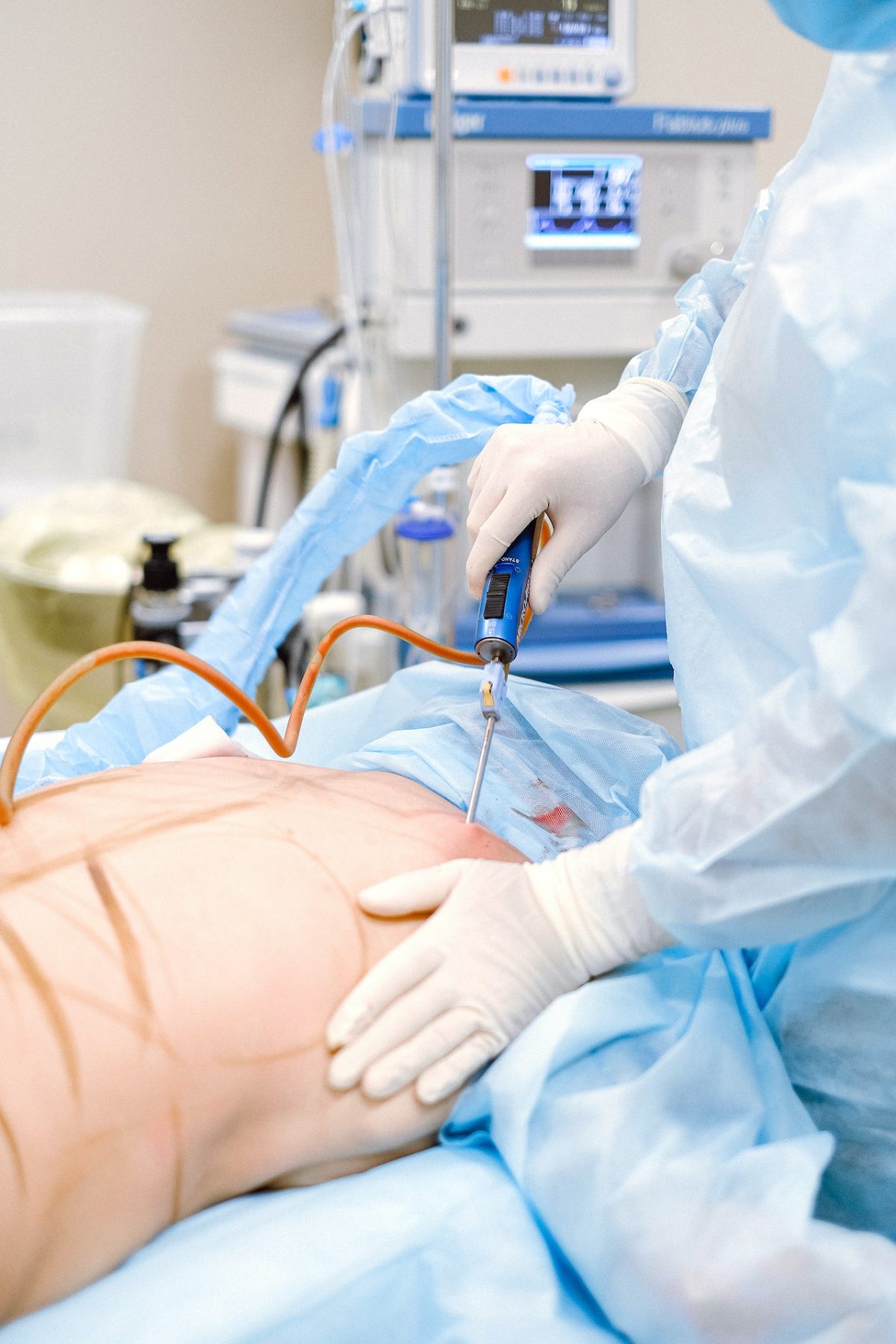
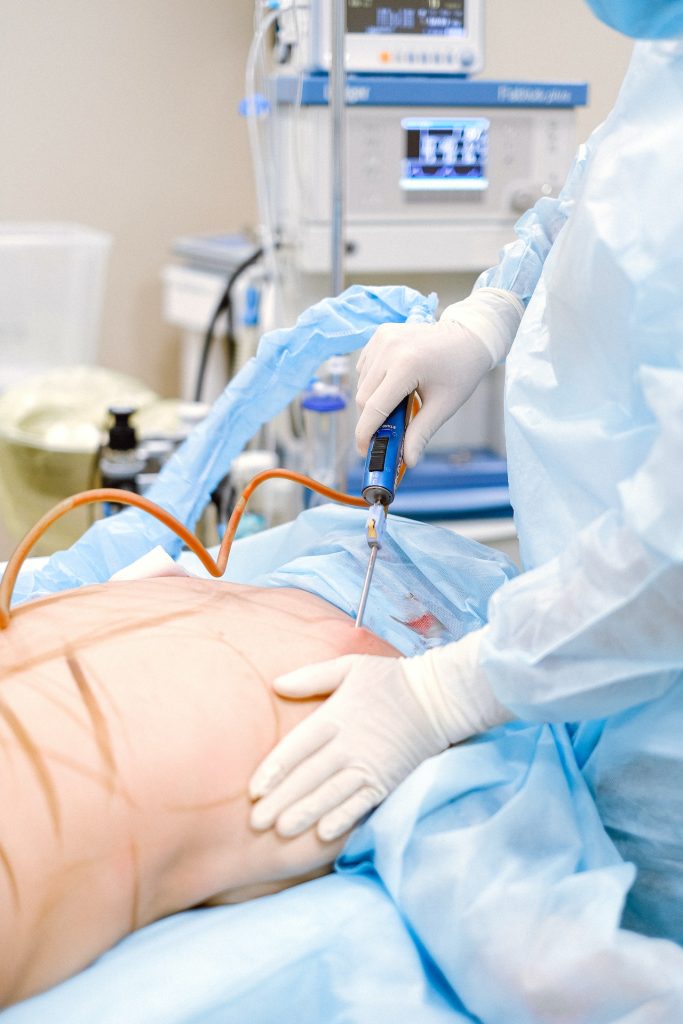
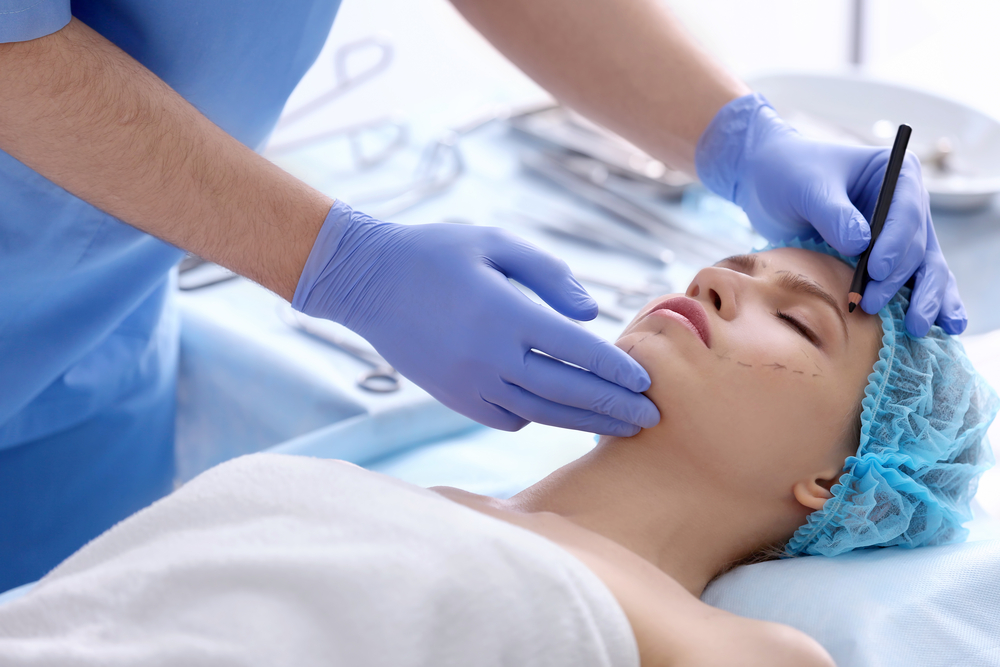
Liposuction, a procedure sought by many people, is quite different; it’s an invasive surgical procedure that requires local or general anesthesia. A plastic surgeon performs invasive body shaping on people by making small incisions and inserting a tube called a cannula into the fatty tissue layers.

The cannula breaks up the fat, which is then sucked out by suction through the tube. Think of it as vacuuming dirt from your carpet—liposuction vacuums away unwanted fat from your body.

Mechanisms Compared

Both body sculpting and liposuction procedures aim to sculpt your figure, but they work differently.

  • CoolSculpting freezes fat without damaging skin or muscle.

  • Liposuction physically removes fat with immediate results but comes with more risks due to its invasive nature.

With liposuction, you’ll see changes right after surgery once swelling goes down. But with CoolSculpting, patience is key; results appear gradually over weeks as frozen cells are eliminated by your body’s natural processes.

Procedure Comparison for Body Contouring Options

Duration & Setting

CoolSculpting and liposuction have distinct differences. CoolSculpting is a non-invasive procedure. It takes about one hour per treatment area. Patients can read or nap during the session. There’s no need for an operating room.

Liposuction, however, is more involved. It requires an operating facility. The duration varies based on areas treated but often lasts several hours. Recovery time must also be considered.

Anesthesia Use

Anesthesia is another key difference between these procedures. Liposuction typically involves anesthesia, which could be local or general depending on the extent of fat removal and patient preference.

CoolSculpting does not require anesthesia at all. This means there’s less risk associated with sedation and a quicker return to daily activities post-procedure.

Onset of Results

Results timing sets these options apart too.

  • CoolSculpting shows gradual results as the body naturally eliminates frozen fat cells over weeks to months.

  • Liposuction results are immediate but come with swelling that needs time to subside before the final outcome is visible.

Pain and Discomfort Levels in Fat Reduction Techniques

CoolSculpting Comfort

CoolSculpting, a non-invasive fat reduction method, offers minimal discomfort. This procedure targets stubborn fat without surgery. Patients often feel a cold sensation followed by numbness. There’s no need for anesthesia or pain medication afterward.

Most return to daily activities immediately. Some might experience temporary redness or swelling. But these effects are mild and short-lived.

Liposuction Recovery

Liposuction involves removing excess fat surgically from the body. It requires incisions and anesthesia. Afterward, patients can expect more significant discomfort compared to CoolSculpting.

The recovery period is longer too. Bruising and soreness around treated areas are common post-operative experiences for several days or weeks.

Managing Discomfort

Both procedures have their own pain management strategies:

  • For CoolSculpting, over-the-counter pain relievers usually suffice if there’s any discomfort.

  • Post-liposuction may require prescription medication initially as directed by the surgeon.

Following your doctor’s advice is crucial for a smooth recovery in both cases.

Effectiveness and Results Timeline of CoolSculpting vs. Liposuction

Fat Reduction

Body sculpting and liposuction are popular fat reduction methods. CoolSculpting can reduce about 20-25% of fat in a treated area per session. Liposuction, on the other hand, can remove up to 5 liters of fat during one procedure, which may translate to a higher percentage depending on the individual’s body composition.

With CoolSculpting, patients often need multiple treatments for optimal results. Each session targets different areas or goes over previous ones for further reduction. In contrast, liposuction is typically a one-time procedure that addresses larger volumes of fat at once.

Results Timeline

The time it takes to see final results varies between these two procedures. After undergoing CoolSculpting, some changes might be noticeable as early as three weeks post-treatment. However, the most dramatic results generally appear after two months when your body has had enough time to process and eliminate the frozen fat cells.

For those who choose liposuction, initial swelling masks immediate changes but subsides significantly within a few weeks. The final contour will become evident once all swelling has resolved, usually around six months post-procedure.

Treatment Sessions

CoolSculpting often requires several sessions spaced out over weeks or months to achieve desired outcomes since each treatment only affects a portion of the targeted fat cells.

  1. Initial consultation determines treatment plan.

  2. Multiple sessions scheduled based on goals.

  3. Gradual improvement observed with each session.

In comparison:

  • Liposuction is performed in one go.

  • It offers more immediate and significant changes.

  • No follow-up treatments needed unless revisions are required due to irregularities or patient’s desires for additional contouring.

Cost Analysis of Non-Invasive and Invasive Fat Removal

CoolSculpting Expenses

CoolSculpting, a non-invasive body sculpting method, involves freezing fat cells. Prices vary based on location and treatment area size. On average, each session may cost between $600 to $800. Multiple sessions are often needed for desired results.

Patients should consider the total price for a full treatment course. It’s not just one payment but several over time. Remember that touch-ups might be necessary to maintain or enhance results.

Liposuction Pricing

Liposuction is an invasive procedure with higher initial costs. A single liposuction surgery can range from $2,000 to $3,500, depending on the body part targeted.

However, these figures don’t include extra expenses such as:

  • Anesthesia fees

  • Facility charges

  • Post-operative garments

These additional costs can add up quickly.

Long-Term Considerations

When choosing between CoolSculpting and liposuction, think about long-term value too.

With CoolSculpting:

  1. You may need multiple sessions.

  2. Touch-up treatments could be required years later.

In contrast:

  1. Liposuction usually requires only one surgery.

  2. Results can last longer if you maintain your weight.

This means the long-term investment could differ greatly between the two options.

Overall Financial Impact

It’s crucial to factor in all potential costs when deciding on fat removal methods.

For CoolSculpting:

  • The average cost per session adds up over time with repeat treatments.

For liposuction:

  • Initial outlay is higher due to surgical and associated fees.

Always consult with professionals for precise quotes tailored to your needs and situation.

Candidate Suitability for Different Body Shaping Procedures

CoolSculpting Candidates

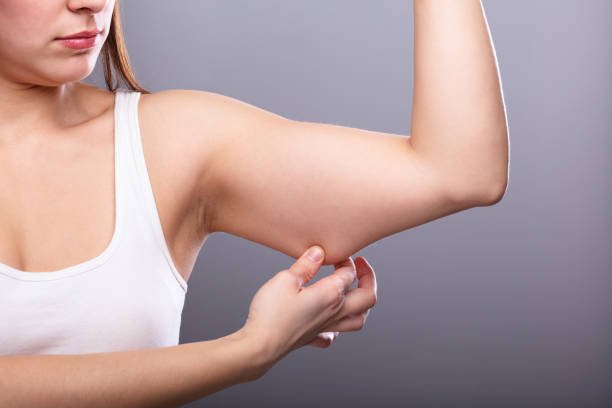
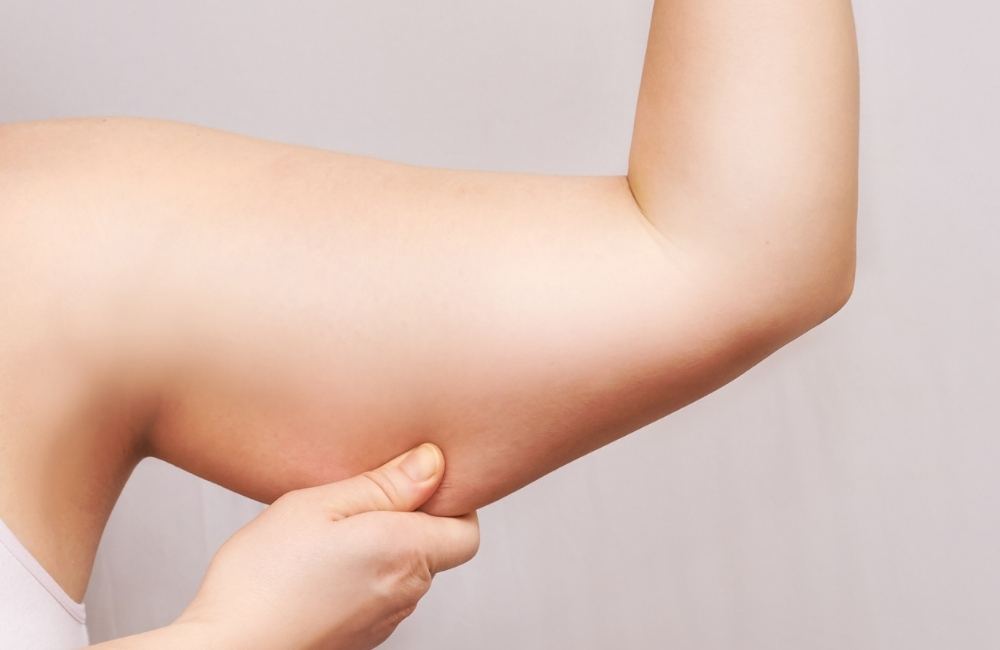
CoolSculpting is a non-invasive body shaping method. It freezes fat cells in targeted areas like the hips or upper arms. The ideal candidates have a BMI that indicates they are near their target weight but struggle with stubborn fat pockets.

Candidates should not see CoolSculpting as a weight-loss solution. Instead, it’s best for those who want to refine their shape. This procedure uses an applicator on specific areas where diet and exercise aren’t enough.

Liposuction Requirements

Liposuction is more invasive than CoolSculpting and involves a plastic surgeon using a cannula to remove fat from certain areas. To undergo liposuction, candidates must be in good health with stable body weight.

Surgeons assess patients’ overall health before recommending liposuction. They look at factors like skin elasticity and muscle tone. Ideal candidates often seek to remove larger amounts of fat than what CoolSculpting targets.

Health Considerations

Health conditions can affect which body shaping option is suitable. For instance, those with circulatory issues might avoid invasive procedures like liposuction due to increased risks during surgery.

Patients need honest discussions with surgeons about their medical history before choosing a procedure. Both options require individuals to maintain results through lifestyle choices post-procedure.

Side Effects and Recovery Periods Compared

CoolSculpting Effects

After determining the right procedure, it’s vital to understand the side effects. CoolSculpting can cause redness and swelling at the treatment site. Some clients also report bruising or a tingling sensation. These side effects are generally mild.

They typically resolve within a few days to weeks. Unlike more invasive procedures, CoolSculpting allows most people to return to daily activities immediately.

Liposuction Downtime

Liposuction involves surgery, so recovery is more intense. Patients need time off work and should avoid strenuous activity for up to six weeks. Post-surgery care includes wearing compression garments and managing pain with medication.

Swelling and bruising are common after liposuction but usually subside within a few months. The long-term care plan may involve follow-up appointments with your surgeon.

Long-Term Risks

Discussing long-term risks is important too. With CoolSculpting, rare side effects like paradoxical adipose hyperplasia could occur – where treated fat cells increase rather than decrease in size.

However, many patients experience no severe long-term issues from CoolSculpting. In contrast, liposuction can have risks such as infection or changes in skin sensation over time. Both treatments have differences in risk profiles that must be weighed against their benefits.

Invasive vs Non-Invasive Body Contouring Methods

Procedure Impact

Body sculpting and liposuction are popular for shaping the body. Each has different impacts on daily life.

CoolSculpting requires no incisions. It freezes fat cells away. After treatment, patients can often return to normal activities immediately.

Liposuction is more invasive. It involves small incisions and suction of fat cells. The procedure usually requires downtime for recovery.

Both methods aim to contour the body but differ in their approach and impact on your routine post-procedure.

Choosing the Right Procedure for Your Body Contouring Goals

Personal Goals

Before deciding between body sculpting and liposuction, consider your aesthetic goals. Body sculpting might suit those seeking minor adjustments. It often involves less downtime. Liposuction, however, can address larger areas of fat.

Think about what you want to change in your body contour. Do you aim for a slight refinement or significant reshaping? Your answer will steer your choice toward the right procedure.

Lifestyle Factors

Your lifestyle plays a crucial role in this decision as well. Can you afford time off for recovery? Liposuction requires rest post-surgery. Non-invasive techniques may allow quicker return to daily activities.

Assess how each option fits into your life rhythm. If taking extensive time off work isn’t possible, non-invasive treatments could be more practical.

Professional Advice

Consult with medical professionals before choosing a procedure. They can help determine which technique aligns with your treatment goals and health status.

Doctors evaluate factors like skin elasticity and overall health before recommending procedures. Their advice ensures that the chosen method is safe and suitable for you.

Long-Term Results

Consider not only immediate effects but also long-term outcomes when choosing a procedure. While non-invasive methods offer convenience, their results might be subtler than liposuction’s dramatic changes.

Understand that maintenance is key after either procedure; neither replaces the need for a healthful diet or exercise routine to sustain results over time.

Conclusion

Navigating the world of body contouring can be like finding your way through a maze, but you’ve now got the map. Whether you’re leaning towards the chill of CoolSculpting or considering the swift change liposuction offers, it’s clear that each path has its own set of signposts—cost, comfort, and recovery time. Picture your ideal outcome: do you value a non-invasive journey with gradual results, or are you aiming for a quick transformation despite the downtime?

Your body, your rules. It’s time to sculpt your decision based on what resonates with your lifestyle and goals. Don’t let indecision keep you from crossing the finish line. Reach out to a professional, grab their expertise like a baton, and sprint towards that personalized plan that’s just right for you. Ready to reshape your future? Take the next step and book a consultation today.

Frequently Asked Questions

What’s the main difference between body sculpting and liposuction?

Body sculpting typically refers to non-invasive fat reduction methods like CoolSculpting, while liposuction is an invasive surgical procedure that removes fat.

Is body sculpting or liposuction more painful?

Liposuction usually involves more pain and discomfort due to its surgical nature, whereas body sculpting techniques like CoolSculpting have minimal associated pain.

How long does it take to see results from CoolSculpting vs. liposuction?

CoolSculpting results can appear within a few weeks but may take several months for full effect. Liposuction results are visible immediately after swelling subsides, often in a few weeks.

Which costs more: non-invasive body contouring or liposuction?

Liposuction generally has higher upfront costs due to being a surgical procedure requiring anesthesia and possibly facility fees, while non-invasive options might be less expensive initially but could require multiple sessions.

Who is an ideal candidate for body sculpting procedures?

Ideal candidates for body sculpting are those close to their target weight who want to address specific stubborn fat areas without undergoing surgery.

Can you compare the side effects of CoolSculpting and liposuction?

CoolSculpting might cause temporary redness, swelling, or numbness. Liposuction’s side effects include bruising, soreness, and potential scarring since it’s more invasive.

How do I choose between body sculpting and liposuction for my goals?

Consider your tolerance for downtime, budget constraints, desired speed of seeing results, overall health condition—and consult with a professional—to make the best choice tailored to your goals.

CoolSculpting or Body Sculpting: Which Path to Your Ideal Figure?

In a world where the quest for the ideal body shape never wanes, non-invasive options like coolsculpting, which utilizes laser technology to target fat cells with laser heat, have surged to the forefront of fat reduction treatments, significantly altering the thing we call our body’s appearance. These fat reduction treatment methods promise to whittle away at love handles, flatten abdomen areas, and target subcutaneous fat without going under the knife, offering noticeable fat loss and fat reduction results. Yet, as invasive body contouring techniques continue to evolve, offering more precise results with minimal bruising, it’s essential for anyone considering these procedures to understand how body sculpting targets subcutaneous fat and stacks up against coolsculpting, which uses an applicator for non-invasive fat loss in specific treatment areas. Both boast their unique set of applicators and outcomes; navigating between them requires setting realistic expectations about what sculpting your body shape and achieving fat reduction results in various treatment areas can truly entail.

The landscape of aesthetic enhancements has shifted dramatically; today’s technologies offer paths to sculpt body shape and redefine contours with non-invasive body applicators without significant downtime. Deciphering which option aligns with your goals is key—whether it’s embracing non-invasive body treatments like flat applicators that chill away fat cells or opting for invasive body surgical precision that sculpts your form.

Understanding CoolSculpting and Body Sculpting

Cryolipolysis Technology

CoolSculpting is a specific type of body sculpting. It uses cryolipolysis technology to freeze fat cells. This applicator process targets stubborn fat areas that don’t respond to diet or exercise. During treatment, the applicator cools fat cells until they crystallize and die.

This method is non-invasive with minimal downtime. Patients can return to daily activities quickly after a session, often eager to see their fat reduction results. Results become visible over weeks as the body naturally removes dead cells.

Diverse Techniques

Body sculpting includes various techniques beyond cooling. Some methods use heat, ultrasound, or radiofrequency energy to reduce fat or tighten skin.

Each technique offers different benefits for patients:

  • Heat-based treatments can also target cellulite.

  • Ultrasound destroys fat cells using sound waves.

  • Radiofrequency firms skin by stimulating collagen production.

Patients choose based on their goals and comfort levels with each procedure.

Branded Treatments

It’s important to differentiate between general body sculpting and branded treatments like CoolSculpting. While all aim at contour enhancement, specifics vary widely:

  • CoolSculpting focuses solely on cooling.

  • Other brands may combine technologies for comprehensive results.

Understanding these differences helps in making informed decisions about which treatment suits one’s needs best.

Key Differences Between CoolSculpting and Body Sculpting

Fat Cell Targeting

CoolSculpting is a specialized procedure that freezes fat cells. This method, known as cryolipolysis, causes the cells to die without harming surrounding tissue. Over time, your body naturally processes and eliminates these dead cells.

Body sculpting can involve various techniques other than freezing. These may include heat therapy, ultrasound energy, or radiofrequency. Each technique has its own way of breaking down fat cells.

Session Duration

A typical CoolSculpting session lasts between 35 minutes to an hour per treatment area. It’s relatively quick and you can often return to normal activities immediately after.

In contrast, body sculpting treatments vary in length depending on the method used. Some sessions might be shorter or longer than CoolSculpting sessions.

Treatable Areas

CoolSculpting is very specific about where it can target fat deposits. Common areas include under the chin, thighs, abdomen, and love handles.

Body sculpting methods offer different levels of specificity based on technology used. Some are designed for larger areas while others may focus on smaller spots with precision.

How CoolSculpting and Body Sculpting Work

Cryolipolysis Science

CoolSculpting uses a method called cryolipolysis. This process involves freezing fat cells to the point of death without damaging surrounding tissues or skin. The body then naturally eliminates these dead cells.

Fat cells react to cold temperatures by crystallizing. Once they are frozen during a CoolSculpting session, your body gradually flushes them out. It can take several weeks for this elimination process to complete.

Body Sculpting Mechanisms

Body sculpting technologies apart from CoolSculpting use various mechanisms. Some utilize heat through laser therapy or radiofrequency waves, while others employ ultrasound technology.

Each technique aims to disrupt fat cell integrity, causing cell breakdown and removal via the body’s lymphatic system. For example, laser therapy heats up fat cells until they are too damaged to survive.

Fat Cell Elimination

After treatment with either technology, your body begins a natural process of removing the destroyed fat cells. This is done primarily through the liver which filters out waste products from the bloodstream.

It’s important not just for the immediate effects but also for long-term health that this biological cleanup occurs efficiently after sculpting treatments.

Treatment Areas and Effectiveness of Both Techniques

Targeted Areas

Body sculpting and CoolSculpting target fat reduction in different areas. CoolSculpting often focuses on smaller, specific regions like the abdomen, thighs, or under the chin. It uses applicators to cool tissues to a temperature that breaks down fat cells without harming skin or muscle.

Body sculpting can include various methods such as laser technology or invasive treatments. They may address larger or more varied treatment areas including hips, arms, and back. Some body sculpting procedures involve small incisions to remove fat directly.

Both techniques aim at contouring the body rather than significant weight loss. Patients choose based on their needs and desired treatment area.

Effectiveness Comparison

CoolSculpting is known for its effectiveness in eliminating stubborn fat pockets that resist diet and exercise. The cold temperatures target only fat cells which then leave the body naturally over time.

Other body sculpting options might use laser heat to liquefy fat before it’s removed from the patient’s body through natural processes. These methods are also effective but may require more recovery time due to their invasive nature.

Results vary by individual but both have high success rates among patients seeking targeted fat reduction without surgery.

Results Timeline

Visible results from CoolSculpting can take several weeks as the body gradually flushes out destroyed fat cells. Most patients see full benefits after two months with some noticing changes as early as three weeks post-treatment.

In contrast, certain invasive treatments within the scope of body sculpting provide quicker results since they often remove a greater volume of fat at once. However, because these treatments may be surgical in nature, there is typically downtime involved for recovery.

The timeframe for visible outcomes depends largely on each patient’s unique physiology and chosen procedure specifics within their treatment plan.

Risks and Side Effects Comparison

CoolSculpting Discomfort

CoolSculpting works by freezing fat cells. This can cause short-term discomfort. The cold may lead to sensations like pulling, tugging, or mild pinching during the procedure. Afterward, patients might experience temporary redness, swelling, bruising, tingling, or numbness in the treated area.

Most of these side effects are minor and resolve on their own. For example, numbness usually fades within a few weeks. It is rare for these symptoms to last longer or develop into serious complications.

Body Sculpting Side Effects

Body sculpting includes various methods like heat-based treatments and ultrasound energy. Each method has its own set of potential side effects.

Heat-based treatments may lead to warmth in the treated area or slight burns if not done correctly. Ultrasound methods could cause a bit of discomfort during treatment as well.

It’s crucial to follow all post-treatment instructions given by your healthcare provider to minimize risks after any body sculpting procedure.

Adverse Reaction Likelihood

The likelihood of adverse reactions varies between body sculpting options.

  • CoolSculpting: Rarely causes severe side effects; most issues are mild and transient.

  • Other body sculpting techniques: Can have different risk profiles depending on technology used; always consult with a professional about specific risks associated with each option.

In general, following pre-and post-care guidelines greatly reduces the chance of adverse reactions no matter which body contouring technique you choose.

Invasiveness and Recovery Period Analysis

Non-Invasive Nature

CoolSculpting and most body sculpting treatments share a common advantage: they are non-invasive. This means no cuts, needles, or anesthesia are typically required. CoolSculpting uses controlled cooling to target and eliminate fat cells without surgery. Similarly, other body sculpting procedures might use heat, sound waves, or laser energy to achieve results.

Patients often prefer these methods because they involve less risk than surgical alternatives like liposuction. For instance, with CoolSculpting you can read a book or even nap during the procedure. The ease of treatment is clear when compared to invasive surgeries that require preparation and recovery time in a hospital setting.

Downtime Expectations

After undergoing non-invasive body contouring treatments:

  • Patients usually return to normal activities immediately.

  • Some may experience redness or mild swelling.

  • No need for extended rest unless advised by the practitioner.

The lack of significant downtime is a huge plus for those with busy schedules who cannot afford weeks off work or away from family responsibilities. Imagine having a session over your lunch break and returning to your desk without any major disruptions in your day-to-day life.

Post-Treatment Care

Post-treatment care is crucial for optimal recovery after both CoolSculpting and other body sculpting sessions:

  1. Hydration: Drink plenty of water.

  2. Gentle massage: May be recommended by some practitioners.

  3. Avoid strenuous exercise: At least for the first few days post-treatment as per specific guidance.

Following these steps helps ensure the best possible outcome while minimizing discomfort and potential complications such as bruising or numbness which were discussed in risks comparison earlier on.

Cost and Longevity of Results in Fat Reduction Treatments

Treatment Costs

The expenses for fat reduction treatments vary widely. CoolSculpting, a popular non-invasive procedure, typically ranges from $600 to $4,000 per session. The price depends on the area treated and the number of sessions needed.

Body sculpting encompasses various techniques, both surgical and non-surgical. Generally, costs can start as low as $500 for minor procedures but can exceed several thousand dollars for more extensive interventions.

Several factors affect total treatment expenses:

  • Size and number of areas treated.

  • Number of required sessions.

  • Geographic location.

  • Provider expertise.

Patients often need multiple sessions to achieve their desired outcomes. This increases the overall cost significantly.

Result Duration

After undergoing fat reduction treatments like CoolSculpting or body sculpting, patients want lasting results. Both methods aim to reduce stubborn fat deposits that are hard to eliminate through diet and exercise alone.

CoolSculpting destroys fat cells by freezing them. These cells do not regenerate; they’re gone permanently once eliminated from the body. Patients usually see changes within three weeks but may notice optimal results after two months or longer.

For other types of body sculpting—especially those involving heat or ultrasound technology—the longevity of results also hinges on lifestyle choices post-treatment:

  1. Maintaining a stable weight.

  2. Following a healthy diet.

  3. Staying active regularly.

Results last indefinitely if one manages their weight effectively since new fat cells aren’t likely to develop in the same area again unless significant weight gain occurs.

Ideal Candidates for Each Body Contouring Method

CoolSculpting Criteria

CoolSculpting targets localized fat pockets that resist diet and exercise. It’s not a weight-loss solution but rather a fine-tuning procedure. The ideal candidate is close to their desired weight but struggles with stubborn areas like love handles or belly fat.

Candidates should have pinchable fat and good skin elasticity. This ensures the device can latch on effectively and the skin bounces back post-treatment. People seeking minimal downtime often choose CoolSculpting, as it requires no surgery.

Body Sculpting Suitability

Body sculpting encompasses various treatments, each suited to different needs. Radiofrequency procedures may work well for those with slight skin laxity, aiming to tighten rather than reduce fat significantly.

For individuals with more widespread fatty areas, liposuction might be recommended. Skin type doesn’t usually limit body sculpting options; however, certain conditions may affect suitability such as sensitivity or a history of keloids.

Lifestyle Impact

Maintaining results from any contour treatment hinges on lifestyle choices post-procedure. A balanced diet and regular exercise are critical in preserving outcomes from both CoolSculpting and other body sculpt techniques.

It’s important to understand that these methods do not prevent new fat accumulation if one slips into old habits. Therefore, candidates committed to healthy living will see longer-lasting benefits.

Emsculpt NEO vs. CoolSculpting: A Closer Look

Fat Reduction

Emsculpt NEO and CoolSculpting tackle unwanted fat differently. Emsculpt NEO is unique in its approach, as it not only helps reduce fat but also tones muscles simultaneously. It uses a combination of radiofrequency heating and high-intensity electromagnetic energy to achieve this dual effect.

CoolSculpting, on the other hand, focuses solely on fat reduction. The technology behind it is called cryolipolysis which freezes and breaks down fat cells. This method does not have any impact on muscle tone.

For individuals exploring Body Sculpting vs CoolSculpting to enhance their figure by shedding excess weight and improving muscle definition, Emsculpt NEO might be the more comprehensive solution. Conversely, if one’s goal is purely reducing stubborn pockets of fat without concern for muscle tonality, CoolSculpting could be preferable.

Treatment Intensity

The intensity levels of treatments can vary greatly between these two options. With Emsculpt NEO, you can expect a more vigorous session due to its simultaneous emission of heat and electromagnetic pulses designed to burn fat and build muscle.

CoolSculpting sessions involve less intense sensations since they primarily focus on cooling the skin to freeze unwanted fat cells beneath it.

Moreover, frequency plays a role too; while both treatments typically require multiple sessions for optimal results, the exact number may differ based on individual goals and starting points.

Target Precision

When considering precision in targeting specific areas of the body, there’s a clear distinction between these methods. Emsculpt NEO has an advantage.

In contrast with Body Sculpting’s specificity stands CoolSculpting’s ability to treat broader areas like the abdomen or flanks where larger zones of fatty tissue accumulate.

This means that individuals seeking detailed contour enhancements might lean towards Emscult Neo whereas those aiming at general bulk reduction could find better results with Coolsculpting’s wide-ranging capabilities.

By understanding these differences in treatment approaches – from dual effects versus single-purpose solutions through intensity variations down to target area precision – potential candidates can make informed decisions matching their personal body sculpting goals with suitable technologies available today.

Conclusion

Deciding between CoolSculpting and body sculpting is like choosing the right key for a lock—each method has its unique fit for your goals. We’ve broken down the nitty-gritty, from how they zap fat to the downtime you’ll need. It’s clear that personal needs, budget, and expectations are big players in this game. Think of CoolSculpting as your go-to for chilling away stubborn fat without a scalpel in sight, while body sculpting is the broader gym buddy offering a mix of fat loss and muscle tone.

Ready to take the plunge? Dive into a consultation with a pro who can map out your path to a sleeker you. Remember, your journey to feeling great in your skin is just that—yours. Choose the route that resonates with your vibe and trust the process. Let’s get that ball rolling and sculpt your way to confidence!

Frequently Asked Questions

What’s the main difference between CoolSculpting and body sculpting?

CoolSculpting is a brand-specific, non-invasive fat-freezing procedure, while “body sculpting” refers to various techniques for shaping the body, including both surgical and non-surgical methods.

How do CoolSculpting and other body sculpting methods work?

CoolSculpting freezes fat cells to eliminate them. Other body sculpting methods may use heat, ultrasound, or radiofrequency to reduce fat or even surgery for more dramatic reshaping.

Are there any risks involved with CoolSculpting compared to other body sculpting procedures?

Yes, each method carries some risk. CoolSculpting might cause temporary numbness or redness; other techniques could have different side effects depending on their invasiveness.

Which areas of the body can be treated with both CoolSculpting and general body sculpting techniques?

Both can target common problem areas like the abdomen, thighs, arms, and chin. However, specific treatable areas depend on the chosen technique within the broader category of body sculpturing.

Is either CoolSculpting or traditional body sculpturing invasive?

CoolSculpting is non-invasive with no downtime. Some traditional forms of body sculpture are minimally invasive like laser lipolysis while others like liposuction are surgical procedures requiring recovery time.

How long will results from CoolScultping versus other types of body contour treatments last?

Results from both can be long-lasting if you maintain a stable weight; however they don’t prevent new fat cell growth so lifestyle plays a big role in longevity.

Who makes an ideal candidate for either CoolScultping or alternative forms of muscle building/fat reduction treatments?

Ideal candidates are close to their target weight but struggling with stubborn pockets of fat that diet and exercise won’t budge. Your overall health also influences suitability.

Secrets of Breast Implant Longevity: Silicone, Saline & Lifetime Expectancy

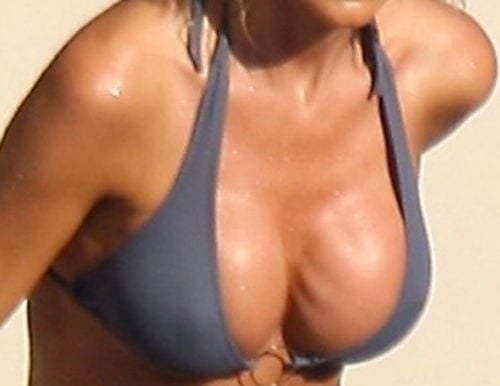
Breast implants are a popular and increasingly widespread cosmetic procedure that can help women feel more confident in their appearance. Breast implants are designed to enhance the size and shape of the breasts, making them look fuller and more symmetrical. The procedure is relatively simple, but it can have both positive and negative effects on the body. It is important to be aware of all potential risks before undergoing breast implant surgery.

In this article, we will discuss the benefits of breast implants, including design and performance improvements, as well as potential risks associated with them over time. We will also talk about saline rupture and how to make your implants last longer. Finally, we will explore alternative solutions for those who do not wish to undergo breast implant surgery.

By understanding the pros and cons of breast implants, you can make an informed decision about whether or not they are right for you.

Benefits of Breast Implants

Breast implants are a popular cosmetic surgery option for women looking to enhance their appearance. They can increase the size and shape of the breast, providing a more aesthetically pleasing look. In addition to these aesthetic benefits, there are also several medical benefits associated with breast implants.

Design and Performance Improvements

Modern breast implants are designed to be both safe and effective. They are made from materials that are non-toxic, biocompatible, and durable. The implant shells are designed to provide maximum support and stability while minimizing the risk of rupture or displacement. In addition, the gel used in silicone implants is formulated to be softer than traditional saline implants, resulting in a more natural feel and look. This improved design has led to an overall improvement in performance when compared to older models.

Increased Risk Over Time

Although breast implants can provide many benefits, it is important to remember that they do come with some risks. The most common risk associated with breast implants is an increased risk of capsular contracture over time. Capsular contracture occurs when the body’s natural response to the implant causes scarring around the implant, which can lead to hardening of the surrounding tissue and discomfort or pain in the area. This risk increases with age as well as with certain types of implants such as silicone gel-filled implants.

Malposition

Another potential risk associated with breast implants is malpositioning. This occurs when the implant shifts out of position after placement due to improper placement or movement of the implant during recovery. Malpositioning can cause asymmetry in the breasts or a visible ripple effect on the surface of the skin due to uneven distribution of pressure on the implant shell. It is important for patients to discuss any concerns about malpositioning with their surgeon before undergoing any procedure.

Other Problems That May Occur

In some cases, patients may experience other problems related to their breast implants such as infection, inflammation, or allergic reactions due to an incompatibility between their body and the material used in their implant. These issues can be addressed by removing or replacing the affected implant(s) depending on severity and type of issue present. It is important for all patients considering breast augmentation surgery to understand all possible risks before making a decision about whether or not it is right for them.

Saline Rupture

Saline implants are filled with a sterile saltwater solution, and the risk of rupture is much higher than with silicone implants. Saline implants are more likely to rupture due to aging, trauma, or changes in the body that can cause the implant shell to weaken. When a saline implant ruptures, the saltwater solution is quickly absorbed by the body and expelled naturally through urine. This means that when a saline implant ruptures, it will deflate quickly and you will notice an immediate change in your breast size.

Signs of Saline Rupture

If you have saline implants, it is important to be aware of any changes in your breasts that may indicate a rupture. Common signs of saline implant rupture include: sudden deflation of one or both breasts; pain or tenderness in one or both breasts; asymmetry between the two breasts; rippling or wrinkling on the surface of the breast; changes in nipple sensation; and fluid leakage from the implant site. It is important to get any changes checked out by your doctor as soon as possible, as a timely diagnosis can help ensure that any complications are addressed quickly and effectively.

Diagnosing Saline Rupture

If you suspect that one of your saline implants has ruptured, it is important to get it checked out by your doctor right away. Your doctor will perform a physical examination and use imaging tests such as an ultrasound or MRI to confirm whether or not there has been a rupture. If there has been a rupture, your doctor will recommend that you have your implant surgically removed and replaced with a new one. Depending on your individual situation, they may also recommend additional treatments such as antibiotics or other medications to reduce inflammation or infection at the implant site.

How to Make Your Implants Last

Breast implants are a safe and effective way to enhance the size and shape of your breasts, but they do require some maintenance in order to ensure that they last as long as possible. Here are some tips for making sure your implants last:

Follow Post-Op Instructions

It is important that you follow all post-operative instructions provided by your surgeon. This includes taking any medications prescribed by your doctor, avoiding strenuous activities, and being careful about how you sleep. It is also important to attend regular checkups with your doctor so that any problems can be addressed quickly.

Avoid Smoking

Smoking can reduce the amount of oxygen in the body, which can interfere with healing after surgery. It can also cause other health problems that may affect the longevity of your implants. It is best to avoid smoking altogether or at least cut back if you do smoke.

Be Mindful of Sun Exposure

Excessive sun exposure can lead to discoloration and sagging of the skin around the implant area. Be sure to use sunscreen when outdoors and wear protective clothing such as hats or long sleeves when possible.

Maintain a Healthy Weight

Being overweight or obese can put extra strain on the implant area, leading to increased risk of rupture or malposition over time. Maintaining a healthy weight will help keep your implants in good condition for longer.

Limit Activities That Put Stress on Implants

Activities such as heavy lifting or strenuous sports may put extra strain on the implant area and increase the risk of complications over time. If you engage in these activities, it is best to limit them as much as possible or take extra precautions such as wearing a supportive bra during physical activity.

By following these tips, you can help ensure that your breast implants last for many years to come.

Fat Transfer

One popular option is fat transfer, which involves taking fat from other parts of the body and transferring it to the breasts. This option is often favored because it does not involve any foreign material, such as silicone or saline, being placed in the body. Additionally, fat transfer can provide a more natural look and feel than implants. However, this procedure may not be suitable for all patients due to the amount of fat that must be removed from other areas of the body. Additionally, fat transfer results may not be as long-lasting as implant results.

Breast Lift

Another alternative solution is a breast lift. A breast lift is a surgical procedure that tightens the skin around the breasts and lifts them up to create a more youthful appearance. This procedure does not involve any foreign material being placed in the body and can help improve sagging or drooping breasts without increasing their size significantly. However, this procedure may not be suitable for those who want to increase their cup size significantly.

Non-Surgical Options

Finally, there are some non-surgical options available for those looking to enhance their breasts without surgery. These include various creams and lotions that claim to tighten and firm the skin around the breasts, as well as supplements that claim to increase breast size naturally over time. However, it’s important to note that these non-surgical options have not been proven effective in clinical studies and should be used with caution.

Ultimately, when considering alternative solutions for breast enhancement, it’s important to consult with your doctor or plastic surgeon about what option will best meet your goals while still providing safe results that will last long-term.