facebook page instagram account youtube account
Es - En

How to Tighten Skin After Losing 50 Pounds

Key Takeaways

  • Skin tends to be more elastic when you’re younger and you’re less likely to experience loose skin when you lose weight slowly.

  • Slow weight loss and muscle-building exercises help keep the underlying structure of the skin, which helps prevent sagging. A healthy diet and proper hydration maintain the health of your skin.

  • Topical treatments and supplements such as collagen and omega-3 fatty acids might improve skin firmness. It’s best to consult a healthcare provider before beginning any new supplement regimen.

  • There are some professional treatments, such as laser therapy, ultrasound, and surgery, that can make skin tighter. Which one you choose is really going to come down to your needs, your preferences, and your doctor’s recommendation.

  • It’s key to set realistic expectations and monitor your progress, as skin tightening occurs over time and differs for everyone.

  • Prioritizing holistic wellness, cultivating a positive mindset, and appreciating non-scale victories can assist in nurturing mental health during the skin tightening process.

After weight loss, people use a combination of good nutrition, skin care, and occasionally, medical assistance to tighten loose skin. Skin can remain loose when weight falls rapidly, so patience, diet, and daily attention all assist the adjustment.

Some choose firming creams or attempt light workouts. Others could discuss additional options with a doctor.

The bulk of the body discusses what works, what to anticipate, and how to maintain patience through the process.

Understanding Loose Skin

Loose skin tends to rear its ugly head after significant weight loss, say 23 kilos (50 pounds) worth. How much loose skin appears and how well it bounces back depend on a few things: your age, genes, how fast the weight came off, how long you carried the extra weight, and your skin’s natural stretch.

A lot of people find that they have loose skin on the arms, belly, or thighs. It can itch, break down, or even hurt, sometimes requiring surgery if it interferes with life.

Skin Elasticity

Collagen and elastin are your skin’s primary building blocks for stretch and snap. Collagen gives it support, whereas elastin allows skin to stretch and snap back into place. When the body expands or contracts, these fibers become stretched or relaxed.

Following dramatic weight loss, if the fibers are healthy, skin may shrink back better. What you eat and how you live influence your skin’s health. Diets packed with protein, omega-3 fatty acids, vitamin C, and vitamin E aid in skin repair.

Water intake matters as well. Skin cells are primarily water, so hydration helps skin turgidity. Consistent exercise can encourage circulation, which can assist skin in receiving the nutrients it needs.

Sunlight can break down collagen and elastin, causing skin to lose its stretch. Use sunscreen with an SPF of 30 or higher to protect those netting skin fibers from damage. Smoking and excessive alcohol can accelerate skin aging, making it difficult for skin to bounce back after weight loss.

For example, as we age, our bodies produce less collagen and elastin. Yo-yo weight for years can wear out the fibers, making loose skin more likely with age.

Influencing Factors

  • Age: Older skin has less collagen and bounce.

  • Genetics: Family history can mean skin is more or less likely to sag.

  • Amount and speed of weight loss: The more weight lost and the faster it happens, the higher the risk.

  • Sun exposure: More sun means more fiber damage.

  • Smoking and alcohol both slow down skin repair and break down fibers faster.

  • Hormones: Changes like menopause can thin skin and make it less firm.

  • Nutrition: Lacking protein, healthy fats, or key vitamins weakens skin repair and stretch.

  • Hydration: Not drinking enough water dries out and weakens skin.

Smoking reduces blood flow to the skin and inhibits healing. Excessive alcohol consumption dehydrates skin and thins it with age. Hormones change with aging or health fluctuations.

They can decelerate new collagen growth. Getting sufficient protein, good fats, and vitamins in your diet aids the skin in repairing itself and remaining supple.

The Weight Loss Pace

  • Rapid weight loss, such as with crash or fad diets, can leave behind additional loose skin.

  • Slow, steady weight loss gives skin time to shrink.

  • The more years one spends at a high weight, the more difficult it is for skin to revert.

  • Healthy skin with good food, water, and sun protection goes a long way in the process.

Excess skin from weight loss is often caused by rapid weight loss. Slow weight loss, about 0.5 to 1 kg per week, is frequently recommended. This rate allows skin to catch up and can reduce loose skin.

Patience is really key here. Skin takes time to adjust to a changing body.

Natural Firming Strategies

Skin doesn’t always tighten up by itself after losing 50 pounds. What we’re talking about here is genetics, age, how quickly you lose weight and lifestyle. Skin’s elasticity comes from collagen and elastin — two proteins that provide firmness and resilience.

Sure, there’s surgery, but most folks seek less invasive methods to assist skin rebound. There are a number of strategies that can help promote skin health and firmness, particularly when combined and consistently applied over time.

  • Eat a balanced diet rich in vitamins and minerals

  • Drink enough water every day

  • Use topical products that boost skin firmness

  • Build muscle with resistance and core exercises

  • Take supplements that support collagen production

  • Apply sunscreen daily

  • Exfoliate skin weekly

  • Avoid yo-yo dieting to prevent skin stretching

1. Build Muscle

Resistance training fills out loose skin by building muscle underneath. Compound exercises such as squats, lunges, and push-ups engage more than one muscle group, resulting in more effective muscle hypertrophy and firmer support for your skin.

A regimen with both strength training and Pilates or yoga can help. Pilates and yoga are beneficial for core strength and flexibility, which can enhance skin appearance.

Workouts, 3 or more times a week, keep muscle mass steady. This matters, as lost muscle can lend skin a more saggy appearance. Maintaining a good exercise schedule can decelerate age-related collagen loss.

2. Nourish Inside

You can locate antioxidants in fruits, vegetables, and nuts. These combat free radicals that can undermine skin structure. I recommend eating vitamin A, C, and E rich foods to promote skin repair and health.

Vitamin C, for instance, assists the body in producing collagen, a crucial factor for skin resilience. Good fats, such as those found in avocados and olive oil, nourish skin’s moisture and elasticity.

Protein-packed foods like chicken, tofu, and lentils provide the body with what it needs to construct and repair tissue, including skin. Incorporating these foods into your daily meals yields consistent results.

3. Hydrate Consistently

Proper hydration around 2 litres per day for most adults keeps skin cells plump and assists skin in springing back. Dry skin is more prone to wrinkles and sagging.

Weather, heaters, and AC all dry skin out, so tweak water intake accordingly. Hydrating creams help by delivering moisture to skin’s surface.

For maximum effectiveness, establish a water and moisturizing regimen. With consistent care, these strategies can deliver early changes in skin texture and bounce within 4 to 8 weeks.

4. Apply Topicals

Cream retinoids accelerate skin renewal and increase collagen. Hyaluronic acid moisturizers pull water into the skin, so it looks plumper. Firming creams with peptides or vitamin C can help bolster collagen and elastin.

Daily sunscreen is non-negotiable. UV rays break down collagen. Exfoliating once a week removes dead skin and promotes new growth, resulting in smoother looking skin.

Used every day, with patience, these products can gradually enhance texture and firmness.

5. Consider Supplements

Collagen supplements can assist skin in maintaining its form and tautness. Omega-3 fatty acids in fish oil or flaxseed combat inflammation and nourish skin’s moisture.

Certain vitamins such as A, C, and E assist skin in repairing itself and producing new collagen. As always, check with a healthcare professional before beginning any new supplement.

Supplements are most effective when combined with a nutritious diet and lifestyle changes.

Professional Procedures

Professional skin tightening solutions vary from non-invasive treatments to surgical interventions, each of which has its own results and recovery requirements. The table below provides an at-a-glance overview of common procedures, efficacy, and key benefits.

Procedure

Effectiveness

Recovery Time

Invasiveness

Longevity of Results

Laser Skin Treatments

Moderate to High

1-2 weeks

Non-surgical

Up to 2 years

Ultrasound Therapy

Moderate

Minimal

Non-surgical

1-2 years

Radiofrequency

Moderate

Minimal

Non-surgical

1-2 years

Dermal Fillers

Mild to Moderate

None to 1 week

Non-surgical

6-18 months

Microneedling

Mild to Moderate

Few days

Non-surgical

6-12 months

Chemical Peels

Mild

1-2 weeks

Non-surgical

Months

Non-invasive Contouring

Moderate

None to few days

Non-surgical

6-12 months

Surgical Procedures

High

2-6 weeks

Surgical

Several years or permanent

Laser skin treatments use beams of focused light to heat layers of the skin, which can improve texture and even reduce laxity. Results appear over months as collagen accumulates, but the amount of tightening can be inconsistent.

Ultrasound therapy projects sound waves deep into the skin, stimulating new collagen production. This treatment is typically selected for mild to moderate sagging and has minimal downtime.

Radiofrequency treatments heat tissue and stimulate new collagen production using radio waves. These treatments are short, and most people can get back to their routine shortly after.

Non-Surgical Options

Dermal fillers assist through volumization beneath the skin, mildly correcting sag and smoothing wrinkles. They work best on smaller areas, like the face or hands, and results show quickly.

Microneedling penetrates the skin using small needles to induce micro-injuries. This can amplify innate collagen production and soften texture over time. Sessions are typically spaced weeks apart for optimal impact.

Chemical peels take off the top layer of skin to expose smoother, fresher skin below. They can assist with minor laxity and fine lines, but the effect on loose skin is often minimal. Several sessions might be required.

Non-invasive body contouring utilizes cryolipolysis (fat freezing), ultrasound, or radiofrequency to sculpt targeted areas and promote skin tightening. These non-incisional options are selected for minor to moderate issues. Outcomes are incremental and require upkeep.

Surgical Solutions

Surgery Type

Main Benefits

Key Considerations

Tummy Tuck

Removes excess belly skin

Visible scar, 4-6 weeks recovery

Brachioplasty

Tightens arm skin

Scar on inner arm, 2-4 weeks

Body Lift

Treats multiple areas

Longer surgery, 4-6 weeks

A tummy tuck flattens your tummy through excision of loose skin and some fat. It’s frequently chosen following significant weight loss.

A brachioplasty, or arm lift, removes excess skin from the upper arm. This procedure is nice for those of us who find that exercise alone doesn’t help.

A body lift addresses multiple regions: the abdomen, thighs, and buttocks for more comprehensive tightening following significant weight fluctuations.

Detailed consultation with a surgeon is essential to establish expectations. Surgical options require additional downtime and sometimes a compression garment for up to 8 weeks.

Recovery can take months and results last for years. Quit smoking well in advance of surgery to reduce your risks and help you heal faster. Some require staged procedures if multiple areas are addressed.

The Patience Principle

Skin tightening post 50-lb weight loss requires dedication and a healthy perspective of what can be achieved. Skin requires time to catch up to the body’s new form. How fast skin readjusts is dependent on several factors.

How rapidly the weight was lost, age, genetics, and general health all contribute. If you rush the process or seek quick fixes, you’re destined to become frustrated. The patience principle is about giving skin the months it requires to adjust, knowing in the back of your mind that some fixes can take 6 months or more.

If you stay positive and realistic, keeping your attention on healthy habits, the process becomes less stressful and more satisfying for folks everywhere.

Realistic Timelines

Timeline is helpful. They observe skin tone and tightness shifts over months, not weeks. The skin’s collagen and elastin architecture reengineers itself at a snail’s pace.

For the individuals who lost weight at a slower rate of approximately 0.5 to 1 kilogram per week, the skin has more of an opportunity to retract and conform to the new body mass. The skin is left sagging because it had no chance to catch up with the weight loss.

Monitoring your progress on a monthly basis provides you with a clearer feeling of what is working. For example, a person who drinks 2 liters of water per day and maintains a consistent weight loss schedule might begin to notice firmer skin within three to six months.

Some, particularly over the age of 40, might require a bit more time because of reduced collagen production. It’s worth mentioning that genetics can be a big factor. One friend might experience results in three months, while another might require six or more.

Aim for skin goals the same way you would weight loss goals—slow, specific, realistic.

Documenting Progress

A journal can be a simple, effective instrument. Jotting down changes in skin feel, texture, and look each week can help you identify minor improvements that might otherwise be overlooked.

Combine this with before and after photos every month. Photos facilitate noticing the changes, even if they are slow. Commemorating minor victories maintains enthusiasm.

Perhaps the arms have less sagging, or the skin on the stomach is silkier. Every incremental advance is worth recognizing. Others find it useful to post their journey in encouraging online communities or with buddies who have endured the same path.

This offers community and accountability and makes it easier to be patient and positive.

The Mental Game

Dropping 50 pounds is an incredible feat. Loose skin can introduce new emotional challenges. The mental side of this transition is as important as the physical. Strengthening your mind facilitates stress relief, boosts confidence, and encourages skin tightening and body reshaping.

Body Image

Loose skin thoughts always creep in after significant weight loss. Others might be embarrassed or even mourn their former self. The emotional cost of these transitions is genuine. It can cause insecurity or low self-worth, particularly for those who have battled body image issues in the past.

Challenging these thoughts and redirecting the focus works. Instead of seeing just skin, see how much the body can do—walk further, lift more, or just feel less heavy each day. Support really matters. Friends, family, or therapists can hear and provide actual encouragement. Surrounding yourself with those who boost your spirit and remind you of the entire journey, not just the appearance, can help dissipate anxiety or take the edge off depression.

Self-compassion is crucial as well. Embracing your body, loose skin and all, propels you onward. Confidence-building activities such as yoga, sports, or dance allow you to experience your body in new ways. They assist in redirecting attention from looking to moving and strong.

Keep in mind, media and beauty standards can be unrealistic. Looking at retouched photos or skinny standards doesn’t do you any good either. It is more helpful to establish your own objectives and commend your progress.

Non-Scale Victories

It’s simple to get caught up in the figures. Not all victories are measured in kilos. Whether it’s being more fit, sleeping better, or climbing stairs without getting winded, they’re all indicators of improvement. These N.S.V.s demonstrate the body is transforming in meaningful ways. Most report increased energy, clearer skin, or simply feel better.

Health markers such as lower blood pressure or balanced blood sugar indicate a larger narrative than the scale by itself. These shifts translate into better health, which is the true objective for most. Eating well, getting enough sleep, and keeping active means you’ve chosen a lifestyle that supports long-term happiness. There’s pride and joy in that beyond looks.

Celebrating these victories tends to help counteract any bad feelings about loose skin. A sense of accomplishment and pride in the journey will build resilience and help you weather emotional peaks and valleys with more fortitude.

Debunking Myths

Saggy skin after dropping 23kg is a concern for most people. Some myths can cloud your understanding. Knowing the truth helps you set expectations and goals.

A common misconception is that everyone who loses significant weight will deal with loose skin, as if it’s inevitable. The reality is that not everyone is going to have the same experience. The quantity of loose skin is dependent on how much weight was lost, how long the skin was accustomed to being stretched, age, and even genetics.

Some will observe very little loose skin, while others will discover more, even though they had comparable weight loss experiences. Another myth is that only older folks get loose skin after weight loss. Although age does make it harder for skin to spring back, other factors are equally important. Genetics, being a smoker, and sun exposure count as well.

The myth of rapid weight loss being the culprit of loose skin isn’t quite true either. Slow weight loss is frequently recommended for general health reasons. It turns out that how fast you lose the weight doesn’t significantly impact skin elasticity, according to studies.

Skin can become loose regardless of whether weight is lost fast or slow after losing a lot. There are quick-fix products that are sold as easy skin tightening products. A lot of people think that applying lotions and creams will firm up loose skin.

These products can soften skin or relieve dryness, but science tells us that they do not alter skin firmness or elasticity. The same goes for drinking water. Hydration is good for skin—skin cells are largely water—but increasing your water intake will not pull tight sagging skin.

Exercise is another minefield for myths. A lot of people believe that exercise, particularly strength training, will tighten loose skin. Exercise can build muscle and improve health, but it typically has a minimal effect on tightening skin.

Nutrients such as omega-3s, vitamin C, vitamin E, and collagen are occasionally recommended to augment skin health. Certain studies indicate potential benefits, but the evidence that they tighten loose skin is lacking so far.

Skin repair is a slow process, one that may last months or years. Loose skin tends to shrivel up for a few people, but for others, it stays.

Debunking Myths: Using sunscreen is proven to help protect skin from damage, and experts say using an SPF 30 or greater daily provides the best long-term results.

Conclusion

Loose skin post large weight loss feels hard, but it’s evidence of actual transformation. Skin requires time to rebound, and no solution fits all. Small steps do help, like eating balanced meals, moving your body and caring for your skin daily. Pick pro assistance if you desire quicker results. A forthright conversation and patience maintain your brain strong through the peaks and valleys. Myths can stall genuine progress, so adhere to straightforward truths. Every journey appears unique and every step is significant. For tips or to share your own journey, visit reliable guides or connect with fellow travelers. Continue seeking out information and support that suits your needs.

Frequently Asked Questions

Can loose skin tighten on its own after weight loss?

The loose skin can tighten up a bit over time, particularly in younger individuals. Age, genetics, and the speed at which you lost all figure in. Real tightening without effort is rare.

What natural methods help firm loose skin?

Keeping yourself well hydrated, eating a nutritious diet, and incorporating strength training can all help tighten skin. These tricks promote skin health, but results are slow and could be minimal.

Are there non-surgical treatments for loose skin?

Yes — radiofrequency, ultrasound, and laser treatments can stimulate collagen. These options are less invasive than surgery and could potentially need multiple treatments to see results.

How long does it take for skin to adjust after weight loss?

Skin retraction may require months to years. It’s a slow process, and it varies from person to person based on factors like age, genetics, and how much weight you lost.

Is surgery the only way to remove excess skin?

Surgery is the best way to get rid of a lot of extra skin. Treatments such as body contouring may provide rapid results, but they come with downtime and potential complications.

Does building muscle help reduce loose skin?

Bodybuilding can help the appearance of loose skin by plumping up some areas. It doesn’t reduce loose skin but can make it look taut.

Can creams or supplements tighten loose skin?

Most creams and supplements don’t do much for loose skin. They may help with skin texture or hydration, but they can’t meaningfully tighten loose skin by themselves.

How to Tighten Loose Skin After Medication-Induced Weight Loss

Key Takeaways

  • Collagen and elastin are essential for skin tightness. Their decline with age, genetics, and sun exposure can lead to sagging, particularly after quick weight loss.

  • Weight loss pills can speed up fat loss, which raises the chance of saggy skin. Keep an eye on your skin and know the side effects of your meds.

  • Non-surgical treatments such as radiofrequency, ultrasound therapy, microneedling, laser resurfacing, and topical products provide different approaches to enhance skin tightness without the need for surgery.

  • Body contouring procedures are an option for more severe skin laxity. Given the nature of surgery, they need to be thoughtfully approached in the context of overall health, weight stability, and reasonable expectations.

  • Maintaining a balanced lifestyle with adequate protein, hydration, strength training, and a consistent skincare routine helps skin stay healthy and elastic post-weight loss.

  • Speaking with medical professionals can assist in deciding the best course of action, whether non-surgical or surgical, for one’s specific requirements and objectives.

Skin tightening after medication weight loss refers to making your skin appear and feel tauter when you have shed pounds using medications. Loose skin can linger after rapid or significant weight loss, so folks are frequently seeking methods to aid skin’s rebound.

Most look to solutions like working out, skin care, or cosmetic procedures. To help explain what works and what doesn’t, this post lays out some real skin tightening facts.

Why Skin Sags

Skin sagging after medication weight loss results from a combination of biology, lifestyle, and environment. When we gain weight, our skin expands to cover the new form. Once you lose weight, particularly if it melts away rapidly or in large amounts, the skin might not contract. This results in loose, hanging skin which can impact comfort, mobility, and self-image.

A lot of us discover that our arm, thigh, or stomach skin remains loose, leaving it difficult to wear clothes that fit or feel comfortable.

Collagen and Elastin

  1. Collagen and elastin are two primary proteins that keep skin firm and resilient. Collagen provides skin with shape and firmness, and elastin allows it to stretch and bounce back. When these proteins function properly, the skin appears smooth and taut.

  2. Once people age, the body produces less collagen. This slow-down causes skin to lose its shape and sag more easily, even in the absence of weight loss.

  3. When elastin deteriorates or is deficient, skin can’t “bounce back.” We see this with rapid weight loss or after decades of weight gain.

  4. Vitamin C, protein, and healthy fats can help support collagen and elastin by eating foods high in these. Many people discover that peptide or retinol skin creams may assist, while results differ.

Weight Loss Speed

Skin stretches further with fast weight loss than it does with gradual, steady changes. The weight drops so quickly, the skin has no time to shrink to the new contours, thus it remains loose. This is typical after shedding 36–45kg or more.

Quick weight changes from medication, for example, can leave you with folds of skin that don’t ‘snap’ back. Those who shed pounds gently, less than 1kg per week, tend to have less sagging skin.

If you have a ton of skin left over, you might have to go under the knife to get rid of it. This may involve body lifts or multi-stage surgeries for those who shed 36 to 45 kg and beyond. Slow weight loss, muscle-building exercise, and staying hydrated let the skin catch up better.

Age and Genetics

Aging thins skin and reduces its ability to bounce back. Older people have less collagen and elastin, so it’s more likely to sag. Genetics factors in; some families have firmer skin than others. The rest of us are prone to sagging.

Understanding your family history puts things in perspective. If you’re genetically at risk or older, early skin care and sun protection can help skin stay firmer. Knowing about these things gives us the opportunity to do what we can early: moisturize and wear protective clothing.

Sun Exposure

Ultraviolet (UV) rays from the sun weaken collagen and elastin. Over time, this breaks down the skin’s infrastructure, leaving it saggy and wrinkly earlier. Sun exposure accelerates aging and diminishes the skin’s ability to bounce back after weight loss.

Daily sunscreen, protective clothing, and staying in the shade protect skin. Skincare with antioxidants such as vitamin E or C can combat some damage, but prevention is ideal. These tips are good for all, particularly for those wanting to maintain skin health post-weight loss.

The Medication Factor

Weight loss drugs are revolutionizing the way a lot of people shed unwanted body fat. These medications can act quickly and alter the skin’s response accordingly. Your skin, which extended to accommodate a larger physique, might not keep up with sudden changes and could start sagging and loosening. Knowing the impact of these medications on skin is vital to handling post weight loss changes.

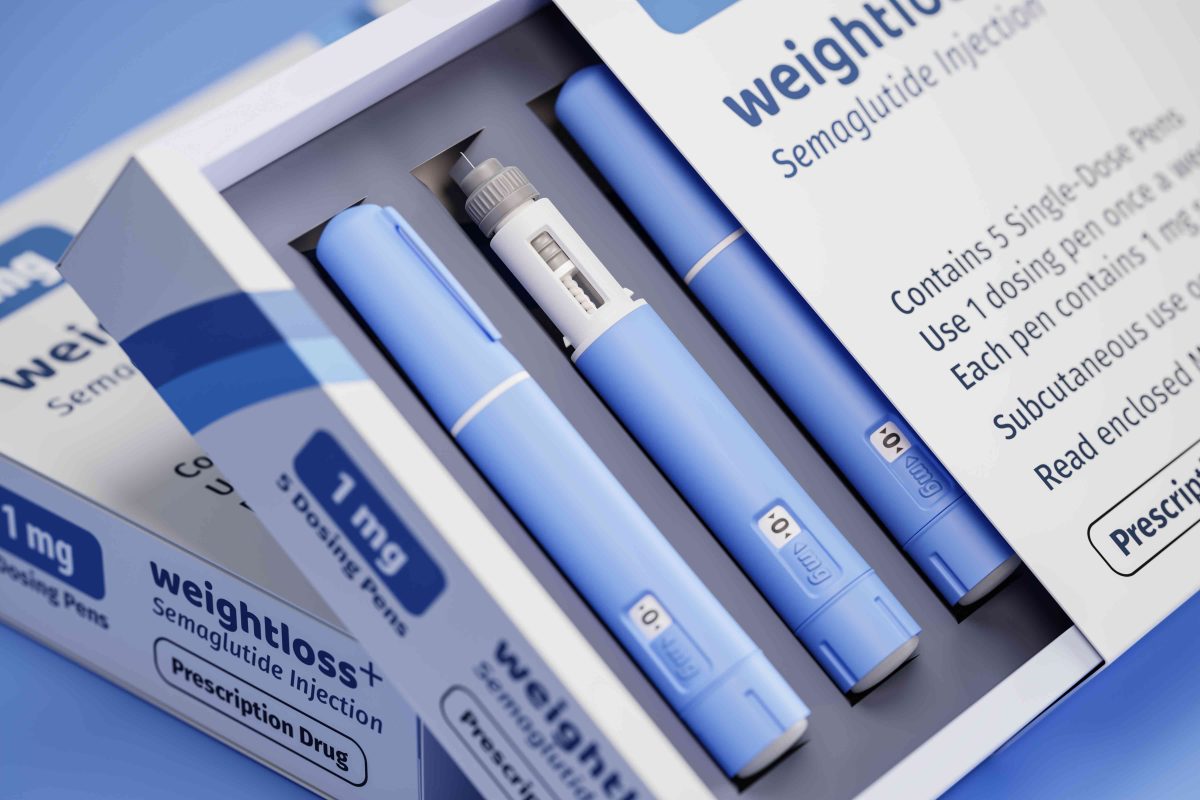
The weight loss drugs induce rapid fat loss, which can exceed your skin’s ability to “snap back.” The most frequent skin change following fat loss is increased laxity, particularly on the arms, stomach, and thighs. Medications such as GLP-1 receptor agonists (semaglutide, liraglutide) and phentermine-topiramate are associated with significant skin laxity. Side effects from these medications can include nutritional deficiencies, dehydration, and hormone fluctuations, all of which impact skin tautness. Understanding these potential skin effects enables users to set realistic expectations and pursue appropriate care.

Rapid Fat Loss

Certain drugs — such as pills containing semaglutide or phentermine — can assist individuals in shedding a significant amount of pounds within a span of months. Your skin, while elastic, is not infinitely so and may not rebound just as fast. This can result in folds or loose skin, particularly if the weight loss is more than 10 to 15 kilos over a short period.

Rapid fat loss implies less time for the skin’s collagen and elastin to adapt. If these support fibers break down or can’t regenerate quickly enough, the skin remains stretched. This invites chafing, skin crease infections and self-image concerns.

If you’re on medication, check your skin regularly for new folds, rashes, or dryness. Observing these shifts sooner rather than later can assist in selecting treatments or lifestyle alterations that protect skin health.

Nutritional Shifts

Other medications suppress appetite or alter eating patterns, resulting in a reduced intake of calories and occasionally of important nutrients. When we are deficient in protein, vitamin C, vitamin E, or zinc, the skin loses bounce and takes longer to heal.

Along with staying hydrated, eating a variety of whole foods containing high amounts of vitamins and minerals can help skin support during weight loss. Incorporating antioxidant-rich foods such as berries, leafy greens, and nuts could support.

The medication thing. A dietitian can help steer both your weight loss and skin wellness efforts in the right direction.

Hormonal Influence

Weight loss drugs can influence hormones, particularly those related to metabolism and fat storage. For example, changes in insulin, cortisol, and thyroid hormones regulate the skin’s repair and its firmness.

Some users may notice drier or thinner skin due to these shifts. The body’s own sex hormones, like estrogen and testosterone, play a role in collagen production. Lower hormone levels after weight loss can slow skin renewal.

To help balance hormones, sleep well, manage stress, and stay active. These habits help the body maintain stable hormones and sustain skin health as the pounds fall off.

Non-Surgical Solutions

Non-surgical solutions are booming for skin tightening post-medication weight loss. They utilize heat, energy, or micro-wounds to stimulate your skin to produce more collagen and appear tighter. They provide less risk, less pain, and less recovery than surgery. Their effects tend to be more subtle.

A lot of people combine treatments to optimize results. A consult with a skilled professional helps align the proper mix to each individual’s skin and aspirations.

1. Radiofrequency

RF uses energy to heat the skin’s underlying layers. This heat stimulates cells to produce additional collagen, the protein that provides skin with its firmness. The skin becomes tighter and more lifted over time.

RF does great on mild to moderate loose skin, particularly on the face, neck, arms, and abdomen. Therapies are fast, generally less than an hour, and require minimal to no downtime. Most are good to go back to their regular day immediately following.

A little redness or slight swelling might appear but disappears quickly. Usually, a series of four to six sessions spaced a few weeks apart is needed for optimal results.

2. Ultrasound Therapy

Ultrasound therapy transmits sound waves deep into the skin. These waves warm the tissues, which stimulate collagen production. The impact accumulates for weeks and provides a subtle lift while smoothing saggy patches.

Ultrasound is noninvasive. Patients typically experience only mild heat or tingling. It’s great for sagging jaw, chin, or brow.

Post-care, stay away from the sun and use mild, gentle cleansers for a few days. This helps the skin heal and gain the maximum advantage.

3. Microneedling

Microneedling creates micro-perforations in the surface of the skin. This stimulates the body to repair itself by producing more collagen. It leads to smoother, firmer skin.

Most people observe improved skin texture and bounce after a few sessions. Downtime is minimal, only a day or two of slight redness.

When combined with serums such as hyaluronic acid or vitamin C, the results can be even more spectacular.

4. Laser Resurfacing

Laser resurfacing removes the sun damaged outside layer of skin while energizing the underlying layers. This can assist in tightening skin and diminish scarring or striae.

Most notice smoother, firmer skin in just a few weeks. The appropriate kind of laser and settings will differ based on skin type and problems, so a consultation with a specialist is important.

After care involves daily sunscreen, gentle washing, and absolutely no picking or scratching if you want to prevent marks.

5. Topical Treatments

Good skin-firming creams typically contain retinol, peptides, or hyaluronic acid. They can assist skin in retaining moisture and appearing more full.

A moisturizer and serum daily do the trick of keeping skin elastic. Brands such as Neutrogena or The Ordinary have serums with time-tested ingredients.

Don’t skip days because it will drag you down.

Surgical Solutions

Surgical solutions for loose skin after medicinal weight loss can provide a more immediate repair than non-surgical alternatives. They have the ability to remove excess skin, contour the body, and assist with enhancing comfort and clothing fit. Both surgeries have their advantages, risks, and recovery periods.

You should investigate each option and consult with a qualified professional before making a decision.

Surgical Option

Key Benefits

Risks

Body Contouring

Reshapes body, removes excess skin

Infection, scarring, long recovery

Tummy Tuck (Abdominoplasty)

Flatter stomach, better contour

Bleeding, swelling, numbness

Arm Lift (Brachioplasty)

Tighter upper arms, less sag

Visible scars, nerve damage

Thigh Lift

Smoother thighs

Fluid buildup, poor healing

Lower Body Lift

Improved lower body shape

Blood clots, wound issues

Do your research before any surgery. Risks such as scarring, infection, or slow healing may occur. Advantages can be lifelong if combined with a healthy lifestyle.

Selecting a board-certified surgeon and gaining a clear understanding of what to expect enhance safety and outcomes.

Body Contouring

Body contouring is a collection of procedures that sculpt and tighten areas with excess skin following weight loss. These procedures remove excess skin and fat, aiding the body in appearing more toned and proportioned.

Individuals frequently select contouring for the stomach, arms, thighs, or lower body. The results can be dramatic, but each individual heals at his or her own pace.

There are various forms of body contouring. Tummy tucks are for the tummy. Arm lifts are for loose skin on the arms. Thigh lifts and full lower body lifts combat sagging in the thigh or buttocks area.

Recovery can range from a few weeks for simple procedures to months for bigger surgeries before you see full results. Combining surgery with consistent activity and healthy nutrition can extend result longevity.

Common Procedures

Procedure

Target Area

Main Benefit

Tummy Tuck

Abdomen

Flatter, firmer belly

Arm Lift

Upper arms

Leaner arm contour

Thigh Lift

Inner/outer thighs

Smoother leg shape

Lower Body Lift

Belly, hips, thighs

All-around tightness

Surgeries focus on different areas of the body where sagging skin is most prevalent. Each comes with its own results and potential complications.

Not all results are as perfectly alike as what you see in the ads or on social media. Realistic expectations count. Consult a plastic surgeon to discuss objectives and concerns regarding surgical solutions.

Scar Management

Post-operative scar management is essential. Scars are part of the course, but there are ways to help them fade. Scar creams, silicone sheets, and gentle massage may assist.

Keeping scars out of the sun and not smoking promotes better scar healing. Proper diet, hydration, and resisting the urge to pick scabs all promote healthy healing.

Doctors could recommend laser treatments or steroid shots if scars are thick or raised. Monthly visits to your surgeon should keep you on track and catch any issues early.

Your Candidacy

Skin tightening post-med weight loss is not a universal process. For those considering surgery, such as skin removal, there are multiple major considerations to take into account. Knowing these aids individuals in determining if surgery is appropriate for them and priming them for what is to come.

Weight Stability

Maintaining weight is one of the most crucial things before skin removal surgery. Surgeons advise maintaining a stable weight, typically for 6 to 12 months or more, prior to booking a procedure. This reduces the chance of additional loose skin if the weight dips again post-surgery.

Rapid weight fluctuations are a concern since they could cause additional skin to stretch or sag, potentially reversing the results of the procedure. If weight fluctuates, it stresses the skin and it can even increase risk during recovery. Your body requires healing and must get accustomed to its new form.

Hitting your own weight goal pre-op is critical. If you intend to shed more pounds, waiting to reach your goal is optimal. If you find it difficult to maintain your weight loss, a dietitian or support group can assist. Consistent exercise, nutritious eating, and medical follow-up all promote weight maintenance.

Overall Health

We need to evaluate general health before proceeding with surgery. Surgeons want to be able to know that your body can tolerate the procedure and recover well. If you are diabetic or have heart or breathing issues, this can increase surgical risks.

Certain conditions could render surgery unsafe or require you to postpone it until your health gets better. You need a comprehensive health screening to detect any lurking illnesses. Blood tests, heart checks, and even a look at previous operations or allergies are typically involved.

Better health leads to better results. Quitting, moderation, rest, sleep, and stress all assist the battered body heal. Easy to understand actionable advice, like walking more or eating more whole foods, impacts surgical outcomes.

Realistic Expectations

Rooted targeting counts! Surgery can enhance the appearance and feel of your skin, but cannot completely eliminate all scars or stretch marks. Results may vary based on age, skin type, or the amount of skin to be removed.

Given any surgery, there are inherent risks such as infection, altered sensation, and scarring. Knowing what you can and cannot do keeps disappointment at bay. Surgeons can display photos and discuss real results from other clients with similar stories.

It’s a good idea to be candid with your doctor about your desires and concerns. By concentrating on minor, actual changes in how you look and feel, it’s easier to be satisfied with your outcomes.

Lifestyle Support

Lifestyle support is crucial for weight loss medication patients targeting skin tightening. These alterations assist the skin in adjusting to a new form and may contribute to enhanced elasticity, particularly following extended durations of excess weight carriage. Skin tightening isn’t a vanity—it’s lifestyle support.

The steps below center on easy things that anyone, anywhere, with any background can do.

  • Eat a balanced diet that is high in lean proteins, healthy fats, and antioxidants.

  • Stay well-hydrated every day.

  • Engage in regular strength and cardio exercise.

  • Use skincare products that promote firmness.

  • Add collagen supplements, such as hydrolyzed powders or capsules.

  • Wait until you’re near your goal weight, within 5 to 10 percent, to begin aggressive treatments.

  • Speak with a dermatologist for tailored advice.

Protein Intake

Opt for lean proteins such as fish, chicken breast, tofu, or lentils at each meal. Strive for a minimum of 1.2 to 2.0 grams of protein per kilogram of body weight per day, unless otherwise recommended by your doctor.

Add protein-packed snacks such as nuts, yogurt, and hardboiled eggs to the mix to hit your daily requirements. Track your intake using a food diary or app to identify any gaps.

Protein is the backbone of skin restoration. It aids your body in producing collagen, a primary component of skin structure. Skin without enough protein loses its bounce and strength.

Collagen powders or capsules can assist over time. Monitoring your protein guarantees you’re not forgoing these rewards.

Hydration

Keeping hydrated helps maintain skin elasticity. Water keeps skin supple, soft, and resilient to stretch post-weight loss or gain. Try to consume at least 2 liters a day, more if you’re active or reside in a hot climate.

Bring a reusable water bottle to sip throughout the day, and set phone reminders if you’re prone to forgetting. Sprinkle in moisturizing skincare, such as hyaluronic acid or glycerin, to enhance moisture from the outside.

All of these together combat dryness and support the skin’s natural repair.

Strength Training

Strength training builds muscle under the skin, helping fill out any loose areas and provide better shape. Weight, resistance band, or body weight exercises (such as squats and push-ups) do the trick. Make it a habit.

Two to three sessions a week is optimal. Combine strength training with cardiovascular activities, like fast-paced walking or bicycling. This aids fat loss and heart health, both of which help skin appear tighter.

Skin Care

A lifestyle support routine counts. Mild exfoliation two to three times a week clears away dead cells and encourages new growth. Daily moisturization aids in sealing in hydration and keeps skin soft to the touch.

Select products with tightening ingredients such as retinol, peptides, or vitamin C. For persistent problems, visit a dermatologist. They can suggest treatments or non-surgical options such as ultrasound or radiofrequency devices that promote skin tightening over three to six months and are most effective for mild initial laxity.

Conclusion

Lax skin after medication weight loss occurs to many patients. Skin might not snap back immediately, but incremental steps will assist. Actions such as keeping skin hydrated, consuming nutritious meals, and exercising can make a great beginning. Some do well with simple solutions. Others might consider surgery for a more significant transformation. Each body functions differently, therefore results may vary. For optimal solutions, consult a skin specialist or physician. They can assist you in aligning your objectives with good alternatives. Interested to hear more skin firming tips or need some? Check with a reputable health source or schedule a visit with an expert.

Frequently Asked Questions

What causes loose skin after medication weight loss?

Fast weight loss can stretch and weaken skin fibers. When weight falls rapidly, the skin doesn’t have time to adjust and can become loose.

Can loose skin tighten on its own after weight loss?

Mild sagging can fade with time, particularly in younger individuals. Pronounced loose skin usually requires more treatments to see considerable tightening.

Are there non-surgical ways to tighten loose skin?

Yes. Choices are topical creams, radiofrequency, ultrasound, and exercise to develop your muscles beneath the skin.

When should I consider surgery for loose skin?

Opt for surgery if loose skin is causing you pain, hygiene concerns, or self-esteem problems. Consult a good surgeon.

Does age affect skin tightening after weight loss?

Yes. Your younger skin has more collagen and elastin, so it’s more likely to rebound. Older skin can be less elastic and more prone to sagging.

How can I support skin health during weight loss?

Eat healthy, hydrate, and don’t smoke. Consistent exercise and skin care can help support skin elasticity.

Is everyone a candidate for skin tightening treatments?

Not everyone qualifies. Variables such as your skin type, overall health, and medical history matter. A doctor can evaluate if you’re a good candidate for certain treatments.

Where Is Fat Harvested From for a Brazilian Butt Lift?

Key Takeaways

  • Fat for a Brazilian Butt Lift (BBL) is most commonly taken from the abdomen, flanks, back, thighs, and arms. The choice depends on where there is sufficient excess fat.

  • The BBL process includes fat extraction, purification and injection, employing state-of-the-art methodologies to guarantee safety and organic-looking outcomes.

  • Stable weight and reasonable expectations are key factors for successful fat transfer and longevity of results.

  • The quality of harvested fat and the methods used during extraction and injection affect the success and survival of the transferred fat.

  • Good aftercare with compression garments and adhering to medical guidance aids healing and reduces scarring of donor sites.

  • Your long-term results are impacted by healthy lifestyle habits and body weight, as these things affect the longevity of your BBL results.

Fat for a Brazilian Butt Lift (BBL) is most often taken from areas like the abdomen, thighs, lower back, or flanks.

Surgeons suction fat from these areas, then refine and inject it into the derriere for contour and volume.

Using the body’s own fat can assist with a more natural look and feel.

The meat of this post provides additional information on the procedure and what to anticipate.

Donor Sites

Fat for a BBL is removed from areas containing sufficient excess fat to be harvested safely and used to enhance your body’s contours. The donor sites should provide good fat quality and leave a balanced silhouette after surgery. Surgeons evaluate these zones for fat quantity, skin quality, and overall influence on body shape.

Patients should discuss donor site options in consultation to align goals and circumvent risks such as contour irregularities, seromas, or delayed healing. Good incision site care and rest during the first weeks is key to comfort and healing. Below are the main donor sites used in BBL:

  1. Abdomen:

The abdomen is the most common donor site as it typically contains sufficient fat and it’s readily accessible. Fat harvested from these areas can de-bulk the waist and flatten the belly, just what many patients want as an added bonus. Taking fat from this area can carve out the waistline and really make your buttock enhancement pop.

The surgeon tests the skin and tissue for elasticity and composition to ensure the harvest will heal properly. Abdominal fat is typically soft and has a nice cell mix for transfer.

  1. Flanks:

Flank fat, or love handles, are another common culprit. These regions tend to have love handles that when extracted assist the waist in looking smaller and the hips in appearing wider. By utilizing flank fat, the transition from waist to hips is smoothed out, giving the body contour a more desirable shape.

The surgeons have to be confident there is enough fat and not too much harvested, as it can throw off the body’s lines. Discussing the aesthetic benefit of flank fat removal is an important part of consultation.

  1. Back:

Back fat eliminates bra rolls and bulges, resulting in a shapelier upper back. When utilized for transfer, this fat can smooth out these curves and craft a more chiseled appearance. The surgeon examines the quantity and quality of back fat for optimal harvesting.

When you include back fat as part of the body sculpting equation, you can create a harmonious, natural looking result.

  1. Thighs:

Both inner and outer thighs are used when additional fat is required. They tend to store diet and exercise resistant fat, so they’re prime donor site material. Thigh liposuction can enhance your lower body figure and accentuate the contours of your buttocks.

The surgeon has to determine how much to harvest to maintain shape and prevent bumps.

  1. Arms:

For patients with extra fat in the upper arms, this site can be utilized. Arm harvesting slims your arms and boosts the booty, which can prettify your silhouette. Skin quality is verified so healing goes without a hitch.

Small quantities are taken from the arms and blended with fat from other donor sites for a natural result.

The Procedure

A Brazilian Butt Lift is a multi-step surgery that takes fat from your own body to contour and add volume to the buttocks. The process has three main parts: fat extraction, fat purification, and fat injection. Every phase requires attention and expertise to reduce complications, increase outcomes, and ensure the safety of the patient.

Surgeons utilize modern liposuction instruments and mini-incisions for minimal trauma and rapid healing. This should be done only by a board-certified plastic surgeon. Understanding what the surgery actually entails can assist patients in establishing realistic expectations and appreciating the necessity of all the care instructions.

Extraction

Fat is harvested from deposits of surplus fat, such as the abdomen, flanks, thighs or lower back. The surgeon cannulates fat with fine cannulas through liposuction. These cannulas are only a few millimeters in thickness. Most patients require two to five small incisions, depending on how much fat is required and from where.

We minimize each incision in an effort to reduce scarring. The surgeon propels the cannula with gentle, measured strokes to agitate and aspirate fat while sparing adjacent tissue. This precise method aids in collecting the fine fat for the subsequent process.

Precision is key. Sloppy or hasty techniques can damage fat cells and reduce the viable volume of fat that can be transplanted. Liposuction is performed with the patient anesthetized. Options are general anesthesia, where you sleep through the procedure, or local with sedation, where only the areas being worked on are numbed.

It depends on the volume of fat being removed as well as the patient’s health.

Purification

Once the fat is out it can’t be injected immediately. The extracted fat is saturated with blood, oils, and other liquids. To isolate the highest quality fat cells only, the surgeon utilizes a centrifuge machine. This machine spins the fat quickly, segregating healthy fat cells from all the rest.

Only the most viable, intact cells are preserved for transfer. It’s key to purify the fat. Cleaner, healthier fat cells increase the likelihood that the graft will survive and take in its new location. If you leave in too much fluid or devitalized tissue, the body will reabsorb it and results may fade.

As usual, proper purification enhances your long-term results. A good purification step minimizes the risk of clumps or inconsistency. This aids in producing smoother, more natural-looking results once everything heals.

Injection

The surgeon carefully injects the purified fat into the buttocks with small syringes. Fat is distributed in thin layers at various depths, not just in one location. This striated technique assists the fat in distributing uniformly and integrating with native tissue.

Placement is key. Surgeons concentrate on targeted areas to lift, round, or inject projection in accordance with your goals and body shape. All injections are manual, which allows the surgeon to control the final contour.

Artistry here matters just as much as science. A qualified surgeon understands how to use fat to contour the buttocks for a vibe that complements the rest of the figure. Good outcomes are a function of both method and the surgeon’s aesthetic sense.

Candidacy Factors

Fat transfer procedures such as BBL have a number of candidacy factors that pave the way for safe surgery and the best possible outcomes. It requires a solid landing, both literally and figuratively, as the body’s default position affects the result greatly.

  • Stable weight ensures that transferred fat remains in place and steady.

  • Weight fluctuations post-surgery will either shrink or swell the grafted fat.

  • Keeping weight level helps results look as planned, longer.

  • Surgeons can forecast superior results if your weight is stable.

  • Fluctuating weight may risk unevenness or loss of volume.

  • Patients must not gain or lose more than 5 kilograms (approximately 10 pounds) after surgery.

Body Type

Different body types dictate how much fat can be extracted. Curvy girls or fuller figures usually have more donor fat from the abdomen, flanks, or thighs and it is easier to harvest enough for transfer.

Petite people can still be candidates, but the surgeon may have to spread out to more than one area to obtain the necessary volume. Shapes and proportions aren’t just important for donation sites; they influence how the end results appear.

For example, if you have narrow hips and a flat waist, the enhancement may be more apparent than someone with a rounder build. Your individual anatomy determines the design of where the fat is removed and where it’s re-injected to maintain the overall outcome.

The region from which fat is removed reduces and tightens, so multiple areas shift shape. What this implies is that patients need to consider how these shifts align with their ambitions and communicate transparently with their surgeon to tailor the approach to their individual frame.

Fat Volume

Having sufficient donor fat is essential. Not all the fat they suck out is used. After washing, approximately 50 to 70 percent of it can be re-transferred. This means that in order to achieve the desired butt size, the surgeon has to harvest slightly more.

For leaner patients, it may be more subtle. If the objective is a theatrical size gain, the fatty brides have a leg up. Some small or thin individuals can get nice, natural results with expert design.

Having reasonable expectations is crucial, as the potential for improvement is limited by how much fat is available. Balance is the key. It shouldn’t make any harvest patch appear stumpy and unlevel.

Surgeons consider the optimal locations to harvest fat so that both donor and recipient sites recover nicely and appear natural.

Skin Elasticity

Elastic skin that stretches and snaps back assists in producing flat, uniform outcomes. Good skin elasticity is required for the skin to conform to the new shape post fat transfer. Patients with firm, healthy skin typically experience more optimal healing and a more natural result.

If skin is loose or thin, the increased volume may not appear or seem as anticipated. The surgeon will evaluate skin quality and might recommend against the procedure or combining it with skin-tightening treatments.

Several factors contribute to candidacy and in some cases, younger patients or those who haven’t had major weight swings are more likely to have the required elasticity. Skin tone affects how well the transferred fat ‘settles in. Firm skin will help hold the new shape, while less elastic skin can sag or create uneven contours.

Fat Viability

Fat viability refers to how likely harvested fat cells are to survive when transferred between areas of the body during a BBL. It all has to do with how the fat is ingested, handled and metabolized, along with where the fat originates.

As soon as fat is injected, the body begins to heal immediately. Growth factors such as VEGF are released quickly, and throughout the initial 48 to 72 hours, fat cells receive nutrients via plasmatic imbibition. Complete blood supply might require as long as 6 weeks, so that is an important timeframe.

On average, upwards of 80 percent of grafted fat is viable, but approximately 15 to 20 percent is lost on transfer. How the fat is treated makes all the difference in its viability.

Factor

Influence on Fat Viability

Handling & Processing

Gentle handling preserves cell structure and boosts survival.

Extraction Technique

Slower, lower-pressure extraction limits cell damage.

Injection Technique

Layered, small-volume injections improve fat integration.

Donor Site Selection

Areas with healthy, stable fat yield better grafts.

Patient Recovery

Careful post-op habits (no sitting on buttocks) matter most.

Fat needs to be well taken care of. Light suction and limited time in air or heat ensure that the fat cells are still alive. Surgeons typically use specialty instruments to meticulously extract and re-inject the fat, with a goal to minimize trauma and decrease cell death.

If the fat is not treated well, more cells perish and results are less reliable.

Donor Impact

Donor Site

Fat Quality

Transfer Success Rate

Aesthetic Outcome

Abdomen

High (stable)

High

Smooth contour

Flanks

Medium

Moderate

Defined waistline

Thighs

Variable

Moderate to High

Balanced profile

Fat harvested from the abdominal region tends to have superior stability than other harvest sites. As a result, it is a popular choice for BBL procedures.

Fat viability from each donor site can alter how much survives post-transfer. Fat viability is generally improved when it is harvested from regions with healthy, dense fat, so these cells survive better and provide a smoother, longer-lasting result.

Donor site selection varies the body’s end appearance. Suctioning fat from the waist or flanks can sharpen the silhouette. Suctioning from the thighs can even out the lower body.

Donor site selection is key for natural-looking results. Surgeons consider the patient’s body shape, fat thickness and goals when determining where to harvest.

Technique Matters

Fat Viability – Advanced fat harvesting and injection techniques are the bedrock of BBL success. Small cannulas and gentle suction preserve fat viability.

Surgeons employing layered, small-volume injections assist fat cells to merge with the new tissue more quickly and evenly. These steps keep complications down and outcomes more consistent.

Surgeon experience does matter. More experienced BBL surgeons can identify ideal donor zones, utilize optimized techniques, and customize the approach for each patient.

No two people have the same fat distribution, so a customized plan yields superior, more durable results.

Processing Role

Processing assists in sorting and cleaning harvested fat. This drains away water, dead cells, and debris, leaving only robust fat for transfer.

Purification by filtration or centrifugation keeps the transplanted fat viable by minimizing risks of infection or ischemic healing.

State-of-the-art instruments and gentle management nourish fat’s viability. If the fat is whipped too hard or left out too long, more cells perish.

Careful handling, combined with innovative technology, leads to superior fat viability and longer-lasting BBL outcomes.

Recovery Insights

BBL recovery is more than just staring at the shape transform. The fat is harvested from the abdomen, flanks, inner and outer thighs or lower back, and each donor site requires special attention. How you treat these areas, adhere to aftercare guidelines, and control your lifestyle will define your outcome and reduce complications.

Recovery isn’t immediate. Fat requires months to settle and establish a new blood supply, and your movement, sleep, and nutrition habits can influence your result.

Essential care tips for donor sites:

  • Keep all incision sites clean and dry to reduce the risk of infection.

  • Be on the lookout for swelling, redness, or warmth that can indicate complications.

  • Use prescribed ointments and avoid harsh soaps or scrubbing.

  • Wear compression garments as directed (at least 3 weeks).

  • Avoid scratching or picking at healing skin.

  • Go on light walks every 2 to 3 hours to aid blood flow.

  • Limit heavy lifting or strenuous movement for 6 weeks.

  • Maintain hydration and consume foods packed with vitamins and minerals to repair the skin.

  • As always, report any severe pain, sudden swelling, or fever to your care team.

Detailed aftercare is important for a smooth recovery. These directives involve wound cleaning, donning special garments, and monitoring for infection. Compression garments should be worn for at least three weeks. They reduce inflammation, assist loose skin, and accelerate healing.

Recovery is a variable timeline, but the majority of patients can return to work by week two, postponing hard activity until later. Soreness may persist for six weeks, and results will change as swelling subsides and fat settles. Patients typically see the result in about six months.

Donor Site Care

Checklist for donor site comfort and swelling:

  • Take prescribed pain medicine on schedule.

  • Use ice packs only as advised to cut swelling.

  • Elevate swollen areas when resting.

  • Avoid tight clothes that rub or press the sites.

Incision care counts. Maintaining clean, dry, and covered sites as directed will reduce infection risk. Clean with mild soap, pat dry, and do not soak in tubs or pools until cleared by your surgeon.

Watch for any trouble such as redness, pus, warmth or sudden pain. Early signs might indicate infection or other complications. Get advice if symptoms arise.

Dealing with swelling and pain predominantly involves rest, gentle motion, and adhering to your care plan. Short walks every few hours aid blood flow, while pain and swelling tend to decline after the first week.

Combined Healing

Recovery involves observing donor and injection sites. Both require attention to optimize fitness and minimize danger. Overlooking one can derail your progress or cause problems.

Sleep and healthy meals assist your body to recover. Protein, fruits, and sufficient liquids aid in tissue healing. Compression garments assist both the donor and injection areas by reducing swelling and aiding skin contraction.

Sitting on your buttocks should be avoided for at least three weeks. Too much pressure can harm the fat cells and change your results. Try to lie on your side or stomach as much as possible and use a special pillow or cushion if sitting is needed.

Fat cells take months to bond with your bloodstream. Some fat is absorbable by your body. Results are going to look different as the swelling goes down and the fat cells settle. Always adhere to your care team’s directions on activity, wound care, and follow-up appointments for the easiest recovery!

Long-Term Results

Long-term results after a BBL are about more than just surgery. Post-surgery, not all the transplanted fat will be permanent. In the long term, around 65 to 75 percent of the fat survives in the new region, though as much as 50 percent can be lost to fat resorption. This implies that the body absorbs certain fats if it does not receive enough blood.

The initial couple of months are key, when the body determines which fat cells will remain. Swelling is usual and can give the buttocks a fuller appearance initially. The final contour reveals once the body recovers and the swelling subsides.

Lifestyle choices factor heavily into the longevity of BBL results. Maintaining a good diet and exercise routine protects this new fat. Exercise that keeps the body healthy but doesn’t work the butt too soon post-op is ideal.

Even intense workouts or long hours sitting can strain the site and damage fat survival. Smoking or unhealthy habits in general slow healing and reduce the likelihood that the fat will take well. The examples indicate that if you eat well and move frequently, but don’t lose or gain in extreme ways, you’ll maintain your results for years.

Maintaining a consistent weight is one of the best long-term BBL results tips. Significant weight fluctuations can alter the appearance of the buttocks, as fat cells transplanted during BBL behave like any other fat cells in the body. They expand or contract with weight changes.

There are long-term results, too. Staying within 2-4.5 kg (5-10 pounds) of your post-surgery weight preserves the new shape. Sure, weight can go up, but you may have a bigger butt, and you’ll have bigger everything else. If weight drops, the buttocks could shrink, potentially reversing the surgical results.

It’s normal for the butt shape to drift over the course of years. This could be the result of age, a difference in skin tone or a change in metabolism and hormones. Fat that is harvested from areas such as the lower back or flanks typically integrates more seamlessly into the buttocks, assisting with smooth, natural results.

How the surgeon inserts and manipulates the fat cells makes a big difference. Experienced surgeons understand how deep and where to place the fat for optimal long-term results. Excellent circulation, healthy lifestyles, and high skilled care all combine to provide BBL results that are long-term.

Conclusion

Where does fat come from for a BBL? Fat for a Brazilian butt lift often comes from the stomach, sides, back, or thighs. Doctors choose areas with sufficient fat to work with. Because it uses your own fat, it reduces the chance of a negative response. How well the fat remains in place depends on your health, your healing process, and your doctor. Good habits keep results stable. The objective is to obtain a form that complements your body most of all. For additional information or to determine if you’re a candidate, consult with a board-certified physician. Be smart—ask the right questions and get everything you need before you go.

Frequently Asked Questions

Where is fat usually taken from for a BBL?

Fat for a Brazilian Butt Lift (BBL) is usually taken from areas with excess fat such as the abdomen, thighs, flanks, or lower back.

Can fat be removed from multiple areas during a BBL?

Yes, surgeons harvest fat from more than one area to have plenty of fat for transfer and to sculpt the body.

Is all the fat taken during liposuction used for the BBL?

No, just healthy and viable fat cells are purified and utilized for BBL. Not all harvested fat is available for transfer.

What happens to the areas where fat is removed?

The donor areas undergo liposuction, which is typically slimming and re-sculpting.

Does the location of fat removal affect the BBL results?

Yes, the quality and quantity of fat from various areas can affect the outcome. Surgeons select donor sites based on each patient’s body composition.

Are the results of a BBL permanent?

Most transplanted fat that makes it through the healing period will be permanent. Results can shift significantly with weight fluctuations or aging.

Who decides which areas are best for fat removal?

Anywhere fat can be taken from for a BBL.

How Many Areas Can I Target with Liposuction in One Session?

Key Takeaways

  • Liposuction can target multiple areas in one session. It offers comprehensive body contouring and reduces overall recovery time.

  • Addressing multiple areas during one procedure can create more balanced proportions and reduce the necessity for additional surgeries.

  • Thoughtful patient selection, with emphasis on good health and reasonable expectations, is critical for safety and good results.

  • The hands of a talented, experienced board-certified plastic surgeon serve as the most important pieces of the puzzle in ensuring safe, natural-looking results.

  • Observing post-op care aids healing, reduces complications and preserves results.

  • Discussing anesthesia options, fluid management, and safe fat removal limits with your surgeon is important for a safe experience and the best results.

Liposuction multiple areas same day refers to a physician doing liposuction on more than one area of your body during one session. This option is for those wanting quicker outcomes and less time away from occupation.

It usually tackles locations such as the stomach, thighs, or arms. For each individual, physicians map out and verify safety measures.

The meat and potatoes will discuss the steps, recovery and important considerations.

The Procedure

Liposuction sucks fat from difficult parts of the body that are resistant to exercise or diet. It’s body contouring, not a weight loss treatment. Our clients often like to tackle multiple areas during each visit, for example, the stomach, thighs, or arms, for a more balanced appearance.

The doctor makes small incisions to minimize scarring and aid recovery. Comfort is controlled with anesthesia and safety thresholds indicate that the majority of surgeons won’t extract more than five liters of fat and fluid at a time. It’s best not to exceed three areas per session.

Treating more than one area can assist with balanced results, and areas close together, like the hips and buttocks, are often treated at the same time. Post-procedure, the majority of individuals are able to return to work within one to two weeks.

How It Works

A few liposuction techniques are applied. The most popular is tumescent liposuction, where saline solution is infused into the area prior to suctioning. This helps fat suction out more easily and reduces pain and bleeding.

Some clinics employ ultrasound-assisted liposuction, which uses sound waves to disintegrate fat for easier removal. The technique used will depend on the patient’s needs and the area being treated.

Physicians utilize a slender cannula, a small hollow tube, to extract the fat. The cannula is rocked to and fro to break up fat cells which are suctioned out of the body. It provides the precision shaping in each region that is vital to silkiness.

Tiny incisions are made to insert the cannula, and these heal with very little scarring. Because most liposuction is performed on small or limited areas, it can be done under local anesthesia.

For larger sessions or when more areas are treated, general anesthesia can be utilized to maintain patient comfort. The procedure typically spans one to three hours depending on the number of areas treated.

Post-procedure, patients are left with some swelling and bruising that dissipate with time. Compression garments mitigate swelling and assist in healing.

Common Areas

  • Abdomen

  • Thighs (inner and outer)

  • Hips and flanks

  • Buttocks

  • Upper arms

  • Knees

  • Back

  • Chin and neck

Working multiple areas simultaneously can assist in evening out your physique. When you take stubborn fat from the thighs and hips together, it looks much more even.

Attacking multiple zones allows the physician to sculpt a more natural and proportional contour. It enables patients to reduce expenses associated with anesthesia and post-surgery items such as compression garments.

Multiple Area Benefits

Multi-area liposuction in a single day provides a tactical solution to body contouring by removing fat from those special trouble areas while preserving natural proportions. By targeting various regions like the belly, thighs, and arms, patients can achieve a more balanced figure. Working on multiple areas in one session develops that symmetry, particularly for patients looking for dramatic results.

For instance, contouring both the hips and buttocks together creates a cohesive appearance that is typically difficult to achieve with individual procedures. All-around fat loss is another advantage of this approach. In other words, rather than requiring multiple surgeries to spot-treat individual locations, one operation takes care of a larger swath.

This reduces future trips and the dangers associated with multiple anesthesia rounds. For example, a patient seeking a “mommy makeover” might combine liposuction with a tummy tuck and breast lift, all in one procedure, for less cumulative downtime. Transformative results in multiple areas give you a genuine self-confidence boost.

They’ve told us they feel more comfortable everywhere from the board room to the dinner table after witnessing a visual transformation of their shape. Attacking multiple areas at a time can make the results look more natural, so the body’s contours meld. These transformations can be mild or intense, depending on the patient’s objectives and the surgeon’s blueprint.

The ease of a single operation is an obvious advantage. Rather than preparing for multiple procedures over the course of months and even years, patients only need to undergo the pre-op process one time. That translates into less time out of the office, fewer family schedule interruptions, and an overall smoother process.

1. Singular Recovery

One recovery time — patients experience pain, swelling and bruising just one time, rather than every time they have a procedure. This single focus makes aftercare easier. Adhering to post-operative directions is essential for healing and reduces the potential for complications.

A step-by-step recovery plan, shared with the care team, can reduce stress and uncertainty. Patients are motivated to eat properly, walk as permitted and maintain their hydration to aid their body in adapting to its new contour.

2. Cost Efficiency

Bundling procedures reduces expenses. Rather than separate surgical and anesthesia fees, it’s all in one bill. This frequently reduces the overall expense, allowing liposuction to be more affordable for many. Patients save on post-op supplies and follow-up visits as well.

Many clinics provide superior treatment financing when procedures are bundled, which is great for budgeting.

3. Comprehensive Contouring

Multiple area liposuction permits surgeons to contour the body as a unit, not simply correct one area. This approach aids in creating a more organic appearance. Each patient receives a customized program based on their age, wellness, and goals.

Modern liposuction technologies allow for shaping small or large areas and attaining sharp lines or smooth curves. When you treat ‘problem areas’ such as the waist and thighs collectively, the result tends to be very smooth and uniform looking.

4. Reduced Downtime

Patients can return to normal life sooner because we only have one healing period. This may be a huge advantage for those with professional or familial obligations. One downtime also means that your exercise and social life aren’t interrupted as much.

Adhering to aftercare instructions, such as wearing compression garments, maintains the reduction of swelling and healing acceleration. Sleep is crucial. Planning for sufficient rest immediately post-surgery supports the body in its healing and results in the most optimal outcome.

Candidacy Factors

Multi-area liposuction in one day can provide convenience and visible results, but not everyone qualifies. Surgeons consider multiple factors before proceeding. These consist of fat quantity and location, patient health, skin quality, and realistic expectations regarding body shape and recovery.

It’s worth emphasizing that liposuction is not a replacement for weight loss or a healthy lifestyle. Below is a summary of key candidacy factors:

  • Localized fat resistant to exercise and diet

  • Good overall health and stable medical conditions

  • Body mass index (BMI) less than 30

  • Realistic goals about results and recovery

  • Healthy, elastic skin without major sagging

  • No plans for major weight changes after surgery

  • Personalized treatment plans based on unique needs

Overall Health

Good health is a prerequisite for multiple area liposuction. Surgeons will check your heart, lungs, and other organs to make sure your body can take the procedure. If you suffer from diabetes, hypertension, or heart disease, these can complicate risks in surgery and recovery.

For instance, an individual with uncontrolled diabetes could heal more slowly. Always provide your full medical history, including medications or allergies, during the consultation. This assists the surgeon in identifying any hazards and preparing for a secure surgery.

A surgeon will conduct this health check and determine whether it is safe to proceed. They might request additional exams or clearances for specific issues.

Fat Volume

The overall fat volume to be removed is critical. Most surgeons recommend extracting less than five liters, roughly five quarts, in a single outpatient session to reduce risks. If you have several stubborn fat zones, the surgeon will determine how much can be safely excised.

They will see where fat lies on your body and how that fits your goals. For example, some individuals desire contouring to both their abdomen and thighs. The volume to be extracted from each may be different.

Your height and frame contribute as well. If you are near your ideal weight and have a BMI below 30, then you might be a suitable candidate for this surgery. Discuss your body goals with your surgeon and inquire about fat limits in your specific case.

Skin Quality

Good skin elasticity allows skin to shrink and fit after fat removal. Loose or sagging skin will wrinkle or cause uneven results.

This might require additional treatments such as skin tightening to optimize results. It is very important that you mention any skin issues at your meeting with your surgeon.

If your skin is taut and healthy, outcomes appear more seamless post liposuction. If skin is loose from weight loss or aging, it might not rebound as well. Others may require more than liposuction, like extra skin tightening to achieve their desired appearance.

Always talk about your concerns and inquire about all possibilities.

Risk & Safety

Liposuction in multiple areas in one session presents unique risk and safety considerations. Thoughtful preparation, expert artistry, and diligent surveillance all contribute to reducing the risk of complications. Vital zones such as anesthesia, fluid balance, and safe fat volume thresholds are all associated with safety.

Risk/Complication

Safety Measure/Prevention

Excessive blood loss

Careful surgical technique, monitor blood loss

Infection

Sterile technique, proper wound care

Fluid imbalance

Controlled fluid replacement, monitor intake/output

Anesthesia risks

Proper patient monitoring, limit anesthesia duration

Fat embolism

Limit fat removal volume, gentle technique

Prolonged recovery

Follow post-op care, adequate hydration

Seroma formation

Use drains if needed, compressions

Irregular contour or asymmetry

Skilled planning, treat each area individually

Delayed hypotension or bradypnea

Monitor after anesthesia until stable

Anesthesia Duration

The time under anesthesia varies according to the number of areas treated. More treated areas lead to longer surgeries, frequently requiring general anesthesia, especially if fat removal approaches the 5 liter threshold or lipo is combined with other procedures. Generally, say no more than six hours under anesthesia for safety.

Continued observation is critical. The surgical team monitors heart rate, oxygen, and respiration. They look for indicators such as bradypnea or delayed hypotension that typically manifest only after the patient awakens.

General anesthesia is standard for larger cases, but some will opt for regional or local anesthesia for less coverage. Each has its advantages and disadvantages, from recovery times to side effect risks. Patients should inquire about anesthesia during their consult.

When you know something is going to be used and what to expect, it helps people participate in their own safety.

Fluid Balance

Maintaining the correct fluid balance is critical in multi-plan liposuction. A person’s body can lose a lot of fluid with fat. Therefore, surgeons infuse fluids during surgery to maintain blood pressure and aid healing. Too low or too high fluid levels can slow recovery, cause swelling, or shift vital signs.

Fluid shifts during surgery can contribute to post-operative swelling or dehydration. Your body requires the time to shift fluids out and swelling is not unusual for several days. Drinking 2 liters of water per day post-surgery promotes the body’s healing and equilibrium.

Pre-surgery hydration makes a difference. They have to abide by hydration guidelines and heed their care team. This helps with healing and reduces the risk of blood clots or kidney stress.

Total Volume Limits

Surgeons must adhere to safe fat removal limits, generally agreed to be 5 liters or less per session. Taking more than this increases the chances of blood loss, shock, or fat embolism. Surgeons must evaluate each case on a case-by-case basis depending on patient size, health, and treatment sites.

Taking too much fat off at once doesn’t result in big long-term improvements in heart health or blood sugar. Liposuction is not an obesity treatment and it can’t replace healthy habits.

Everyone requires a thorough examination and plan from their surgeon prior to proceeding. Patients should inquire about these volume restrictions and understand how they may change their individual treatment plan.

The Surgeon’s Role

The surgeon is the key to the safety and results of liposuction in multiple areas on the same day. Your surgeon can make the difference between an easy, safe experience and unexpected complications. Patients should seek out a board-certified plastic surgeon with a demonstrated history of successfully treating more than one area in the same sitting.

Checking credentials, reviewing before and after shots, and asking direct questions during consultations are all good ways to make sure the surgeon’s skills match the patient’s needs.

Strategic Planning

Thoughtful strategizing is the key to a good multi-area liposuction. Every patient has different goals, body types, and medical histories. The surgeon attends to these aspects during the initial consultation. Instead of using a one-size-fits-all strategy, the surgeon crafts a plan that fits the needs of the individual.

For example, some patients may come in wanting fat removed from multiple areas like the abdomen and thighs, while others may be more focused on arms and flanks. Your surgeon might recommend combining areas that are near one another to keep the surgery time manageable and help speed your recovery.

A good design is not just about location. It’s about how much is safe to remove. Surgeons are taught to understand the limitations. Extracting too much fat in a single sitting increases health hazards. Open communication aids. The patient has to open their heart, and the surgeon needs to manage expectations.

It helps to ensure that patient goals are aligned with what is safely achievable.

Safety Protocols

Rigorous safety procedures inform every aspect of multi-area liposuction. The surgery is performed in a sterile operating room. All surgical team members adhere to international standards for hygiene and treatment. Prior to surgery, your surgeon will conduct a general health examination.

This includes reviewing medical history, medications, and general health to ensure the patient is a suitable candidate for multi-area treatment. The surgeon’s role is important. They keep an eye on the patient’s vital signs during surgery and post-op and look out for complications.

Surgeons have to know when to stop too. We are very strict about the amount of fat that can be suctioned out at once, typically no more than 5 liters. This cap is in place to minimize risks like blood loss and fluid overload.

Artistic Vision

As an artist, a surgeon’s aesthetic eye defines liposuction outcomes. Taking out fat isn’t simply a technical endeavor; it’s about body sculpting for a natural, proportional appearance. Experienced plastic surgeons know how to blend and contour different areas for seamless transitions.

The surgeon’s knack, for instance, is being able to sculpt the waist and hips collectively for a more balanced silhouette. Patients need to articulate their vision of a good result. Bringing photos or describing specific objectives can assist.

Visualization tools, like digital imaging, allow surgeons and patients to preview the potential outcomes and tailor plans prior to surgery. This back-and-forth helps make certain the end result matches the patient’s wishes and what is possible.

The Sculpting Paradox

In body contouring, the sculpting paradox strikes often for those considering liposuction on multiple areas in the same day. Most folks desire a smooth, balanced appearance, but achieving this is not as easy as simply removing fat wherever it rests. Deciding which body parts to address and how much fat to extract requires a keen sense of form and proportion.

The objective is to trim the belly, hip, or thigh areas while preserving the natural contours that define each individual. Taking too much fat from one area can disrupt body symmetry and cause the result to appear strange or asymmetrical. If you remove fat from the waist but not the hips, you can end up with a hard or blocky looking shape rather than a smooth one. That’s why good doctors glance at the entire body, not just isolated points, prior to designing any session.

Maintaining the body’s silhouette requires physicians to consider carefully how much fat to extract and where. It’s not about statistics or metrics. It’s not just about the sculpting paradox. While some may crave an audacious change, the most secure and effective results derive from small, cautious steps.

Doctors are used to metric measurements and like to track how much fat they remove, sometimes in liters. They monitor the amount removed carefully to reduce the risk of complications, as removing too much at one time can increase the risk of side effects or extended recovery.

Things get trickier when dealing with more than one sphere at a time. Liposuction carries its own hazards, like swelling, bruising, or infection, and the majority of patients require two to three weeks to return to normal life. Even with meticulous preparation, outcomes can vary.

Paradoxical adipose hyperplasia (PAH) following cryolipolysis is an example. PAH is uncommon yet severe, making fat expand rather than regress post-treatment. The majority of cases have occurred from older cryolipolysis machines, but newer ones made after 2016 are safer, with PAH occurring at a rate of approximately 1 per 2,000 cycles.

Recent reviews indicate the true frequency might be closer to 1 in 110 procedures, with males accounting for 55% of instances. PAH can resemble other problems, so early diagnosis is critical, but not many physicians know how to treat it and patients might have to journey long distances for care. Recovery from PAH treatment, like injections or surgery, carries mild side effects, like swelling or soreness.

About the Sculpting Paradox, every stage requires tenderness, expertise, and candid discussion between patient and physician.

Conclusion

Having liposuction on several areas the same day provides an opportunity for major shapeshifting. Many seek this to be efficient and get it all done at once. The right doc helps make things safe and transparent. We are all very different with very different needs, so honest conversation with your care team goes a long way. Good prep and aftercare matter as much as the surgery. Little things like rest, food, and follow-up can accelerate healing. For more information or to consult with an expert, contact a reputable clinic. Having clear information and a solid plan empowers you to select what’s best for you.

Frequently Asked Questions

Can liposuction target multiple areas in one session?

Yes, liposuction can be performed across multiple areas on the same day. Surgeons commonly pair the tummy, thighs, and arms. This can save time and promote balanced body outcomes.

Is it safe to have liposuction on multiple areas at once?

Done by an experienced surgeon, liposuction multiple areas is safe. Patient selection and safety protocols are key to reducing risk and ensuring a smooth recovery.

Who is a good candidate for multi-area liposuction?

The best candidates are healthy adults who maintain a stable weight and have reasonable expectations. A medical exam is needed to determine if multi-area treatment is safe for your specific needs.

What are the benefits of treating multiple areas in one procedure?

By treating multiple areas in one session, it can provide more harmonious body contours, less total downtime, and less total cost than conducting separate procedures.

How long is the recovery after multi-area liposuction?

How long will it take me to recover from tumescent liposuction? While most of my patients resume normal activities in one to two weeks, swelling and bruising may persist beyond that.

Are there increased risks with multiple area liposuction?

Multiple areas at the same time can increase the chance of complications like infection or fluid shifting. Selecting a board-certified surgeon and adhering to post-operative care guidelines can reduce these risks.

How important is the surgeon’s expertise for multi-area liposuction?

The surgeon’s expertise is crucial. An experienced surgeon makes all the difference by ensuring the right technique, safety, and the most natural results when contouring multiple areas in the same procedure.

Peptides and Body Composition: What You Need to Know Before Surgery

Key Takeaways

  • Peptides are crucial in assisting metabolism, muscle development, fat burn and tissue repair, all of which can enhance your body composition prior to plastic surgery.

  • Since peptides can optimize your muscle mass and minimize your body fat, these factors often lead to better surgical outcomes, faster recoveries, and better overall body aesthetics.

  • Some peptides can stimulate tissue repair and manage inflammation, helping to minimize scarring and pain post-surgery.

  • Maintaining hormonal balance with peptides supports energy, mood, and metabolism. All of these are appreciated during the pre-surgery prep process.

  • The key is to select peptides according to your specific health objectives and couple them with a holistic approach that involves expert medical supervision.

  • Knowing the regulatory landscape, finding reputable peptide sources, and working with medical professionals are essential for safety and efficacy.

Peptides can transform your body composition prior to plastic surgery. Some clinics use peptides in pre-surgery plans to hit goal weight and body fat.

These peptides, short chains of amino acids, operate in conjunction with diet and exercise for optimal effect. They turn to peptides to achieve more stable surgery results.

Below, discover how peptides might fit into your pre-surgery plans and what to expect.

Understanding Peptides

Peptides are short chains of amino acids that assist the body with essential functions. They are the building blocks for protein and function as messengers between cells, informing the body when to initiate or cease certain processes. Therapeutic peptides are designed to mimic these natural signals, providing physicians with a tool to direct cellular behavior toward improved health or repair.

These molecules are now major players in multiple facets of medicine and wellness, particularly when people want to alter body composition prior to plastic surgery.

  • Help cells talk to each other

  • Guide how the body uses sugar, fat, and protein

  • Speed up healing and reduce swelling

  • Help skin stay firm and healthy

  • Play a part in muscle growth and fat loss

  • Support the immune system

  • Can fight germs and help skin fix itself

Rhyme or reason aside, peptides are important in body composition for the way they function in the body’s signaling systems. They mimic the body’s own messengers that regulate metabolism, muscle formation, and fat loss. For instance, certain peptides aid the body in producing additional growth hormone, which can assist in boosting lean muscle and reducing fat.

Others, such as SS-31, operate within cells to reduce stress and increase energy, which might assist with recovery and performance. Some, such as 5-Amino-1MQ, assist in combating bacteria and maintaining skin health, which is beneficial for those anticipating surgery.

Peptides can assist with muscle building, fat loss, and overall body function. Peptides such as Sermorelin increase the body’s natural growth hormone, assisting the healing of tissues and providing muscle accrual and fat loss support. By aiding the body to either burn more calories or build muscle quicker, these peptides can help make it easier to get to the right body composition for surgery.

This can translate to reduced postoperative swelling, accelerated healing, and improved outcomes. Peptides for these objectives are on the rise, but it is crucial to note that not all peptides are created equal. Some are licensed and researched, while others can be dangerous if not manufactured or utilized in the proper method.

Peptides beauty and body shaping peptides are gaining attention. More and more of us are turning to peptides to help get to our plastic surgery best shape, anticipating better results and quicker recoveries. With over 100 FDA approved peptide drugs, it is clear how well researched and highly monitored they are.

Only legal, approved products should be consumed. Unregulated peptide shots can be contaminated with heavy metals, even ten times above the permissible limits, which is very hazardous. The FDA regulates peptides based on their composition and application, ensuring that secure products enter the market.

Peptides’ Role

Peptides, or short chains of amino acids, act as messengers, sending signals that initiate key processes in the body. They have key roles in metabolism, tissue repair, inflammation, and hormone regulation. For patients preparing for plastic surgery, peptides optimize body composition and accelerate recovery.

Paired with exercise and diet, peptides can help sculpt muscle, decrease fat, and set the foundation for less traumatic recovery post-surgery. Most peptides are effective when taken in cycles—a few weeks on, then a break—so your body continues to respond optimally over the long term. Peptides should be used cautiously, ensuring each product is both safe and from a trusted source.

1. Muscle Growth

Others, like growth hormone secretagogues, enhance muscle protein synthesis, aiding in pre-surgical muscle building. This additional muscle does more than alter the body’s aesthetics—it can assist patients in feeling more robust and steady. Muscle growth increases your metabolism rate, so it’s easier to shed calories and maintain unwanted fat.

If you’re getting ready for surgery, having more muscle will allow you to be stronger and work out longer, resulting in a fitter you going into the surgery. Over time, this enhanced muscle mass build can result in a more attractive, proportionate physique.

2. Fat Reduction

Some peptides, such as those that focus on fat metabolism, can reduce visceral fat, which is deep belly fat associated with health hazards. By facilitating fat burning, these peptides can sculpt body contours and prepare patients for safer, more effective surgery.

When combined with proper nutrition and exercise, the effects can be more significant than lifestyle changes alone. Reducing body fat translates into reduced swelling and improved recuperation after surgery. Getting to a healthy fat percentage is essential because it can minimize surgical risk and help achieve permanent outcomes.

3. Tissue Repair

A few peptides are famous for assisting tissues heal and regenerate quicker. Peptides that can accelerate the repair of skin, muscles, joints, and tendons are a boon pre- and post-surgery. Faster healing means less scarring and a more elastic skin, which leads to a softer recovery.

Enhanced tissue regeneration translates into less downtime and less risk of complications. This assistance is crucial for individuals desiring fast and effective healing.

4. Inflammation Control

Some peptides function by reducing inflammation, which can prepare the body for surgery and accelerate healing post-operation. By keeping inflammation under control, it means less pain and swelling, so patients experience a more comfortable recovery.

It further reduces the risk of adverse consequences, such as sluggish recovery or scarring issues. In helping to moderate the response, these peptides encourage general wellness and a more streamlined surgical experience.

5. Hormonal Balance

Peptides can help regulate hormones that impact fat storage, muscle growth, and energy metabolism. Better hormone balance can mean higher energy, brighter mood, and a stronger metabolism, which is very helpful for surgery prep.

Certain peptides even increase growth hormone release during the night, supporting recovery and sleep. With consistent hormone signaling, it is more possible to achieve and maintain the physique and wellness goals established pre-operatively.

Common Pre-Surgery Peptides

Peptides are small amino acid chains that act as messengers in the body. They mimic the body’s natural methods for communicating and modifying cellular behavior. Even in plastic surgery, some use peptides pre-surgery to assist with fat loss, muscle growth, or healing.

A few peptides are approved for medical use and others are not. What peptide is right for you depends on your goals, your health, and the recommendations of a healthcare professional.

  • Semaglutide (Ozempic/Wegovy): This peptide is often used for weight control. It works by mimicking a hormone that aids blood sugar and creates satiety. Some of you may be taking it to assist fat loss pre-surgery, but it’s a prescription and should be used under medical supervision.

  • CJC-1295 and Ipamorelin: These peptides are sometimes used to help the body make more growth hormone. This can assist with hypertrophy and fat loss, which some find helpful pre-surgery. They work by signaling the pituitary glands to increase production of growth hormone. These aren’t always approved products, so safety can be inconsistent.

  • BPC-157: Known for its possible healing effects, this peptide is used by some to help with tissue repair and faster recovery. It mimics a portion of a protein naturally produced in the body and is believed to assist with repair in muscles, skin, and the gut. It is not authorized for human usage in many jurisdictions, and product integrity varies.

  • Thymosin alpha-1: Once approved for use in some rare cases, this peptide was used to help the immune system. It’s no longer manufactured for sale, but it demonstrates how peptides can have legitimate applications.

  • Trofinetide (Daybue): Approved for Rett syndrome, this peptide proves that some can be safe and effective for specific medical needs.

  • Leuprolide: Used for hormone conditions, it can cause bone loss if used long-term, so it is not for everyone.

With peptides, it is crucial to know their source. Black market stuff is dangerous. Some have been discovered to contain heavy metals, such as arsenic or lead, at unsafe levels. Things marked ‘for research only’ or ‘not for human use’ are red flags.

Working with a healthcare provider steers you clear of these dangers and helps you select what suits your needs and health best. Peptides can be used pre-surgery to target fat, assist muscle, or accelerate recovery.

They’re not all created equal, not all safe or legal everywhere. A pre-surgery peptide could be in your pre-surgery plan, provided it suits your health and is delivered by a trusted source.

The Surgical Advantage

Peptide therapy is now considered a crucial component of optimizing body composition prior to plastic surgery. Many take peptides for wound healing, scar care, and to enhance post-surgical results. This strategy is gaining momentum as an increasing number of studies examine the role of peptides in promoting tissue regeneration and improving scar appearance.

Aside from the obvious advantage of flying in with a better body shape pre-surgery, peptides play a large role here.

  1. Better body composition leads to less fat and more lean muscle. This can provide surgeons a purer glimpse into the region they will operate on, which can help the surgery itself flow more smoothly. When you have less fat, the surgeon has an easier time working with skin and tissue. The outcome can appear more organic, and there is frequently less chance of asymmetrical recovery. Peptides such as Tesamorelin can assist in reducing visceral belly fat and preserving muscle, which is critical for body sculpting prior to surgery.

  2. As an added bonus, individuals with healthy body composition typically experience fewer complications in the operating room and recovery. Swelling, bruising, and long healing times can be trimmed when the body is in better shape. Peptides like BPC-157 and TB-500 are used pre and post surgery to reduce inflammation and increase tissue repair. These peptides can assist wounds in healing more quickly and scars in healing smoother. For instance, peptide therapy patients will experience less redness and swelling following a face or body procedure, allowing them to return to normal life faster.

  3. Patients who pre-sculpt their shape before surgery frequently report feeling more confident and relaxed. This peace of mind can reduce stress, which can help the body heal quicker. Knowing you have done all you can to lay the groundwork for your body can make the recovery time feel less brutal and help you focus on your outcomes.

  4. Collaborating with your surgeon is critical when utilizing peptides. Both patient and physician need to discuss which peptides, in what doses, and for how long. Everything from fat burning peptides to skin healing is important. Occasionally, physicians combine peptides with interventions such as hormone therapy or weight loss medications to optimize outcomes. Open discussion helps ensure the procedure aligns with the patient’s desires, health, and goals, and helps mitigate potential complications.

Risks and Regulations

Peptides for reshaping your body prior to plastic surgery have exploded onto the scene. Their value comes with a background of risks and regulations. Understanding the legal, health, and ethical landscape is critical for any prospective peptide user, either under medical supervision or through self-sourcing.

A checklist of risks and regulatory concerns includes:

  • Product Contamination: Some peptide products, especially those bought online, have been found to contain heavy metals like arsenic and lead, sometimes at levels ten times above what’s considered safe for injectables. This underscores the necessity of strong quality control and indicates an absence of it for a lot of the market.

  • Adverse Reactions: Peptides can clash with other medicines, causing dangerous side effects such as hormone imbalances, autoimmune disorders, or raised cortisol and prolactin. Other users have experienced bone density loss, stress-like symptoms, diminished libido, and in men, gynecomastia. Even approved peptides may have these risks.

  • Legal Status and Labeling: Many peptides sold online are labeled “not for human consumption” or “research purposes only.” These cautions imply the supplements bypass regulation and haven’t been tested for safety or accuracy. The FDA maintains a list of peptides it considers pharmacies shouldn’t be making, with more than two dozen currently blacklisted due to safety issues.

  • Regulatory Shifts: Some peptides, like the GLP-1 drugs used for weight control, were once in short supply and allowed to be compounded. The FDA has since discontinued this exemption and expects compounders to cease manufacturing them. This shows how quickly rules can shift, often in response to emerging safety or supply information.

  • Ethical and Legal Considerations: Using peptides without a clear medical need or outside a licensed medical setup can cross legal and ethical lines. In certain jurisdictions, purchasing or using specific peptides without a prescription is unlawful and subjects users to legal consequences.

Peptides’ approval process differs by region. In general, only a handful have been approved for specific applications, such as hormone replacement or rare diseases, following years of research and safety reviews.

Most peptides sold for pre-op muscle gain or fat loss aren’t approved for this. For this reason, physicians and patients have to question the source of the product, whether it has been tested and if its use is legal.

Is It For You?

Peptide therapy is not a universal journey, particularly when considering body composition prior to plastic surgery. The initial primary consideration is reviewing your own health objectives. Whether you’re aiming to lean down, build lean muscle, or accelerate recovery, peptides might sound appealing.

Some can help you burn fat, repair muscle, and even aid joint and tendon health. There are peptides that assist the body’s repair mode at night, translating to deeper sleep and improved skin. These effects are helpful if you want to get in your best shape prior to surgery. Not everyone will experience the same outcome as the effectiveness of peptides can vary from individual to individual.

Really get a feel for where you currently stand in terms of your body composition. Are you near your surgery goal weight? Do you feel strong and healthy, or have aches, slow healing, or sleeping problems? If you’re answering yes to these, peptide therapy may help fill those gaps.

If you’re dealing with slow muscle recovery or stubborn fat, a peptide that fuels growth hormone at night could help. Others might see improved skin tone or more energy due to peptides supporting skin and cell health. The boosts don’t emerge overnight, and not everyone will receive the same uplift. It’s about aligning your needs with peptide capabilities.

Talking with your doctor is a must! A health care pro can help balance the risks and determine if peptides fit your surgical scheme. They’ll inquire about your health, objectives, and history. This is important since not every peptide is safe or FDA-approved.

Most of the injectable peptides floating around online or in gyms have no evidence behind them and potentially aren’t made safely. The FDA inspects goods and devices for public safety, but not every peptide available fulfills those criteria. Your doctor can steer you away from sketchy products and help you select what’s safe and legal.

It matters because your body and your goals are unique. Some people require more fat loss emphasis and others require more healing or skin support. Your physician might suggest blood work, a history of your health and even an examination of your lifestyle.

This ensures any peptide therapy suits your lifestyle, your operation, and your future well-being. By selecting a plan tailored to your requirements and not a generic solution, it provides you more of an opportunity at a secure, permanent advantage.

Conclusion

Peptides body make-up pre-plastic surgery. Some utilize them to enhance lean body mass, assist in fat loss or accelerate recovery. Rules for usage may change in every nation. Not every body reacts the same, so consult a doctor familiar with this arena. Most people discover that a natural combination of peptides, clean eating and consistent activity gets the job done. To make intelligent decisions, get informed, consult your care team, and monitor your own outcomes. To maximize your prep, consult with a care team that can help balance risks and provide clear advice. For additional facts or to take action, consult a peptide-savvy health pro.

Frequently Asked Questions

What are peptides and how do they affect body composition?

Peptides are small bands of amino acids. They can aid muscle development, fat reduction, and healing. This could assist in enhancing body composition prior to plastic surgery.

Why consider peptides before plastic surgery?

Peptides can assist you in optimizing lean muscle and minimizing unwanted fat. This can help facilitate a more seamless surgery and recovery.

Which peptides are commonly used before surgery?

Popular peptides include GH-releasing and collagen peptides. These can help tissue repair and healing.

Are peptides safe to use before plastic surgery?

Peptides do have side effects or risks. The best advice is to consult a licensed medical practitioner before use.

Do peptides guarantee better surgical results?

No supplement is a promise. Peptides can potentially assist but results vary based on individual factors and the specific surgery.

Are there legal or regulatory issues with peptide use?

Certain peptides might not be approved or regulated in every country. Do your research on local regulations and consult a physician.

Who should avoid peptides before surgery?

Individuals with specific health concerns, allergies, or those taking medications should steer clear of peptides unless recommended by a physician. As always, talk options with your doc.

Submental Fat Removal After Ozempic: Treatments for ‘Ozempic Neck’

Key Takeaways

  • GLP-1 weight loss meds can melt fat off the neck and face, sometimes leaving behind what they call ‘stubborn fat’ or ‘loose skin’.

  • Factors such as skin elasticity, genetics, and age are paramount in dictating how the neck and facial skin responds after a significant weight loss.

  • There are effective non-surgical and surgical treatments to address submental fat and skin laxity, including injectables, energy devices, minimally invasive techniques, and surgical lifts.

  • Determining weight stability, skin quality and patient objectives is crucial in deciding the most appropriate submental fat removal treatment.

  • Smart timing, like allowing your weight to stabilize first, is important for maximum impact and safety of your favorite cosmetic procedures.

  • Diligent aftercare, continuous weight control, and skin care are crucial for long-lasting results.

Submental fat removal after weight loss drug usage refers to eliminating the fat beneath the chin that can linger despite medical weight loss treatment. Weight loss drugs get that scale number down, but a little jiggle under the chin can remain.

Submental fat removal can be treated non-surgically or with surgery. Each option carries its own procedure, side effects, and recuperation period. The following sections illustrate what to anticipate and select.

The Drug Effect

GLP-1 receptor agonists such as semaglutide and liraglutide assist individuals in shedding pounds by inducing an early feeling of satiety and diminishing hunger. These drugs alter the body’s metabolism of fat, causing loss of fat in various places, including the face and neck. Rapid fat loss may cause the skin to become saggy. This is known as “Ozempic face” or “Ozempic neck.

They might observe sagging skin, drawn-in cheeks, or a more sculpted jawline. These shifts aren’t just surface-level; they can influence a person’s perception of their skin and the way it acts.

Fat Loss

GLP-1 drugs aid in weight loss by tricking the brain into believing the stomach is filled and by slowing down digestion. This causes fewer calories to be eaten and more fat to be burned. Most notice fat melting away from the waist, hips, and belly first.

Sometimes the neck and chin area gets smaller, but fat under the chin can be more persistent. Even after dropping a lot of weight, this fat can remain. A trimmer physique doesn’t automatically translate to every fat pocket being eliminated, particularly underneath the jaw.

Fat loss from GLP-1 drugs can be uneven. For instance, certain people will shed the fat in their cheeks quicker than on their neck. The neck and submental area are quick to rebound and can hold on to fat longer. This is why a few folks continue to notice a “double chin” after a significant loss in weight.

GLP-1s do wonders for most, but not all, aspects. We all have that one spot of stubborn fat that just needs that little extra help, like under the chin.

Skin Laxity

Dropping a lot of fat quickly can leave your skin unsupported. Skin is composed of proteins such as elastin and collagen. These provide it with length and solidity. Rapid fat loss reduces these proteins, leaving the skin less resilient.

Drooping and crinkled skin around the face and neck are more prevalent when the weight drops fast. Older adults experience these changes more. They have less fat beneath the skin to begin with, so the plummet is more apparent.

Younger folks might detect a bit of sag, but it’s typically softer. How skin changes depends on genes, sun exposure and how quickly the weight came off. For most, the slow and steady weight loss of around 0.5 to 1 kg per week allows the skin a little extra time to adapt. Others require supplemental procedures to firm sagging skin.

Facial Volume

When you lose weight quickly, your face can lose its plump, soft appearance. Cheeks may look hollow and skin may become thin because the SMAS layer that supports the face can weaken. This shift is more frequent with rapid weight loss and is commonly encountered in patients taking GLP-1s.

To assist, some succumb to cosmetic alternatives such as fillers or fat grafting. These can re-volumise the cheeks or jawline. Skin tightening could assist sagging.

Facial fat changes can impact your feelings about your appearance, and volume restoration can help with confidence.

The Underlying Problem

Post semaglutide or other drug-induced weight loss, users often complain about loose skin and residual fat in the neck or submental area. This can cause the jawline to appear less defined, even when weight loss is evident elsewhere. The skin and tissues in these regions do not always contract, particularly after big weight losses, such as about 50 to 100 pounds.

Many things impact how the body reacts, such as skin elasticity, genetics, age, and health history. All of these factors come into play in whether you experience silky success or encounter additional flab and a deep double chin.

Elasticity

Skin elasticity is what allows skin to ‘snap back’ after stretching. With high elasticity, the neck and jawline can appear youthful and tight post-weight loss. If the elasticity is low, then skin can sag, causing the area under the chin to appear loose or creased.

Collagen, the protein that keeps skin taut, decreases with age. For those of us over 40, this shift is usually obvious and the skin loses a bit of bounce. The neck and jawline may never return to their pre-weight state.

Most folks who lose a significant amount of weight, that is, over 50 lbs, experience some degree of skin laxity. Less naturally elastic types might require more than lifestyle tweaks. Others opt for interventions such as collagen shots or energy-based skin tightening.

These strategies can assist, but impact accumulates over months. Hydration is a factor as well. Well-hydrated skin stretches and recovers better, whereas dry skin can appear dull and papery. Daily sunscreen preserves natural collagen, what little remains.

Genetics

Genetics craft an individual’s skin and fat makeup. Certain families are more likely to have loose skin after significant weight loss and some will maintain firm neck and facial contours. Even with the identical number of pounds shed, two people can have wildly different results.

Genes determine how quickly and effectively skin heals and rebounds. When considering submental fat removal, breaks to family history are important. If you had relatives who fought with saggy skin, you’re in for it as well.

The rates at which skin heals vary by genetic background, influencing how quickly your neck and jawline recover post procedure. That’s why some get quick results and others don’t, despite doing the same things.

Age

Seniors have less collagen and more loose skin after weight loss. The underlying issue is that the body’s ability to repair and tighten skin diminishes with age, rendering loose neck skin a common occurrence.

If you’re in your 50s or 60s, some combination therapies could be necessary for visible improvements, whereas younger individuals occasionally experience superior spontaneous healing.

As people age, metabolism creeps down. This can make it harder to hold the weight off and it may affect recovery after submental fat removal. They have to be mindful of age as well as skin condition and healing time when planning treatment.

Older patients should perhaps temper their expectations, as the procedure is slower and results may not be as striking as anticipated.

Treatment Options

Even after losing weight with semaglutide or other medication, some still find submental fat or loose skin under the chin. For most, fat in this region won’t leave with exercise or diet alone. Treatment options vary from conservative to surgical. The best approach varies due to goals, skin elasticity, and overall health.

Options for submental fat removal include:

  • Injectables (Kybella, fillers, Botox)

  • Energy-based treatments (radiofrequency, ultrasound, CoolSculpting)

  • Minimally invasive options (chin liposuction)

  • Surgical lifts (neck lift, lower face lift, platysmaplasty)

  • Facial exercises (chin lifts, neck stretches, jaw clenching)

1. Injectables

Injectables reshape the chin and neck without surgery. Dermal fillers replace lost volume, fill in wrinkles and enhance the contours of the jawline. Kybella, one of the most sought-after treatments, employs deoxycholic acid to disrupt fat cells in the submental region. Treatments are fast, generally taking less than 30 minutes, and the majority of patients require multiple sessions spaced weeks apart.

This approach is ideal for mild to moderate flab and slack skin. Botox can diminish the appearance of sagging by relaxing neck muscles. These injectables have virtually zero downtime. They won’t be effective for those with significant fat deposits or advanced skin laxity.

They don’t last forever, so they need touch-ups to maintain the shape.

2. Energy Devices

Energy-based devices use heat or cold to assist in skin shrinkage and tightening. Radiofrequency and ultrasound devices penetrate the deeper layers of the skin, helping it become tight and minimize fat. CoolSculpting freezes away fat cells, which your body will clear out over time.

These treatments are non-invasive, so no incisions or sutures are required. Most people return to work immediately following treatment. Some swelling or redness could occur, but it dissipates in a few hours or days.

There is a high satisfaction rate and results are slow but definite after a few treatments. These are safe for a lot of skin types and can be paired with additional options for a more impactful combination.

3. Minimally Invasive

More invasive options such as chin liposuction eliminate resistant fat through small incisions and local anesthesia. Liposuction employs a small tube to vacuum out fat beneath the chin. Patients notice a more sculpted neck and jawline post recovery.

It takes around two to four weeks before most can return to work and six weeks before heavy exercise. These techniques provide immediate and obvious alterations, but swelling and bruising may persist for days or weeks.

Local anesthesia reduces risks and makes the experience more comfortable.

4. Surgical Lifts

Surgical lifts are for those with significant skin laxity or excess tissue following weight loss. Neck lifts, lower face lifts, and platysmaplasty all work to remove loose skin and tighten muscles. These surgeries provide immediate, tangible changes in contour.

The healing time is lengthier. Swelling and bruising can be expected for the first several weeks. Others mix surgical lifts with fillers or energy devices for optimal results.

Choosing a qualified plastic surgeon is important for your safety and appearance. The results endure far longer than most non-surgical alternatives.

Candidate Assessment

Candidate screening for submental fat removal post weight loss drugs is crucial. Because every candidate has a unique background and needs, clinics deploy checklists and specific protocols to ensure treatments are safe and effective. Looking at weight trends, skin condition and the patient’s goals leads the direction. These steps mitigate risks and assist in aligning the optimal therapy to each individual.

Weight Stability

Weight maintenance is key prior to any liposuction work. As weight yo-yos, the skin expands and contracts, which can impede healing or lead to new pockets of sagging skin. According to a 2023 study, individuals who shed more than 1.4 kg per week are at a significantly increased risk for facial volume loss.

Most clinics these days recommend consistent weight loss, roughly 0.5 to 1 kg a week, to preserve skin and enhance results. Staying at a stable weight for a few months pre-treatment allows the skin to acclimate and results linger longer. Tips to maintain weight are continued support, check-ins, and a balanced diet.

For persistent outcomes, clinics typically suggest individuals enroll in weight loss programs. These programs assist individuals in modifying habits, monitor ongoing progress, and help prevent the major bounces that can cancel out the work of fat loss.

Skin Quality

Selecting the appropriate treatment involves examining the skin’s condition. Skin with good elasticity snaps back much better after fat removal, making non-surgical options more effective. If your skin is lax or texturally not so good, surgical options could be preferable.

Skin tests check thickness, elasticity, and collagen availability. These checks inform where to target collagen-support treatments, as energy-based methods are most effective in regions that have strong support. A few people require a skincare regimen prior to treatment.

These regimens hydrate and increase elasticity, priming skin for fillers or energy devices. Personalizing this plan gives you the best possibility for smooth healing and a natural contour.

Patient Goals

What people desire from care defines each stage. Some aspire for a chiselled chin line, others desire liposuction. Having clear goals allows clinicians to customize the plan, such as spot treating, applying small filler touch-up doses, and scheduling follow-up appointments every 4 to 8 weeks until the appearance aligns with the patient’s objective.

Education is key; it sets realistic expectations about how long changes take. Final contour and numbness may not settle for up to six months. Time-saving 30 to 45 minute sessions allow busy people to conveniently slot in treatments.

Lifestyle, work schedules, and personal habits are all accounted for in the treatment plan.

Strategic Timing

Strategic timing is at the heart of submental fat removal after weight loss drug use. Strategic timing in deciding your cosmetic intervention can make a difference not only in the outcome but in the safety and satisfaction with results. Timing decisions are dependent on factors such as weight stabilization, skin adaptation, and mental preparedness.

Many weight loss patients need to balance these timing issues in order to achieve optimal and durable results.

The Waiting Period

There’s a strategic period of time you should wait after weight loss before trying something like liposuction or non-surgical fat reduction. Most recommend being at a stable weight within 2-5 kg of your goal for at least 3–6 months before surgery. If you’ve lost 15–45 kg or more, time is usually required for skin to adjust and the body to find a new balance.

This waiting period lets tissues settle, so the surgeon can best judge and strategize for the most natural results. Weight stabilization pre-op is key. Weight fluctuations following surgery can at least partially reverse results or make contour irregularities more noticeable.

Weigh yourself frequently and keep track. Even minor fluctuations can affect your surgical plan as well as your healing process. For most individuals, trying to lose 0.5 to 1.0 kg a week is a safe bet that allows for healthy adaptation of the skin and underlying tissues.

Psychological readiness is key. The wait allows patients time to get used to their new body image and really weigh the risks and benefits of surgery. It helps confirm that expectations are grounded and that the decision to move forward is deliberate.

The mind can be a great deal slower to adjust than the body, particularly following a significant weight change.

The Combined Approach

In other words, mixing it up yields more persistent changes. For submental fat removal, this could involve combining liposuction with non-invasive skin tightening, such as radiofrequency or ultrasound. Such a multi-directional approach can tackle both stubborn fat and loose skin, a common occurrence post significant weight loss.

A specialist team play is important here. Surgeons, derms, and other providers must communicate and coordinate timing. This makes sure treatments are spaced out adequately and recovering from one step does not extend into or push back the next.

For instance, a patient could have non-surgical fat reduction, wait a few months for the skin to adjust, and then do minor surgical contouring. Case studies indicate that patients adhering to a combined schedule, with guidance from multiple providers, achieve improved shaping and increased satisfaction.

Visible improvements can emerge within 2 to 4 weeks following liposuction, but complete results may require 3 to 6 months as swelling diminishes and the tissue adjusts. Most are back to work within 2 to 4 weeks, but this depends on the invasiveness of the procedures and the work.

Risks and Recovery

Submental fat removal after weight loss drugs is commonly requested for anyone with that persistent fullness or loose skin under their chin despite being able to shed the rest of the fat in their body. Picking up the right procedure is all about balancing potential risks and getting you back to safe and smooth recovery.

To heal well and maintain results long term means having good aftercare and a maintenance plan.

Unique Complications

Certain treatments like liposuction, surgical lifts, or fat-melting injections carry their own risks. For instance, unregulated fat-dissolving injections might result in scarring, skin infections, or even infected lumps at the injection areas, which might require additional treatment and leave permanent blemishes.

Surgical approaches can potentially cause bleeding, nerve damage, or slow wound healing, particularly in individuals with excess skin due to large weight loss.

Personal factors come into play. Age, skin elasticity, overall health, and how much weight was lost can all contribute to how a patient might recover or if they are prone to complications. Those with underlying health conditions such as diabetes, poor circulation, or immune disorders are potentially at higher risk.

It’s key to have a comprehensive checkup and candid evaluation from a trusted provider prior to surgery. This helps identify risks, establish clear aims, and select optimal treatment for each individual.

If troubles occur, rapid response is necessary. Early swelling, bruising, or pain may be controlled with rest, cold packs, or medications. More serious complications, such as infection or collection, might need antibiotics or drainage.

Aftercare Protocols

  • Maintain cleanliness and dryness of the treated area for a few days.

  • Wear compression garments as recommended. These assist in decreasing swelling and contouring the neck.

  • No exercise or heavy lifting for at least one to two weeks.

  • Apply ice for 48 hours to reduce bruising.

  • Take medicine and recover. If antibiotics are prescribed, complete the course.

  • Be on the lookout for infections like redness or fever.

Compression garments are key to recovery, providing support to healing tissues and helping regulate swelling. Most swelling and bruising disappear within two weeks.

Follow-up visits aren’t just a formality; they allow doctors to evaluate your progress, remove stitches and address any questions. These visits assist in catching small things before they grow.

Long-Term Results

  1. Skin elasticity, compliance with aftercare, and provider skill all influence long-term results.

  2. Maintaining a stable weight is key. Weight fluctuations can alter outcomes and lead to additional lax skin or fat rebound.

  3. Patient feedback is generally very positive at the two to four week point, with the highest response at three months.

  4. Continued skin care, a healthy diet, and sometimes maintenance treatments such as laser therapy can help results persist.

Conclusion

A lot of them notice changes to their chin and neck following weight loss drugs. Pesky fat can linger, even after major weight loss. For individuals seeking a streamlined jawline, liposuction or injectables may do the trick. Physicians usually consider health, timing and skin type prior to beginning. Each approach has its benefits and dangers. Easy things, like chatting with a doc, establish prime coverage. To discover the fit that’s right for your needs, check in with a trained provider. Inquire about what’s effective, what healing entails and what to anticipate. Each case is unique. For additional facts or advice, contact a clinic that understands submental fat.

Frequently Asked Questions

What is submental fat and why does it remain after weight loss drugs?

Submental fat means fat under the chin. Even after weight loss drug use, this fat can linger because of genetics, skin laxity, or uneven fat reduction.

Are there non-surgical ways to remove submental fat?

Yes. Options range from injections like deoxycholic acid to non-invasive treatments like cryolipolysis. These nonsurgical techniques dissolve fat cells.

Who is a good candidate for submental fat removal after weight loss drugs?

Great candidates maintain a stable weight, have good skin elasticity, and understand what to expect. A doctor will evaluate your general health and objectives.

How soon can I consider submental fat removal after finishing weight loss medication?

It’s best to wait until your weight has been stable for a few months. This guarantees enhanced outcomes and fewer complications during treatment.

What are the main risks of submental fat removal?

Other dangers encompass complications such as swelling, bruising, numbness, and infection. Serious complications are rare in the hands of experienced practitioners.

How long is the recovery after submental fat removal?

Recovery time differs by therapy. Non-surgical types often take a couple of days, with surgery healing up to two weeks.

Will submental fat return after removal treatments?

If your weight remains stable, fat won’t come back. Substantial weight gain can cause this new chin fat.

Innovative Body Sculpting Treatments in 2026: What You Need to Know

Key Takeaways

  • The new body sculpting treatments 2025 prioritize precision, safety, and minimal downtime, providing efficient and comfortable alternatives to conventional procedures.

  • Breakthroughs like targeted ultrasound, cryo-magnetic technology, and bio-stimulatory injections offer non-surgical or minimally invasive options to melt fat away and firm skin.

  • Robotic liposuction and AI-powered mapping enable highly personalized treatment plans and better patient outcomes, underscoring the move toward individualized care.

  • New energy sources and precision tools allow for more effective and safer body contouring treatments with less tissue trauma.

  • Choosing a qualified provider that offers proper credentials, state-of-the-art technology, and transparent consultations is key to achieving the best results with safety.

  • Having realistic expectations, healthy lifestyle habits, and follow-ups are good habits to nourish long-term body sculpting results.

New body sculpting treatments 2025 utilize modern technology and non-invasive techniques to contour and define the body with minimal discomfort and reduced recovery periods.

Clinics for new body sculpting treatments 2025 include fat-freezing, ultrasound, and laser tools for better results and less risk. These options suit multiple needs and bodies, bringing body goals within reach for more individuals.

To assist with selecting the appropriate technique, the following paragraphs dissect each procedure and what to anticipate.

The 2025 Horizon

2025 body sculpting leaves antiquated techniques behind. It delivers new tools and tech mixing safety, comfort, and outcomes. A lot of us want better skin and shape after semaglutide and other drug-related weight loss. The field now employs smart scheduling, real-time tracking, and fewer aches or downtime. Treatments are tailored to each individual’s specific concerns, with a strong emphasis on combination therapy and multi-tasking energy-based devices.

Technology

Key Features

Patient Benefits

Focused Ultrasound

Non-invasive, targets fat, tightens skin

Minimal downtime, low risk, precise targeting

Cryo-Magnetic Therapy

Cooling + magnetic fields, boosts elasticity

Comfortable, effective, improved contour

Bio-Stimulatory Injections

Collagen boosting, uses natural substances

Versatile, firmer skin, can treat many areas

Robotic Liposuction

Automated, high precision, less invasive

Reduced risk, quicker recovery, consistent results

AI-Powered Mapping

Personalized plans, advanced imaging, predictive outcomes

Tailored results, more accurate, better planning

1. Focused Ultrasound

Focused ultrasound delivers sound waves beneath the skin to disrupt fat. This tech can zap fat layers without damaging surrounding tissue. The technique requires no incisions or anesthesia, allowing patients to resume normal activities with haste. Almost all sessions run less than an hour with only minimal redness or swelling.

Compared to surgery, the risk of infection or scarring decreases. Many people witness body reshaping in just a couple of visits and it is safe, as no instruments enter the body.

2. Cryo-Magnetic Therapy

CRYO-MAGNETIC THERAPY cools fat and magnetic fields shape the body. This cocktail works for folks seeking less jowls and tighter skin – no ouch or needles. Patients remain cozy, as it maintains their skin at a safe, constant temperature. Others just notice a chill or tingle sensation throughout the brief session.

With time, skin gets more taut and fat digests more evenly. Effects can persist for months, and there’s no residual scarring.

3. Bio-Stimulatory Injections

These injections use substances such as poly-L-lactic acid to stimulate collagen production, resulting in tighter, more refined skin. These are fantastic for areas like arms, thighs, or abdomen. They slip into larger treatment plans for enhanced results.

One treatment might enhance texture, but multiple are often required for the glossiest results. There’s minimal downtime. You might experience some swelling or bruising, but it dissipates quickly. Physicians mix these shots with other instruments for a holistic treatment.

4. Robotic Liposuction

Robotic liposuction employs machines that direct the suction cannula with extreme precision. This translates to less room for human slip-ups, more consistent outcomes, and less exposure. Most people experience less pain and recover more quickly than with traditional liposuction.

Clinics today monitor patient safety with real-time sensors and stop if an issue arises. It is clinically proven that patients rate their experience as excellent for aesthetics and recovery.

5. AI-Powered Mapping

AI-based mapping considers an individual’s body, fat distribution, and objectives. With smart scans and data, it helps doctors plan the best steps. AI can predict how the body will appear post-treatment.

It proposes how to align plans with genetic and lifestyle requirements. This tech accelerates planning and eliminates errors. On the horizon for 2025 or later is using AI to assist in associating treatment decisions with superior long-term outcomes.

Technology Evolution

Body sculpting has evolved significantly in recent years, transitioning from rudimentary surgical techniques to advanced, non-invasive options. Tech has been part of the solution since the days of manual liposuction, but that often translated to long recoveries and increased risk.

Today, new tools and smart systems allow clinics to mold the body with significantly less downtime and increased safety. It has evolved with AI, smart monitoring, and tools that allow doctors to address each individual’s needs in innovative ways.

Energy Sources

Body sculpting in 2025 harnesses a variety of energies. Laser energy remains a fan favorite for both fat disruption and skin tightening. According to the company’s research, it can remove up to 17 percent of skin surface in treated areas, which is a huge improvement on older tools.

Second, ultrasound is well past its infancy. Now it can hit fat at specific depths. Others do not even have to make contact with the skin, which eases the entire experience.

The real-time imaging aids with more accurate placement, so the outcomes are more uniform. RF is unique for its pinpoint specificity. New RF systems can more accurately target fat cells, accelerate treatments and increase patient comfort.

Safety has increased, too. Fat freezing tech now monitors vital signs and tissue temperature during treatment. If something is amiss, it shuts itself down. This means fewer side effects and more safety for folks worldwide.

Precision Tools

They’ve got sophisticated instruments to make sure they’re only treating trouble spots. Newer machines can suck fat with less trauma to the body. These technologies enabled physicians to operate in otherwise difficult or hard-to-reach regions.

Precision tools have transformed surgical techniques into less invasive procedures. They reduce bruising and assist in healing. There is less trauma and fewer complications.

New tool designs allow doctors to utilize multiple energy types simultaneously, so patients can achieve improved results with a single session.

Personalization Software

Clinics now employ software to map out every stage of treatment. AI aids by analyzing an individual’s data and recommending the optimal choices for their physique and objectives.

Doctors can then use this data to tailor a plan for each individual, not just a generic approach.

Old vs. New

Body sculpting hasn’t been the same in the past few years. For example, typical treatments such as liposuction were the gold standard. Innovations in 2025 introduce minimally invasive, highly customizable alternatives. These patients want natural-looking, comfortable, and quick-healing results.

Below are the main differences between old and new methods:

  1. Old fashioned liposuction is surgical, using incisions to suck fat out under anesthesia. New therapies use non-invasive tools such as cryolipolysis (fat freezing), radiofrequency, or lasers that kill off fat cells without surgery.

  2. Recovery is extended for surgical options, frequently weeks, with swelling, bruising and downtime. Treatments today give you the same relief, but with less recovery. Many patients return to normal activity within days.

  3. Old ways tend to need one big shot with more hazard and agony. New approaches require fewer sessions than previous non-invasive alternatives, while state-of-the-art cooling and vibration allow for more comfort during treatment.

  4. Technological advance implies it is safer now! Real-time monitoring and auto-shutdown reduce risks. Personalized screening adapts the process to the patient.

  5. The movement today is towards holistic care, integrating contouring with fat loss and personalized regimens derived from genetic testing.

  6. The new methods emphasize subtle shifts, lending a more organic feel than dramatic transformations.

Invasiveness

Classic liposuction is invasive. It employs cannulas inserted through incisions in the skin to aspirate fat. Patients require anesthesia and that brings risk. Scarring and pain, of course.

Newer body sculpting treatments, including cryolipolysis, ultrasound, or electromagnetic stimulation, are non-invasive. They act on fat cells via the skin, resulting in their slow dissolution.

Less invasiveness leads to less pain and fewer complications. Thanks to cooling and vibration mechanisms that reduce pain, most patients take new treatments really well. Non-invasive treatments are great for mild to moderate fat reduction, particularly when combined with healthy habits.

Opting for the least invasive things offers advantages such as fast recovery, reduced risk, and minimal side effects.

Recovery

Recovery from liposuction can take weeks. Patients might require compression garments, pain relief, and time away from work. Swelling and bruising are expected.

New therapies mean less down time. A lot of them are back at work within a few days. Post-procedure care is simpler, with straightforward aftercare and less danger of infection. Good nutrition, water, and light activity can expedite healing.

Realistic expectations go a long way. Outcomes may be apparent earlier, but it may take weeks for the body to absorb fat cells.

Results

Liposuction sucks out more fat in one sitting, so results are immediate. They can appear fake if too aggressive. New drugs provide slow, gentle modifications. This is in keeping with the natural beauty craze.

Non-invasive results last if paired with healthy eating and exercise. Surgical results are more permanent and require good habits to maintain.

Combination treatments such as fat freezing with muscle toning can enhance results and tackle more than one issue at the same time.

Candidacy

Liposuction is best for individuals with larger fat bulges and tight skin. Good health is required. Non-invasive treatments are great for folks who want minor to moderate results without surgical intervention.

Consultations count. Health status, skin type, and goals can help you select the best method. Targeted medicine and genetic tests now direct these decisions.

Others combine treatments such as contouring and weight loss for optimal results.

Choosing Your Provider

Choosing your body sculpting provider in 2025 is about more than just booking the closest clinic. How you select your provider matters. Their experience, technology, and patient care philosophy can affect your safety and outcomes. Different body contouring procedures employ different techniques and not every procedure is suitable for everyone. Knowing what to ask and what to look for can make the difference in making a wise selection wherever you reside.

Credentials

Make sure that your provider is a board-certified plastic surgeon or dermatologist with specific training in body sculpting. Board certification indicates that they adhere to rigorous medical ethics and ability measures. Special courses or fellowships in aesthetic medicine contribute.

Experience counts—providers that have done a lot of procedures catch risks early and pivot fast when challenges arise. Use hospital or clinic websites, medical boards, and independent review sites to check credentials and read patient reviews. These resources assist you in comparing providers, looking up complaints, and finding out if they continue to educate themselves.

Consultation

Arrive at your consultation with a series of questions. Inquire about the provider’s experience with your selected treatment, their complication rates, and how many times they’ve conducted the procedure. Let them know about your medical history, for example, hemophilia or if you’re on isotretinoin.

Speak candidly about your objectives and ensure the provider hears you and controls expectations. You should be aware of potential risks, recovery time, and what side effects, such as redness, bruising, or skin discoloration, might look like. If possible, have consultations with more than one provider before committing.

Technology

Technology

How it works

Key Benefits

Cryolipolysis

Freezes fat cells

No surgery, no downtime

Radiofrequency

Heats tissue

Tightens skin, smooths fat

Ultrasound

Uses sound waves

Precise, targets small areas

New machines drop every year. Providers who spend on the newest tools are more apt to provide safer and speedier recoveries. Tech should fit your needs; some work better on resistant fat, some on lax skin.

Inquire about device safety checks, how frequently the equipment is serviced, and whether staff are trained on every device. Dependable equipment and expert pilot decrease your liability and increase your chances for success.

Cost

  • Consultation fees

  • Costs of the treatment sessions per zone, typically in euros or dollars.

  • Post-procedure care and check-ups

  • Potential costs for managing side effects or complications

Some clinics offer in-house payment plans and others can connect you to third-party medical loans. Some clinics even provide session bundles for easy budgeting.

Consider everything. A less expensive initial investment may translate into risk or additional fixes down the road. While insurance seldom pays for cosmetic body sculpting, there may be some coverage if treatments are medically necessary following significant weight loss or surgery.

Beyond The Procedure

Body sculpting 2025 gives you more than a new shape. It means new habits, a new mentality and a lifetime roadmap toward health and self-care. Technology has shifted the speed and the quality at which bodies can be sculpted. What comes after the treatment is equally as important as the procedure.

The Mental Shift

Not only does body sculpting transform the way you look, it transforms the way you feel. For most, the transition is not just physical; it is mental too. While post-treatment one might glimpse a new reflection, self-acceptance in this transition can take a while.

Some experience a confidence boost, others require assistance embracing their new form. Setting realistic goals will help you avoid disappointment. Others anticipate immediate perfection, yet repair requires time, particularly when recovery involves being hospitalized.

A night or two of monitoring is routine, and some assistance with simple tasks is necessary for those who have abdominal tightening. Emotional roller coasters are common during recovery. Self-acceptance and body positivity are key; concentrating on incremental improvements keeps things in perspective.

Friends, family, or professional support can help make this mental shift easier to handle. Acknowledging these shifts cultivates a more resilient base for enduring happiness.

The Lifestyle Integration

Sustainable impact is made through everyday decisions. Habits of health back results, and to skip them is to invite a relapse. Nutrition is the bedrock of healing. Eating nutrient-rich meals with sufficient protein, fiber, and hydration accelerates healing while sustaining results.

Exercise is equally important, and you want to transition back slowly. Desk work is feasible after 2 to 3 weeks, but roles that require more activity frequently require additional time. Driving is okay after pain meds are discontinued and your reaction time is back to normal.

Skincare routines can assist, particularly with emerging methods that enhance skin quality post treatment. Moisturizers, gentle cleansers, and sun protection are necessary. Having a support system in place is as important as diet and exercise.

Good reinforcement, companionship, and motivation support individuals to stay on track with change and sustain their results.

The Long-Term View

Checklist for Long-Term Success:

  • Have regular check-ins with your provider to track progress and spot any concerns early on.

  • Consider future treatments to fine-tune results and be open to the possibility.

  • Modify habits as the body matures. Skin and tissues will shift, and upkeep may appear distinct as time goes on.

Sustainable results and minor tweaks when necessary are supported by routine follow-ups. Others opt to supplement fillers or smoothing with fat grafting or regenerative methods that accelerate healing and enhance skin quality.

New technologies translate into fewer sessions, less discomfort and longer lasting results, not constant maintenance. You learn to adjust to the natural aging changes. Keeping flexible expectations keeps satisfaction over time.

Regulatory Landscape

Regulation has an impact on every stage in the world of body sculpting treatments. The regulatory landscape for new body shaping technologies in 2025 has become more stringent and intricate. World regulators such as the U.S. Food and Drug Administration (FDA) establish the safety, quality, and transparency standards. Their rules now demand more evidence before a device hits clinics.

Any new body-sculpting tools, be it heat, cold, ultrasound, or magnetic fields, require a careful review before being used. FDA clearance is a crucial milestone for new body contouring devices. If a device is sold or used in the US, it has to go through safety and efficacy testing. This involves multiple steps: bench testing, clinical trials, and post-market safety tracking.

Devices receive their own clearance number that clinics and users can verify. Other parts of the world have similar agencies, like the EMA or Australia’s TGA, each with their own process but the same aim of shielding users and preserving treatment standards. Regulations don’t just cover the device. They address which treatments are delivered and by whom.

We have standardized protocols for measuring results and tracking change. These steps assist clinics in selecting appropriate patients and establishing reasonable expectations. The pressure for real-time monitoring is intense. Clinics need new tools to monitor the body as it evolves during and post-treatment.

If an issue arises, it’s detected early, which minimizes exposure. AI and machine learning now factor more heavily into treatment planning. These tools help clinics customize treatment, selecting the appropriate parameters for each patient. Regulators monitor this trend carefully, ensuring that AI-powered strategies are evaluated for safety and equity.

AI means more data is collected, which assists in enhancing future treatments and provides agencies greater visibility into long-term outcomes. Training and certification for practitioners have become more stringent. Most places require six years of surgical training and comprehensive exams before somebody can do advanced body sculpting.

This reduces mistakes and makes patients more comfortable. We’re seeing a move towards hybrid technologies, such as radiofrequency combined with ultrasound, to achieve more effective outcomes with less collateral damage. Regulators impose guidelines on these multi-modal therapies to avoid unsafe combinations of technology.

Patient education, informed consent, and comprehensive care pre- and post-treatment are all emphasized by agencies. It makes sure folks understand what to anticipate and how to nurture their bodies, which prevents issues and increases fulfillment. As technologies evolve, regulators continue to set higher safety and quality standards, always seeking to improve and reduce risk.

Conclusion

New body sculpting treatments in 2025 offer more options, improved technology, and enhanced safety standards. Fast sessions, minimal discomfort, and longer results now matter. Folks can choose what suits their needs and obtain transparent information from experienced practitioners. Clinics today employ science-backed tools that deliver actual results and minimize risk. They can identify bogus assertions and verify the actual scientific basis of every strategy. Regulations provide definite guidelines for treatment and wellness. To decide what’s right, fact check and consult trusted professionals. For additional advice or new information, keep up with us and let us hear from you.

Frequently Asked Questions

What are the newest body sculpting treatments in 2025?

The new body sculpting treatments 2025 utilize cutting-edge technology, including non-invasive lasers, ultrasound, and cryolipolysis. These provide efficient fat removal with minimal downtime.

How do 2025 body sculpting treatments differ from older methods?

New body sculpting treatments 2025 utilize enhanced energy delivery mechanisms, which focus on fat cells while sparing adjacent tissue, rendering them safer and more comfortable compared to traditional methods.

Are the new body sculpting treatments safe?

Yes, new treatments are mostly health authority-approved and clinically tested stringently. Always opt for a certified provider and for regulatory approval in your country.

How do I choose a reliable body sculpting provider?

Look for licensed clinics with trained professionals. Look at reviews, certifications, and inquire about their experience with the latest technologies. A quality provider will address your concerns and talk through risks and rewards.

What is the recovery time for new body sculpting treatments?

Most new treatments provide little to no downtime. A lot of them allow you to get back to your daily activities within a day. Be sure to heed your provider’s recommendations for optimal recuperation.

Will body sculpting results last?

Outcomes are long-term, assuming you stay healthy. Fat cells are eliminated or diminished, and new fat can still store if you gain weight post-treatment.

Are there regulations for body sculpting treatments in 2025?

Of course, they have to be treatments that are safe according to local and international health organizations. Verify that your provider adheres to all legal and health standards before beginning any treatment.

Liposuction: Understanding Its Role in Body Sculpting Beyond Fat Removal

Key Takeaways

  • It’s about more than just fat removal. Liposuction sculpts and refines your body contours to create a more harmonious shape.

  • Cutting edge liposuction body sculpting is not just fat removal.

  • Perfect patients possess excellent skin tone, attainable goals, and physiques that respond well to customized approaches.

  • Detailed consultation, a personalized surgical plan and careful postoperative care are key to great results.

  • The surgeon’s technical expertise and artistic sensibility contribute to producing natural-looking, harmonious results.

  • Long-term results require healthy habits, follow-up and updates on future body sculpting.

Liposuction body sculpting is not just fat removal. It’s an art form for creating the body’s natural lines. It aids in smoothing bumps and fine-tuning those spots that just don’t respond to diet or exercise.

It provides more balance and shape, not just weight loss. New instruments make it gentler, with less downtime. The main body will cover what to know, options, and what to expect.

Beyond Fat Removal

Liposuction is not just about removing the fat. It’s more than fat removal; it’s a fine instrument for sculpting the body, highlighting lines and sculpting balance. Non-invasive procedures such as SculpSure can eliminate up to 24% of fat cells in a targeted area, but liposuction takes things a step further. It sculpts contours and helps your body appear more natural and polished.

1. Enhancing Contours

Liposuction is great for sculpting the abdomen, thighs, and arms. Doctors can deploy it to eliminate hard-to-lose fat that won’t budge with diet or exercise. These pockets commonly settle around the lower belly, outer thigh, or upper arm and interrupt the body’s lines.

By focusing on these zones, the physician can iron out lumps and depressions, providing a more consistent appearance from area to area. The result is a more svelte silhouette tailored to the individual’s body and preferences.

2. Defining Muscles

Physicians employ liposuction to sculpt muscle groups, such as the abs or arms, by removing the thin layer of fat that conceals them. This creates that toned look for gym rats who still have trouble spots. Others opt for liposuction to emphasize the divisions between muscles, producing a more athletic appearance.

Many pair liposuction with strength training, which accentuates muscle definition as the swelling subsides. It removes just enough fat to contour but not diminish, sculpting your muscles to pop without sacrificing the body’s delicious contours.

3. Improving Proportions

They’re just sometimes want better waist, hip, or thigh balance, or a stronger chest or back. Liposuction can help sculpt these regions for a more balanced appearance, such as trimming down your waist for that signature hourglass or V-shape.

Eliminating fat from spots that disrupt body balance can make the remainder of the figure more attractive. Even minor shifts in fat placement can change the way clothes fit and how the body feels in movement.

This choice is ideal if you have good skin because the skin retracts after fat is taken away, leaving a nice, smooth result. Non-invasive procedures can assist with small tweaks as well, but sometimes they take months for results.

4. Correcting Asymmetry

It is very common to have more fat on one side of the body than the other. Liposuction helps smooth out these discrepancies, be it the hips, thighs, or arms. With careful work by the surgeon, both sides can be made to match.

This not only appears more attractive but can assist in balance and posture. Sometimes, uneven fat can pull the body out of alignment, so correction helps both appearance and comfort.

5. Refining Silhouettes

Shaping the body with liposuction can provide a flowing, organic contour. Drs emphasize preserving curves and eliminating lumps for a look that suits your individual taste.

Liposuction shines as a component of a complete strategy, sometimes following non-invasive treatments or combined with other surgeries. Although swelling and soreness can linger, the reward is a more refined shape that aligns with everyone’s aspirations.

Sculpting Technologies

Body sculpting is not about removing fat but utilizing advanced instruments and techniques to sculpt the body. These are technologies that have significantly altered the practice of liposuction, including ultrasound, laser, and power-assisted devices.

A few, such as CoolSculpting, utilize cold to kill fat cells, and some use light or heat to decompose fat. All of these decisions assist surgeons in operating with greater precision, increasing patient safety, and providing improved results for those looking to reshape their body.

Here’s a comparison table of common sculpting technologies.

Technology

Invasiveness

Method

Skin Tightening

Cost Range (USD)

Typical Recovery

Notable Risks

Traditional Lipo

Invasive

Manual suction

No

$3,000–$8,000

2–4 weeks

Bruising, swelling

Ultrasound-Assisted

Invasive

Sound waves

Mild

$3,000–$7,000

1–2 weeks

Burns, numbness

Laser-Assisted

Invasive

Heat/light energy

Yes

$2,500–$7,000

1–2 weeks

Burns, pigment changes

Power-Assisted

Invasive

Vibrating cannula

No

$3,000–$7,000

1–2 weeks

Swelling, mild pain

CoolSculpting

Non-invasive

Cryolipolysis

No

$2,000–$4,000

None to few days

Numbness, freeze burns

Radiofrequency-Based

Non-invasive

Heat energy

Yes

$2,000–$4,000

None to few days

Redness, mild swelling

Ultrasound Assistance

Ultrasound-assisted liposuction employs sound waves to assist in breaking up fat cells prior to extraction. This facilitates targeting the right locations by the physician.

It can prevent harm to surrounding tissues, such as nerves and blood vessels, which reduces the risk of post-operative complications. The cool thing is, when you’ve been treated with ultrasound, it’s a quicker recovery.

Swelling and pain might not last as long as with the old fashioned techniques. It can make the fat easier to suction, which often translates to quicker time on the table.

Ultrasound can be stacked alongside other sculpting modalities, like radiofrequency skin tightening treatments, to enhance results. Certain patients may experience numbness or minor lumpiness post-treatment. These symptoms frequently subside over time.

Laser Precision

Laser liposuction, for instance, directs light energy to liquefy fat that the physician then suctions from the body with gentle force. Melting the fat initially makes the work less coarse and allows the doctor to sculpt with more finesse.

A major benefit is that the laser heats the skin and underlying tissues, assisting the skin with tightening after the fat is removed. This additional impact can enhance the appearance of toned or firm skin.

The laser’s precision enables physicians to target hard-to-reach areas like the chin or knees. Laser liposuction is less likely to cause large bruising or bleeding, and patients tend to return to their daily activities more quickly than with traditional techniques.

Power-Assisted Tools

Power-assisted liposuction employs a vibrating cannula. This gets you through fat more smoothly and quickly. It reduces the heavy lifting for the physician, which may assist with precision and control.

Faster motion equals less swelling and less pain for most people. The coverage is typically more uniform, thus there are fewer issues with post-surgical lumps or dents.

For physicians, this translates to being able to work harder and on more lesions without fatigue. Less recovery is a bonus, and a whole lot of folks can return to daily work sooner.

Some physicians combine power-assisted instruments with complementary sculpting technologies, like radiofrequency, to firm skin and enhance outcomes.

Candidate Profile

Liposuction for body sculpting is about more than just fat. It’s about sculpting the body to accentuate your natural curves while fixing those stubborn diet and exercise resistant areas. Not everyone is a good candidate and knowing what that looks like helps direct both safety and happiness with the outcome.

Characteristic

Relevance to Liposuction Body Sculpting

Examples/Details

Fat Distribution

Localized, resistant fat deposits

Abdomen, thighs, flanks, upper arms

Weight Stability

Maintained stable weight for 6+ months

Not recently gained/lost significant weight

BMI

Preferably under 29

Varies based on health, body composition

Age

20s–70s+ if healthy, with good skin quality

Younger: better skin elasticity; older: success depends on health and skin condition

Skin Quality

Moderate to good elasticity

Skin should contract well after fat removal

Overall Health

No conditions impairing healing/safety

Diabetes, clotting disorders, serious heart conditions are red flags

Smoking Status

Non-smoker or willing to quit pre/post-op

Smoking increases risk of poor healing and complications

Expectations

Realistic about possibilities and limitations

Understands liposuction is not a weight loss method

Skin Quality

Skin quality and elasticity is an important aspect of liposuction results. If skin is tight and elastic, it can contract to accommodate the body’s updated contour following fat elimination. This tends to be more prevalent in younger candidates, such as those in their 20s or 30s.

Older adults with skin of that quality may still experience robust results. Surgeons examine skin at the initial consultation, employing a gentle pinch test or visual inspection to identify indicators of insufficient elasticity such as stretch marks or crepiness.

Candidates with loose skin elasticity could experience loose or uneven skin post-surgery. In these instances, adjunctive treatments such as skin tightening may be required for an optimal outcome.

Body Type

Body shape impacts how liposuction is organized and what outcome can be attained. Everyone stores fat differently. Some have thick waists, while others see it on hips or thighs. Knowing where fat lies allows surgeons to choose the best approach for each location.

These treatment plans should fit the person’s unique body, not the one-size-fits-all model. For instance, a pear-shaped candidate might require more targeting of the hips and thighs than another who targets the stomach.

These distinctions play a role in convalescence, as some regions recover faster than others.

Realistic Goals

It’s important to set achievable goals. Liposuction sculpts the body and it doesn’t substitute for healthy living or serve as a weight loss hack. Most great candidates are 4.5 to 13.5 kg from their goal weight and understand that adjustments are about contour, not dramatic changes in size.

A surgeon’s advice is key in this regard. Open conversations assist in aligning the doable with the patient’s wish list. Those with unrealistic expectations may be let down, particularly if they’re expecting rapid weight loss or immediate impact.

The Sculpting Process

Liposuction body sculpting is a lot more than just taking fat out. It’s a process that mixes thoughtful planning, exacting technique, and an emphasis on full-body equilibrium. It’s about sculpting through surgical and non-invasive means, not just deflating fat pockets.

Non-invasive treatments, such as cooling or heating fat cells, are ideal for smaller areas and allow individuals to return to their normal activities immediately. Surgical options, like liposuction, offer speedier, larger changes but require longer healing.

Essential Steps in the Liposuction Process

  1. Initial consultation to assess needs and decide candidacy.

  2. Creation of a clear and detailed surgical plan.

  3. Execution of the procedure using chosen techniques.

  4. Careful monitoring and support during the recovery phase.

  5. Regular follow-ups to check progress and support healing.

Initial Consultation

It begins with a comprehensive evaluation to determine if the candidate is suitable for surgery. Surgeons consider health history, expectations, and treatment areas. It’s an opportunity to weigh all of your options, from classic liposuction to non-invasive sculpting, and identify the best fit for the patient’s objectives.

A customized schedule follows. Surgeon and patient collaborate on selecting which method suits best. The plan takes into account body shape, skin tone, and fat content. Open dialog between patient and surgeon is crucial in this regard.

It’s a time to inquire, clarify uncertainties, and discuss potential outcomes. This open line helps set real expectations and eases stress for both parties.

Surgical Plan

A surgical plan is mapped for each individual. Your plan details the steps, such as what areas to sculpt and with what instruments. Since every patient is unique, the method formulates around what works best for their shape and what they wish to alter.

Before surgery, patients receive a pre-operative to do and not to do list. These stages reduce dangers and ease recuperation. The surgical team convenes to review the plan and prepare for their roles.

This collaboration is crucial for safety and for achieving the patient’s desired aesthetic.

Recovery Phase

When it’s over, the healing begins. Clients who receive non-invasive treatments typically return to their regular day immediately, while they may experience slight tenderness or minor swelling.

With surgical liposuction, swelling and bruises are to be expected, and it’s normal to feel fatigued or sore for a few days. Most patients notice some changes in days, and full results can take weeks.

Taking care does make a difference. It consists of wearing compression garments, maintaining hygiene, and gently resuming normal activities. Patients should steer clear of hard exercise for a period of time.

Some require mere days to recuperate; for others, it takes weeks. These regular follow-up visits aid in monitoring the healing and ensure that everything is progressing as expected.

Surgical Artistry

Liposuction is no longer just fat removal. Today it’s about body sculpting with a blend of science and art. Contemporary body sculpting, particularly high-definition liposuction, employs not only craftsmanship but a creative eye to contour the body in a manner that appears natural and unique to each individual.

Outcomes depend in part on the surgeon’s finesse — his or her capacity to mix medicine with an artist’s eye. This insight details how surgical artistry influences outcomes in liposuction and body sculpting, emphasizing the surgeon’s vision and technical mastery.

The Surgeon’s Eye

The art of sculpting beautiful, natural body contours begins with a surgeon’s eye. Everyone’s body is different, so a customized approach is essential. Surgical artistry means surgeons must be able to visualize how minute shape and volume changes impact the overall appearance.

High-def liposuction depends on this talent; approximately 80 percent of the outcome is artistic instinct, not just mechanical fat extraction. For instance, carving out visible abs implies not only melting fat but recognizing where the muscle definition needs to pop.

A surgeon’s artistry counts. Years of experience allow the surgeon to envision how the body will appear once the swelling diminishes and the tissues settle. This vision matters because the outcome is not just about eliminating fat; it’s about creating harmony.

An artistic eye assists in directing what areas to treat and how much fat to remove, maintaining balance and a smooth appearance of the results. Patients are generally more pleased that the results fit their needs compared to a one size fits all look.

Anatomy is vital for both safety and aesthetics. The surgeon has to understand how fat lays on muscles and bones and how one area interacts with another. This degree of care assists in preventing overcorrection or irregularity.

It provides a comprehensive approach where every spot that deserves sculpting can be addressed in one sitting for cohesive outcomes.

The Technical Skill

Skill of the knife is as important as artistry. Liposuction is an operation, so safety first. Knowing how to do it in various ways, including tumescent, ultrasound-assisted, or laser-assisted, provides the surgeon more versatility for different body types and objectives.

Years of experience and love of the craft result in less trauma and more grace to your healing. Continuous learning is important. The art of body sculpting moves fast, with new instruments and techniques for increased accuracy.

Surgeons who stay on top of new techniques can provide superior results, such as crisper definition and minimized downtime. High-definition liposuction, for instance, can sculpt defined physiques, like six-packs, without the need for implants. Such results often appear more refined and organic than older methods.

Healing is involved. Most patients notice swelling subside over four to eight weeks, with final results becoming apparent around three months. Your body still requires healing time and those brand new contours emerge with swelling subsiding.

A good surgeon will help you set expectations for this timeline.

Maintaining Results

Liposuction is more than just fat removal. It sculpts the body’s silhouette, and preserving those results requires dedication after the treatment. The transformation can persist for years, but your age, habits, and maintenance will affect how the result ages.

These strategies help maintain results:

  • Maintain a ‘normal’ body weight with balanced nutrition and exercise.

  • Follow all post-op care instructions from your surgeon.

  • Wear compression garments as directed for optimal contouring.

  • Schedule and attend all follow-up appointments.

  • Avoid rapid weight gain or loss.

  • Stay hydrated and care for your skin daily.

  • Build a routine with attainable and persistent fitness and health goals.

  • Get the latest on new body sculpting options for when the time comes.

Postoperative Care

Take prescribed medications and follow wound care instructions. Wear compression garments day and night as advised. Avoid strenuous exercise until cleared by your doctor. Keep the treated area clean and dry. Move gently to support circulation and reduce clot risk.

Post-surgical follow-up appointments are important for monitoring your healing. Surgeons check for infection, check swelling, and answer questions. These visits help catch issues early and validate that you’re recovering on schedule.

Compression pieces assist in minimizing swelling and directing tissue as it mends. Wearing them as prescribed molds the new curve and keeps fluid from accumulating. Swelling is typical and can endure for weeks, even months. Most experience it begin to fade after a couple of weeks, with final results revealing in a few months.

Handling pain is important. Easy fixes, such as rest, cold packs, and restricted movement the first few days, assist. Pain and soreness typically subside as time goes on, but it requires patience. For most, it takes weeks before they’re back to work or normal routines.

Lifestyle Habits

A balanced diet rich in whole foods is essential. Routine exercise suited to your health and fitness level is also crucial. Drinking plenty of water each day supports overall health. Daily skin care for firmness is important as well. Additionally, avoid big changes in weight.

The long-term results are in fact dependent on our daily choices. Eating right and frequent activity assist in sustaining the new form. Cardio and strength work assist in body sculpting and maintaining weight.

Water aids in skin elasticity and healing. Moisturize frequently to retain taut skin. As we get older, skin does lose some of its firmness. Healthy habits stymie this process.

Just try to maintain your weight. These fluctuations can shift the treated area and impact results. Consistent changes work best.

Future Considerations

Others may desire additional procedures. Body sculpting isn’t necessarily a one and done deal. It’s typical to create new aesthetic aspirations as physique changes or necessities arise.

Regular discussions with an experienced surgeon keep you updated. Surgeons can refresh new techniques or less invasive options as they arise. By staying current, you’re able to make decisions that suit your ambitions and your life.

Conclusion

Liposuction sculpts more than size. DRS experts use expertise and innovative instruments to concentrate on the tiny curves and contours that allow a body to appear proportioned. Great outcomes require fitness and nutrition and consistent maintenance once the job is complete. They discover their own motivations for going liposculpting, from correcting shape loss after losing weight to evening out cheat-meal proof trouble areas. Easy things, like taking a daily walk or eating fresh, help maintain those lines. Discover more or if this is right for you, consult a trusted doctor or read real stories from lipo patients. Keep exploring and do what feels best for your journey.

Frequently Asked Questions

What is liposuction body sculpting?

Liposuction body sculpting is a cosmetic procedure that removes fat and shapes targeted areas. It helps to improve body contours and proportions.

Is liposuction only for fat removal?

No, today’s liposuction is not just fat removal. It doesn’t just remove fat; it sculpts and defines body areas, bringing out natural curves and muscle lines.

Who is a good candidate for body sculpting liposuction?

Best candidates are healthy adults near their ideal weight with firm skin and realistic expectations.

What technologies are used in body sculpting?

These advanced technologies, like laser-assisted or ultrasound-assisted devices, assist in breaking down fat and improve skin tightening during liposuction.

How long does it take to see results after liposuction sculpting?

Changes are apparent within weeks. Overall outcomes typically show up after swelling has diminished, which is commonly in three to six months.

Does liposuction require artistic skill?

Yes, effective body sculpting demands a surgeon’s precision and artistic sense of body proportions to achieve natural looking results.

How can I maintain my results after liposuction?

To keep results, you need a healthy diet, exercise, and a lifestyle to avoid new fat deposits.

What To Know About Weight Gain After Facial Fat Transfer

Key Takeaways

  • Fat transfer takes a patient’s own fat and uses it to restore volume to the face, providing a natural alternative to synthetic fillers and creating a more youthful appearance.

  • With weight gain after fat transfer, the transplanted fat cells can increase in size, just like fat in other areas of the body.

  • It is important to maintain a consistent body weight with healthy nutrition and exercise in order to sustain permanent results.

  • Things like genetics, age, and metabolism play a role in the pattern of fat distribution and the success of fat transfer.

  • Recovery and visible results differ per individual. Follow-up appointments and continued self-care remain vital to track progress and address concerns.

  • Healthy lifestyle habits like hydration and a sensible exercise regimen help maintain both good health and the post-fat-transfer aesthetic.

Weight gain after fat transfer tends to result in new fat growth in both the treated areas and elsewhere on the body. The fat cells transferred during the procedure can behave just like regular fat in their new location.

If your weight increases, these cells can enlarge, which can alter the appearance. A bit of fat may go to other places as well.

The bulk of the post describes what to anticipate and how this process functions.

Facial Fat Transfer

Facial fat transfer is a simple, minimally invasive cosmetic surgery. It transfers fat from one area of the body to the face to replace volume loss, fill in wrinkles and rejuvenate the face. This approach utilizes the individual’s own fat, resulting in a supple, natural appearance that can persist for years.

Unlike synthetic fillers, fat transfer can enhance the skin’s quality and may contribute to sustained long-term results with optimal difference typically noticeable after a few months.

Area Treated

Benefit

Nasolabial folds

Softens deep lines from the nose to the mouth

Marionette lines

Reduces creases from mouth corners down to the chin

Cheeks

Restores youthful plumpness, defines cheekbones

Under-eye hollows

Fills dark circles, smooths sunken areas

Temples

Balances facial contour, reduces hollow or sunken look

Utilizing natural fat rather than fillers reduces the possibility of allergic reaction and provides a more natural blend with surrounding tissue. The fat integrates better with facial movement, allowing the results to look and feel more like natural skin.

The Harvest

Fat for facial transfer is typically harvested from regions with surplus deposits, such as the abdomen, thighs, or flanks. A small cannula gently suctions the fat with minimal trauma. Meticulous technique is important because even a little rough treatment can rupture the fat cells and reduce survival.

Selecting the highest grade fat is the secret. Not all fat is good. Damaged, oily, or fibrous fat can lead to lumpy, poor results. Harvested fat is cleansed and filtered to retain only healthy, living cells.

  1. Remove fat from donor area using liposuction.

  2. Rinse and strain fat to filter out healthy fat cells from impurities.

  3. Place clean fat into small syringes for injection.

  4. Keep harvested fat sterile throughout each step.

A good surgeon will treat fat delicately and maintain trauma to a minimum. This allows the fat transfer to survive and settle well in the face.

The Process

The surgery is performed under local or general anesthesia, depending on the patient and the size of the area. Small incisions are made at the donor site to harvest the fat and at the face for injection. The fat is gently injected with fine cannulas for accurate positioning.

Good fat grafting technique is the key to fat survival. The surgeon deposits small bundles of fat at varying depths and orientations. This distributes the cells and allows new blood vessels to grow into the fat, nourishing it and creating more durable results.

Angiogenesis, or the creation of new blood vessels, is what sustains the fat graft survival. Without a blood supply, some transferred fat will be reabsorbed, about 40 percent on average.

It aims to replenish facial volume in a natural manner. The process is gentle, so recovery tends to be rapid with minimal swelling or bruising.

The Injection

Surgeons inject fat into areas requiring extra volume, such as cheeks, under eye hollows or folds. Fine cannulas make it easy to add as little as needed for smooth, even results. Placement is key. Too much or fat in the wrong layer can lead to lumps or irregularities.

Symmetrical results come from thoughtful planning. Since every patient’s face is unique, surgeons map out injection spots to maintain natural and symmetric features.

Immediately post-injection, swelling and bruising are to be expected. These effects begin to dissipate after several days, although some puffiness may remain for as long as two weeks.

Injection depth counts. Too shallow and fat may not survive. Too deep and it cannot blend well. Precision keeps risks low and helps the fat stay where it’s needed.

Weight Gain Dynamics

Weight gain after fat transfer like a Brazilian butt lift can alter the appearance of treated and untreated areas. These fat cells can be stored in the body so that when calories are greater than needed, they grow. Fat transplantation relocates fat from one area to another, where some cells live and behave like regular fat cells. If the scale increases, these new fat cells can expand.

How fat propagates post-surgery is dependent on a variety of factors, not merely the surgery itself. Constant weight keeps results more consistent and sustainable.

1. Cell Behavior

The reverse happens after fat transfer – new fat cells take up residence in the recipient site, say the buttocks. The body has to provide blood to these cells in order for them to survive. Not all cells survive, but those that do will behave like any other fat cell, able to expand if you gain weight.

The body’s ability to maintain these cells is contingent on health, circulation and surgical technique. If you gain weight, those cells can get bigger, making the area appear more full. Fat cells, or adipocytes, play a key role here, as they determine how much the transplanted fat expands or shrinks over time.

2. Fat Redistribution

When you gain or lose weight, it affects your entire body, not just where you shifted fat. The body deposits weight in different areas, one of which is passed down genetically. When you gain weight, it can manifest more in areas with more of these ‘slow burners’—fat cells that hold onto calories longer.

Occasionally, weight gain following a BBL can cause the buttocks to enlarge. However, other areas can accumulate additional fat. Variations in lifestyle—specifically diet and activity level—can alter the way fat is deposited inside the body. Because every individual’s body reacts differently, results can vary widely.

3. Volume Stability

Moving fat around does not make it immortal. Weight fluctuations cause fat cells in the treated area to expand or compress. There is some fat resorption in the first few months so not all the transferred fat remains.

Hydration and proper nutrition aid but cannot completely prevent natural lipolysis. Realistic expectations exist because volume can shift over time, even with care.

4. Metabolic Response

Metabolism determines how quickly your body burns calories, which impacts how quickly fat cells grow or shrink. If you maintain your weight, transplanted fat is going to stick around longer. If you are losing weight fast, this can shrink the fat in the treated area, particularly if you have a lot of ‘fast burners’ there.

Weight management makes the results stick, but we all have our own metabolism, so results may vary.

5. Uneven Accumulation

Genes and habits influence how fat appears on the body. One thing to remember is that after fat transfer, weight gain can result in a lopsided appearance if fat accumulates more in one area than another.

Keeping an eye on your weight is important if you want to maintain a balanced appearance. Constant self-care, daily movement, and wise eating decisions keep these shifts at bay.

Results Timeline

Knowing the results timeline post fat transfer clarifies your expectations. Your body’s healing and fat-storing process is different for everyone. Complete changes take place over a few months, shaped by the healing process and individual characteristics such as age and skin quality.

Here’s a table for a quick look at common milestones and what shapes them:

Timeline

What Happens

Key Influences

Days 1–7

Bruising, swelling, pain peak

Surgical method, post-op care

Weeks 2–3

Bruising fades, swelling drops

Age, skin condition, lifestyle habits

Weeks 6–8

Contours take shape, swelling mostly gone

Fat survival rate, health status

Months 2–3

Swelling resolves, clear shape seen

Blood supply to graft, patient age

Month 6+

Final results, fat that stays is permanent

Graft quality, follow-up care

Early healing is the milestone that prepares the foundation for results over time. Most experience the worst swelling and bruising in the first week. Bruising is common, typically lasts one to two weeks, and usually resolves by week three.

Pain is greatest the first few days, but it subsides by days five to seven. By weeks 2 or 3, the majority of swelling has resolved, allowing you to catch a glimpse of the initial shape transformations. Even so, there is still a bit of swelling that lingers for a couple of months.

You’ll have a good sense of the final look by weeks 6 to 8. Most swelling and bruising resolves by 2 to 3 months. The final lines and form are revealed as your body settles. By six months, most doctors concur that whatever fat lingers is probably permanent.

Full recovery and the last of the swelling can still take up to six months. Beyond this, the fat that remains is now permanent to your body.

Personal factors have a lot to do with how this timeline plays out. Younger adults tend to heal faster and have better blood supply, which facilitates fat graft survival. For the 60+ crowd, perhaps only 30 to 40 percent of the new fat will stand the test of time.

The typical fat survival rate is roughly 50 to 85 percent, though this depends on technique, health, and even genetics. Skin quality is a factor; firm, healthy skin generally yields smoother results.

Follow-up visits are crucial to monitor your results. These visits allow your care team to monitor healing, identify potential issues and discuss any concerns. They assist you in knowing if additional touch-ups are required or if your results are on schedule.

On-time check-ins provide the best opportunity for a smooth and enduring result.

Lifestyle Impact

Lifestyle decisions influence fat transfer results in the long run. Solid habits aid the transplanted fat cells survive, whereas major weight fluctuations or poor lifestyle habits can alter the appearance of treated regions. Most post-fat transfer changes become apparent around six months post-treatment, during which time the new fat cells settle and develop a blood supply.

How you eat, move, and care for your body can have a massive impact on how natural and sustainable your results will be, often for five to ten years.

Diet

  • Include lean proteins such as chicken, fish, beans, or tofu to assist tissue repair and maintain adipose cells robust.

  • Consume good fats, such as avocados, nuts, olive oil, and seeds, for energy and soft skin.

  • Opt for whole grains, fruits, and veggies to obtain the fiber and vitamins you need.

  • Hydrate, hydrate, hydrate — enough to maintain skin bounce and assist the body in repair.

  • Avoid restrictive diets that remove entire food groups or make you lose weight rapidly.

Lean proteins and healthy fats are crucial to keeping your body strong and new fat cells alive. Protein assists the body in healing itself post-surgery. Healthy fats provide a consistent energy supply and nurture the skin.

Eating a variety of foods from all groups reduces your chances of lacking important nutrients for healing. Hydration is equally important to sustenance. Post-surgery, water keeps skin soft and helps the body flush waste. Well-hydrated skin retains its bounce and is better able to heal.

Rapid weight loss can reduce fat cells throughout the body, including areas that have been fat transferred. This can potentially reverse what the fat transfer went out to repair. Maintaining a stable weight allows for the new fat cells to remain where they’re supposed to.

Exercise

Strength training, including light weight lifting and resistance bands, builds muscle and keeps fat evenly distributed. Cardio, such as brisk walking, biking, or swimming, promotes heart health and maintains a healthy body weight.

Daily movement can help you maintain your preferred weight post-fat transfer. This matters because large weight fluctuations can cause fat cells to shrink or swell, shifting your contours.

Post-operatively, it’s wise to take it easy and not put pressure on places where fat was injected. While most individuals can gradually transition to light activity after a few weeks, intense exercise should remain on hold until your doctor approves.

Craft an exercise habit that suits your objectives and lifestyle to make gains stick, improve your mood, and encourage lifelong health.

Genetic Predisposition

Genetics has a huge impact on where and how a body stores fat, both pre and post fat transfer. Some of us just have genes that are like ‘Hey, hang on to a few extra pounds’ or ‘save it for that spot.’ Research indicates that genetic differences can account for up to 70% of the reason one individual weighs more than another. That’s why, even with similar diets and lifestyles, bodies can look and respond very differently.

In terms of subcutaneous fat—the type immediately under the skin—roughly 42% of its distribution is purely genetic. Following a fat transfer, these same genes stay behind. Someone who’s always held fat in their hips or thighs might still have new weight deposited there, even if some fat was redistributed to another area. The genes are not altered by the surgery.

In kids, where fat lands on the trunk or limbs is more than 75% genetic. This highlights to me just how much genetics guides fat storage, even from an early age. Visceral fat, which sits deep in the belly and can cause health problems, is more than 50% genetic. This can influence long-term health and isn’t altered much by fat transfer.

Hormones enter the picture, collaborating with genes to determine where fat deposits or melts away. Some people’s genes make them more sensitive to hormones such as testosterone or estradiol. These subtle distinctions can alter how fat shifts or settles following a transplant.

For instance, one individual with specific estradiol receptor characteristics is more inclined to accumulate fat on the hips and thighs, whereas another might experience it on the stomach or arms. Here’s why two people can have the same procedure and still get very different results.

Knowing your own genetics can assist in managing your weight and fat post procedure. It’s useful to peer into our familial past. If your immediate family members put on weight in the same place as they age, this can occur post-fat transfer as well.

A few maladies associated with obesity, such as difficulty managing glucose, are hereditary, which can make shedding or maintaining new weight difficult for some. Due to these genetic predispositions, weight loss and management plans need to be individualized. What works for me may not work for you.

Goals that are tailored to personal and familial characteristics can assist with both outcomes and satisfaction post-surgery.

Long-Term Outlook

Fat transfer can provide permanent alterations to facial or bodily contours, but the durability of the results is dependent on numerous factors. Post-procedure care and consistent lifestyle matter. The transferred fat behaves like normal fat at the new site, so significant weight fluctuations can alter the results.

When people gain weight, the transplanted fat can gain weight too, sometimes even more. This can result in bumps or uneven areas that require additional effort to repair. If you lose weight, some of that new volume can deflate, causing the area to appear less full as time passes.

Nothing changes overnight. Most people experience results changing over months, not weeks. At first, a bit of fat may not make it through the transition. What sticks tends to set by three to six months. After that, the shape will be stable but can still shift with future weight fluctuations.

Smoking only aggravates the situation. It curtails circulation and oxygen-starves the new fat, reducing its chance of persistence. Smokers might shed a greater amount of the newly formed fat and be at increased risk for complications.

Long-term, a lot of folks retain good results 5 to 10 years or more if they maintain. A few have tracked patients for up to 5 years and found results hold up beautifully with the right habits. That translates into eating well, maintaining a stable weight, and exercising.

Issues can still creep in. These encompass insufficient or excessive amounts, asymmetry, edema, ecchymosis, abscess, or granulomas. Although uncommon, they occur and may require management.

It’s a good idea to check in with your plastic surgeon every now and then. They are able to identify minor variations at an early stage and recommend actions. This could be every few months at first, then once a year.

If the fat grows too much or shrinks too quickly, your doctor can discuss options. Sometimes a little touch-up or other treatment can keep things looking their best!

Taking a whole-health approach really helps. A balanced diet, some exercise and not smoking keep the fat where it belongs and maintain that area looking good.

They should aim for outcomes that look and feel organic, not pristine. In this manner, the results from fat transfer can endure and appear natural for years ahead.

Conclusion

Weight gains and losses can move differently post fat transfer. Additional fat usually disperses to your usual problem areas. Some of the new fat cells from the transfer may expand, but the majority of the weight gain shows up elsewhere. How much and where it shows up depends on your genetics and lifestyle. Long-term transformations result from what you consume, the amount of activity, and your metabolism. Real stories prove no two people receive the same results. For inquiries on fat transfer or weight gains, consult with a trusted physician who is familiar with your desires. Follow your health, check back frequently, and be on the lookout for fresh advice.

Frequently Asked Questions

Where does weight gain occur after facial fat transfer?

Gained weight after facial fat transfer shows up in the body as normal. Fat cells implanted in the face can expand a bit, but generally, any new weight is gained elsewhere.

Does gaining weight affect the results of fat transfer?

Yes, major weight gain can alter face contours. Transferred fat cells can grow too, causing the face to look fuller. The bulk of the weight gain continues to be in other areas.

Will all transferred fat cells grow with weight gain?

Only those fat cells that survived the transfer will react to weight gain. These cells act like normal fat cells in the face and can grow if you gain weight.

Can weight gain cause lumps or unevenness after fat transfer?

It’s uncommon, but large weight fluctuations can cause asymmetry. You should try to keep your weight stable for the most natural and enduring outcome.

How long after fat transfer can weight gain affect the outcome?

Weight fluctuations can affect outcomes any time, but the majority of fat settlement is around three to six months. After this, a weight gain can still impact the final look.

Does genetics influence where weight appears after fat transfer?

Yes, it depends on your genetics as to where you gain weight, even in your face after a fat transfer. Everyone’s fat distribution is different.

Is it possible to reverse facial fullness from weight gain after fat transfer?

While weight loss can decrease some of the facial fullness, transferred fat cells will not completely go away. Ask your doctor.

Lymphatic Massage After BBL Surgery | Recovery Timeline and Benefits

Key Takeaways

  • Start lymphatic massage when your surgeon gives the green light, typically within the first week. Guide yourself through a gradual, structured schedule as you recover.

  • Frequent lymphatic massage decreases swelling, reduces the risk of fibrosis, and helps you feel more comfortable during your recovery from a Brazilian butt lift.

  • Make sure to always use a licensed therapist who specializes in post-operative care.

  • Timely intervention is key. Starting too early or too late could impede healing or extend swelling, so heed professional advice closely.

  • Work with your therapist to customize your massage schedule, modifying frequency and methodology according to your surgery and your own healing progression.

  • Emotional well-being is important for recovery. Use massage sessions to include relaxation techniques and reach out for support when you need it.

Most surgeons recommend you begin lymphatic massage approximately 24 to 48 hours after a BBL surgery, once your doctor says it is safe. It helps reduce swelling and fluid build-up and may encourage faster healing.

All cases are unique, so always consult with your care team prior to scheduling a session. The following sections discuss why timing is important, what to anticipate, and how to locate expert assistance.

Optimal Timing

Lymphatic massage is essential to BBL patients’ post-surgical recovery. The ideal time to begin is once your surgeon gives the okay, typically about 5 to 7 days post-surgery. This window lets the incisions start healing, which reduces the risk of complications. Most surgeons recommend waiting around a week, but the timing depends on your body and how your wounds are healing.

Below is a simple numbered list outlining a typical schedule for lymphatic massage after a BBL procedure:

  1. Begin with mild lymphatic drainage 5 to 7 days post-operation, once your doctor gives the OK.

  2. In week 1, daily sessions keep the extreme swelling and fluid accumulation under control.

  3. From weeks two to six, frequency reduces to 2 to 3 times per week as healing continues.

  4. Once every six weeks, weekly, or biweekly maintenance sessions to maintain recovery and tissue health.

1. Immediate Post-Op

Mild lymphatic drainage can be initiated within the first few days post-surgery, only with your surgeon and licensed therapist’s direction. The goal is efficient removal of surplus fluid from operative sites, particularly in the presence of incisional drainage. During this phase, swelling can be at its worst, and massage can help alleviate pain and fluid retention.

Untrained hands should not do the massage because it can put pressure on tissue that is still healing. Listen for pain, redness or increased swelling and discontinue if these appear.

2. The First Week

For most patients, daily lymphatic massages are best in the initial week! The stroke should always be superficial, never deep or vigorous. Even minor fluctuations in pressure can be painful or stall recovery.

I recommend maintaining an open dialogue with your massage therapist to monitor pain and progress. Always heed specific instructions from your surgeon on how frequently to massage and where, because some patients heal faster than others.

3. Weeks Two to Six

While swelling goes down and incisions heal, students typically receive 2 to 3 massages a week. This consistent timing encourages lymphatic drainage and minimizes fibrosis. Light exercise, such as walking, can facilitate lymphatic flow.

Inspect the incision sites prior to each session, and if there is any redness or irritation, inform your therapist and modify the technique. Good hydration, balanced nutrition, and sleep all contribute to helping tissue repair during this period.

4. Long-Term Care

After six weeks, most patients transition to weekly or biweekly lymphatic massages. This aids in preserving results and handling any residual swelling. Continuous massage can help loosen scar tissue and avoid irregular healing.

Self-care counts, as well. Hydrating and being active can help your lymphatic system in between appointments. Be on the lookout for any new lumps, bumps, or changes and check in with your therapist if you notice anything that feels ‘off’.

Recovery Benefits

Lymphatic massage after BBL has specific benefits that help facilitate a healthy recovery. This therapy is well known for its gentle, rhythmic strokes that aid in flushing out excess fluid, relieving swelling and supporting tissue repair. Regular lymphatic drainage treatments can help patients experience less discomfort, prevent the formation of hard scars, and improve the aesthetic appearance of the surgical site.

Below are the main recovery benefits:

  • Diminishes swelling and excessive fluid retention for a speedy recovery.

  • Minimizes the risk of fibrosis and hardened scar tissue.

  • Supports healthy skin texture and smoother contour.

  • Lowers discomfort, pain, and post-surgical soreness.

  • Helps prevent complications like seromas and hematomas.

  • Improves sleep, mood, and overall sense of well-being.

  • Boosts metabolism and encourages better nutrient flow to tissues.

  • Leaves many people feeling lighter and “refreshed” after sessions.

Reduce Swelling

Lymphatic drainage massage attacks swelling that’s common post-BBL. The body has the tendency to retain fluid following surgery, which impedes healing. With slow, gentle strokes, it can direct this additional fluid back into the lymphatic system.

Over time, this helps reduce inflammation, accelerates recovery, and prevents the area from becoming too swollen. Most people thrive on 2 to 3 sessions per week for the first month. This simple consistency helps keep swelling in check.

Light self-massage, when conducted properly, can assist between visits. As always, check with a qualified therapist or your surgeon before attempting this at home! Monitoring the changes in swelling on a weekly basis can help customize the number and type of sessions required.

For some, swelling reduces rapidly; for others, additional time and assistance is needed.

Minimize Fibrosis

Frequent lymphatic massage prevents the formation of hard, dense tissue known as fibrosis. When excess fluid remains in one place for a prolonged period, the body might respond by developing hardened regions. These can cause the skin to feel taut or appear patchy.

Careful scar tissue massage paired with compression garments can keep tissues soft and pliable. Be alert to the early signs of fibrosis, such as lumps, hardness or thickening under the skin. Report these changes to your therapist.

Early detection catches problems when they are easiest to fix.

Enhance Results

Lymphatic massage benefits the final appearance of a BBL by contouring the skin. Good lymph flow ensures that cells receive the necessary nutrients for robust healing. Together with good nutrition and hydration, massage helps to maintain the new tissue healthy and supple.

Share with your therapist any changes you notice. Others experience more defined contours and firmer skin after just a couple of treatments.

Improve Comfort

Light massage is great for relieving soreness and pain. This is most particularly the case post BBL when comfort can be elusive. Soft strokes provide comfort by circulating fluid, reducing lactic acid and soothing the patient.

Discussing pain or stress openly with your therapist allows him or her to tailor each session to your needs. Deep breathing during massage can reduce stress and increase relaxation.

Potential Risks

Post-operative lymphatic massage after a BBL can reduce swelling, relieve pain, and promote healing. The process has risks if not timed or executed properly. Not everyone is going to require lymphatic massage. Some people do fine with compression garments alone, and meticulous surgical technique can reduce the need for additional therapy.

Make sure to discuss this with your surgeon and therapist to figure out what’s best for your situation since the benefits and risks can vary depending on the type of surgery and your health.

Do’s and Don’ts of Lymphatic Massage:

  • Do follow your surgeon’s instructions and post-op plan.

  • Do use compression garments and foam pads as advised.

  • Do monitor your swelling and overall comfort.

  • Do choose a therapist with post-op training.

  • Don’t start massage too soon or too late.

  • Don’t ignore pain or unusual symptoms during sessions.

  • Don’t rely on massage alone—combine with other recovery steps.

  • Don’t skip regular follow-ups with your doctor.

Starting Too Early

Initiating lymphatic massage prior to receiving the green light from your surgeon can exacerbate swelling and pain. Tissues are vulnerable immediately post-op, and too much pressure can harm healing fat cells or skin, resulting in sub-optimal outcomes or extended downtime.

The majority of surgeons suggest waiting 7 to 14 days, but this can vary. Pay attention to your body. If you experience sharp pain, new bruises, or additional swelling, cease and consult with your medical team. Massage may work early, but it is more critical to allow your body time to settle.

Starting Too Late

Waiting too long to start lymphatic massage can allow swelling to hang around and prolong your recovery. Persistent swelling can increase the risk of scar tissue forming in undesirable places. Early treatment assists lymph flow and drains fluid from swollen regions.

Still, massage isn’t necessary for everyone. Other research finds no significant benefit beyond compression gear. If you procrastinate massage, consult with your therapist regarding your schedule and requirements, and be aware of symptoms of fluid accumulation or seromas.

Take an active role in your own recovery, but temper it with patience and guidance from your care team.

Improper Technique

Applying the incorrect type of massage can actually exacerbate the symptoms. Bad technique can damage sensitive tissue, rupture scars, or drive fluid where it doesn’t belong. Select a therapist with actual post-op lymphatic drainage training.

It helps to know what being good looks and feels like, so you can provide feedback. Let your therapist know if any stroke aches or feels ‘wrong’. Not all massage types are appropriate for all surgery, so verify with your physician.

Others experience just a quick reprieve and some don’t need massage at all if their edema is light or their surgeon is exceptional.

Finding Your Therapist

Post-BBL surgery, the proper lymphatic massage can accelerate recovery and reduce the risk of swelling or lumps. Selecting a therapist for this work requires more than a quick hunt. It’s about trust and skill and how comfortable you feel with them. A simple checklist keeps the process on track.

First, make sure your therapist has recent training and experience in lymphatic drainage massage, not general massage. Seek demonstrable work with post-surgical clients, particularly BBL clients, and request their skill certificates. Next, look at their specialties. Some therapists work primarily with cosmetic surgery recovery, while others may cover more general areas. Find one who understands the unique care BBL patients require.

Ask your surgeon or recovery team for names of therapists they trust. Most clinics partner with massage pros that are familiar with how and when post-BBL care should be administered. This can help you bypass unqualified options. If you need additional possibilities, ask friends, family, or even your general practitioner for suggestions.

Others like to browse online directories, reviews, or their health insurance network if lymphatic massage is included. Both routes have their advantages. Referrals generally imply a higher level of trust, whereas online searches demonstrate a greater breadth of options. Don’t feel weird about sampling a few before you find the right fit. Your comfort is important, and studies indicate that the relationship between you and your surgeon can influence your post-surgery outcomes.

Arrange a meeting or phone call before you commit to sessions. This is your opportunity to discuss your recovery plan, inquire about their experience with BBL patients, and confirm you are aligned. Inform them of your surgery date, any apprehensions, and expectations of the massages.

Some people want a therapist who is the same culture or age as them. Others just want the right skill sets. Be candid about what makes you feel secure and understood in your healing. If you feel a disconnect or do not feel good about it, it is okay to continue the search for a better fit.

The initial moments in discovering your therapist can be hard, particularly if you’re a newcomer to post-surgery care or this type of massage. Going slow, asking the right questions, and gut checking can ease the process.

Personalizing Your Plan

Your individualized lymphatic massage plan is influenced by your specific health background, your surgical specifics, and your recovery process. In collaboration with your therapist and surgeon, you can schedule out a plan that best suits you and facilitates safe, gradual recovery. Changes are the norm during healing. We continue to check in and adjust frequency, modalities, and timing.

Your Health

Taking stock of your general health helps steer your massage plan from the beginning. Chronic conditions like diabetes, heart disease, or autoimmune disorders might require specific modifications. Discuss any health history or medications with your therapist prior to starting treatment. This prevents it from getting complicated and keeps your plan secure.

Listen to your body during recovery. Pay attention to indicators like inflammation, bruising, or pain and utilize these as a guide for when to initiate or suspend massage. If you have a fever, abnormal redness, or stabbing pain, then stop sessions and contact your medical team.

Wellness habits such as hydration, light exercise, and proper nutrition can complement your results. These little daily decisions keep lymph moving and enhance the efficacy of every massage.

Surgical Complexity

The nature and degree of surgery influence your schedule. Less invasive surgeries may require just a few sessions, while intricate procedures such as BBL, full abdominoplasty or Lipo 360 frequently demand six to ten or more. As always, talk with your surgeon to find out how your particular surgery modifies your plan.

With an emphasis on treated regions and scaling techniques to the extent of tissue damage. For instance, high-volume liposuction may require more gradual and delicate passes initially. Smaller fat grafts could be eligible for typical methods earlier.

Personalizing your plan requires patience with the process. Surgeons recommend that the first massage be initiated sometime within the first week, only if healing is progressing appropriately. Too much, too soon can stall recovery or cause complications.

Massage sessions last 30 to 60 minutes and might begin at 2 to 3 times per week, evening out as swelling subsides.

Your Body’s Signals

Body Signal

What It Means

Massage Adjustment

Mild swelling

Normal post-op

Continue as planned

Redness/warmth

Possible infection

Pause, consult doctor

Sharp pain

Healing concern

Reduce pressure, notify team

Less swelling

Progressing well

Gradually decrease sessions

Stiffness

Scar tissue forming

Add gentle stretching

Session frequency and timing should align with your core body response. Some patients receive maintenance sessions for two to three months, particularly if swelling lingers or fibrosis is a risk.

Constantly provide feedback to your therapist, particularly if you feel uncomfortable or if symptoms shift. Trust your gut—if it feels off, tweak your plan.

The Emotional Component

Healing from surgery, such as a BBL, is not simply physical. A lot of people experience the emotional component as much as the physical healing. Post-surgery, individuals can experience anxiety, tension, or even depression. The physical changes and the downtime post-surgery can elicit all sorts of emotions. For a lot of people, this is a hard season and solid support counts.

Lymphatic drainage massage can assist here, not just for the swelling but for how you feel internally. The soft touch and slow motion of these massages can calm. A lot of folks report feeling less stressed and more relaxed post-session. It’s not all in their heads—research indicates that lymphatic massage reduces stress and a few even observe reduced symptoms of depression or anxiety after these massages.

Employing relaxation techniques during massage can assist. Deep breathing, soft music, or a calm room can help you relax as you receive your massage. It’s these little things that make the difference. You may notice your mind begins to decelerate and anxiety dissipates slightly.

The massage assists your body in eliminating waste and swelling. Simultaneously, it provides a respite for your brain. They report that they walk out of their appointment feeling lighter—not just in their body but in their mood. This calm can persist for hours or even days, providing you with an essential uplift throughout your recuperation.

It’s good to discuss with your therapist your emotions. A good therapist understands that recuperation isn’t only physical. If you’re concerned or curious, inform them. This can transform the rub into a sanctuary where you can bare your thoughts.

It will build trust and calm your mind. Others report that they feel more prepared to take on the day following a strong talk and massage. It’s not simply the hands-on work but having someone who will listen to you and care.

Recovering from surgery is a slow journey. It can be an opportunity to decelerate and take care of yourself. For most, this is an opportunity to understand their own needs and what makes them feel better.

Prioritizing massage and self-care can make you feel stronger, inside and out. You might become more confident and prepared to return to normal life. Lymphatic massage is one of those ways, supporting your body and your mind as you heal.

Conclusion

When to kick off lymphatic massage after BBL Most surgeons recommend starting during the first week as soon as your body feels up to it and your doc gives the green light. Lymphatic drainage massage is a gentle, rhythmical massage that stimulates movement of lymph fluids around the body. Selecting a certified therapist with actual post-op experience matters. Just remember that everyone heals differently, so follow a routine that aligns with your body and your needs. Keeping in tune with how you feel can help you manage stress and improve your spirits as you recover. For specifics or advice, consult your surgeon or experienced massage therapist. Ready to move forward? Get answers and schedule your care with the right pros.

Frequently Asked Questions

When can I start lymphatic massage after BBL surgery?

Most surgeons suggest beginning lymphatic massage five to seven days post BBL surgery. Always get clearance from your doctor before starting any massage.

Why is lymphatic massage important after a BBL?

Lymphatic massage reduces swelling, improves circulation, and prevents fluid build-up. This helps accelerate healing and enhances your results.

Can lymphatic massage reduce pain after BBL surgery?

Yes, soft lymphatic massage can relieve pain, alleviate tightness and make you feel more comfortable during healing.

Are there risks with lymphatic massage too soon after BBL?

Beginning massage too soon or too hard can damage healing tissues, elevate infection risk, or lead to complications. Always listen to your surgeon.

How do I find a qualified lymphatic massage therapist?

Select a therapist that has experience in working with post-surgical patients. Ideally, choose one with specialized training in lymphatic drainage for cosmetic surgery. Request credentials and reviews.

How many lymphatic massages will I need after BBL?

Many patients require multiple sessions, sometimes two to three times per week, for the initial few weeks. Your doctor will suggest a schedule depending on your individual needs.

Can lymphatic massage affect my emotional recovery after BBL?

Yes, massage can induce relaxation, ease your stress, and nurture your emotional health throughout your recovery process.