facebook page instagram account youtube account
Es - En

Scar Revision: Types, Treatments, and Procedures

Scar revision techniques have evolved dramatically over the years, offering hope for those seeking to improve their skin’s appearance. Once limited to basic methods, modern advancements now provide a range of options tailored to different types of scars. From surgical procedures to non-invasive treatments, these techniques can significantly reduce the visibility of scars and boost self-confidence.

Understanding the latest scar revision techniques is crucial for anyone considering treatment. This guide will explore various methods, their benefits, and what you can expect from each. Whether you’re dealing with acne scars, surgical marks, or traumatic injuries, there’s likely a solution that fits your needs. Dive in to discover how these innovative techniques can help you achieve smoother, clearer skin.

Key Takeaways

  • Understand Your Scar Type: Identifying the type of scar is crucial to determine the most effective treatment method, whether it’s keloid, hypertrophic, or atrophic.

  • Consult a Specialist: Seek advice from a qualified dermatologist or plastic surgeon to understand the best scar revision technique suited for your needs.

  • Prepare for Surgery: Follow pre-surgery guidelines carefully, including any instructions regarding anesthesia and pre-operative care.

  • Know the Process: Familiarize yourself with the steps involved in scar revision surgery, from the initial consultation to post-operative care.

  • Post-Surgery Care: Adhere to post-operative care instructions to ensure optimal healing and minimize the risk of complications.

  • Realistic Expectations: Understand that while scar revision can significantly improve the appearance of scars, it may not completely remove them.

Understanding Scars

What Are Scars

Scars are marks left on the skin after a wound heals. They form as part of the body’s natural healing process. When the skin is injured, the body produces collagen to repair the damage. This new tissue is different from normal skin.

Formation Process

The scar formation process involves several stages. First, blood clots form to stop bleeding. Next, inflammation occurs to remove dead cells and bacteria. Then, new tissue forms to replace damaged skin. Finally, the scar matures and changes over time.

Normal vs Abnormal Scarring

Normal scars are typically flat and pale. They blend in with surrounding skin over time. Abnormal scars include keloids and hypertrophic scars. Keloids are raised and extend beyond the original injury site. Hypertrophic scars are thick but stay within the injury area.

Psychological Impact

Scars can have a significant psychological impact on individuals. Visible scars may affect self-esteem and confidence. Some people feel embarrassed or self-conscious about their appearance. Scar revision techniques can help improve personal confidence.

Importance of Revision

Scar revision is important for mental health as well as physical appearance. Improved appearance can boost self-esteem and reduce anxiety or depression related to scars.

Types of Scars and Treatments

Keloid Scars

Keloid scars are raised, thickened areas of skin. They develop due to an overgrowth of collagen at the site of a healed skin injury. These scars extend beyond the original wound. They can be itchy and uncomfortable.

Treatment options for keloid scars include:

  • Corticosteroid injections: Reduce inflammation and flatten the scar.

  • Cryotherapy: Freezes the scar tissue to reduce its size.

  • Laser therapy: Uses light to remove layers of scar tissue.

  • Surgical removal: Excises the scar, but may require additional treatments to prevent recurrence.

Hypertrophic Scars

Hypertrophic scars are also raised but do not extend beyond the wound boundary. They form due to excessive collagen production during healing. These scars often appear red or purple initially.

Treatment methods for hypertrophic scars involve:

  • Silicone sheets or gels: Flatten and soften the scar.

  • Pressure therapy: Applies pressure to reduce blood flow and limit scar growth.

  • Steroid injections: Decrease inflammation and reduce scar size.

  • Laser treatment: Targets blood vessels in the scar to improve appearance.

Contracture Scars

Contracture scars occur when a large area of skin is damaged, such as from burns. The skin tightens, which can restrict movement. These scars affect muscles and tendons underneath.

Contracture scar treatments include:

  • Physical therapy: Maintains range of motion and prevents stiffness.

  • Skin grafts: Replace damaged skin with healthy skin from another area.

  • Z-plasty surgery: Repositions the scar to relieve tension on surrounding tissues.

  • Tissue expansion: Stretches nearby skin before surgical repair.

Tailored Treatment Approaches

Scar treatment must be personalized. Factors like scar type, location, and patient health influence decisions. For instance, facial keloids may need different care than those on other body parts.

Patients should consult dermatologists or plastic surgeons for evaluation. A combination of treatments might be necessary for optimal results. Non-surgical methods are often tried first before considering surgery.

Steps in Scar Revision Surgery

Pre-surgical Consultation

Doctors begin with a pre-surgical consultation. They assess the scar’s size, depth, and location. Patients discuss their treatment goals.

The doctor explains possible outcomes. Realistic expectations are crucial. They also review medical history to ensure safety.

Assessment of the Scar

A detailed examination follows. The doctor measures the scar. They check for skin texture and color differences.

Photographs may be taken for records. This helps track progress post-surgery.

Treatment Plan Discussion

Next, they discuss the treatment plan. Different techniques might be proposed. Options depend on the scar type and severity.

Patients learn about risks and benefits. The doctor answers any questions.

Procedural Steps

Scar revision surgery has several steps:

  1. Anesthesia: Local or general anesthesia is administered.

  2. Incision: The surgeon makes a precise cut around the scar.

  3. Scar Removal or Modification: The damaged tissue is removed or altered.

  4. Closure: Healthy skin edges are brought together carefully.

  5. Application of Dressings: Sterile dressings are applied to protect the area.

Each step aims to improve appearance and function.

Post-operative Care

Post-operative care is vital for healing:

  • Keep dressings clean and dry.

  • Avoid strenuous activities initially.

  • Follow medication instructions strictly.

  • Watch for signs of infection like redness or swelling.

Proper care reduces complications and promotes better results.

Follow-up Visits

Regular follow-up visits are essential:

  1. Check wound healing progress.

  2. Remove stitches if necessary.

  3. Address any concerns or complications early.

  4. Assess need for additional treatments like laser therapy or injections.

These visits help ensure optimal recovery and satisfaction with results.

Anesthesia in Scar Correction

Local Anesthesia

Local anesthesia is commonly used for minor scar revision procedures. It numbs a specific area of the body. Doctors inject it directly into the tissue around the scar. This type of anesthesia allows patients to remain awake during the procedure. It works well for small scars or simple excisions.

Regional Anesthesia

Regional anesthesia numbs a larger part of the body. It can be useful for more extensive scar revisions. For example, an epidural blocks sensation in the lower half of the body. This type is often chosen when multiple scars need correction in one session. Patients may stay awake but will not feel pain in the targeted region.

General Anesthesia

General anesthesia renders patients completely unconscious. Surgeons use it for complex and lengthy scar revisions. This type ensures that patients feel no pain and are unaware of the surgery happening. It’s ideal for large scars or when combining scar revision with other procedures.

Factors Influencing Choice

The choice of anesthesia depends on several factors:

  • Extent of Surgery: Larger or more complex surgeries usually require general anesthesia.

  • Patient Health: Doctors consider overall health, allergies, and medical history.

  • Patient Comfort: Some patients prefer to be fully asleep during surgery.

Doctors discuss these factors with patients before deciding on the best type of anesthesia.

Ensuring Comfort and Safety

Anesthesia plays a crucial role in patient comfort and safety during scar revision:

  • Pain Management: Proper anesthesia prevents pain during surgery.

  • Reduced Anxiety: Knowing they won’t feel pain helps reduce patient anxiety.

  • Monitoring Vital Signs: Anesthesiologists monitor heart rate, blood pressure, and oxygen levels throughout the procedure.

Treatment Process Explained

Decision-Making Process

Choosing the right scar treatment depends on several factors. The size, depth, and location of the scar are crucial. Patients with larger or deeper scars may need more intensive treatments. Scars on visible areas like the face require careful consideration.

Doctors evaluate the scar’s color and blood supply. These factors affect the treatment choice. A scar with poor blood supply might not heal well after certain procedures.

Laser Therapy Steps

Laser therapy is a common method for scar revision. First, doctors clean the area to be treated. They use a local anesthetic if needed.

Next, they apply laser pulses to the scar tissue. This process breaks down old skin cells and promotes new growth. Multiple sessions are often necessary for best results.

After each session, patients should avoid sun exposure. They must follow specific care instructions to prevent adverse effects.
Cryotherapy Procedure

Cryotherapy involves freezing the scar tissue. Doctors use liquid nitrogen for this procedure.

First, they apply a numbing agent to reduce discomfort. Then, they spray or swab liquid nitrogen onto the scar.

The cold temperature destroys abnormal tissue. Patients might need several sessions for optimal outcomes.

After treatment, it’s important to monitor healing closely. Some patients may experience redness or swelling as side effects.

Steroid Injections Process

Steroid injections help reduce inflammation in scars. They are effective for keloid and hypertrophic scars.

Doctors inject steroids directly into the scar tissue. This process reduces collagen production and flattens the scar over time.

Injections are usually given every few weeks. The number of sessions varies based on patient response and scar severity.

Patients should discuss potential risks with their doctor before starting this treatment.

Multiple Sessions Needed

Complex or severe scars often require multiple treatment sessions. Each session builds on previous ones to improve outcomes gradually.

Patients must commit to attending all scheduled appointments for best results. Skipping sessions can delay progress and affect final outcomes.

Surgical Removal of Scars

Indications

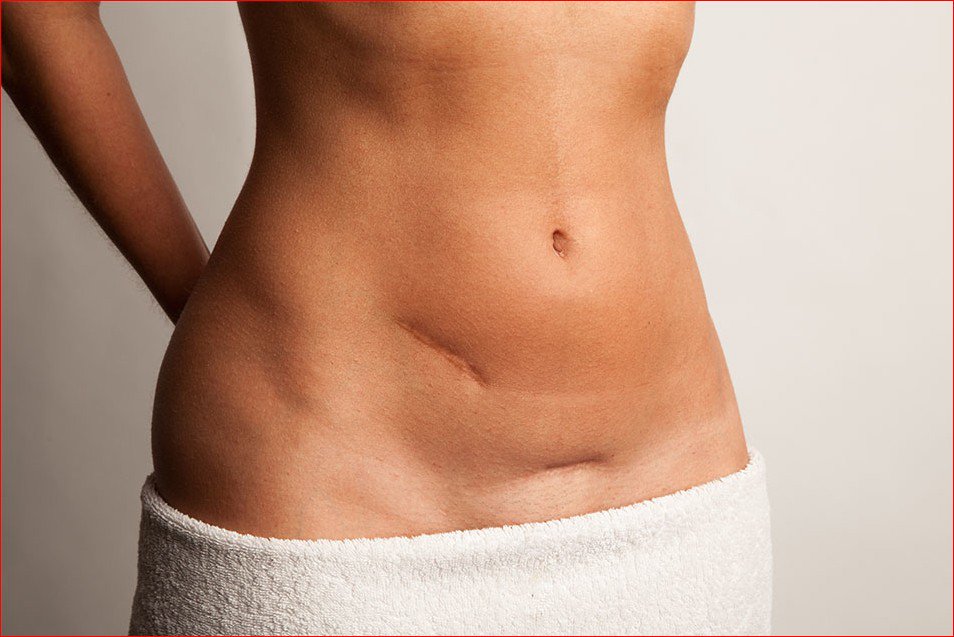
Surgical removal is often needed when non-surgical treatments fail. Contracture scars, which tighten the skin, can limit movement. Large or deep scars may also require surgery. Plastic surgeons recommend surgery for scars that cause functional problems.

Excision Technique

Excision involves cutting out the scar tissue. The surgeon removes the entire scar and then stitches the wound closed. This technique works well for small scars. Healing time varies but usually takes a few weeks.

Grafting Method

Skin grafting is used for larger scars. Healthy skin from another part of the body replaces the removed scar tissue. This method helps in areas where there is insufficient skin to close the wound naturally. Wound healing after grafting can take longer and requires proper care.

Flap Surgery

Flap surgery uses nearby healthy skin to cover the scarred area. Unlike grafts, flaps retain their own blood supply. This makes them more suitable for complex or large scars. Surgeons use this technique to ensure better integration with existing tissues.

Potential Risks

Every surgical procedure carries risks. Infections can occur if wounds are not properly cared for post-surgery. There might be bleeding during or after surgery. Poor wound healing could lead to new scars forming.

Choosing an Experienced Surgeon

Selecting an experienced plastic surgeon is crucial for successful outcomes. An expert will minimize risks and manage complications effectively. They will also provide detailed aftercare instructions to promote optimal healing.

Closing Incisions

Traditional Suturing

Surgeons often use traditional sutures to close incisions. These stitches hold the skin together as it heals. They reduce tension on the wound and help align the skin edges. Proper alignment is crucial for a neat scar.

Sutures come in various materials. Some dissolve over time, while others need removal. The choice depends on the location and size of the injury.

Skin Adhesives

Skin adhesives are another option for closing incisions. They work well on small wounds with minimal tension. The adhesive forms a bond between the top layers of skin, holding them together.

These adhesives are quick to apply and can be less painful than stitches. They also eliminate the need for suture removal, making post-surgery care easier.

Staples

Staples are used for larger or more complex wounds. They provide strong support and can be applied quickly. This makes them ideal for areas under high stress or movement.

However, staples might leave more noticeable marks than other methods. Surgeons decide based on the injured area and expected movement during healing.

Impact on Scar Appearance

The closure technique affects how a scar looks after healing. Sutures can result in fine lines if placed correctly. Adhesives may leave minimal marks but are not suitable for all wounds.

Staples might cause more visible scars due to their size and shape. Each method has pros and cons depending on the direction of tension and wound location.

Healing Process

Proper closure aids in faster healing by reducing inflammation and infection risks. Techniques like suturing align blood vessels, promoting better blood flow to the area.

This alignment helps nutrients reach the site, speeding up recovery during the inflammatory phase of healing.

Importance of Wound Care

Post-surgery care is vital for good results. Keeping the wound clean prevents infection, which can worsen scarring.

Patients should follow their surgeon’s instructions closely:

  • Cleanse the wound gently.

  • Avoid excessive movement that could stress the incision.

  • Monitor for signs of infection like redness or swelling.

  • Attend follow-up appointments for suture or staple removal if needed.

Overview of Surgical Scar Improvement Techniques

Latest Advancements

Recent advancements in scar improvement include minimally invasive procedures and laser technology. Minimally invasive techniques use smaller incisions, reducing tissue damage and recovery time. These methods often result in less noticeable scars.

Laser technology has also improved significantly. Lasers can target specific layers of the skin to reduce scar visibility. Fractional lasers create tiny wounds that stimulate collagen production, which helps in scar healing.

Criteria for Success

Evaluating the success of scar revision surgery involves several criteria:

  • Patient satisfaction: How happy the patient is with the results.

  • Improvement in scar appearance: Reduction in redness, texture, and size.

  • Functionality: Whether the surgery restores normal movement or function if the scar was restrictive.

Doctors often use scales like the Patient and Observer Scar Assessment Scale (POSAS) to measure these outcomes.

Realistic Expectations

Setting realistic expectations is crucial for successful scar revision. Patients should understand that while scars can be improved, they might not disappear entirely. A comprehensive treatment plan includes both surgical and non-surgical options.

Non-surgical treatments like silicone sheets or steroid injections can complement surgical methods. Combining different techniques often yields better results.

Summary

Scar revision techniques offer a way to improve the appearance of scars, whether they’re from surgery, injury, or other causes. Understanding the types of scars and available treatments helps you make informed decisions about your options. The steps in scar revision surgery, anesthesia choices, and treatment processes are crucial for achieving the best results.

If you’re considering scar revision, consult with a qualified specialist to discuss the best approach for your needs. Take control of your skin’s appearance and boost your confidence. Don’t wait—explore your options today and start your journey to smoother, clearer skin. Your path to improved skin health is just a consultation away.

Frequently Asked Questions

What are the common types of scars?

Common types include hypertrophic scars, keloid scars, contracture scars, and acne scars. Each type requires a specific treatment approach.

How is anesthesia used in scar revision surgery?

Anesthesia ensures patient comfort during surgery. Local or general anesthesia may be used depending on the procedure’s complexity.

What steps are involved in scar revision surgery?

Steps include consultation, anesthesia administration, surgical removal or modification of the scar, and closing the incision.

Can all scars be completely removed?

Complete removal isn’t always possible. However, significant improvement in appearance can be achieved through various techniques.

How long is the recovery period after scar revision surgery?

Recovery typically takes 1-2 weeks. Full results may take several months to become visible as the skin heals.

What are non-surgical treatments for scars?

Non-surgical options include laser therapy, steroid injections, dermabrasion, and silicone sheets. These can reduce scar visibility.

Is scar revision covered by insurance?

It depends on your policy. Cosmetic procedures are usually not covered unless deemed medically necessary. Always check with your insurer.


HydraFacial: Pros, Cons, and How It Compares to Other Treatments

Understanding HydraFacial

Non-invasive Treatment

HydraFacial is a non-invasive skincare treatment. It combines several steps: cleansing, exfoliation, extraction, hydration, and antioxidant protection. This makes it unique compared to other treatments.

The Process

The process uses a patented device. This device performs all the steps in one session. First, it cleanses your skin by removing dirt and oil. Then, it exfoliates to get rid of dead skin cells.

Next, the device extracts impurities from pores. Finally, it hydrates the skin with moisturizing serums and applies antioxidants for protection.

Versatility of Treatments

HydraFacial can address various skin concerns. It helps with aging by reducing fine lines and wrinkles. It also treats acne by cleaning out clogged pores.

Many people see an improvement in their hydrated skin after just one session. Experts recommend regular treatments for best results.

Key Benefits

Immediate Results

HydraFacial treatments offer immediate and visible improvements. Skin texture becomes smoother after just one session. Tone also improves, giving a more youthful appearance. Many people notice these changes right away.

Enhanced Hydration

Hydration is crucial for healthy skin. HydraFacial treatments deeply hydrate the skin. This helps to maintain a fresh and glowing look. The hydration process also reduces signs of aging like fine lines.

No Downtime

One major advantage is the lack of downtime. There is no need for pre-treatment preparation or post-treatment recovery. You can resume your daily activities immediately after the session.

Pain-Free Experience

The treatment is painless. Unlike other facial options that might cause discomfort, HydraFacial uses a gentle approach. This makes it suitable for all skin types, even sensitive ones.

Rich in Antioxidants

HydraFacial boosts antioxidant levels in the skin. This helps to fight free radicals that damage skin cells. The antioxidants also aid in repairing and protecting the skin from environmental stressors.

Customizable Treatments

Treatments are customizable based on individual needs. Whether you have oily, dry, or combination skin, there are specific steps tailored for you. This ensures optimal results for everyone.

Non-Invasive Procedure

The procedure is non-invasive and does not involve needles or lasers. It uses a special device with a spiral tip that cleanses, exfoliates, and hydrates the skin using serums.

Skin Inclusivity

Suitable for All

HydraFacials work well on all skin types. This includes sensitive skin. The treatment is gentle yet effective. It does not irritate or cause redness.

Addressing Concerns

HydraFacial treatments target specific skin concerns. They help with acne and wrinkles. Younger people with acne benefit from the deep cleaning. Older adults see reduced fine lines and wrinkles.

Diverse Skin Tones

HydraFacials are safe for all skin tones. They do not cause hyperpigmentation. This is crucial for darker skin tones, which are prone to discoloration.

Improving Texture

The treatment improves skin texture and tone. It exfoliates dead cells, leaving smoother skin behind. The result is an even tone and radiant glow.

Promoting Health

HydraFacials boost overall skin health. They hydrate and nourish the skin deeply. This promotes long-term benefits like glowing, healthy skin.

Zero Downtime

Immediate Resumption

Patients can resume normal activities right after a HydraFacial. This makes it perfect for those with busy schedules. There’s no need to hide away or take time off work. Skin will not be red or irritated, unlike other treatments.

Contrast with Invasive Procedures

More invasive procedures often require recovery periods. Laser treatments, for example, can cause redness and peeling. Chemical peels may lead to several days of downtime. HydraFacial stands out because there is no such recovery needed.

Ideal for Busy Lifestyles

Due to the non-disruptive nature of the procedure, one can schedule a HydraFacial during lunch breaks. It takes about 30 minutes to complete. This allows individuals to fit it into their day easily.

Perfect Before Events

HydraFacials are great before special events. Since there’s no downtime, patients can get glowing skin without planning days ahead. It’s ideal before weddings, parties, or important meetings.

Gentle Extractions

Vacuum Technology

HydraFacials use advanced vacuum technology. This method provides a gentler alternative to manual extractions. Instead of using tools or fingers, the vacuum suction removes impurities from the skin. This process is less invasive and reduces discomfort.

The vacuum technology works by creating a vortex effect. It pulls out dirt and oil from deep within the pores. The suction also helps to exfoliate the skin, leaving it smooth and clean.

Reduction in Discomfort

Traditional extraction methods can be painful. They often involve pressing and squeezing the skin, which may cause redness and swelling. HydraFacials minimize these issues by using vacuum suction.

The gentle nature of this technique leads to fewer side effects. Most people experience little to no discomfort during the treatment. There is also a lower risk of skin trauma, making it suitable for sensitive skin types.

Clearing Pores Effectively

HydraFacials are effective at clearing pores without causing damage. The vacuum technology unclogs pores by removing blackheads and whiteheads gently. This process helps to prevent future breakouts.

HydraFacials use serums that contain glycolic acids and other beneficial ingredients. These serums enhance the exfoliation process and promote healthier skin. They can improve overall complexion without harsh scrubbing.

Benefits Over Traditional Methods

There are several benefits of HydraFacial extractions over traditional methods:

  • Less Painful: The vacuum suction is more comfortable.

  • Reduced Redness: Less pressure on the skin means less irritation.

  • Lower Risk: Less chance of scarring or bruising.

  • Quick Recovery: Minimal downtime needed after treatment.

Tailored Treatments

Customizable Nature

HydraFacials are highly customizable. Each treatment can be tailored to individual skin needs and goals. This allows for a personalized approach to skincare.

Different serums can be mixed and matched. These serums target specific issues like dryness, aging, or acne. For example, a hydrating serum can help with dry skin, while an anti-aging serum can reduce fine lines.

Techniques

The device’s suction power is adjustable. This feature caters to sensitive areas of the face. For instance, the suction can be gentler around the eyes and stronger on the cheeks.

Adjusting the suction power helps avoid irritation. It ensures that each part of the face receives appropriate care. Sensitive skin benefits from this adjustability.

Cosmetic Treatments

HydraFacials offer more than just cleansing. They provide a range of cosmetic treatments in one session. This includes exfoliation, extraction, hydration, and protection.

Combining these steps makes HydraFacial efficient. It saves time compared to separate treatments for each step. The comprehensive nature of HydraFacial is a significant advantage.

Facial Treatment

A HydraFacial session typically lasts 30-45 minutes. This short duration makes it convenient for busy individuals. Despite its brevity, it delivers noticeable results.

No downtime is needed after a HydraFacial. People can return to their daily activities immediately. This convenience adds to its appeal as a facial treatment option.

Important Considerations

Consulting Professionals

People should consult a skincare professional before getting a HydraFacial. This helps discuss potential risks and benefits. Professionals can assess individual skin types. They can provide personalized advice.

Consultations ensure the treatment suits specific needs. For example, those with sensitive skin might require adjustments. It’s essential to ask questions during these consultations. Understanding the process reduces anxiety and ensures better results.

Skin Health

Considering one’s overall skin health is crucial. Active issues like acne or rosacea may affect outcomes. Discussing these concerns with a professional helps tailor the treatment.

People with severe skin conditions should be cautious. Some treatments might aggravate existing problems. A thorough evaluation of skin health ensures safety and effectiveness.

Cost Evaluation

Evaluating the cost of HydraFacial treatments is important. Prices vary based on location and provider expertise. On average, a single session costs between $150 to $300.

Frequency of treatments also impacts budget planning. Regular sessions are often recommended for optimal results. Monthly treatments could add up quickly, making it essential to consider long-term affordability.

Frequency Recommendations

HydraFacials are often recommended once a month for maintenance. This frequency helps maintain clear and hydrated skin. However, some people might need more frequent sessions initially.

Discussing frequency with a skincare professional helps set realistic expectations. It ensures that the regimen fits within one’s lifestyle and budget.

Potential Side Effects

Mild Reactions

HydraFacial treatments can cause mild side effects. Temporary redness and sensitivity are common. These effects usually appear right after the treatment. Women with sensitive skin might experience more noticeable redness.

Allergies and Sensitivities

It’s crucial to inform the practitioner about any allergies or skin sensitivities before the procedure. This disclosure helps in choosing the right products and techniques. Practitioners can avoid ingredients that may trigger a reaction.

Short-lived Effects

Most side effects from HydraFacials are short-lived. Redness often fades within a few hours. Sensitivity also decreases quickly, allowing you to resume normal activities soon after.

Rare Complications

Severe reactions are rare but possible. Some individuals may experience prolonged redness or irritation. If symptoms persist, it’s important to contact a healthcare professional.

Not Suitable for Some

Pregnant Women

HydraFacials are not recommended for pregnant women. Many skincare treatments pose risks during pregnancy. The chemicals used in HydraFacials can be harmful to the developing baby.

Pregnancy alters the skin’s sensitivity. This makes it more prone to reactions. It’s safer to avoid unnecessary risks.

Certain Skin Conditions

Individuals with certain skin conditions should avoid HydraFacials. Those with rosacea or eczema may experience flare-ups. The treatment can irritate sensitive skin.

People with severe acne should also be cautious. The process might aggravate their condition, causing more breakouts.


Allergies and Sensitivities

People with allergies to specific ingredients used in HydraFacials need to be careful. Common allergens include salicylic acid and glycolic acid. These substances can cause adverse reactions.

It’s crucial to consult a dermatologist before undergoing the treatment. They can identify potential allergens and suggest alternatives.

Recent Surgery or Treatments

Individuals who have had recent facial surgery should avoid HydraFacials. The skin needs time to heal after invasive procedures. Exposing it to additional treatments can delay recovery.

Those who have undergone chemical peels or laser treatments should also wait. Combining these with a HydraFacial can lead to excessive irritation and damage.

Alternative Treatments

For those unable to undergo HydraFacial treatments, there are alternatives:

  • Gentle Facials: These use mild products suitable for sensitive skin.

  • Microdermabrasion: Less intense than chemical peels, this option is effective but gentler.

  • Consultations: Always seek advice from healthcare providers or dermatologists before starting any new skincare routine.

Comparing Treatments

Microdermabrasion vs. HydraFacial

Microdermabrasion and HydraFacial are popular skin treatments. Both aim to improve skin texture and appearance. However, there are key differences.

HydraFacial uses a gentler approach. It combines cleansing, exfoliation, extraction, hydration, and antioxidant protection in one procedure. Clinical studies show that HydraFacial is less abrasive than microdermabrasion. This makes it suitable for sensitive skin types.

Recovery time is quicker with HydraFacial. Patients can return to normal activities immediately after the treatment. Microdermabrasion often requires a few days of downtime due to redness and irritation.

Microneedling vs. HydraFacial

Microneedling involves tiny needles creating micro-injuries on the skin’s surface. This stimulates collagen production and improves skin texture over time.

HydraFacial differs significantly in its procedure. It does not involve needles or cause injury to the skin. Instead, it uses a specialized device that delivers serums while exfoliating the skin.

Expected outcomes also vary between the two treatments. Microneedling is effective for treating scars and deep wrinkles but may cause temporary discomfort and redness.

HydraFacial offers immediate results with minimal discomfort. It provides deep hydration and a radiant glow right after the session.

Different skin types benefit from each treatment differently. Microneedling suits those with acne scars or severe wrinkles better. HydraFacial is ideal for people looking for a non-invasive option with no downtime.

Efficiency and Comfort

Among med spa treatments, HydraFacial stands out for its efficiency and comfort level.

The entire procedure takes about 30 minutes to complete. Patients experience little to no discomfort during the process.

Results are visible immediately after treatment, making it popular among individuals seeking quick improvements before events or special occasions.

HydraFacial’s unique combination of steps—cleansing, exfoliation, extraction, hydration—sets it apart from other treatments that focus on just one aspect of skincare.

Closing Thoughts

HydraFacial offers a range of benefits, from tailored treatments to zero downtime. It’s a versatile option for many skin types, providing gentle extractions and inclusivity. However, it’s important to weigh the potential side effects and suitability before diving in.

Ready to see if HydraFacial is right for you? Talk to a skincare professional today. Dive deeper into your skincare journey and discover what works best for your unique needs. Your skin deserves the best care possible.

Frequently Asked Questions

What is a HydraFacial?

A HydraFacial is a non-invasive skincare treatment. It cleanses, exfoliates, and hydrates the skin using a specialized device.

What are the key benefits of HydraFacial?

HydraFacial offers deep cleansing, hydration, and improved skin texture. It suits all skin types and provides instant results with no downtime.

Are HydraFacials suitable for sensitive skin?

Yes, HydraFacials are gentle and customizable. They can be tailored to suit sensitive skin without causing irritation.

Is there any downtime after a HydraFacial?

No, there is zero downtime. You can resume normal activities immediately after the treatment.

Can everyone get a HydraFacial?

Not everyone is a candidate for HydraFacials. People with active rashes or sunburn should avoid it.

What are potential side effects of a HydraFacial?

Potential side effects include mild redness or tightness. These usually subside within a few hours.

How does HydraFacial compare to other treatments?

HydraFacials offer immediate results with no discomfort or downtime, unlike some other treatments that may require recovery time.

Mini Tummy Tuck Cost: Average Prices, Extra Fees & Financing

Exploring Tummy Tuck Varieties

Mini Tummy Tuck

A mini tummy tuck focuses on the lower part of the abdomen, targeting abdominal fat through cosmetic surgery. It is suitable for patients with mild skin laxity and a small amount of excess fat below the belly button seeking a cosmetic procedure. This procedure involves a shorter horizontal incision compared to other types of tucks in plastic surgery.

Patients often experience quicker recovery times with a mini tummy tuck plastic surgery on the stomach to remove excess fat. The scar is smaller, making it less noticeable. However, it does not address issues above the belly button or significant abdominal muscle repair, plastic surgery, mini tummy tuck cost, information, carecredit.

Full Tummy Tuck

A full tummy tuck addresses both the upper and lower abdomen in plastic surgery, and can be financed with CareCredit. It is ideal for individuals with loose skin, stretch marks, and weakened abdominal muscles across a larger area, considering the tummy tuck cost. The surgery involves a horizontal incision from hip to hip and around the belly button.

This procedure tightens abdominal muscles and removes excess skin and fat. Recovery takes longer than a mini tummy tuck, but it provides more comprehensive results. Patients can expect improved contour and firmness in their entire abdominal area.

Extended Tummy Tuck

An extended tummy tuck goes beyond the standard full tummy tuck. It targets the abdomen, flanks, and sometimes the lower back. This option is best for those who have lost significant weight or have extensive skin laxity.

The surgery involves an extended horizontal incision that wraps around the hips. It allows for removal of more excess skin and fatty tissue. Recovery can be longer due to the extent of the surgery, but it offers dramatic improvements in body shape.

Choosing the Right Procedure

Consulting with a plastic surgeon is crucial when deciding on a tummy tuck type. Each patient’s needs are unique, so personalized advice ensures optimal outcomes. Surgeons evaluate factors like:

  • Amount of excess skin

  • Location of abdominal fat

  • Condition of abdominal muscles

  • Overall health status

What Is a Mini Tummy Tuck

Definition

A mini tummy tuck focuses on the lower abdomen. It removes excess skin and fat below the belly button. Unlike a full tummy tuck, it does not address the upper abdomen.

Procedure Scope

The mini tummy tuck is less invasive. Surgeons make a smaller incision compared to a full tummy tuck. The procedure usually lasts 1-2 hours. Recovery time is shorter, often around two weeks.

Recovery Time

Patients experience quicker recovery with a mini tummy tuck. Most return to normal activities within two weeks. Full recovery may take up to six weeks.

Typical Candidates

Ideal candidates have minimal excess skin and fat in the lower abdomen. They are often in good health and close to their ideal weight. Those who cannot remove stubborn belly fat through exercise may consider this option.

Benefits

A mini tummy tuck offers several benefits:

  • Shorter surgery time

  • Smaller scar

  • Faster recovery

Average Cost of Mini Tummy Tuck

Cost Range

The average cost of a mini tummy tuck ranges from $5,037 to $11,873. This range depends on several factors. These include the complexity of the surgery and the specific needs of the patient. The lower end represents simpler cases. The higher end covers more complex procedures.

U.S. Average

In the United States, the average cost is approximately $6,247. This figure gives a general idea but might not cover all expenses. It typically includes surgeon fees and anesthesia costs. However, it may not account for additional charges like facility fees or post-operative care.

Geographic Variability

Costs can vary widely based on geographic location. In larger cities, prices tend to be higher due to increased demand and higher living costs. For example, a mini tummy tuck in New York City will likely cost more than one in a smaller town in the Midwest.

Surgeon Experience

Surgeon experience also plays a significant role in determining costs. More experienced surgeons often charge higher fees due to their expertise and reputation. Patients might prefer paying more for an experienced surgeon to ensure better results.

Additional Costs

Other expenses may arise during the process:

  • Pre-surgery consultations

  • Post-surgery garments

  • Follow-up visits

  • Medications

These additional costs should be considered when budgeting for a mini tummy tuck.

Insurance Coverage

Most insurance plans do not cover cosmetic procedures like mini tummy tucks. However, if there is a medical necessity, such as repairing abdominal muscles after pregnancy or weight loss surgery, some coverage might be possible.

Understanding Additional Expenses

Anesthesia Fees

A mini tummy tuck requires anesthesia. This ensures you don’t feel pain during the procedure. Anesthesia fees can vary widely. They depend on the type of anesthesia used and the duration of the surgery. Typically, these fees range from $500 to $1,000.

Surgical Center Fees

The location where your surgery takes place affects the cost. Surgical center fees include operating room charges and staff costs. These expenses can add up quickly. On average, expect to pay between $1,000 and $3,000 for this.

Post-Surgery Garments

After surgery, you’ll need special garments. These help reduce swelling and support healing. Post-surgery garments are essential but come at an extra cost. Prices for these items range from $50 to $200 each.

Medical Tests

Before your mini tummy tuck, you might need medical tests. These ensure you’re healthy enough for surgery. Common tests include blood work and EKGs. The cost of these tests can be around $100 to $300.

Prescription Medications

Post-surgery recovery often involves medications. Pain relievers and antibiotics are typical prescriptions after a mini tummy tuck. These medications prevent infection and manage discomfort. Budgeting for these is important as they can cost between $20 to $100.

Consultations with Surgeons

Consultations help you understand all potential costs involved in a mini tummy tuck. During these meetings, surgeons provide comprehensive estimates covering every expense category:

  • Anesthesia

  • Surgical center fees

  • Post-surgery garments

  • Medical tests

  • Prescription medications

Financing Your Procedure

CareCredit Option

CareCredit is a popular financing option for many cosmetic procedures, including mini tummy tucks. It allows you to pay for the surgery over time. This can make the price tag more manageable. CareCredit works like a credit card but is specifically for health and wellness expenses.

You can use CareCredit not only for cosmetic surgery but also for other medical needs. This includes dental work, vision care, and even veterinary services. It offers different payment plans to suit various budgets.

Exploring Plans

It’s essential to explore different financing plans before committing to one. Some plans may offer interest-free periods if paid within a certain time frame. Others might have lower interest rates but longer repayment terms.

Talking to your surgeon or surgical center about available options can provide valuable insights. Many practices have partnerships with financing companies like CareCredit.

Health Insurance

Most health insurance plans do not cover cosmetic procedures like mini tummy tucks. However, it’s still worth checking with your provider. In rare cases, part of the procedure might be covered if deemed medically necessary.

For example, if excess skin causes health issues, insurance might cover a portion of the cost. Always consult your insurance company for specifics.

Additional Costs

Don’t forget about additional costs associated with the procedure. Anesthesia fees, surgeon fees, and facility charges are common expenses. You might also need to buy a compression garment post-surgery.

e patients require follow-up visits or additional treatments, which add to the overall cost. Make sure to budget for these extra expenses when planning your procedure.

Payment Options

Besides CareCredit, there are other ways to finance your mini tummy tuck:

  • Personal loans

  • Medical credit cards

  • Savings accounts

  • Flexible spending accounts (FSAs) or health savings accounts (HSAs)

Each option has its pros and cons. Comparing them will help you find the best fit for your financial situation.

Procedure Overview

Consultation

The first step is the consultation. The patient meets with a board-certified provider. They discuss goals and expectations. The provider examines the abdominal area. They determine if a mini tummy tuck is suitable.

Pre-Surgery Preparations

Before surgery, patients need to prepare. This includes medical evaluations and lab tests. Patients must stop smoking weeks before surgery. They should also avoid certain medications.

Surgery Day

On surgery day, patients receive general anesthesia. This ensures they feel no pain during the procedure. The surgeon makes a small incision above the pubic area. This incision is usually shorter than in a full tummy tuck.

Removing Excess Skin

The surgeon removes excess skin from the lower abdomen. They may also tighten underlying muscles if needed. Unlike a full tummy tuck, this procedure does not address flanks or upper abdominal areas.

Closing the Incision

After removing excess skin, the surgeon closes the incision with sutures. They might use special techniques to minimize scarring.

Recovery Room

Once the surgery is complete, patients move to a recovery room. Medical staff monitor them until they wake up from anesthesia.

Post-Surgery Care

Patients receive detailed post-surgery care instructions. These include how to care for the surgical site and what activities to avoid.

Duration of Surgery

A mini tummy tuck typically takes 1-2 hours to complete. It’s less invasive compared to a full tummy tuck, which can take longer.

Recovery and Results

Recovery Time

Recovery from a mini tummy tuck takes about two to four weeks. Most patients can return to work within a week, but this varies. Swelling and bruising are common in the first few days. Patients should avoid strenuous activities for at least four weeks.

Post-Operative Care

Following post-operative care instructions is crucial. Patients must keep the surgical area clean and dry. Doctors may prescribe medications to manage pain and prevent infection. Wearing compression garments helps reduce swelling and supports healing.

Physical Activity

Light walking is encouraged soon after surgery. It promotes blood flow and reduces the risk of blood clots. However, heavy lifting and intense exercise should be avoided for several weeks. Gradually resuming normal activities ensures better recovery.

Long-Term Results

The results of a mini tummy tuck can be long-lasting with proper care. Many patients see significant improvements in body contour. The procedure removes excess skin and fat, leading to a flatter stomach. Patients often report increased confidence post-surgery.

Potential Complications

While many patients recover smoothly, complications can occur. These include infection, bleeding, or poor wound healing. Following all medical advice reduces these risks significantly.

Comparing Mini and Full Tummy Tucks

Targeted Areas

A mini tummy tuck focuses on the lower abdomen. It is ideal for those with excess skin or fat below the navel. This procedure tightens only the muscles in this specific area.

A full tummy tuck addresses the entire abdominal area. It removes excess skin and fat from both the upper and lower abdomen. The surgeon also tightens the muscles across the whole stomach region.

Recovery Time

Recovery from a mini tummy tuck is usually quicker. Patients often return to normal activities within two weeks. The smaller incision means less healing time.

A full tummy tuck requires more recovery time. Patients may need four to six weeks before resuming regular activities. The larger incision demands more care and rest.

Scarring Differences

Mini tummy tucks leave a smaller scar. The incision is typically made just above the pubic area, making it easier to conceal under clothing.

Full tummy tucks result in a longer scar, spanning from hip to hip. This scar can be more noticeable but fades over time with proper care.

Choosing Based on Goals

Patients should consider their goals when choosing between procedures. A mini tummy tuck suits those with minor issues in the lower abdomen. It offers a less invasive option with quicker recovery and minimal scarring.

A full tummy tuck benefits those needing extensive correction throughout the abdomen. This option provides comprehensive results but involves longer recovery and more significant scarring.

Closing Thoughts

A mini tummy tuck can be a game-changer for those seeking a flatter, more toned abdomen without the extensive surgery of a full tummy tuck. By understanding the costs, additional expenses, and financing options, you can make an informed decision that suits your needs and budget.

Ready to take the next step? Consult with a qualified surgeon to explore your options and embark on your journey to a rejuvenated you. Your dream body is within reach—take charge of your confidence today!

Frequently Asked Questions

What is a mini tummy tuck?

A mini tummy tuck targets the lower abdomen. It involves less extensive surgery compared to a full tummy tuck, resulting in shorter recovery time.

How much does a mini tummy tuck cost?

The average cost of a mini tummy tuck ranges from $3,500 to $8,000. Prices vary based on location and surgeon expertise.

Are there additional expenses for a mini tummy tuck?

Yes, additional costs may include anesthesia, facility fees, and post-surgery garments. Always discuss these with your surgeon beforehand.

Can I finance my mini tummy tuck procedure?

Many clinics offer financing options. Look into payment plans or medical credit cards to manage the cost over time.

How long is the recovery period for a mini tummy tuck?

Recovery typically takes 1-2 weeks. However, full healing can take several months. Follow your surgeon’s advice for optimal results.

What are the benefits of choosing a mini tummy tuck over a full one?

A mini tummy tuck has a shorter recovery time and smaller incision. It’s ideal for those with minimal excess skin below the navel.

How do I choose between a mini and full tummy tuck?

Consult with an experienced plastic surgeon. They will assess your needs and recommend the best option based on your goals and anatomy.

Liposuction Scars: Top Tips & Treatments to Minimize Them

Key Takeaways

  • Understand Scar Formation: Liposuction scars, including keloid scarring, are a natural part of the healing process following the fat removal procedure in cosmetic surgery, which may also result in loose skin. Knowing why they form helps you manage expectations.

  • Influencing Factors: Factors like skin type, genetics, and post-op care significantly impact keloid scars and liposuction scars appearance. Tailor your care routine accordingly.

  • Incision Site Matters: The location of incisions, such as in skin folds or the treatment area, can affect scar visibility, including keloid scars and liposuction scars. Discuss options with your surgeon to minimize noticeable scarring.

  • Effective Treatments: Silicone sheets, peels, dermabrasion, cryotherapy, and laser therapy offer various ways to reduce the appearance of keloid scars and liposuction scars. Consult with a specialist at the clinic to choose the best scar removal option and proper scar care for the treatment area.

  • Post-Lipo Care: Proper post-operative care, including staying hydrated and avoiding sun exposure in the treatment area, is crucial to minimizing scars after liposuction.

  • Consult Professionals: Always seek advice from qualified professionals for personalized scar treatment plans, including liposuction scars, and follow their guidelines closely for your body.

Understanding Liposuction Scars

Microscopic Scarring

All surgical procedures cause microscopic scarring. Liposuction is no exception. Fat cells are removed through small incisions, causing tiny injuries to the skin and underlying tissues, which may result in liposuction scars in the treatment area. These injuries heal with scar tissue at a microscopic level in the body, similar to liposuction scars.

Modern Techniques

Modern techniques aim to reduce visible scars. Tumescent liposuction uses smaller instruments and precise methods. Surgeons make tiny incisions, often less than a centimeter long, for liposuction scars and proper scar care on the body. This approach helps minimize noticeable scars.

Visible Scars

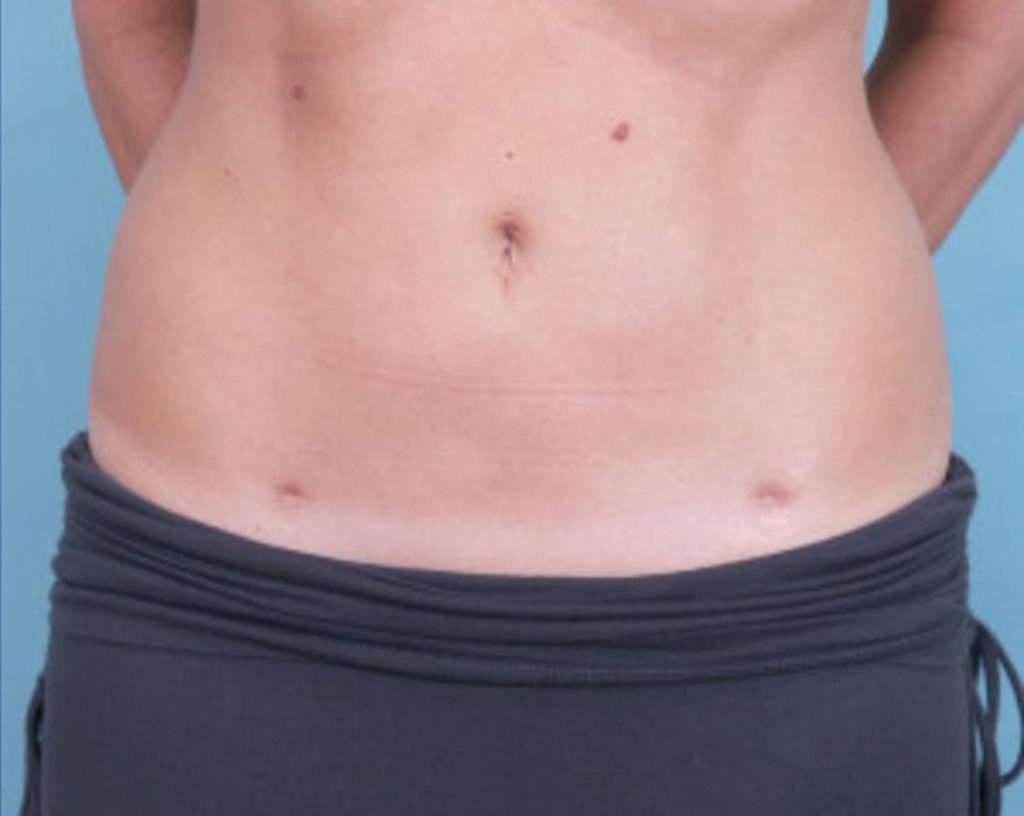
Visible scars from liposuction are usually minimal. They often appear as small dots or freckles on the body, similar to liposuction scars requiring scar care. These scars can fade over time, becoming less noticeable.

Incision Sites

Surgeons choose incision sites carefully. They place them in natural body creases or hidden areas for liposuction scars and scar care. This strategic placement helps conceal any visible scarring.

Healing Process

The healing process affects scar appearance. Proper care can help scars heal better and become less visible. Following post-operative instructions is crucial for optimal healing.

Factors Influencing Scarring

Age

Age plays a significant role in scarring. Older individuals may experience slower healing. Their skin loses elasticity, making scars more noticeable. Younger patients often heal faster. Their skin is more resilient after liposuction, leading to less visible scars.

Genetics

Genetics also impact scar formation. Some people are genetically predisposed to form thicker scars. Others might heal with minimal scarring. Family history can provide clues about how one’s body heals, including factors like liposuction and scar care.

Skin Type

Skin type affects the appearance of scars. Oily skin may develop more prominent scars due to increased sebum production. Dry skin might result in finer lines but could take longer to heal, affecting scar care.

Hyperpigmentation

Darker-skinned patients may face hyperpigmentation issues. The area around the scar can darken after surgery. This discoloration usually fades over time but can last several months with proper scar care after liposuction.

Keloid Formation

Keloids are rare in liposuction procedures. The small incisions used reduce this risk significantly. However, those prone to keloids should discuss scar care concerns with their doctor.

Incision Sites and Scarring

Strategic Placement

Surgeons choose incision sites carefully to reduce visible scarring. They often make small incisions in hidden areas like the belly button or along natural body lines for liposuction and scar care. This makes scars less noticeable after healing.

Impact of Location and Size

The location and size of an incision affect scar visibility in liposuction. Smaller incisions during liposuction lead to tiny scars that are harder to see. Large incisions can result in more significant scarring. The surgeon’s skill also plays a role in this.

Target Areas

Incision points vary based on targeted fat deposits. For example, incisions for abdominal liposuction may be different from those for thigh liposuction. Each area requires a specific approach to minimize visible scars from liposuction.

Skin Folds and Natural Lines

Making incisions along skin folds or natural lines during liposuction helps hide scars. These areas naturally conceal marks better than flat skin surfaces. Surgeons use these techniques to improve cosmetic outcomes.

Use of Cannula

A cannula is a thin tube inserted through the incision site during liposuction. It helps remove fat without making large cuts, which reduces the risk of keloid scarring and other complications associated with liposuction.

Qualified Surgeons

Choosing qualified surgeons is crucial for minimizing scarring. Experienced plastic surgeons know how to place incisions strategically and use advanced techniques, including liposuction, to reduce injury and promote better healing.

Treatment Options for Scars

Scar Care

Proper scar care is essential after liposuction. Follow your surgeon’s instructions carefully. Keep the liposuction treatment area clean and dry to prevent infection. Use recommended ointments or creams to aid the healing process.

Healing Process

The healing process varies for each person. It generally takes a few weeks to months for scars to fade. Patience is crucial during this period, as rushing liposuction recovery might worsen scarring.

Professional Assessment

A professional assessment can help determine the best treatment plan, including liposuction. Dermatologists or plastic surgeons evaluate the scar type, suggest appropriate treatments, and may recommend liposuction. They may recommend topical treatments, laser therapy, liposuction, or other methods.

Topical Treatments

Topical treatments are often used for minor scars. Silicone gels or sheets can reduce redness and improve texture. Regular application is necessary for several weeks for noticeable results.

Laser Therapy

Laser therapy is effective for more prominent scars. Different types of lasers target various skin layers to promote collagen production and reduce scar visibility. Multiple sessions may be needed.

Microneedling

Microneedling involves tiny needles creating micro-injuries in the skin. This stimulates collagen production and helps smooth out scars over time. It’s a minimally invasive option with minimal downtime.

Steroid Injections

Steroid injections can flatten raised scars. These are usually administered by a healthcare professional over several sessions. The injections help reduce inflammation and improve the appearance of thickened scars.

Surgical Options

In severe cases, surgical options might be considered. Scar revision surgery removes old scar tissue and repositions it to heal more evenly. This option is typically reserved for significant scarring issues.

Silicone Sheets and Scars

How They Work

Silicone gel sheets help hydrate scar tissue. This hydration softens the scar, making it less noticeable. The silicone creates a barrier that locks in moisture. This process can improve the appearance of scars over time.

Ease of Use

Silicone sheets are easy to use. Patients simply apply them to the affected area. They are non-invasive and do not require any special tools or procedures. Many patients prefer this method because it is simple and does not involve surgery.

Clinical Studies

Several clinical studies support the effectiveness of silicone gel sheets. A study published in 2002 showed significant improvement in scar appearance after regular use of silicone sheets. Another study in 2013 confirmed these findings, noting reduced redness and thickness in scars treated with silicone gel.

Long-Term Benefits

Using silicone sheets consistently can lead to long-term benefits. Over time, scars become softer and flatter. Many patients report feeling more confident about their appearance as a result.

Peels and Dermabrasion

Chemical Peels

Chemical peels can improve the appearance of liposuction scars. They work by removing the outer layers of skin. This process encourages new skin growth. The new skin is often smoother and less scarred.

Different types of chemical peels exist. Light peels use mild acids like alpha-hydroxy acid (AHA). These are suitable for minor scars. Medium peels use stronger acids like trichloroacetic acid (TCA). They penetrate deeper and are used for more noticeable scars.

Dermabrasion

Dermabrasion is another method to treat scars. It involves a plastic surgeon or dermatologist using a special tool. This tool sands down the top layers of skin. The sanding smooths out the scar tissue.

This procedure can be painful, so local anesthesia is usually applied. After treatment, the skin may appear red and swollen. Healing takes several days to weeks, depending on the depth of treatment.

Suitability for Different Scars

Not all scars respond equally to these treatments. Chemical peels are effective for shallow scars and hyperpigmentation. Deeper scars may need medium or deep peels.

Dermabrasion works well for raised scars like keloids but may not be suitable for those with loose skin. It can also help with uneven texture caused by fat removal procedures.

Skin Types Consideration

Skin type plays a crucial role in choosing between chemical peels and dermabrasion. Fair-skinned individuals generally experience better results from both treatments.

Darker-skinned people might face risks like hyperpigmentation or uneven skin tone after these procedures. Therefore, a thorough consultation with a practitioner is essential before proceeding.

Professional Evaluation

A professional evaluation is necessary to determine suitability for these treatments. A plastic surgeon will assess the severity of your scars during a consultation.

They will consider factors such as:

  • Type of scar: Keloid, hypertrophic, or atrophic.

  • Skin type: Fair, medium, or dark.

  • Previous treatments: Any prior cosmetic surgery or fat removal procedures.

  • Health conditions: Any underlying health issues that could affect healing.

Cryotherapy for Scar Care

Cryotherapy Introduction

Cryotherapy is a method to reduce scar size by freezing scar tissue. This technique uses extremely cold temperatures to treat the skin. It can improve the appearance of certain types of scars.

Process and Benefits

The process involves applying liquid nitrogen to the scar. This freezes the tissue, causing it to peel off over time. New skin forms in its place.

Benefits include:

  • Reduced scar size

  • Improved texture

  • Enhanced appearance

Cryotherapy is effective for hypertrophic scars. These are thick, raised scars that form after liposuction.

Considerations and Precautions

Cryotherapy is not suitable for everyone. Consult with a dermatologist before starting treatment.

Potential side effects include:

  • Skin irritation

  • Redness

  • Swelling

Wearing a compression garment post-treatment helps in healing. Proper care ensures better results.

Laser Therapy for Scars

How It Works

Laser therapy can reduce the appearance of scars. The laser targets and breaks down scar tissue. This helps new skin cells grow. The treated area becomes smoother over time.

Different lasers work in various ways. Some remove the outer layer of skin. Others penetrate deeper to target underlying tissues. Both methods aim to improve skin texture and color.

Types of Laser Treatments

There are different types of laser treatments available:

  • Ablative Lasers: These lasers remove the top layer of the skin. They are effective for deep scars.

  • Non-Ablative Lasers: These penetrate deeper without removing the top layer. They stimulate collagen production.

  • Fractional Lasers: These treat a fraction of the skin at a time, leaving surrounding areas untouched. This speeds up healing.

  • Pulsed-Dye Lasers: These target blood vessels within a scar, reducing redness and flattening keloid scars.

Each type caters to different scar characteristics. Ablative lasers are good for severe scarring, while non-ablative lasers suit mild scars.

Consult a Specialist

Consulting with a specialist is crucial before starting laser therapy. Specialists evaluate your scar type and skin condition. They recommend the most suitable laser treatment.

During consultation, discuss your medical history and any previous treatments. This helps in choosing an effective plan tailored to your needs.

Minimizing Scars Post-Lipo

Follow Instructions

Following post-liposuction care instructions is crucial. Surgeons provide specific guidelines to support healing. These instructions often include wearing compression garments. These garments help reduce swelling and support the treated areas.

Proper wound care is also vital. Keeping the incision sites clean prevents infection. Avoiding strenuous activities can prevent stress on the healing tissues.

Scar Treatments

Timely intervention with scar treatments can enhance outcomes. Options like silicone sheets or gels can be effective. They help flatten and soften scars over time.

Laser therapy, as mentioned earlier, is another option. It works by targeting scar tissue, promoting new skin growth. Consulting with a dermatologist early can make a significant difference.

Healthy Lifestyle

A healthy lifestyle influences scar healing and visibility. Maintaining a balanced diet provides essential nutrients for skin repair. Foods rich in vitamins A, C, and E are especially beneficial.

Avoiding smoking is critical. Smoking reduces blood flow to the skin, slowing down the healing process. Quitting smoking before and after surgery improves overall recovery.

Hydration Matters

Staying hydrated is important for skin health. Drinking plenty of water helps keep the skin supple and aids in healing.

Applying moisturizers regularly keeps the skin hydrated from the outside. Look for products containing hyaluronic acid or glycerin.

Sun Protection

Protecting scars from sun exposure is essential. UV rays can darken scars, making them more noticeable.

Using sunscreen with at least SPF 30 on exposed scars helps prevent this issue. Wearing protective clothing can also shield scars from direct sunlight.

Final Remarks

Liposuction scars can be a concern, but with the right care and treatments, you can minimize their appearance. From understanding the factors influencing scarring to exploring various treatments like silicone sheets, peels, cryotherapy, and laser therapy, you’re now equipped with valuable knowledge. This info empowers you to make informed decisions about your post-lipo care.

Don’t let scars hold you back. Take proactive steps to treat and prevent them effectively. Consult with your healthcare provider for personalized advice. If you found this guide helpful, share it with others who might benefit. Your journey to smoother skin starts now!

Frequently Asked Questions

What are liposuction scars?

Liposuction scars are small marks left on the skin after the procedure. They form at incision sites where the cannula was inserted.

How can I minimize liposuction scars?

To minimize scars, follow your surgeon’s aftercare instructions. Use silicone sheets and keep the area clean and moisturized.

Are there treatments to reduce liposuction scars?

Yes, treatments include silicone sheets, peels, dermabrasion, cryotherapy, and laser therapy. Consult a dermatologist for personalized advice.

Do all liposuction patients get scars?

Most patients have some scarring. However, the visibility varies based on factors like skin type, healing process, and incision care.

Where are common incision sites for liposuction?

Common incision sites include areas near the treatment zone such as the abdomen, thighs, and arms. These sites are chosen to be less noticeable.

Can laser therapy help with liposuction scars?

Yes, laser therapy can reduce scar appearance by promoting collagen growth and improving skin texture. It’s effective for many types of scars.

What factors influence the severity of liposuction scars?

Factors include skin type, genetics, surgeon skill, aftercare practices, and overall health. Proper care can mitigate severe scarring.

Extreme Liposuction: Quick Recovery Tips for High-BMI Patients

Key Takeaways

  • Consult a Specialist: Always consult with a qualified plastic surgeon and anesthesiologist to determine if you are a good candidate for high-BMI liposuction, fat loss, and sculpting procedure for healthy patients. Personalized medical advice is crucial.

  • Understand the Risks: Be aware of the higher risks associated with extreme liposuction, plastic surgery, and complications. Ensure your surgeon discusses potential complications and safety measures.

  • Consider Alternatives: Compare liposuction with other plastic surgery procedures like tummy tucks to study the most suitable option for your body and goals, consulting plastic surgeons for individual results.

  • Plan for Recovery: Prepare for a longer recovery process. Follow your plastic surgeon’s post-op care instructions after your liposuction procedure to ensure a smooth and effective healing period.

  • Focus on Health: Use liposuction as a tool for health improvement rather than just cosmetic changes, according to a study on plastic surgery. Pair it with lifestyle changes for sustainable weight management.

  • Evaluate Benefits: Understand the specific benefits high-BMI liposuction can offer, such as improved mobility and self-esteem, to make an informed decision; study potential complications and fluid balance issues, and consult a medline link.

Understanding High-BMI Liposuction

Definition and Purpose

High-BMI liposuction is a procedure designed for individuals with a higher body mass index, which may involve fluid, complications, and is often referenced in medline link studies. It aims to remove excess fat from specific areas of the body through the liposuction procedure. This type of liposuction helps those who struggle with weight loss through diet and exercise alone by removing fluid in the study room. The goal is to improve the patient’s overall body contour with lipo, minimizing room for complications and fluid retention.

Holistic Assessment

Candidates considering high-BMI liposuction undergo a holistic assessment. Doctors evaluate their overall health, medical history, lifestyle habits, and complications. They also discuss the patient’s goals and expectations. This comprehensive evaluation ensures that the patient is a suitable candidate for the lipo procedure using a wetting solution and fluid, as referenced in the medline link.

Doctors look at:

  • Medical conditions

  • Current medications

  • Previous surgeries

  • Weight stability

The assessment process may include blood tests, fluid analysis, and imaging studies et al. These help in planning the surgery safely and effectively.

Individualized Treatment Plans

There is no set BMI limit for high-BMI liposuction, fluid, medline link. Each treatment plan is individualized based on the patient’s unique needs, medline link, lipo, and fluid. Surgeons consider factors like fat distribution, skin elasticity, fluid, and overall health (medline link).

Key considerations include:

  • Amount of fat to be removed

  • Areas of the body to target

  • Potential risks and benefits

Qualifying for Extreme Lipo

Excellent Health

Candidates must be in overall excellent health. This is crucial because extreme liposuction, a major surgery, involves fluid management and medline link. It involves removing large amounts of fat and fluid from the body, et al. Any underlying health issues can complicate the procedure and fluid recovery.

Doctors will check for conditions like heart disease, diabetes, high blood pressure, or fluid. These conditions increase the risks during surgery. Patients with these conditions may not qualify.

Medical Clearance

A medical clearance from a primary care physician is required. This ensures that the patient is fit for surgery. The doctor will perform several tests. These include blood tests, EKGs, and other screenings.

The primary care physician will review the patient’s fluid medical history. They will look at past surgeries and current medications. If everything looks good, they will give a fluid clearance note et al.

Initial Consultation

The initial consultation is an important step. During this visit, the surgeon assesses if the patient qualifies for extreme lipo fluid. They will discuss the patient’s goals and expectations.

The surgeon examines the areas where fat removal is desired. They also evaluate skin elasticity and overall body composition. Photos might be taken to compare before and after results et al.

Assessment Process

After the consultation, there is an assessment process. The surgeon reviews all medical records and test results again. They ensure there are no hidden risks.

Patients receive detailed information about what to expect during and after surgery. This includes potential risks, benefits, and recovery timeframes.

Safety in High-BMI Procedures

Medical Clearance

Patients with a high BMI must receive medical clearance before undergoing extreme liposuction. Doctors assess overall health to ensure the procedure is safe. They check for conditions like high blood pressure and diabetes. This helps identify any risks that may arise during surgery.

A comprehensive pre-surgery assessment includes blood tests, heart evaluations, and other screenings. These tests help doctors understand the patient’s health status. The results guide the surgical team in creating a tailored plan for each patient.

Role of Partner Hospitals

Partner hospitals play a crucial role in ensuring safety during high-BMI liposuction procedures. These hospitals have specialized facilities and trained staff. They follow strict protocols to maintain patient safety throughout the process.

An experienced anesthesiologist administers general anesthesia during the surgery. General anesthesia ensures that patients are unconscious and pain-free. It also allows surgeons to perform the procedure more efficiently.

Use of General Anesthesia

General anesthesia is essential for extreme liposuction in high-BMI patients. It involves administering medication that makes the patient unconscious. This type of anesthesia is safer for extensive procedures.

The anesthesiologist monitors vital signs like heart rate, blood pressure, and body temperature throughout the surgery. This continuous monitoring helps detect any complications early on. Quick intervention can prevent serious issues from arising.

Comprehensive Pre-Surgery Assessment

A thorough pre-surgery assessment reduces risks associated with high-BMI liposuction. Doctors evaluate various factors, including:

  • Medical history: Reviewing past illnesses and surgeries

  • Physical examination: Checking current health status

  • Laboratory tests: Conducting blood work and other diagnostics

  • Imaging studies: Using X-rays or MRIs to view internal structures

These steps help identify potential problems before they occur.

Benefits for Plus-Sized Individuals

Body Contouring

Large-volume liposuction can reshape the body. It targets areas like the stomach, flanks, back, and thighs. Removing large amounts of excess fat helps create a more balanced figure.

Candidates often see a dramatic difference in their appearance. This procedure is especially beneficial for those who have struggled with exercise and diet alone. The results can be life-changing.

Overall Health

Liposuction has positive impacts on overall health. Many patients experience reductions in pulse rate and blood pressure. Blood glucose levels also improve post-surgery.

Healthy patients report feeling better physically after the procedure. These health benefits are significant, especially for those with existing medical problems.

Self-Confidence

Enhanced self-confidence is another major benefit. Patients often feel better about their bodies after surgery. This boost in self-esteem can improve mental wellness.

Many plus-sized individuals find new motivation to maintain a healthy lifestyle post-procedure. They feel more confident in social situations and daily activities.

Medical Problems

Excess fat can lead to various medical issues. Liposuction helps reduce these risks by removing large volumes of fat from problem areas.

Patients prone to conditions like diabetes and hypertension see improvements. This procedure offers a proactive approach to managing health concerns related to obesity.

Balance and Mobility

Improved balance and mobility are common outcomes. By reducing excess weight, patients find it easier to move around.

This improvement enhances their quality of life. Everyday tasks become less challenging, making them feel more independent and capable.

Weight Loss and High-BMI Lipo

Not a Weight-Loss Procedure

High-BMI liposuction is not a weight-loss procedure. It focuses on fat removal from specific areas. The goal is to contour and shape the body. Patients may see a change in their body image, but not significant changes in overall weight.

Liposuction targets fat cells directly. This can lead to a more sculpted appearance. However, it does not address overall body fat or fluid balance.

Indirect Lifestyle Changes

After high-BMI lipo, many patients adopt healthier lifestyles. They might feel motivated by their new look. This can lead to better diet and exercise habits.

e patients report losing additional weight post-procedure. This is due to lifestyle changes rather than the surgery itself. It’s important for patients to maintain these habits for long-term success.

Misconceptions about Lipo

Many believe liposuction is a shortcut to weight loss. This is a misconception. Liposuction removes fat cells but does not prevent future fat gain.

Patients must understand that maintaining results requires effort. Regular exercise and a balanced diet are essential. Postoperative weights might fluctuate due to fluid retention or blood loss during surgery.

Technical Details

During the procedure, surgeons use IV fluid to manage blood loss and maintain fluid balance. Typically, around 5-10 kg of fat can be removed safely in one session.

Blood loss is minimal but monitored closely. Surgeons aim to minimize risks while achieving desired results.

Recovery Process and Timeline

Same-Day Discharge

Most patients can leave the operating room on the same day. This is typical for extreme liposuction procedures. Patients should rest in a recovery room for a few hours before going home. Medical staff will monitor vital signs and urine output during this time.

Initial Days Post-Surgery

The first few days are crucial for recovery. Patients often experience pain, swelling, and bruising. It is important to take prescribed medications to manage pain. Rest is essential during this period.

Time Off Work

Doctors recommend taking at least one week off work. Some may need more time depending on individual results. The type of job can also affect this timeline. Sedentary jobs may allow for an earlier return.

Activity Restrictions

Strenuous activities and exercise should be avoided for at least four weeks. Light walking is encouraged to aid blood circulation. Heavy lifting or intense workouts can cause complications.

Visibility of Results

Results from extreme liposuction are not immediate. Swelling and bruising can obscure the final look for several weeks. By six weeks, most swelling subsides, revealing more defined results.

Follow-Up Care

Follow-up appointments are essential for monitoring progress. Doctors review recovery and address any concerns during these visits. Proper care ensures better outcomes and reduces the risk of complications.

Comparing Lipo and Tummy Tuck

High-Volume Lipo

High-volume liposuction removes large amounts of fat. This procedure targets specific areas like the abdomen, thighs, or arms. Surgeons use a cannula to suction out fat cells.

Patients with good skin elasticity benefit most. They experience less scarring since incisions are small. Recovery time is generally shorter compared to tummy tucks.

However, this method doesn’t address excess skin. It also might not achieve the desired result if there’s significant sagging.

Plus-Size Tummy Tucks

Plus-size tummy tucks remove both fat and excess skin. This surgery involves making a larger incision across the lower abdomen. Surgeons then tighten muscles and remove extra tissue.

This option suits those with loose skin after weight loss or pregnancy. It provides more dramatic results in body contouring. Recovery takes longer due to the extensive nature of the procedure.

Scarring is more noticeable but can fade over time. Patients need to follow post-op care instructions closely for optimal healing.

Complementary Nature

These procedures often complement each other rather than compete. Some patients opt for both to achieve their goals. Liposuction can refine areas that a tummy tuck alone can’t address.

Combining these surgeries offers comprehensive body reshaping. For instance, a patient might first undergo liposuction to remove bulk fat deposits. Later, they could have a tummy tuck to tackle remaining loose skin and muscle laxity.

Individual Goals and Conditions

Choosing between these procedures depends on individual goals and conditions:

  1. Liposuction:

    • Ideal for targeted fat removal.

    • Best for those with firm skin.

    • Shorter recovery period.

  2. Tummy Tuck:

    • Suitable for removing excess skin.

    • Beneficial after major weight loss or childbirth.

    • Longer recovery but more dramatic results.

Consultation with a qualified surgeon is crucial. They assess factors like skin quality, medical history, and aesthetic goals before recommending the best approach.

Unique Benefits and Considerations

Each procedure has unique benefits:

  • Liposuction:

    • Minimally invasive.

    • Less downtime.

    • More precise in targeting small areas of fat.

  • Tummy Tuck:

    • Comprehensive transformation.

    • Tightens abdominal muscles.

    • Improves overall body contour significantly.

Considerations include potential risks and costs associated with each surgery:

  • Liposuction may require multiple sessions for optimal results.

  • A tummy tuck involves longer surgical time and recovery but offers lasting changes in body shape.

Deciding on Plus-Size Liposuction

Researching Surgeons

Finding the right plastic surgeon is crucial. Look for board-certified plastic surgeons with experience in liposuction procedures. Consultations are essential. During these meetings, ask about their experience with plus-size liposuction.

Understanding the Procedure

Liposuction involves removing fat from specific areas. Surgeons use a cannula and suction device to extract fat. Tumescent fluid helps reduce bleeding and pain. Incision sites are small but necessary for the procedure.

Realistic Expectations

Having realistic expectations is vital. Liposuction can remove fat but won’t eliminate all excess skin. Results depend on various factors like skin elasticity and overall health.

Long-Term Commitment

Results need maintenance. Healthy eating and regular exercise are key to keeping the results of your sculpting procedure. Discuss this commitment with your primary care physician before deciding.

Personal Health Goals

Consider personal health goals when thinking about plus-size liposuction. If weight loss or improving mobility is a goal, liposuction might help but isn’t a substitute for a healthy lifestyle.

Impact on Well-Being

Think about how this surgery will impact well-being. Some people feel more confident after surgery, while others may experience emotional challenges during recovery.

Closing Thoughts

Extreme liposuction for high-BMI individuals offers a transformative opportunity. You’ve learned about the qualifications, safety, and benefits. This procedure can significantly impact your weight loss journey and overall well-being. Recovery may be challenging, but the results are worth it.

Ready to take the next step? Consult with a certified specialist to see if extreme liposuction is right for you. Your body transformation awaits. Don’t hesitate; make an informed decision today!

Frequently Asked Questions

What is high-BMI liposuction?

High-BMI liposuction is a procedure designed for individuals with a higher body mass index. It targets fat removal in larger volumes to contour the body.

Who qualifies for extreme lipo?

Candidates typically have a BMI over 30 and are in good health. A consultation with a qualified surgeon is essential to determine eligibility.

Is high-BMI liposuction safe?

When performed by an experienced surgeon, high-BMI liposuction can be safe. Proper pre-operative assessments and post-operative care are crucial for safety.

What are the benefits of plus-size liposuction?

Plus-size liposuction helps in body contouring, improving self-esteem, and enhancing overall appearance. It can also motivate further weight loss efforts.

How does recovery from high-BMI lipo look like?

Recovery involves rest, wearing compression garments, and following your surgeon’s instructions. Most patients resume normal activities within 2-4 weeks.

Can liposuction help with weight loss?

Liposuction is not a weight-loss solution but a body contouring procedure. It removes fat deposits that are resistant to diet and exercise.

How does high-BMI lipo compare to a tummy tuck?

Liposuction removes fat deposits while a tummy tuck tightens skin and muscles. The choice depends on individual goals and surgeon recommendations.

Abdominoplasty vs Panniculectomy: Key Differences Revealed

Key Takeaways

  • Understand the Differences: Abdominoplasty (tummy tuck) and panniculectomy are different procedures with distinct goals; the former focuses on cosmetic enhancement of the midsection, including loose belly skin, while the latter addresses functional issues related to excess belly skin.

  • Procedure Specifics: Panniculectomies, or tummy tucks, remove excess skin and fat from the lower abdomen, often for medical reasons, whereas abdominoplasty tightens muscles and contours the midsection for cosmetic purposes.

  • Consider Benefits and Risks: Both procedures have unique benefits and risks; consult with a qualified surgeon to understand which is suitable for your needs, including tummy tucks, costs, surgical drains, and cosmetic purposes.

  • Recovery Matters: Recovery times vary; abdominoplasty, a cosmetic procedure often referred to as tummy tucks, generally involves a longer recovery period compared to panniculectomy, which primarily removes excess belly skin and tissue.

  • Results Longevity: Results from both procedures can be long-lasting with proper care, but lifestyle choices like diet and exercise play a crucial role for individuals in order to manage excess fat and tissue.

  • Professional Guidance: Always schedule consultations with board-certified surgeons to get personalized advice for your cosmetic procedure and ensure the best possible outcomes for individuals.

Defining the Procedures

Abdominoplasty

Abdominoplasty, also known as a tummy tuck, is a tissue cosmetic surgery. It aims to improve the look of the abdomen. Surgeons remove excess skin, tissue, and fat from the middle and lower abdomen. They also tighten the muscles in the abdominal wall.

The procedure typically takes 2-5 hours. Patients often need general anesthesia. Recovery time can be several weeks. Many people choose abdominoplasty to achieve a flatter and firmer abdominal tissue.

Panniculectomy

Panniculectomy is another surgical procedure but with different goals. It focuses on removing the pannus or excess skin and tissue that hangs down over the lower abdomen.

This procedure is often necessary for medical reasons. It helps reduce skin tissue irritation and infections caused by the excess skin folds. Unlike abdominoplasty, it does not involve muscle tightening.

Key Differences

There are several key differences between these procedures:

  • Goals: Abdominoplasty aims for cosmetic improvement, while panniculectomy addresses medical tissue issues.

  • Techniques: Abdominoplasty includes muscle tightening; panniculectomy does not.

  • Recovery: Both surgeries require recovery time, but abdominoplasty may take longer due to muscle and tissue repair.

Understanding these differences is crucial for making informed decisions about body contouring options.

Making an Informed Decision

Choosing between abdominoplasty and panniculectomy depends on individual needs and goals. Consulting with a qualified surgeon can provide clarity.

Understanding Panniculectomy

Focus on Pannus

A panniculectomy focuses on removing the pannus. The pannus is excess skin that hangs over the abdomen and lower body areas. This condition often occurs after significant weight loss or pregnancy. It can cause discomfort and health issues.

Medical Benefits

Panniculectomies offer several medical benefits. They help alleviate back pain by reducing the weight of excess skin. Patients often experience relief from skin conditions like rashes and infections. These problems occur where the skin folds over itself.

Cosmetic Benefits

There are also cosmetic benefits to a panniculectomy. Removing excess skin improves the body’s appearance. Patients feel more confident in their clothing choices. This procedure does not tighten muscles but enhances overall body contours.

Procedure Steps

The steps involved in a panniculectomy are straightforward:

  1. Incision: Surgeons make an incision along the lower abdomen.

  2. Removal: Excess skin and fat get removed through this incision.

  3. Closure: The remaining skin is pulled tight, and the incision is closed with stitches.

These steps ensure that patients achieve a smoother abdominal area.

Exploring Abdominoplasty

Comprehensive Procedure

Abdominoplasty, also known as a tummy tuck, reshapes and tightens the abdominal area. This cosmetic procedure addresses both excess skin and muscle repair. Plastic surgeons often perform it to give patients a more contoured abdomen.

Incision Placement

Surgeons make incisions in the lower abdomen. These cuts are usually placed just above the pubic area. The goal is to keep scars hidden under clothing or swimwear.

Muscle Tightening

After making incisions, surgeons tighten the abdominal wall muscles. This step is essential for creating a firm midsection. Patients with separated abdominal muscles benefit greatly from this part of the procedure.

Skin Removal

Next, doctors remove loose skin from the belly area. They pull down the remaining belly skin to achieve a smooth look. Removing excess skin helps eliminate any sagging or “apron” effect.

New Belly Button

One unique aspect of abdominoplasty is creating a new belly button. Surgeons reposition it to match the newly contoured abdomen. This step ensures that the belly button looks natural post-surgery.

Surgical Drains

Surgical drains may be placed to remove fluids that build up after surgery. These help prevent complications like infections or fluid accumulation.

General Anesthesia

Patients undergo general anesthesia during abdominoplasty. This ensures they are asleep and pain-free throughout the procedure.

Key Differences Highlighted

Skin Removal

Panniculectomy focuses on removing excess skin. It does not tighten the abdominal muscles. This procedure targets the pannus, or hanging skin, often resulting from weight loss or pregnancy.

Abdominoplasty, on the other hand, addresses both excess skin and muscle tightening. It involves suturing the abdominal muscles to create a firmer abdomen. This dual approach makes abdominoplasty more comprehensive.

Recovery Time

Recovery times vary between these procedures. Panniculectomy generally has a shorter recovery period. Patients can resume light activities within two weeks.

Abdominoplasty requires a longer recovery time due to its complexity. Individuals might need up to six weeks before returning to normal activities. The extended downtime is due to muscle repair and repositioning.

Outcome Expectations

Outcome expectations differ significantly. Panniculectomy primarily reduces excess skin and improves hygiene issues related to it. It doesn’t impact the abdominal contour much.

Abdominoplasty offers more dramatic results by tightening muscles and removing extra skin. This leads to a flatter, more toned appearance. Patients seeking significant aesthetic changes often prefer this option.

Belly Button Appearance

A notable difference is in the belly button alteration. Abdominoplasty often involves repositioning or reshaping the belly button for a natural look post-surgery.

Panniculectomy does not affect the belly button’s position or shape. The focus remains solely on removing excess lower abdominal skin.

Complexity of Surgery

The complexity of these surgeries varies too. Panniculectomy is less complex as it deals only with skin removal.

Abdominoplasty is more intricate due to muscle repair and tissue manipulation required for optimal results.

Procedure Steps Compared

Incision Locations

Abdominoplasty and panniculectomy begin with different incision locations. Abdominoplasty, also called a tummy tuck, involves a horizontal incision between the hip bones. Surgeons might make an additional incision around the navel to free it from surrounding tissue.

In contrast, panniculectomy focuses on removing the overhanging skin and fat. The incision is generally made along the lower abdomen, extending from one hip to the other. This procedure does not usually require an incision around the navel.

Muscle Repair

A significant difference in abdominoplasty is muscle repair. During this surgical procedure, surgeons tighten the abdominal muscles by stitching them together. This step helps create a firmer abdominal wall and a flatter stomach.

Panniculectomy does not involve muscle repair. It solely focuses on removing excess skin and fat without altering the underlying muscles.

Skin and Fat Removal

The techniques for removing skin and fat differ between these procedures. In abdominoplasty, after making incisions, surgeons lift the skin to access underlying tissues. They remove excess fat through liposuction or direct excision.

Panniculectomy involves cutting away large sections of hanging skin and fat directly. There is no lifting of skin flaps as in abdominoplasty. The primary goal is to eliminate the pannus, which can cause hygiene issues and discomfort.

Closure Methods

Closure methods impact final appearance and scarring in both procedures. In abdominoplasty, surgeons pull down the remaining upper abdominal skin to meet the lower incision line. They then suture it in place carefully to minimize scarring.

Panniculectomy closure methods are simpler but can result in more noticeable scars. Surgeons bring together edges of remaining skin and stitch them closed without extensive reshaping.

Final Appearance

Final appearance varies significantly between these two surgeries due to their differing goals and techniques. Abdominoplasty aims for an aesthetically pleasing outcome with a smoother contour and tighter abdomen.

Panniculectomy prioritizes functional improvement over aesthetics. While it reduces bulkiness, it may leave more prominent scars and less refined contours compared to abdominoplasty.

Benefits and Risks

Health Improvements

Both abdominoplasty and panniculectomy offer significant health improvements. Patients often experience reduced back pain due to the removal of excess skin. This can lead to better posture and overall mobility. Another benefit is the reduction of skin rashes and infections caused by excess skin folds.

Improved body contour is another advantage. Abdominoplasty tightens abdominal muscles, leading to a firmer appearance. Panniculectomy focuses on removing the pannus, which also improves the body’s shape.

Aesthetic Benefits

These procedures can boost confidence. Many patients feel more comfortable in their clothes after surgery. This can have a positive effect on mental health.

Pregnancy can stretch the abdominal area significantly. Post-pregnancy, these surgeries help restore a pre-pregnancy look. This is especially true for abdominoplasty, which tightens muscles as well as removes skin.

Common Risks

Both surgeries carry risks. Infection is a common concern for any surgical procedure. Proper post-operative care reduces this risk but does not eliminate it entirely.

Scarring is another issue. While scars fade over time, they are permanent marks left by the surgery. Healing times vary between patients, affecting how quickly one can return to normal activities.

Specific Complications

Abdominoplasty has its own set of complications. Muscle tightening increases recovery time and discomfort compared to panniculectomy. There may also be issues with anesthesia during the procedure.

Panniculectomy might result in less muscle definition since it only removes excess skin and fat without tightening muscles. However, it generally involves fewer complications than abdominoplasty.

Costs and Insurance

Costs for these surgeries vary widely based on location and surgeon expertise. Abdominoplasty tends to be more expensive due to its complexity.

Medical insurance coverage for these procedures depends on whether they are deemed medically necessary or cosmetic. Panniculectomy often qualifies for insurance if it’s done to resolve health issues like rashes or infections caused by excess skin folds.

Weighing Benefits Against Risks

It’s crucial to weigh the benefits against the risks before deciding on surgery. Consulting with a qualified surgeon helps in understanding what each procedure entails.

Patients should discuss their specific health conditions and goals with their doctor. This ensures that they choose the option best suited for them, whether it’s abdominoplasty or panniculectomy.

Recovery Insights

Recovery Timeline

The recovery time for abdominoplasty and panniculectomy differs. Abdominoplasty usually requires a longer healing period. This is because it involves muscle repair. Patients often need six to eight weeks for full recovery. They might experience tightness and discomfort in the abdomen.

Panniculectomy has a shorter recovery time. It focuses on removing excess skin and fat without muscle repair. Healing typically takes four to six weeks. Patients may feel less discomfort compared to abdominoplasty.

Tips for Smooth Recovery

Following certain tips can aid in a smoother recovery process. Rest is crucial during the initial days post-surgery. Elevating the legs can reduce swelling and improve circulation.

Light walking is recommended after a few days to prevent blood clots. Avoid strenuous activities for at least six weeks. Lifting heavy objects should be completely avoided during this period.

Wearing compression garments helps in reducing swelling and supports the healing tissues. Keeping incisions clean is vital to avoid infections. Follow your surgeon’s instructions regarding wound care meticulously.

Follow-Up Appointments

Follow-up appointments play an essential role in monitoring the healing process. Surgeons assess the progress and ensure there are no complications like infections or fluid buildup.

Patients usually have their first follow-up within one week after surgery. Subsequent visits occur at regular intervals, such as two weeks, one month, and three months post-operation.

These appointments provide an opportunity to address any concerns or complications early on. Regular check-ups ensure that patients are healing properly and help in making necessary adjustments to their recovery plan.

Results and Longevity

Immediate Results

Abdominoplasty and panniculectomy provide immediate visual results. Both procedures remove excess skin and fat. Patients notice a more toned abdomen right after surgery. Abdominoplasty often offers more dramatic changes. It tightens abdominal muscles, creating a flatter stomach.

Women who undergo abdominoplasty typically see a more defined waistline. Panniculectomy focuses on removing the pannus or hanging skin. This procedure is common after extreme weight loss. The goal is to improve comfort and hygiene rather than aesthetics.

Long-Term Visual Changes

Long-term results depend on several factors. Maintaining a stable weight is crucial. Significant weight fluctuations can affect the outcome of both surgeries. For example, gaining or losing a lot of weight may cause new sagging skin.

Healthy lifestyle choices support lasting results. Regular exercise and balanced diets help maintain the improved form. Patients should follow their surgeon’s advice for best results.

Permanence of Results

The permanence of these procedures varies. Abdominoplasty results can last many years if patients keep a stable weight. Panniculectomy also provides long-lasting benefits but may require additional care.

Patients should understand that neither surgery stops aging processes. Skin elasticity decreases naturally over time, which might lead to some sagging again.

Revision Surgeries

Revision surgeries are sometimes needed to refine results. Abdominoplasty patients might need touch-ups to address minor issues like scar tissue or small pockets of fat.

Panniculectomy patients may require further procedures too, especially if they experience significant weight loss post-surgery again.

Surgeons often recommend waiting at least six months before considering revisions. This period allows initial healing to complete and swelling to reduce fully.

Additional Procedures

Additional procedures can enhance or maintain the results from abdominoplasty or panniculectomy:

  • Liposuction: Removes stubborn fat deposits.

  • Body contouring: Improves overall body shape.

  • Thigh lift: Addresses sagging skin in the thighs.

These options offer tailored solutions based on individual needs and goals.

Scheduling Consultations

Preparing Questions

Prepare a list of questions before consultations. Ask about the differences between abdominoplasty and panniculectomy. Inquire about the medical necessity for each procedure. Discuss your goals and concerns with the surgeon.

Board-Certified Surgeons

Consult with board-certified plastic surgeons. Ensure they have experience in both surgeries. Verify their credentials through medical boards or hospital affiliations. This ensures you receive care from qualified professionals.

Evaluating Experience

Review before-and-after photos of previous patients. Look for results that align with your expectations. These photos help understand the surgeon’s aesthetic style and surgical outcomes.

Understanding Candidates

Ask if you are a suitable candidate for either surgery. Discuss any health conditions that might affect your eligibility. Understanding this helps set realistic expectations.

Hospital Facilities

Inquire about the hospital where the surgery will take place. Check if it is accredited and has modern facilities. This ensures a safe environment for your procedure.

Recovery Period

Discuss the recovery period for each surgery. Understand what to expect during healing. Knowing this helps plan time off work and other activities.

Final Remarks

You’ve now got the lowdown on abdominoplasty and panniculectomy. Understanding these procedures, their benefits, risks, and recovery can help you make a confident decision. Whether you’re aiming for a flatter tummy or need to remove excess skin after significant weight loss, knowing the differences is crucial.

Ready to take the next step? Consult with a qualified surgeon to discuss your options. Your journey to a better you starts with informed choices. Don’t hesitate—your ideal body awaits!

Frequently Asked Questions

What is the main difference between abdominoplasty and panniculectomy?

Abdominoplasty, or tummy tuck, tightens muscles and removes excess skin. Panniculectomy focuses solely on removing excess skin and fat from the lower abdomen.

Who is a good candidate for panniculectomy?

Ideal candidates have significant sagging skin due to weight loss or pregnancy. They should be in good health and maintain a stable weight.

How long does recovery take after abdominoplasty?

Recovery typically takes 2-4 weeks. Patients should avoid strenuous activities during this period.

Are there any risks associated with these procedures?

Both procedures carry risks like infection, scarring, and anesthesia complications. Consult your surgeon for personalized risk assessment.

Can both procedures be done simultaneously?

Yes, combining both can address multiple concerns in one surgery. Discuss with your surgeon for a tailored approach.

How long do the results of these procedures last?

Results are usually long-lasting if you maintain a healthy lifestyle. Significant weight changes can affect outcomes.

What should I expect during the consultation?

Expect a thorough evaluation of your medical history and goals. Your surgeon will discuss options, benefits, risks, and expected outcomes.

Sculptra Butt Lift: Procedure Steps, Benefits, and Candidacy Criteria

Key Takeaways

  • Non-Surgical Option: Sculptra Butt Lift is a non-surgical procedure that uses injectable fillers to enhance the shape and volume of the buttocks, offering an invasive alternative to plastic surgery and implants while addressing cellulite.

  • Procedure Simplicity: The treatment involves several simple steps, including marking the area, injecting the filler, and massaging the treated zones, similar to other procedures like sculptra butt lift injections in plastic surgery.

  • Long-Lasting Results: Results from cosmetic procedures like Sculptra butt lift injections can last up to two years, with gradual improvements seen over a few months as collagen production increases.

  • Ideal Candidates: Suitable for individuals who are looking for subtle enhancements, have realistic expectations about the outcomes, and are considering procedures like sculptra butt lift injections.

  • Minimal Downtime: Offers unique benefits such as minimal downtime and a lower risk profile compared to surgical options like implants, enhancing lifestyle and individual patient results.

  • Post-Treatment Care: Requires specific post-treatment care, including avoiding strenuous activities and following your provider’s instructions for optimal recovery.

Understanding Sculptra Butt Lift

Non-surgical procedure

A Sculptra butt lift is a non-surgical method to enhance the shape of the buttocks. It uses dermal filler injections to add volume and contour. This procedure does not involve incisions or anesthesia. Patients can resume normal activities quickly after treatment.

Collagen production

Sculptra works by stimulating collagen production in the body. Collagen is a protein that provides structure and elasticity to the skin. Over time, the injections help create a fuller and more natural-looking appearance. The results develop gradually over several months.

Safety aspects

Compared to surgical alternatives, Sculptra butt lift offers significant safety benefits. Traditional surgeries like Brazilian butt lifts carry risks such as infections and long recovery times. With Sculptra, there are fewer side effects, and complications are rare.

Efficacy details

The efficacy of Sculptra butt lift lies in its ability to produce lasting results through collagen stimulation. Unlike temporary fillers, Sculptra enhances the body’s natural processes. Patients often see improvements for up to two years after treatment.

Procedure steps

  1. Consultation with a qualified provider.

  2. Marking the injection sites on the buttocks area.

  3. Administering multiple injections of Sculptra into targeted areas.

  4. Massaging the area to distribute the product evenly.

Each session takes about 30-60 minutes.

Real-life experiences

Many patients report positive outcomes with Sculptra butt lift injections. They appreciate the gradual improvement without drastic changes overnight. For example, Sarah from New York shared her experience of feeling more confident in her clothes after three sessions.

Procedure Steps Explained

Initial Consultation

The first step is the initial consultation. Patients meet with a provider to discuss their goals. The provider assesses the patient’s buttocks and skin condition. They review medical history to ensure suitability for the procedure. Clear communication about expectations is crucial.

Patients should feel comfortable asking questions. Providers explain the Sculptra butt lift process in detail. They also outline potential risks and benefits.

Assessment and Goal Setting

During this phase, providers measure and photograph the treatment area. This helps track progress over time. Personalized treatment plans are created based on individual needs.

Providers discuss the number of sessions required. They also estimate how much poly-L-lactic acid will be used in each session.

Injection Process

The injection process involves using poly-L-lactic acid (PLLA). PLLA stimulates collagen production in the body. Collagen helps improve skin texture and volume.

The provider marks specific areas for injection. A fine needle injects small amounts of PLLA into these areas. This process typically takes about 30-45 minutes per session.

Patients may feel slight discomfort during injections. Providers often use numbing cream to minimize pain.

Multiple Sessions Needed

Achieving desired results requires multiple sessions. Most patients need 2-4 treatments spaced several weeks apart.

Each session builds upon previous ones, enhancing collagen growth gradually. Visible improvements appear slowly as collagen forms over months.

Typical Interval Between Treatments

Treatments are usually scheduled every 4-6 weeks. This interval allows time for collagen production between sessions.

Providers monitor progress at follow-up appointments. Adjustments are made if necessary to optimize results.

Duration and Results

Visible Results

Patients often wonder about the time frame for visible results. Sculptra butt lift delivers gradual improvement. Initial changes may be seen within a few weeks. However, optimal results usually appear after several months.

Each session stimulates collagen production. This process takes time. Patience is key to observing full effects.

Longevity of Results

The longevity of Sculptra butt lift results is notable. Most patients enjoy the benefits for up to two years. After this period, additional treatments might be necessary to maintain desired volume.

Collagen stimulation provides lasting effects. Unlike temporary fillers, Sculptra offers a more enduring solution.

Factors Influencing Effectiveness

Several factors influence the effectiveness of Sculptra butt lifts:

  • The skill of the provider plays a crucial role.

  • Individual patient characteristics also matter.

  • Lifestyle choices can impact long-term outcomes.

Choosing an experienced provider ensures better results. Each patient’s body responds differently, affecting how long the benefits last.

Number of Sessions

Achieving desired results often requires multiple sessions. Typically, patients need three to four sessions spaced several weeks apart. Each session builds on the previous one, enhancing volume gradually.

Sessions involve injecting vials into targeted areas. The number of vials depends on individual needs and goals.

Side Effects and Downtime

Understanding potential side effects and downtime is essential. Common side effects include:

  • Swelling

  • Bruising

  • Redness at injection sites

These effects are usually mild and temporary. Most patients resume normal activities shortly after treatment.

Suitability Criteria

Overall Health

Candidates must have good overall health. This means no serious medical conditions. Chronic diseases like diabetes and heart disease can affect recovery. A healthy lifestyle is also important. Regular exercise and a balanced diet help maintain results.

Skin Condition

Healthy skin is crucial for a Sculptra butt lift. The procedure works best on elastic skin. Skin should not be too loose or damaged. Scars or severe stretch marks may impact results. Consult a licensed provider to evaluate your skin condition.

Realistic Expectations

Having realistic expectations is vital. Sculptra enhances natural curves but does not create dramatic changes. Understand what the procedure can achieve. Discuss goals with a provider during an appointment. This ensures satisfaction with the outcome.

Age Factor

Age plays a role in suitability. Younger candidates often have better skin elasticity. However, age alone does not determine eligibility. Many older individuals are suitable if they meet other criteria.

Body Weight

Maintaining a stable body weight is important. Significant weight fluctuations can affect results. Candidates should be close to their ideal weight before undergoing the procedure.

Consultation Importance

Consultations with licensed providers are essential. They assess eligibility and discuss expectations. Providers review medical history and examine the skin condition during these appointments.

Key factors discussed include:

  • Overall health

  • Skin condition

  • Realistic expectations

  • Age factor

  • Body weight

Unique Benefits

Minimal Downtime

Sculptra butt lifts offer minimal downtime. Unlike surgical options, this procedure is non-invasive. People can return to normal activities quickly. This makes it an excellent option for those with busy schedules. The injections take less than an hour in the office.

Natural-Looking Results

The Sculptra butt lift enhances the body’s natural look. It leverages the body’s own collagen production. Over time, new collagen grows in the treated area. This results in a gradual improvement in texture and volume. The enhancements look natural and subtle.

Safety Profile

Sculptra has a strong safety profile. It carries a lower risk of complications compared to surgery. The injectable is FDA-approved and well-studied. Fewer side effects occur with Sculptra than with surgical methods.

Collagen Growth

Sculptra promotes new collagen growth over several months. This leads to longer-lasting results compared to other injectables. The skin becomes firmer as collagen increases.

Customizable Options

Providers can tailor Sculptra treatments to individual needs. They discuss goals and customize the number of sessions required. Each person’s experience is unique, ensuring personalized care.

Office-Based Procedure

Sculptra butt lifts are performed in a medical office setting. There is no need for hospital stays or extensive recovery periods. This convenience adds to its appeal as an option.

Treatment Expectations

Number of Sessions

Patients usually need multiple sessions for a Sculptra butt lift. It is not a one-time treatment. Most people require three to four sessions. These are spaced six weeks apart. This allows the body to gradually produce collagen.

Results are not immediate. The full effect can take several months. Collagen production is a slow process. Therefore, patience is essential.

Personalized Treatment Plans

Each treatment plan is unique. Doctors tailor plans to meet individual aesthetic goals and body types. During the first consultation, doctors assess your needs.

They consider factors like:

  • Current body shape

  • Desired outcome

  • Skin elasticity

Personalized plans ensure that each patient achieves their specific goals. This approach maximizes satisfaction and effectiveness.

Sensation During Procedure

e discomfort may occur during the procedure. Patients often feel a mild stinging sensation when the injections are administered. This is due to the needle and the injection of the solution.

Doctors use numbing cream or local anesthesia to minimize pain. Most patients find it tolerable.

Post-Treatment Appearance

Right after the treatment, expect some swelling and redness at the injection sites. These side effects are temporary and usually subside within a few days.

Bruising can also occur but typically fades within a week or two. Post-treatment care includes avoiding strenuous activities for 24 hours and keeping the area clean.

Post-Treatment Care

Immediate Care

After a Sculptra butt lift, certain practices help ensure optimal results. Avoid strenuous exercise for at least two weeks. This prevents unnecessary strain on the treated area. Alcohol should also be avoided during this period as it can increase swelling.

Keep the injection site clean and dry. Use mild soap and water to wash the area gently. Avoid any harsh scrubbing or exfoliating products.

Managing Side Effects

It’s common to experience temporary side effects like bruising or swelling. These usually subside within a week. To minimize these effects, apply a cold compress to the affected areas for short periods.

Gentle massage of the treated area several times a day can help distribute the product evenly. This practice also aids in reducing lumps and bumps that may form under the skin.

Staying hydrated is crucial. Drinking plenty of water helps flush out toxins and supports overall healing.

Long-Term Care

Long-term care includes regular follow-ups with your healthcare provider. They monitor your progress and address any concerns you may have.

Avoid sitting directly on your buttocks for prolonged periods during the first few weeks post-procedure. Use a cushion or pillow to reduce pressure on the treated area.

Risks and Recovery

Common Side Effects

Most people experience some common side effects after a Sculptra butt lift. These include asymmetry, bruising, and minor discomfort. Bruising usually appears around the injection sites. It tends to fade within a week or two. Asymmetry might occur if the filler settles unevenly. This can be corrected with follow-up treatments.

Minor discomfort is normal and should subside within a few days. Pain relief medications can help manage this discomfort. Swelling may also occur but typically reduces within one to two weeks.

Possible Complications

While rare, serious complications can happen. Infection is one of these possible complications. Signs of infection include severe pain, redness, and fever. If any of these symptoms appear, contact your doctor immediately.

Another risk is granulomas, which are small lumps under the skin caused by an inflammatory reaction to the filler. These lumps might need medical treatment if they do not go away on their own.

In very rare cases, there might be loss of sensation in the treated area. This condition should be reported to your healthcare provider right away.

Recovery Process

The recovery process for a Sculptra butt lift is generally quick and straightforward. Most patients return to their daily activities within a day or two after the procedure.

For the first 24 hours, avoid strenuous activities and heavy lifting. Light exercise like walking can help reduce swelling and improve circulation.

Patients are often advised to massage the treated area several times a day for about five minutes each time for up to five days post-treatment. This helps ensure even distribution of the filler.

Return to Work

Many people can return to work shortly after their procedure. Office jobs or other non-physical work can usually be resumed within one or two days.

If your job involves physical labor, you might need more time off to recover fully. Consult with your healthcare provider for personalized advice based on your lifestyle and job requirements.

Long-Term Care

Maintaining results from a Sculptra butt lift involves taking care of your body overall. Follow any specific guidelines provided by your healthcare professional regarding diet and activity levels.

Regular check-ups may be necessary to monitor progress and address any concerns that arise during recovery.

Final Remarks

You’ve now got the lowdown on Sculptra Butt Lift, from the procedure to the perks. It’s clear that this treatment can offer impressive results with minimal downtime. If you’re looking for a non-surgical way to enhance your curves, Sculptra might be the way to go.

Ready to take the next step? Consult with a certified specialist to see if Sculptra is right for you. Your dream figure could be just an appointment away. Don’t wait—make your aesthetic goals a reality today!

Frequently Asked Questions

What is a Sculptra Butt Lift?

A Sculptra Butt Lift is a non-surgical procedure that uses injectable poly-L-lactic acid to enhance the buttocks’ volume and shape.

How long does the procedure take?

The procedure typically takes about 30 to 60 minutes, depending on the treatment area size.

When can I expect to see results?

Results usually appear gradually over 4 to 6 months as collagen production increases.

Who is a good candidate for a Sculptra Butt Lift?

Ideal candidates are healthy individuals looking for subtle, natural-looking enhancement without surgery.

What are the unique benefits of this treatment?

It offers a non-invasive solution with minimal downtime, gradual and natural-looking results, and stimulates your body’s collagen production.

What should I expect during recovery?

Expect mild swelling or bruising. Most patients resume normal activities within a day or two.

Are there any risks involved?

Common risks include temporary redness, swelling, or bruising. Serious complications are rare but can include infection or allergic reactions.

In Office Liposuction: Top Benefits & Quick Recovery Tips

Key Takeaways

  • Convenience and Comfort: In-office liposuction offers a more personalized and comfortable environment compared to hospital settings, making the fat reduction experience less intimidating for cosmetic procedures performed by a plastic surgeon outside an operating room.

  • Ideal Candidates: Best suited for individuals with localized fat deposits of fatty tissue who are in good health and have realistic expectations about the results from lipo performed by a plastic surgeon through miniature incisions.

  • Multiple Benefits: In-office procedures often come with reduced costs, quicker recovery times, and less downtime, using local anesthetics and miniature incisions, allowing you to return to daily activities sooner.

  • Thorough Preparation: Proper preparation, including medical evaluations, understanding the procedure, and considering miniature incisions and local anesthetics for fat reduction, is essential for achieving optimal results.

  • Post-Procedure Care: Adhering to aftercare instructions and attending follow-up appointments is crucial for a smooth recovery and ensuring the best outcomes after lipo.

  • Expert Consultation: Scheduling a consultation with a qualified practitioner can help you determine if in-office liposuction is the right choice for your body goals, giving you the power to make an informed decision with little uncertainty.

Understanding In-Office Liposuction

Definition

In-office liposuction is a minimally invasive procedure. It is performed under local anesthesia. This means patients are awake but numb in the treated area, a little like a lipo office procedure with power tools. The process involves small incisions and a thin tube called a little lipo power cannula. The cannula removes excess fat from targeted areas.

Treatable Areas

Various body parts can be treated with little in-office liposuction. The abdomen is a common area for this procedure. Fat deposits in the buttocks can also be addressed effectively with little lipo. Arms are another area where this technique works well.

Convenience

Undergoing liposuction in an office setting offers many advantages. Patients find it more convenient than hospital-based procedures. They do not need to visit multiple locations for consultations and little lipo surgery.

Comfort

The comfort level of patients is high during in-office liposuction with little discomfort. Local anesthesia reduces pain significantly. Recovery time is shorter compared to traditional methods.

Ideal Candidates for the Procedure

Target Weight

Ideal candidates are near their target weight. They often struggle with stubborn fat deposits. These areas do not respond to diet and exercise. Many people face this issue, especially in the thighs, knees, and arms, often considering lipo.

Plastic surgeons look for patients who have specific goals. These goals should align with what in-office liposuction can achieve. The procedure is not a weight-loss method but a body contouring solution.

Skin Elasticity

Good skin elasticity is crucial for optimal results. Patients need to have firm and elastic skin that can adapt after fat removal. Loose or saggy skin may not yield the best outcomes.

Muscle tone also plays a role. Better muscle tone helps the skin conform smoothly over treated areas. This enhances the overall appearance post-procedure.

Limited Success from Diet and Exercise

Individuals who see little success from diet and exercise are good candidates. They might have tried various methods without achieving their desired look. In-office liposuction can help them reach their goals.

These patients often feel frustrated by their lack of progress. Liposuction offers a targeted approach to remove fat from specific areas like the thighs, knees, and arms.

Realistic Expectations

Patients must have realistic expectations about the results. A plastic surgeon will discuss what is achievable through this procedure. Understanding the limitations is key to satisfaction.

The surgeon will explain how miniature incisions are made during the procedure. These small cuts allow access to fat tissue without significant scarring.

Health Considerations

Ideal candidates should be in good health overall. Chronic conditions might complicate recovery or affect results. A thorough medical evaluation ensures they are fit for surgery.

Patients should disclose all health issues to their surgeon beforehand. This helps in planning a safe and effective procedure tailored to individual needs.

Key Benefits of Choosing In-Office Lipo

Cost-Effective

In-office liposuction is cost-effective. Traditional liposuction often requires general anesthesia and hospital stays. These add significant costs. In contrast, in-office procedures use local anesthesia. This reduces expenses greatly.

Patients save money on hospital fees too. There’s no need for overnight stays or extensive post-op care. The savings can be quite substantial.

Flexible Scheduling

Scheduling in-office liposuction is easier. Hospitals have strict schedules. They often require booking months in advance. In-office clinics offer more flexibility.

Appointments can fit around work or school hours. This is convenient for busy individuals. Patients can plan their procedure without disrupting their routine.

Streamlined Preparation

Preparation for in-office lipo is simple. Traditional surgery often involves numerous pre-operative tests and consultations. These steps can be time-consuming and stressful.

In-office liposuction typically skips these requirements. There’s less paperwork and fewer appointments before the procedure. This streamlines the entire process, making it quicker and easier to start treatment.

By choosing in-office liposuction, patients experience several advantages over traditional methods:

  • Lower costs due to reduced anesthesia and hospitalization fees

  • Greater scheduling flexibility, accommodating busy lifestyles

  • Simplified preparation with minimal pre-operative requirements

These benefits make in-office liposuction an attractive option for many people.

The Liposuction Process Explained

Cannula Use

A small cannula is used in liposuction. This thin tube helps remove fat from targeted areas. The surgeon inserts the cannula through tiny incisions.

Local anesthesia numbs the area. This means patients stay awake during the procedure. They feel minimal discomfort.

Minimally Invasive

Liposuction is minimally invasive. Surgeons make small cuts, reducing tissue damage. Quicker recovery times are a major benefit.

Patients often return to normal activities within days. Swelling and bruising are less severe compared to traditional methods.

Customization Options

Liposuction can be customized for each patient. Surgeons work with patients to meet specific aesthetic goals.

They can target areas like:

  • Abdomen

  • Thighs

  • Arms

  • Chin

This flexibility ensures personalized results. Patients achieve their desired look more effectively.

Fatty Tissue Removal

The primary goal of liposuction is removing fatty tissue. The cannula suctions out excess fat cells.

This process reshapes and contours the body. It provides a more toned appearance.

Preparing for Your Liposuction

Initial Consultation

Discuss goals and expectations with your surgeon. This helps in understanding the fat removal process. The surgeon will explain the types of anesthesia used, such as tumescent anesthesia or general anesthesia. Knowing what to expect can ease any anxiety.

Ask about potential side effects like swelling and bruising. Understanding these helps in preparing mentally and physically.

Maintaining Stable Weight

Maintain a stable weight before the procedure. Fluctuating weight can affect results. Aim for a healthy lifestyle with balanced nutrition and regular exercise. This ensures your body is in the best condition for surgery.

Avoid drastic diets or extreme exercise routines right before liposuction. These can weaken your immune system.

Post-Procedure Support

Arrange for support at home after the procedure. You may need help with daily activities during recovery. Having someone to assist you reduces stress.

Plan for a few days off work or school. Rest is crucial for healing and minimizing complications like infection or excessive swelling.

Follow Pre-Op Instructions

Follow all pre-op instructions given by your surgeon. This might include avoiding certain medications that thin blood, which can increase bruising.

Wear loose, comfortable clothing on the day of surgery. Tight clothes can irritate incision sites and cause discomfort.

Recovery and Aftercare Insights

Downtime Expectations

Most patients experience a short downtime after in-office liposuction. The typical recovery time ranges from a few days to one week. During this period, it’s common to feel sore and notice some swelling. Patients should plan to take off work for at least a few days.

A compression garment is often required post-treatment. This garment helps reduce swelling and supports the treated area. Patients usually need to wear it for several weeks, sometimes up to six weeks, depending on the doctor’s advice.

Potential Side Effects

Anesthesia used during the procedure can cause side effects. Some patients may feel dizzy or nauseous after the treatment. These symptoms usually subside within a day or two.

Pain medication might be necessary for managing discomfort. Over-the-counter pain relievers are often sufficient, but stronger prescriptions could be needed in some cases. It’s important to follow the doctor’s instructions regarding medication.

Importance of Aftercare

Following the doctor’s aftercare instructions is crucial for optimal healing and results. Ignoring these guidelines can lead to complications or less satisfactory outcomes.

Patients should keep their incisions clean and dry to prevent infection. Regular check-ups with the doctor help monitor progress and address any concerns promptly.

Activity Restrictions

Strenuous activities should be avoided during recovery. Light walking is encouraged to promote circulation, but heavy lifting or intense exercise must wait until cleared by the doctor.

Returning to regular activities too soon can hinder healing and affect results negatively. Patience is key during this phase of recovery.

Monitoring Progress

Regular follow-up appointments are essential for monitoring recovery progress. These visits allow doctors to assess healing and make any necessary adjustments in care.

Patients should report any unusual symptoms immediately. Signs like excessive swelling, severe pain, or unusual discharge from incision sites need prompt medical attention.

Why In-Office Over Hospital-Based Lipo

Reduced Costs

In-office liposuction often costs less than hospital-based procedures. Hospitals have higher fees for the operating room and staff. Office settings reduce these overhead costs. Patients save money on facility fees.

Increased Convenience

Office procedures offer more convenience. Scheduling can be easier compared to hospitals. There are fewer delays and wait times. Patients appreciate the flexibility of an office setting.

Personalized Care

Offices provide personalized care and attention. Smaller teams focus more on individual patients. This leads to a better patient experience. Doctors can spend more time with each person.

Local Anesthesia Benefits

Local anesthesia is used in most office liposuctions. It is safer than general anesthesia used in hospitals. Patients stay awake during the procedure, reducing risks. Recovery times are shorter with local anesthesia.

Safety Aspects

Local anesthesia has fewer complications compared to general anesthesia. Patients avoid risks like deep vein thrombosis or respiratory issues. The safety profile makes it a preferred choice for many.

Faster Recovery

Recovery is quicker with in-office procedures due to local anesthesia use. Patients can go home shortly after the procedure ends. They return to normal activities faster than those who undergo hospital-based liposuction.

Scheduling Your Consultation

Contact Azul®

Azul® Cosmetic Surgery & Medical Spa offers in-office liposuction consultations. You can book an appointment by calling (239) 415-7576. The office is located at 13470 Parker Commons Blvd, Suite 101, Fort Myers, FL.

Discuss Goals

During the consultation, you will discuss your body shaping goals with a professional. This is a great time to talk about specific areas like the chin or abdomen. The surgeon will explain how the procedure works and what results you can expect.

Ask Questions

A consultation is the perfect opportunity to ask questions. You might wonder about the cost, recovery time, or volume of fat that can be removed. Feel free to address all your concerns directly with the expert.

Detailed Information

The surgeon will provide detailed information about the procedure. They will explain the steps involved and what happens during each stage. This helps you understand what to expect on the day of your in-office liposuction.

Personalized Plan

You will receive a personalized treatment plan based on your goals and medical history. This plan outlines every step from pre-procedure preparation to post-procedure care. It ensures you are fully informed and comfortable with the process.

Timeline

Understanding the timeline is crucial. Typically, patients see initial results within a week, with full results visible after one month. Knowing this helps you plan for any downtime needed for recovery.

Cost Breakdown

A clear cost breakdown will be provided during your consultation. This includes all expenses related to the procedure so there are no surprises later on.

Professional Support

Professional support is available throughout your journey. From scheduling your consultation to post-procedure follow-ups, Azul® staff are there to help every step of the way.

Closing Thoughts

Choosing in-office liposuction offers you a convenient, effective way to achieve your body goals. You get the same results as hospital-based procedures but with added comfort and ease. The benefits are clear: quicker recovery, personalized care, and a familiar setting.

Ready to take the next step? Schedule your consultation today and discover how in-office lipo can transform your look. Trust our expertise to guide you through every stage of this journey. Your dream body is just an appointment away!

Frequently Asked Questions

What is in-office liposuction?

In-office liposuction is a minimally invasive fat removal procedure performed in a doctor’s office. It offers convenience and often faster recovery times compared to hospital-based surgeries.

Who are the ideal candidates for in-office liposuction?

Ideal candidates are healthy individuals with localized fat deposits that do not respond to diet or exercise. A consultation can determine if this procedure suits your needs.

What are the benefits of choosing in-office liposuction?

Key benefits include reduced costs, shorter recovery times, and a more comfortable setting. Patients often experience less stress compared to hospital-based procedures.

How should I prepare for my in-office liposuction?

Preparation includes avoiding certain medications, arranging transportation, and following specific pre-procedure instructions provided by your doctor. Proper preparation ensures a smoother process.

What does the recovery process involve?

Recovery typically involves minimal downtime. Patients may experience mild swelling or bruising but can usually return to normal activities within a few days. Follow-up appointments ensure proper healing.

Why choose in-office over hospital-based liposuction?

In-office liposuction offers convenience, cost-effectiveness, and quicker recovery times. The personalized care in a familiar environment enhances patient comfort and satisfaction.

How do I schedule my consultation?

Contact your chosen clinic directly via phone or their website to schedule a consultation. This initial meeting will assess your suitability for the procedure and answer any questions you have.

Kybella Treatment Areas: Beyond the Chin Explored

Understanding Kybella

Fat Cell Targeting

Kybella utilizes synthesized deoxycholic acid. This substance is crucial in breaking down dietary fat. When injected, it directly targets fat cells under the chin, outer thighs, and spot on the face and skin.

The process ensures that these cells are destroyed. They can no longer store or accumulate fat. This mechanism makes Kybella, proven in clinical trials, a powerful tool for reducing unwanted fat in the face, skin, and outer thighs.

Permanent Results

One of the most significant benefits of Kybella, a fat reduction treatment for stubborn body fat, is the permanence of its results, despite potential side effects. Once the targeted fat cells in the area are eliminated, as shown in clinical trials and cases, they cannot regenerate, affecting the skin. This means that the effects of the treatment on stubborn body fat cases in the skin area are lasting.

Patients enjoy a more contoured profile without worrying about the fat returning to the treated area, although in some cases, side effects on the skin may occur as noted on the label. It’s important to maintain a healthy lifestyle to preserve these outcomes.

Treatment Sessions

Multiple sessions are often necessary for optimal results with Kybella. Each session involves several small injections under the chin. The number of treatments varies based on individual needs and goals.

It typically takes two to four sessions, spaced at least one month apart, for visible changes to appear. Patients report noticeable improvements after this period, with full results manifesting within three to six months after the final treatment.

Common Treatment Areas

Double Chin

Kybella’s most celebrated use is in reducing the appearance of double chins. It’s the first and only FDA-approved injectable treatment for this purpose. Patients see significant improvement without surgery.

The process targets and destroys fat cells beneath the chin, ensuring they can no longer store or accumulate fat.

Upper Arms

Beyond the face, Kybella shows promise in treating stubborn body fat in the upper arms. It offers a non-surgical option for those looking to refine their silhouette.

This area often holds resistant fat that doesn’t easily go away with diet and exercise alone.

Knees and Stomach

Kybella isn’t limited to just the chin or arms; it also works on other parts of the body like the knees and stomach. These areas can accumulate stubborn fat that seems immune to traditional weight loss efforts.

Its versatility extends Kybella’s appeal as a comprehensive treatment option.

Non-Surgical Advantage

A key advantage of Kybella is its non-surgical nature. This makes it an attractive option for patients seeking less invasive treatments.

It eliminates the need for surgery, reducing recovery time and associated risks.

Preparing for Treatment

Personalized Consultation

Patients should start with a personalized consultation at Apex Dermatology. This step is crucial to tailor the treatment plan to their specific needs. During this time, the provider will examine the areas of concern and discuss how Kybella works. They’ll focus on targeting fat cells in parts of the body like under the chin for reduction purposes.

The importance of this initial meeting cannot be overstated. It allows patients to express their aesthetic goals and get all necessary information about the procedure. Providers can also assess if Kybella is the right solution based on aging signs and desired outcomes.

Recovery Discussion

Discussing recovery time is essential before proceeding with Kybella injections. Patients need to understand what to expect in terms of swelling, pain, and bruising post-session. This conversation ensures they can plan accordingly and have a smooth recovery process.

Recovery expectations vary among individuals. Some may experience minimal discomfort, while others might need a few days off work. Being prepared helps manage these effects more effectively.

Professional Selection

Choosing a licensed professional for Kybella injections is critical for safety and efficacy. Only trained providers can deliver the treatment correctly and minimize risks associated with it.

Patients must ensure their provider has experience with Kybella and understands its application well. This choice significantly impacts the success of the treatment and satisfaction with the results.

Aftercare and Results

Common Symptoms

After Kybella treatment, patients often experience swelling, bruising, and areas of firmness. These symptoms are a normal part of the healing process. Swelling is most pronounced in the first few days but gradually subsides.

Patients should not be alarmed by these signs. They indicate that the body is responding to the treatment and beginning to break down fat cells.

Recovery Timeline

Full results from Kybella treatments become noticeable about a month after the session. It’s important for patients to have realistic expectations about this timeline.

The treated area will show a significant reduction in fat, leading to a more contoured profile. However, patience is key as the body needs time to process and eliminate the targeted fat cells.

Follow-up Care

A follow-up consultation at Apex Dermatology is crucial. This visit assesses whether additional sessions are necessary.

etimes, complementary treatments might be recommended to enhance the outcome. These decisions are made based on individual progress and goals.

Final Remarks

Kybella offers a promising solution for those looking to address unwanted fat under the chin and other approved areas. Understanding the treatment, preparing properly, and following aftercare instructions can significantly enhance your results. You’ve learned about common treatment areas, how to prepare for Kybella, and what to expect in terms of aftercare and results. This knowledge arms you with the power to make informed decisions about your body and health. Trust in the process and the expertise of your healthcare provider to guide you through this journey towards achieving your aesthetic goals.

Now’s the time to take action. If Kybella sounds like the right choice for you, reach out to a qualified professional and discuss your options. Remember, your journey towards feeling more confident in your appearance is just a consultation away. Don’t wait any longer to start embracing a more confident you.

Frequently Asked Questions

What is Kybella and how does it work?

Kybella is an FDA-approved injectable treatment designed to reduce fat below the chin, known as submental fullness. It uses a synthetic form of deoxycholic acid, which naturally occurs in the body to break down and absorb dietary fat, effectively destroying fat cells in the treated area.

What areas can Kybella treat?

Kybella is primarily used for reducing double chin (submental fat). However, some practitioners use it off-label for treating small pockets of fat in areas like the jowls, armpit bulges, and bra fat areas.

How should I prepare for a Kybella treatment?

Before receiving Kybella, consult with your healthcare provider about your medical history. Avoiding ibuprofen and aspirin before treatment can help minimize bruising. It’s also recommended to schedule your appointment when you have a few days for recovery.

What can I expect after Kybella treatment?

Post-treatment, you may experience swelling, bruising, or numbness under the chin. These are common side effects that typically resolve within a week or two. Results gradually appear over several weeks as the body processes and eliminates the destroyed fat cells.

How long do Kybella results last?

Once the desired aesthetic outcome is achieved with Kybella, results are expected to be long-lasting. Since the treated fat cells are permanently destroyed and removed by the body’s natural processes, they cannot regrow or expand, making further treatment unnecessary unless new fat cells develop due to weight gain.

Non Invasive Liposuction Alternatives vs. Traditional Liposuction: Ultimate Guide

Understanding Fat Reduction

Fat Reduction Basics

Fat reduction refers to medical procedures, such as surgical liposuction, laser liposuction, and tummy tuck, aimed at removing or reducing unwanted fat deposits under the supervision of a cosmetic surgeon. It’s crucial for achieving a more defined, contoured body shape, especially after tummy tuck and surgical liposuction procedures targeting subcutaneous fat in areas like the buttocks. Unlike weight loss, which can shrink fat cells, fat reduction treatments such as liposuction procedure, tummy tuck, and invasive liposuction alternatives specifically target and eliminate fat cells from the body, often performed by a cosmetic surgeon.

Fat removal techniques have evolved, offering solutions like invasive liposuction alternatives and injections that don’t require surgery, bypassing the need for a tummy tuck by a cosmetic surgeon. These non-invasive methods focus on reducing stubborn fat pockets that resist diet and exercise. They are ideal for areas like the abdomen, thighs, and arms, targeting subcutaneous fat pockets for fat reduction treatments, akin to a tummy tuck.

Non-Invasive Options

Cryolipolysis stands out among non-surgical treatments. This method freezes fat cells, leading to their natural elimination from the body. Another popular technique is laser lipolysis, which uses laser energy to liquefy fat before it’s absorbed by the body.

Radiofrequency treatments also offer a non-invasive approach by using heat to target and reduce fat deposits. These options, including injections and fat reduction treatments like lipo, have gained popularity due to their minimal downtime and improved patient experience, along with reduced risk compared to surgical alternatives.

Surgical vs Non-Surgical

Surgical fat reduction, such as liposuction, physically removes fat from the body through incisions, enhancing the patient experience. While effective, lipo, a surgical fat reduction experience for the patient, comes with higher risks and longer recovery times. Non-invasive fat reduction treatments provide a safer option with less recovery time but may require multiple sessions for the patient to achieve desired results in surgical fat reduction experience.

Non-invasive treatments focus on subcutaneous fat—the layer of fat just beneath the skin. They are not designed for significant weight loss but rather for sculpting specific areas by eliminating stubborn fat pockets.

Weight Loss vs Fat Reduction

Weight loss involves decreasing overall body weight through diet, exercise, fat reduction treatments, or both, including surgical fat reduction for invasive fat. It reduces the size of all fat cells but doesn’t remove them entirely. In contrast, fat reduction eliminates certain fat cells from the body permanently.

Understanding this distinction is vital since even after achieving weight loss goals, some areas of excess fat may remain unchanged. That’s where non-invasive fat reduction treatments come in handy.

Lifestyle Impact

Maintaining results from non-invasive procedures, such as surgical fat reduction or other fat reduction treatments, requires a healthy lifestyle. Regular exercise and a balanced diet help prevent new fat deposits from forming in treated areas.

It’s important to note that while these treatments can remove existing fat cells, they don’t prevent new ones from forming if one gains weight post-treatment. Thus, commitment to a healthy lifestyle, alongside fat reduction treatments for invasive fat, is key for lasting outcomes.

Liposuction Basics

Surgical Procedure

Liposuction is a surgical procedure designed to remove fat from specific body areas. It targets fat that doesn’t go away with diet and exercise. Surgeons use a device to suction fat out, making it less invasive than other surgeries but still requiring recovery time.

People often choose liposuction, an invasive fat removal technique, for its effectiveness in shaping the body. However, it’s not a weight-loss solution. Instead, it’s best for removing small to moderate amounts of fat.

Target Areas

Liposuction, an invasive fat removal procedure, is most effective on the abdomen, buttocks, and thighs. These areas often hold stubborn fat that resists other reduction methods. The procedure can also improve contours on the arms, neck, and back by removing invasive fat.

The choice of target area for invasive fat removal depends on individual needs and the surgeon’s assessment. Each area requires careful consideration due to different skin types and fat compositions.

Recovery Period

Recovery from liposuction varies by person and the extent of the procedure. Most people need a few days off work and several weeks before returning to normal activities. During this time, wearing compression garments helps reduce swelling and supports healing.

Pain, bruising, and swelling are common post-surgery but usually subside within a few weeks. Full recovery and final results may take up to six months as the body adjusts.

Cost Implications

The cost of liposuction can be significant, depending on the treated areas’ size and number. Prices include surgeon fees, anesthesia, facility costs, and aftercare. Insurance rarely covers liposuction as it’s considered cosmetic surgery.

Prospective patients should discuss all costs upfront with their surgeon to avoid surprises. Financing options or payment plans might be available through some clinics.

Noninvasive Alternatives Overview

Less Aggressive

Noninvasive alternatives to liposuction offer a gentler approach to fat reduction. Unlike traditional liposuction, these methods do not require incisions or general anesthesia. This means patients can avoid the risks associated with surgery and enjoy a quicker recovery time. Most people can return to their normal activities almost immediately after treatment.

These alternatives focus on reducing fat layers through external treatments. They are an excellent choice for those who prefer minimal discomfort and no downtime.

Popular Treatments

CoolSculpting

CoolSculpting uses controlled cooling to target and eliminate fat cells without damaging the surrounding tissues. It’s a great option for treatment areas like the abdomen, thighs, and flanks. The procedure involves no needles, making it a preferred choice for patients with low pain tolerance.

Patients often see results within a few weeks as the body naturally processes and eliminates the dead fat cells. The lack of need for anesthesia or a recovery period allows individuals to continue with their daily routines immediately after the session.

truSculpt

truSculpt employs radiofrequency energy to heat and destroy fat cells in targeted areas. This method is versatile, treating various parts of the body with precision. It’s particularly effective for those hard-to-reach areas that might not be suitable for other types of noninvasive treatments.

The treatment is well-tolerated by most patients, described as feeling similar to a hot stone massage. There’s typically no recovery time required, making it another convenient option for busy individuals looking to reduce unwanted fat.

SculpSure

SculpSure utilizes laser technology to heat fat cells under the skin while keeping the surface cool. It targets adipose tissue effectively without invasive alternatives like surgery. The procedure is fast, usually taking around 25 minutes per treatment area, making it ideal for people on-the-go.

Like other noninvasive procedures, SculpSure allows patients to resume their usual activities right after treatment, highlighting its convenience and efficiency.

Deep Dive into Noninvasive Methods

CoolSculpting Insights

CoolSculpting stands out as a leading noninvasive treatment. It uses cryolipolysis, a process where cold temperatures target and kill fat cells. This method does not require anesthesia or incisions, making it a hassle-free option for many. It’s particularly effective on the abdomen, thighs, and under the chin. Patients often see results within a few weeks as the body naturally eliminates the dead cells.

The technology behind CoolSculpting ensures that only fat cells are affected, leaving surrounding tissues unharmed. This precision contributes to its popularity among those seeking a safer alternative to traditional liposuction.

TruSculpt and SculpSure

TruSculpt utilizes radiofrequency technology to heat and destroy fat cells. This method is versatile, targeting various body areas with minimal discomfort. The heat also encourages collagen production, which can result in tighter skin post-treatment.

On the other hand, SculpSure employs laser technology to achieve similar outcomes. The lasers raise the temperature of fat cells until they’re damaged beyond repair. Both treatments offer a noninvasive way to reduce fat without the need for general anesthesia or recovery time.

BodyTite and SmartLipo

BodyTite and SmartLipo take noninvasive fat reduction further by incorporating skin tightening benefits. BodyTite uses radiofrequency-assisted lipolysis (RFAL) to melt away fat while contracting the skin. It’s an effective solution for those looking to address both excess fat and saggy skin simultaneously.

SmartLipo combines laser lipolysis with gentle suction to remove liquefied fat cells from the body. The laser energy also stimulates collagen production, leading to firmer skin over time. Both technologies provide a dual benefit: reducing unwanted fat and improving skin elasticity.

Comparing Invasiveness

Surgical Nature

Liposuction stands out for its surgical approach. This method requires incisions, making it invasive. Patients often experience considerable downtime. They must prepare for both the physical and emotional impact of surgery.

Noninvasive treatments, however, bypass these challenges. They target fat cells without breaking the skin. This key difference marks a shift towards gentler fat reduction methods.

Trauma Reduction

Noninvasive options boast minimal trauma. Unlike liposuction, they don’t involve cutting or stitches. This means less risk of infection and quicker recovery times.

Patients appreciate the reduced side effects. Bruising and swelling are significantly less common with noninvasive methods. For many, this makes noninvasive treatments more appealing.

Anesthesia Absence

General anesthesia is not needed for noninvasive procedures. This fact alone alleviates many concerns associated with traditional liposuction. The risks of anesthesia complications are avoided, offering peace of mind to patients.

Local numbing agents might be used in some cases. Yet, they carry far fewer risks than general anesthesia. This further underscores the safety of noninvasive approaches.

Analyzing Results

Immediate Impact

Liposuction offers immediate and dramatic changes to one’s physique, targeting specific areas like the arms or abdomen. This process physically removes fat cells from the body, offering a quick transformation. In contrast, non-invasive alternatives work gradually. These methods use energy waves to target and transform fat cells on the surface without breaking the skin.

Patients often see noticeable results over weeks or months. The reason is that these treatments rely on the body’s natural processes to eliminate altered fat cells. While not instant, these changes are significant over time.

Session Count

Non-invasive treatments typically require multiple sessions to achieve desired goals. Each session helps further reduce fat in problem areas, making them less invasive but more prolonged in achieving results compared to liposuction.

The number of sessions varies based on the area treated and the individual’s response to treatment. Some people may experience their goals after just a few appointments, while others might need more. This aspect is crucial when considering both cost and commitment to the process.

Fat Cell Dynamics

Both liposuction and non-invasive methods offer permanence in fat cell removal. Liposuction does this by physically removing cells from the body. Non-invasive alternatives, meanwhile, help destroy fat cells which are then naturally eliminated by the body over time.

It’s important to note that while the removed or destroyed fat cells do not return, new ones can form if one gains weight. Therefore, maintaining results requires a healthy lifestyle regardless of the method chosen.

Downtime Differences

Recovery Time

Traditional liposuction often requires a lengthy recovery period. Patients might need weeks to fully recover. This contrasts sharply with non-invasive alternatives, where downtime is minimal.

Non-invasive methods boast little to no downtime. Many patients return to daily activities within days, sometimes even minutes or hours after treatment. This significant difference can greatly influence a person’s decision between the two options.

Daily Impact

The impact on daily life and work is another critical consideration. Liposuction’s recovery might demand time off from work and restrict physical activity. It can disrupt routines for an extended period.

Conversely, non-invasive procedures allow for a quick return to work and everyday life. The minimal recovery time means less disruption and more convenience for those leading busy lives.

Side Effects

Liposuction’s side effects can include bruising, swelling, and discomfort requiring careful management during recovery. Patients often need prescribed pain relief and may face limitations in movement as they heal.

Non-invasive treatments generally have fewer side effects. Some patients experience mild redness or discomfort, but these symptoms are typically short-lived. The care requirements post-treatment are also less demanding, making it easier for individuals to manage their recovery independently.

Choosing Your Body Contouring Path

Desired Results

When contemplating body contouring, it’s crucial to pinpoint your desired outcomes. Liposuction offers immediate and dramatic changes, particularly for areas like the thighs or a double chin. However, noninvasive methods such as Evolve Transform provide gradual improvements without surgery. These options tighten skin and reduce fat layers over time.

Noninvasive treatments appeal to those seeking subtle enhancements without the downtime. They work best for minor fat reduction and skin tightening. Understanding what each method can deliver helps in aligning expectations with possible results.

Recovery Time

Recovery is a significant factor in deciding between liposuction and noninvasive alternatives. Liposuction requires weeks of recovery, impacting daily activities. On the other hand, noninvasive procedures like Evolve Transform allow patients to return to normal routines almost immediately.

For individuals who cannot afford lengthy downtime, noninvasive options are preferable. They offer convenience and less disruption to personal and professional life. This makes them an attractive choice for busy individuals.

Cost Considerations

Cost is another critical aspect when choosing your body contouring path. Generally, liposuction carries a higher upfront cost due to its surgical nature. Noninvasive treatments might seem more affordable initially but may require multiple sessions to achieve desired results.

Budgeting for either option requires understanding the total investment needed to meet your goals. Sometimes, a combination of both methods yields the best outcome within your budget constraints.

Health Status

Your current health plays a pivotal role in determining the suitable body contouring method. Liposuction is invasive and poses higher risks compared to noninvasive techniques.

Consulting with a board-certified cosmetic surgeon is essential before making any decisions. They can assess your health status and recommend the safest and most effective option for you.

Realistic Expectations

Setting realistic expectations is fundamental in cosmetic procedures. No method offers a one-size-fits-all solution. Results vary based on individual body types and lifestyle factors.

A thorough consultation with a cosmetic surgeon helps set achievable goals. It ensures you understand what each procedure can realistically accomplish.

Planning Your Consultation

Qualified Provider

Choosing a qualified and experienced practitioner is crucial. It ensures you receive the best advice and care. Look for providers with a strong background in dermatology or cosmetic surgery. They should have a proven track record with non-invasive liposuction alternatives.

Patients must research their provider’s qualifications. Check for certifications and reviews from previous patients. A reputable dermatology clinic will openly share this information.

Consultation Questions

Prepare a list of questions before your consultation. This preparation helps you understand the procedure better and set realistic expectations.

  1. What procedure options are available for my target area?

  2. Can you describe the patient experience during and after the treatment?

  3. What outcomes can I realistically expect?

  4. How many sessions will I need to achieve these outcomes?

  5. What is the recovery process like, including potential swelling or downtime?

Asking these questions gives you a clear view of what to expect. It also shows the provider that you are informed and engaged in your treatment plan.

Lifestyle Discussion

Discussing your current lifestyle and maintenance plans post-procedure is vital to sustain results. Providers can offer guidance on exercise and healthy lifestyle choices that complement the treatment.

It’s important to understand that these procedures are not substitutes for weight loss or a healthy lifestyle. Instead, they can enhance the results of your hard work.

Providers may suggest specific exercises or diet adjustments to maintain your new contour. Following their advice is key to long-lasting results.

Closing Thoughts

Exploring non-invasive liposuction alternatives opens a world of possibilities for fat reduction without the need for surgery. You’ve seen the options, from cool sculpting to ultrasound fat reduction, each with its benefits, downtime, and results. Choosing the right path for your body contouring journey depends on your goals, lifestyle, and how you weigh invasiveness against outcomes. It’s clear that technology has paved the way for safer, more convenient methods that promise significant results without going under the knife. As you plan your consultation, remember to discuss these alternatives in detail with your specialist. They’ll guide you based on their expertise, ensuring you make an informed decision that aligns with your body goals. Ready to take the next step towards a contoured physique without the surgical downtime? Reach out to a certified professional today and start your journey to achieving your desired look with confidence.

Frequently Asked Questions

What are noninvasive liposuction alternatives?

Noninvasive liposuction alternatives include treatments like cryolipolysis, laser fat reduction, and ultrasound fat reduction. These methods do not require incisions or anesthesia, offering a fat reduction solution without the downtime of traditional liposuction.

How do noninvasive body contouring methods work?

Noninvasive body contouring methods target and eliminate fat cells through various technologies such as cooling (cryolipolysis), heat (laser therapy), or sound waves (ultrasound). The destroyed fat cells are then naturally processed out of the body.

Can I expect immediate results from noninvasive procedures?

Immediate results should not be expected with noninvasive procedures. It typically takes several weeks to months to see noticeable results, as the body needs time to eliminate the treated fat cells.

What is the downtime for noninvasive fat reduction treatments?

There is minimal to no downtime required for noninvasive fat reduction treatments. Most people can resume their daily activities immediately after their session.

How do I choose between liposuction and noninvasive alternatives?

Choosing between liposuction and noninvasive alternatives depends on your goals, medical history, and desired recovery time. Noninvasive options are best for those seeking minor adjustments without surgery, while liposuction may be better for more significant fat removal.

What should I discuss during my consultation for body contouring?

During your consultation, discuss your body contouring goals, any medical conditions you have, and your expectations for recovery and results. This will help determine the best treatment plan tailored to your needs.

Are results from noninvasive fat reduction permanent?

Yes, results from noninvasive fat reduction can be permanent as long as you maintain a stable weight and healthy lifestyle. The treated fat cells are eliminated from the body and cannot regenerate.