facebook page instagram account youtube account
Es - En

Buttock Reduction Surgery Cost: Factors, Breakdown, Consultation

Curious about buttock reduction surgery cost? You’re not alone. Many people want a more balanced body frame without breaking the bank, considering buttock reduction and weight fluctuations. This procedure can reshape your body and boost confidence, but understanding the expenses of buttocks liposuction, buttock enhancement, and a buttock lift with a plastic surgeon is crucial. Costs for buttocks liposuction and buttock enhancement vary widely based on factors like location, surgeon expertise, and facility fees. While some might think it’s only for celebrities, procedures like BBL are becoming more accessible to everyday folks through plastic surgeons and the average cost is becoming more affordable. Knowing what to expect financially, including the average cost for a plastic surgeon and fat reduction, can help you plan better and avoid surprises.

In this post, we’ll dive into the details of buttock reduction surgery costs, including buttocks liposuction and consulting a plastic surgeon, helping you make an informed decision. Stay tuned to learn how to achieve your desired look with fat reduction without draining your wallet.

Understanding Buttock Reduction

Definition

Buttock reduction surgery aims to decrease buttock size. It involves removing excess fat and skin. This creates a more proportionate appearance.

The surgery can be performed through liposuction or excision. Liposuction removes fat deposits. Excision removes both skin and fat.

Primary Goals

The primary goal of buttock reduction surgery is to achieve a balanced look. Many seek this procedure to improve their self-confidence. The surgery also helps with physical discomfort due to large buttocks and fat reduction.

Patients often want a more toned and firm appearance. This can also enhance the fit of clothes.

Differences from Other Procedures

Buttock reduction differs from other body contouring procedures like buttocks augmentation and buttocks lift. While reduction focuses on decreasing size, augmentation increases volume using implants or fat transfer.

A buttocks lift tightens and lifts sagging skin but doesn’t reduce size significantly or offer fat reduction. These procedures serve different purposes but can be combined for desired fat reduction results.

Realistic Expectations

Setting realistic expectations is crucial. Every patient’s body responds differently to surgery. It’s important to understand that results may vary.

Consultation with a qualified surgeon is essential. They will discuss potential outcomes and limitations. They will also ensure that patients have a clear understanding of the fat reduction procedure.

Patient Satisfaction

Patient satisfaction largely depends on realistic goals, fat reduction, and clear communication with the surgeon. It’s vital to follow pre- and post-operative instructions for fat reduction carefully.

Recovery time varies but typically takes several weeks. Swelling and bruising are common but temporary side effects.

Benefits of Reduction Surgery

Physical Comfort

Buttock reduction can greatly improve physical comfort. Excess fat in the buttocks can cause discomfort when sitting for long periods. It can also lead to back pain and strain on the lower body, affecting fat reduction. Fat reduction helps alleviate these issues. Patients often report feeling more at ease after the procedure.

Enhanced Mobility

Mobility is another significant benefit. Large buttocks can restrict movement. This makes activities like running or even walking difficult. Reduction surgery removes excess fat, making it easier to move freely. Many patients find they can engage in physical activities more comfortably post-surgery, especially after fat reduction.

Improved Body Image

Improved body image is a common outcome of buttock reduction. Many people feel self-conscious about their large buttocks. This can affect their confidence and social interactions. Cosmetic surgery can help reshape the body to a more desired form through fat reduction. Patients often feel more confident and satisfied with their appearance after fat reduction.

Higher Self-Esteem

Higher self-esteem often follows an improved body image. Feeling good about one’s appearance, such as through fat reduction, can boost overall mental health. Cosmetic procedures like buttock reduction have been shown to enhance self-worth. Patients may experience a renewed sense of self-confidence.

Better-Fitting Clothes

Better-fitting clothes are another advantage. Large buttocks can make finding well-fitting clothes challenging. After bbl reduction liposuction, patients often find that clothes fit better. They no longer need to buy larger sizes just to accommodate their buttocks after fat reduction.

Wider Fashion Choices

Wider fashion choices become available post-surgery. Patients can explore different styles and trends they couldn’t before, including fat reduction. This opens up a whole new world of fashion possibilities. Many patients enjoy shopping for clothes much more after their fat reduction surgery.

Long-Lasting Results

The results of buttock reduction surgery are usually long-lasting. The fat cells removed do not grow back, making the changes permanent. However, maintaining a healthy lifestyle is crucial to keep the fat reduction results.

Less Need for Additional Surgeries

Less need for additional surgeries is another benefit. Once the excess fat is removed, there’s generally no need for further procedures in that area. This means fewer costs and less recovery time in the future, with fat reduction.

Ideal Candidates

Health Status

Ideal candidates for buttock reduction surgery should be in good health. They must not have any serious medical conditions that could complicate the procedure or recovery for fat reduction. Doctors often require a full medical evaluation before approving the surgery. This helps ensure that the candidate can handle both the surgery and the healing process.

Individuals with chronic illnesses might not be suitable candidates. Conditions like heart disease or diabetes can increase risks. Discussing these health issues with a doctor is crucial.

Stable Weight

Maintaining a stable weight is essential for optimal results. Candidates should have a consistent weight for at least six months before surgery. Fluctuating weight can affect the outcomes and may lead to complications.

Achieving a stable weight involves regular exercise and a balanced diet. Sudden weight changes post-surgery can alter the results. It’s important to follow a healthy lifestyle both before and after the procedure.

Realistic Expectations

Having realistic expectations is key for anyone considering this surgery. The procedure aims to reduce excess fat, not achieve perfection. Patients should understand what the surgery can and cannot do.

Doctors will discuss potential outcomes during initial appointments. They will explain how much reduction is possible based on individual body types. Setting realistic goals helps in achieving satisfaction with the results.

Specific Needs

Each individual has specific needs and goals for their surgery. Some may seek reduction due to discomfort, while others may want aesthetic improvements. Understanding personal motivations is important.

Candidates need to communicate their specific needs clearly to their surgeons. This allows for tailored surgical plans that meet those unique requirements.

Qualifications

Not everyone qualifies for buttock reduction surgery. Good candidates are usually non-smokers as smoking can hinder healing. Age also plays a role; younger individuals tend to recover faster.

Surgeons look for candidates who fit certain criteria to ensure safety and effectiveness. These qualifications help in achieving better outcomes and minimizing risks.

Emotional Preparedness

Emotional readiness is another critical factor. Surgery can be stressful, and recovery takes time. Candidates must be mentally prepared for both the physical changes and the healing process.

Support from friends and family can aid emotional preparedness. Having a strong support system makes the journey smoother and more manageable.

Procedure Overview

Anesthesia

The first step in buttock reduction surgery is anesthesia. The surgeon administers either general anesthesia or local anesthesia with sedation. This ensures the patient feels no pain during the procedure.

Incision Types

Surgeons use different incision types based on the patient’s needs. One common technique involves making incisions in the buttock crease. Another approach may involve incisions along the natural contours of the buttocks. These incision types aim to minimize visible scarring.

Liposuction Role

Liposuction often plays a key role in buttock reduction surgery. Surgeons use liposuction to remove excess fat from specific areas. This helps achieve a smoother and more contoured appearance. The surgeon may use small cannulas to suction out fat deposits.

Tissue Removal

After liposuction, the surgeon removes excess skin and tissue. This step is crucial for reducing the size of the buttocks. The surgeon uses precise techniques to ensure an even and natural look. This part of the procedure requires great expertise.

Customization

Every buttock reduction surgery is customized. Surgeons tailor their approach based on individual goals and body types. Factors like skin elasticity and fat distribution affect how the procedure is performed. A personalized plan ensures optimal outcomes.

Additional Procedures

etimes, additional procedures are necessary for best results. These might include thigh lifts or other body contouring surgeries. Combining procedures can enhance overall appearance and save recovery time.

Surgeon Expertise

The surgeon’s expertise greatly influences the success of the operation. Experienced surgeons know how to balance aesthetics and functionality. They use advanced techniques and state-of-the-art equipment to achieve full results.

Recovery and Care

Recovery timeline

The recovery period for buttock reduction surgery varies. Most patients can expect a recovery time of about six weeks. In the first few days, patients should rest and limit movement.

By the end of the first week, some light activities can resume. Full recovery usually occurs by the sixth week.

Post-operative care

Following post-operative care instructions is crucial. Patients need to keep the surgical area clean and dry to prevent infection. Pain medication may be prescribed to manage discomfort.

Patients should avoid sitting directly on their buttocks for at least two weeks. Special cushions can help with this.

Common side effects

Common side effects include swelling, bruising, and pain. Swelling typically peaks within the first three days and gradually decreases over the next few weeks.

Bruising may last up to two weeks. Pain can be managed with prescribed medications and usually subsides within a few days.

Managing symptoms

To manage these symptoms, patients should:

  • Use ice packs to reduce swelling.

  • Wear compression garments as advised by their surgeon.

  • Take prescribed medications on schedule.

Proper rest is essential for healing. Avoid strenuous activities until cleared by the doctor.

Monitoring complications

It’s important to monitor for signs of complications. Symptoms like excessive bleeding, severe pain, or fever should be reported immediately.

Patients should attend all follow-up appointments to ensure proper healing and address any concerns.

Facility and safety

Choosing a reputable facility ensures better care and safety during recovery. The facility should have experienced staff and proper equipment.

Patients must follow all post-surgery guidelines provided by the facility for optimal results.

Returning to work

Most patients can return to work in two to three weeks, depending on their job’s physical demands. Jobs requiring heavy lifting or prolonged sitting might require more time off.

Discuss your specific work situation with your surgeon to determine the best time to return.

Cost Factors

Complexity and Experience

The complexity of the procedure significantly impacts costs. A more complex surgery requires more time and skill, leading to higher prices. Surgeons with extensive experience often charge more. They have advanced skills, reducing risks and improving results. Patients may pay a premium for high-quality outcomes.

Geographic Location

Geographic location also affects the price of buttock reduction surgery. Urban areas typically have higher operational costs. These costs include rent, utilities, and staff wages. Therefore, surgeries in large cities usually cost more than those in smaller towns. For example, New York City charges are higher compared to rural clinics.

Additional Procedures

etimes, additional procedures are necessary. Liposuction might be needed to achieve desired results. This adds to the overall cost. Each extra procedure involves additional fees, such as anesthesia fees and facility fees. Patients should discuss these potential needs with their surgeon during the consultation.

Facility Fees

Facility fees contribute to the total cost of the surgery. These fees cover the use of the operating room, medical equipment, and supplies. High-end facilities with modern equipment may charge more. However, they often provide better care and reduce risks.

Anesthesia Fees

Anesthesia fees are another factor in the overall cost. The type of anesthesia used can vary based on patient needs and procedure length. General anesthesia is more expensive than local anesthesia. Experienced anesthesiologists might also charge higher fees.

Surgeon’s Fee

The surgeon’s fee is a significant part of the total cost. This fee depends on the surgeon’s reputation and expertise. Renowned surgeons usually have higher fees due to their experience and success rates.

Post-Operative Care

Post-operative care also influences costs. Follow-up visits ensure proper healing and address any side effects or complications. Some clinics include these visits in the initial quote, while others charge separately.

Insurance Coverage

Most insurance plans do not cover cosmetic procedures like buttock reduction surgery. Patients should verify this with their provider beforehand. Lack of coverage means patients must bear all expenses out-of-pocket.

Expense Breakdown

Surgeon Fees

The surgeon’s fee is a significant part of the overall expense. This fee varies based on the surgeon’s experience and reputation. A skilled surgeon may charge more, reflecting their expertise. The average cost for buttock reduction surgery ranges between $3,000 and $7,000.

Anesthesia Costs

Anesthesia is necessary for this surgery. The type of anesthesia used affects the price. General anesthesia costs more than local anesthesia. On average, anesthesia fees range from $500 to $1,200.

Facility Charges

Facility charges cover the use of the operating room and medical equipment. These fees depend on the location and quality of the facility. High-end clinics may charge more. Generally, facility fees range from $800 to $2,000.

Post-Surgery Garments

Patients often need special garments after surgery. These garments help support the body during recovery. They reduce swelling and improve results. The cost of these garments can range from $50 to $200.

Medications

Medications are essential for pain management and preventing infections. These include pain relievers and antibiotics. The price of medications can vary but typically ranges from $100 to $300.

Consultation Fees

Consultation fees are usually separate from the surgery cost. Initial consultations help determine if you are a good candidate for the procedure. The consultation fee can range from $100 to $300.

Possible Extra Costs

e additional expenses may arise during the process:

  • Follow-up visits: Necessary for monitoring recovery.

  • Lab tests: Required before surgery to ensure safety.

  • Travel expenses: If traveling to a distant clinic or specialist.

Consultation Significance

Personalized Quote

A consultation is essential for obtaining a personalized surgery quote. Each patient’s needs and body type vary. Surgeons assess these individual factors during the consultation. Personalized quotes are more accurate than generic estimates.

Consultations help patients understand what influences the cost. Factors like the extent of reduction, the surgeon’s expertise, and the clinic’s location play a role. This detailed assessment ensures transparency in pricing.

Understanding Risks

During consultations, surgeons explain potential risks associated with buttock reduction surgery. These include infection, scarring, and anesthesia complications. Knowing these risks helps patients make informed decisions.

Surgeons also discuss how pre-existing health conditions might affect surgery outcomes. This information is crucial for patient safety. Understanding the risks beforehand reduces anxiety and prepares patients mentally.

Benefits Explanation

Consultations are vital for discussing the benefits of buttock reduction surgery. Patients learn about improved body contour and increased comfort in daily activities. The surgeon provides examples of successful outcomes.

Seeing before-and-after photos during consultations can be encouraging. It gives patients realistic expectations of what surgery can achieve. This understanding helps align patient goals with surgical possibilities.

Recovery Process

Understanding the recovery process is another key aspect of consultations. Surgeons outline post-surgery care, including rest, medication, and follow-up visits. Clear instructions on recovery help patients plan accordingly.

Patients also learn about potential side effects during recovery. Swelling, bruising, and temporary discomfort are common but manageable with proper care. Discussing these details ensures patients are well-prepared.

Customization Options

Consultations offer an opportunity to discuss customization options for buttock reduction surgery. Surgeons tailor procedures to meet individual aesthetic goals. This personalized approach enhances patient satisfaction.

Patients can ask about different techniques used in surgery. Liposuction or excision methods might be discussed based on suitability. Customization ensures results that match patient expectations closely.

Exercise and Health

Surgeons emphasize the importance of maintaining good health before and after surgery. Regular exercise and a balanced diet aid in faster recovery and better results. Patients receive guidance on incorporating healthy habits into their routine.

Maintaining a stable weight post-surgery helps preserve results longer. Surgeons provide tips on staying active without straining the body during recovery.

Summary

Buttock reduction surgery offers a tailored solution for those seeking a more proportional silhouette. Understanding the process, from benefits to recovery, ensures you’re well-prepared and informed. The cost can vary, but knowing the factors and expense breakdown helps you budget effectively.

Ready to take the next step? Schedule a consultation with a qualified surgeon to discuss your goals and options. Your journey to a more confident you starts now. Explore your possibilities and make an informed decision today.

Frequently Asked Questions

What is buttock reduction surgery?

Buttock reduction surgery removes excess fat and tissue from the buttocks. It aims to create a more proportional and aesthetically pleasing appearance.

Who are ideal candidates for buttock reduction?

Ideal candidates are healthy individuals with realistic expectations. They often seek to reduce the size of their buttocks due to discomfort or aesthetic concerns.

How much does buttock reduction surgery cost?

Costs vary based on surgeon expertise, location, and procedure complexity. On average, expect to pay between $5,000 and $10,000.

What factors influence the cost of buttock reduction surgery?

Key factors include surgeon’s experience, geographical location, facility fees, anesthesia costs, and post-operative care.

What is the recovery time for buttock reduction surgery?

Recovery typically takes 2-4 weeks. Patients may resume normal activities within this period but should avoid strenuous exercise until fully healed.

Why is a consultation important before buttock reduction surgery?

A consultation assesses your suitability for the procedure. It allows you to discuss goals, understand risks, and get personalized cost estimates.

Are there any benefits to undergoing buttock reduction surgery?

Yes, benefits include improved body proportions, increased comfort, enhanced self-confidence, and relief from physical discomfort caused by large buttocks.


Hyperhidrosis Treatment Armpits: Stop Excessive Sweat Now

Sweaty armpits can be a real bummer, especially when you’re trying to stay cool with an underarm sweating problem and excessive underarm sweating. Hyperhidrosis treatment for armpits offers a game-changing solution. Unlike basic antiperspirants that barely scratch the surface, these treatments target the root cause of primary hyperhidrosis and axillary hyperhidrosis. Imagine confidently raising your arms without worrying about unwanted underarm sweat, wet stains, or foul smells. With advanced options available, dealing with excessive sweat and hyperhidrosis doesn’t have to be a daily struggle. From Botox injections to prescription medications, there’s a method tailored for everyone by a health care provider to address excessive sweat.

Say goodbye to constant embarrassment from excessive sweat and hello to dry, comfortable underarms. Dive into this guide to discover effective hyperhidrosis treatments for excessive sweat that can transform your life, and consult your health care provider.

Understanding Hyperhidrosis

Definition

Hyperhidrosis is a condition characterized by excessive sweating beyond the body’s normal needs for cooling. The sweat glands become overactive, leading to heavy sweating. This can occur even when the person is not hot or exercising.

Affected Areas

Hyperhidrosis primarily affects the armpits, hands, feet, and face. Underarm hyperhidrosis, also known as axillary hyperhidrosis, is common. This condition causes significant social and emotional distress. People may feel embarrassed or anxious about their excessive sweating.

Primary vs. Secondary Hyperhidrosis

There are two types of hyperhidrosis: primary and secondary. Primary hyperhidrosis occurs without any underlying medical condition. It often starts in childhood or adolescence. The cause is unknown but may be linked to genetics.

Secondary hyperhidrosis is caused by another medical condition. Examples include diabetes, thyroid problems, and infections. This type can start at any age and may affect the entire body.

Social Impact

People with severe hyperhidrosis often avoid social situations. They may fear others noticing their sweat stains or shaking their wet hands. This can lead to low self-esteem and isolation.

Emotional Distress

The constant worry about sweating can cause emotional distress. Some people develop anxiety or depression due to their condition. They might spend a lot of time and money trying to manage their symptoms.

Treatment Options

There are several hyperhidrosis treatments available:

  • Antiperspirants: Over-the-counter or prescription-strength.

  • Medications: Oral drugs that reduce sweating.

  • Botox Injections: Blocks the nerves that trigger sweat glands.

  • Surgery: Procedures like hyperhidrosis thoracic sympathectomy.

  • Devices: Microwave therapy or iontophoresis machines.

Community Support

The hyperhidrosis community offers support through various organizations. The International Hyperhidrosis Society provides resources and information. Reading hyperhidrosis articles can help individuals stay informed about new treatments and coping strategies.

Diagnosing Armpit Sweat Issues

Medical History

Doctors first take a detailed medical history. They ask about the duration and frequency of excessive armpit sweating. They also inquire about any family history of hyperhidrosis. Knowing if parents or siblings have similar issues helps determine if it is hereditary.

Physical Examination

A physical examination follows the medical history. The doctor examines the underarms for signs of severe underarm sweating. They look for obvious sweat stains on clothing. Checking the skin for irritation or infection is also important. This step helps to identify any visible symptoms.

Sweat Tests

Sweat tests help pinpoint sweat patterns and severity. One common test is the iodine-starch test. During this test, doctors apply iodine solution to the underarms. After it dries, they sprinkle starch over it. Areas with excessive sweating turn dark blue. This visual cue helps identify uncontrollable underarm sweating.

Lab Tests

Lab tests rule out other conditions that could cause excessive sweating. Blood tests check for thyroid problems or diabetes. These conditions can lead to excess underarm sweating. Urine tests may also be conducted to ensure no underlying issues are present.

Psychological Evaluation

etimes, psychological factors contribute to underarm sweating problems. Stress and anxiety can worsen hyperhidrosis. A psychological evaluation helps determine if mental health plays a role. Addressing these issues can sometimes improve symptoms.

Differential Diagnosis

Doctors perform a differential diagnosis to confirm hyperhidrosis. They consider other causes like infections or hormonal imbalances. By ruling out these conditions, they ensure accurate diagnosis and appropriate underarm sweat treatment.

Imaging Studies

In rare cases, imaging studies like MRI or CT scans are used. These help identify any abnormalities in the sweat glands or surrounding tissues. Such detailed imaging provides a clearer picture of the problem.

Overview of Treatment Options

Medications

Doctors often prescribe medications to manage hyperhidrosis. Anticholinergic drugs are common. These medications block the nerves that trigger sweat glands. Results can vary, and side effects may include dry mouth or blurred vision.

Topical Solutions

Topical solutions are another option. Aluminum chloride is a key ingredient in many antiperspirants. It helps block sweat ducts. Over-the-counter products might work for mild cases. Stronger, prescription-strength options exist for severe symptoms.

Botox Injections

Botox injections are effective for treating armpit hyperhidrosis. Botox blocks the nerves that stimulate sweat glands. The effects last about six months. This treatment needs to be repeated regularly. Specialists usually perform these injections.

Iontophoresis

Iontophoresis uses a device that passes a mild electrical current through water and into the skin’s surface. This method is mostly used for hands and feet but can also treat armpits. Sessions usually last 20-40 minutes and need to be repeated several times a week initially.

Microwave Therapy

Microwave therapy targets sweat glands using energy waves. The procedure involves heating the underarm area to destroy sweat glands permanently. Results are long-lasting, but some discomfort and swelling may occur after the treatment.

Surgical Options

Surgery is considered when other treatments fail. One option is Endoscopic Thoracic Sympathectomy (ETS). This procedure involves cutting the nerves that cause sweating. ETS is generally reserved for severe cases due to potential risks and complications.

Personalized Treatment Plan

A personalized treatment plan is crucial. What works for one person may not work for another. A healthcare provider will assess your specific symptoms and recommend the best course of action. The goal of any treatment is to reduce sweat production to a comfortable level and improve quality of life.

Medication and Topical Solutions

Prescription Antiperspirants

Prescription antiperspirants are common for treating hyperhidrosis. They often contain aluminum chloride, which blocks sweat glands. These products are stronger than over-the-counter options.

Dermatologists usually recommend applying them at night. This allows the product to work while you sleep. Some people may experience skin irritation as a side effect.

Nerve-Blocking Medications

Nerve-blocking medications can help reduce sweating. These drugs interfere with nerve signals that trigger sweat glands. They include glycopyrrolate and oxybutynin.

Doctors prescribe these medications for severe cases. Side effects might include dry mouth, blurred vision, and bladder issues.

Botulinum Toxin Injections

Botulinum toxin injections, commonly known as Botox, are effective in treating armpit hyperhidrosis. Botox injections block nerve signals responsible for sweating. This treatment can last up to six months.

A dermatologist administers the injections directly into the skin of the armpits. Patients often see results within a week. Side effects might include temporary muscle weakness or pain at the injection site.

Antidepressants

Antidepressants can also manage hyperhidrosis. Stress and anxiety can worsen sweating. Medications like SSRIs (selective serotonin reuptake inhibitors) help control these triggers.

These drugs are particularly useful for individuals whose condition is linked to emotional factors. However, they come with potential side effects such as nausea and drowsiness.

Iontophoresis

Iontophoresis is another treatment option. It involves using a device that sends mild electrical currents through water to the skin’s surface. This process reduces sweat production.

Patients typically undergo iontophoresis sessions several times a week initially. Maintenance treatments follow once sweating decreases. Side effects are rare but may include skin irritation.

Surgical and Non-Invasive Procedures

Iontophoresis

Iontophoresis is a non-invasive procedure. It uses water and mild electrical current to block sweat glands temporarily. Patients place their hands or feet in water. Electrodes are then used to deliver a gentle current. This method can be effective for underarm sweating as well.

Patients usually undergo multiple sessions. Each session lasts about 20-30 minutes. The treatment may need to be repeated regularly to maintain results.

Microwave Therapy

Microwave therapy, known as miraDry, is another option. It targets and destroys sweat glands permanently. This method involves two sessions. Each session lasts about an hour.

A device delivers controlled microwave energy. It heats and eliminates the sweat glands in the armpits. Results are often long-lasting and many patients see significant improvement.

Sweat Gland Removal

Surgical removal of sweat glands is another method. A surgeon removes the sweat glands from the underarms. This procedure can provide lasting relief from excessive sweating.

However, surgery carries risks. There may be complications like infection or scarring. Some patients might experience reduced sensation in the treated area.

Sympathectomy

Sympathectomy is a nerve surgery option. It involves cutting or clamping parts of the sympathetic nervous system. This system controls sweating.

The procedure targets nerves that signal sweat production in the underarms. While it can be effective, there are potential side effects. Compensatory sweating is common, where other body parts start sweating more.

Lifestyle Adjustments for Sweat Management

Natural Fabrics

Wearing clothing made of natural fabrics helps manage sweating. Cotton, linen, and bamboo allow the skin to breathe. These materials reduce sweat accumulation by promoting air circulation. Avoid synthetic fabrics like polyester, which trap heat and moisture.

Loose-fitting clothes also help. Tight clothes can increase sweat production. Choose breathable garments that do not cling to the body.

Footwear Choices

Shoes and socks play a role in sweat management. Select shoes made from breathable materials like leather or mesh. These materials allow air to circulate around the feet.

Wear moisture-wicking socks. They keep feet dry by drawing sweat away from the skin. Change socks regularly to avoid excess moisture buildup. This practice reduces the risk of fungal infections.

Regular Antiperspirant Use

Antiperspirants are crucial for controlling sweating. Unlike deodorants, antiperspirants block sweat glands to reduce sweat secretion rates. Apply them on clean, dry skin for maximum effectiveness.

Prescription antiperspirants contain higher concentrations of active ingredients. They are suitable for severe sweating cases. Consult a doctor to find the right product.

Hydration and Diet

Drinking plenty of water helps regulate body temperature. Staying hydrated can reduce overall sweating severity.

Certain foods can trigger sweating. Spicy foods, caffeine, and alcohol are common culprits. Monitor your diet and identify any food-related triggers.

Stress Reduction

Stress increases sweat gland activation. Practice relaxation techniques like deep breathing or meditation to manage stress levels.

Regular exercise also helps control stress. It improves overall health and reduces anxiety, which can decrease sweating episodes.

Daily Hygiene

Maintaining good hygiene is essential for managing sweat. Shower daily with antibacterial soap to remove bacteria that cause odor.

Dry thoroughly after showering, especially in areas prone to excess sweat like armpits and feet. Use talcum powder or cornstarch to keep these areas dry and reduce friction.

Home Remedies and Coping Strategies

Regular Bathing

Bathing regularly helps manage hyperhidrosis. It removes bacteria and reduces odor. Use antibacterial soap for better results. For armpits, focus on thorough cleaning.

Baking Soda

Baking soda acts as a natural antiperspirant. It absorbs moisture and neutralizes odors. Apply it directly to dry armpits. Mix with cornstarch for added effect.

Ice Packs

Ice packs can reduce sweating temporarily. Place them under the arms for a few minutes. This cools the skin and constricts sweat glands.

Lifestyle Changes

Certain lifestyle changes help control sweating. Reducing caffeine intake is crucial. Caffeine stimulates sweat glands, increasing perspiration. Avoid spicy foods as well.

Counseling

Hyperhidrosis can cause emotional distress. Counseling provides support and coping strategies. Talking to a professional helps manage anxiety related to sweating.

Support Groups

Joining support groups connects you with others facing similar issues. Sharing experiences offers comfort and practical advice. Many people find relief in knowing they are not alone.

Clothing Choices

Choose breathable fabrics like cotton. Loose-fitting clothes allow air circulation, reducing sweat accumulation. Dark colors hide sweat stains better than light colors.

Antiperspirants

Over-the-counter antiperspirants contain aluminum chloride. This blocks sweat ducts temporarily. Apply at night for best results.

Preparing for Your Doctor Visit

Document Symptoms

Track your sweating episodes. Note the times and days when sweating is most severe. Record any triggers, such as heat or stress. Describe how hyperhidrosis affects daily activities. This information helps your health care provider understand your condition better.

List Medications

Make a list of all medications you take. Include supplements and vitamins. Some medications can cause excessive sweating. Share this list with your doctor to rule out medication-induced sweating.

Ask Questions

Prepare questions for your appointment. Ask about the diagnosis process. Inquire about possible tests, like blood tests, to check for underlying conditions. Discuss treatment options and their side effects. Understand how treatments affect sweat glands and nerves.

Discuss Impact

Talk about how hyperhidrosis impacts your life. Explain any emotional or social challenges you face. This helps your provider recommend the best care plan.

Review Medical History

Review your medical history before the visit. Note any past conditions that might relate to hyperhidrosis. Inform your doctor about family history of similar conditions.

Final Remarks

Dealing with hyperhidrosis, especially in your armpits, can be challenging. From medications to lifestyle tweaks, there are numerous ways to manage this condition effectively. Each treatment has its pros and cons, so it’s crucial to find what works best for you.

Don’t let excessive sweating control your life. Talk to a healthcare professional about your options and take the first step towards a sweat-free future. Ready to tackle hyperhidrosis? Schedule that doctor visit today and reclaim your confidence!

Frequently Asked Questions

What is hyperhidrosis?

Hyperhidrosis is a condition characterized by excessive sweating. It commonly affects the armpits, hands, feet, and face. This can interfere with daily activities and cause social anxiety.

How is hyperhidrosis diagnosed?

A doctor diagnoses hyperhidrosis through a physical exam and medical history. They may use tests like the starch-iodine test or thermoregulatory sweat test to confirm the condition.

What are the common treatments for armpit hyperhidrosis?

Common treatments include antiperspirants, prescription medications, Botox injections, and surgical options like sympathectomy. Non-invasive procedures like miraDry can also be effective.

Are there effective home remedies for managing armpit sweat?

Yes, home remedies such as using apple cider vinegar, baking soda, and wearing breathable fabrics can help manage armpit sweat. However, these are often less effective than medical treatments.

What should I expect during a doctor visit for hyperhidrosis?

During your visit, the doctor will review your symptoms and medical history. They may conduct physical exams and recommend appropriate treatment options tailored to your needs.

Can lifestyle changes help reduce armpit sweating?

Absolutely. Lifestyle adjustments such as stress management, dietary changes, and wearing moisture-wicking clothing can significantly reduce sweating episodes.

Are there any risks associated with surgical treatments for hyperhidrosis?

Yes, surgical treatments like sympathectomy carry risks such as compensatory sweating, infection, and nerve damage. Always discuss potential risks with your doctor before proceeding with surgery.

Rhinoplasty Recovery Time: Managing Swelling & Pain

Did you know that the average rhinoplasty recovery time for nose surgery or nasal surgery is about one to two weeks for a healing nose and swollen nose? This timeline can vary based on individual factors, but understanding what to expect during your rhinoplasty recovery journey can make a world of difference. Whether you’re considering rhinoplasty surgery for cosmetic reasons or to improve breathing, knowing the recovery process and asymmetrical healing helps set realistic expectations.

You’ll learn about the typical healing stages after rhinoplasty surgery, tips for a smooth recovery, and what activities to avoid following the rhinoplasty procedure. By the end, you’ll be better prepared for your journey to a new nose, understanding rhinoplasty surgery, rhinoplasty recovery timeline, and asymmetrical healing. Stick around to get all the essential details on navigating your rhinoplasty recovery with ease.

Before Rhinoplasty Basics

Discuss Expectations

Rhinoplasty patients should discuss their expectations with their surgeon. This ensures clarity and alignment of goals. The surgeon will explain what is realistically achievable. Clear communication helps avoid disappointment.

Prepare for Surgery

Before rhinoplasty surgery, compile a list of current medications and supplements. Some substances can affect healing or interact with anesthesia. Share this list with the surgeon.

Consider bringing reference photos of desired nose appearances. These photos help illustrate your goals. Visual aids can make discussions more productive.

Thorough Examination

Undergo a thorough examination before the nose job procedure. This includes measurements and photographs. These details help tailor the rhinoplasty surgery approach to your unique anatomy.

The surgeon will analyze your nasal structure. They might use digital imaging to show potential results. This step ensures a personalized plan.

During the Procedure Insights

Anesthesia Choice

Choosing the right anesthesia is crucial. General anesthesia puts you to sleep completely. Local anesthesia with sedation numbs the area and relaxes you. The choice depends on your health and the complexity of the surgical procedure. Your surgeon will discuss the best option during your consultation.

Surgery Duration

The duration of rhinoplasty varies. Most procedures last between one to three hours. Simple reshaping takes less time. More complex surgeries take longer. Discuss the expected duration with your provider before the surgery date.

Immediate Post-Operative Care

Plan for post-operative care in advance. Arrange for someone to drive you home after the surgery. You will be groggy from anesthesia. Having a person assist you on the first night is essential. They can help manage discomfort and ensure you follow post-surgery instructions.

Outpatient Procedure

Rhinoplasty is usually an outpatient procedure. This means you go home the same day. Staying overnight in a hospital is rare unless there are complications. Ensure your home is prepared for recovery before the surgery.

Managing Discomfort

Expect some discomfort after surgery. Swelling, bruising, and mild pain are common side effects. Your surgeon will prescribe pain medication to manage this. Follow their instructions closely to ease your recovery process.

Results Timeline

Results aren’t immediate. Initial swelling masks the final outcome. It can take up to a year to see the full results of your rhinoplasty. Patience is key during this period.

Follow-Up Appointments

Regular follow-up appointments are vital. Your surgeon will monitor your healing progress and address any concerns. These visits help ensure that you achieve the best possible results.

Initial Recovery Steps

Follow Instructions

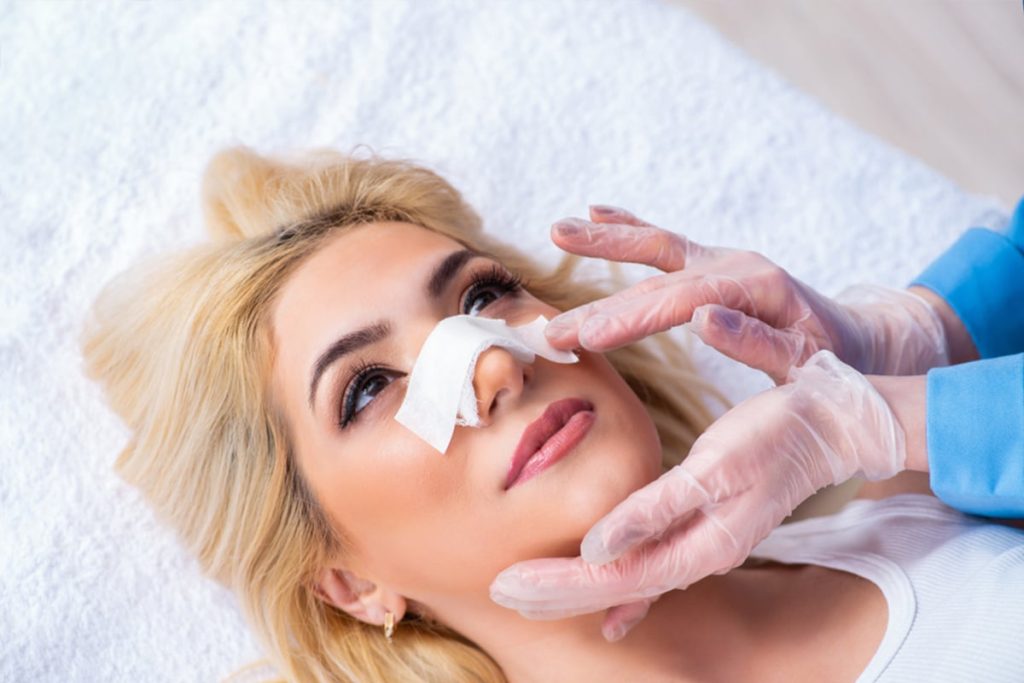
The initial recovery steps are crucial. Follow post-surgery instructions closely. Surgeons often place a plastic splint on the nose. This helps maintain its new shape. Cotton gauze packing inside the nose is common too. It helps control bleeding and supports healing.

Swelling and Bruising

Swelling and bruising around the nose and eyes are normal. These effects can last several days. Swelling may peak by day three but will gradually decrease. Bruising usually fades within two weeks. Have realistic expectations for their resolution timeline.

Signs of Complications

Stay vigilant for signs of complications. Watch for excessive bleeding, severe pain, or unusual discharge. Fever might indicate an infection. Contact your surgeon immediately if any of these occur. Regular follow-up appointments with the surgeon ensure optimal healing.

Swelling Stages Explained

Immediate Swelling

Right after surgery, facial swelling is most noticeable. The first 48 hours are crucial. Ice packs can help reduce this initial swelling. Keeping your head elevated also aids in minimizing it. Bruising around the eyes is common during this time.

First Week

By the end of the first week, some swelling and bruising will start to subside. Most patients can return to work or school. However, the nose will still be swollen. Facial swelling may extend to the cheeks and under the eyes. Stitches and splints are usually removed by this point.

Two to Four Weeks

Swelling continues to decrease gradually over the next few weeks. By four weeks, a significant amount of swelling should be gone. The nose might appear larger than expected due to residual swelling. Patients should avoid strenuous activities during this period to prevent complications.

Four to Six Weeks

Mark your calendar for this milestone. Most visible swelling and bruising significantly reduce by this time. The nose starts taking on a more defined shape. However, subtle swelling may persist, especially at the tip of the nose.

Three Months

By three months post-surgery, patients will notice further reduction in swelling. The nose will look more natural and refined. Taking photographs helps track these changes over time. Comparing these photos can show progress and provide reassurance.

Six Months

At six months, nearly all swelling should have subsided. Only minor changes may still occur as the tissues continue to settle. It’s essential to follow up with your surgeon during this period for any concerns or questions.

One Year

Adjust expectations for the final shape of the nose to become apparent at one year after surgery. This is when all residual swelling typically resolves. The final result should be stable and permanent by now.

Tips for Monitoring Progress

Keeping photographic records is a useful way to monitor healing progression. Take photos at regular intervals:

  • Immediately post-surgery

  • One week

  • One month

  • Three months

  • Six months

  • One year

These photos allow you to see how much swelling has reduced over time and appreciate the gradual improvements.

Asymmetrical Healing Insight

Common Phase

Asymmetrical healing is a normal part of the recovery process. After rhinoplasty, the nose may appear uneven. This happens because different parts of the nose heal at varying rates. Swelling can affect one side more than the other.

This phase is temporary. The body needs time to adjust and heal fully.

Early Weeks

In the first few weeks post-surgery, it is common for the nose to look crooked. Swelling and bruising can cause this appearance. Patients often worry about their results during this period.

Avoid panic or concern. Most asymmetry resolves naturally as swelling decreases. Trust the process and give your body time.

Consult Surgeon

If asymmetry persists beyond the initial healing phase, consult with your surgeon. They can provide reassurance or further evaluation. Persistent asymmetry might need additional attention.

Surgeons are experienced in recognizing normal healing patterns versus complications. They will guide you on the next steps if needed.

Managing Pain Post-Procedure

Pain Levels

Pain after rhinoplasty varies. Most patients experience mild to moderate discomfort. The pain usually peaks within the first 48 hours. After this, it gradually decreases. Swelling and bruising can add to the discomfort.

Medication Use

Surgeons often prescribe pain medications. These may include over-the-counter pain relievers like acetaminophen or stronger prescriptions. Follow the surgeon’s instructions closely. Do not take more than the recommended dose.

Anesthesia Effects

Anesthesia plays a role in pain management. Local anesthesia numbs the area during surgery. General anesthesia puts you to sleep. Both types wear off after surgery, so expect some pain post-procedure.

Home Care

Prepare your home for recovery. Have ice packs ready to reduce swelling. Keep prescribed medications nearby. Rest is crucial for healing.

Communication with Surgeon

Stay in touch with your surgical team. Report any intense or unusual pain immediately. They can adjust your pain management plan if needed.

Following Instructions

Follow all post-operative care instructions. This includes taking medications on time and attending follow-up appointments. Proper care ensures better outcomes post-surgery.

Emotional Support

Recovery involves emotional challenges too. Feeling anxious or frustrated is normal. Talk to friends or family for support.

Care Tips for Faster Recovery

Follow Instructions

Adhere strictly to the surgeon’s post-operative care instructions. These guidelines are crucial for a smooth recovery. They often include activity restrictions and wound care advice. Ignoring these can lead to complications.

Surgeons usually recommend avoiding strenuous activities. This helps prevent increased blood flow to the face, reducing swelling and bruising. Proper wound care is also vital to avoid infections.

Elevate Head

Implement lifestyle adjustments like sleeping with the head elevated. This minimizes swelling and promotes better blood circulation. Use extra pillows or a wedge pillow for support.

Avoid lying flat on your back. This position can increase pressure on the nose, hindering recovery. Keeping the head elevated at all times during sleep is essential.

Avoid Strenuous Activities

Strenuous activities should be avoided for at least two weeks post-surgery. Exercise increases heart rate and blood pressure, which can cause bleeding or swelling in the nasal area.

Light activities like walking are usually safe. However, consult your surgeon before resuming any physical activity. Take it slow to ensure proper healing.

Maintain Healthy Diet

Maintain a healthy diet rich in vitamins and hydration. Nutrients like Vitamin C and Zinc play a key role in tissue repair and immune function. Fresh fruits, vegetables, lean proteins, and whole grains should be included in meals.

Drink plenty of water to stay hydrated. Proper hydration supports the body’s natural healing processes. Avoid alcohol and caffeine as they can dehydrate the body.

Skin Care

Take special care of your skin during recovery. Use gentle cleansers and moisturizers recommended by your surgeon. Avoid harsh skincare products that can irritate the surgical area.

Protect your skin from sun exposure. UV rays can damage healing tissues and cause discoloration. Wear sunscreen and hats when going outside.

Monitor Progress

Regularly monitor your progress and attend follow-up appointments with your surgeon. These visits help ensure that everything is healing properly and allow for early detection of any issues.

Resuming Daily Activities

First Week

During the first week, rest is crucial. Avoid strenuous activities. Keep your head elevated when sleeping. This helps reduce swelling and promotes healing. Avoid bending over or lifting heavy objects.

Follow your surgeon’s advice closely. They will provide specific guidelines for you. Protect your nose from any accidental bumps. It can affect the healing process.

Two Weeks Post-Surgery

By the second week, some daily activities can be reintroduced. Light walking is acceptable. Avoid intense exercise or heavy lifting. These activities can increase blood pressure and cause bleeding.

Work can be resumed if it does not involve physical strain. Face-to-face social engagements should be limited to avoid potential contact with germs.

Three to Four Weeks

At this point, more activities can be resumed. Light exercises like jogging may be allowed. Always consult your surgeon before increasing activity levels.

Sun exposure should be minimized. Use SPF on your nose to prevent discoloration or damage. The skin on your nose will be sensitive during this period.

One Month Onwards

After a month, most daily activities can be resumed. Intense exercises and sports may still need caution. Follow your surgeon’s guidance to ensure safe recovery.

By the end of the first month, swelling should have reduced significantly. The nose will start to take its final shape, but full healing might take up to a year.

Important Tips

  • Avoid smoking and alcohol as they can impede healing.

  • Maintain a healthy diet rich in vitamins.

  • Stay hydrated to help with overall recovery.

  • Keep follow-up appointments with your surgeon.

Closing Thoughts

Rhinoplasty recovery can be a rollercoaster, but with the right care, you’ll get through it smoothly. Remember, patience is key. Your body needs time to heal and reveal the final results. Stick to the guidelines provided by your surgeon.

Ready to take the next step? Follow these tips, stay positive, and soon you’ll enjoy the new you. Share your journey with others who might need encouragement. Got questions or tips of your own? Drop them in the comments below. We’re here to support you every step of the way!

Frequently Asked Questions

How long does initial recovery take after rhinoplasty?

Initial recovery typically takes 1-2 weeks. During this period, expect swelling and bruising.

When can I resume normal daily activities post-rhinoplasty?

You can usually resume light activities after 1 week. Full physical activities may take up to 4-6 weeks.

What are the common stages of swelling after rhinoplasty?

Swelling peaks at 2-3 days post-surgery and starts to diminish by the end of the first week. It can take several months for all swelling to fully subside.

How can I manage pain after rhinoplasty?

Pain is generally mild and manageable with prescribed medications. Over-the-counter pain relievers like acetaminophen can also help.

Is asymmetrical healing normal during rhinoplasty recovery?

Yes, it’s common for one side to heal faster than the other. This usually balances out over time.

What care tips help speed up rhinoplasty recovery?

Elevate your head while sleeping, avoid strenuous activities, and follow your surgeon’s care instructions diligently.

Can I wear glasses or sunglasses after rhinoplasty?

Avoid wearing glasses or sunglasses directly on your nose for at least 4-6 weeks. Use cheek supports or contact lenses if possible.

Botox Gone Wrong: 5 Alarming Signs to Watch For

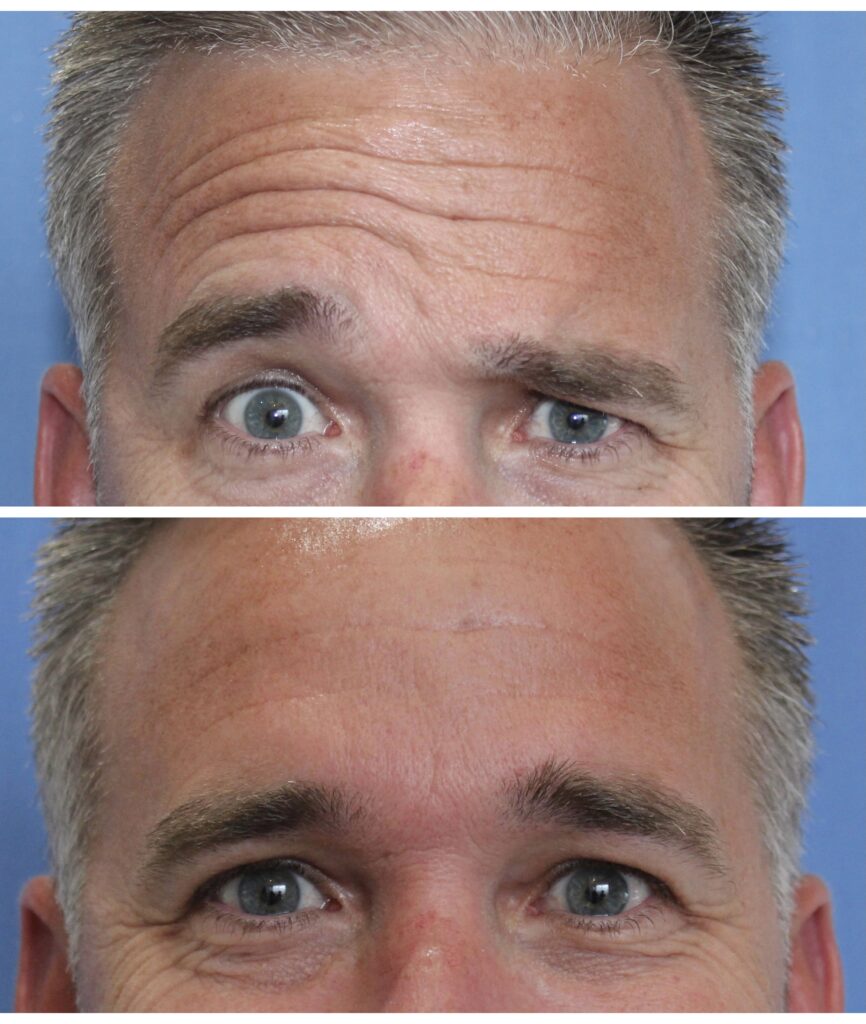
Ever wondered what happens when Botox goes wrong? Botox is a popular cosmetic treatment, but sometimes botulinum toxin injections don’t go as planned. This post dives into the mishaps, side effects, and real-life horror stories of botulinum toxin injections and cosmetic surgeries gone wrong. Learn how to spot the signs of a bad Botox job involving botulinum toxin and what steps to take if you find yourself in this unfortunate situation.

We’ll cover everything from droopy eyelids to frozen faces, ensuring you’re well-informed before making any decisions about your botox treatment. Understanding these risks, such as botulism from a botox injection or surgeries, can save you from potential embarrassment and health issues. Stick around to get the lowdown on avoiding a Botox disaster and ensuring your beauty treatments are safe and effective.

Understanding Botox Complications

Botox Uses

Botox is a popular treatment. It is used both cosmetically and therapeutically.

In cosmetics, Botox reduces wrinkles. It smooths the skin on the face.

Therapeutically, it treats conditions like chronic migraines. It can also help with muscle spasms and excessive sweating through a botox treatment.

How Botox Works

Botox works by blocking nerve signals to muscles. This causes temporary paralysis of those muscles.

When injected into facial muscles during a botox session, it reduces the appearance of wrinkles. The skin looks smoother and younger.

The effects usually last for three to six months. After that, the muscle action returns, and wrinkles may reappear after a botox session.

Potential Complications

Understanding potential complications is essential. Informed consent means knowing the risks before treatment.

Common side effects include:

  • Bruising at the injection site

  • Headaches

  • Drooping eyelids or eyebrows

More serious complications are rare but can occur. These include difficulty swallowing or breathing if Botox spreads beyond the target area.

Importance of Informed Consent

Before getting Botox, discussing possible risks with a doctor is crucial. Knowing what to expect helps make an informed decision.

Signs of Botched Botox

Asymmetry

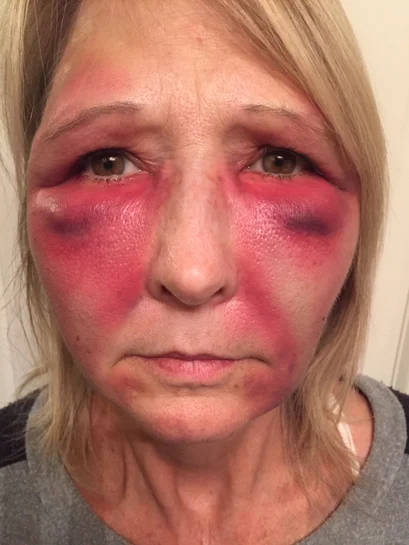
Asymmetry is a clear sign of botched Botox. One side of the face may appear different from the other after a bad botox session. This can happen if the botox injections are not evenly distributed. For example, after a bad botox session, one eyebrow might be higher than the other.

Drooping Eyelids

Drooping eyelids, or ptosis, is another common issue. This occurs when Botox spreads to unintended areas. It can make it hard to open your eyes fully after a bad botox session. This condition usually lasts for a few weeks.

Uneven Smile

An uneven smile can also indicate bad Botox results. If the botulinum toxin injections from a bad botox session affect the muscles around the mouth, one side might droop. This makes smiling look awkward and unnatural.

Headaches

Headaches are less obvious but significant signs of improper Botox injection techniques. These headaches can be mild or severe. They often occur soon after the botox treatment.

Muscle Weakness

Muscle weakness is another subtle symptom. It can affect areas far from where the injections were given during a botox session, resulting in bad botox. This happens when too much Botox spreads beyond the targeted area.

Dissatisfaction

Botched Botox often leads to dissatisfaction. People invest time and money expecting positive changes. When results are poor, like after a bad botox session, it leads to regret and frustration.

Decreased Self-Confidence

Decreased self-confidence is a major emotional impact of bad Botox treatments. People may feel embarrassed about their appearance. This can affect social interactions and mental well-being.

Real-Life Experiences

Many real-life experiences highlight these issues. For instance, someone might go to a non-certified botox provider and end up with drooping eyelids. Another person might attend botox parties and get fake Botox products, leading to uneven smiles.

Common Causes

Injector Experience

The experience of the injector plays a crucial role. Inexperienced injectors may lack the necessary skills. They might inject Botox into the wrong muscle. This can lead to complications.

Experienced injectors understand facial anatomy. They know how much product to use. Proper technique reduces risks. Botched Botox outcomes are less likely with skilled professionals.

Technique Matters

Technique is as important as experience. Injectors must use precise techniques. Incorrect injection techniques can cause issues. For example, injecting too deeply can affect nerves.

Proper technique ensures even distribution. It prevents lumps and asymmetry. Using the right needle size also matters. Skilled injectors follow these practices.

Communication Issues

Clear communication between provider and client is essential. Misunderstandings can lead to dissatisfaction. Clients need to express their goals clearly. Providers should explain realistic outcomes.

Lack of communication can result in unexpected results. Clients might be unhappy with the look. Inadequate provider-client communication affects overall satisfaction.

Non-Medical Settings

Botox injections should occur in medical settings. Non-medical settings pose risks. These include spas or beauty salons without medical oversight.

Non-medical providers might not have proper training. They may not follow hygiene standards. This increases infection risk. Always choose a licensed medical facility for Botox treatments.

Risks of Unqualified Injectors

Unqualified injectors can cause serious harm. They might use counterfeit products. These products can be dangerous and ineffective.

Qualified injectors use approved products only. They follow safety protocols strictly. This minimizes risks and complications.

Importance of Aftercare

Aftercare is vital for successful Botox outcomes. Providers should give clear aftercare instructions. Clients need to follow them closely.

Ignoring aftercare after a botox session can lead to problems like bruising, bad botox, or infection. Proper aftercare enhances results and reduces side effects.

Prevention Tips

Qualified Provider

Researching a Botox provider is crucial. Look for medical professionals with experience in cosmetic procedures. Check their credentials and certifications. Ensure they have a good track record.

Read reviews from other patients. Seek recommendations from trusted sources. Avoid providers with many negative reviews or complaints.

Thorough Consultation

A thorough consultation is essential. Discuss your goals and expectations with the provider. Ask about potential risks and side effects.

Understand the procedure fully before proceeding. Clarify any doubts you may have. This helps set realistic expectations.

Red Flags

Be aware of red flags. If the provider rushes through the consultation, reconsider. A qualified professional will take time to explain everything.

Avoid providers who offer unusually low prices. Cheap procedures can be risky. Safety should be the priority.

Injection Site

Ensure the injection site is clean and sterile. The provider should use new, sealed syringes. Proper hygiene reduces infection risk.

Ask about aftercare instructions. Follow them carefully to avoid complications. Proper care at home is crucial for recovery.

Invasive Interventions

Botox is minimally invasive but still requires caution. Ensure the provider follows all safety protocols. Avoid non-medical settings for Botox injections.

Choose clinics with proper medical facilities. This ensures you get professional care if complications arise.

Safety Over Cost

Prioritize safety over cost. Choosing a cheaper provider can lead to poor results, bad botox, or complications. Investing in a reputable provider ensures better outcomes.

Identifying Treatment Errors

Normal vs. Botched

After receiving Botox, it’s normal to experience some side effects. These include mild swelling and bruising. Redness at the injection site is also common.

However, certain symptoms indicate a botched treatment. Drooping eyelids or eyebrows are major signs. They can occur if the Botox spreads to unintended areas. If you notice asymmetry in your face, this could also be a problem from a bad botox session.

Another sign is difficulty swallowing or speaking. This happens if the Botox affects nearby muscles. Severe pain or infection at the injection site after a botox session should not be ignored. Seek medical advice immediately if these occur.

Keeping Records

It’s important to keep detailed records of any adverse effects after your Botox injections. Note the date and time of your treatment. Record any symptoms you experience and their severity.

Take photos of your face before and after the botox session to avoid bad botox. These can help track changes over time. Documenting everything provides valuable information for healthcare providers.

Share these records with your treating professional. They can help identify what went wrong. If necessary, they can adjust future treatments, including a botox session, based on this information.

Seeking Second Opinion

If you suspect a treatment error, consider seeking a second opinion from another qualified professional, especially after a botox session or bad botox. Look for someone experienced in injectable treatments.

A new perspective can be very helpful. Another doctor might spot issues that were missed initially. They can suggest corrective measures or alternative treatments.

Do not delay in seeking help if you feel something is wrong. Early intervention can prevent further complications.

Reversal and Correction

Additional Injections

etimes, additional injections can correct botched Botox. This option is often used to balance the appearance. If one side of the face looks different from the other, a surgeon may suggest more Botox. This helps even out the asymmetry.

In some cases, additional injections from a botox session can fix drooping eyebrows or eyelids caused by bad botox. The surgeon will inject small amounts into specific areas. This technique requires precision. Only experienced professionals should perform it.

Natural Resolution

Another option is to wait for the Botox to wear off naturally. Botox effects usually last between three to six months. Over time, the body absorbs the substance. The muscles gradually regain movement.

This approach requires patience. People might feel uncomfortable during this period. However, it avoids additional procedures or surgeries. It’s a safe and natural way to correct errors.

Emergency Services

Severe reactions or side effects need immediate attention. Symptoms like difficulty breathing, severe swelling, or intense pain require emergency medical services. These reactions are rare but serious.

If someone experiences these symptoms from a bad botox, they should seek help right away. Emergency rooms have the necessary equipment and expertise. Quick action can prevent further complications.

Consultation

Consulting with a qualified professional is essential before deciding on any correction method, especially for a botox session to avoid bad botox. A thorough consultation can help determine the best course of action for a botox session and avoid bad botox. The surgeon will assess the situation and provide expert advice.

During the consultation, people should ask about risks and benefits of a botox session and bad botox. They should also inquire about the surgeon’s experience with similar cases and bad botox. Proper consultation ensures informed cosmetic decisions.

Cosmetic Surgery

In extreme cases, cosmetic surgery might be needed to correct botched Botox. This option is less common but sometimes necessary. Procedures like chin reduction, botox session, or other plastic surgeries can help restore appearance.

Cosmetic surgery involves more risk and recovery time compared to a botox session or bad botox. It’s important to weigh these factors carefully. Consulting with an experienced plastic surgeon is crucial for successful outcomes and avoiding bad botox.

Home Care for Better Results

Minimize Swelling

Applying ice can reduce swelling after Botox injections. Use an ice pack wrapped in a cloth. Apply it gently to the treated area for 10-15 minutes after the botox session to avoid bad botox. Avoid taking aspirin or ibuprofen as they can increase bruising after a botox session.

Avoid Certain Activities

Refrain from strenuous activities for at least 24 hours post-treatment after your botox session. Exercise can raise your blood pressure and worsen bruising. Also, avoid lying down for four hours after the appointment to prevent Botox from spreading to unintended areas.

Gentle Facial Exercises

Gentle facial exercises may help distribute Botox evenly. Lightly frown, smile, and raise your eyebrows several times a day to avoid a bad botox session. These movements can help achieve more balanced results.

Follow Provider’s Instructions

Always follow the post-treatment care instructions given by your healthcare provider after a botox session to avoid bad botox. These guidelines are tailored for optimal results. Providers often suggest avoiding alcohol and excessive sun exposure.

Stay Hydrated

Drink plenty of water to stay hydrated. Proper hydration helps your skin heal faster and look healthier. It also aids in reducing swelling and bruising.

Monitor Your Progress

Keep an eye on your progress in the days following the botox session. Take photos to compare changes over time. If you notice unusual symptoms, contact your provider immediately.

Use Gentle Skincare Products

Use gentle skincare products on treated areas. Avoid harsh exfoliants and retinoids for at least a week after a botox session to prevent bad botox results. Opt for mild cleansers and moisturizers instead.

Schedule Follow-Up Appointments

Schedule follow-up appointments with your plastic surgeon if necessary, especially after a botox session or bad botox. They can assess the results of the botox session and make any needed adjustments to avoid bad botox. Regular check-ins ensure long-term satisfaction with your botox session and cosmetic treatment, avoiding bad botox.

When to Seek Professional Help

Severe Side Effects

If experiencing severe side effects, seek professional help immediately. Difficulty breathing is a serious symptom that requires urgent attention, especially after a bad botox session. Vision changes also indicate a need for immediate consultation. These symptoms can signal complications from the Botox treatment.

Contact a healthcare provider right away. They can assess your condition and provide necessary interventions. Do not delay seeking help if you notice these severe reactions after a botox session or bad botox.

Contacting the Provider

For unsatisfactory results, contact the original provider. Discuss your concerns openly with them. They may offer solutions or corrective measures.

The provider might suggest adjustments or additional treatments. This can help improve the results and address any issues. Clear communication with your provider is crucial for resolving problems effectively, especially before a botox session.

Consulting a Plastic Surgeon

Consider consulting a plastic surgeon for expert advice. They specialize in correction and prevention strategies. A plastic surgeon can evaluate your situation thoroughly.

They might recommend further treatments or procedures, including a botox session, to correct the issue. Expert guidance from a plastic surgeon ensures you receive the best care possible, avoiding bad botox and ensuring a successful botox session.

Summary

Botox can be a game-changer, but complications are real. Recognize the signs of botched Botox early to avoid long-term issues. Understanding the causes and prevention tips can save you from a lot of hassle, including a botox session gone wrong or bad botox.

If things go south after a bad botox session, know how to correct and care for it at home. Always seek professional help if needed. Stay informed and proactive about your beauty treatments. Got questions or concerns? Reach out to experts today!

Frequently Asked Questions

What are the common signs of botched Botox?

Common signs of a bad botox session include uneven eyebrows, drooping eyelids, and asymmetrical facial expressions. If you notice these, consult your provider.

How can I prevent Botox complications?

Choose a certified and experienced provider. Follow pre- and post-procedure instructions carefully to minimize risks of a bad botox session.

Can botched Botox be corrected?

Yes, in many cases. A skilled practitioner can use additional treatments or allow time for the effects of a bad botox session to wear off naturally.

What should I do if I experience side effects at home?

Apply ice to reduce swelling and avoid strenuous activities. If symptoms persist, seek professional medical advice.

When is it necessary to seek professional help after Botox?

Seek help if you experience severe pain, difficulty breathing, or signs of infection like redness and fever after a botox session or bad botox.

How long does it take for Botox complications to appear?

Complications from a bad botox session can appear within a few hours to a week after treatment. Monitor your results closely during this period.

What are the most common causes of Botox going wrong?

Inexperienced practitioners, incorrect dosage, and improper injection techniques are common causes of bad botox during a botox session. Always choose a qualified professional.

Transgender Body Contouring Surgery Explained

Understanding Trans Body Contouring

Scope and Purpose

Transgender body contouring surgery helps align physical appearance with gender identity, including facial feminization surgeries, masculinizing procedures, and achieving a feminine physique or hourglass shape. This gender affirming surgery can be life-changing for many transgender patients. By reshaping the body through plastic surgery and cosmetic surgery procedures, it helps create a more authentic self-image.

Masculine Body Contours

For those seeking a more masculine physique, several procedures are available for trans men and transgender patients. FTM transgender body contouring often includes chest masculinization. This procedure removes breast tissue to create a flat, male chest for transgender patients. Liposuction can also help achieve a more masculine body shape by removing fat from areas like the abdomen and flanks, especially for trans individuals.

Feminizing Body Shape

Creating a feminine body shape involves different techniques. For MTF individuals, surgeries focus on enhancing curves. Breast augmentation is common, using implants or fat transfer to increase breast size as part of body feminization surgery and body contour. Liposuction and fat grafting help accentuate the hips and buttocks to achieve a feminine physique in body feminization surgery for trans men seeking a body contour.

Comprehensive Approach

Achieving optimal results requires a comprehensive approach. Weight loss and exercise play crucial roles in preparing the body for surgery, especially for trans men. Hormone therapy is also important for trans men, as it helps develop secondary sexual characteristics and body contour, complementing body feminization surgery. Surgical intervention, including body feminization surgery, then fine-tunes these changes to match the desired gender identity in trans men, focusing on body contour.

Importance of Hormone Therapy

Hormone therapy supports the surgical outcomes significantly. For trans men, testosterone therapy promotes muscle growth and reduces fat in areas like hips and thighs. For trans women, estrogen therapy encourages fat distribution to the breasts and hips, aiding in developing a feminine body shape.

Post-Surgical Care

Post-surgical care is vital for successful recovery. Patients must follow their surgeon’s guidelines closely. This includes managing pain, avoiding strenuous activities, and attending follow-up appointments.

Types of Feminization Surgeries

Brazilian Butt Lift

A Brazilian butt lift (BBL) is a popular body feminization surgery for men. It involves transferring fat from other parts of the body to the buttocks. This procedure creates a fuller, more rounded appearance. Surgeons often use liposuction to remove fat from areas like the abdomen or thighs.

Many individuals seek BBL to achieve a more feminine silhouette. The goal is to enhance curves and create a balanced look. This surgery can significantly improve self-confidence and body image.

MTF Abdominoplasty

MTF abdominoplasty, also known as a tummy tuck, helps in achieving a flatter abdomen. It removes excess skin and tightens abdominal muscles. This procedure is essential for those who have lost significant weight or have loose skin.

The surgery complements hormone replacement therapy (HRT) by refining the waistline. HRT helps soften features, but surgery provides more dramatic results. A well-defined waist enhances the overall feminine appearance.

Liposuction

Liposuction is another common transgender surgery procedure. It targets specific areas to remove stubborn fat deposits. Common areas include the abdomen, flanks, and thighs.

This surgery helps create a smoother, more contoured body shape. Liposuction works well with other procedures like BBL and abdominoplasty. The combination of surgeries can result in a more polished and feminine look.

Breast Augmentation

Breast augmentation is a key part of female gender reassignment surgery. It involves placing implants to increase breast size and shape. This surgery greatly enhances the feminine chest contour.

Estrogen therapy promotes breast development, but many seek additional enhancement through surgery. Implants provide immediate and noticeable results. Breast augmentation is often requested early in the transition process.

Facial Feminization Surgery

Facial feminization surgery (FFS) includes multiple procedures aimed at softening facial features. Common surgeries are brow lifts, rhinoplasty, and jaw contouring.

FFS plays a crucial role in aligning one’s appearance with their gender identity. These surgeries reduce traditionally masculine traits, making the face appear softer and more feminine. Many find FFS transformative for their self-esteem.

Complementary Effects with HRT

Gender affirming surgery procedures work best when combined with hormone replacement therapy (HRT). Estrogen helps develop secondary sexual characteristics like softer skin and breast tissue.

Surgeries such as BBL, abdominoplasty, and liposuction enhance these changes by creating curves and reducing masculine features. Together, they help individuals achieve their desired body shape more effectively.

Types of Masculinization Surgeries

Top Surgery

Top surgery, or chest masculinization surgery, removes breast tissue to create a flatter chest. Surgeons perform a double incision or keyhole procedure. Double incision is common for larger chests. It involves two horizontal incisions and nipple grafts. Keyhole surgery suits smaller chests. It uses small incisions around the areola.

Masculinization Liposuction

Masculinization liposuction targets fat removal from areas like hips, thighs, and abdomen. This helps in achieving a more traditionally masculine silhouette. Surgeons use cannulas to suction out fat. They may combine liposuction with fat transfer to enhance muscle definition.

FTM Abdominoplasty

FTM abdominoplasty, or tummy tuck, removes excess skin and fat from the abdomen. This procedure tightens abdominal muscles. It creates a firmer and more masculine midsection. Surgeons make an incision from hip to hip above the pubic area.

Fat Transfer

Fat transfer involves harvesting fat from one part of the body and injecting it into another. This technique sculpts a masculine physique by adding volume to areas like the pectorals or shoulders. It complements liposuction by enhancing muscle contours.

Liposuction’s Role

Liposuction plays a crucial role in body masculinization surgery. It targets stubborn fat areas resistant to diet and exercise. Common areas include the flanks, lower back, and inner thighs. Removing fat from these areas helps in creating a more masculine appearance.

Contouring for Nonbinary Patients

Tailored Approach

Nonbinary people often seek body contouring that reflects their unique gender identity. This can involve breast modification, facial cosmetic surgery, or other procedures. The goal is usually an androgynous appearance that does not conform to traditional male or female contours.

Breast modification for nonbinary patients may include reduction or augmentation. The procedure aims to achieve a neutral chest shape. Facial surgeries might soften or sharpen features, depending on the patient’s desires.

Customization

Surgeries for nonbinary individuals are highly customizable. Each patient has unique goals and needs. Surgeons work closely with patients to create a plan that matches their vision.

e may want elements of both traditionally male and female features. Others might prefer entirely neutral characteristics. Flexibility in procedures helps meet these diverse goals.

Patient-Centered Care

Patient-centered care is crucial in transgender health. For nonbinary patients, this means respecting their gender identity and preferences. Surgeons must listen carefully to understand each individual’s desires.

A successful outcome depends on this collaboration. It ensures the body reflects the person’s true self without forcing them into binary norms.

Emotional Impact

Body contouring can greatly affect mental health for nonbinary individuals. Many experience gender dysphoria, which causes distress due to a mismatch between their body and gender identity.

Surgery can alleviate this distress by aligning physical appearance with internal identity. This alignment boosts confidence and well-being.

The Sculpting Process Explained

Consultation and Planning

The process starts with a thorough consultation. Surgeons assess the patient’s health and discuss goals. They consider body type, health status, and desired changes. This helps in planning the procedures.

Surgeons create a detailed plan. They explain the steps and expected outcomes. Patients learn about potential risks and benefits.

Techniques Used

Fat grafting and liposuction are common techniques. Fat grafting involves moving fat from one part of the body to another. This helps create curves in desired areas.

Liposuction removes excess fat. It reshapes areas like the thighs, abdomen, and hips. These techniques help achieve gender-affirming results.

Grafting Details

Grafting is precise. Surgeons harvest fat from donor sites like the abdomen or thighs. They purify the fat before injecting it into target areas.

This method enhances curves and contours. It’s important for creating a feminine shape in transgender women.

Liposuction Procedure

Liposuction involves small incisions. Surgeons insert a thin tube called a cannula to remove fat. They carefully sculpt the body to achieve smooth contours.

This procedure can target multiple areas at once. It’s effective for removing stubborn fat deposits.

Recovery Phase

Recovery is crucial for success. Patients need rest and follow post-operative care instructions closely. Swelling and bruising are common but temporary.

Full recovery can take several weeks. Regular follow-up visits ensure proper healing and address any concerns.

Decision-Making Process

Choosing specific procedures depends on individual factors:

  • Body type: Determines how much fat can be harvested.

  • Health status: Ensures the patient is fit for surgery.

  • Aesthetic goals: Guides the surgeon in achieving the desired look.

Patients must communicate openly with their surgeon. This ensures realistic expectations and satisfactory results.

Benefits of Body Contouring

Psychological Benefits

Body contouring can significantly improve self-esteem. Many transgender individuals experience a boost in confidence after surgery. Achieving a feminine body contour helps align their physical appearance with their gender identity.

This alignment reduces feelings of gender dysphoria. People feel more comfortable in their bodies. Self-acceptance increases, leading to better mental health.

Emotional Benefits

The emotional benefits are profound. Transgender individuals often feel happier post-surgery. Their new body contours reflect their true selves, which brings joy and satisfaction.

Personal relationships also improve. Friends and family notice the positive change in attitude. Emotional well-being enhances social interactions.

Physical Benefits

Physically, body contouring helps achieve desired body shapes. Procedures like tummy tuck, liposuction, and thigh lifts remove excess skin and fat. This results in a more defined waistline and abdomen.

Abdominoplasty, or tummy tuck, tightens the muscles in the abdomen. Liposuction removes stubborn fat deposits. The overall effect is a smoother, more feminine appearance.

Reduction in Gender Dysphoria

Gender dysphoria decreases significantly after surgery. Many find relief from the distress caused by mismatched body image and gender identity. This reduction allows them to focus on other aspects of life.

Feeling aligned with one’s gender identity fosters a sense of normalcy. Daily activities become less stressful and more enjoyable.

Quality of Life

Quality of life improves dramatically post-surgery. With a feminine body contour, individuals feel more at ease in public spaces. They participate in social activities without fear or anxiety.

Physical health also benefits. Removing excess skin and fat can alleviate physical discomfort. Improved mobility and posture are common outcomes.

Personal Relationships

Relationships grow stronger after body contouring. Partners appreciate the increased confidence and happiness. Open communication about body image becomes easier.

Friends notice the positive changes too. Social circles expand as individuals feel more confident meeting new people.

Insurance and Affirming Surgeries

Insurance Coverage

Many insurance companies do not fully cover transgender body contouring surgeries. This can be a significant barrier for those seeking gender affirmation surgery. Insurance policies often exclude cosmetic procedures, labeling them as non-essential.

e states in the U.S. have laws requiring insurance coverage for gender-affirming care. This includes surgeries like breast augmentation or fat grafting surgeries. However, these laws vary widely by state.

Navigating Policies

Understanding your insurance policy is crucial. Start by reviewing your plan’s coverage details. Look for specific mentions of gender-affirming care or related exclusions.

If your policy does not cover the necessary surgeries, consider appealing the decision. Appealing an insurance denial involves gathering supporting documents from medical professionals. These documents should explain why the surgery is medically necessary.

Financial Aspects

Transgender body contouring surgeries can be expensive. Costs include surgeon fees, hospital charges, anesthesia, and recovery expenses.

e patients may need to pay out-of-pocket if their insurance does not cover the procedure. This can lead to significant financial strain.

Consider exploring financial assistance programs. Some organizations offer grants or low-interest loans for gender-affirming care.

Supportive Resources

Accessing supportive resources is vital when dealing with insurance denials or limitations. Legal assistance can help you understand your rights and navigate complex insurance appeals.

Organizations like the Transgender Legal Defense & Education Fund provide free legal services to transgender individuals facing discrimination.

Support groups can also offer emotional support and practical advice. Connecting with others who have gone through similar experiences can be invaluable.

Choosing the Right Surgeon

Specialized Experience

Selecting a surgeon with specialized experience in transgender body contouring is crucial. Experienced gender surgeons understand the unique needs of transgender patients. They have the skills to perform procedures like top surgery, fat grafting, and reshaping hips and shoulders. These surgeons can ensure that the results align with the patient’s gender identity.

Specialized surgeons use techniques tailored for transgender bodies. They know how to handle skin elasticity and tissue differences. This expertise helps achieve natural-looking results.

Research Credentials

Researching a surgeon’s credentials is essential. Start by checking their medical certifications and training background. Look for board-certified plastic surgeons who specialize in transgender surgeries.

Patient reviews are another valuable resource. Reading about other patients’ experiences can provide insights into the surgeon’s competence and bedside manner. Before-and-after galleries showcase the surgeon’s work quality. These images help assess if their aesthetic aligns with your goals.

Consultation Preparation

Preparing for consultations is a key step. Make a list of questions and concerns to discuss with potential surgeons. Some important questions include:

  • What is your experience with transgender body contouring?

  • Can I see before-and-after photos of similar procedures?

  • What are the risks and complications?

Clear communication during consultations ensures understanding of the surgical process. Discuss your goals and expectations openly. This dialogue helps the surgeon create a personalized plan tailored to your needs.

Evaluating Compatibility

Evaluating compatibility with the surgeon is vital. The consultation is not just about assessing their skills but also their approach to patient care. You should feel comfortable discussing sensitive topics related to gender identity and body image.

Observe how the surgeon and their staff treat you during the consultation. A supportive and respectful environment is crucial for a positive surgical experience.

Post-Surgery Care

Post-surgery care is an important aspect to consider when choosing a surgeon. Experienced gender surgeons provide comprehensive aftercare instructions. They monitor recovery closely to address any complications promptly.

A good surgeon will have a clear follow-up plan in place. This may include multiple check-ups to ensure proper healing and satisfactory results.

Final Remarks

Transgender body contouring surgery can be life-changing. It helps you align your physical appearance with your true identity. From feminization and masculinization to nonbinary options, the choices are vast and tailored to meet your unique needs.

Choosing the right surgeon is crucial. Research, ask questions, and trust your instincts. Ready to take the next step? Consult with a qualified professional today and start your journey towards a more affirming body. Your new chapter awaits!

Frequently Asked Questions

What is transgender body contouring surgery?

Transgender body contouring surgery reshapes the body to align with a person’s gender identity. It involves various procedures tailored for feminization, masculinization, or nonbinary goals.

What types of feminization surgeries are available?

Feminization surgeries include breast augmentation, liposuction, and hip enhancement. These procedures help create a more traditionally feminine silhouette.

Are there surgeries specifically for masculinization?

Yes, masculinization surgeries include chest masculinization, liposuction for a more masculine shape, and abdominal etching. These surgeries aim to create a traditionally masculine appearance.

Can nonbinary patients benefit from body contouring?

Absolutely. Nonbinary patients can customize their body contouring procedures to achieve a look that aligns with their unique gender identity.

How does the sculpting process work?

The sculpting process involves removing or redistributing fat and sometimes adding implants. The goal is to shape the body according to the patient’s gender identity and personal aesthetic preferences.

Does insurance cover transgender body contouring surgeries?

Coverage varies by insurer and policy. Some insurance plans may cover gender-affirming surgeries, but it’s essential to check with your provider for specifics.

How do I choose the right surgeon for my needs?

Look for a board-certified surgeon with experience in transgender body contouring. Check patient reviews, before-and-after photos, and consult multiple surgeons to find the best fit for your needs.

Breast Liposuction Scars: Types, Risks & Care Tips

Ever wondered how breast liposuction scars can affect your natural skin tone and confidence reduction? You’re not alone. Many people worry about the visible breast reduction scars change and natural skin level breast reduction scars left after the procedure. This blog post dives into what breast reduction patients need to know about these scars, offering practical tips and expert advice on minimizing their appearance after a traditional breast reduction or scarless breast reduction procedure. We’ll explore the healing process, visible scars, traditional breast reduction scar treatment options, and what to expect long-term.

Understanding breast liposuction scars helps you make informed decisions and sets realistic reduction expectations. Whether you’re considering the procedure or already had it done, this guide provides valuable insights for breast reduction patients about the scar healing process and visible scars to ease your concerns. Get ready to learn everything you need to manage and reduce those scars effectively for breast reduction patients, including scarless breast reduction techniques.

Key Takeaways

  • Understand Scar Types: Different incision methods used in breast reduction can lead to various scar types and appearances.

  • Scar Evolution: Scars change over time, often becoming less noticeable as they mature, typically over a year, similar to the results seen in scarless breast reduction.

  • Minimize Visibility: Techniques like silicone sheets, proper wound care, and avoiding sun exposure can help reduce scar visibility in scarless breast reduction.

  • Choose the Right Surgeon: Selecting an experienced surgeon is crucial for minimizing scars and ensuring optimal healing in scarless breast reduction.

  • Manage Complications: Be aware of potential complications like hypertrophic scars or keloids after breast reduction and know how to manage them effectively.

  • Follow Healing Protocols: Adhering to recommended healing processes and scar care techniques after breast reduction is vital for achieving the best cosmetic results.

Understanding Breast Reduction Scars

Natural Response

Breast reduction scars are the body’s natural response to healing after surgery. The body forms scar tissue to close wounds. This is an essential part of the recovery process.

Inevitable Scarring

Scars are an inevitable part of breast reduction surgery. They can vary in size and visibility. Different factors like skin type, genetics, and surgical technique affect the appearance of a breast reduction scar.

Realistic Expectations

Setting realistic expectations is important. Most patients will have some visible scarring. These scars from breast reduction may fade over time but rarely disappear completely.

Common Locations

The most common breast reduction scars appear around the nipple, vertically down to the breast fold, and along the breast fold itself. These are typical patterns for many breast reduction procedures.

Healing Process

Healing tissue breast reduction scars change over time. Initially, they may look red or raised. With proper care, breast reduction scar can flatten and lighten in color. This process can take several months to a year.

Scar Minimization

Surgeons aim for minimal breast reduction targets for scars. Techniques include placing incisions in less visible areas and using meticulous stitching methods for breast reduction scar.

Sun Exposure

Direct sunlight can worsen breast reduction scars. Protecting the area from sun exposure is crucial. Sunscreen and protective clothing help prevent darkening of scars.

Alternative Treatments

There are alternative treatments for reducing scar visibility:

  • Silicone sheets

  • Laser therapy

  • Steroid injections

These treatments can help improve the appearance of scars.

Emotional Impact

Scars can have an emotional impact on individuals. It’s normal to feel self-conscious about them initially. Support groups and counseling can provide emotional support during breast reduction recovery.

Scar Types and Appearances

Color Changes

Scars from breast liposuction can vary in color. Initially, they may appear pink or red. Over time, these colors can change. For some people, scars may turn brown or darken further. Skin tone plays a significant role in these changes. Darker skin tones often result in darker scars.

Risk Factors

Several factors influence scar prominence. Genetics is one of the primary factors. If family members have prominent scars, there’s a higher chance you might too. Skin tone also affects scarring. People with darker skin tones are more prone to noticeable scars. The body’s healing process varies from person to person.

Thin Line Scars

Thin line scars are usually less noticeable. They often form as a straight line on the skin’s surface. These scars are common after minor incisions. On the breast, thin line scars might be hidden around the nipple area or beneath the breast fold.

Raised Scars

Raised scars are more visible than thin line scars. They occur when the body produces excess collagen during healing. These raised areas can feel firm and may be sensitive to touch. Raised scars often appear on areas of high tension, such as the upper part of the breast.

Common Locations

Breast liposuction scars typically form in specific areas. The most common locations include:

  • Around the nipple

  • Under the breast fold

  • Along the side of the breast

These locations help hide the scars naturally due to skin folds and natural contours.

Scar Evolution and Timeline

Initial Phase

Scars from breast liposuction are initially red and raised. This phase lasts for about 2-3 weeks. The skin may feel tender and itchy. Redness is common as the body starts healing.

1-3 Months Post-Surgery

The scars begin to change color. They shift from red to a lighter pink hue. The tenderness and itchiness start to reduce. This period is crucial for proper scar care.

3-6 Months Post-Surgery

Scars continue to lighten in color. They become flatter and less noticeable. Any remaining itchiness usually fades away. It’s important to keep the scars moisturized.

6-12 Months Post-Surgery

By this time, scars have matured significantly. They may turn white or match the surrounding skin tone. Their texture becomes smoother. Most patients notice a significant improvement.

Long-Term Transformation

Over one to two years, scars can become nearly invisible. Proper care during the early stages helps achieve this result. Some factors like genetics, skin type, and sun exposure can affect the final appearance.

Impact of Incision Methods

Vertical Incision

The vertical, or “lollipop,” incision method results in fewer scars. Surgeons make a circular cut around the areola and a straight line down to the breast crease. This method leaves a scar that is less visible under clothing.

Scarring tends to be minimal with this technique. The vertical pattern helps reduce the risk of noticeable marks. Patients often prefer this method for its subtle scarring.

Inverted Incision

The inverted, or “anchor,” incision involves more extensive cuts. It includes three parts: around the areola, vertically down to the breast crease, and along the breast fold. This results in an anchor-shaped scar.

This method produces more visible scars due to the longer incisions. However, it allows for greater reshaping of the breast tissue. Surgeons may choose this approach for patients needing significant adjustments.

Scar Size and Pattern

The choice of incision influences scar size and pattern. Vertical incisions result in smaller, less complex scars. They are often chosen for minor adjustments.

Inverted incisions create larger, more complex scars. These patterns offer better access to breast tissue, allowing for major reshaping. The trade-off is more noticeable scarring.

Surgeon’s Role

Surgeons play a crucial role in selecting the incision method. They consider factors like breast size, shape, and patient preferences. Surgeon expertise ensures optimal outcomes by choosing the right technique.

Individual patient factors also influence decision-making. Surgeons assess skin elasticity and healing capacity. These assessments help determine which incision will yield the best results with minimal scarring.

Complications and Management

Keloid Scars

Keloid scars can form after breast liposuction. These scars grow beyond the original incision site. They appear thick, raised, and can be darker than the surrounding skin. Keloids are more common in people with darker skin tones.

Hypertrophic Scars

Hypertrophic scars also form after surgery. Unlike keloids, they do not extend beyond the incision site. They are raised but tend to flatten over time. These scars can be red or pink and may feel firm.

Differences Between Keloid and Hypertrophic Scars

Keloid and hypertrophic scars have differences. Keloids grow larger than the original wound, while hypertrophic scars stay within the wound’s boundaries. Keloids may require more aggressive treatment. Both types can cause discomfort and itchiness.

Medical Interventions

Several medical treatments exist for raised scars. Steroid injections can help reduce inflammation and flatten scars. Laser therapy is another option that can improve scar texture and color. In some cases, surgical removal of the scar may be necessary, but this carries a risk of recurrence.

Home Care Practices

Home care can also manage raised scars. Silicone sheets or gels can be applied to the scar to keep it hydrated and reduce its appearance. Pressure garments might help flatten the scar over time. Moisturizing products containing vitamin E or aloe vera can soothe the skin.

Early Detection

Early detection of scar complications is crucial. Identifying raised scars early allows for prompt treatment, which can minimize their long-term visibility. Regular check-ups with a healthcare provider can help monitor scar development.

Importance of Treatment

Treating scars early prevents them from becoming more prominent. It also reduces discomfort and improves cosmetic outcomes. Patients should follow their doctor’s advice on post-surgical care to achieve the best results.

Minimizing Scar Visibility

Preventive Measures

Applying silicone sheets or gel can help reduce scar prominence. Silicone is known to improve the appearance of scars. It hydrates the skin and regulates collagen production.

Patients should start using silicone sheets or gel as soon as their wounds heal. This usually occurs within two weeks post-surgery. Consistent use for at least three months shows the best results.

Lifestyle Adjustments

Lifestyle adjustments post-surgery support better healing and less noticeable scarring. Staying hydrated is crucial. Water helps maintain skin elasticity.

Avoid smoking, as it impairs blood flow and delays healing. Also, eat a balanced diet rich in vitamins A and C. These nutrients promote skin repair.

Limit sun exposure to the operative scars. UV rays can darken scars, making them more visible. Using sunscreen with high SPF protects the skin.

Professional Treatments

Professional scar treatment options offer improved cosmetic outcomes. Laser therapy is one such option. It works by removing damaged skin layers.

Laser treatments stimulate collagen production. This helps blend scars with natural skin tone over time. Patients may need multiple sessions for optimal results.

Chemical peels are another option. They exfoliate the top layers of skin, reducing the appearance of scars. Consult with a dermatologist to determine the best treatment plan.

Healing Process and Duration

Immediate Recovery

The first stage of the scar healing process starts immediately after surgery. The body begins to repair the incision sites. Swelling and bruising are common. This phase lasts about two weeks. Rest is crucial during this time.

Early Healing

From two to six weeks post-surgery, the scars begin to form. The incisions start to close. Redness and firmness around the scars are typical. Patients should follow all post-operative care instructions closely. Proper wound care helps prevent infection.

Intermediate Healing

Between six weeks and three months, scars enter an intermediate phase. They may appear raised and darker in color. This is normal as collagen builds up in the area. Avoiding sun exposure is important. Sun can darken scars permanently.

Scar Maturation

Scar maturation occurs from three months to a year after surgery. Scars gradually flatten and fade during this period. They become less noticeable over time. Patience is key as the body continues to heal.

Factors Influencing Healing

Several factors can affect the speed and quality of scar healing:

  • Nutrition: A balanced diet rich in vitamins and proteins supports healing.

  • Smoking Status: Smoking impairs blood flow and slows down recovery.

  • Post-Operative Care: Adhering to care instructions is essential for optimal results.

Scar Care Techniques

Gentle Massage

Gentle massage can help reduce scar tissue. It improves blood flow and breaks down the hardness of scars. Use circular motions with your fingers. Do this for about 10 minutes daily.

Massage helps to soften the scar. It can also make the scar less noticeable over time. Be careful not to press too hard.

Moisturization

Keeping the scar moisturized is crucial. Use lotions or creams recommended by your doctor. These products keep the skin hydrated and promote healing.

Moisturizers can prevent itching and dryness. They also help reduce the size and look of scars.

Sun Protection

Protecting your scars from the sun is essential. Sun exposure can darken scars and make them more visible. Use sunscreen with a high SPF.

Wear protective clothing over the scarred area when outside. Hats and long sleeves can help shield scars from UV rays.

Follow-Up Visits

Regular follow-up visits with your surgeon are important. They provide personalized advice for scar management. Surgeons can suggest specific scar reduction treatments based on your progress.

These visits allow doctors to monitor healing. They can recommend adjustments to your care routine if needed.

Scar Reduction Treatments

Several treatments can help minimize scars. Laser therapy is one option. It targets scar tissue and promotes smoother skin.

Silicone sheets or gels are also effective. They hydrate the skin and flatten scars over time.

Scar Removal Procedures

For severe scars, surgical options exist. Scar revision surgery involves removing damaged tissue and stitching the area carefully. This procedure aims to improve the appearance of deep or wide scars.

Consult with a specialist to determine if this option is suitable for you.

Role of Nutrition

Good nutrition supports skin healing. Foods rich in vitamins A, C, and E are beneficial. They promote collagen production and skin repair.

Drink plenty of water to stay hydrated. Proper hydration aids in faster recovery.

Choosing Your Surgeon

Board-Certified Experts

Selecting a board-certified plastic surgeon is crucial. They have the necessary training and credentials. Certification from the American Board of Plastic Surgery ensures they meet high standards.

Experienced surgeons understand breast reduction surgery well. They know how to minimize scars and achieve the best results. Researching their qualifications can provide peace of mind.

Before-and-After Galleries

Reviewing before-and-after galleries is important. These photos show previous patients’ results. They help you see what to expect from the procedure.

Look for images that match your body type. Pay attention to scar placement and healing. This can give you a realistic idea of potential outcomes.

Consultation Discussions

A thorough consultation is essential. Discuss your expectations about scars with the surgeon. Ask about different surgical techniques they use.

e techniques may result in less noticeable scars. Surgeons can explain options like incisions around the areola or under the breast fold. Knowing these details helps in making informed decisions.

Post-Operative Care

Post-operative care impacts scar appearance. Surgeons should provide detailed instructions for aftercare. Proper care can enhance healing and reduce scar visibility.

Ask about recommended products and treatments for scars. Silicone sheets, gels, and massages are common suggestions. Following these guidelines can improve your results.

Clinic Environment

The clinic environment matters too. Choose a clinic with a clean and professional setting. A well-maintained clinic reflects the quality of care you will receive.

Visit the clinic beforehand if possible. Meet the staff and observe their interactions with patients. A welcoming and supportive environment can ease anxiety about the surgery.

Summary

Breast liposuction scars can be a concern, but understanding them helps you manage expectations and care. Different scar types evolve over time, influenced by incision methods and healing processes. Complications are rare but manageable with proper care.

Choosing the right surgeon and following recommended scar care techniques are crucial. Prioritize your healing process and minimize visibility with expert advice. Ready to take the next step? Consult a specialist to ensure the best results for your breast liposuction journey.

Frequently Asked Questions

What types of scars can result from breast liposuction?

Scars can vary but typically include fine lines, keloids, or hypertrophic scars. The appearance depends on skin type and healing.

How long does it take for breast liposuction scars to heal?

Initial healing takes about 6 weeks. Full scar maturation can take up to a year.

Can the choice of incision method impact scar visibility?

Yes, smaller incisions generally lead to less noticeable scars. Discuss options with your surgeon.

Are there complications associated with breast liposuction scars?

Complications like infection, poor healing, or excessive scarring can occur. Proper care minimizes risks.

How can I minimize the visibility of my scars?

Use silicone sheets, keep the area moisturized, and avoid sun exposure to reduce scar visibility.

What are effective scar care techniques post-surgery?

Regularly apply prescribed ointments, massage the area gently, and follow all aftercare instructions provided by your surgeon.

Why is choosing an experienced surgeon important for minimizing scars?

An experienced surgeon uses advanced techniques that reduce scarring and improve overall results.

Arm Lift Surgery Cost Breakdown and Financing Options

Understanding Arm Lift Surgery

Definition and Goal

Arm lift surgery, also known as brachioplasty, aims to improve the appearance of the upper arms by addressing sagging skin from the elbow to the back, with individual results varying. This cosmetic surgery procedure removes excess sagging skin and fat between the underarm and elbow. The goal is to create a more toned and proportionate arm contour through cosmetic surgery, enhancing the elbow and back in a balanced manner. Many people seek this surgery after significant weight loss or due to aging.

Candidate Suitability

Not everyone is a suitable candidate for an arm lift cosmetic surgery. Ideal candidates should be in good health with no medical conditions that impair healing. They should have realistic expectations about the outcome. Those with a stable weight are preferred. Significant weight fluctuations can affect results. Non-smokers are better suited as smoking can complicate recovery.

Procedure Duration

The average duration of an arm lift surgery is 2-3 hours. It is usually performed on an outpatient basis. This means patients can go home the same day. However, some may need an overnight stay depending on individual circumstances.

Steps Involved

  1. Anesthesia: General anesthesia or local anesthesia with sedation is administered.

  2. Incision: Incisions are made on the inside or back of the arm.

  3. Tissue Removal: Excess skin and fat are removed.

  4. Sutures: The incisions are closed with sutures.

Recovery Time

Recovery from an arm lift surgery varies. Most patients return to work within two weeks. Full recovery can take several months. Swelling and bruising are common but subside over time. Patients should avoid strenuous activities for at least six weeks.

Risks and Complications

Like any surgery, arm lifts carry risks. These include infection, bleeding, and scarring. Numbness or changes in skin sensation can occur but often resolve over time. It’s important to follow post-operative care instructions to minimize risks.

Costs Involved

The cost of an arm lift surgery varies widely based on location, surgeon’s experience, and facility fees. On average, it ranges from $4,000 to $8,000 in the United States. This typically includes anesthesia, operating room facilities, and other related expenses.

Factors Influencing Cost

Geographic Location

The cost of arm lift surgery varies by location. In large cities, prices are often higher. This is due to the high cost of living and demand for medical services. For example, a procedure in New York or Los Angeles may cost more than one in a smaller town.

In rural areas, costs tend to be lower. Fewer patients mean less demand for surgeries. Lower overhead costs for clinics also contribute to reduced prices. However, finding highly experienced surgeons in these areas can be challenging.

Surgeon’s Expertise

A surgeon’s experience affects the price significantly. Highly skilled surgeons with many years of practice charge more. They have a proven track record and often use advanced techniques. Patients are willing to pay extra for high-quality results.

Newer surgeons may offer lower prices. They might be building their reputation and attracting clients. However, choosing a less experienced surgeon involves risks. The quality of the outcome might not match that of seasoned professionals.

Case Complexity

The complexity of the case also impacts the cost. Simple procedures are less expensive. They require less time and fewer resources. For instance, a minor lift with minimal skin removal is cheaper.

More complex cases cost more due to additional factors:

  • Extensive skin removal

  • Combination with other procedures

  • Longer surgery duration

These elements increase the overall expense. Patients with significant weight loss or severe sagging skin may face higher costs. Complex cases often need specialized care and extended recovery time.

What Costs May Include

Anesthesia Fees

Anesthesia is essential during arm lift surgery. It ensures patients feel no pain. Anesthesia fees can vary based on the type used. Local anesthesia costs less than general anesthesia. On average, expect to pay between $500 and $1,000.

Surgical Facility Costs

The surgical facility where the procedure takes place also charges fees. These include operating room expenses and equipment use. Surgical facility costs typically range from $1,000 to $2,000. Some high-end clinics may charge more.

Surgeon’s Fee

The surgeon’s expertise affects the cost. More experienced surgeons charge higher fees. The surgeon’s fee usually falls between $2,000 and $5,000. This fee reflects their skill and experience level.

Medical Tests

Before surgery, doctors require medical tests. These tests ensure patients are fit for surgery. Common tests include blood work and physical exams. The cost of medical tests ranges from $100 to $300.

Post-Surgery Garments

After surgery, patients need special garments. These garments help reduce swelling and support healing. Post-surgery garments cost between $50 and $150 each. Patients may need more than one garment.

Prescriptions

Medications are necessary after surgery for pain management and infection prevention. Typical prescriptions include painkillers and antibiotics. The cost of prescriptions can add up to about $50 to $200.

Follow-Up Visits

Follow-up visits are crucial for monitoring recovery. Surgeons check for complications and ensure proper healing. Follow-up visit costs vary but generally range from $100 to $300 per visit.

Potential Complications

Complications can arise post-surgery, requiring additional treatment. These might include infections or poor wound healing. Addressing these complications can increase overall costs significantly.

Additional Procedures

e patients may need additional procedures for optimal results. These could include minor touch-ups or scar revisions. Additional procedures can add several hundred to a few thousand dollars to the total cost.

Selecting a Surgeon

Board-Certified Importance

Choosing a board-certified plastic surgeon is crucial. Certification ensures the doctor has undergone extensive training. It also indicates they meet high standards of practice.

A certified surgeon minimizes risks during and after surgery. They follow strict protocols to ensure patient safety. This reduces the chances of complications.

Consultation Questions

During the consultation, ask specific questions. These help assess the surgeon’s experience and approach.

  • How many arm lift surgeries have you performed?

  • What are your qualifications and certifications?

  • Can you explain the potential risks and how you handle them?

These questions provide insight into their expertise. A skilled surgeon will answer confidently and clearly.

Evaluating Photos

Review before-and-after photos of previous arm lifts. This helps in understanding the surgeon’s skill level. Look for consistency in results.

Pay attention to how well the excess skin was removed. Check if the arms look natural post-surgery. Consistent, positive results indicate a reliable surgeon.

Patient Reviews

Read patient reviews online. These offer real-life experiences about the surgeon’s work. Look for comments on:

  • Satisfaction with results

  • Professionalism and bedside manner

  • Post-surgery support

Positive reviews can build trust in your choice.

Hospital Affiliation

Check if the surgeon is affiliated with a reputable hospital. This often means they have access to better facilities and resources. It also adds an extra layer of credibility.

Cost Transparency

Discuss all costs involved during consultation. Ensure there are no hidden fees. A trustworthy surgeon will provide a clear breakdown of expenses.

Insurance and Financing

Health Insurance

Most health insurance plans do not cover cosmetic arm lift surgery. This is because it is considered elective. Elective surgeries are not medically necessary. Insurance companies usually only cover procedures that improve health or function. Before scheduling an arm lift, check your insurance policy. Confirm what is covered and what is not.

Financing Options

Patients often seek financing options for cosmetic surgeries. One popular option is Care Credit. Care Credit offers special financing for health-related expenses. They have various payment plans. Some plans offer no interest if paid within a certain period.

Another option is medical loans. Many banks and financial institutions provide these loans. They can be used to cover the cost of surgery.

Payment Plans

Discuss payment plans with your surgeon’s office. Many surgeons offer in-house financing options. These can include monthly payment plans. Ask about their financial policies during your consultation.

e offices might require a down payment. Others may offer discounts for paying in full upfront. It is important to understand all terms and conditions before agreeing.

Cost Breakdown

Understanding the cost breakdown helps in planning finances. The total cost of an arm lift surgery includes:

  • Surgeon’s fee

  • Anesthesia fee

  • Facility fee

  • Post-surgery garments

  • Medication costs

Each component adds to the overall expense. Clarify these details with your surgeon.

Real-Life Examples

Many patients share their experiences online. For example, Jane from Florida financed her arm lift through Care Credit. She chose a 24-month no-interest plan. This made her payments manageable.

John from Texas discussed payment plans with his surgeon’s office. He arranged a six-month plan with low monthly payments.

Recommendations

It is crucial to explore all available options before deciding on financing. Discussing financial matters openly with your surgeon ensures clarity and avoids surprises later.

Preparing for Surgery

Dietary Adjustments

Patients should focus on a balanced diet before surgery. Eating healthy foods helps the body heal faster. Increase intake of fruits, vegetables, and lean proteins. Avoid alcohol and smoking two weeks before the procedure. These can interfere with healing.

Medication Management

Discuss all medications with your doctor. Some medicines can cause complications during surgery. Blood thinners, for example, might need to be stopped temporarily. Your doctor will give a list of medicines to avoid.

Pre-Operative Consultation

A pre-operative consultation is essential. Discuss the type of arm lift surgery and what to expect. This meeting covers the surgery details, including incisions and techniques. Ask about potential risks and recovery times.

Arrange Assistance

After surgery, help will be needed. Arrange for someone to drive you home. Having someone stay with you for the first 24 hours is important. They can assist with daily activities and monitor any swelling or discomfort.

Plan Recovery Time

Plan your recovery time carefully. Most patients need at least one week off work. Full recovery can take several weeks. Avoid heavy lifting or strenuous activities during this period.

Home Preparation

Prepare your home for recovery. Set up a comfortable resting area with pillows and blankets. Keep essentials like water, snacks, and medications within reach. This helps reduce movement and promotes healing.

Post-Surgery Care

Follow post-surgery care instructions strictly. Keep incisions clean and dry to prevent infection. Attend all follow-up appointments with your doctor. These visits help monitor progress and address any concerns.

Managing Expectations

Managing expectations is crucial. Understand that results take time to show fully. Initial swelling and bruising are normal but will subside over time. Be patient and follow your doctor’s advice for the best outcome.

Recovery and Results

Typical Timeline

Most people can return to work or school within two weeks. The first few days after surgery are crucial. Rest and limited movement help the body heal. Swelling and bruising are common but will gradually decrease.

Patients often need to wear compression garments during this period. These help reduce swelling and support the new arm shape. Stitches or staples are usually removed after one or two weeks.

Gradual Improvement

Results improve over time. Initial swelling can mask the final outcome. As swelling decreases, the skin firms up, revealing a more contoured arm. This process can take several months.

Patients should follow post-operative care instructions carefully. Proper care includes keeping the incision sites clean and avoiding strenuous activities. Individual results may vary based on personal health and adherence to care guidelines.

Long-Term Firmness

Optimal outcomes can be achieved with proper care. However, the natural aging process affects long-term firmness. Skin loses elasticity over time, which may impact the results.

Maintaining a stable weight helps preserve the surgical outcome. Fluctuations in weight can stretch the skin and alter the arm’s appearance. Regular exercise and a healthy diet are essential for long-lasting results.

Activities to Avoid

Certain activities should be avoided during recovery. Heavy lifting and strenuous exercise can strain the healing tissues. Patients should refrain from such activities for at least six weeks.

Driving is also not recommended immediately after surgery. Pain medications can impair judgment and reaction time. It’s best to arrange for someone else to drive during initial recovery days.

Emotional Impact

Recovery isn’t just physical; it’s emotional too. Seeing gradual improvements can boost confidence and self-esteem. However, patience is key as results develop over time.

Support from family and friends is valuable during this period. Sharing experiences with others who have undergone similar procedures can also provide comfort and reassurance.

Potential Complications

Infection

Infection is a common risk after arm lift surgery. It can occur when bacteria enter the incision site. Symptoms include redness, swelling, and pus.

To prevent infection, follow post-operative care instructions closely. Clean the incision area as directed. Use prescribed antibiotics if given.

Scarring

Scarring is another potential complication. The extent of scarring varies among individuals. Some may have minimal scars, while others might have noticeable ones.

To reduce scarring, keep the incision clean and dry. Avoid exposing it to direct sunlight. Use scar-reducing creams if recommended by your surgeon.

Discomfort

Discomfort is typical after surgery. Pain, swelling, and bruising are common. These symptoms usually subside within a few weeks.

Manage discomfort with prescribed pain medications. Rest and avoid strenuous activities. Follow your surgeon’s advice on when to resume normal activities.

Extra Skin

etimes, extra skin may not be fully removed during the surgery. This can lead to dissatisfaction with the results.

Discuss your expectations with your surgeon before the procedure. Ask about the possibility of needing a follow-up surgery to remove any remaining extra skin.

Nerve Damage

Nerve damage is a rare but serious complication. It can result in numbness or tingling in the arms.

Report any unusual sensations to your surgeon immediately. Early intervention can help address nerve issues promptly.

Hematoma

A hematoma is a collection of blood outside blood vessels. It can cause swelling and pain.

To minimize this risk, avoid taking blood-thinning medications before surgery unless approved by your doctor. Follow post-operative care instructions carefully.

Seroma

Seroma occurs when fluid collects under the skin after surgery. It can cause swelling and discomfort.

Drainage tubes may be used to prevent seromas. Keep an eye on the incision site for signs of fluid accumulation and report them to your surgeon.

Blood Clots

Blood clots are a serious risk after any surgery. They can travel to the lungs and cause life-threatening complications.

To reduce this risk, move around as soon as possible after surgery. Wear compression garments if advised by your surgeon.

Allergic Reactions

e patients may experience allergic reactions to anesthesia or surgical materials.

Discuss any known allergies with your surgeon before the procedure. Ensure that all medical staff are aware of your allergies.

Summary

You’ve learned a lot about arm lift surgery, from understanding the procedure to knowing what affects the cost. Choosing the right surgeon and preparing for recovery are crucial steps. By being informed, you can make better decisions and feel more confident about your journey.

Ready to take the next step? Consult with a qualified surgeon to discuss your options and get personalized advice. Your new, confident self is just around the corner. Don’t wait—start your transformation today!

Frequently Asked Questions

What is arm lift surgery?

Arm lift surgery, or brachioplasty, removes excess skin and fat from the upper arms. It improves contour and appearance.

How much does arm lift surgery typically cost?

Costs range from $4,000 to $10,000. Prices vary based on location, surgeon expertise, and facility fees.

What factors influence the cost of arm lift surgery?

Factors include surgeon experience, geographic location, anesthesia fees, and facility costs.

Does insurance cover arm lift surgery?

Typically, insurance does not cover cosmetic procedures. However, if deemed medically necessary, partial coverage may be possible.

What expenses are included in the total cost of arm lift surgery?

Costs may include surgeon fees, anesthesia, operating room facilities, post-surgery garments, and follow-up visits.

How do I choose the right surgeon for my arm lift surgery?

Select a board-certified plastic surgeon with extensive experience in arm lifts. Check reviews and before-and-after photos.

What should I expect during the recovery period after arm lift surgery?

Expect swelling and bruising for 1-2 weeks. Full recovery takes several months. Follow your surgeon’s post-op care instructions for best results.

Botox for Men Forehead: Benefits & Process Simplified

Botox Basics for Men

Non-surgical Treatment

Botox is a popular non-surgical treatment. It helps reduce facial wrinkles and fine lines. Many men opt for Botox cosmetic injections with botulinum toxins to maintain a youthful appearance.

The treatment involves injecting small amounts of botulinum toxin into specific muscles using botox injection. This toxin temporarily paralyzes the muscles, which smooths out wrinkles, often used in botox injection and driving botox treatment demand at evolve med spa.

Mechanism of Action

Botox works by blocking nerve signals in the muscles where it is injected to reduce wrinkles. Without these signals, the targeted muscles cannot contract. This results in smoother skin and reduced wrinkles.

Men often use Botox to treat forehead lines and wrinkle crow’s feet. The effects of the botox injection on the wrinkle are noticeable within a few days after treatment.

Duration of Effects

The effects of Botox are temporary. Most people see results from a botox injection last between three to six months for wrinkle reduction. After this period, muscle activity gradually returns.

To maintain results, periodic treatments are necessary. Men usually schedule follow-up appointments every few months. Regular treatments help keep the skin looking smooth and wrinkle-free.

Safety and Side Effects

Botox is considered safe for wrinkle treatment when administered by a trained professional. However, there can be side effects such as:

  • Minor bruising

  • Swelling

  • Redness at the injection site

These side effects are typically mild and resolve quickly.

Emotional Impact

Many men report feeling more confident after Botox treatments. Reducing fine lines and wrinkles can lead to a more refreshed and approachable appearance. This boost in confidence can positively impact both personal and professional life.

Real-life Experiences

John, a 45-year-old businessman, started using Botox two years ago. He noticed significant improvements in his forehead lines. John feels more confident during meetings and presentations.

Tom, a 38-year-old teacher, also uses Botox for his crow’s feet. He appreciates the subtle changes that make him look less tired without drastic alterations.

Why Men Choose Botox

Workplace Competitiveness

Workplace competitiveness plays a significant role. Many men feel pressure to look younger and more energetic. This can help them stay competitive in their careers. A youthful appearance often correlates with vitality and productivity.

In high-pressure jobs, looking tired can be seen as a weakness. Men use Botox to smooth out forehead wrinkles. This makes them appear more alert and capable. Botox treatments can give them an edge in job interviews or promotions.

Social Media Impact

ial media has a big influence on self-image. Men see images of flawless skin online every day. This constant exposure raises standards for personal appearance. The desire to look good in photos drives many men to consider Botox.

Online presence is crucial for networking and personal branding. A polished look can boost confidence in virtual meetings and social interactions. Forehead Botox helps men maintain a youthful and professional image online.

Personal Relationships

Personal relationships also impact the decision to get Botox. Men want to appear attractive to their partners. Forehead wrinkles can make someone look older than they feel. By reducing these lines, men aim to match their physical appearance with their inner youthfulness.

Maintaining a youthful look can strengthen romantic relationships. Partners appreciate the effort put into looking good. It shows care and consideration for the relationship.

Emotional Well-being

Emotional well-being is another factor. Looking in the mirror and seeing a younger face can boost self-esteem. Men feel better about themselves when they look good. This positive self-image can improve overall mental health.

Botox offers a quick solution with minimal downtime. Men can return to their daily activities almost immediately after treatment. This convenience makes it an attractive option for those seeking emotional upliftment.

Peer Influence

Peer influence cannot be ignored. As more men get Botox, it becomes more socially acceptable. Friends and colleagues who have had successful treatments often share their experiences. This encourages others to try it as well.

Seeing positive results in peers reduces the stigma around cosmetic procedures. It normalizes the idea that many men are taking steps to enhance their appearance.

Key Injection Sites

Forehead

The forehead is a primary site for Botox injections in men. This area often shows deep lines and wrinkles. These lines form due to repeated facial expressions. Botox helps relax the muscles in this region. This makes the skin appear smoother.

Between Eyebrows

Another common area is between the eyebrows. This spot is known as the glabella. Frown lines or “11s” appear here. Men often seek Botox to soften these lines. Injections in this area reduce the appearance of deep creases.

Around Eyes

Botox is also used around the eyes. Crow’s feet are fine lines that develop at the corner of the eyes. These lines become more noticeable with age. By targeting these areas, Botox can make the skin look younger and more refreshed.

Addressing Sweating

Men also use Botox for issues beyond wrinkles. Excessive sweating, known as hyperhidrosis, is one such problem. Botox injections can be applied to areas like underarms, hands, and feet. This treatment blocks sweat glands temporarily, reducing sweat production.

Individual Concerns

Treatment areas vary based on individual concerns. Some men may focus on reducing forehead lines. Others might aim to smooth out crow’s feet or frown lines. The choice of injection sites depends on desired outcomes.

Forehead Botox Benefits

Smoothing Wrinkles

Forehead Botox can smooth both static and dynamic wrinkles. Static wrinkles are always visible, while dynamic wrinkles appear when you make facial expressions. Botox injections relax the muscles that cause these lines.

By reducing muscle activity, Botox helps to create a smoother forehead. Men often see fewer frown lines and less noticeable facial wrinkles. This leads to a more youthful appearance.

Preventative Benefits

Men can use Botox early to prevent deep forehead lines from forming. Starting treatments in your late 20s or early 30s can delay the signs of facial aging. Regular injections keep the muscles relaxed over time.

Preventing deep lines can save men from needing more invasive procedures later. Early treatment is a proactive approach to maintain a youthful look.

Boosting Self-Confidence

Reducing forehead wrinkles with Botox can boost self-confidence for many men. Feeling good about your appearance can improve your overall well-being. A smoother forehead can make you feel younger and more attractive.

Men often report feeling more confident in both personal and professional settings after receiving Botox. The cosmetic benefits extend beyond just looking better; they also contribute to a positive self-image.

Preventive Use of Botox

Early Start

Men should consider starting botox treatments early. Beginning treatments in their late 20s or early 30s can help prevent deep forehead lines. This proactive approach delays the onset of aging signs.

Skilled Provider

Consulting with a skilled provider is crucial. A professional can tailor botox injection plans to specific concerns and goals. They will assess muscle mass and facial structure, ensuring effective results.

Dosage Differences

Men typically need higher doses of botulinum toxin injections than women. This is due to differences in muscle mass. Men have stronger facial muscles, requiring more botox to achieve desired effects.

Customized Plan

A customized plan addresses individual needs. The provider will adjust dosages and injection sites based on personal anatomy. This ensures natural-looking results and minimizes side effects.

Regular Maintenance

Regular maintenance is essential for lasting benefits. Botox patients should schedule follow-up appointments every three to six months. Consistent treatments maintain smooth foreheads and youthful appearances.

Emotional Impact

Starting botox early can boost confidence. Men who take preventive measures often feel more secure about their appearance. This can positively impact social interactions and professional life.

Understanding the Process

Initial Consultation

A Botox treatment session starts with a consultation. The doctor evaluates the forehead area. They check for existing wrinkles and lines. Patients discuss their goals. The doctor explains how Botox works. Understanding the procedure is crucial for both men and women.

Preparation Steps

Before the treatment, the skin gets cleaned. This removes any dirt or oil. Anesthetic cream may be applied to minimize discomfort. Patients should avoid alcohol and certain medications before the appointment.

Injection Procedure

The actual injection process is quick. It usually takes about 10 to 15 minutes. The doctor uses a fine needle. Small amounts of Botox are injected into specific muscles on the forehead. This helps to smooth out wrinkles and lines.

Minimal Downtime

After the injections, there is minimal downtime. Most people can return to daily activities immediately. Some might experience slight redness or swelling. These side effects usually disappear within a few hours.

Gradual Effects

Botox effects are not instant. Results typically appear within three to seven days post-treatment. Forehead lines begin to soften gradually. Full results are usually visible after two weeks.

Follow-Up Appointments

Regular follow-up appointments help maintain results. Botox effects last about three to four months. Maintenance treatments are necessary for long-term benefits.

Choosing the Right Provider

Experienced Providers

An experienced provider is crucial. They should have a track record of treating male patients. Men often have different skin and muscle structure compared to women. This means their treatment needs can vary.

Choose a provider who understands these differences. Look for someone who has worked with male clients before.

Check Credentials

Always check the provider’s credentials. Ensure they are certified and licensed. This can usually be verified through medical boards or professional organizations.

Reviewing these credentials can give you peace of mind. It ensures the person administering your Botox is qualified.

Review Before-and-After Photos

Before-and-after photos are helpful. They show the provider’s past work on other clients. These photos help set realistic expectations.

Look for photos of male clients specifically. This will give you a better idea of what to expect from your own treatment.

Consultations

Consultations are key. Meet with the provider to discuss your goals. Talk about what you want to achieve with Botox.

During the consultation, ask questions. Find out how many male patients they have treated. Discuss any concerns you might have.

Personalized Treatment Plans

Each person’s face is unique. A good provider will create a personalized treatment plan for you. This plan should consider your specific needs and goals.

Personalized plans lead to better results. They ensure the treatment fits your face and expectations.

Social Media Reviews

ial media can be a valuable tool. Look at reviews and testimonials from other clients. Many people share their experiences online.

These reviews can provide insight into the provider’s reputation. They can also highlight any potential issues others have faced.

Proper Skin Care Products

Proper skin care products are important post-treatment. A good provider will recommend products that suit your skin type.

Using the right products can enhance your Botox results. It also helps maintain healthy skin overall.

Safety and Side Effects

Common Side Effects

Botox for men’s forehead is generally safe. However, there are some common side effects. These include temporary bruising, swelling, or redness at the injection site. These symptoms usually resolve within a few days. Some people might also experience headaches or flu-like symptoms after the treatment.

Serious Risks

Though rare, there are serious risks associated with Botox. One such risk is an allergic reaction. Symptoms can include itching, rash, or shortness of breath. In very rare cases, Botox can spread to other parts of the body and cause muscle weakness. This condition is known as botulism.

Medical History

Disclosing your medical history to your provider is crucial. Certain conditions can increase the risk of complications. For example, if you have a history of neuromuscular disorders, you might be more susceptible to side effects. Always inform your provider about any medications you are taking.

Qualified Professionals

The safety profile of Botox is well-established when administered by a qualified professional. Make sure your provider has proper certification and experience. A skilled provider will know how to minimize risks and manage any side effects that occur.

Benefits vs. Risks

Weighing the benefits against the potential risks is essential. While Botox can reduce cosmetic concerns like forehead creases and signs of aging, it’s important to consider the safety aspects. Most men find that the benefits outweigh the risks when performed by a certified professional.

Expected Results and Duration

Natural-Looking Results

Men often seek Botox to reduce forehead wrinkles. The goal is to achieve natural-looking results. This means the face should still move and express emotions.

Botox works by relaxing muscles. It smooths out lines and creases. The treatment should not make the face look frozen. Most men want to maintain a masculine appearance.

Realistic Expectations

Results vary based on age and skin condition. Younger men might see quicker improvements. Older men may need more sessions for desired results.

It’s important to have realistic expectations. Botox reduces wrinkles but does not erase them completely. Deep lines may soften, but not disappear entirely.

Duration of Effects

Botox effects typically last between 3-6 months. After this period, muscle activity returns, and wrinkles reappear.

Regular maintenance sessions are necessary for sustained results. These sessions help keep the forehead smooth and youthful-looking.

Regular Maintenance

Men need to schedule regular appointments with their provider. Consistent treatments ensure long-lasting effects.

Skipping sessions can lead to the return of deep lines. Regular visits help maintain a youthful appearance over time.

Communication with Provider

Ongoing communication with the Botox provider is crucial. Discuss any changes in appearance or concerns during follow-up visits.

Providers can adjust treatment plans as needed. This ensures that the results remain natural and effective.

Final Remarks

Botox isn’t just for women. More men are discovering its benefits, especially for forehead wrinkles. It’s a game-changer for looking fresh and youthful. Plus, it’s quick, effective, and has minimal downtime.

Ready to give it a shot? Find a trusted provider and see the difference for yourself. Invest in your appearance today and boost your confidence. Don’t wait—start your Botox journey now!

Frequently Asked Questions

What is Botox and how does it work for men?

Botox is a neurotoxin that relaxes facial muscles. For men, it reduces wrinkles and fine lines, especially on the forehead.

Why do men choose Botox?

Men choose Botox to look younger and more refreshed. It boosts confidence and helps them stay competitive in their careers.

Where are the key injection sites for Botox in men?

Common injection sites include the forehead, crow’s feet around the eyes, and frown lines between the eyebrows.

What are the benefits of forehead Botox for men?

Forehead Botox smooths out wrinkles, providing a youthful appearance. It also prevents future lines from forming.

Can Botox be used preventively?

Yes, Botox can be used to prevent wrinkles before they become deep-set. It’s a proactive approach to maintaining youthful skin.

How should I choose the right provider for Botox?

Choose a certified and experienced provider. Check reviews, ask for before-and-after photos, and ensure they specialize in male treatments.

What are the safety considerations and side effects of Botox?

Botox is generally safe with minimal side effects. Possible side effects include bruising, swelling, or temporary drooping. Always consult a qualified professional.

Breast Implant Removal Procedure: Steps, Expectations & Recovery

Understanding Breast Implant Removal

Health Concerns

Breast implant removal often occurs due to health concerns. Some women experience complications like breast implant illness. Symptoms include fatigue, muscle pain, and cognitive issues. Infections can also arise, leading to the need for breast implant removal once breast implants are placed.

Capsular contracture is another problem. This condition causes scar tissue around the breast implants to harden. It can result in pain and changes in breast shape if the implant breaks, often requiring implant removal plastic surgeons and affecting implant removal recovery.

Personal Choice

Many women choose implant removal for personal reasons. They may no longer desire their implants or prefer a more natural look, as seen in breast reconstruction patients. Changes in lifestyle or body image, breast implants, breast implant safety, and breast implant removal surgery performedhow can also influence this decision.

Aging plays a role too. Over time, implants may shift or sag, prompting some to opt for removal.

Timely Removal

Timely removal or replacement is crucial. Implants are not lifetime devices. The FDA recommends monitoring them regularly. Most implants last 10-15 years before needing attention.

Delaying removal can lead to complications. Ruptures in saline breast implants can cause deflation. Silicone ruptures may be silent but harmful if not addressed, highlighting breast implant safety.

Scar Tissue Removal

Removing scar tissue is often necessary during implant removal surgery. Capsular contracture creates thick scar tissue around the implant. Surgeons must remove this tissue to restore comfort and appearance.

Scar tissue removal can be complex. It requires skilled plastic surgeons to ensure safety and effectiveness.

Procedure Details

Breast implant removal surgery involves several steps:

  1. Anesthesia: General anesthesia is typically used.

  2. Incision: Surgeons make an incision along the original scar.

  3. Implant Removal: Implants are carefully taken out.

  4. Scar Tissue Removal: Any problematic scar tissue is excised.

  5. Closure: The incision is closed with sutures.

The surgery usually takes 1-3 hours.

Recovery Process

Recovery from implant removal varies by individual. Most patients return home the same day. Pain and swelling are common but manageable with medication.

Patients should follow all post-operative care instructions. This includes avoiding strenuous activities and caring for surgical drains if used.

Full recovery can take several weeks. Regular follow-up visits with the doctor ensure proper healing.

Insurance Coverage

Insurance coverage for breast implant removal varies. Some policies cover it if deemed medically necessary. This includes cases of rupture, infection, or severe capsular contracture.

Patients should check with their insurance providers beforehand. Documentation from a doctor may be required to support the claim.

Preparing for Surgery

Choosing a Surgeon

Selecting the right surgeon is crucial. Look for a surgeon with experience in implant removal. Check their qualifications and certifications. Specialization in breast implant surgery is essential. Ask about their experience with similar procedures.

Read reviews from past patients. They can provide insights into the surgeon’s skills and bedside manner. Ensure the surgeon operates in an accredited facility. This guarantees safety and high standards of care.

Pre-Surgery Consultations

Consultations are vital before any surgical procedure. Discuss your expectations and desired outcomes with your surgeon. They will explain the surgical procedure in detail. This includes risks, benefits, and what to expect during recovery.

Bring a list of questions to your consultation. Ask about the different types of anesthesia used and potential side effects. Understanding these details helps manage anxiety and sets realistic expectations.

Medical Evaluations

Undergo thorough medical evaluations before surgery. Your surgeon will order tests to ensure you are fit for surgery. Blood tests and imaging studies may be required. These evaluations help identify any underlying health issues.

Share your complete medical history with your surgeon. Include information about past surgeries, allergies, and current medications. This information is crucial for planning a safe procedure.

Adjusting Medications

Adjusting current medications might be necessary before surgery. Some medicines can interfere with anesthesia or increase bleeding risks. Your surgeon will provide specific instructions on which medications to stop or adjust.

Common medications that might need adjustment include blood thinners and certain supplements. Follow your surgeon’s guidelines carefully to avoid complications during the plastic surgery procedure.

Pre-Operative Preparations

Prepare for surgery by following all pre-operative instructions given by your surgeon. These may include fasting before the procedure and avoiding certain foods or drinks. Arrange for someone to drive you home after the surgery since you won’t be able to drive yourself.

Purchase any necessary supplies ahead of time, such as a surgical bra or comfortable clothing for recovery. Having everything ready at home can make the recovery process smoother.

Emotional Preparation

Emotional preparation is just as important as physical preparation. Understand that feeling nervous or anxious is normal. Talk to friends or family members who have undergone similar procedures for support.

Consider talking to a counselor if you feel overwhelmed. They can help you manage stress and anxiety related to the upcoming surgery.

Anesthesia Administration

Types of Anesthesia

Different types of anesthesia are used during breast implant removal surgery. General anesthesia is the most common. It renders patients completely unconscious. Local anesthesia with sedation may also be used. This involves numbing a specific area while keeping the patient relaxed but awake. The choice depends on the patient’s health and preferences.

Administering Anesthesia

The anesthesia process begins before the surgery. Patients meet with an anesthesiologist to discuss medical history. This helps determine the safest anesthesia type. On surgery day, the patient is brought to the operating room. An IV line is inserted for medication delivery. For general anesthesia, patients inhale gases through a mask or receive drugs via IV.

Local anesthesia involves injecting numbing medicine directly into the breast area. Sedatives are given through an IV to keep the patient calm. Ensuring patient comfort throughout this process is crucial.

Ensuring Comfort

Patient comfort is a priority during anesthesia administration. The anesthesiologist monitors vital signs closely. This includes heart rate, blood pressure, and oxygen levels. Adjustments are made as needed to maintain stability.

Before starting, patients may receive medications to reduce anxiety. Warm blankets and calming words help ease nerves. During surgery, continuous monitoring ensures that any discomfort is quickly addressed.

Safety Measures

Safety measures are in place to mitigate risks associated with anesthesia. Pre-surgery assessments identify potential complications. Monitoring equipment tracks vital signs throughout the procedure.

An anesthesiologist remains present during the entire surgery. They adjust medications as needed to ensure safety and comfort. Emergency equipment is readily available in case of unexpected reactions.

Post-Surgery Monitoring

After surgery, patients are moved to a recovery room. Here, they gradually wake up from anesthesia under close supervision. Nurses monitor vital signs and manage any pain or nausea.

Patients stay in recovery until they are stable and alert. Instructions for home care are provided before discharge. Follow-up appointments help ensure a smooth recovery process.

Making the Incision

Periareolar Technique

This technique involves making an incision around the areola. The surgeon makes a cut along the edge of the areola, where the darker skin meets the lighter skin. This placement helps to hide scars.

The periareolar technique is suitable for patients with smaller implants. It allows easy access to the implant pocket. Scar tissue can also be removed through this incision.

Inframammary Fold Technique

In this method, the incision is made in the breast fold. This is the crease under the breast where it meets the chest wall. The inframammary fold technique provides good access to the implant.

This location is ideal for larger implants. It also offers a hidden scar that remains out of sight. Surgeons often recommend this technique for its effectiveness and minimal visible scarring.

Transaxillary Technique

The transaxillary approach uses an incision in the armpit area. The surgeon creates a small cut in the natural fold of the armpit skin. This method avoids any scars on the breast itself.

This technique requires high skill and precision. Surgeons use special tools to reach and remove the implant. Patients benefit from no visible scars on their breasts.

Determining Factors

Several factors influence the choice of incision site. The type of implants plays a significant role. Saline implants are often easier to remove through smaller incisions compared to silicone ones.

The presence of existing scar tissue also matters. If there is extensive scar tissue, surgeons may need to choose a different approach. Patient preference and previous surgeries can guide these decisions too.

Surgeon’s Skill

A surgeon’s expertise is crucial in minimizing visible scars. Skilled surgeons use precise techniques to ensure clean cuts and proper healing. They understand how to place incisions strategically.

Minimizing scarring involves careful planning and execution. Surgeons often use fine sutures and advanced closure methods. Post-operative care instructions also help ensure optimal healing.

The Removal Operation

Surgical Process

Surgeons start by carefully removing the breast implant. They often use the same incision made during the initial surgery. This helps minimize additional scarring.

Capsule removal procedure may also be necessary. Scar tissue, or capsule, forms around the implant. Surgeons sometimes need to remove this tissue to prevent complications.

Handling Complications

Complications like silicone leakage are assessed during the operation. Surgeons check for any signs of rupture. If silicone has leaked, they clean the area thoroughly to prevent further issues.

In some cases, a complete capsulectomy is performed. This involves removing both the implant and the surrounding scar tissue. It ensures all leaked material is cleared.

Immediate Reconstruction

After implant removal, immediate breast reconstruction is an option. Surgeons can insert new implants or adjust existing tissue. This helps maintain breast shape and appearance.

e patients opt for a breast lift instead. This removes excess skin and tightens remaining tissue, improving overall contour.

Recovery and Aftercare

Recovery time varies based on the complexity of the surgery. Most patients experience swelling and discomfort initially. Surgeons provide pain management options to ease recovery.

Patients must follow aftercare instructions closely. This includes keeping the surgical site clean and attending follow-up appointments.

Closing the Incisions

Sutures

Sutures are commonly used to close incisions after breast implant removal. They help hold the skin together and promote healing. Absorbable sutures dissolve over time and do not need removal. Non-absorbable sutures require a follow-up visit for removal.

Surgeons often use fine, thin sutures to minimize scarring. They stitch the deeper layers first, then the outer skin. This technique ensures that the wound is secure and reduces tension on the skin.

Adhesives

Adhesives are another option for closing incisions. These medical glues bond the skin edges together. They are less invasive than sutures and can be more comfortable for patients.

Adhesives create a waterproof seal over the incision, protecting it from bacteria. This helps prevent infection and promotes faster healing. The adhesive usually peels off on its own as the wound heals.

Tapes

Surgical tapes can also be used to close incisions. These tapes are strong and flexible, holding the skin together while allowing movement. They are often used in combination with sutures or adhesives.

Tapes help reduce scarring by distributing tension evenly across the wound. They also provide additional support during the healing process.

Drains

Drains may be placed near the incision sites to remove excess fluid. This prevents swelling and reduces the risk of infection. Drains are usually removed within a few days after surgery.

Proper care of drains is essential for preventing complications. Patients must keep the area clean and monitor for signs of infection, such as redness or discharge.

Post-Operative Care

Post-operative care is crucial for successful healing of incision sites. Patients should follow their surgeon’s instructions carefully to avoid complications.

Keeping the incision clean and dry is vital. Avoid submerging it in water until it has fully healed. Gently pat the area dry after washing.

Monitor for signs of infection, including:

  • Redness

  • Swelling

  • Unusual discharge

  • Fever

Contact your surgeon immediately if any of these symptoms occur.

Scar Management

Minimizing scarring is an important aspect of post-operative care. Using silicone sheets or gels can help reduce scar formation. These products should be applied once the incision has fully closed.

Massaging the scar tissue gently can also improve its appearance over time. Follow your surgeon’s advice on when to start massaging and how to do it properly.

What to Expect Post-Surgery

Recovery Time

Expect a recovery period after breast implant removal. Most people feel better within a week. Full recovery can take several weeks. Rest is crucial during this time. Avoid strenuous activities to help the healing process.

Pain and discomfort are common. Pain medications prescribed by your doctor will help manage this. Swelling and bruising usually subside after a few days.

Follow-Up Schedule

Follow-up appointments are essential. The first visit typically occurs within a week of the surgery. Your doctor will check the incisions and overall healing progress.

Additional follow-ups may be scheduled at:

  • Two weeks post-surgery

  • One month post-surgery

  • Three months post-surgery

These visits ensure there are no complications and that you are recovering well.

Monitoring Complications

Monitoring for complications is important. Watch for signs of infection or other issues. Redness, warmth, or unusual swelling around the incision site could indicate an infection.

If you experience fever, chills, or severe pain, contact your doctor immediately. These symptoms require prompt medical attention.

Signs of Infection

Recognize signs of infection early. Symptoms include:

  • Redness around the incision

  • Pus or discharge from the wound

  • Increased pain or swelling

Seek medical help if these symptoms occur. Early treatment prevents serious complications.

Recovery and Care

Activity Restrictions

Patients need to rest for a few days after the surgery. Avoid strenuous activities during this time. Light walking is encouraged to help blood circulation. Lifting heavy objects should be avoided for at least two weeks. Follow the provider’s advice on when to resume normal activities.

Pain Management

Pain is common after implant removal. Providers usually prescribe pain medications. Over-the-counter pain relievers like ibuprofen can also help. Ice packs can reduce swelling and discomfort. Always follow the provider’s instructions for medication use.

Follow-up Appointments

Follow-up appointments are crucial. These visits allow the provider to check the healing process. Expect the first follow-up within a week of surgery. Additional appointments may be scheduled in the following weeks. Timely follow-ups ensure any complications are addressed early.

Supporting Healing

Proper care supports healing. Keep the surgical area clean and dry. Follow any specific instructions from your provider about wound care. Wear a support bra as recommended to provide stability. A healthy diet rich in vitamins and proteins aids recovery.

Emotional Adjustment

Adjusting to life without implants can be emotional. Seek support from friends, family, or support groups. Some patients may experience changes in body image perception. Professional counseling can help if needed.

Closing Thoughts

Understanding the breast implant removal procedure helps you make informed decisions about your health. Each step, from preparation to recovery, is crucial for a smooth and successful experience. Trust your medical team and follow their advice closely.

If you’re considering this surgery, prioritize your well-being. Stay informed, ask questions, and take charge of your care. Ready to take the next step? Consult with a qualified surgeon today to discuss your options and get personalized guidance. Your health journey is important—make it count!

Frequently Asked Questions

What is breast implant removal?

Breast implant removal is a surgical procedure to take out previously inserted breast implants. It can be done for various reasons, including complications or personal preference.

How should I prepare for breast implant removal surgery?

Preparation involves medical evaluations, stopping certain medications, and arranging for post-surgery care. Follow your surgeon’s specific instructions to ensure a smooth process.

What type of anesthesia is used during the procedure?

General anesthesia is commonly used, ensuring you are asleep and pain-free during the surgery.

How long does the breast implant removal operation take?

The procedure usually takes 1 to 3 hours, depending on complexity and whether additional procedures like a lift are performed.

What happens during the incision phase of the surgery?

The surgeon makes an incision, often along the same lines as the original surgery, to access and remove the implants.

What should I expect immediately after surgery?

You may experience swelling, bruising, and discomfort. Your surgeon will provide pain management options and post-op care instructions.

How long is the recovery period after breast implant removal?

Recovery typically takes several weeks. Follow your surgeon’s guidelines on activity restrictions and care to ensure proper healing.

Breast Implant Revision Surgery Costs

Understanding Implant Revision Surgery

Definition and Objectives

Breast implant revision surgery involves a plastic surgeon replacing or modifying existing implants to achieve the desired result and goal. The primary goals of breast augmentation revision procedures are to improve appearance, address complications, or update to new breast implants. It can correct issues like ruptures, capsular contracture, or dissatisfaction with previous implants through breast revision surgery or breast augmentation revision, aiming to achieve the goal.

Differences from Initial Augmentation

Initial breast augmentation focuses on enhancing breast size and shape through implant surgery. Implant revision procedures are more complex. They often involve correcting problems from the initial surgery. Surgeons must deal with scar tissue, previous implants, and other challenges in breast revision surgery.

Complexity of Procedures

Revision surgeries are highly customized. Each patient’s needs are unique. Surgeons must plan carefully to achieve the best results. Techniques vary based on the issue being addressed. For example, textured implant removal of old breast implants may be necessary due to the Allergan Biocell device withdrawal information, leading to breast revision surgery.

Customized Approach

Surgeons tailor each procedure to the individual. They consider factors like skin quality, implant position, patient goals, breast implants, and breast revision surgery. This personalized approach increases the chances of a successful outcome in implant surgery, breast implants, new breast implant, and implant revision surgery. It also minimizes risks and complications.

Technical Details

Implant revision techniques differ from initial surgeries. Surgeons may need to remove scar tissue or reposition implants during breast revision. They might also use different types of implants than those used initially. This requires precise skill and experience.

Reasons for Breast Revision

Changing Size

Many breast revision patients seek surgery to change their implant size. Personal preferences often evolve over time. Some women may want larger implants, while others prefer smaller ones. Lifestyle changes can also influence this decision. For example, athletes might choose smaller implants for comfort during physical activities.

Complications

Complications are a common reason for breast revision surgeries. Capsular contracture is one such issue. This occurs when scar tissue forms around the breast implants, causing it to harden. It can be painful and distort the breast’s appearance. Another complication is implant rupture. Saline implants deflate when they rupture, while silicone implants may not show immediate signs. Migration of implants is another concern. Implants may shift from their original position, leading to an uneven look.

Switching Implant Types

e women opt for breast revision surgery to switch implant types. They might move from saline to silicone implants or vice versa. Silicone implants often feel more natural and are less likely to ripple. This switch can lead to improved satisfaction with the results of implant revision surgery, breast implants, and breast implant safety.

Corrective Surgery

Corrective breast augmentation addresses unsatisfactory outcomes from previous surgeries. Some patients are unhappy with their initial breast augmentation results and consider implant revision surgery. Revisionary breast augmentation can plan to correct asymmetry or other aesthetic issues. Many breast revision specialists focus on these complex cases.

Reconstructive Needs

Breast reconstruction patients sometimes need revision surgeries. These procedures can plan and refine the results of reconstructive breast surgery. Revision breast surgery may involve adjusting the shape or position of the reconstructed breast as part of the plan.

Overview of Revision Costs

Cost Range

Breast implant revision surgery can be expensive. The cost ranges from $3,000 to $12,000. This depends on various factors. Often, it is more costly than the initial augmentation.

Higher Than Initial Surgery

Revision surgery tends to be pricier. Surgeons need to correct complications or make adjustments. This requires more skill and time. Patients should prepare for higher expenses.

Surgeon Fees

Surgeon fees are a significant part of the cost. Experienced surgeons may charge more. Their expertise ensures better results. Always check the surgeon’s qualifications.

Facility Costs

Facility costs also affect the total price. Accredited surgical centers or hospitals may charge higher fees. These facilities provide better safety and care standards.

Type of Implants

The type of implants used can influence costs. Silicone implants are usually more expensive than saline ones. Some patients may need custom implants, which add to the expense.

Additional Factors

Other factors include anesthesia fees and post-surgery care. Anesthesia can add several hundred dollars to the bill. Post-surgery care, such as follow-up visits for breast implant, also contributes to the cost.

Insurance Coverage

Insurance rarely covers cosmetic procedures. However, if the revision of a breast implant is medically necessary, insurance might help. Always check with your provider first.

Factors Affecting Surgery Price

Surgeon’s Expertise

A surgeon’s expertise significantly impacts the cost of breast implant revision. Highly experienced surgeons often charge more. They have specialized skills in implant revision surgery and a track record of successful breast implant surgeries. Patients may pay higher fees for their expertise.

Board-certified surgeons usually demand higher fees. Certification ensures they meet strict standards. Patients feel safer knowing their surgeon is well-qualified.

Geographic Location

Geographic location also affects surgery prices. Urban areas with high living costs tend to have higher breast implant surgery fees. Surgeons in cities like New York or Los Angeles charge more for breast implant or implant revision surgery compared to those in smaller towns.

Travel expenses might add to the overall cost. Patients sometimes travel to different states for better surgeons for breast implants, increasing their total expenses.

Surgical Complexity

The complexity of the breast implant surgery plays a major role in pricing. Simple revisions are less expensive. More complex procedures, like breast implant surgeries, take longer and require more resources, raising the price.

For example, correcting a minor asymmetry in a breast implant costs less than fixing severe capsular contracture. The latter involves removing scar tissue and possibly replacing implants, making it more costly.

Additional Expenses

Additional expenses can arise from treating complications or combining procedures, such as a breast implant. Complications like infections or hematomas from a breast implant need extra treatment, adding to the final bill.

Combining procedures can also increase costs. Some patients opt for a breast lift along with implant revision. This combination requires more time and resources, resulting in higher fees.

Additional costs may include:

  • Anesthesia fees

  • Facility charges

  • Post-surgery garments

  • Follow-up visits

Dealing with Common Issues

Capsular Contracture

Capsular contracture occurs when scar tissue tightens around the implant. This can cause discomfort and change the appearance of the breast.

To manage this, doctors may recommend several strategies:

  • Massage: Regularly massaging the breast can help prevent scar tissue from hardening as part of a plan.

  • Medication: Anti-inflammatory drugs may reduce swelling and pain.

  • Surgery: In severe cases, surgery may be necessary to remove or replace the implant.

Implant Rupture

Implant rupture is another common issue. This happens when the outer shell of the implant breaks.

There are two types of ruptures:

  • Saline Rupture: The saline solution from the breast implant leaks out quickly and is absorbed by the body.

  • Silicone Rupture: Silicone gel leaks slowly and may stay in the surrounding tissue, plan accordingly.

For saline ruptures, symptoms include a sudden decrease in breast size and should be part of your plan. For silicone ruptures, there might be no immediate symptoms. Doctors use MRI scans to detect silicone ruptures.

Treatment options include:

  1. Removal: The broken implant is taken out.

  2. Replacement: A new implant replaces the old one during the same surgery.

Implant Migration

Implant migration occurs when an implant shifts from its original position. This can lead to uneven breasts or discomfort.

Causes include:

  • Gravity: Over time, gravity can pull implants downward.

  • Physical Activity: High-impact activities can cause implants to shift.

  • Poor Placement: Incorrect placement during surgery without a proper plan can lead to migration.

utions involve:

  • Supportive Garments: Wearing supportive bras can help keep implants in place.

  • Surgery: Revision surgery might be needed to reposition the implant.

Aesthetic Dissatisfaction

etimes patients are unhappy with their initial augmentation results. They might want a different size, shape, or position.

Steps for making decisions about revisions include:

  1. Consultation: Speak with your surgeon about your concerns.

  2. Realistic Expectations: Understand what changes are possible and realistic.

  3. Cost Considerations: Factor in additional costs for revision surgery.

Choosing Implant Type or Size

Silicone vs. Saline

Selecting between silicone and saline implants depends on personal goals and medical advice. Silicone implants feel more like natural breast tissue. They are filled with silicone gel, which many find to be more realistic. Saline implants are filled with sterile salt water. They can be adjusted during surgery for a precise fit as per the plan.

Silicone implants often require larger incisions due to their pre-filled nature. Saline implants can be inserted empty and filled once in place, leading to smaller scars. Both types have their pros and cons, so it’s crucial to plan and discuss options thoroughly with your surgeon.

Changing Size

Altering the size of breast implants is another key consideration. Some may want larger implants for a more dramatic look. Others might prefer smaller implants for a natural appearance. Changing implant size can significantly impact the overall body balance.

It’s important to plan and consider how different sizes will affect daily activities and comfort. Larger implants might cause back pain or other physical issues over time. Smaller implants could lead to less dramatic changes but might better suit an active lifestyle.

Shape Options

Implant shape is another factor to consider during revision surgery. Round implants provide more fullness at the top of the breasts. Teardrop-shaped implants offer a more natural slope, mimicking the natural shape of breasts.

Choosing the right shape often depends on body type, plan, and aesthetic goals. A round implant might be better for someone seeking a fuller look. A teardrop shape might suit those planning a subtler change.

Style Choices

There are various styles of implants available. Smooth implants move freely within the breast pocket, offering a natural feel. Textured implants stay in place more firmly, reducing the chance of movement.

Each style has its benefits and potential drawbacks. Smooth implants may feel more natural but have a higher chance of shifting position. Textured implants reduce movement but might feel less natural to some individuals.

Realistic Expectations

Realistic expectations are essential when considering implant replacement or removal. It’s important to understand that no surgery can guarantee perfect results, so it’s crucial to plan accordingly. Communication with your surgeon about desired outcomes helps plan and set achievable goals.

Understanding limitations and potential risks helps in making an informed plan and decisions. Discussing these factors with a medical professional ensures you have all necessary information before proceeding with your plan.

Selecting Your Surgeon

Board Certification

Choosing a board-certified plastic surgeon is crucial. The American Board of Plastic Surgery certifies surgeons who meet strict standards and plan. They have completed extensive training and passed rigorous exams. This ensures they have the skills needed for breast implant revision.

Experience Matters

Experience in breast revision surgeries is essential. Surgeons with many successful procedures plan to deliver good results. Look for those who specialize in this type of surgery. Extensive experience means they can handle complications better.

Before-and-After Galleries

Reviewing before-and-after galleries is helpful. These photos show the surgeon’s work on previous patients. Look for consistency in results. Pay attention to cases similar to your own. This gives an idea of what you can expect.

Patient Reviews

Patient reviews provide insights into the surgeon’s practice. Read reviews on multiple platforms. Look for common themes in feedback. Positive reviews about communication and care are good signs. Negative reviews might highlight potential issues.

Consult Multiple Surgeons

Consulting with multiple surgeons is recommended. Each surgeon may offer different perspectives and plans. Discuss your goals and concerns during consultations. Compare their approaches and comfort levels.

Personalized Plan

A personalized plan is essential for breast implant revision. The surgeon should tailor the procedure to your specific needs. Discuss the surgical plan in detail. Ensure it aligns with your expectations and desired outcome.

Emotional Support

Emotional support is important during this process. Choose a surgeon who listens and understands your concerns. A supportive surgeon helps reduce anxiety and builds trust.

Recovery and Results Longevity

Recovery Time

Recovery from breast implant revision surgery varies. Most patients need about two weeks to return to normal activities. During this time, avoid heavy lifting and strenuous exercise. Pain, swelling, and bruising are common but should subside within a few days.

Follow the surgeon’s post-operative care instructions. This includes taking prescribed medications and attending follow-up appointments. Proper care can speed up recovery and reduce complications.

Post-Operative Care

Post-operative care is crucial for a smooth recovery. Keep the surgical area clean and dry. Wear a supportive bra as recommended by your surgeon. Avoid sleeping on your stomach to prevent pressure on the implants.

Monitor for signs of infection like redness, warmth, or unusual discharge. Contact your surgeon immediately if you notice any of these symptoms. Regular check-ups ensure the implants are healing correctly.

Longevity of Results

Breast implant revision results can last many years. However, implants are not lifetime devices. The average lifespan of implants is 10-15 years. Over time, factors like aging, weight changes, and lifestyle can affect the appearance of the breasts.

Patients may need future revisions to maintain their desired look. This could include replacing old implants or addressing complications like capsular contracture or implant rupture.

Future Revisions

Future revisions might be necessary for several reasons:

  • Implant rupture or leakage

  • Capsular contracture

  • Desire for size change

  • Changes in breast tissue due to aging

Discuss potential future revisions with your surgeon before the initial surgery. Understanding this possibility helps set realistic expectations.

Importance of Follow-Up Appointments

Follow-up appointments are essential for monitoring implant integrity and breast health. Regular visits allow your surgeon to detect issues early. Early detection can prevent more serious complications later on.

These appointments typically occur:

  1. One week after surgery

  2. One month after surgery

  3. Six months after surgery

  4. Annually thereafter

During these visits, your surgeon will examine the implants and surrounding tissue. They may use imaging tests like an MRI or ultrasound to check for silent ruptures or other issues.

Final Remarks

Breast implant revision surgery is a significant decision. Understanding the costs, factors, and recovery can help you make an informed choice. Trusting a skilled surgeon ensures better results and peace of mind.

Ready to take the next step? Consult with a certified surgeon to discuss your options. Your journey to improved confidence starts now. Don’t wait—get the expert advice you deserve.

Frequently Asked Questions

What is breast implant revision surgery?

Breast implant revision surgery corrects or improves the results of a previous breast augmentation. It can address issues like implant size, shape, or complications.

Why might someone need breast implant revision?

Common reasons include dissatisfaction with size, implant rupture, capsular contracture, or changes in breast tissue over time.

How much does breast implant revision cost?

Costs vary widely but typically range from $5,000 to $10,000. Factors include surgeon experience, location, and specific procedure details.

What factors influence the price of breast implant revision?

Key factors are surgeon expertise, geographical location, type of implants used, and complexity of the surgery.

How do I choose the right implant type or size for revision?

Consult with your surgeon to discuss goals and body proportions. Consider factors like lifestyle and aesthetic preferences.

How do I select a qualified surgeon for my revision surgery?

Look for board-certified plastic surgeons with extensive experience in breast revisions. Check reviews and before-and-after photos.

What is the recovery process like after a breast implant revision?

Recovery varies but generally includes rest and limited activity for several weeks. Follow your surgeon’s guidelines for optimal healing.