Key Takeaways
-
Peptides are crucial in assisting metabolism, muscle development, fat burn and tissue repair, all of which can enhance your body composition prior to plastic surgery.
-
Since peptides can optimize your muscle mass and minimize your body fat, these factors often lead to better surgical outcomes, faster recoveries, and better overall body aesthetics.
-
Some peptides can stimulate tissue repair and manage inflammation, helping to minimize scarring and pain post-surgery.
-
Maintaining hormonal balance with peptides supports energy, mood, and metabolism. All of these are appreciated during the pre-surgery prep process.
-
The key is to select peptides according to your specific health objectives and couple them with a holistic approach that involves expert medical supervision.
-
Knowing the regulatory landscape, finding reputable peptide sources, and working with medical professionals are essential for safety and efficacy.
Peptides can transform your body composition prior to plastic surgery. Some clinics use peptides in pre-surgery plans to hit goal weight and body fat.
These peptides, short chains of amino acids, operate in conjunction with diet and exercise for optimal effect. They turn to peptides to achieve more stable surgery results.
Below, discover how peptides might fit into your pre-surgery plans and what to expect.
Understanding Peptides
Peptides are short chains of amino acids that assist the body with essential functions. They are the building blocks for protein and function as messengers between cells, informing the body when to initiate or cease certain processes. Therapeutic peptides are designed to mimic these natural signals, providing physicians with a tool to direct cellular behavior toward improved health or repair.
These molecules are now major players in multiple facets of medicine and wellness, particularly when people want to alter body composition prior to plastic surgery.
-
Help cells talk to each other
-
Guide how the body uses sugar, fat, and protein
-
Speed up healing and reduce swelling
-
Help skin stay firm and healthy
-
Play a part in muscle growth and fat loss
-
Support the immune system
-
Can fight germs and help skin fix itself
Rhyme or reason aside, peptides are important in body composition for the way they function in the body’s signaling systems. They mimic the body’s own messengers that regulate metabolism, muscle formation, and fat loss. For instance, certain peptides aid the body in producing additional growth hormone, which can assist in boosting lean muscle and reducing fat.
Others, such as SS-31, operate within cells to reduce stress and increase energy, which might assist with recovery and performance. Some, such as 5-Amino-1MQ, assist in combating bacteria and maintaining skin health, which is beneficial for those anticipating surgery.
Peptides can assist with muscle building, fat loss, and overall body function. Peptides such as Sermorelin increase the body’s natural growth hormone, assisting the healing of tissues and providing muscle accrual and fat loss support. By aiding the body to either burn more calories or build muscle quicker, these peptides can help make it easier to get to the right body composition for surgery.
This can translate to reduced postoperative swelling, accelerated healing, and improved outcomes. Peptides for these objectives are on the rise, but it is crucial to note that not all peptides are created equal. Some are licensed and researched, while others can be dangerous if not manufactured or utilized in the proper method.
Peptides beauty and body shaping peptides are gaining attention. More and more of us are turning to peptides to help get to our plastic surgery best shape, anticipating better results and quicker recoveries. With over 100 FDA approved peptide drugs, it is clear how well researched and highly monitored they are.
Only legal, approved products should be consumed. Unregulated peptide shots can be contaminated with heavy metals, even ten times above the permissible limits, which is very hazardous. The FDA regulates peptides based on their composition and application, ensuring that secure products enter the market.
Peptides’ Role
Peptides, or short chains of amino acids, act as messengers, sending signals that initiate key processes in the body. They have key roles in metabolism, tissue repair, inflammation, and hormone regulation. For patients preparing for plastic surgery, peptides optimize body composition and accelerate recovery.
Paired with exercise and diet, peptides can help sculpt muscle, decrease fat, and set the foundation for less traumatic recovery post-surgery. Most peptides are effective when taken in cycles—a few weeks on, then a break—so your body continues to respond optimally over the long term. Peptides should be used cautiously, ensuring each product is both safe and from a trusted source.
1. Muscle Growth
Others, like growth hormone secretagogues, enhance muscle protein synthesis, aiding in pre-surgical muscle building. This additional muscle does more than alter the body’s aesthetics—it can assist patients in feeling more robust and steady. Muscle growth increases your metabolism rate, so it’s easier to shed calories and maintain unwanted fat.
If you’re getting ready for surgery, having more muscle will allow you to be stronger and work out longer, resulting in a fitter you going into the surgery. Over time, this enhanced muscle mass build can result in a more attractive, proportionate physique.
2. Fat Reduction
Some peptides, such as those that focus on fat metabolism, can reduce visceral fat, which is deep belly fat associated with health hazards. By facilitating fat burning, these peptides can sculpt body contours and prepare patients for safer, more effective surgery.
When combined with proper nutrition and exercise, the effects can be more significant than lifestyle changes alone. Reducing body fat translates into reduced swelling and improved recuperation after surgery. Getting to a healthy fat percentage is essential because it can minimize surgical risk and help achieve permanent outcomes.
3. Tissue Repair
A few peptides are famous for assisting tissues heal and regenerate quicker. Peptides that can accelerate the repair of skin, muscles, joints, and tendons are a boon pre- and post-surgery. Faster healing means less scarring and a more elastic skin, which leads to a softer recovery.
Enhanced tissue regeneration translates into less downtime and less risk of complications. This assistance is crucial for individuals desiring fast and effective healing.
4. Inflammation Control
Some peptides function by reducing inflammation, which can prepare the body for surgery and accelerate healing post-operation. By keeping inflammation under control, it means less pain and swelling, so patients experience a more comfortable recovery.
It further reduces the risk of adverse consequences, such as sluggish recovery or scarring issues. In helping to moderate the response, these peptides encourage general wellness and a more streamlined surgical experience.
5. Hormonal Balance
Peptides can help regulate hormones that impact fat storage, muscle growth, and energy metabolism. Better hormone balance can mean higher energy, brighter mood, and a stronger metabolism, which is very helpful for surgery prep.
Certain peptides even increase growth hormone release during the night, supporting recovery and sleep. With consistent hormone signaling, it is more possible to achieve and maintain the physique and wellness goals established pre-operatively.
Common Pre-Surgery Peptides
Peptides are small amino acid chains that act as messengers in the body. They mimic the body’s natural methods for communicating and modifying cellular behavior. Even in plastic surgery, some use peptides pre-surgery to assist with fat loss, muscle growth, or healing.
A few peptides are approved for medical use and others are not. What peptide is right for you depends on your goals, your health, and the recommendations of a healthcare professional.
-
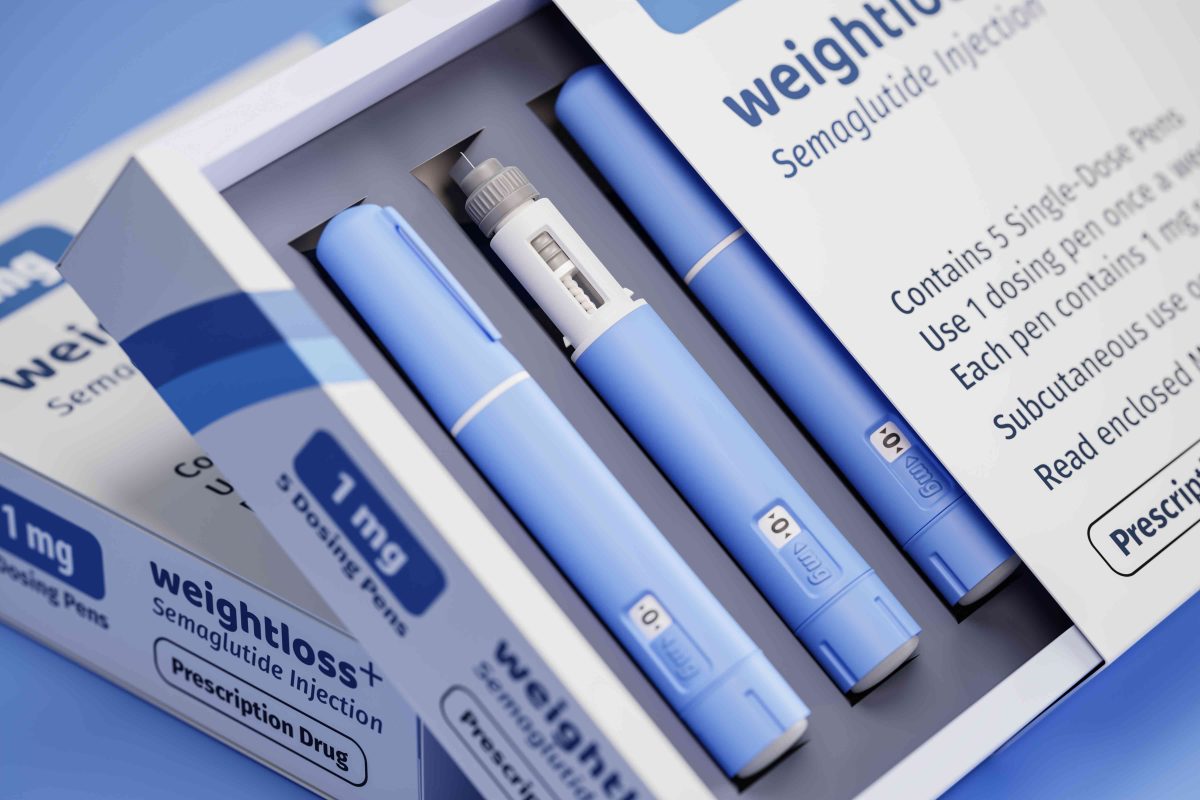
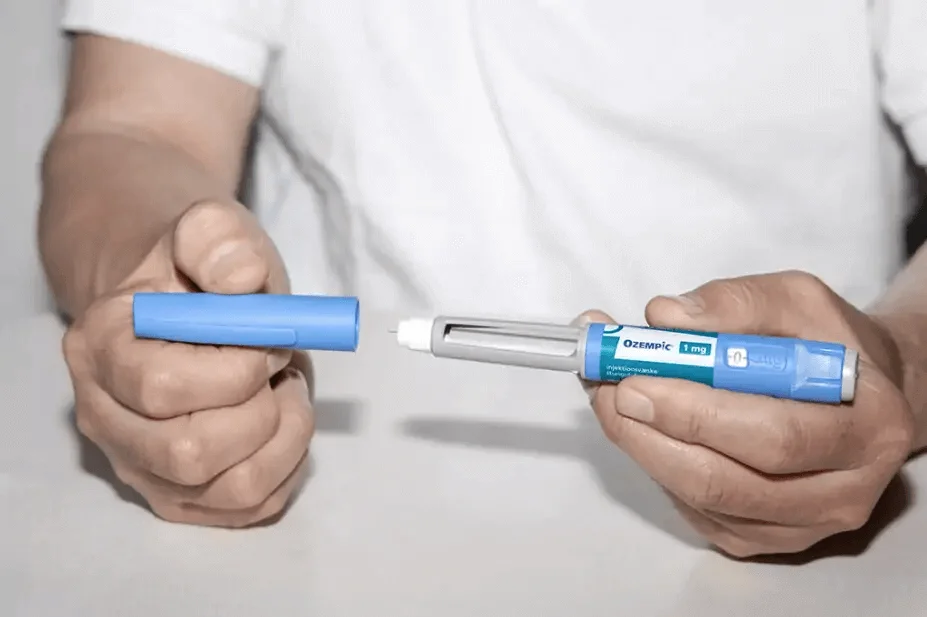
Semaglutide (Ozempic/Wegovy): This peptide is often used for weight control. It works by mimicking a hormone that aids blood sugar and creates satiety. Some of you may be taking it to assist fat loss pre-surgery, but it’s a prescription and should be used under medical supervision.
-
CJC-1295 and Ipamorelin: These peptides are sometimes used to help the body make more growth hormone. This can assist with hypertrophy and fat loss, which some find helpful pre-surgery. They work by signaling the pituitary glands to increase production of growth hormone. These aren’t always approved products, so safety can be inconsistent.
-
BPC-157: Known for its possible healing effects, this peptide is used by some to help with tissue repair and faster recovery. It mimics a portion of a protein naturally produced in the body and is believed to assist with repair in muscles, skin, and the gut. It is not authorized for human usage in many jurisdictions, and product integrity varies.
-
Thymosin alpha-1: Once approved for use in some rare cases, this peptide was used to help the immune system. It’s no longer manufactured for sale, but it demonstrates how peptides can have legitimate applications.
-
Trofinetide (Daybue): Approved for Rett syndrome, this peptide proves that some can be safe and effective for specific medical needs.
-
Leuprolide: Used for hormone conditions, it can cause bone loss if used long-term, so it is not for everyone.
With peptides, it is crucial to know their source. Black market stuff is dangerous. Some have been discovered to contain heavy metals, such as arsenic or lead, at unsafe levels. Things marked ‘for research only’ or ‘not for human use’ are red flags.
Working with a healthcare provider steers you clear of these dangers and helps you select what suits your needs and health best. Peptides can be used pre-surgery to target fat, assist muscle, or accelerate recovery.
They’re not all created equal, not all safe or legal everywhere. A pre-surgery peptide could be in your pre-surgery plan, provided it suits your health and is delivered by a trusted source.
The Surgical Advantage
Peptide therapy is now considered a crucial component of optimizing body composition prior to plastic surgery. Many take peptides for wound healing, scar care, and to enhance post-surgical results. This strategy is gaining momentum as an increasing number of studies examine the role of peptides in promoting tissue regeneration and improving scar appearance.
Aside from the obvious advantage of flying in with a better body shape pre-surgery, peptides play a large role here.
-
Better body composition leads to less fat and more lean muscle. This can provide surgeons a purer glimpse into the region they will operate on, which can help the surgery itself flow more smoothly. When you have less fat, the surgeon has an easier time working with skin and tissue. The outcome can appear more organic, and there is frequently less chance of asymmetrical recovery. Peptides such as Tesamorelin can assist in reducing visceral belly fat and preserving muscle, which is critical for body sculpting prior to surgery.
-
As an added bonus, individuals with healthy body composition typically experience fewer complications in the operating room and recovery. Swelling, bruising, and long healing times can be trimmed when the body is in better shape. Peptides like BPC-157 and TB-500 are used pre and post surgery to reduce inflammation and increase tissue repair. These peptides can assist wounds in healing more quickly and scars in healing smoother. For instance, peptide therapy patients will experience less redness and swelling following a face or body procedure, allowing them to return to normal life faster.
-
Patients who pre-sculpt their shape before surgery frequently report feeling more confident and relaxed. This peace of mind can reduce stress, which can help the body heal quicker. Knowing you have done all you can to lay the groundwork for your body can make the recovery time feel less brutal and help you focus on your outcomes.
-
Collaborating with your surgeon is critical when utilizing peptides. Both patient and physician need to discuss which peptides, in what doses, and for how long. Everything from fat burning peptides to skin healing is important. Occasionally, physicians combine peptides with interventions such as hormone therapy or weight loss medications to optimize outcomes. Open discussion helps ensure the procedure aligns with the patient’s desires, health, and goals, and helps mitigate potential complications.
Risks and Regulations
Peptides for reshaping your body prior to plastic surgery have exploded onto the scene. Their value comes with a background of risks and regulations. Understanding the legal, health, and ethical landscape is critical for any prospective peptide user, either under medical supervision or through self-sourcing.
A checklist of risks and regulatory concerns includes:
-
Product Contamination: Some peptide products, especially those bought online, have been found to contain heavy metals like arsenic and lead, sometimes at levels ten times above what’s considered safe for injectables. This underscores the necessity of strong quality control and indicates an absence of it for a lot of the market.
-
Adverse Reactions: Peptides can clash with other medicines, causing dangerous side effects such as hormone imbalances, autoimmune disorders, or raised cortisol and prolactin. Other users have experienced bone density loss, stress-like symptoms, diminished libido, and in men, gynecomastia. Even approved peptides may have these risks.
-
Legal Status and Labeling: Many peptides sold online are labeled “not for human consumption” or “research purposes only.” These cautions imply the supplements bypass regulation and haven’t been tested for safety or accuracy. The FDA maintains a list of peptides it considers pharmacies shouldn’t be making, with more than two dozen currently blacklisted due to safety issues.
-
Regulatory Shifts: Some peptides, like the GLP-1 drugs used for weight control, were once in short supply and allowed to be compounded. The FDA has since discontinued this exemption and expects compounders to cease manufacturing them. This shows how quickly rules can shift, often in response to emerging safety or supply information.
-
Ethical and Legal Considerations: Using peptides without a clear medical need or outside a licensed medical setup can cross legal and ethical lines. In certain jurisdictions, purchasing or using specific peptides without a prescription is unlawful and subjects users to legal consequences.
Peptides’ approval process differs by region. In general, only a handful have been approved for specific applications, such as hormone replacement or rare diseases, following years of research and safety reviews.
Most peptides sold for pre-op muscle gain or fat loss aren’t approved for this. For this reason, physicians and patients have to question the source of the product, whether it has been tested and if its use is legal.
Is It For You?
Peptide therapy is not a universal journey, particularly when considering body composition prior to plastic surgery. The initial primary consideration is reviewing your own health objectives. Whether you’re aiming to lean down, build lean muscle, or accelerate recovery, peptides might sound appealing.

Some can help you burn fat, repair muscle, and even aid joint and tendon health. There are peptides that assist the body’s repair mode at night, translating to deeper sleep and improved skin. These effects are helpful if you want to get in your best shape prior to surgery. Not everyone will experience the same outcome as the effectiveness of peptides can vary from individual to individual.
Really get a feel for where you currently stand in terms of your body composition. Are you near your surgery goal weight? Do you feel strong and healthy, or have aches, slow healing, or sleeping problems? If you’re answering yes to these, peptide therapy may help fill those gaps.
If you’re dealing with slow muscle recovery or stubborn fat, a peptide that fuels growth hormone at night could help. Others might see improved skin tone or more energy due to peptides supporting skin and cell health. The boosts don’t emerge overnight, and not everyone will receive the same uplift. It’s about aligning your needs with peptide capabilities.
Talking with your doctor is a must! A health care pro can help balance the risks and determine if peptides fit your surgical scheme. They’ll inquire about your health, objectives, and history. This is important since not every peptide is safe or FDA-approved.
Most of the injectable peptides floating around online or in gyms have no evidence behind them and potentially aren’t made safely. The FDA inspects goods and devices for public safety, but not every peptide available fulfills those criteria. Your doctor can steer you away from sketchy products and help you select what’s safe and legal.
It matters because your body and your goals are unique. Some people require more fat loss emphasis and others require more healing or skin support. Your physician might suggest blood work, a history of your health and even an examination of your lifestyle.
This ensures any peptide therapy suits your lifestyle, your operation, and your future well-being. By selecting a plan tailored to your requirements and not a generic solution, it provides you more of an opportunity at a secure, permanent advantage.
Conclusion
Peptides body make-up pre-plastic surgery. Some utilize them to enhance lean body mass, assist in fat loss or accelerate recovery. Rules for usage may change in every nation. Not every body reacts the same, so consult a doctor familiar with this arena. Most people discover that a natural combination of peptides, clean eating and consistent activity gets the job done. To make intelligent decisions, get informed, consult your care team, and monitor your own outcomes. To maximize your prep, consult with a care team that can help balance risks and provide clear advice. For additional facts or to take action, consult a peptide-savvy health pro.
Frequently Asked Questions
What are peptides and how do they affect body composition?
Peptides are small bands of amino acids. They can aid muscle development, fat reduction, and healing. This could assist in enhancing body composition prior to plastic surgery.
Why consider peptides before plastic surgery?
Peptides can assist you in optimizing lean muscle and minimizing unwanted fat. This can help facilitate a more seamless surgery and recovery.
Which peptides are commonly used before surgery?
Popular peptides include GH-releasing and collagen peptides. These can help tissue repair and healing.
Are peptides safe to use before plastic surgery?
Peptides do have side effects or risks. The best advice is to consult a licensed medical practitioner before use.
Do peptides guarantee better surgical results?
No supplement is a promise. Peptides can potentially assist but results vary based on individual factors and the specific surgery.
Are there legal or regulatory issues with peptide use?
Certain peptides might not be approved or regulated in every country. Do your research on local regulations and consult a physician.
Who should avoid peptides before surgery?
Individuals with specific health concerns, allergies, or those taking medications should steer clear of peptides unless recommended by a physician. As always, talk options with your doc.