facebook page instagram account youtube account
Es - En

Retatrutide Meal Plan: What To Eat for Optimal Results

Key Takeaways

  • Retatrutide acts as a GLP-1 drug to promote weight loss and curb appetite. Its impact compounds when paired with nutritional modifications.

  • A protein, fiber, healthy fat, and complex carb-rich diet enables you to get the most health benefits out of retatrutide while maintaining optimal blood sugar and energy levels.

  • Adequate hydration and strategic meal timing may assist with hunger control, digestion, and optimize retatrutide’s metabolic effects.

  • Tackling common side effects like nausea and constipation head-on with smaller meals, high-fiber foods, and sufficient fluid intake can make everyone feel much better and be more likely to continue using the treatment.

  • As a complement to retatrutide, eating a nutritious diet of whole foods is a smart choice.

  • Lifestyle factors such as exercise, gut health, and mental wellness are important components when it comes to obtaining and sustaining results with retatrutide.

Retatrutide and diet what to eat primarily focuses on foods that assist in maintaining stable blood sugar levels and promote healthy weight fluctuations. Individuals frequently select meals rich in fiber, lean protein, and healthy fats while reducing consumption of foods with added sugar or few nutrients.

Fresh vegetables, whole grains, and lean proteins comprise the majority of meals. To assist in scheduling dishes and snacks, the following areas provide specific food lists and concepts to attempt.

Understanding Retatrutide

Retatrutide Overview Retatrutide is an experimental drug developed to treat obesity and type 2 diabetes. It stands out from other GLP-1 medications because it acts on three hormone pathways at once: GLP-1, GIP, and glucagon. This triple-pronged approach controls blood sugar, reduces appetite and may increase energy expenditure.

Retatrutide is administered once a week via injection, with doses generally initiated at a low level and increased gradually to mitigate side effects. Even in preliminary studies, retatrutide users can drop an impressive amount of weight — sometimes more than 20% of their initial body weight. This drug isn’t approved yet, but big trials are underway all around the globe. Pairing smart dieting with retatrutide may help patients experience more profound results and fewer side effects.

Feature

Retatrutide

Traditional GLP-1 Agonists

Mechanism

GLP-1, GIP, Glucagon

GLP-1 only

Dosing

Weekly injection, titrated

Weekly injection, titrated

Effects on weight

Average loss of 24–29%

Average loss of 15–20%

Appetite control

Strong, multi-pathway

Moderate

Blood sugar control

Enhanced, multi-pathway

Good

Clinical status

Phase 3 trials

Approved (various agents)

The Triple-Action Effect

Retatrutide increases insulin secretion if blood glucose increases, facilitating the uptake of glucose from blood into cells. It delays gastric emptying, so blood sugar spikes less after a meal.

It’s on hunger centers in the brain, where it reduces cravings by silencing the signals that cause them, making it easier to commit to smaller meals. Individuals on retatrutide have described experiencing satiety more swiftly and maintaining that feeling longer than previously after meals.

Additionally, it resets the body’s energy burning. By targeting glucagon, retatrutide might increase energy expenditure and aid the body in accessing fat stores as fuel. This means more calories are burned at rest.

These changes accumulate. Blood sugar remains more stable, appetite is suppressed, and fat is more readily burned. The result is powerful weight loss and metabolic improvements beyond what the majority of single-action medicines can deliver.

Diet’s Role

A nutritious diet is key for anyone taking retatrutide, as the drug is most effective in combination with good habits. High fiber and protein foods aid satiety, while nutrient density supports overall health. You can reduce the risk of side effects like nausea by avoiding processed sugars and excess fats.

Some food groups to focus on include:

  • Whole grains (brown rice, oats, quinoa)

  • Lean proteins (fish, tofu, chicken)

  • Legumes (beans, lentils)

  • Vegetables of all types

  • Fresh fruits in moderate amounts

  • Healthy fats (olive oil, avocados, nuts)

Your diet can aid side effects. Having smaller meals that are frequent, keeping hydrated, and opting for blander foods when you first start the medication can help reduce stomach upset. Thoughtful nutrition assists your body through the transition, easing the treatment experience.

Core Nutrition Principles

Effective weight loss with retatrutide depends on smart nutrition decisions combined with sustainable lifestyle transformation. We want to lose fat, not muscle, while supporting metabolic health and making results stick. Balanced macros, nutrient density, individually tailored plans, and personalized strategies are far more important than any band-aid or trendy solution.

By staying goal oriented and striving for health instead of rapid weight loss, you’re less likely to get derailed. Type 2 diabetic individuals will make more gradual advances but still move in the right direction.

1. Prioritize Protein

Protein keeps muscle loss at bay and keeps you feeling satiated. It even revs your metabolism by forcing you to burn more calories digesting it than you burn digesting carbs or fat. Good sources include lean meats, tofu, lentils, eggs, and low-fat dairy.

For lunch and dinner, combine grilled chicken or fish with beans or quinoa, or indulge in a bowl of Greek yogurt and seeds. Protein can support steadier blood sugar and combat cravings. This is crucial with retatrutide, as the aim is fat loss, not muscle.

Try to incorporate a source of protein with each meal, even snacks.

2. Embrace Fiber

Fiber significantly contributes to digestive health and a sense of fullness. It delays digestion, which helps stabilize hunger and blood sugar. Whole grains, berries, carrots, broccoli, and oats are all simple ways to add fiber to your meals.

Both soluble and insoluble fiber count. Oats and apples contain soluble fiber, which cuts cholesterol. Insoluble fiber in whole wheat and veggies keeps things moving in the gut. Blend the two for optimal returns.

Fiber helps meals be more filling and encourages consistent weight loss over time.

3. Choose Smart Fats

Healthy fats keep your heart in shape and foster hormones. They’re best found in sources such as olive oil, nuts, seeds, and avocados. Omega-3 fats from fish or chia seeds combat inflammation and enhance metabolic health.

Fats pack calories, so portion them tightly. Drizzle a spoonful of olive oil on your salads or nibble on a handful of nuts. Healthy fats assist your body in utilizing vitamins A, D, E, and K, which are essential for health on any diet.

4. Mindful Carbohydrates

Choose complex carbs, such as brown rice, sweet potatoes, and legumes, in place of refined sugars. These offer lasting energy and help fuel daily movement. Carbs are essential for mind function. Timing and servings are key.

Combine carbs with protein and healthy fats to give you longer-lasting energy. This does a good job of preventing blood sugar from spiking. Portion control and surrounding carbs with periods of higher activity are important.

5. Hydration is Key

Water facilitates every bodily function, particularly when dropping pounds. Getting your 1.5 to 2 liters a day keeps your metabolism revving and can make you less hungry. Hydrating foods, such as cucumbers, watermelon, or oranges, contribute to your fluids.

Staying hydrated will help you control hunger and boost energy. This matters for anyone desiring sustainable weight loss with retatrutide.

Meal Timing Synergy

Meal timing modulates the body’s response to hunger, energy, and metabolism, particularly in conjunction with drugs such as retatrutide. Meal spacing at regular times can help the body acclimate to appetite changes that accompany treatment. When you eat moderate, balanced meals with protein, fiber, and healthy fats, you stay fuller for longer stretches. This dampens the craving to snack on sugary or fatty foods, which can make blood sugar swing and burden digestion.

Meal timing ties to energy utilization by the body. Eating pre and post exercise will assist muscle recovery and keep energy levels stable. For most, the post workout period is an ideal time to eat a nutritious meal with ‘good’ slow digesting carbs, protein, and fiber. This has the potential to help the body utilize nutrients effectively and could bolster the efficacy of treatment.

For example, a bowl of lentils with brown rice, steamed vegetables, and grilled tofu or chicken plays nicely together post-workout. On lighter days, meals and small snacks with fruit, nuts, or whole-grain crackers can keep your energy even without taxing the system.

Checklist for using meal timing to support results:

  • Eat within 1 to 2 hours of waking up: Jumpstarts metabolism and keeps energy from dipping.

  • Time meals around physical activity: A little snack with carbs and protein 30 to 60 minutes before movement can really fuel your performance. A balanced meal afterward aids muscle repair and recovery.

  • Spread meals and snacks throughout the day. Eating every 3 to 5 hours can prevent massive hunger fluctuations that cause you to overeat.

  • Avoid heavy, greasy, or sugary foods late at night. This supports better sleep and lets the gut rest.

  • Drink water with and between meals. This keeps hydration in check as some medications can blunt thirst cues.

  • Pay attention to hunger signals: While digestion can slow with some treatments, that doesn’t mean you should eat until you’re stuffed. Stop eating once you’re satisfied.

Meal spacing is good for fullness and cravings control. Missing those long spaces between meals usually means less opportunity to binge when you finally dig in. If appetite wanes in the evening, as it does for some on retatrutide, a light dinner or even a late-night snack can be skipped.

The idea is to align meals with natural hunger, not habit or clock.

Managing Side Effects

Retatrutide, similar to other GLP-1 and GIP receptor agonists, can induce side effects that frequently alter people’s eating habits and meal planning. Nausea, vomiting, diarrhea, and constipation are the most common, particularly when initiating or increasing a dose. Clinical trials found nausea to peak following dose escalations, particularly above 8 mg.

Other effects such as redness and itching at injection sites, increased resting heart rate, and rare but serious risks like pancreatitis make close monitoring and careful meal selections important. Lots of folks discover that nutritional adjustments can assist with side effect management and bolster general health while on retatrutide.

For Nausea

  • Consume five or six small meals a day instead of three large ones.

  • When symptoms flare, stick with bland foods like rice, toast, or bananas.

  • Sip fluids slowly throughout the day to stay hydrated.

  • Avoid foods with strong smells or heavy spices.

  • Keep snacks like crackers close by for quick relief.

Nausea is the most common side effect during the first few weeks and after dose increases, so eating smaller, more frequent meals is a feasible way to keep nutrition on target without overloading the stomach. Ginger, in tea or tiny candies, is soothing.

Herbal teas such as peppermint or chamomile soothe the stomach, providing mild relief. Avoid eating rich, greasy meals, which can exacerbate nausea and impede recovery. Everyone is different, so it’s helpful to keep track of which foods soothe and irritate.

For Constipation

A fiber-rich diet comprising whole grains, legumes, fruits, and vegetables is critical for maintaining regularity, particularly because constipation impacts approximately one-third of users at increased doses. Drink a minimum of 1.5 to 2 liters of water a day to assist fiber in doing its job.

Adding yogurts with live cultures or fermented foods like kimchi can support your gut, as probiotics aid digestion. Even regular walks, stretching, or gentle exercise can get things flowing. Eating slowly and chewing food well assists the gut in nutrient absorption and keeps meals comfortable.

For Fullness

  • Prepare meals in advance that balance protein, fiber, and healthy fats.

  • Avoid grazing or snacking between meals.

  • Choose whole foods instead of processed snacks to combat hunger.

Well-rounded meals with lean proteins, vegetables, and whole grains ensure you don’t feel the need to snack while still respecting the fullness that retatrutide can induce. Fats from nuts, seeds, avocado, or olive oil provide a sustained feeling of fullness and keep energy stable.

Mindful eating, which involves listening to hunger and fullness cues, can stop overeating in its tracks and keep individuals scaling back portions when necessary. Everyone’s reaction is different; some discover they require fewer servings, while others have to change meal times.

Sample Meal Framework

A sample meal plan for retatrutide users should promote wellness and be sustainable. Balanced nutrition, variety, and flexibility matter most as the medication may alter appetite and digestion. Eat meals consisting of protein, healthy fats, fiber, and slow-digesting carbohydrates. Balance, portion control, and hydration are important, and planning ahead can simplify your day.

Breakfast Ideas

Protein at breakfast helps fuel your day with consistent energy, particularly when appetite tends to be suppressed following the morning rise. Easy options are hard boiled eggs, plain Greek yogurt or tofu scramble. Pair with whole grain toast, oats or quinoa for both fiber and slow release carbs.

Top with berries, apple slices or a banana for extra vitamins and minerals. A hearty breakfast will stabilize hunger and keep you from eating too much later in the day. Hitting a balance of macros early helps steady blood sugar.

For something fast, think overnight oats with chia and sliced fruit or a smoothie with plant milk, spinach, nut butter, and frozen berries.

Lunch Ideas

Lunch is a great opportunity to squeeze in lean proteins, healthy fats, and plenty of veggies. Grilled chicken or baked salmon, chickpeas or lentils work well. Construct salads using mixed greens, tomatoes, avocado, cucumber, and a sprinkling of nuts.

Dress with olive oil or lemon. Whole grain wraps or brown rice bowls with roasted veggies and beans are both satisfying and simple to prepare. Meal prep—cook proteins or grains in bulk and store in containers, which is a time saver.

What a good serving size is, so measure portions or use smaller plates. When I eat mindfully and tune into my hunger and fullness cues, lunch is more satisfying. Dinner leftovers can be wrapped or tossed in a salad for a whole new meal, reducing waste and hassle.

Dinner Ideas

Dinner should be hearty in nutrients, but not too filling as appetite tends to wane in the evening. How about grilled fish with steamed broccoli and sweet potato or stir-fried tofu with mixed vegetables and brown rice?

Splash the plate with carrot, spinach, or red pepper to add more nutrients and color. Go for a light meal to ease digestion before sleeping. No heavy, greasy, or sugary meals late at night.

I love the family-style meals with shared dishes because it encourages healthy options and can be more fun for everyone to eat.

Snack Ideas

Snack

Key Nutrients

Benefits

Apple + almond butter

Fibre, healthy fat

Satisfies and curbs hunger

Greek yogurt & berries

Protein, vitamins

Supports muscle & gut health

Carrot sticks & hummus

Fibre, protein

Crunchy, filling, portable

Mixed nuts (30g)

Healthy fat, protein

Easy, portion-controlled energy

Snacks should be managed to prevent overindulgence. Fruit, nuts, and yogurt provide extended satiation. Conscious snacking, such as eating screen-free, stops you from nibbling due to habit rather than hunger.

Water is important, as some medications can blunt thirst.

Beyond The Plate

Gazing past the fork, health outcomes with retatrutide are about more than what’s on the plate. Lifestyle, mental well-being, and social connections all form how effective this medicine is and how sustainable forward movement becomes. Diet is only one part.

Other things, like meal timing, stress, and community, contribute as well.

The Gut Microbiome

Gut health connects intimately with everything from digestion to nutrient breakdown to weight management. A healthy gut microbiome, a mix of bacteria, fungi, and viruses, aids in digesting fiber, keeping inflammation down, and promoting balanced metabolism.

Tiny gut bacteria shifts can alter energy expenditure and blood glucose management. What you eat counts. Fiber rich legumes, fruits, and whole grain diets provide food for good bacteria.

Fermented foods boost gut health, like yogurt, kefir, kimchi, and sauerkraut. Too many refined carbs can throw things off, sometimes causing bloating or discomfort. Keeping track of what you eat and any symptoms can assist in determining which foods benefit or irritate your gut.

For most, targeting 21 to 30 grams of fiber per day goes a long way, providing digestive and weight management upsides. Aside from the plate, a balanced gut microbiome enables weight loss and makes it easier to combat side effects such as constipation, which can impact up to 33% of those on some medications.

The Mental Aspect

It’s not just about eating. Beliefs, emotions, and behaviors influence decisions. Stress, boredom, or sadness can drive us to eat more or seek out less nutritious options.

Mindfulness, paying attention to hunger, taste, and fullness, can help you build a better relationship with food and body image. Realistic, not extreme, goals help keep motivation high and setbacks in check.

Eating frequent small meals can alleviate nausea or heartburn, allowing the body to digest food more efficiently. Prioritizing protein first and then taking a pause tames appetite. This is a great strategy given retatrutide can decrease appetite.

Support is queen. Talking with a counselor or dietitian or joining a group can provide helpful tools and encouragement to get through the rough patches. Tracking food and symptoms over time can help you determine patterns, like whether refined carbs cause unwelcome reactions or if certain habits lend you better energy.

Exercise counts as well. Even 20 minutes a couple of times a week can sustain mood, metabolism, and blood sugar. Exercise and stress relief with easy habits such as deep breathing or mini walks keep body and mind in sync.

Conclusion

To optimize retatrutide, consume balanced meals comprising whole foods. Reach for lean meat, beans, whole grains, and plenty of fresh fruit and veggies. Hydrate yourself sufficiently. Keep your meals simple, with bright colors and varied textures, so eating is pleasurable and not a chore. Pay attention to how your body feels following meals. Tinker with your diet if you experience stomach issues or fatigue. Attempt to be a little active every day, even if it’s just a stroll. Consult your physician or dietician if you have questions or want to make large adjustments. For additional pointers or actual meal suggestions, visit in-person groups or reliable online forums. Tiny tweaks accumulate.

Frequently Asked Questions

What foods should I eat while taking Retatrutide?

Pay attention to balanced meals with vegetables, whole grains, lean protein, and healthy fats. Minimize processed foods and sugar-sweetened beverages. This complements Retatrutide’s impact and encourages holistic wellness.

Are there foods I should avoid on Retatrutide?

Yes, stay away from fried foods and sugars. These can exacerbate side effects such as nausea or delay weight loss outcomes. It is best to eat light, healthy meals.

How should I time my meals with Retatrutide?

Have small meals throughout the day. This prevents you from getting hungry and stabilizes your energy. Skip big or heavy meals, which can increase side effects.

Can I drink alcohol while using Retatrutide?

Try to cut back on or avoid alcohol. Alcohol may worsen stomach upset and can influence blood sugar levels. As always, consult your doctor for personalized advice.

What can I do if I feel nauseous on Retatrutide?

Go for bland low-fat foods such as crackers, rice, or bananas. Take small sips of water. Try eating smaller, more frequent meals, which can minimize nausea.

Do I need supplements with Retatrutide?

Supplements are rarely required if you consume a nutritious diet. If you have specific deficiencies, talk to your provider before supplementing.

Can Retatrutide replace healthy eating?

No, Retatrutide loves a healthy diet. Healthy nutrition will aid in your weight loss and in your overall health. Take both for maximum effect.

How Effective is Retatrutide in Suppressing Appetite?

Key Takeaways

  • Retatrutide’s triple agonist mechanism targets GLP-1, GIP, and glucagon receptors, resulting in strong appetite suppression and enhanced metabolic control.

  • The drug slows gastric emptying, which keeps users satiated for longer and could decrease overall calorie consumption.

  • According to clinical trials, retatrutide is highly suppressive of appetite and aids in weight loss. Its safety profile is consistent with other drugs in this class.

  • Retatrutide impacts brain signaling and neurotransmitters to regulate hunger and suppress food cravings. This fosters better eating habits.

  • As with all medications, individual response to retatrutide may vary, making personalized dosing essential for the best appetite suppression and weight loss outcomes.

  • Beyond appetite suppression, retatrutide could provide other advantages, such as better blood sugar control, making it an exciting potential solution for holistic obesity treatment.

Retatrutide’s appetite suppression was among the most potent seen from a multivalent hormone therapy to date. The medication functions by targeting various hormonal mechanisms associated with appetite and fullness.

Side effects typically involve mild nausea or stomach upset. Here’s what comes next—detailing how retatrutide works and what to expect.

Appetite Suppression Mechanism

Retatrutide’s mechanism of action involves mimicking three endogenous gut hormones: GLP-1, GIP, and glucagon. These hormones assist in regulating appetite, metabolism, and blood sugar. By targeting these receptors in the brain and gut, retatrutide alters hunger signals and results in reduced food consumption.

Most people begin noticing an appetite reduction within weeks of initiating retatrutide. The weight loss accumulates over time, as the body calibrates to the novel hunger and metabolic cues.

1. Triple-Agonist Action

Retatrutide’s triple-agonist aspect is that it targets GLP-1, GIP, and glucagon receptors simultaneously. This combination allows it to address multiple aspects of appetite and metabolism.

GLP-1 and GIP both instruct the pancreas to secrete insulin post meal, which aids in blood sugar control and appetite suppression. Glucagon receptor activation aids in maintaining blood sugar levels, which can contribute to appetite suppression.

Unlike older GLP-1 drugs, retatrutide’s three-way action gives it a more potent effect on both appetite and metabolism, positioning it as useful for obesity treatment. By targeting all three hormone pathways simultaneously, retatrutide can assist with weight loss and blood sugar control in ways that single-pathway drugs cannot.

2. Brain Signaling

Retatrutide modifies the brain’s processing of hunger signals, particularly in the hypothalamus, which governs appetite. By stimulating GLP-1 and GIP receptors in the brain, it delays hunger signals and increases satiety.

This can translate to reduced cravings and reduced attraction toward calorie-dense foods. Retatrutide acts on neurotransmitters such as serotonin and dopamine, which influence our food perceptions and appetite.

These adaptations facilitate adherence to reduced-calorie diets.

3. Gastric Emptying

Retatrutide keeps people full by slowing gastric emptying. Food remains in the stomach longer, providing a helpful satiety mechanism and curbing between meal urges.

This delayed emptying can cause an automatic reduction in calorie intake, as individuals feel satiated with fewer calories. Retatrutide impacts muscle movement in the stomach and gut, delaying gastric emptying and facilitating adherence to a meal plan.

This alteration in digestion can aid with long-term weight management.

4. Metabolic Rate

Retatrutide could increase metabolic rate, so the body burns more energy at rest. It may render the body metabolically more flexible in terms of its use of fat and sugar for fuel.

Over time, this results in more fat loss and improved body composition. Its capacity to increase metabolic rate is critical to maintaining weight loss, particularly for those who have endured the yo-yo effect of regaining weight following cessation of other medications.

5. Food Cravings

Retatrutide demonstrated an appetite suppression mechanism, as it helped reduce intense cravings, particularly for sugary or fatty foods. This impact can assist individuals in steering clear of emotional eating and remaining on track with nutritious options.

Appetite suppression improves eating habits control, which is a key component in sustainable weight loss and long-term weight maintenance. For most, controlling food cravings is a significant challenge, and retatrutide provides a means to address it.

Mechanism

Pathway Targeted

Appetite Effect

Metabolic Outcome

GLP-1 receptor activation

Brain, pancreas

Reduces hunger, increases fullness

Better blood sugar control

GIP receptor activation

Pancreas, brain

Modulates hunger

Boosts insulin after meals

Glucagon receptor activation

Liver, gut

Indirect appetite regulation

Controls glucose, burns fat

Delayed gastric emptying

Stomach, gut

Prolongs satiety

Lowers calorie intake

Neurotransmitter changes

Brain

Less cravings

Improved eating behaviors

Clinical Evidence

Clinical Trials for retatrutide demonstrate powerful appetite suppression in adults with obesity or overweight. In a widely publicized phase 2 trial, retatrutide users experienced less hunger and consumed fewer calories per day than placebo participants. These effects were observed as early as month one and persisted throughout the study. This trial utilized self-reported hunger scores and monitored daily food intake, demonstrating a consistent decrease in appetite with increasing doses of retatrutide.

Subjects in these trials shed more pounds, highlighting how appetite regulation ties into improved outcomes. A side by side comparison puts retatrutide’s appetite impacts in perspective. For instance, in one table, retatrutide is benchmarked against other popular weight loss medications. The table utilizes clinical evidence from trials measuring appetite scores and food consumption over a designated time frame.

Medication

Appetite Suppression Score (0–10 scale)

Average Weight Loss (kg, 48 weeks)

Notes

Retatrutide

7.5

17–24

Strong, dose-dependent

Semaglutide

6.8

12 to 16

Most extensively studied GLP-1 agonist

Tirzepatide

7.0

15–22

Dual GIP and GLP-1 action

Placebo

2.1

2 to 4

Minimal effect

Placebo-controlled studies are critical here. They help exclude the possibility that appetite or weight changes are simply the result of lifestyle changes or a placebo effect. In retatrutide trials, people on placebo experienced minimal changes in hunger or number of calories consumed relative to the drug group.

This gap is solid clinical evidence that retatrutide itself causes reduced appetite and increased weight loss. These types of studies establish confidence in the outcomes, as neither the scientists nor the participants are aware of who receives actual medication versus a placebo during the trial.

Safety is a key topic in all studies. Retatrutide’s side effect profile is similar to other drugs in its class. The most frequent side effects are mild to moderate stomach upset, including nausea, vomiting, or diarrhea. These occur most frequently in the initial weeks and then generally resolve.

A few individuals discontinued the treatment because of side effects. No significant safety signals have emerged, but extended studies are necessary to monitor infrequent or prolonged hazards. Individuals with specific health conditions or who are on other medications should consult their physician prior to initiating retatrutide.

The Lived Experience

Participants in retatrutide’s clinical trials told various tales about their appetite. Some experienced a significant decrease in appetite by the second month. Others discovered they could forgo snacks or eat lighter at meals without suffering the same craving as previously. For most, this made adherence to meal plans simpler than previous diets.

This drop in hunger wasn’t merely that people ate less food; it altered the way people made decisions around food as well. Some found they grabbed more healthy things, others just ate less. These shifts were common among participants, with 31 reporting their eating habits shifted early in treatment.

These appetite swings often translated to real changes in life. For a lot of people, as they ate less, they moved more. For instance, 27 participants reported that their capacity to accomplish activities such as walking, climbing stairs, or playing with children got better.

This additional movement was occasionally accompanied by improved vigor, as 24 respondents reported that they felt less lethargic. These shifts frequently accompanied a surge in optimism and confidence. Others told us that feeling lighter or more mobile made them feel more joy and confidence.

Feeling good about themselves was reported by 32, and 25 said they were happier day to day. Appetite control with retatrutide didn’t always result in an easy, feel-good conclusion. A few folks had rough moments.

For example, three were disappointed by their relative weight loss, even if they were less hungry. Some others ran into issues with their body transforming. Two people hated how their skin looked post-weight loss, while one commented on how much his clothes fit differently and it took a minute to get used to.

Four were drained and one was on the verge of exhausted, and two had tummy troubles too tender to meet a table of friends. A couple of participants had a difficult time with their eating habits changing. Two withdrew from social gatherings because these new rules around eating made it difficult to participate or because of side effects.

These stories demonstrate that the lived experience of appetite suppression is not universal. Others experience it as a delicious reprieve and a jolt toward more activity and happier spirits. Others hit snags from slow going or a difficult transition.

Dosage and Efficacy

Retatrutide is administered as a once-weekly injection and dosing begins low, then increases to the goal dose over several weeks. Different doses in clinical studies contribute directly to the extent to which appetite decreases and weight loss occurs. Strength of appetite suppression correlates with dosage. From a dosage perspective, that’s good news — higher doses translate to more weight loss and a more powerful impact on hunger.

Below is a clear breakdown of recommended dosages and their effects based on current research:

  • 1 mg is the lower end, with mild appetite suppression and smaller weight loss seen in clinical trials.

  • 4 mg leads to moderate appetite suppression and more visible weight loss than the lowest dose.

  • 8 mg: Upper-middle range, shows stronger appetite suppression and weight loss of about 23 percent after 11 months.

  • 12 mg: Highest tested dose, brings the most marked appetite suppression and weight loss, with an average of up to 29 percent weight reduction (about 71 lbs) after 68 weeks.

These figures come from randomized clinical trials where retatrutide was administered on a weekly basis. In phase 2 trials, doses were 1 mg, 4 mg, 8 mg, and 12 mg.

Individuals on 12 mg lost more weight on average than those on 8 mg, 4 mg, or 1 mg. Weight loss averaged 17.5% in just 24 weeks, and with longer use at the highest dose, it reached almost 29%. In an 11-month trial with 8 mg and 12 mg, weight loss was approximately 23% to 24%, meaning the effect was potent and sustained.

How you start retatrutide makes a difference. Most clinical trials utilize a stepwise approach, where people start at a lower dose and ramp up. This acclimatizes the body, reduces side effect risk and still allows the drug to be effective for appetite suppression. The slow increase is an important component of the dose.

Because everyone reacts differently, there is no universal dose. Certain individuals may experience powerful hunger reduction and fat loss with smaller doses, while others require increased dosages to witness the same effect. Medical teams commonly adjust the dose depending on response, side effects, and individual objectives.

The best outcomes come from a customized plan that suits the individual, not from dosing everyone the same.

Beyond Appetite

Retatrutide is about more than suppressing appetite. Most of those that take it detect alterations in how their bodies metabolize sugar. Blood sugar numbers usually look better, which means less other medicine for some. One anecdote noted that a patient discontinued their hypertension medication after initiating retatrutide. This demonstrates how the drug could do more than assist with weight alone.

Taking care of your health extends well beyond just shedding pounds. Retatrutide had previously shown promise in aiding people with issues linked to excess weight, such as diabetes and heart health concerns. Others report they enjoy being more active, participating in more sports or hikes, and squeezing into smaller sizes.

One individual lost 120 kilograms to 108 kilograms, enabling them to do more on a daily basis and feel more confident. Others discuss increased energy, being able to play or have dinner out with friends, or simply feeling good when looking in a mirror.

That’s not the case for everyone. A few have reported that their new eating habits make social events difficult. They may not want to eat out, or they’re disappointed if they don’t drop as many pounds as anticipated. You needed to eat high-calorie foods to prevent losing too much weight, a rare but genuine concern.

There can be health consequences as well. One of its users lost nearly a third of his body weight in less than a year but developed kidney stones, a condition that requires quick medical intervention. Others experience body shape changes and some see unforeseen fat loss in places.

Others notice improved energy and doing more with their day or family. Others experience even basic activities, like walking or bending, becoming easier. Yet others have to purchase new wardrobes or alter their appetites, anything but simple.

Retatrutide is no silver bullet and shines when combined with complementary approaches, such as a nutritious diet and exercise. We’re particular about our medicine too — whether it’s from a reputable seller or not, even if it costs more.

Leveraging retatrutide in a comprehensive strategy, with backing from health pros, helps manage not just weight but the entire cocktail of health concerns that can accompany it.

Future Implications

Retatrutide shines as an incredible new obesity care drug. As a triple agonist, it targets glucose-dependent insulinotropic polypeptide, glucagon-like peptide-1, and glucagon receptors. This introduces another level for physicians to target both hunger and body size. Retatrutide’s place in this space could expand quickly, as most people have difficulty controlling their weight with available treatments.

With such robust appetite suppression and high rates of reported weight loss, like 76.7% of patients achieving their stated weight loss goal, it foreshadows a drug that may become a first-line option in obesity pharmacotherapy. This success rate is impressive relative to older therapies that tend to produce more modest results. The possibility of folks shedding a dress size and experiencing actual transformations in lifestyle can have a huge impact on life and health.

As clinical trials continue, they enrich the existing knowledge base for retatrutide. They’re not just about losing weight. They examine alterations in appetite, energy, and exercise. For instance, 31 of 36 patients observed food cravings within 8 weeks of initiating therapy.

Twenty-four boasted improved energy, and a good number felt more empowered to engage in exercise. It’s not simply about the numbers—these outcomes indicate that retatrutide could change the experience of feeling in one’s body and navigating the world. Still, research watches for downsides, such as individuals experiencing decreased socialness from side effects or novel meal schedules.

These results require additional investigation to understand how they manifest in broader populations. Public health programs aimed at obesity could have newfound optimism with a medication such as retatrutide. Its potential to transform eating habits, increase energy and aid mobility may position it as a staple of expansive health strategies.

Nations with high rates of obesity could deploy it to reduce their risk of related illnesses. Still, side effects that limit social life or change daily routines will have to be considered by public health officials when planning large-scale use. We’ll have to be sure those benefits extend to lots of people while minimizing risks.

Things are changing for obesity drugs. Retatrutide, with its triple-action approach, might now lie at the heart of this transformation. It follows other new drugs, but its initial results, which include robust hunger control, improved mobility, and increased energy, distinguish it. More long-term data will reveal if it can fulfill early optimism.

Conclusion

Trials demonstrate actual evidence, not merely transient alteration. They report obvious narratives of reduced hunger, fewer snacks, and not constantly thinking about food. Physicians are witnessing outcomes at safe dosages. It spills over beyond appetite, hitting mood and blood sugar, too. Further research might reveal additional uses for it. Anyone interested in retatrutide should consult with a healthcare team for safe, informed decisions. If you’re watching new options for weight or health, watch this space. Your next step begins with real questions and a conversation with your physician. Stay tuned and watch for fresh facts as the science continues to advance.

Frequently Asked Questions

How strong is appetite suppression with retatrutide?

How strong is retatrutide appetite suppression? Retatrutide suppresses appetite and the participants experienced reduced hunger leading to decreased calorie consumption.

How does retatrutide suppress appetite?

Retatrutide targets multiple hormone receptors that impact appetite. This results in appetite suppression and makes people satiated for longer.

What do clinical studies say about retatrutide’s effectiveness?

With respect to clinical data, retatrutide showed it could indeed lead to meaningful weight loss, primarily through appetite suppression. Participants reported more significant appetite reductions than those on placebo.

Is retatrutide’s effect on appetite consistent for everyone?

No, appetite suppression with retatrutide is variable. Dosage, individual metabolism and overall health can all play a role.

What is the recommended dosage for appetite suppression?

Doses are prescribed by a healthcare provider. Clinical studies typically deploy a dose-escalation approach to minimize side effects and maximize appetite suppression.

Does retatrutide have benefits beyond appetite suppression?

Retatrutide may help improve blood sugar levels and support metabolic health. They are continuing to be researched in ongoing trials.

Are there any side effects related to appetite suppression?

Nausea, vomiting, or digestive discomfort is a common side effect for some users. These symptoms frequently diminish with time but should be addressed with a physician.

J-Plasma Under Chin Skin Tightening Guide 2026

Key Takeaways

  • J-plasma uses plasma energy and helium gas to tighten and rejuvenate skin under the chin by stimulating collagen and offering immediate contraction with minimal invasiveness.

  • It addresses deeper skin layers through subdermal application, resulting in potentially improved outcomes and faster recovery than conventional surgery.

  • Best candidates are those with mild to moderate skin laxity. Age, genetics, and lifestyle all contribute to candidacy and results.

  • Right consultation and preparation, such as making sure to communicate clearly with a qualified provider and adhere to pre-procedure instructions, are key for safety and best outcomes.

  • Post care usually includes wearing a compression garment, controlling swelling, and following medical guidance to facilitate smooth healing and optimize results.

  • Patients need to consider the advantages of enhanced skin tightening versus the risks involved, find reliable data, and have it done by qualified, experienced physicians.

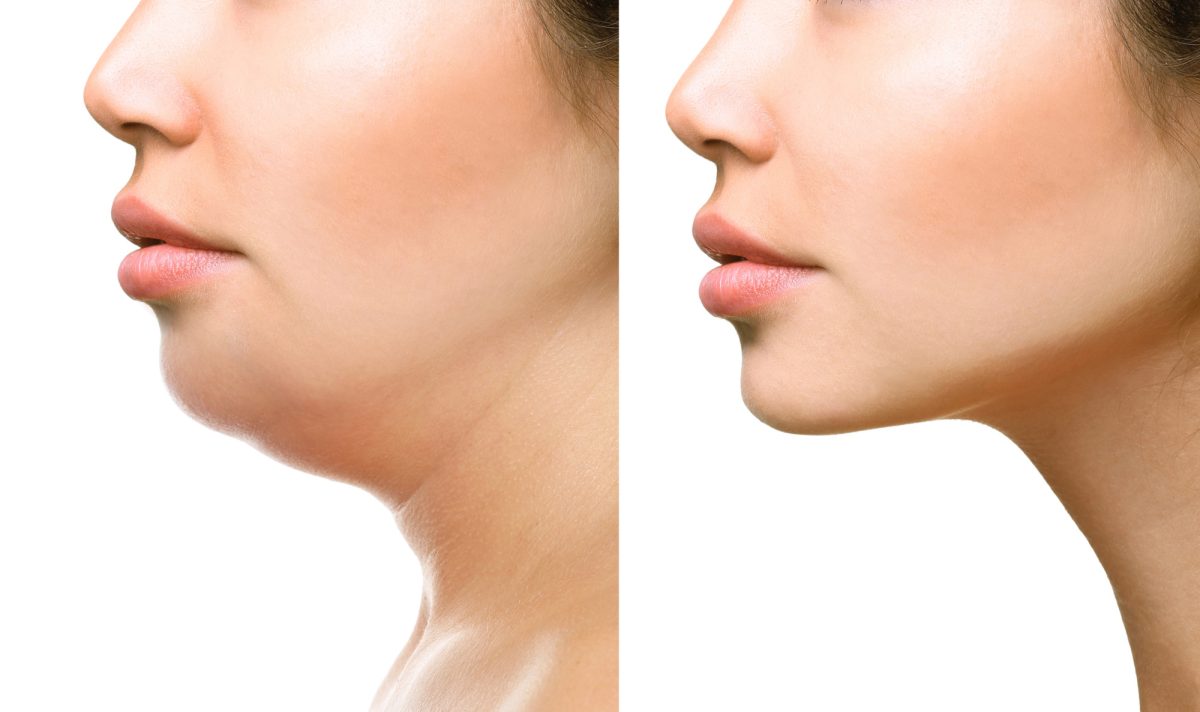
J-plasma under chin skin tightening is a minimally invasive procedure that helps tighten and smooth loose under chin skin.

Using cold plasma energy, it operates under the skin to tighten tissue and provide a more sculpted chin line.

For a speedy recovery and obvious effects with no big scars, many opt for this route.

To find out whether it suits your needs, it’s useful to understand how the procedure operates and what to anticipate.

The Technology

J-Plasma or J Plasty is at the intersection of non-surgical skin tightening. The technology is effective on the area under the chin and other areas with loose skin, aging, or weight loss. The system combines plasma energy with helium gas, creating a contained and precise effect.

The procedure hopes to tighten and refresh skin without huge surgical scars and minimizes downtime. It’s applicable to various body parts including the neck, arms, thighs, and abdomen and is popular for its results longevity and minimal invasiveness.

1. Plasma Energy

At the heart of J-Plasma is plasma energy. When applied, it activates the skin’s own healing response through collagen stimulation. Collagen keeps skin firm and elastic, so stimulating its production supports skin to appear smoother and more youthful.

Unlike older laser treatments, plasma energy works at lower temperatures, decreasing the chances of burns or unintended tissue harm. For most, this translates into a better tolerated experience.

Plasma energy does not depend on heat. Instead, it produces a focused energy field that contracts tissues and tightens skin nearly immediately. This approach can penetrate deeper layers without damaging the surface, which is a significant advantage for sensitive areas such as the neck or under the chin.

Traditional lasers can cause more swelling, redness, or extended downtime. Plasma energy tends to abbreviate these impacts, so the treatment is that much more convenient for hectic schedules.

2. Helium Gas

Helium gas is the secret to the device’s cooling impact. As the plasma energy is discharged, helium immediately cools the tissue, which prevents burns and maintains comfort. The gas is inert, so it doesn’t react with body tissues, and it has been cleared for cosmetic medicine by health authorities, including the FDA.

Helium is safer than other gases because it is light, stable, and less reactive. Its distinct cooling ability enables precise control, making the J-Plasma procedure safer and more comfortable.

Helium helps keep the device’s tip cool, which is an important feature for longer sessions or larger areas.

3. Skin Contraction

Skin contraction is why patients notice an immediate difference post-treatment. Plasma energy makes the skin pull together, shrinking loose areas under the chin and helping texture. A lot of them observe tighter, smoother skin and higher self-esteem and confidence.

This impact is more than skin deep. It can result in enhanced tone and less wrinkles, which refreshes the face and neck. As collagen forms over time, the results tend to improve, sustaining a youthful appearance for years.

It’s gentle, so side effects like swelling or bruising typically subside within a week. Basic care like ice packs assists in the healing process.

4. Subdermal Application

Subdermal means it operates beneath the skin’s surface. It targets the deeper layers and can tighten skin more effectively than creams or surface-only treatments. It is less invasive than surgery, so there are no big scars or extended downtime.

Most procedures require only one to two hours, and the majority of patients return to routine activities within days. This tiny technology will allow physicians to be exact by addressing only what is necessary and sparing surrounding tissue.

Patients with mild to moderate loose skin from age, weight loss, or pregnancy enjoy this method because it provides visible, lasting results.

Candidacy

J-plasma under chin skin tightening is a targeted treatment for mild to moderate skin laxity. It is very effective for adults with the first signs of loose skin under the chin who want to avoid invasive surgery. The optimal outcome tends to be among individuals aged 30 to 60.

Younger candidates with good skin elasticity will experience more evident changes, whereas older patients suffering from advanced laxity may require more than J-plasma alone. If your skin is very loose, only a surgical facelift or neck lift may work. J-plasma can tighten small areas, like under the chin or eyes, but cannot substitute for excisional surgery if sagging is too advanced or there is excess tissue.

Genetics and lifestyle play a big part in how skin ages and who benefits most from J-plasma. Genetics can decide how much the skin sags or how fast it loses firmness. People with a family history of early skin laxity might see changes sooner, even with a healthy lifestyle.

Habits such as smoking, sun exposure, and changes in body weight can speed up skin aging. These lifestyle factors can affect results, so a full evaluation always looks at both genetics and day-to-day habits. For example, a non-smoker with mild laxity and stable weight could see longer-lasting results than someone with fluctuating weight or heavy sun exposure.

Some health conditions could make J-plasma less appropriate. Pregnant women shouldn’t have this done. Patients with some serious health conditions like poor wound healing or active skin infections are bad candidates until these are addressed.

If there are big fat deposits under the chin, these might need removal with liposuction first, as J-plasma does not remove fat. There may be restrictions for people with blood disorders, immune problems, or a history of keloid scarring. A complete review of medical history and current health is imperative prior to advancing.

In considering J-plasma, it helps for patients to have clarity on what they want to change. If you’re looking for a bit of tightening and a little lift, J-plasma might be just right. If you’re looking for dramatic change or have very loose skin, other surgeries may be a better option.

Establishing real goals with a seasoned provider staves off disillusionment and makes sure the appropriate treatment is selected. J-plasma can be a great surgical adjunct, but understanding its limitations is as important as understanding its advantages.

The Procedure

J-plasma under chin skin tightening is a minimally invasive procedure used by men and women of many different age groups, from their 30s through their 80s. As the name suggests, the treatment works to tighten and firm loose skin under the chin for natural results without major surgery, downtime, or large scars. Cold plasma energy is delivered under the skin, where it tightens and shrinks almost immediately.

Swelling and bruising occur, but most patients return to daily activities in 3 to 5 days, which usually subside after 1 to 2 weeks. Every step, from consultation to aftercare, is important for safety, comfort, and optimal results.

Consultation

A serious consultation lays the groundwork. The surgeon inquires regarding the patient’s priorities, aspirations, and trouble spots. This step is key to tailoring treatment to individual requirements. Confidence springs from transparent, open dialogue.

Patients should feel encouraged to communicate their expectations and inquire about anything. Surgeons test the neck’s skin for laxity and quality. They consider overall anatomy to determine whether J-plasma is a good match. A custom schedule is created for each individual, guided by objectives and the inherent contours of the neck and chin.

Preparation

  • Disclose all current medications and supplements to the doctor.

  • Stop blood thinners and anti-inflammatories, as recommended, to minimize bleeding risk.

  • No smoking and alcohol for a few days prior to the procedure.

  • Increase water intake too, which will assist healing and skin tone.

  • Use gentle skin care products as recommended.

  • Show up at the clinic with a fresh, makeup-free face and neck.

Patients please heed all pre-appointment directions carefully. These measures reduce the likelihood of complications and increase the probability of an easy recovery.

Treatment Day

On the day, patients walk into a serene, sanitary clinic room. Staff go over the steps and address last-minute questions. Local tumescent anesthesia is typical, with the patient comfortable and conscious.

The actual procedure takes around 30 to 60 minutes. The procedure occurs under the chin, so scars are tiny and heal well. Cold plasma is applied beneath the skin, tightening and lifting tissue. Supportive care is provided throughout, with nurses available to assist with comfort and alleviate anxiety.

Aftercare

  • Wear your compression garment for 72 hours.

  • Maintain hygiene and do not scratch or rub the skin.

  • Apply cold compresses or Doc-approved pain relief to reduce swelling and pain.

  • Be aware of signs of infection or anything unusual and get in touch with your provider if necessary.

  • Go to all after-care appointments for check-ins and guidance.

Wearing the compression garment sculpts results and reduces swelling. There is mild swelling and bruising that lasts days to two weeks, but the majority of routine activities can be accomplished within a few days. Routine check-ups keep tabs on healing and spot trouble early.

Recovery & Results

J-plasma under chin skin tightening is a minimally invasive solution for patients looking for enhanced jawline definition and tightened skin. Recovery occurs in stages, with the majority of individuals returning to normal activities within days. Post-operative feelings are typical, but when taken care of properly, they subside with time. The benefits can be immediate and long-term, but various factors influence the duration of benefits.

Timeline

Phase

Timeframe

What to Expect

Immediate

0–2 days

Mild swelling, redness, tight feeling

Early Recovery

3–14 days

Bruising, tenderness; most resume daily activities

Subacute Recovery

2–12 weeks

Swelling fades, skin tightens more

Ongoing Improvement

3–6 months

Up to 80% improvement, firmness increases

Full Results

6–12 months

Healing completes, natural skin texture returns

Swelling, redness, and bruising are common the first week or two. The vast majority are back to work or social life within a few days. Exercise and strenuous activity should be avoided for up to four weeks as the skin heals.

Follow-up visits monitor progress and detect problems early. Habits such as not smoking, good meals, and proper hydration assist in a quicker recovery.

Sensation

Anticipate some mild discomfort, tightness, and tenderness in the immediate post-procedure period. Swelling can persist for a week or two, but typically subsides by the third month. Redness is common, but it subsides with time.

All of these are good news and mean the skin is recovering. Any new or intensifying pain, severe swelling, or odd changes should be reported to a physician immediately.

Fragrance-free gentle cleansers and moisturizers can ease the skin and reduce irritation during healing. Stay away from strong exfoliants and strong actives until the skin normalizes.

Longevity

J-plasma results are apparent immediately, frequently with 60% tighter skin. In the following six months, collagen accumulates, accounting for up to 80% enhancement in skin firmness and appearance.

These impacts can persist for at least five years for many patients. Skin type, age, and sun habits all influence the longevity of results.

Daily sun protection slows skin aging and helps seal in benefits. A basic skincare regimen—gentle cleansers, moisturizing lotions, and non-abrasive sunblock—can make the skin silky soft. Others might require touch-ups a couple of years down the road to maintain their results.

Risk vs. Reward

J-plasma under chin skin tightening is an option for those seeking firmer skin without major surgery. As with any surgery, it provides both positive outcomes and genuine dangers. We like to know both sides so we can decide if it suits us.

The dangers with this method are not uncommon. Most individuals experience inflammation, red skin, or bruises beneath the chin. These signs can linger for a week or two. Infection is another risk, even though it’s not frequent. To mitigate this risk, clinics provide explicit aftercare instructions, such as keeping the treated area clean and not over-manipulating it.

Renuvion, the device behind J-plasma, received warnings from the FDA for certain uses. This includes skin tightening and dermal resurfacing, so it’s helpful to inquire about these cautions with your provider. As more people give it a shot, research and clinic reports indicate a continued low rate of serious issues. As with any treatment, you can’t make the risk zero.

On the reward side, the figures are difficult to resist. Immediately post treatment, some patients experience as much as 60% more tightness in their skin. With time and good aftercare, results can top 70 to 80% tighter. More than 90% see distinct improvements and feel the skin beneath their chin is smoother and younger-looking.

These outcomes might persist for a decade or more with good skincare and healthy habits. Recovery is rapid as well. Most return to work or their daily routine within days, not weeks or months, as with traditional surgery. This abbreviated downtime simplifies the process of participation for busy professionals or parents unable to take much time off.

The price is not insignificant. Treatment can cost anywhere from $3,000 to $15,000, depending on the clinic, provider’s skill, and size of the area. This might be a considerable spend for some, so it’s smart to consider the risk versus reward, the cost versus the potential increase in skin tautness and pride.

A practiced purveyor reduces hazards. Choosing a board-certified surgeon with proven experience in J-plasma treatment is crucial. These physicians understand how to identify risk indicators and how to navigate their patients through recovery.

Good clinics tell you the truth about side effects, costs, and the risk of things turning out worse than you hoped. Patients need to request before and after photos, read reviews, and ensure all their questions are met with sincere answers. This helps frame clear expectations and provides a feeling of control.

Beyond The Hype

J-plasma under chin skin tightening is a quick fix, but there are myths about the power of it and the results. Others believe it yields immediate and flawless outcomes in just a single sitting. In reality, the majority of patients require more than one treatment, often two or three, spaced approximately a month apart, to achieve their objectives.

The treatment does yield tighter skin, but it doesn’t halt the aging process or provide a one-time fix. It’s not always true that the results are permanent or the recovery is always fast. Recovery is typically rapid, although the majority of individuals experience some degree of swelling, redness, or numbness for several days to weeks.

These effects dissipate, but some tautness and soreness can remain in the skin for some time, which is part of the healing process.

In real-world results, J-plasma can be fantastic for numerous individuals. The improvement is relative to the original skin condition, age, and other factors. Research shows patients experience a 70 to 80 percent increase in skin tightness and over 90 percent see distinct changes.

Results can emerge in a few weeks and then improve over a few months as the body develops new collagen. Complete healing can take as long as a year. Many patients enjoy being able to return to their daily activities in under 10 days, and the treatment is only 30 to 60 minutes long.

This makes it a realistic choice for busy individuals seeking noticeable results with less downtime than surgery.

Plasma has advanced. J-plasma utilizes cold plasma energy, delivering less heat and less burn risk than older devices. This allows physicians to address sensitive submental regions with increased precision and oversight.

The energy makes the skin tighten immediately and initiates a cascade of changes that encourage new tissue for longer. The important thing is that these advances reduce hazards and increase the likelihood of an uncomplicated recuperation.

Patients need to seek honest, unbiased testimonials from others who have experienced J-plasma. Trusted medical sources and peer-reviewed studies are more reliable than ads alone.

Reading candid reviews and requesting before and after pictures can really help establish realistic and reasonable expectations. It’s smart to discuss with a talented provider who can walk you through what results to anticipate, what side effects to expect and how to prepare for recovery so you’re not caught off guard.

Conclusion

J-plasma under the chin presents a new avenue for people desiring tight, smooth skin without prolonged healing. J-plasma under chin skin tightening. Results appear quickly and are natural looking for most people. Side effects can appear, but the majority resolve on their own. We attract people who choose this route for obvious transformations and a quick escape from their routine. J-plasma is best suited for mild to moderate sag. Everyone has different results. Always consult a skilled physician before you do. Have questions or want to hear more? Connect with a care team near you and discover if J-plasma is right for you.

Frequently Asked Questions

What is J-Plasma under chin skin tightening?

J-Plasma under chin skin tightening is a minimally invasive procedure that uses cold plasma energy to tighten and rejuvenate loose skin beneath the chin. It seeks to enhance skin tightness and aesthetics in a minimally invasive way.

Who is a good candidate for J-Plasma under the chin?

Best candidates are adults with mild to moderate under chin skin laxity. Candidates for J-Plasma are those individuals who want a less invasive alternative to surgery. A consult with a physician is required.

How does the J-Plasma procedure work under the chin?

A mini probe sends cold plasma energy under the skin. This energy contracts and tightens the tissue and encourages natural collagen production for firmer skin over time.

What is the recovery time after J-Plasma under chin treatment?

Most patients have mild swelling or bruising that subsides within 7 to 10 days. Light activities can typically be resumed within 1 to 2 days.

Are results from J-Plasma under the chin immediate?

You’ll experience some immediate tightening, but the magic emerges over the following weeks as collagen grows and skin heals.

What risks are associated with J-Plasma under chin skin tightening?

Complications can consist of momentary inflammation, bruising, a hypnotic state, and skin unevenness. Serious complications are uncommon when done by a skilled provider.

How long do the results of J-Plasma chin tightening last?

Results can last for years, depending on skin type, age, and lifestyle. Your provider may recommend maintenance treatments for the best results.

Retatrutide Contraindications: Risks and Considerations for Patients

Key Takeaways

  • Retatrutide should be avoided if you have a history of thyroid cancer, endocrine neoplasia syndrome, known hypersensitivity, or during pregnancy and lactation as it may pose potential health risks.

  • Patients with severe renal impairment, a history of pancreatitis, or significant gastrointestinal disease should undergo thorough evaluation before starting retatrutide.

  • Healthcare providers should diligently monitor for possible drug interactions, particularly with oral medications, insulin secretagogues, and warfarin.

  • Retatrutide’s tri-agonist mechanism targets several hormone systems and promotes weight regulation and metabolic wellness. Side effect surveillance is still imperative.

  • Among these, clinical trials underscore the need to monitor adverse events and consider patient-specific factors when administering retatrutide.

  • Routine follow-up visits and open communication with healthcare providers are key to safe and effective retatrutide therapy.

Retatrutide contraindications comprise health conditions such as a previous diagnosis of medullary thyroid cancer or multiple endocrine neoplasia syndrome type 2, or sensitivity to an ingredient. If you have these or related risks, you should steer clear of this drug.

Physicians screen for kidney or pancreas issues prior to initiating retatrutide. To be safe, always tell your doctor your complete medical history.

The following sections provide additional details on who should avoid retatrutide and the importance of these warnings.

Absolute Contraindications

Absolute contraindications are relative to retatrutide depending on clinical risk, patient safety, and medical guidance. These are red-hot areas where you shouldn’t initiate retatrutide, even if it might help. Close scrutiny and patient counseling are necessary.

1. Thyroid Cancer History

Retatrutide is unsafe for individuals with a personal or family history of Medullary Thyroid Carcinoma (MTC) or MEN 2. These conditions heighten the risk of thyroid cancer. Retatrutide may increase the risk of cancer recurrence or growth in such patients.

Prior to initiating retatrutide, clinicians need to screen for personal or familial history of thyroid cancer. Patients should be educated on warning signs such as a neck lump, hoarseness, or dysphagia, and report any changes immediately. Complete and pertinent thyroid cancer history must be documented in the patient’s medical records prior to prescription of the drug.

2. Endocrine Neoplasia Syndrome

Screen every patient for endocrine neoplasia syndrome prior to retatrutide. This syndrome impacts endocrine glands leading to hormone imbalances and tumor growth. Retatrutide can exacerbate these hormone changes and cause serious health problems.

Absolute contraindications: If someone has this syndrome, don’t give retatrutide. Instead, mention alternative treatment options that are less hormone-impacting, like lifestyle changes or non-hormonal medications.

3. Known Hypersensitivity

Ensuring that you’re not known to be hypersensitive to retatrutide or its ingredients is a must before starting treatment. A previous allergic reaction, such as a rash, swelling, or difficulty breathing, is an absolute contraindication to retatrutide.

Patients should be educated on hypersensitivity symptoms, such as hives or chest tightness, so they can access care promptly if symptoms occur. Clinics need to be prepared for emergencies, with access to epinephrine and swift medical attention. A known allergy to retatrutide would have to be in patient records for future safety.

4. Pregnancy and Lactation

Pregnant or breastfeeding individuals should avoid retatrutide. Studies indicate potential damage to the fetus or newborn. Medical teams have to describe these risks and ensure patients understand to use effective contraception during retatrutide treatment.

If pregnancy occurs during treatment, discontinue the drug immediately and monitor for adverse health outcomes. Diligent monitoring for unplanned pregnancies is required during treatment.

High-Risk Conditions

Retatrutide isn’t for everyone. Some health problems make it dangerous or downright unsafe. Individuals with high-risk conditions such as unstable angina, recent heart attacks within the past six months, severe thyroid disease, type 1 diabetes, or severe kidney or pancreatic disease should avoid using retatrutide.

Pregnancy, lactation, and individuals less than 18 or greater than 80 years of age are contraindicated. They all come with particular risks that should be reviewed prior to taking this medicine.

Severe Renal Impairment

Those with kidney trouble, particularly an estimated glomerular filtration rate less than 30 mL per minute per 1.73 square meters, should not receive retatrutide. This is due to the fact that the drug can accumulate in the body leading to increased side effects including dehydration, electrolyte imbalance, or worsening renal function.

Anyone with known kidney impairment receiving retatrutide will require ongoing blood tests to monitor kidney function. Dose modifications guided by these findings can help reduce the risk, but this requires careful physician supervision.

Physicians should educate patients on the symptoms of kidney issues, like swelling, confusion, or a decrease in urine. If any of these crop up, patients need to report them immediately. Working with a kidney specialist or nephrologist is a good idea if there is any question about safety.

History of Pancreatitis

Prior to initiating retatrutide, clinicians should inquire about previous pancreatitis or current pancreatic disease. The risk for this group is elevated, as retatrutide can precipitate a relapse. Symptoms such as severe abdominal pain, nausea, or vomiting can indicate pancreatitis.

These symptoms require immediate, urgent care. If you have a true history of severe or active pancreatitis, retatrutide is not recommended. Safer alternatives ought to be taken into account instead.

If retatrutide is used regardless of this risk, patients require explicit information on what symptoms to monitor for and when to seek assistance.

Severe Gastrointestinal Disease

Individuals with high-risk GI conditions, like Crohn’s, ulcerative colitis, or bowel blockages, might not tolerate retatrutide. It can induce GI side effects such as nausea, vomiting, diarrhea, or stomach pain, which could exacerbate pre-existing conditions.

Physicians need to screen for these diseases prior to treatment and remain vigilant for emergent or exacerbated symptoms throughout therapy. Continual observation assists in capturing issues quickly.

If a patient with a history of gut disease begins retatrutide, adverse effects must be addressed promptly. Treatment plans might have to be altered or the medication may need to be discontinued if the risks exceed the benefits.

Potential Drug Interactions

Retatrutide has interactions with multiple kinds of drugs that can alter the effects of either drug or increase side effects. This is particularly crucial for individuals who are already on medications for blood sugar, blood thinning, or stomach-related problems. There are some potential interactions that we don’t yet fully understand, so continuous communication with a healthcare professional is crucial.

Patients should always provide a complete list of their existing medications, including OTCs and supplements, prior to beginning retatrutide.

Oral Medications

Retatrutide, as a GLP-1 and GIP receptor agonist, can delay gastric emptying. This alteration in gut motility can decrease the absorption rate of other oral medications into the bloodstream. Some medicines, like antibiotics, heart pills or those for mood disorders, might not act as intended when taken with retatrutide.

Some types of medicines that may interact include:

  • Heart medicines (such as beta blockers)

  • Blood pressure pills (like ACE inhibitors)

  • Pain relievers (including NSAIDs)

  • Anti-diarrheal or anti-nausea drugs

  • Certain antibiotics

The timing of retatrutide injections is significant. Separating oral drugs taken and retatrutide could maintain the stability of effects for both drugs. When initiating retatrutide, it is prudent to monitor for the emergence of headache, stomach pain, or mood changes.

These might indicate new drug interactions. Patients must report any new or odd symptoms after combining oral medication with retatrutide.

Insulin Secretagogues

Taking retatrutide alongside insulin secretagogues, like sulfonylureas or meglitinides, can increase the likelihood of hypoglycemia. That’s because they both reduce glucose. The dose of insulin secretagogues needs to be modified when initiating retatrutide.

For safe use, blood sugar should be tested frequently, particularly while adjusting doses.

Checklist for patients to manage low blood sugar:

  • Keep quick sugar sources (like glucose tablets) nearby

  • Monitor blood sugar as advised by your provider

  • Learn the signs of hypoglycemia: sweating, shaking, fast heartbeat, and confusion.

  • Report frequent low blood sugar episodes to your provider

Monitoring blood sugar carefully is important, even if patients are feeling well. Not all symptoms are readily apparent.

Warfarin

Retatrutide can impact the pharmacokinetics of warfarin, potentially influencing the INR and blood clotting. Patients taking both medications require frequent blood work to monitor their INR. Adjustments in retatrutide or warfarin doses may be necessary depending on test results.

Patients should be alert for easy bruising, bleeding gums or nosebleeds, or dark stools. Swelling or pain in the legs, chest pain or shortness of breath may indicate clotting issues and should be reported immediately.

Regular check-ins with your healthcare team ensure treatment remains safe and effective.

The Tri-Agonist Mechanism

Retatrutide’s tri-agonist mechanism targets three key receptors: GLP-1, GIP, and glucagon receptors, which complement each other to regulate blood sugar, body weight, and fat metabolism. This method is being developed for type 2 diabetes and obesity, seeking to assist individuals in achieving weight loss and metabolic wellness by targeting multiple hormone systems simultaneously.

Receptor Activity

Activation of GLP-1, GIP, and glucagon receptors by retatrutide plays different roles in the body. GLP-1 aids in decelerating stomach emptying and promoting insulin release while curbing appetite. GIP also increases post-meal insulin and could aid fat metabolism. The glucagon receptor assists in regulating blood glucose and potentially boosts energy expenditure by increasing metabolic rate.

Combined, these three targets allow retatrutide to address multiple dimensions of metabolic health. Retatrutide users could see improved blood sugar control. Through increased insulin secretion and reduced glucagon in post-meal phases, the drug maintains blood glucose stability. This is helpful for type 2 diabetes patients who have trouble with post-meal spikes.

Suppressing appetite is another benefit. Patients described feeling less hungry, which results in eating less and provides a conducive environment to lose fat. This occurs as the receptors work together to deliver satiation signals to the brain.

On the physiological level, these improvements come with lower fasting insulin, C-peptide, and HOMA2-IR, which are all indicators of enhanced insulin sensitivity.

Metabolic Impact

Retatrutide has a dramatic impact on body weight and fat stores. Clinical trials discovered that individuals on this drug can shed as much as 20% of their weight. Reductions in liver fat are typical, with one study demonstrating an 86% decrease after 48 weeks. Waistlines tend to trim down too, cutting between 6.1 and 20.6 cm.

For obese or diabetic individuals, these shifts translate to a reduced risk of complications and improved daily health. Metabolic regulation is important for sustained results because it indicates the body is becoming more efficient at utilizing energy and metabolizing fat stores.

It experiences higher adiponectin levels, which assist with glucose management and lipolysis.

Study Duration

Average Weight Loss (%)

24 weeks

10–12

48 weeks

15–20

Safety Profile

Retatrutide’s safety profile is comparable to other drugs in its class. The usual suspects are nausea, vomiting, diarrhea, and constipation. A few individuals could experience headaches or dizziness. Life-threatening risks, albeit uncommon, can include anaphylaxis or pancreatitis.

Patients need to know these risks before beginning retatrutide. It is helpful to know what to anticipate and how to look for danger signals. Patients should monitor symptoms and seek attention for abnormalities, such as intense abdominal pain or sustained emesis.

Periodic visits to a physician are required. If troubling symptoms arise, get in touch with a physician immediately. Early reporting stops problems from becoming worse.

Clinical Trial Perspectives

Retatrutide clinical trials primarily investigate its safety, tolerability, and efficacy in addressing obesity and metabolic conditions. Data informs clinicians about the advantages and potential dangers, so they can navigate its clinical use and counsel patients.

Adverse Event Data

Complications are prevalent in clinical studies. These are on the mild to moderate end of the spectrum, yet some people had more significant problems. The most frequently reported effects center around digestive issues, though mood and social habit shifts were observed.

Adverse Event

Frequency (%)

Severity

Nausea

34

Mostly mild

Diarrhea

27

Mild to moderate

Constipation

19

Mild

Headache

14

Mild

Decreased appetite

42

Mild to moderate

Fatigue

16

Mild

It varies in severity from mild discomfort to extremely rare cases of withdrawal. Most could remain in the trial, but a handful dropped out prematurely because of severe side effects or weight loss. Others became less social due to new diets or side effects.

Monitoring these outcomes in practice is essential. It assists in detecting uncommon issues and facilitating secure utilization. Clinical teams must expect both physical and emotional effects.

Subgroup Analysis

Subgroup data provides some perspective on when retatrutide works for whom. Certain groups shed more pounds or had enhanced blood sugar results. For instance, younger adults and people with higher baseline weights experienced greater changes.

In the qualitative exit study, 31 out of 36 people changed their eating behaviors within eight weeks, with 76.7% attaining their weight goals. Not all groups reacted the same; some were bummed with the outcome or ceased socializing due to side effects.

Personalized treatment is important, as age, sex, and even lifestyle can change how someone reacts to retatrutide. Providers must look at these factors before starting therapy and adjust plans as needed. Ongoing research is needed to find out why some people benefit more than others and how to optimize results for all.

Long-Term Monitoring

Long-term observation is crucial for retatrutide patients. It monitors for side effects and progression. It means you can act early if problems arise.

Follow-up visits assist in weight loss management, metabolic checkups, and motivation. They aid in capturing rare or delayed side effects.

  • Track weight changes and clothing size

  • Assess blood sugar and metabolic health

  • Support new eating and exercise habits

  • Discuss any negative feelings or social concerns

Frequent discussions with medical teams keep everyone aligned and help hold results. This is crucial for enduring effectiveness and safety.

A Proactive Safety Approach

What proactive safety approach means is identifying hazards before they get a chance to cause harm and intervening to reduce them. This is commonplace in health care. With retatrutide, this implies more than simply administering the drug; it involves ensuring patients comprehend the risks and benefits prior to initiation.

They should be aware of typical symptoms such as nausea, vomiting, and diarrhoea. These bad boys might make an appearance early on, but most of the time, they improve within 3 to 6 weeks as your body adjusts to the medication. Less common but significant side effects observed in trials consist of altered skin sensation, severe dermal reactions, and increased susceptibility to allergic reactions. That’s why it’s crucial to educate patients on what might occur and what to be on the lookout for.

Being proactive about safety means talking openly with patients about their concerns and is key to identifying trouble early. A user can sense fresh skin aches or heart thumps. It’s best if they discuss these things with their doctor. This aids in determining whether the effect is inherent to the drug or not.

For instance, if you’ve had gallbladder troubles, you should be informed that drugs such as retatrutide can exacerbate issues with your gallbladder or pancreas. Folks must understand what symptoms signal that they must seek treatment immediately, such as severe abdominal pain or jaundice.

A safe plan mixes medicine with hygiene. Retatrutide works best when combined with healthy eating habits and consistent physical activity. Physicians need to assist in establishing small, realistic goals that fit a person’s life, not simply distribute a prescription.

That entails reviewing the patient’s background and present condition, as those with previous liver or arrhythmia issues could be more susceptible. Looking at what other medications someone takes is a must, as combining drugs can alter how retatrutide operates or exacerbate adverse reactions.

Staying on top of progress is essential. Doctors should check in frequently, particularly when someone initiates retatrutide. They should monitor for weight transitions, heart rate, and blood tests to detect liver changes.

If an individual falters, the care plan must pivot. For instance, if stomach problems do not abate after a month, the dose might have to change or the drug discontinued. New research might add safety tips or reveal new risks, so keeping up to date keeps care safe and smart.

Over time, maintaining those lines open between patient and provider helps to identify issues before they become serious.

Conclusion

Medications like retatrutide offer new hope for those battling weight or blood sugar issues. Certain medical issues require additional caution. Individuals with certain medical conditions or who take certain medications should consult with a healthcare provider prior to initiating. Having the facts makes it easier to prevent issues and recognize early warning signs. Clinical trials provide valuable perspective, but safety arises from candid discussions with a provider and transparent follow-up. Be sure to request new data or warnings as they arise. For best results with retatrutide, stay connected with your care team, report side effects, and stay up to date with guidance. Your health counts, so keep questioning and be informed.

Frequently Asked Questions

What are the absolute contraindications for retatrutide?

Retatrutide isn’t for anyone who has a known allergy to it or a personal or family history of medullary thyroid carcinoma or multiple endocrine neoplasia syndrome type 2.

Who is considered high-risk when taking retatrutide?

High-risk individuals, such as those suffering from severe GI diseases, pancreatitis, or diabetic retinopathy in the past, should consult a healthcare professional prior to using retatrutide.

Can retatrutide interact with other medications?

Yes. Retatrutide interactions that may occur include insulin, oral diabetes medications, and medicines that influence digestion. Always tell your doctor about all the medicines you are taking.

How does the tri-agonist mechanism of retatrutide work?

Retatrutide targets three receptors: GLP-1, GIP, and glucagon. That dual activity aids blood sugar management and promotes weight loss.

What do clinical trials say about retatrutide’s safety?

As per clinical trial data, retatrutide is generally safe but causes side effects including nausea, vomiting and diarrhea. Long term effect is still being investigated.

What proactive steps can be taken to ensure safety when using retatrutide?

Routine monitoring, honest dialogue with your doctor, and early reporting of symptoms all assist in making retatrutide use safe.

Is retatrutide suitable for everyone with diabetes or obesity?

No. Retatrutide is not for everyone. It depends on medical evaluation, condition, and risk factors.

Body Contouring Options After Rapid Weight Loss: What to Consider

Key Takeaways

  • We recommend holding weight for a minimum of six months prior to having body contouring as the best way to achieve optimal surgical results and longevity.

  • Undergo a comprehensive health and mental readiness evaluation, including medical assessments and emotional preparation, to confirm you are a suitable candidate for surgery.

  • Whether you choose surgical or non-surgical body contouring options, know the benefits, potential risks, and timelines associated with each by seeking qualified medical advice.

  • Get ready for a recovery period. Adhere to your post-operative care instructions, nurture your body’s healing, and don’t hesitate to find emotional support.

  • Trust a talented, board certified surgical team and a reputable facility to ensure both safety and an outcome you love when it comes to your body reinvention.

  • Include good habits, good fitness, and good support to sustain success and confidence after fast weight loss.

Top practices after rapid weight reduction include skin tightening treatments, follow-up health checks, and a gradual transition back to normal eating.

A lot of people experience sagging skin and feel the need to support muscles following rapid weight loss. Physicians frequently recommend non-surgical options or surgery for loose skin.

Routine checkups catch potential health alterations early. To see which steps suit, people commonly examine their own objectives alongside expert guidance.

Pre-Procedure Essentials

Before proceeding with any procedure after rapid weight loss, selective preparation is critical. A little advance preparation will help make sure you’re both safe and pleased with the outcome. Body contouring covers both appearance and sensation, eliminating excess skin that can weigh you down during the day and even workouts. In order to get the most out of it, it helps to know what to do first and what to anticipate.

Weight Stability

A stable weight is the cornerstone of successful body contouring. Most surgeons want you to keep your goal weight for six to twelve months. This window lets your skin acclimate and gives your body time to rest from the transformation of weight loss. If your weight fluctuates, surgical results won’t last, and healing may be delayed or unpredictable.

Weigh yourself regularly with a trustworthy scale and record any fluctuations. Your doctor will want to see this chart to make sure you’re prepared. Major fluctuations in weight may cause new pockets of loose skin or influence the contour of surgical outcomes. Nutrition is a huge part of this. Eating a nutritious diet, one full of protein, vitamins, and minerals maintains your weight and promotes recovery post-operation.

Think about partnering with a nutritionist or dietitian to keep your weight in check. Their advice can be pragmatic, recommending meals or snacks that fit your lifestyle and individual requirements. Stability isn’t just for the scale; it’s for post-procedure habits as well.

Health Evaluation

Next, a complete medical examination. See your PCP for a general check-up. Tell your entire medical history. Every condition, prescription, and allergy is important. These specifics direct your surgeon to map the most secure route.

Depending on your procedure, lab tests or imaging might be required to examine your heart, blood, or other systems prior to surgery. It’s typical for your surgeon to request recent results, particularly if you experience chronic health concerns. Once procedure essentials, combining surgeries like a tummy tuck and breast lift can save recovery time, but your doctor will need to be confident that it’s safe for you.

Taking your records to these visits keeps everyone on the same page. It’s not just red tape; it’s risk mitigation, making sure your convalescence is gonna be smooth sailing.

Mental Readiness

Consider the reasons that you want surgery and what the benefits are. Recovery can be hard. It involves physical changes to your body, time off work, and sometimes those surprise emotions. Others like chatting with friends, family, or even a counselor for support.

Visualize — stay realistic — about your objectives. Procedures can give you a confidence-stroke and repair the inconvenience of extra skin, but they won’t give you that ‘ideal’ result. Prepare for the emotional aspect and have patience as your body heals. A support network and mental preparation are just as important as any physical step.

Documentation and Questions to Prepare:

  • Medical history summary

  • List of current medications and allergies

  • Recent lab and imaging results

  • Nutrition and weight tracking records

  • List of questions for your surgeon:

    • Which procedures are right for my ambitions?

    • How long will it take me to recover?

    • Can you combine procedures?

    • What do I have to expect for maintenance in the long run?

Surgical Contouring Options

Body contouring surgery is a typical step for individuals who have shed pounds quickly. These options assist in removing loose skin and residual fat, which can linger even after achieving a healthy weight. Understanding the different surgical options, what they provide, and the potential risks allows individuals to make informed decisions.

These contouring procedures are often combined, such as liposuction with tummy tucks, for more comprehensive results. Patients should collaborate with a talented cosmetic surgeon to develop a plan that suits their specific needs. You need to know about your surgical contouring options, from invasive to non-invasive and how blending different treatments can sculpt the body better.

Procedure

Main Benefit

Potential Risks

Invasiveness

Liposuction

Removes up to 70% fat in area

Bruising, swelling

Invasive

Tummy Tuck

Tightens belly, fixes muscles

Scarring, infection

Invasive

Body Lift

Removes skin, smooths shape

Scarring, downtime

Invasive

Arm Lift

Firms upper arms

Numbness, swelling

Invasive

Thigh Lift

Firms thighs, boosts comfort

Scarring, numbness

Invasive

Non-Surg. Lifts

Small changes, no cuts

Mild swelling, short

Non-invasive

1. Body Lift

A body lift removes loose skin and fat around the waist, hips, buttocks, and thighs. Surgeons excise and lift skin, then suture it in place for a more taut appearance. Scarring is to be expected, but with expert attention and use of scar creams, the marks do tend to fade as time passes.

The advantage is a more contoured form with reduced volume, which usually results in better fitting clothes and increased self-confidence.

2. Arm Lift

An arm lift, or brachioplasty, removes hanging skin and fat on the upper arms. Surgeons take an incision from the armpit to the elbow. This also means scars up the inside of the arm, but they do fade with time and care.

Recovery is about two weeks, but heavy lifting is prohibited for longer. Most discover that their arms feel toned and fit better in clothing with less rubbing.

3. Thigh Lift

Thigh lift corrects saggy skin and fat on the inner or outer thigh. The medial thigh lift targets the inner thigh and the bilateral lift sculpts the outer thigh. Both provide slicker lines but entail scarring and some swelling.

Others get up and walk easier and feel better after healing. Maintaining a stable weight makes results even more durable.

4. Breast Lift

Breast lift lifts and shapes breasts that sag after weight loss. They can add implants for additional fullness. Selecting the appropriate implant size and type is crucial for achieving a harmonious appearance.

Pregnancy and future weight fluctuations can alter results, so timing is important. Speaking with a surgeon clarifies the objectives.

5. Face Lift

A facelift smooths saggy skin and redefines the jawline. On the surgical contouring front, surgeons have choices. Some of these options are less invasive with smaller incisions and less downtime.

Some feel more comfortable with their appearance once everything heals. It takes a few weeks to fully recover, and most can resume a normal life around one month.

Non-Surgical Alternatives

Non-surgical body contouring alternatives have increased in popularity as patients seek to sculpt the body they’ve created with rapid weight loss. These procedures involve no incisions or extensive healing process, which winds down as an appealing option for patients seeking minimal risk and downtime.

The majority of non-surgical fat removal utilizes cooling, heat, lasers, or ultrasound. These approaches assist the body in beginning to flush out fat cells in the treated areas. Unlike surgery, these alternatives are ideal for individuals with small to medium pockets of stubborn fat that resist diet and exercise.

Ultrasound fat reduction treatments utilize sound waves to shatter fat cells beneath the surface of the skin. Your body then expels these cells over weeks or months. It is ideal for smaller areas, like the belly or thighs, and doesn’t injure the skin or other tissue.

For most, it takes around two to four treatments spaced about a month apart to notice a definite difference. It’s not weight loss. Instead, it sculpts and flattens areas where fat is stubborn, averaging a 15 to 20 percent fat reduction in the target region, and up to 25 percent fat reduction with the likes of cryolipolysis. Results begin to appear within one to three months, with optimal effect after two to three months.

Injectable fat reduction is the other non-surgical approach. It’s great for mini hard-to-treat areas such as under the chin. It’s a non-surgical alternative using a proprietary substance that dissolves fat cells, allowing your body to dispose of them naturally.

This approach is less broad in coverage than ultrasound or cooling but it’s great for fine tuning the areas that need more detail. Like these other non-surgical alternatives, it doesn’t alter weight; rather, it helps contour the body.

Non-surgical alternatives are far less invasive. They don’t require incisions or extended convalescence. The results are more subtle. Surgery such as liposuction can eliminate more fat but brings increased risk and longer downtime.

Non-surgical approaches are ideal for patients seeking a subtle, gradual transformation with reduced complications.

Treatment Type

Areas Treated

Sessions Needed

Avg. Fat Loss (%)

Downtime

Full Results (months)

Invasiveness

Weight Loss

Ultrasound/Laser

Abdomen, thighs, arms, flanks, chin

2-4

15-20

None–minor

2-3

Non-surgical

No (contouring)

Cryolipolysis

Abdomen, flanks, thighs, chin

2-4

Up to 25

None–minor

2-3

Non-surgical

No (contouring)

Injectable

Chin, small spots

2-4

10-15

None–minor

2-3

Non-surgical

No (contouring)

Surgical (Liposuction)

Any large area

1

25-30+

1-2 weeks

1-2

Surgical

No (contouring)

ESG

Stomach

1

10-15 (weight)

1-3 days

6+

Non-surgical

Yes (weight loss)

Non-surgical alternatives are great for those who are not prepared for surgery or who simply require a minor touch-up in select areas. These non-surgical treatments are perfect for just about anyone and can be applied to the arms, legs, belly, flanks, and chin.

They provide an opportunity to achieve smooth, firm skin with less risk and less downtime.

The Recovery Journey

An easy recovery following LiDo and rapid body contouring is based on transparent planning and consistent self-care. Recovery extends beyond the physical; there are emotional transitions and pragmatic measures towards handling scars and new rhythms.

Physical Healing

Recovery begins with a few-day hospital stay, then a couple of weeks at home and so on. Initial pain and soreness may persist for as long as six weeks, while swelling and bruises subside gradually over the subsequent weeks. Complete recovery may extend for months.

Maintaining a stable weight for a minimum of six to twelve months prior to surgery assists in ensuring permanent results. Compression garments assist in minimizing swelling and provide support to areas where the skin has been tautened. It’s very common to wear them for six to eight weeks, assisting skin in adjusting and decreasing the chance of seromas, which are fluid pockets.

Light walks, or gentle movement, as the doctor permits, can do wonders for increasing blood flow and reducing clot risk. Skip hard workouts until your provider says it’s okay because overdoing it can delay recovery or cause complications. Frequent check-ins with your care team are key.

These visits assist in identifying an infection, skin issues, or other problems early, so you receive assistance quickly if required.

Emotional Adjustment

The emotional component of recovery can be just as hard as the physical healing. Most experience shifts in their mood, body image, and self-esteem. It’s okay to be relieved and anxious following surgery.

For certain individuals, consulting a mental health professional or attending a support group proves beneficial. Talking about your experience with others who have walked the same path can make the journey feel less isolating. You have to look inward.

Body shifts post-loss and surgery can alter your self-perception. Just make sure you take some time to reflect on these changes and what they signify for your everyday routine. Simple things like journaling or positive self-talk can help raise your spirits.

These positive affirmations remind you that your value is not linked solely to your appearance.

Scar Management

  • Keep incisions clean and dry as per your surgeon’s advice.

  • Use silicone sheets or gels every day to help scars heal and fade.

  • Keep scars out of direct sunlight to avoid dark marks or skin damage.

  • Let your doctor know if scars appear red, raised or irritated.

Silicone treatments are recommended to soften scars and reduce their visibility over time. If the scars are bothering you, your doctor can suggest additional treatments such as creams, laser therapy, or steroid injections.

Sun protection for scars is important. Even light can tan new scars, making them stand out! Touch base with your provider if you observe anything strange or are concerned about healing.

Getting ahead of it can keep it from becoming a real issue.

Choosing Your Team

Selecting your team of support for post-rapid weight loss life defines your journey and success. Cosmetic procedures are not a joke, and every decision from your surgeon to the facility counts. Be sure you’re at a steady weight and feeling healthy before you begin. Your team needs to know not only your goals but your body’s post-weight loss transition.

Candid discussions about your aspirations and expectations lay the path for a secure adventure.

Surgeon Credentials

Find a board certified plastic surgeon who has received specific training in body contouring or your specific procedure. Board certification indicates that they have met rigorous standards and stay current with best practices. See real results in their before-and-after photo gallery.

These pictures provide you a sense of their artistry and the type of transformations you can expect. Request referrals from previous patients. First-hand experiences teach you a great deal about contentment and how the surgeon manages post-operative care.

It’s smart to learn whether the surgeon frequently performs the procedure you desire, such as abdominoplasty, arm lift, or thigh lift. Specialists manage complications better and can provide more specific advice. A board-certified surgeon will assist you throughout the entire process from planning through recovery.

Facility Accreditation

The surgery should be performed in a facility accredited by the Joint Commission or a similar group in your country. Accreditation implies that the center adheres to established safety and quality guidelines. Staff should be well-trained and you should inquire about emergency procedures.

If you can, visit the center yourself. Observe if the location is tidy and the personnel behave professionally. A properly stocked and instrumented facility decreases the likelihood of intra- and post-operative complications.

The right tools and backup plans can come in handy if things go awry.

Consultation Process

Arrive at your first meeting goal and question oriented. Be upfront about your health, prior surgeries, and smoking. Smoking impedes healing and increases risk, so they might require you to quit weeks in advance.

Talk about every aspect of the surgery—what the surgeon does, what can go wrong, and how long you’ll be sore. Don’t be surprised if you’re sore for weeks and understand that it can take months to fully heal.

Discuss price and terms. Being aware of this from the start allows you to strategize and prevent shock invoices. Project clear plans and know what to expect from your team as you initiate this next step.

Beyond The Scalpel

Weight loss procedures like bariatric surgery and endoscopic sleeve gastroplasty (ESG) can jump-start body changes. Surgery alone is no guarantee for lasting results. How you adapt your lifestyle, deal with the psychological effects, and plan for the long term will mold your outcome and well-being.

Lifestyle Integration

A healthy diet and consistent exercise are essential for maintaining surgical outcomes. Following ESG or bariatric surgery, a blended puree diet that incorporates meals such as high protein yoghurt, cottage cheese, soft scrambled eggs, and mashed tuna with avocado assists with early post-op nutrition management. These foods are stomach-friendly and protein supportive.

As the weeks pass, transition to a high fibre diet of unrefined carbohydrates and low glycaemic index options to stabilize blood sugar and minimize risks including dumping syndrome. Moving regularly matters as well. Easy walking for 5 to 10 minutes, beginning a day or two after less invasive surgery, lays the groundwork.

Yoga, cycling, or Pilates provide additional gains as strength returns. Even patients who were previously obese might find themselves energized by increased activity, reinforcing their new lifestyle ambitions. Rest too. Waiting at least two hours after you eat before you exercise prevents discomfort or indigestion.

Taking steps towards achievable fitness goals, rather than attempting to do too much too fast, helps keep the weight off and gives us better muscle tone. Good habits, such as meal planning, hydration, and sleep, make success probable. Remaining informed about nutrition and wellness allows patients to make decisions that suit them best in any situation.

Psychological Impact

Weight loss and body contouring can transform a person’s self-image. We tend to feel a combination of pride and relief, and occasionally second-guess or feel nervous about the new shape of our body. Some patients struggle with body image or unrealistic expectations since the first fast weight loss is usually water, not fat.

Counseling or support groups can help. Talking with other daring souls who have ventured along the same path might soften the blow and encourage your spirit. Celebrating milestones, whether it’s fitting into those pre-surgery jeans or reaching that fitness target, cements your optimistic spirit.

Long-Term Outlook

Ongoing care is a must. Routine visits with a medical team assist in maintaining health, managing any complications, and noting changes in the body. Establishing actionable fitness and wellness targets maintains continued advancement.

Be flexible since body form can fluctuate. It’s welcoming the new body and committing to a healthy lifestyle, including a balanced diet, exercise, and mindfulness that deliver permanent results.

Conclusion

To sum up, wise actions post rapid weight loss can preserve your achievements. Body contouring and skin care provide permanence. Surgery and non-surgery options provide alternatives for a variety of necessities and objectives. Recovery is a process and open conversations with your care team matter. True tales prove that slow habits and self-care win out in the long run. For most, a combination works best, perhaps surgery with laser or a robust skin regimen. Every journey is unique, yet transparent information and appropriate guidance make every stride. For additional advice and actual anecdotes, consult reliable health pages or query care teams. Stay hungry, keep studying as your requirements evolve.

Frequently Asked Questions

What should I do before choosing a body contouring procedure after weight loss?

Visit a board-certified specialist. Discuss your weight loss history, goals, and medical background. Talk through all the possibilities and dangers. This medical advice keeps you safe and guarantees effective results.

What are common surgical options for loose skin after fast weight loss?

Popular surgeries are abdominoplasty or tummy tuck, arm lift, thigh lift, and body lift. These surgeries excise sagging skin and contour the body.

Are there non-surgical procedures for skin tightening after weight loss?

Yes, non-surgical treatments such as radiofrequency, ultrasound, and laser therapy can tighten mild to moderate loose skin. Individual results vary with severity.

How long is recovery after surgical body contouring?

Recovery times vary, but most require at least two to six weeks for initial healing. It can take months to fully recover and see your final results.

How do I select the right medical team for my procedure?

Opt for board-certified experts in post-fast weight-loss procedures. Check credentials, patient reviews, and before and after photos for optimal effectiveness and security.

What are the risks of post-weight loss procedures?

These risks might consist of infection, scarring, bleeding, or disappointing results. Non-surgical options are less risky, but always heed your provider’s protocol to minimize complications.

Will I need more than one procedure to achieve my goals?

Yes, frequently. Others need staged surgeries or a combination of treatments. Talk over your expectations with your provider to establish a customized plan.

How to Tighten Skin After Losing 100 Pounds

Key Takeaways

  • Heavy weight loss can cause loose skin. It depends on your skin’s elasticity, genetics, age, and how quickly you lost the weight.

  • You can lose weight gradually and in conjunction with resistance training and nutrient-dense eating, which all help your skin contract back to firm.

  • By staying hydrated and using topical products with ingredients such as hyaluronic acid, you can begin to keep your skin looking and feeling its best.

  • Non-surgical treatments, such as radiofrequency, ultrasound, and laser therapy, provide skin tightening solutions with diverse outcomes and downtime durations.

  • For extreme cases of loose skin, surgical options are available. They must be weighed against the risks, benefits, and recovery process.

  • Keeping your spirits positive, developing patience, and managing expectations are critical for your emotional health and long-term satisfaction after significant weight loss.

To tighten skin after losing 100 pounds, consistent strength training, consistent hydration, and consistent nutrition will help your skin look tighter.

The results may take a while to show and they vary depending on age, skin type, and speed of weight loss. Others will consider medical options if the at-home steps don’t pan out.

Below are straightforward tips and facts to help you plan firmer-skin next steps.

Understanding Loose Skin

Loose skin is a common worry after significant weight reduction. Skin stretches as fat accumulates and when you lose a lot of weight, like 45kg, skin sometimes doesn’t bounce back. The primary culprits are fluctuations in fat volume, declining skin elasticity, and the degradation of essential proteins.

Age, genetics, and the pace of weight loss contribute to the amount of loose skin you will have. Collagen and elastin are what keep skin firm and flexible, but these proteins decrease with age and stressors like sun damage. Hydration, daily habits, and skincare choices play a role.

Skin Elasticity

Elasticity is what keeps skin tight and gives it that bounce-back. When the skin has been stretched for years, it can lose this ability, particularly after shedding a significant amount of weight. Collagen and elastin, the building blocks of skin, break down with age and are slow to rebuild.

Sun exposure can accelerate this decline, so sunscreen is important for everyone, not just those living in sunny climates. This is a simple, critical component. Skin cells are primarily water, so drinking a minimum of 2 liters daily helps sustain skin’s integrity.

Dry skin is rough to the touch and more prone to sagging. Moisturizers can plump the top layer, but don’t alter deeper layers overnight. Proper hydration and daily moisturizer application can do wonders, but it’s a process.

Resistance training can increase skin thickness and firmness. As your muscles expand, they can fill out some of that loose skin. It’s this approach and patience that often yields the best results.

Genetic Factors

Your genes play a significant role in how your skin will fare when you shed pounds. Some folks have skin that remains taut despite significant weight loss and others experience sagging with gradual change. If your immediate family members have battled loose skin post weight loss, the likelihood is greater you will as well.

Your body’s collagen production and repair process are inherited. Other genes accelerate collagen degradation, preventing skin from snapping back.

Age Influence

As we age, our skin loses collagen and elastin. Hormonal changes, particularly during middle age, can reduce skin elasticity. Older adults tend to have skin that doesn’t shrink as well after weight loss, so they’ll likely have to use aging skin type creams or routines.

Mature skin requires a different philosophy. It’s much more about treating the skin gently and boosting hydration.

Weight Loss Speed

Quick weight loss, more than 0.5 to 1 kg per week, gives skin scant time to adjust. That results in even more loose skin, particularly when the weight loss is swift and significant.

Slow down and you give your skin a fighting chance to catch up. As for the loose skin, that’s a little more complicated of an issue. Giving your body more time to heal and regenerate the skin from the inside.

Natural Firming Strategies

Firming skin after losing 100 lbs requires time and consistency. It’s good to be informed about what natural daily habits are most effective in keeping your skin firm. The following list covers proven ways to support natural skin tightening:

  • Eat protein-rich foods for collagen and healing

  • Establish a nutritious diet that is rich in vitamins and minerals.

  • Drink enough water for skin health

  • Do resistance training for muscle growth

  • Use topical skincare products to boost skin texture

  • Try facial massage tools for firmness

  • Get enough sleep nightly

  • Take collagen supplements if needed

  • Avoid dehydrating drinks like alcohol and excess caffeine

1. Build Muscle

Strength training is the secret to improved muscle tone beneath loose skin. Exercises with free weights, resistance bands, or even just bodyweight exercises like squats and push-ups help fill out the frame. This backing from new muscle can make skin appear tighter and more toned, particularly in regions that shed the most fat.

Core exercises count as well. Planks, bridges, and leg lifts firm the midsection, where loose skin likes to make an appearance first. Measuring strength, size, and endurance gains captures actual progress, not just superficial changes. Muscle over time will help you feel and look more firm, even if you still have some loose skin.

2. Increase Protein

Consuming sufficient protein aids your body in producing collagen, which keeps skin firm. Lean meats like chicken, turkey, and fish are excellent choices. Vegans can rely on beans, lentils, and tofu. When meals alone aren’t enough, protein shakes or bars can fill in the gap to meet daily targets.

Protein’s amino acids assist in repairing skin and muscle, so it’s wise to ensure you get enough with each meal. Most adults require 1.2 to 2.0 grams per kilogram of body weight if they want to bulk up or recover after weight loss.

3. Prioritize Nutrients

A diet filled with fresh fruit, leafy greens, nuts, and seeds ramps up skin health. Vitamins C and E, as well as minerals such as zinc, play an important role in collagen production and repair. Healthy fats from avocados, olive oil, and nuts help skin stay moist and supple.

By including antioxidant-rich foods, such as berries and dark chocolate, you’re helping combat skin damage. Nutrient-rich meals are best when pre-planned, ensuring every plate is packed with color and diversity. Aloe vera and vitamin E can be incorporated into both your diet and skincare regimen as additional reinforcement.

4. Stay Hydrated

Water is one of the easiest ways to maintain skin elasticity. Remember to drink a minimum of 8 glasses, roughly 2 liters, per day, more if you perspire a lot or reside in a hotter region. Water consumption helps cells stay plump, which lends skin a firmer appearance.

Limit dry-out drinks like coffee and alcohol. For added nourishment, apply hyaluronic acid or aloe vera infused creams and serums to seal in hydration. Be on the lookout for dry or dull signs and compensate with water intake accordingly. Proper hydration in and out can yield results in a matter of weeks.

5. Use Topicals

Hyaluronic acid, peptides, or aloe vera moisturizers can make skin feel smoother and appear more firm. Massaging these in for a few minutes a day may stimulate blood flow and aid collagen production. Some research says daily massage, even with a basic roller or your hands, can reduce fine lines and add plumpness.

Light exfoliation once or twice a week sloughs off dead skin and allows the creams to work even better. Applying high-grade skin care, combined with consistent hydration, tends to deliver the most impressive results. For additional firmness, spritz on facial rollers or gua sha, simple at-home tools that have demonstrated advantages in minor studies.

Non-Surgical Treatments

Loose skin is a challenge for those who have lost a dramatic amount of weight. Non-surgical treatments provide effective methods to assist in skin tightening and firming without the need for surgery. They include energy-based devices or topical products that increase collagen and help with skin texture.

Results are slow to develop, sometimes over months, and a course of combination treatments may be necessary for optimal results. Regular sun protection, hydration, and nutrition are important factors in maintaining skin health.

Treatment Option

Technique

Benefits

Expected Outcomes

Side Effects

Radiofrequency

Energy-based

Collagen boost, firmer skin

Gradual tightening, mild redness

Swelling, mild discomfort

Ultrasound

Deep tissue heat

Lifts, firms, non-invasive

Smoother, lifted skin

Temporary tenderness

Laser Therapy

Laser energy

Improved texture, less sag

Gradual results, improved tone

Swelling, redness

Hyaluronic Acid Fillers

Injectable

Adds volume, smooths folds

Fuller look, quick fix

Bruising, swelling

Combination Approach

Mixed methods

Stronger, longer-lasting

Enhanced firmness, texture

Varied, generally mild

Radiofrequency

Radiofrequency delivers energy deep into the skin, heating it and prompting additional collagen production. Collagen is what keeps skin tight and bouncy. Morpheus8 radiofrequency microneedling, for face or body, is one of the highest-profile examples.

Folks notice incremental toning and improved skin quality following a number of treatments. Treatments are typically a few weeks apart. Most people require a minimum of three treatments, but five is typical for bigger or more resistant areas.

Side effects are typically minimal. You may experience some redness or swelling that dissipates within a few hours to days. This method is ideal for loose skin on the arms, abdomen, and thighs, as well as the face and neck. Not everyone reacts the same—skin type and age are factors.

Never use aggressive skincare products, such as retinol, for at least a week prior to each session.

Ultrasound

Ultrasound therapy applies sound waves to heat underlying layers of skin. This heat gets skin cells to initiate new collagen. Safe for a lot of skin types, it’s most effective for mild to moderate sagging, particularly on the face and neck.

Most clients only require one or two treatments. Results are slow, occasionally taking three to six months to appear. There may be some swelling or tenderness, but these side effects disappear quickly.

You’re able to resume your normal day immediately after. For radiofrequency or laser, ultrasound tends to be less intense and has minimal downtime. It is not as potent as surgery, but it can lift and tighten without major risks.

Laser Therapy

Laser skin tightening utilizes focused light to heat the skin and stimulate new collagen growth. There are a few types; some are surface-level and some go deeper. Laser resurfacing can address light sagging and rough texture.

The majority of patients require between three and five treatments, approximately one month apart. Results are gradual and take time, typically for up to six months after your final treatment. Post-treatment, your skin might be red or puffy for a few days.

Use sunscreen SPF 30 or higher to shield new skin and assist healing. Laser therapy prices vary, but it is usually less expensive than surgery and carries fewer risks. For optimal effect, many clinics combine laser treatments with other techniques such as fillers or radiofrequency.

Surgical Removal

Surgical removal is a critical option for those dealing with loose skin following significant weight loss. The below-the-skin approach can assist with both physical comfort and self-image when non-surgical options fall short. About 9 out of 10 surgery choosers desire a more toned appearance and better skin fit.

The table below outlines popular surgical choices, what they excel at, and what risks to weigh.

Procedure

Area Targeted

Effectiveness

Common Risks

Abdominoplasty (Tummy Tuck)

Abdomen

High for midsection tightening

Infection, scarring, fluid buildup

Panniculectomy

Lower abdomen

Removes hanging skin, less shaping

Wound issues, swelling

Breast Rejuvenation

Breast/chest

Lifts and reshapes breast area

Bleeding, asymmetry

Thigh Lift

Inner/outer thighs

Improves thigh contour

Poor healing, numbness

Buttock Lift

Buttocks

Lifts and firms buttocks

Fluid buildup, pain

Circumferential Body Lift

Midsection (360°)

Most complete lower body result

Blood clots, long recovery

Body Contouring

Body contouring encompasses three primary procedures: tummy tucks, thigh lifts, and full body lifts. Each one removes excess skin and sculpts your body to fit your new weight. For instance, tummy tucks take care of loose skin on the stomach and thigh lifts tighten up the legs.

These operations can be performed individually or in multiple stages if you require adjustments in more than one location. Choosing a competent surgeon is essential. A board-certified plastic surgeon reduces the risk of complications and assists you in obtaining a safe, natural outcome.

All surgical removal carries risks such as infection, delayed healing, and permanent scars. Thoughtful aftercare and an honest conversation with your physician prepare you for what’s to come and how to handle any relapses.

Ideal Candidates

Ideally, the best candidates are those of steady weight for at least six months. You have to be in good health, have no major medical issues, and be a non-smoker. Quitting smoking at least six weeks before surgery is a must because it enables the body to heal better.

Be prepared for the emotional aspect—surgery does transform the body, but it can take a while to adjust to your new appearance. It’s natural to experience relief as well as adjustment stress. A healthy attitude and realistic expectations assist.

Everyday life will shift as well, particularly immediately post-surgery. You may need assistance at home and time away from work or normal activities to recover well.

Recovery Process

Most people are sore for 2 to 4 weeks. Full recovery can take months; it depends on the type and amount of surgeries. Medical professionals commonly recommend using a compression garment for six to eight weeks to reduce swelling and assist the skin in conforming to the new contour.

Pain is handled with prescription or OTC medicine, as your doctor recommends. Good wound care and heeding your surgeon’s advice avoid most issues. Scarring is par for the course, but the majority fade with time and can be treated with creams or silicone sheets.

By listening to your care team and keeping follow-up visits, you give yourself the best chance of a smooth and safe recovery.

The Mental Shift

There’s a swirl of emotions that accompany the mental shift of adapting to a new body after losing 100 pounds. It can signify feeling badass but becoming conscious of sagging skin and crinkled forms. For most, this mental shift is just as tangible as the physical. Studies indicate that although mental health does get better post-weight loss, a lot of people remain self-conscious and emotionally uncomfortable.

This occurs as they adjust to their new look, transition from a weight loss mentality to maintenance, and begin to perceive themselves differently.

Body Image

  • Try daily self-affirmations of strength, not weakness.

  • Dress in a way that your clothes lay well and feel comfortable rather than masking the body.

  • Find inspirational stories or pictures of others on the same path.

  • Cut back on unrealistic media images and harsh self-criticism.

  • Join support groups or online communities for shared encouragement.

It’s about mindset. It’s about viewing health as the primary objective. As a former struggler myself, I know that many people appreciate the support of reaching out to others who have walked a similar path in local groups or online forums.

These communities serve as a source of solidarity and comfort in knowing that skin changes are universal. When you direct your attention to what your body can do, like better fitness or endurance, it redirects your focus away from appearance alone.

Patience

It takes time to see skin changes, months even years. Skin repair takes time. Things like age, genetics, and how long you held on to those few extra pounds all contribute. Being realistic with your deadlines is crucial.

Of course you want quick results; who doesn’t? Patience is part of the ride. Everyone’s body responds at a different speed. Loose skin is a badge of honor for your journey, not just an issue to ‘correct.’

Recall, skin is slow to adjust as it understands your new form. A few may turn to medical interventions, such as body contouring surgery, but the majority do well first with time and continued attention. It helps to think of it as a marathon, not a sprint.

Redefining Success

  • Value health improvements over numbers on a scale.

  • Track progress through energy levels, strength, or endurance.

  • Rejoice when you complete a session or choose well.

  • Embrace change as part of your evolution.

Redefining what “success” means can feel liberating. Numerous non-scale victories, like improved sleep, increased confidence, or accomplishing a fitness goal, begin to feel as significant as pounds shed.

This mental shift of embracing self-acceptance is never easy; it’s one of the most profound. Studies even reveal that, for others, life quality increases with a newfound comfort in their own skin, post-skin removal surgery for some, but more frequently through introspection and support.

Realistic Expectations

Dropping 100 pounds is a big deal. After such significant weight loss, skin doesn’t always snap back. I think it’s useful to know the reality of what to expect. Skin can respond in numerous ways and frequently is dependent upon age, weight lost, genetics, and how rapidly the weight was shed.

Some experience mild looseness, others may fight heavier folds or sagging. Not all skin is created equal and certain things, like age or skin laxity, make it more difficult for skin to retract much. A bit of sagging skin is par for the course following massive weight loss. For some, it doesn’t fully disappear, and some shifts may be permanent.

In most cases, your skin will never be as tight as it was prior to weight gain. Even with the best care, hydration, sun safety, and gentle skin care, some stretched skin remains. That’s because when skin grows to accommodate a larger body, the fibers can tear or stretch too much to snap back. Even with good habits, skin can only shrink so much.

It’s not just about effort; it’s about what the skin can accomplish. Body contouring surgery is one option to drop loose skin. It can provide a more even appearance and assist with irritation, but it won’t turn you into a supermodel. It’s not right for everyone.

The cost, the risk, and the recovery can all be huge. Healing can take a year or more, and the final results might not appear until the body settles. Not everyone is a good candidate and not everyone desires surgery. Others may fare better with non-invasive alternatives, such as physical activity or nutrition, but these yield only mild benefits for skin firming.

Looking after skin contributes. Drinking a minimum of 2 liters of water a day keeps skin more supple, but it will not undo sagging on its own. Sun protection is equally key. SPF 30+ prevents new damage but doesn’t repair already stretched skin. Maintaining your skin’s good health is about consistent, small actions.

That means eating well, not smoking, and keeping moving. All these steps assist, but none are a panacea. A balanced view means understanding that skin will shift. Health and comfort are everything.

For others, the smart move is to embrace a bit of loose skin as a badge of honor while prioritizing whole body well-being.

Conclusion

Loose skin after significant weight loss manifests in many different forms, and there is no one-size-fits-all solution. Some experience positive results with consistent exercise, a healthy diet, and skin care. Others reach for medical assistance such as ultrasound, radio waves, or surgery. All roads require candid conversations with medical professionals. Results don’t happen overnight. Small victories count, even when skin doesn’t rebound quickly. A strong mind helps a lot through peaks and valleys. Skin might never be the same, but health victories frequently outweigh that. Looking to get support? Look at local clinics or trusted online communities. Be inquisitive and seek guidance when you require it.

Frequently Asked Questions

Can loose skin tighten on its own after major weight loss?

Certain skin will tighten on its own over time, particularly in younger patients or with gradual weight loss. That loose skin can be pretty prolific after losing 100 lbs or 45 kilos.

What natural methods help firm loose skin?

Staying hydrated, eating protein, strength training, and moisturizing can all support your skin health. These things can help the skin look better but have limited results.

Are non-surgical treatments effective for loose skin?

Nonsurgical options such as radiofrequency or ultrasound can tighten mild to moderate loose skin. Results differ and tend to be temporary.

When should I consider surgical removal of excess skin?

Surgical removal is the option taken when loose skin becomes uncomfortable, hard to keep clean, or negatively impacts life. Seek advice from a board-certified plastic surgeon.

Does age affect skin tightening after weight loss?

Sure, your younger skin is going to be more elastic and recover better. Older adults tend to experience less natural tightening because the production of collagen and elastin decreases with age.

How can I cope with the emotional impact of loose skin?

If you’re dealing with emotional issues related to looser skin, talking to a counselor, joining support groups, and focusing on your health accomplishments will help.

Can creams or supplements truly tighten loose skin?

Most creams and supplements have scant scientific proof to back their claims. Sure, they can hydrate skin a bit, but they don’t eliminate major loose skin.

How to Tighten Skin After Losing 50 Pounds

Key Takeaways

  • Skin tends to be more elastic when you’re younger and you’re less likely to experience loose skin when you lose weight slowly.

  • Slow weight loss and muscle-building exercises help keep the underlying structure of the skin, which helps prevent sagging. A healthy diet and proper hydration maintain the health of your skin.

  • Topical treatments and supplements such as collagen and omega-3 fatty acids might improve skin firmness. It’s best to consult a healthcare provider before beginning any new supplement regimen.

  • There are some professional treatments, such as laser therapy, ultrasound, and surgery, that can make skin tighter. Which one you choose is really going to come down to your needs, your preferences, and your doctor’s recommendation.

  • It’s key to set realistic expectations and monitor your progress, as skin tightening occurs over time and differs for everyone.

  • Prioritizing holistic wellness, cultivating a positive mindset, and appreciating non-scale victories can assist in nurturing mental health during the skin tightening process.

After weight loss, people use a combination of good nutrition, skin care, and occasionally, medical assistance to tighten loose skin. Skin can remain loose when weight falls rapidly, so patience, diet, and daily attention all assist the adjustment.

Some choose firming creams or attempt light workouts. Others could discuss additional options with a doctor.

The bulk of the body discusses what works, what to anticipate, and how to maintain patience through the process.

Understanding Loose Skin

Loose skin tends to rear its ugly head after significant weight loss, say 23 kilos (50 pounds) worth. How much loose skin appears and how well it bounces back depend on a few things: your age, genes, how fast the weight came off, how long you carried the extra weight, and your skin’s natural stretch.

A lot of people find that they have loose skin on the arms, belly, or thighs. It can itch, break down, or even hurt, sometimes requiring surgery if it interferes with life.

Skin Elasticity

Collagen and elastin are your skin’s primary building blocks for stretch and snap. Collagen gives it support, whereas elastin allows skin to stretch and snap back into place. When the body expands or contracts, these fibers become stretched or relaxed.

Following dramatic weight loss, if the fibers are healthy, skin may shrink back better. What you eat and how you live influence your skin’s health. Diets packed with protein, omega-3 fatty acids, vitamin C, and vitamin E aid in skin repair.

Water intake matters as well. Skin cells are primarily water, so hydration helps skin turgidity. Consistent exercise can encourage circulation, which can assist skin in receiving the nutrients it needs.

Sunlight can break down collagen and elastin, causing skin to lose its stretch. Use sunscreen with an SPF of 30 or higher to protect those netting skin fibers from damage. Smoking and excessive alcohol can accelerate skin aging, making it difficult for skin to bounce back after weight loss.

For example, as we age, our bodies produce less collagen and elastin. Yo-yo weight for years can wear out the fibers, making loose skin more likely with age.

Influencing Factors

  • Age: Older skin has less collagen and bounce.

  • Genetics: Family history can mean skin is more or less likely to sag.

  • Amount and speed of weight loss: The more weight lost and the faster it happens, the higher the risk.

  • Sun exposure: More sun means more fiber damage.

  • Smoking and alcohol both slow down skin repair and break down fibers faster.

  • Hormones: Changes like menopause can thin skin and make it less firm.

  • Nutrition: Lacking protein, healthy fats, or key vitamins weakens skin repair and stretch.

  • Hydration: Not drinking enough water dries out and weakens skin.

Smoking reduces blood flow to the skin and inhibits healing. Excessive alcohol consumption dehydrates skin and thins it with age. Hormones change with aging or health fluctuations.

They can decelerate new collagen growth. Getting sufficient protein, good fats, and vitamins in your diet aids the skin in repairing itself and remaining supple.

The Weight Loss Pace

  • Rapid weight loss, such as with crash or fad diets, can leave behind additional loose skin.

  • Slow, steady weight loss gives skin time to shrink.

  • The more years one spends at a high weight, the more difficult it is for skin to revert.

  • Healthy skin with good food, water, and sun protection goes a long way in the process.

Excess skin from weight loss is often caused by rapid weight loss. Slow weight loss, about 0.5 to 1 kg per week, is frequently recommended. This rate allows skin to catch up and can reduce loose skin.

Patience is really key here. Skin takes time to adjust to a changing body.

Natural Firming Strategies

Skin doesn’t always tighten up by itself after losing 50 pounds. What we’re talking about here is genetics, age, how quickly you lose weight and lifestyle. Skin’s elasticity comes from collagen and elastin — two proteins that provide firmness and resilience.

Sure, there’s surgery, but most folks seek less invasive methods to assist skin rebound. There are a number of strategies that can help promote skin health and firmness, particularly when combined and consistently applied over time.

  • Eat a balanced diet rich in vitamins and minerals

  • Drink enough water every day

  • Use topical products that boost skin firmness

  • Build muscle with resistance and core exercises

  • Take supplements that support collagen production

  • Apply sunscreen daily

  • Exfoliate skin weekly

  • Avoid yo-yo dieting to prevent skin stretching

1. Build Muscle

Resistance training fills out loose skin by building muscle underneath. Compound exercises such as squats, lunges, and push-ups engage more than one muscle group, resulting in more effective muscle hypertrophy and firmer support for your skin.

A regimen with both strength training and Pilates or yoga can help. Pilates and yoga are beneficial for core strength and flexibility, which can enhance skin appearance.

Workouts, 3 or more times a week, keep muscle mass steady. This matters, as lost muscle can lend skin a more saggy appearance. Maintaining a good exercise schedule can decelerate age-related collagen loss.

2. Nourish Inside

You can locate antioxidants in fruits, vegetables, and nuts. These combat free radicals that can undermine skin structure. I recommend eating vitamin A, C, and E rich foods to promote skin repair and health.

Vitamin C, for instance, assists the body in producing collagen, a crucial factor for skin resilience. Good fats, such as those found in avocados and olive oil, nourish skin’s moisture and elasticity.

Protein-packed foods like chicken, tofu, and lentils provide the body with what it needs to construct and repair tissue, including skin. Incorporating these foods into your daily meals yields consistent results.

3. Hydrate Consistently

Proper hydration around 2 litres per day for most adults keeps skin cells plump and assists skin in springing back. Dry skin is more prone to wrinkles and sagging.

Weather, heaters, and AC all dry skin out, so tweak water intake accordingly. Hydrating creams help by delivering moisture to skin’s surface.

For maximum effectiveness, establish a water and moisturizing regimen. With consistent care, these strategies can deliver early changes in skin texture and bounce within 4 to 8 weeks.

4. Apply Topicals

Cream retinoids accelerate skin renewal and increase collagen. Hyaluronic acid moisturizers pull water into the skin, so it looks plumper. Firming creams with peptides or vitamin C can help bolster collagen and elastin.

Daily sunscreen is non-negotiable. UV rays break down collagen. Exfoliating once a week removes dead skin and promotes new growth, resulting in smoother looking skin.

Used every day, with patience, these products can gradually enhance texture and firmness.

5. Consider Supplements

Collagen supplements can assist skin in maintaining its form and tautness. Omega-3 fatty acids in fish oil or flaxseed combat inflammation and nourish skin’s moisture.

Certain vitamins such as A, C, and E assist skin in repairing itself and producing new collagen. As always, check with a healthcare professional before beginning any new supplement.

Supplements are most effective when combined with a nutritious diet and lifestyle changes.

Professional Procedures

Professional skin tightening solutions vary from non-invasive treatments to surgical interventions, each of which has its own results and recovery requirements. The table below provides an at-a-glance overview of common procedures, efficacy, and key benefits.

Procedure

Effectiveness

Recovery Time

Invasiveness

Longevity of Results

Laser Skin Treatments

Moderate to High

1-2 weeks

Non-surgical

Up to 2 years

Ultrasound Therapy

Moderate

Minimal

Non-surgical

1-2 years

Radiofrequency

Moderate

Minimal

Non-surgical

1-2 years

Dermal Fillers

Mild to Moderate

None to 1 week

Non-surgical

6-18 months

Microneedling

Mild to Moderate

Few days

Non-surgical

6-12 months

Chemical Peels

Mild

1-2 weeks

Non-surgical

Months

Non-invasive Contouring

Moderate

None to few days

Non-surgical

6-12 months

Surgical Procedures

High

2-6 weeks

Surgical

Several years or permanent

Laser skin treatments use beams of focused light to heat layers of the skin, which can improve texture and even reduce laxity. Results appear over months as collagen accumulates, but the amount of tightening can be inconsistent.

Ultrasound therapy projects sound waves deep into the skin, stimulating new collagen production. This treatment is typically selected for mild to moderate sagging and has minimal downtime.

Radiofrequency treatments heat tissue and stimulate new collagen production using radio waves. These treatments are short, and most people can get back to their routine shortly after.

Non-Surgical Options

Dermal fillers assist through volumization beneath the skin, mildly correcting sag and smoothing wrinkles. They work best on smaller areas, like the face or hands, and results show quickly.

Microneedling penetrates the skin using small needles to induce micro-injuries. This can amplify innate collagen production and soften texture over time. Sessions are typically spaced weeks apart for optimal impact.

Chemical peels take off the top layer of skin to expose smoother, fresher skin below. They can assist with minor laxity and fine lines, but the effect on loose skin is often minimal. Several sessions might be required.

Non-invasive body contouring utilizes cryolipolysis (fat freezing), ultrasound, or radiofrequency to sculpt targeted areas and promote skin tightening. These non-incisional options are selected for minor to moderate issues. Outcomes are incremental and require upkeep.

Surgical Solutions

Surgery Type

Main Benefits

Key Considerations

Tummy Tuck

Removes excess belly skin

Visible scar, 4-6 weeks recovery

Brachioplasty

Tightens arm skin

Scar on inner arm, 2-4 weeks

Body Lift

Treats multiple areas

Longer surgery, 4-6 weeks

A tummy tuck flattens your tummy through excision of loose skin and some fat. It’s frequently chosen following significant weight loss.

A brachioplasty, or arm lift, removes excess skin from the upper arm. This procedure is nice for those of us who find that exercise alone doesn’t help.

A body lift addresses multiple regions: the abdomen, thighs, and buttocks for more comprehensive tightening following significant weight fluctuations.

Detailed consultation with a surgeon is essential to establish expectations. Surgical options require additional downtime and sometimes a compression garment for up to 8 weeks.

Recovery can take months and results last for years. Quit smoking well in advance of surgery to reduce your risks and help you heal faster. Some require staged procedures if multiple areas are addressed.

The Patience Principle

Skin tightening post 50-lb weight loss requires dedication and a healthy perspective of what can be achieved. Skin requires time to catch up to the body’s new form. How fast skin readjusts is dependent on several factors.

How rapidly the weight was lost, age, genetics, and general health all contribute. If you rush the process or seek quick fixes, you’re destined to become frustrated. The patience principle is about giving skin the months it requires to adjust, knowing in the back of your mind that some fixes can take 6 months or more.

If you stay positive and realistic, keeping your attention on healthy habits, the process becomes less stressful and more satisfying for folks everywhere.

Realistic Timelines

Timeline is helpful. They observe skin tone and tightness shifts over months, not weeks. The skin’s collagen and elastin architecture reengineers itself at a snail’s pace.

For the individuals who lost weight at a slower rate of approximately 0.5 to 1 kilogram per week, the skin has more of an opportunity to retract and conform to the new body mass. The skin is left sagging because it had no chance to catch up with the weight loss.

Monitoring your progress on a monthly basis provides you with a clearer feeling of what is working. For example, a person who drinks 2 liters of water per day and maintains a consistent weight loss schedule might begin to notice firmer skin within three to six months.

Some, particularly over the age of 40, might require a bit more time because of reduced collagen production. It’s worth mentioning that genetics can be a big factor. One friend might experience results in three months, while another might require six or more.

Aim for skin goals the same way you would weight loss goals—slow, specific, realistic.

Documenting Progress

A journal can be a simple, effective instrument. Jotting down changes in skin feel, texture, and look each week can help you identify minor improvements that might otherwise be overlooked.

Combine this with before and after photos every month. Photos facilitate noticing the changes, even if they are slow. Commemorating minor victories maintains enthusiasm.

Perhaps the arms have less sagging, or the skin on the stomach is silkier. Every incremental advance is worth recognizing. Others find it useful to post their journey in encouraging online communities or with buddies who have endured the same path.

This offers community and accountability and makes it easier to be patient and positive.

The Mental Game

Dropping 50 pounds is an incredible feat. Loose skin can introduce new emotional challenges. The mental side of this transition is as important as the physical. Strengthening your mind facilitates stress relief, boosts confidence, and encourages skin tightening and body reshaping.

Body Image

Loose skin thoughts always creep in after significant weight loss. Others might be embarrassed or even mourn their former self. The emotional cost of these transitions is genuine. It can cause insecurity or low self-worth, particularly for those who have battled body image issues in the past.

Challenging these thoughts and redirecting the focus works. Instead of seeing just skin, see how much the body can do—walk further, lift more, or just feel less heavy each day. Support really matters. Friends, family, or therapists can hear and provide actual encouragement. Surrounding yourself with those who boost your spirit and remind you of the entire journey, not just the appearance, can help dissipate anxiety or take the edge off depression.

Self-compassion is crucial as well. Embracing your body, loose skin and all, propels you onward. Confidence-building activities such as yoga, sports, or dance allow you to experience your body in new ways. They assist in redirecting attention from looking to moving and strong.

Keep in mind, media and beauty standards can be unrealistic. Looking at retouched photos or skinny standards doesn’t do you any good either. It is more helpful to establish your own objectives and commend your progress.

Non-Scale Victories

It’s simple to get caught up in the figures. Not all victories are measured in kilos. Whether it’s being more fit, sleeping better, or climbing stairs without getting winded, they’re all indicators of improvement. These N.S.V.s demonstrate the body is transforming in meaningful ways. Most report increased energy, clearer skin, or simply feel better.

Health markers such as lower blood pressure or balanced blood sugar indicate a larger narrative than the scale by itself. These shifts translate into better health, which is the true objective for most. Eating well, getting enough sleep, and keeping active means you’ve chosen a lifestyle that supports long-term happiness. There’s pride and joy in that beyond looks.

Celebrating these victories tends to help counteract any bad feelings about loose skin. A sense of accomplishment and pride in the journey will build resilience and help you weather emotional peaks and valleys with more fortitude.

Debunking Myths

Saggy skin after dropping 23kg is a concern for most people. Some myths can cloud your understanding. Knowing the truth helps you set expectations and goals.

A common misconception is that everyone who loses significant weight will deal with loose skin, as if it’s inevitable. The reality is that not everyone is going to have the same experience. The quantity of loose skin is dependent on how much weight was lost, how long the skin was accustomed to being stretched, age, and even genetics.

Some will observe very little loose skin, while others will discover more, even though they had comparable weight loss experiences. Another myth is that only older folks get loose skin after weight loss. Although age does make it harder for skin to spring back, other factors are equally important. Genetics, being a smoker, and sun exposure count as well.

The myth of rapid weight loss being the culprit of loose skin isn’t quite true either. Slow weight loss is frequently recommended for general health reasons. It turns out that how fast you lose the weight doesn’t significantly impact skin elasticity, according to studies.

Skin can become loose regardless of whether weight is lost fast or slow after losing a lot. There are quick-fix products that are sold as easy skin tightening products. A lot of people think that applying lotions and creams will firm up loose skin.

These products can soften skin or relieve dryness, but science tells us that they do not alter skin firmness or elasticity. The same goes for drinking water. Hydration is good for skin—skin cells are largely water—but increasing your water intake will not pull tight sagging skin.

Exercise is another minefield for myths. A lot of people believe that exercise, particularly strength training, will tighten loose skin. Exercise can build muscle and improve health, but it typically has a minimal effect on tightening skin.

Nutrients such as omega-3s, vitamin C, vitamin E, and collagen are occasionally recommended to augment skin health. Certain studies indicate potential benefits, but the evidence that they tighten loose skin is lacking so far.

Skin repair is a slow process, one that may last months or years. Loose skin tends to shrivel up for a few people, but for others, it stays.

Debunking Myths: Using sunscreen is proven to help protect skin from damage, and experts say using an SPF 30 or greater daily provides the best long-term results.

Conclusion

Loose skin post large weight loss feels hard, but it’s evidence of actual transformation. Skin requires time to rebound, and no solution fits all. Small steps do help, like eating balanced meals, moving your body and caring for your skin daily. Pick pro assistance if you desire quicker results. A forthright conversation and patience maintain your brain strong through the peaks and valleys. Myths can stall genuine progress, so adhere to straightforward truths. Every journey appears unique and every step is significant. For tips or to share your own journey, visit reliable guides or connect with fellow travelers. Continue seeking out information and support that suits your needs.

Frequently Asked Questions

Can loose skin tighten on its own after weight loss?

The loose skin can tighten up a bit over time, particularly in younger individuals. Age, genetics, and the speed at which you lost all figure in. Real tightening without effort is rare.

What natural methods help firm loose skin?

Keeping yourself well hydrated, eating a nutritious diet, and incorporating strength training can all help tighten skin. These tricks promote skin health, but results are slow and could be minimal.

Are there non-surgical treatments for loose skin?

Yes — radiofrequency, ultrasound, and laser treatments can stimulate collagen. These options are less invasive than surgery and could potentially need multiple treatments to see results.

How long does it take for skin to adjust after weight loss?

Skin retraction may require months to years. It’s a slow process, and it varies from person to person based on factors like age, genetics, and how much weight you lost.

Is surgery the only way to remove excess skin?

Surgery is the best way to get rid of a lot of extra skin. Treatments such as body contouring may provide rapid results, but they come with downtime and potential complications.

Does building muscle help reduce loose skin?

Bodybuilding can help the appearance of loose skin by plumping up some areas. It doesn’t reduce loose skin but can make it look taut.

Can creams or supplements tighten loose skin?

Most creams and supplements don’t do much for loose skin. They may help with skin texture or hydration, but they can’t meaningfully tighten loose skin by themselves.

How to Tighten Loose Skin After Medication-Induced Weight Loss

Key Takeaways

  • Collagen and elastin are essential for skin tightness. Their decline with age, genetics, and sun exposure can lead to sagging, particularly after quick weight loss.

  • Weight loss pills can speed up fat loss, which raises the chance of saggy skin. Keep an eye on your skin and know the side effects of your meds.

  • Non-surgical treatments such as radiofrequency, ultrasound therapy, microneedling, laser resurfacing, and topical products provide different approaches to enhance skin tightness without the need for surgery.

  • Body contouring procedures are an option for more severe skin laxity. Given the nature of surgery, they need to be thoughtfully approached in the context of overall health, weight stability, and reasonable expectations.

  • Maintaining a balanced lifestyle with adequate protein, hydration, strength training, and a consistent skincare routine helps skin stay healthy and elastic post-weight loss.

  • Speaking with medical professionals can assist in deciding the best course of action, whether non-surgical or surgical, for one’s specific requirements and objectives.

Skin tightening after medication weight loss refers to making your skin appear and feel tauter when you have shed pounds using medications. Loose skin can linger after rapid or significant weight loss, so folks are frequently seeking methods to aid skin’s rebound.

Most look to solutions like working out, skin care, or cosmetic procedures. To help explain what works and what doesn’t, this post lays out some real skin tightening facts.

Why Skin Sags

Skin sagging after medication weight loss results from a combination of biology, lifestyle, and environment. When we gain weight, our skin expands to cover the new form. Once you lose weight, particularly if it melts away rapidly or in large amounts, the skin might not contract. This results in loose, hanging skin which can impact comfort, mobility, and self-image.

A lot of us discover that our arm, thigh, or stomach skin remains loose, leaving it difficult to wear clothes that fit or feel comfortable.

Collagen and Elastin

  1. Collagen and elastin are two primary proteins that keep skin firm and resilient. Collagen provides skin with shape and firmness, and elastin allows it to stretch and bounce back. When these proteins function properly, the skin appears smooth and taut.

  2. Once people age, the body produces less collagen. This slow-down causes skin to lose its shape and sag more easily, even in the absence of weight loss.

  3. When elastin deteriorates or is deficient, skin can’t “bounce back.” We see this with rapid weight loss or after decades of weight gain.

  4. Vitamin C, protein, and healthy fats can help support collagen and elastin by eating foods high in these. Many people discover that peptide or retinol skin creams may assist, while results differ.

Weight Loss Speed

Skin stretches further with fast weight loss than it does with gradual, steady changes. The weight drops so quickly, the skin has no time to shrink to the new contours, thus it remains loose. This is typical after shedding 36–45kg or more.

Quick weight changes from medication, for example, can leave you with folds of skin that don’t ‘snap’ back. Those who shed pounds gently, less than 1kg per week, tend to have less sagging skin.

If you have a ton of skin left over, you might have to go under the knife to get rid of it. This may involve body lifts or multi-stage surgeries for those who shed 36 to 45 kg and beyond. Slow weight loss, muscle-building exercise, and staying hydrated let the skin catch up better.

Age and Genetics

Aging thins skin and reduces its ability to bounce back. Older people have less collagen and elastin, so it’s more likely to sag. Genetics factors in; some families have firmer skin than others. The rest of us are prone to sagging.

Understanding your family history puts things in perspective. If you’re genetically at risk or older, early skin care and sun protection can help skin stay firmer. Knowing about these things gives us the opportunity to do what we can early: moisturize and wear protective clothing.

Sun Exposure

Ultraviolet (UV) rays from the sun weaken collagen and elastin. Over time, this breaks down the skin’s infrastructure, leaving it saggy and wrinkly earlier. Sun exposure accelerates aging and diminishes the skin’s ability to bounce back after weight loss.

Daily sunscreen, protective clothing, and staying in the shade protect skin. Skincare with antioxidants such as vitamin E or C can combat some damage, but prevention is ideal. These tips are good for all, particularly for those wanting to maintain skin health post-weight loss.

The Medication Factor

Weight loss drugs are revolutionizing the way a lot of people shed unwanted body fat. These medications can act quickly and alter the skin’s response accordingly. Your skin, which extended to accommodate a larger physique, might not keep up with sudden changes and could start sagging and loosening. Knowing the impact of these medications on skin is vital to handling post weight loss changes.

The weight loss drugs induce rapid fat loss, which can exceed your skin’s ability to “snap back.” The most frequent skin change following fat loss is increased laxity, particularly on the arms, stomach, and thighs. Medications such as GLP-1 receptor agonists (semaglutide, liraglutide) and phentermine-topiramate are associated with significant skin laxity. Side effects from these medications can include nutritional deficiencies, dehydration, and hormone fluctuations, all of which impact skin tautness. Understanding these potential skin effects enables users to set realistic expectations and pursue appropriate care.

Rapid Fat Loss

Certain drugs — such as pills containing semaglutide or phentermine — can assist individuals in shedding a significant amount of pounds within a span of months. Your skin, while elastic, is not infinitely so and may not rebound just as fast. This can result in folds or loose skin, particularly if the weight loss is more than 10 to 15 kilos over a short period.

Rapid fat loss implies less time for the skin’s collagen and elastin to adapt. If these support fibers break down or can’t regenerate quickly enough, the skin remains stretched. This invites chafing, skin crease infections and self-image concerns.

If you’re on medication, check your skin regularly for new folds, rashes, or dryness. Observing these shifts sooner rather than later can assist in selecting treatments or lifestyle alterations that protect skin health.

Nutritional Shifts

Other medications suppress appetite or alter eating patterns, resulting in a reduced intake of calories and occasionally of important nutrients. When we are deficient in protein, vitamin C, vitamin E, or zinc, the skin loses bounce and takes longer to heal.

Along with staying hydrated, eating a variety of whole foods containing high amounts of vitamins and minerals can help skin support during weight loss. Incorporating antioxidant-rich foods such as berries, leafy greens, and nuts could support.

The medication thing. A dietitian can help steer both your weight loss and skin wellness efforts in the right direction.

Hormonal Influence

Weight loss drugs can influence hormones, particularly those related to metabolism and fat storage. For example, changes in insulin, cortisol, and thyroid hormones regulate the skin’s repair and its firmness.

Some users may notice drier or thinner skin due to these shifts. The body’s own sex hormones, like estrogen and testosterone, play a role in collagen production. Lower hormone levels after weight loss can slow skin renewal.

To help balance hormones, sleep well, manage stress, and stay active. These habits help the body maintain stable hormones and sustain skin health as the pounds fall off.

Non-Surgical Solutions

Non-surgical solutions are booming for skin tightening post-medication weight loss. They utilize heat, energy, or micro-wounds to stimulate your skin to produce more collagen and appear tighter. They provide less risk, less pain, and less recovery than surgery. Their effects tend to be more subtle.

A lot of people combine treatments to optimize results. A consult with a skilled professional helps align the proper mix to each individual’s skin and aspirations.

1. Radiofrequency

RF uses energy to heat the skin’s underlying layers. This heat stimulates cells to produce additional collagen, the protein that provides skin with its firmness. The skin becomes tighter and more lifted over time.

RF does great on mild to moderate loose skin, particularly on the face, neck, arms, and abdomen. Therapies are fast, generally less than an hour, and require minimal to no downtime. Most are good to go back to their regular day immediately following.

A little redness or slight swelling might appear but disappears quickly. Usually, a series of four to six sessions spaced a few weeks apart is needed for optimal results.

2. Ultrasound Therapy

Ultrasound therapy transmits sound waves deep into the skin. These waves warm the tissues, which stimulate collagen production. The impact accumulates for weeks and provides a subtle lift while smoothing saggy patches.

Ultrasound is noninvasive. Patients typically experience only mild heat or tingling. It’s great for sagging jaw, chin, or brow.

Post-care, stay away from the sun and use mild, gentle cleansers for a few days. This helps the skin heal and gain the maximum advantage.

3. Microneedling

Microneedling creates micro-perforations in the surface of the skin. This stimulates the body to repair itself by producing more collagen. It leads to smoother, firmer skin.

Most people observe improved skin texture and bounce after a few sessions. Downtime is minimal, only a day or two of slight redness.

When combined with serums such as hyaluronic acid or vitamin C, the results can be even more spectacular.

4. Laser Resurfacing

Laser resurfacing removes the sun damaged outside layer of skin while energizing the underlying layers. This can assist in tightening skin and diminish scarring or striae.

Most notice smoother, firmer skin in just a few weeks. The appropriate kind of laser and settings will differ based on skin type and problems, so a consultation with a specialist is important.

After care involves daily sunscreen, gentle washing, and absolutely no picking or scratching if you want to prevent marks.

5. Topical Treatments

Good skin-firming creams typically contain retinol, peptides, or hyaluronic acid. They can assist skin in retaining moisture and appearing more full.

A moisturizer and serum daily do the trick of keeping skin elastic. Brands such as Neutrogena or The Ordinary have serums with time-tested ingredients.

Don’t skip days because it will drag you down.

Surgical Solutions

Surgical solutions for loose skin after medicinal weight loss can provide a more immediate repair than non-surgical alternatives. They have the ability to remove excess skin, contour the body, and assist with enhancing comfort and clothing fit. Both surgeries have their advantages, risks, and recovery periods.

You should investigate each option and consult with a qualified professional before making a decision.

Surgical Option

Key Benefits

Risks

Body Contouring

Reshapes body, removes excess skin

Infection, scarring, long recovery

Tummy Tuck (Abdominoplasty)

Flatter stomach, better contour

Bleeding, swelling, numbness

Arm Lift (Brachioplasty)

Tighter upper arms, less sag

Visible scars, nerve damage

Thigh Lift

Smoother thighs

Fluid buildup, poor healing

Lower Body Lift

Improved lower body shape

Blood clots, wound issues

Do your research before any surgery. Risks such as scarring, infection, or slow healing may occur. Advantages can be lifelong if combined with a healthy lifestyle.

Selecting a board-certified surgeon and gaining a clear understanding of what to expect enhance safety and outcomes.

Body Contouring

Body contouring is a collection of procedures that sculpt and tighten areas with excess skin following weight loss. These procedures remove excess skin and fat, aiding the body in appearing more toned and proportioned.

Individuals frequently select contouring for the stomach, arms, thighs, or lower body. The results can be dramatic, but each individual heals at his or her own pace.

There are various forms of body contouring. Tummy tucks are for the tummy. Arm lifts are for loose skin on the arms. Thigh lifts and full lower body lifts combat sagging in the thigh or buttocks area.

Recovery can range from a few weeks for simple procedures to months for bigger surgeries before you see full results. Combining surgery with consistent activity and healthy nutrition can extend result longevity.

Common Procedures

Procedure

Target Area

Main Benefit

Tummy Tuck

Abdomen

Flatter, firmer belly

Arm Lift

Upper arms

Leaner arm contour

Thigh Lift

Inner/outer thighs

Smoother leg shape

Lower Body Lift

Belly, hips, thighs

All-around tightness

Surgeries focus on different areas of the body where sagging skin is most prevalent. Each comes with its own results and potential complications.

Not all results are as perfectly alike as what you see in the ads or on social media. Realistic expectations count. Consult a plastic surgeon to discuss objectives and concerns regarding surgical solutions.

Scar Management

Post-operative scar management is essential. Scars are part of the course, but there are ways to help them fade. Scar creams, silicone sheets, and gentle massage may assist.

Keeping scars out of the sun and not smoking promotes better scar healing. Proper diet, hydration, and resisting the urge to pick scabs all promote healthy healing.

Doctors could recommend laser treatments or steroid shots if scars are thick or raised. Monthly visits to your surgeon should keep you on track and catch any issues early.

Your Candidacy

Skin tightening post-med weight loss is not a universal process. For those considering surgery, such as skin removal, there are multiple major considerations to take into account. Knowing these aids individuals in determining if surgery is appropriate for them and priming them for what is to come.

Weight Stability

Maintaining weight is one of the most crucial things before skin removal surgery. Surgeons advise maintaining a stable weight, typically for 6 to 12 months or more, prior to booking a procedure. This reduces the chance of additional loose skin if the weight dips again post-surgery.

Rapid weight fluctuations are a concern since they could cause additional skin to stretch or sag, potentially reversing the results of the procedure. If weight fluctuates, it stresses the skin and it can even increase risk during recovery. Your body requires healing and must get accustomed to its new form.

Hitting your own weight goal pre-op is critical. If you intend to shed more pounds, waiting to reach your goal is optimal. If you find it difficult to maintain your weight loss, a dietitian or support group can assist. Consistent exercise, nutritious eating, and medical follow-up all promote weight maintenance.

Overall Health

We need to evaluate general health before proceeding with surgery. Surgeons want to be able to know that your body can tolerate the procedure and recover well. If you are diabetic or have heart or breathing issues, this can increase surgical risks.

Certain conditions could render surgery unsafe or require you to postpone it until your health gets better. You need a comprehensive health screening to detect any lurking illnesses. Blood tests, heart checks, and even a look at previous operations or allergies are typically involved.

Better health leads to better results. Quitting, moderation, rest, sleep, and stress all assist the battered body heal. Easy to understand actionable advice, like walking more or eating more whole foods, impacts surgical outcomes.

Realistic Expectations

Rooted targeting counts! Surgery can enhance the appearance and feel of your skin, but cannot completely eliminate all scars or stretch marks. Results may vary based on age, skin type, or the amount of skin to be removed.

Given any surgery, there are inherent risks such as infection, altered sensation, and scarring. Knowing what you can and cannot do keeps disappointment at bay. Surgeons can display photos and discuss real results from other clients with similar stories.

It’s a good idea to be candid with your doctor about your desires and concerns. By concentrating on minor, actual changes in how you look and feel, it’s easier to be satisfied with your outcomes.

Lifestyle Support

Lifestyle support is crucial for weight loss medication patients targeting skin tightening. These alterations assist the skin in adjusting to a new form and may contribute to enhanced elasticity, particularly following extended durations of excess weight carriage. Skin tightening isn’t a vanity—it’s lifestyle support.

The steps below center on easy things that anyone, anywhere, with any background can do.

  • Eat a balanced diet that is high in lean proteins, healthy fats, and antioxidants.

  • Stay well-hydrated every day.

  • Engage in regular strength and cardio exercise.

  • Use skincare products that promote firmness.

  • Add collagen supplements, such as hydrolyzed powders or capsules.

  • Wait until you’re near your goal weight, within 5 to 10 percent, to begin aggressive treatments.

  • Speak with a dermatologist for tailored advice.

Protein Intake

Opt for lean proteins such as fish, chicken breast, tofu, or lentils at each meal. Strive for a minimum of 1.2 to 2.0 grams of protein per kilogram of body weight per day, unless otherwise recommended by your doctor.

Add protein-packed snacks such as nuts, yogurt, and hardboiled eggs to the mix to hit your daily requirements. Track your intake using a food diary or app to identify any gaps.

Protein is the backbone of skin restoration. It aids your body in producing collagen, a primary component of skin structure. Skin without enough protein loses its bounce and strength.

Collagen powders or capsules can assist over time. Monitoring your protein guarantees you’re not forgoing these rewards.

Hydration

Keeping hydrated helps maintain skin elasticity. Water keeps skin supple, soft, and resilient to stretch post-weight loss or gain. Try to consume at least 2 liters a day, more if you’re active or reside in a hot climate.

Bring a reusable water bottle to sip throughout the day, and set phone reminders if you’re prone to forgetting. Sprinkle in moisturizing skincare, such as hyaluronic acid or glycerin, to enhance moisture from the outside.

All of these together combat dryness and support the skin’s natural repair.

Strength Training

Strength training builds muscle under the skin, helping fill out any loose areas and provide better shape. Weight, resistance band, or body weight exercises (such as squats and push-ups) do the trick. Make it a habit.

Two to three sessions a week is optimal. Combine strength training with cardiovascular activities, like fast-paced walking or bicycling. This aids fat loss and heart health, both of which help skin appear tighter.

Skin Care

A lifestyle support routine counts. Mild exfoliation two to three times a week clears away dead cells and encourages new growth. Daily moisturization aids in sealing in hydration and keeps skin soft to the touch.

Select products with tightening ingredients such as retinol, peptides, or vitamin C. For persistent problems, visit a dermatologist. They can suggest treatments or non-surgical options such as ultrasound or radiofrequency devices that promote skin tightening over three to six months and are most effective for mild initial laxity.

Conclusion

Lax skin after medication weight loss occurs to many patients. Skin might not snap back immediately, but incremental steps will assist. Actions such as keeping skin hydrated, consuming nutritious meals, and exercising can make a great beginning. Some do well with simple solutions. Others might consider surgery for a more significant transformation. Each body functions differently, therefore results may vary. For optimal solutions, consult a skin specialist or physician. They can assist you in aligning your objectives with good alternatives. Interested to hear more skin firming tips or need some? Check with a reputable health source or schedule a visit with an expert.

Frequently Asked Questions

What causes loose skin after medication weight loss?

Fast weight loss can stretch and weaken skin fibers. When weight falls rapidly, the skin doesn’t have time to adjust and can become loose.

Can loose skin tighten on its own after weight loss?

Mild sagging can fade with time, particularly in younger individuals. Pronounced loose skin usually requires more treatments to see considerable tightening.

Are there non-surgical ways to tighten loose skin?

Yes. Choices are topical creams, radiofrequency, ultrasound, and exercise to develop your muscles beneath the skin.

When should I consider surgery for loose skin?

Opt for surgery if loose skin is causing you pain, hygiene concerns, or self-esteem problems. Consult a good surgeon.

Does age affect skin tightening after weight loss?

Yes. Your younger skin has more collagen and elastin, so it’s more likely to rebound. Older skin can be less elastic and more prone to sagging.

How can I support skin health during weight loss?

Eat healthy, hydrate, and don’t smoke. Consistent exercise and skin care can help support skin elasticity.

Is everyone a candidate for skin tightening treatments?

Not everyone qualifies. Variables such as your skin type, overall health, and medical history matter. A doctor can evaluate if you’re a good candidate for certain treatments.

Lipedema Liposuction Insurance Coverage in New York and New Jersey

Key Takeaways

  • Lipedema is a chronic condition with specific symptoms that necessitate proper diagnosis and expert treatment for insurance coverage.

  • Liposuction by experienced surgeons can enhance mobility and quality of life for lipedema patients and must be clearly documented as medically necessary to receive insurance coverage.

  • Getting insurance coverage for lipedema surgery is largely a matter of documentation and demonstrating that the clinical criteria of a given insurer are met.

  • While patients can encounter claim denials labeling these procedures cosmetic, experimental, or lacking sufficient evidence, it underscores the importance of detailed documentation and diligent advocacy. Many insurers are covering liposuction for lipedema.

  • The denied claim appeals process requires timeliness, organization, and patient advocates — everything you need to increase your likelihood of approval.

  • Involve yourself in advocacy groups and watch for new treatments if you have lipedema, as this can be very helpful.

Liposuction for lipedema can potentially be covered by insurance, although coverage varies significantly and typically requires thorough documentation of medical need. Most insurers require evidence that conservative measures have been unsuccessful before they authorize surgical intervention.

Price, approval process, and documentation vary between providers and locations. To aid those with lipedema, this guide outlines the key realities of insurance coverage and what to do when pursuing treatment assistance.

Understanding Lipedema

Lipedema is a chronic medical disorder characterized by abnormal fat deposits, primarily in the legs, hips, and occasionally the arms. It causes swelling, discomfort, and heaviness in the limbs. This fat accumulation is most often bilateral, affecting both sides of the body.

Lipedema impacts millions of women around the globe and is frequently confused with alternative disorders, complicating diagnosis and intervention. Having a definitive diagnosis is key, not only for managing symptoms but for securing insurance coverage for interventions such as lymph-sparing liposuction.

The Condition

Lipedema is commonly misdiagnosed as obesity or lymphedema. Lipedema is different. Unlike obesity, diet and exercise do little to impact the fat deposits from lipedema.

Lymphedema can be unilateral or cause pitting edema, while lipedema generally causes both legs to swell symmetrically and feel tender. Too many individuals go years being misdiagnosed, which postpones access to care and support.

Genetics is a big factor as to who gets lipedema. It frequently occurs in families. It typically presents or worsens after hormonal fluctuations, such as puberty, pregnancy, or menopause.

It is primarily observed in women, but men can infrequently acquire it, typically in conjunction with additional comorbidities. Lipedema patients endure daily physical and emotional hardship. Such swelling and pain could make basic activities like walking or climbing stairs challenging.

Easy bruising is yet another frequent issue. Psychologically, the body transformations can result in low self-esteem and isolation. Frustration compounds when symptoms remain after months of conservative approaches such as compression or manual lymph drainage.

Medical professionals are crucial for diagnosing and treating lipedema. A diagnosis is made by taking a careful medical history and performing physical exams, with some cases necessitating imaging tests. Early recognition can help prevent complications.

Providers walk patients through the treatment options and supporting documentation for insurance claims.

The Impact

Lipedema can restrict movement and normal daily activities. For instance, individuals may struggle with ambulation, extended standing, or stair climbing. This loss of mobility can result in a decline in quality of life.

Work life, social life, and family life all could be impacted. The mental impact cannot be neglected. Many people with lipedema are self-conscious about their bodies, suffer from body image issues, or encounter stigma from others who think they are just overweight.

This can cause anxiety, depression, and decreased social life. Price is another major concern. Treatments such as compression garments, physical therapy, and particularly surgery are costly.

Millions of people skip work or cut hours because of the pain and mobility issues, resulting in lost income. Out of pocket costs accumulate when conservative treatments fall short after three to six months.

Early intervention is key. Early treatment with either physical therapy or surgery can slow the condition, improve mobility, and decrease pain. When medically necessary, lymph-sparing liposuction can provide much-needed relief.

Demonstrating medical necessity is frequently required by insurance to cover surgery.

Liposuction as Treatment

Liposuction in treatment of lipedema. This surgery focuses on the abnormal fat that accumulates on the legs, arms, and other locations, as opposed to normal fat removal. The most common procedure is lymph-sparing liposuction, which tries to spare the lymph nodes and vessels while debulking affected fat.

No patient has the same results and the stage of lipedema often colors the results. Many individuals resort to liposuction only after other treatments, such as compression therapy and diet and exercise, prove unsuccessful. This surgery can alleviate symptoms such as pain, swelling, and mobility, but it does not cure lipedema. Symptoms can return or fluctuate.

Technique

How It Works

Lymphatic Preservation

Common Use Cases

Traditional Liposuction

Removes fat using suction cannula

Low

Cosmetic fat removal

Lymphatic-Sparing Liposuction

Uses blunt cannulas and low pressure

High

Lipedema treatment

Liposuction can assist people to walk, stand, or move more easily. Certain patients experience reduced pain and swelling post-operatively. Nearly all get the best results when a specialist who knows lipedema does the surgery. An experienced physician will select the appropriate liposuction technique and protect the lymphatic system.

Medical Necessity

To convince insurance to cover liposuction for lipedema, a doctor has to demonstrate it is medically necessary. The doctor looks for things such as extreme pain, swelling, and immobility. Usually, insurance wants evidence that the individual tried other therapies first, such as compression or dietary modifications.

If medical necessity is not demonstrated, insurance frequently denies it. Certain insurance groups won’t actually pay for lipedema surgery, viewing it as cosmetic. Others require documentation of all symptoms, backed by pictures, test results and evidence of treatment failure.

A complete work-up by a medical professional makes the case more compelling. Good medical documentation, including specifics of how lipedema is impacting your life, will help increase your odds of approval.

Surgical Goals

The primary objective in lipedema surgery is to remove the affected fat and assist with pain, edema, and impaired mobility. Oftentimes patients want to feel better and get moving, but it’s important to know that surgery won’t completely fix all issues or halt the disease.

Doctors discuss with patients what to anticipate post-surgery. Proper post-operative care aids patient recovery and optimizes outcomes. This could involve compression, a therapist, and check-ups.

Some experience significant changes in their quality of life, such as improved walking or decreased pain medication, but these changes vary for each patient.

Navigating Insurance

Navigating insurance Liposuction for lipedema care is almost never simple to insure. Most insurers have hard rules and it can take months or years. Knowing what to do at every step can help patients prevent slowdowns, collect the appropriate proof, and increase their likelihood of approval.

Policy fine print, working with providers, and record keeping all count. Insurance coordinators are handy sherpas, but you have to remain active to achieve the best outcome.

1. Proving Necessity

Demonstrating medical necessity is the heart of any successful claim. Insurers seek definitive, comprehensive medical documentation demonstrating that lipedema is chronic and progressive. Healthcare professionals should provide detailed clinical notes, images, and test results.

Patients maintain a diary of symptoms, treatment, and lifestyle interventions. This log may consist of failed conservative treatment attempts, such as compression therapy or diet. Robust paperwork from both patient and provider is key. Without it, claims get denied or delayed.

2. Required Documentation

You will want to bring medical records, a diagnosis, copies of failed conservative treatments, along with a letter of medical necessity from the doctor. Physician notes, treatment plans, and correct coding for procedures all need to align.

Tiny mistakes, like lost pages or an unsigned form, can lead to slowdowns or denials. Patients should collect their paperwork before filing a claim. An insurance navigation checklist helps you make sure you don’t miss anything.

3. Clinical Criteria

Insurers use defined clinical criteria to review liposuction requests for lipedema. These criteria are often published by the insurer in policy bulletins or clinical guidelines. Insurance often asks for diagnosis, daily-life impacting symptoms, and failed attempts of non-surgical treatments.

Paperwork has to be like this. Patients should navigate their insurer’s clinical policies to know exactly what is required.

4. Pre-Authorization

Pre-authorization is a hurdle with most insurers. This typically kicks in after the provider has put together and submitted any necessary paperwork. It can be weeks or months before they respond.

Providers are a big part of driving the process forward. Patients should follow up on pre-authorization requests frequently, as even small errors can delay the progress.

5. Policy Language

Policy documents talk about things being “medical necessity” or “experimental” or “not covered,” which is confusing. Reading the Summary Plan Description clears up what benefits might be relevant.

If the wording is confusing, patients should request written clarifications from their insurer. Understanding the jargon assists in appealing denied claims or requesting additional information. A little fluency in policy language makes all the difference.

Common Denials

Insurance denials for liposuction in lipedema patients are all too common. These usually stem from a combination of policy language, narrow diagnosis identification, and antiquated medical standards. If we can understand why denials occur, it helps us as patients and doctors anticipate and plan for better outcomes.

The reasons for these denials include:

  • Surgery coded as cosmetic instead of medical need

  • Insurers call lipedema treatments cosmetic even when medically necessary.

  • Limited recognition of lipedema as a legitimate disease

  • Outdated criteria for medical necessity used by insurers

  • Requirement to try alternative treatments before surgery approval

  • Denials despite evidence of failed conservative treatments

  • Proof needed of significant daily impact on life

  • Lack of or incomplete documentation in claims

Cosmetic Clause

A bunch of medical insurance companies have provisions that exclude cosmetic procedures. For lipedema, this can be a major hindrance. For example, insurers can use a cosmetic code for the surgery, saying it is for aesthetics, not medical benefit.

This misnomer is prevalent despite the fact that lipedema liposuction intends to decrease pain, swelling, and increase mobility, not simply change form. More importantly, demonstrate the distinction between cosmetic and medically necessary.

Cosmetic means altering the body’s appearance for non-medical reasons. Medically necessary means the surgery addresses an actual medical condition. For lipedema, demonstrating evidence of pain, range of motion restrictions, and other unsuccessful treatments aids the argument.

To battle a beauty tag, sufferers can submit physician notes, images, and journal entries of day-to-day challenges. The doctor should explain that the surgery is not for appearance but for improved health. Specific stories of what did not work with diet, exercise, or compression therapy provide additional evidence.

Insurers want to see how the condition impedes activities such as walking or standing.

Experimental Treatment

Some insurers call lipedema surgery “experimental” because of new techniques or limited research. If a procedure is considered experimental or routine, insurers might refuse coverage. This can occur with some forms of liposuction, such as water-assisted or tumescent, despite a lot of specialists endorsing them.

Insurers want hard evidence the surgery is effective and safe. Clinical studies and reports assist in illustrating this. It helps patients to work with surgeons who employ established techniques and can reference published studies.

These physicians can forward articles and findings from their own research to support the assertion. Absence of big clinical trials on lipedema liposuction is an obstacle. Patients should request that their doctors provide them with current studies and case reports to submit to their insurance claim.

Insurers might be more willing if they observe the technique is medical group approved or backed by solid data.

Insufficient Evidence

Insurers frequently deny claims when they believe insufficient evidence has been provided that the surgery is medically necessary. Missing records, treatment history gaps, or ambiguous doctor notes can all damage the claim. Comprehensive and unambiguous documentation is crucial.

Your doctors should have to write full reports on how lipedema affects you each day. This should cover pain, mobility, and prior treatments. Blogging: Patients should maintain a diary of their daily struggles, doctor visits, and photographs if possible.

If it’s denied, see what was lacking and work with your physician to fill any gaps. Request letters explaining why other treatments didn’t work and why surgery is the absolute last resort. The clearer and more complete the file, the more compelling the approval case.

The Appeal Process

Insurance denial for liposuction as a treatment for lipedema is common, frequently because insurers view the surgery as cosmetic instead of medical. The appeal process is a formal route for patients to dispute that determination. It is important to know each phase, the documentation, and timelines involved. This process is defined by local laws and in many cases, ERISA, which dictates many employer-based health plans globally.

  1. Look closely at the denial letter and your Summary Plan Description (SPD). The SPD will specify coverage, exclusions, and appeal timeframe. It’s especially important to ask if pre-cert is required for out-of-network providers. If you’re not on the list, insurers can’t refuse your claims for not having it.

  2. Act quickly on that denial. Appeals need to be timely because if you miss a deadline, you can lose your right to challenge the insurer’s decision. Appeals can last for months, so swift replies are optimal.

  3. Gather thorough medical records. This comprises medical records, diagnostic test results, and letters from your doctors. Patients need to include a personal statement about how lipedema impacts daily life. This assists in making the medical case for surgery.

  4. Send and monitor an appeal. Keep copies of everything you send and receive, along with documentation to support your claim. Don’t give up. Delays and requests for additional information are par for the course.

  5. Get assistance if necessary. Patient advocates and ERISA legal experts can explain confusing policy rules, collect supporting documentation, and counter an insurer’s use of incorrect medical codes.

Internal Review

Insurance company internal reviews come first after filing an appeal. An internal review means the insurer reviews your claim again, sometimes with additional information from doctors who aren’t lipedema specialists. This is where new information or clearer explanations are key.

Specialist letters and current documentation can clarify any confusion and demonstrate why the procedure is medically necessary. Results vary. Claims can be approved, denied again, or returned for additional information.

You’ll need to follow up with your insurer. Patients should call or email every so often to inquire about the review’s status and request updates. Record everything for the sake of accuracy and subsequent appeals.

External Review

External review is an independent review by a third party, available if the internal review denied the denial. This provides a less biased perspective on your claim, particularly when the insurer’s own doctors are not experts in lipedema.

About The Appeal Process

Knowing when outside reviews are due and what, if anything, you can do to influence them is important since if you miss them, it’s game over. This path is frequently the final measure. Patients ought to think about it if everything internal has failed and they make the strongest case with the evidence possible.

Beyond the Policy

Liposuction coverage for lipedema is more than just policy fine print. Patients must contend with practical, emotional, and social considerations as they navigate treatment. Advocacy groups and patient communities have a powerful role, assisting individuals to navigate the divide between clinical requirements and coverage policies.

It’s not just about the paperwork; the struggles reach every aspect of a person’s existence.

Patient Advocacy

Patient advocacy orgs assist lipedema patients on multiple fronts. Organizations such as the Lipedema Foundation and Fat Disorders Resource Society advocate for awareness, drive research, and provide resources to empower patients to battle for coverage.

These groups provide explicit guidance on writing detailed statements to insurance companies, describing how lipedema affects day-to-day activities. Patient advocates guide patients through insurance hurdles.

They can detail why you should demonstrate “medical necessity” of surgery, demonstrate how to collect documentation, and indicate that photo evidence is frequently required, particularly for stage one cases. Other proponents are familiar with ERISA rules as the majority of employer-sponsored plans are required to comply with these rules.

They frequently emphasize that if a Summary Plan Description doesn’t include a lipedema surgery exclusion, then coverage is required. They assist patients in appealing when insurance applies cosmetic procedure codes, which can prevent appropriate coverage.

Medical awareness is important. Healthcare workers continue to misdiagnose lipedema as obesity or assume surgery is cosmetic. Proponents say we need more research, better training, and clear policies.

Patients are encouraged to advocate, not only on their own behalf but for those who may not be aware of their choices.

The Human Cost

To live with lipedema is to live with pain, swelling and restricted mobility. The emotional toll can often be just as tough. Frustration, shame, and stress are common experiences.

Relationships and work will take a hit, making day-to-day life more difficult. Paying for the ongoing care, surgeries, and compression garments is a real burden.

Thousands confront out-of-pocket expenses when insurance rejects or stalls approval. This tension might continue for years, particularly if several surgeries are required.

Mind and body need to be treated. Support groups and therapists can assist patients with managing anxiety and discovering optimism.

Candid conversation about lipedema’s struggles creates a community and shatters the stigma.

Future Outlook

Research holds the promise of new therapies and improved prognoses. Lymph-sparing liposuction can dramatically enhance quality of life and function. New surgical techniques are emerging.

With increased advocacy, more insurers might revise their policies and policy changes might make coverage accessible as well. Continued clinical trials and study are important.

We still need to advocate for better support, more research, and fairer insurance rules.

Conclusion

Lipedema deserves clarity, not further misinformation. Liposuction can alleviate pain and swelling. Insurance rules usually drag their heels or outright deny. For most, they encounter extended waiting and additional hoops. Some initially are denied, but appeals are successful for many. Lipedema doctors make a huge difference. Good documentation and forthright conversations go a long way. Of course, every case appears somewhat different, but the fundamentals remain consistent: evidence, obvious necessity, and consistent follow-up. For additional facts or advice, consult reliable resources or discuss with a care team. If you feel stuck, share your story; it helps others and brings new ideas for solutions. Stand firm, document, and query until you receive responses that serve your cause.

Frequently Asked Questions

What is lipedema and how is it different from obesity?

Lipedema is a long-term fat accumulation disorder located under the skin, predominantly in the legs and arms. Unlike obesity, lipedema fat does not react well to dieting or exercise and can be painful and swollen.

Is liposuction an approved treatment for lipedema?

Liposuction is an effective treatment for lipedema, particularly when all else has failed. It can decrease pain and increase mobility, but not all insurance companies cover it.

Does insurance typically cover liposuction for lipedema?

Coverage differs depending on provider and country. Some insurers consider liposuction cosmetic, not medical. With robust medical documentation, some policies might cover it for lipedema.

What are common reasons insurance denies liposuction for lipedema?

Insurance deems it cosmetic or experimental and declines coverage. The absence of detailed information regarding medical necessity is another frequent cause of denial.

How can I appeal an insurance denial for liposuction?

You can appeal with a doctor’s letter, medical records, and research proving liposuction works for lipedema. If denied, follow your insurer’s appeal process closely.

What documents help support my insurance claim?

Helpful documentation includes a diagnosis from a specialist, medical records, progression photos, and explanatory letters as to why other treatments have failed. Peer-reviewed studies can help too.

Are there other options if insurance does not cover liposuction?

If insurance won’t pay, some individuals look into medical loans and payment plans or seek treatment at lower-cost clinics. As always, consult your provider for safe alternatives.

Where Is Fat Harvested From for a Brazilian Butt Lift?

Key Takeaways

  • Fat for a Brazilian Butt Lift (BBL) is most commonly taken from the abdomen, flanks, back, thighs, and arms. The choice depends on where there is sufficient excess fat.

  • The BBL process includes fat extraction, purification and injection, employing state-of-the-art methodologies to guarantee safety and organic-looking outcomes.

  • Stable weight and reasonable expectations are key factors for successful fat transfer and longevity of results.

  • The quality of harvested fat and the methods used during extraction and injection affect the success and survival of the transferred fat.

  • Good aftercare with compression garments and adhering to medical guidance aids healing and reduces scarring of donor sites.

  • Your long-term results are impacted by healthy lifestyle habits and body weight, as these things affect the longevity of your BBL results.

Fat for a Brazilian Butt Lift (BBL) is most often taken from areas like the abdomen, thighs, lower back, or flanks.

Surgeons suction fat from these areas, then refine and inject it into the derriere for contour and volume.

Using the body’s own fat can assist with a more natural look and feel.

The meat of this post provides additional information on the procedure and what to anticipate.

Donor Sites

Fat for a BBL is removed from areas containing sufficient excess fat to be harvested safely and used to enhance your body’s contours. The donor sites should provide good fat quality and leave a balanced silhouette after surgery. Surgeons evaluate these zones for fat quantity, skin quality, and overall influence on body shape.

Patients should discuss donor site options in consultation to align goals and circumvent risks such as contour irregularities, seromas, or delayed healing. Good incision site care and rest during the first weeks is key to comfort and healing. Below are the main donor sites used in BBL:

  1. Abdomen:

The abdomen is the most common donor site as it typically contains sufficient fat and it’s readily accessible. Fat harvested from these areas can de-bulk the waist and flatten the belly, just what many patients want as an added bonus. Taking fat from this area can carve out the waistline and really make your buttock enhancement pop.

The surgeon tests the skin and tissue for elasticity and composition to ensure the harvest will heal properly. Abdominal fat is typically soft and has a nice cell mix for transfer.

  1. Flanks:

Flank fat, or love handles, are another common culprit. These regions tend to have love handles that when extracted assist the waist in looking smaller and the hips in appearing wider. By utilizing flank fat, the transition from waist to hips is smoothed out, giving the body contour a more desirable shape.

The surgeons have to be confident there is enough fat and not too much harvested, as it can throw off the body’s lines. Discussing the aesthetic benefit of flank fat removal is an important part of consultation.

  1. Back:

Back fat eliminates bra rolls and bulges, resulting in a shapelier upper back. When utilized for transfer, this fat can smooth out these curves and craft a more chiseled appearance. The surgeon examines the quantity and quality of back fat for optimal harvesting.

When you include back fat as part of the body sculpting equation, you can create a harmonious, natural looking result.

  1. Thighs:

Both inner and outer thighs are used when additional fat is required. They tend to store diet and exercise resistant fat, so they’re prime donor site material. Thigh liposuction can enhance your lower body figure and accentuate the contours of your buttocks.

The surgeon has to determine how much to harvest to maintain shape and prevent bumps.

  1. Arms:

For patients with extra fat in the upper arms, this site can be utilized. Arm harvesting slims your arms and boosts the booty, which can prettify your silhouette. Skin quality is verified so healing goes without a hitch.

Small quantities are taken from the arms and blended with fat from other donor sites for a natural result.

The Procedure

A Brazilian Butt Lift is a multi-step surgery that takes fat from your own body to contour and add volume to the buttocks. The process has three main parts: fat extraction, fat purification, and fat injection. Every phase requires attention and expertise to reduce complications, increase outcomes, and ensure the safety of the patient.

Surgeons utilize modern liposuction instruments and mini-incisions for minimal trauma and rapid healing. This should be done only by a board-certified plastic surgeon. Understanding what the surgery actually entails can assist patients in establishing realistic expectations and appreciating the necessity of all the care instructions.

Extraction

Fat is harvested from deposits of surplus fat, such as the abdomen, flanks, thighs or lower back. The surgeon cannulates fat with fine cannulas through liposuction. These cannulas are only a few millimeters in thickness. Most patients require two to five small incisions, depending on how much fat is required and from where.

We minimize each incision in an effort to reduce scarring. The surgeon propels the cannula with gentle, measured strokes to agitate and aspirate fat while sparing adjacent tissue. This precise method aids in collecting the fine fat for the subsequent process.

Precision is key. Sloppy or hasty techniques can damage fat cells and reduce the viable volume of fat that can be transplanted. Liposuction is performed with the patient anesthetized. Options are general anesthesia, where you sleep through the procedure, or local with sedation, where only the areas being worked on are numbed.

It depends on the volume of fat being removed as well as the patient’s health.

Purification

Once the fat is out it can’t be injected immediately. The extracted fat is saturated with blood, oils, and other liquids. To isolate the highest quality fat cells only, the surgeon utilizes a centrifuge machine. This machine spins the fat quickly, segregating healthy fat cells from all the rest.

Only the most viable, intact cells are preserved for transfer. It’s key to purify the fat. Cleaner, healthier fat cells increase the likelihood that the graft will survive and take in its new location. If you leave in too much fluid or devitalized tissue, the body will reabsorb it and results may fade.

As usual, proper purification enhances your long-term results. A good purification step minimizes the risk of clumps or inconsistency. This aids in producing smoother, more natural-looking results once everything heals.

Injection

The surgeon carefully injects the purified fat into the buttocks with small syringes. Fat is distributed in thin layers at various depths, not just in one location. This striated technique assists the fat in distributing uniformly and integrating with native tissue.

Placement is key. Surgeons concentrate on targeted areas to lift, round, or inject projection in accordance with your goals and body shape. All injections are manual, which allows the surgeon to control the final contour.

Artistry here matters just as much as science. A qualified surgeon understands how to use fat to contour the buttocks for a vibe that complements the rest of the figure. Good outcomes are a function of both method and the surgeon’s aesthetic sense.

Candidacy Factors

Fat transfer procedures such as BBL have a number of candidacy factors that pave the way for safe surgery and the best possible outcomes. It requires a solid landing, both literally and figuratively, as the body’s default position affects the result greatly.

  • Stable weight ensures that transferred fat remains in place and steady.

  • Weight fluctuations post-surgery will either shrink or swell the grafted fat.

  • Keeping weight level helps results look as planned, longer.

  • Surgeons can forecast superior results if your weight is stable.

  • Fluctuating weight may risk unevenness or loss of volume.

  • Patients must not gain or lose more than 5 kilograms (approximately 10 pounds) after surgery.

Body Type

Different body types dictate how much fat can be extracted. Curvy girls or fuller figures usually have more donor fat from the abdomen, flanks, or thighs and it is easier to harvest enough for transfer.

Petite people can still be candidates, but the surgeon may have to spread out to more than one area to obtain the necessary volume. Shapes and proportions aren’t just important for donation sites; they influence how the end results appear.

For example, if you have narrow hips and a flat waist, the enhancement may be more apparent than someone with a rounder build. Your individual anatomy determines the design of where the fat is removed and where it’s re-injected to maintain the overall outcome.

The region from which fat is removed reduces and tightens, so multiple areas shift shape. What this implies is that patients need to consider how these shifts align with their ambitions and communicate transparently with their surgeon to tailor the approach to their individual frame.

Fat Volume

Having sufficient donor fat is essential. Not all the fat they suck out is used. After washing, approximately 50 to 70 percent of it can be re-transferred. This means that in order to achieve the desired butt size, the surgeon has to harvest slightly more.

For leaner patients, it may be more subtle. If the objective is a theatrical size gain, the fatty brides have a leg up. Some small or thin individuals can get nice, natural results with expert design.

Having reasonable expectations is crucial, as the potential for improvement is limited by how much fat is available. Balance is the key. It shouldn’t make any harvest patch appear stumpy and unlevel.

Surgeons consider the optimal locations to harvest fat so that both donor and recipient sites recover nicely and appear natural.

Skin Elasticity

Elastic skin that stretches and snaps back assists in producing flat, uniform outcomes. Good skin elasticity is required for the skin to conform to the new shape post fat transfer. Patients with firm, healthy skin typically experience more optimal healing and a more natural result.

If skin is loose or thin, the increased volume may not appear or seem as anticipated. The surgeon will evaluate skin quality and might recommend against the procedure or combining it with skin-tightening treatments.

Several factors contribute to candidacy and in some cases, younger patients or those who haven’t had major weight swings are more likely to have the required elasticity. Skin tone affects how well the transferred fat ‘settles in. Firm skin will help hold the new shape, while less elastic skin can sag or create uneven contours.

Fat Viability

Fat viability refers to how likely harvested fat cells are to survive when transferred between areas of the body during a BBL. It all has to do with how the fat is ingested, handled and metabolized, along with where the fat originates.

As soon as fat is injected, the body begins to heal immediately. Growth factors such as VEGF are released quickly, and throughout the initial 48 to 72 hours, fat cells receive nutrients via plasmatic imbibition. Complete blood supply might require as long as 6 weeks, so that is an important timeframe.

On average, upwards of 80 percent of grafted fat is viable, but approximately 15 to 20 percent is lost on transfer. How the fat is treated makes all the difference in its viability.

Factor

Influence on Fat Viability

Handling & Processing

Gentle handling preserves cell structure and boosts survival.

Extraction Technique

Slower, lower-pressure extraction limits cell damage.

Injection Technique

Layered, small-volume injections improve fat integration.

Donor Site Selection

Areas with healthy, stable fat yield better grafts.

Patient Recovery

Careful post-op habits (no sitting on buttocks) matter most.

Fat needs to be well taken care of. Light suction and limited time in air or heat ensure that the fat cells are still alive. Surgeons typically use specialty instruments to meticulously extract and re-inject the fat, with a goal to minimize trauma and decrease cell death.

If the fat is not treated well, more cells perish and results are less reliable.

Donor Impact

Donor Site

Fat Quality

Transfer Success Rate

Aesthetic Outcome

Abdomen

High (stable)

High

Smooth contour

Flanks

Medium

Moderate

Defined waistline

Thighs

Variable

Moderate to High

Balanced profile

Fat harvested from the abdominal region tends to have superior stability than other harvest sites. As a result, it is a popular choice for BBL procedures.

Fat viability from each donor site can alter how much survives post-transfer. Fat viability is generally improved when it is harvested from regions with healthy, dense fat, so these cells survive better and provide a smoother, longer-lasting result.

Donor site selection varies the body’s end appearance. Suctioning fat from the waist or flanks can sharpen the silhouette. Suctioning from the thighs can even out the lower body.

Donor site selection is key for natural-looking results. Surgeons consider the patient’s body shape, fat thickness and goals when determining where to harvest.

Technique Matters

Fat Viability – Advanced fat harvesting and injection techniques are the bedrock of BBL success. Small cannulas and gentle suction preserve fat viability.

Surgeons employing layered, small-volume injections assist fat cells to merge with the new tissue more quickly and evenly. These steps keep complications down and outcomes more consistent.

Surgeon experience does matter. More experienced BBL surgeons can identify ideal donor zones, utilize optimized techniques, and customize the approach for each patient.

No two people have the same fat distribution, so a customized plan yields superior, more durable results.

Processing Role

Processing assists in sorting and cleaning harvested fat. This drains away water, dead cells, and debris, leaving only robust fat for transfer.

Purification by filtration or centrifugation keeps the transplanted fat viable by minimizing risks of infection or ischemic healing.

State-of-the-art instruments and gentle management nourish fat’s viability. If the fat is whipped too hard or left out too long, more cells perish.

Careful handling, combined with innovative technology, leads to superior fat viability and longer-lasting BBL outcomes.

Recovery Insights

BBL recovery is more than just staring at the shape transform. The fat is harvested from the abdomen, flanks, inner and outer thighs or lower back, and each donor site requires special attention. How you treat these areas, adhere to aftercare guidelines, and control your lifestyle will define your outcome and reduce complications.

Recovery isn’t immediate. Fat requires months to settle and establish a new blood supply, and your movement, sleep, and nutrition habits can influence your result.

Essential care tips for donor sites:

  • Keep all incision sites clean and dry to reduce the risk of infection.

  • Be on the lookout for swelling, redness, or warmth that can indicate complications.

  • Use prescribed ointments and avoid harsh soaps or scrubbing.

  • Wear compression garments as directed (at least 3 weeks).

  • Avoid scratching or picking at healing skin.

  • Go on light walks every 2 to 3 hours to aid blood flow.

  • Limit heavy lifting or strenuous movement for 6 weeks.

  • Maintain hydration and consume foods packed with vitamins and minerals to repair the skin.

  • As always, report any severe pain, sudden swelling, or fever to your care team.

Detailed aftercare is important for a smooth recovery. These directives involve wound cleaning, donning special garments, and monitoring for infection. Compression garments should be worn for at least three weeks. They reduce inflammation, assist loose skin, and accelerate healing.

Recovery is a variable timeline, but the majority of patients can return to work by week two, postponing hard activity until later. Soreness may persist for six weeks, and results will change as swelling subsides and fat settles. Patients typically see the result in about six months.

Donor Site Care

Checklist for donor site comfort and swelling:

  • Take prescribed pain medicine on schedule.

  • Use ice packs only as advised to cut swelling.

  • Elevate swollen areas when resting.

  • Avoid tight clothes that rub or press the sites.

Incision care counts. Maintaining clean, dry, and covered sites as directed will reduce infection risk. Clean with mild soap, pat dry, and do not soak in tubs or pools until cleared by your surgeon.

Watch for any trouble such as redness, pus, warmth or sudden pain. Early signs might indicate infection or other complications. Get advice if symptoms arise.

Dealing with swelling and pain predominantly involves rest, gentle motion, and adhering to your care plan. Short walks every few hours aid blood flow, while pain and swelling tend to decline after the first week.

Combined Healing

Recovery involves observing donor and injection sites. Both require attention to optimize fitness and minimize danger. Overlooking one can derail your progress or cause problems.

Sleep and healthy meals assist your body to recover. Protein, fruits, and sufficient liquids aid in tissue healing. Compression garments assist both the donor and injection areas by reducing swelling and aiding skin contraction.

Sitting on your buttocks should be avoided for at least three weeks. Too much pressure can harm the fat cells and change your results. Try to lie on your side or stomach as much as possible and use a special pillow or cushion if sitting is needed.

Fat cells take months to bond with your bloodstream. Some fat is absorbable by your body. Results are going to look different as the swelling goes down and the fat cells settle. Always adhere to your care team’s directions on activity, wound care, and follow-up appointments for the easiest recovery!

Long-Term Results

Long-term results after a BBL are about more than just surgery. Post-surgery, not all the transplanted fat will be permanent. In the long term, around 65 to 75 percent of the fat survives in the new region, though as much as 50 percent can be lost to fat resorption. This implies that the body absorbs certain fats if it does not receive enough blood.

The initial couple of months are key, when the body determines which fat cells will remain. Swelling is usual and can give the buttocks a fuller appearance initially. The final contour reveals once the body recovers and the swelling subsides.

Lifestyle choices factor heavily into the longevity of BBL results. Maintaining a good diet and exercise routine protects this new fat. Exercise that keeps the body healthy but doesn’t work the butt too soon post-op is ideal.

Even intense workouts or long hours sitting can strain the site and damage fat survival. Smoking or unhealthy habits in general slow healing and reduce the likelihood that the fat will take well. The examples indicate that if you eat well and move frequently, but don’t lose or gain in extreme ways, you’ll maintain your results for years.

Maintaining a consistent weight is one of the best long-term BBL results tips. Significant weight fluctuations can alter the appearance of the buttocks, as fat cells transplanted during BBL behave like any other fat cells in the body. They expand or contract with weight changes.

There are long-term results, too. Staying within 2-4.5 kg (5-10 pounds) of your post-surgery weight preserves the new shape. Sure, weight can go up, but you may have a bigger butt, and you’ll have bigger everything else. If weight drops, the buttocks could shrink, potentially reversing the surgical results.

It’s normal for the butt shape to drift over the course of years. This could be the result of age, a difference in skin tone or a change in metabolism and hormones. Fat that is harvested from areas such as the lower back or flanks typically integrates more seamlessly into the buttocks, assisting with smooth, natural results.

How the surgeon inserts and manipulates the fat cells makes a big difference. Experienced surgeons understand how deep and where to place the fat for optimal long-term results. Excellent circulation, healthy lifestyles, and high skilled care all combine to provide BBL results that are long-term.

Conclusion

Where does fat come from for a BBL? Fat for a Brazilian butt lift often comes from the stomach, sides, back, or thighs. Doctors choose areas with sufficient fat to work with. Because it uses your own fat, it reduces the chance of a negative response. How well the fat remains in place depends on your health, your healing process, and your doctor. Good habits keep results stable. The objective is to obtain a form that complements your body most of all. For additional information or to determine if you’re a candidate, consult with a board-certified physician. Be smart—ask the right questions and get everything you need before you go.

Frequently Asked Questions

Where is fat usually taken from for a BBL?

Fat for a Brazilian Butt Lift (BBL) is usually taken from areas with excess fat such as the abdomen, thighs, flanks, or lower back.

Can fat be removed from multiple areas during a BBL?

Yes, surgeons harvest fat from more than one area to have plenty of fat for transfer and to sculpt the body.

Is all the fat taken during liposuction used for the BBL?

No, just healthy and viable fat cells are purified and utilized for BBL. Not all harvested fat is available for transfer.

What happens to the areas where fat is removed?

The donor areas undergo liposuction, which is typically slimming and re-sculpting.

Does the location of fat removal affect the BBL results?

Yes, the quality and quantity of fat from various areas can affect the outcome. Surgeons select donor sites based on each patient’s body composition.

Are the results of a BBL permanent?

Most transplanted fat that makes it through the healing period will be permanent. Results can shift significantly with weight fluctuations or aging.

Who decides which areas are best for fat removal?

Anywhere fat can be taken from for a BBL.