


Key Takeaways
-
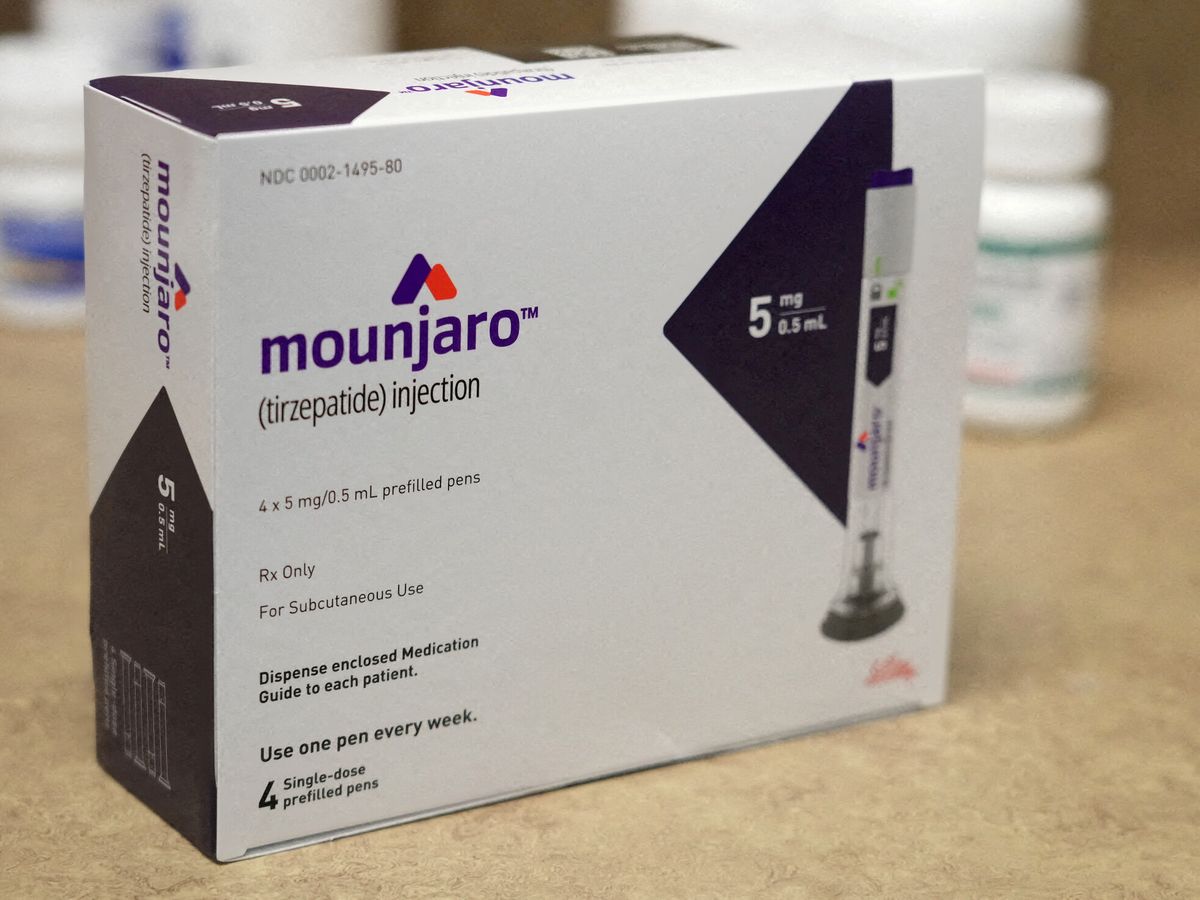
Retatrutide and tirzepatide target different combinations of metabolic receptors, influencing their effects on weight loss and glucose control.
-
Both drugs can cause gastrointestinal side effects including nausea and diarrhea. The intensity and prevalence differ per person.
-
Cardiovascular and metabolic side effects should be observed particularly in patients with pre-existing conditions for safe administration.
-
Patient factors, dosage regimens and possible drug interactions can affect side effects and treatment results.
-
Clinical trial data shows both are effective weight loss drugs. Further research is required to determine their long-term safety and efficacy.
-
It is vital to implement proactive management strategies, patient education, and clear communication with healthcare providers to minimize adverse effects and enhance adherence.
Retatrutide and tirzepatide both produce side effects, though their profiles differ noticeably. Nausea, diarrhea, and loss of appetite are what people frequently report with both drugs.
Retatrutide could bring on more gastrointestinal symptoms. Tirzepatide occasionally induces mild headaches or constipation. Personal reaction may alter the severity or prevalence of these side effects.
For anyone who wants a deeper understanding of what differentiates these two drugs, the following sections explain the details in layman’s terms.
Unveiling the Mechanisms
Retatrutide and tirzepatide both work on hormones regulating appetite, insulin, and weight. They act through different mechanisms, which impacts not only their efficacy but their side effects and their ideal applications in patients with obesity or diabetes.
Dual Agonism
Dual agonism indicates that a pharmaceutical acts upon two objectives simultaneously. For tirzepatide, those are GLP-1 and GIP. Both hormones play a role in hunger and satiety. GLP-1 slows stomach emptying and helps folks feel full for longer, while GIP helps the body release more insulin immediately after eating. This can facilitate blood sugar control.
Retatrutide is employing the same double-pronged approach. By activating both GLP-1 and GIP receptors, it promotes insulin secretion in response to elevated blood sugar and reduces hunger. This makes it an invaluable tool for those requiring improved blood sugar control and weight loss.
We see the metabolic benefits of this dual agonism reflected in lower blood sugar, stabilized insulin levels, and reduced hunger. Human subjects on these drugs eat less, which leads to gradual weight loss. Tirzepatide studies reveal actual progress for type 2 diabetes patients, particularly in conjunction with lifestyle interventions.
Anticipated outcomes for retatrutide, given its dual targeting, are superior control of food intake, enhanced blood sugar, and decreased body weight. Early clinical evidence backs this, showing a significant number of participants shedding a substantial amount of weight and other health indicators improving.
Triple Agonism
Triple agonism pokes the stick an inch deeper. Retatrutide stands out here, as it activates three receptors: GLP-1, GIP, and glucagon. What makes adding glucagon a game changer is that glucagon supports the breakdown of stored fat and could even increase energy expenditure. For some users, this may translate to quicker or more significant weight loss.
By blasting all three targets, retatrutide not only suppresses appetite and stimulates insulin, but may increase fat burning. This triple effect can result in improved blood sugar and additional weight reduction, with certain research documenting a weight reduction of up to 28% for individuals with obesity or overweight.
For patients, the wider scope of triple agonism could translate to higher rewards, but there is an increased risk of close observation. Side effects such as nausea, diarrhea, and constipation may occur, making the involvement of medical professionals paramount in directing effective, safe usage.
Tirzepatide, as a dual agonist, delivers impressive outcomes. Early data indicates retatrutide’s triple-pronged strategy may yield even greater weight loss in certain cases. Both drugs remain in study, with retatrutide’s phase 3 trials ongoing.
Side Effect Comparison
Retatrutide vs. Tirzepatide side effects comparison assists individuals in balancing their options when considering weight loss drugs. Both drugs exhibit similar side effect profiles. However, frequency and severity can vary between individuals. Knowing this can help establish realistic expectations and foster trust between patients and their care teams.
|
Side Effect |
Retatrutide |
Tirzepatide |
|---|---|---|
|
Nausea |
Common |
Common |
|
Diarrhea |
Common |
Common |
|
Constipation |
Common |
Common |
|
Acid reflux |
Common |
Common |
|
Vomiting |
Noted |
Noted |
|
Abdominal pain |
Noted |
Noted |
|
Decreased appetite |
Common |
Common |
|
Injection site reactions |
Mild |
Mild |
|
Cardiovascular effects |
Rare |
Rare |
|
Metabolic shifts |
Reported |
Reported |
|
Allergic reactions |
Rare |
Rare |
|
Mental health changes |
Rare |
Rare |
1. Gastrointestinal Distress
Nausea, diarrhea, constipation, acid reflux and vomiting are commonly observed in both medications. Others experience stomach aches or decreased appetite. Retatrutide can cause more serious stomach reactions than placebo, so it is not recommended for people with serious gastrointestinal illness, like gastroparesis.
GI issues impact adherence. They can be transient and dissipate, yet potent effects sometimes lead individuals to discontinue the medication prematurely. Diarrhea or vomiting can cause dehydration.
To combat side effects, it’s typical to begin at a low dose and incrementally increase. Smaller meals, more water, and avoiding spicy or greasy foods might assist. If symptoms are severe or prolonged, consult a doctor.
Clinical trial data reveals comparable stomach side effects across both drugs. Retatrutide may cause more serious cases. If they experience acute or persistent symptoms, they should consult their physician.
2. Cardiovascular Responses
Both retatrutide and tirzepatide have been associated with rare side effects of heart rate increase and mild blood pressure changes. These effects are worrisome for people with a history of heart issues.
Existing heart problems can render even minor changes dangerous. Physicians should monitor these patients more carefully and adjust therapy as needed. Routine heart and blood pressure checks are recommended. This aids in identifying potential dangers ahead of time.
Clinical trials up to now indicate a low frequency of serious heart side effects. More long-term research is necessary to understand the full safety profile.
3. Metabolic Shifts
Both drugs can alter your body’s processing of sugar and insulin. This typically leads to reduced blood sugar and increased insulin sensitivity, which is great news for those with type 2 diabetes.
There’s a danger of blood sugar bottoming out, particularly if used in conjunction with additional diabetes medications. This might present as dizziness, sweating, or confusion.
Doctors might modify other medications and monitor blood glucose frequently. For the vast majority of us, the rewards of improved blood sugar regulation far exceed the side effects.
Over the long term, both drugs appear to support weight and blood sugar control, though more research is still required for retatrutide.
4. Injection Site Reactions
Redness, swelling, or mild pain where the shot is administered are common to both drugs. Such responses tend to be minor and transient. Those with sensitive skin or bad injection technique might observe stronger reactions.
Rotating sites and clean technique can help a lot. Tricks like allowing the medicine to warm to room temperature and softly massaging the injection site are helpful. Site reactions are typically not an indication to discontinue the drug.
The incidence of these reactions doesn’t appear very different between retatrutide and tirzepatide.
5. Unique Adverse Events
Each drug may have rare side effects. These consist of symptoms of a serious allergic reaction, like difficulty breathing, swelling, or rash. Some people have experienced mental health issues, such as new or worsened mood symptoms.
Rare things can alter the course or even disqualify some folks from use. For instance, a serious allergic reaction requires quick medical attention. Being aware of these side effects enables users to make educated choices.
Doctors and patients should discuss personal or family history that may increase the risk. Initial trial data demonstrate these events to be uncommon. Continued vigilance is essential to detect emergent safety signals.
Factors Influencing Reactions
There are a lot of factors that influence reactions to retatrutide and tirzepatide. Patient variations, drug administration, concomitant medications, and treatment protocols impact the responses. These can affect how side effects manifest and how strong they are.
Patient Profile
Patient age, sex, and their health background can change how they react to these drugs. Older adults often have slower drug breakdown, which may raise the risk of side effects like nausea or vomiting. Those with a higher BMI or a history of trouble with other weight loss drugs could see more or stronger side effects.
Certain populations, like individuals with a chronic gastrointestinal condition or kidney disease, could be at increased risk of serious vomiting or diarrhea. If a patient can’t hold down fluids, this causes dehydration, which can become a genuine worry. Hormonal changes, which can vary by gender or by age, might be involved in the reaction as well.
A comprehensive patient profile, including previous substance use, psychiatric history, and current illness, can inform initial treatment. A bit of consideration regarding the connection between GLP-1 medications and mental health is important, although there’s no definitive evidence linking it to depression or suicide and the incidence rates are very minimal. Still, checking is wise for those predisposed to them.
Dosing Protocol
Your initial dose and how you raise it are a big deal. Most side effects emerge during this initial phase as the body adapts. Careful dose titration, which involves increasing the dose incrementally, can reduce the risk of adverse reactions.
Retatrutide and tirzepatide are not on the same schedule. Tirzepatide typically begins low and escalates every four weeks, while retatrutide may have a faster dose escalation period. This can mean the difference in how frequently people drop out from side effects.
Educating patients on why it is important to adhere to the schedule and report issues aids them in making it through the initiation phase safely.
Drug Interactions
Blood pressure, diabetic, or mood drugs can interact with these and increase the risk of side effects or reduce effectiveness. For instance, when GLP-1 drugs are combined with insulin or sulfonylureas, it can increase the risk of hypoglycemia. Certain antidepressants and antipsychotics can alter how these medications function.
Before you begin, reviewing all existing medicines is essential. Omitting a drug can imply a missed risk. This step aids in identifying and reducing the risk of harmful interactions, which is essential in individuals on multiple medications for chronic conditions.
Drug interactions could cause side effects from minor stomach discomfort to more severe dangers such as dehydration or mental changes. In obesity therapy, the threat of an adverse pharmaceutical cocktail isn’t uncommon, so this screening is essential for secure treatment.
Clinical Trial Data
Clinical trial data is key in forming the perception of both physicians and patients towards retatrutide and tirzepatide as weight loss medications. Both drugs have now been tried in adults with obesity or type 2 diabetes. Retatrutide trials are still underway, with tirzepatide already approved in certain countries for diabetes and weight management.
Initial findings for each demonstrate effective weight loss and some improvement of associated medical conditions. Long-term efficacy and safety are still being monitored.
Efficacy Outcomes
|
Drug |
Weight Loss (%) |
Dose (mg) |
Trial Status |
|---|---|---|---|
|
Retatrutide |
~28 |
12 |
Phase 3 ongoing |
|
Tirzepatide |
~22.5 |
15 |
Approved in some |
For individuals with obesity, losing just 5 to 10 percent of their weight can reduce the risk of heart disease and type 2 diabetes. Retatrutide shines in clinical trials, with certain individuals shedding as much as 28 percent of their body weight on the maximum dose.
Tirzepatide performs well, with roughly 22.5 percent weight loss at its highest dose. This is much higher than the rates observed with many of the older medications.
Trial designs can have a huge impact on results. For instance, retatrutide trials typically enroll individuals with comorbid conditions such as hypertension or fatty liver and monitor additional endpoints such as knee pain.
In the tirzepatide trials, they’re more diabetes and blood sugar centric. The two results aren’t always easy to align.
When physicians see these figures, they consider what is achievable for patients. High rates may raise expectations, but not everyone will experience those results in actuality. Others might lose less or more slowly depending on health, habits, or dose.
Safety Signals
Both drugs had side effects in trials. The majority experienced minor to moderate gastrointestinal issues such as nausea, diarrhea, or vomiting. These had a tendency to appear early and improved with time.
Retatrutide might lead to more stomach trouble because of higher doses, but the long-term data are not definitive yet. Tirzepatide’s safety profile is well characterized and carries some risk for hypoglycemia, particularly in individuals with diabetes.
Other safety signals, such as potential thyroid tumors or gallbladder issues, are rare but significant. These are closely monitored by physicians and health organizations.
The reports inform guidelines regarding who should or should not be on these drugs. It’s crucial that we know what the actual risks and benefits are. Truthful reporting allows patients and physicians to make wise decisions.
Both drugs demonstrate good safety for the majority of individuals. Continued trials for retatrutide will provide a more defined image over the next several years.
Managing Adverse Effects
Retatrutide and tirzepatide, both in the treatment of weight management and type 2 diabetes, have numerous side effects. GI symptoms, including nausea, vomiting, diarrhea, and constipation, are particularly prevalent, with incidences up to 86% in GLP-1 agonist users versus 31% in placebo groups.
These adverse events are not only uncomfortable but can contribute to treatment discontinuation, especially during dose escalations. Serious instances, such as chronic vomiting, dehydration, acute abdominal pain, or symptoms of pancreatitis, require immediate attention. Good handling of these effects is crucial for securing improved health outcomes and continued treatment.
Proactive Strategies
-
Begin on a low dose and increase it slowly to minimize the risk of severe side effects, particularly in the initial weeks.
-
Maintain a food diary to find which meals and habits exacerbate symptoms.
-
Get plenty of fluids to aid hydration and relieve symptoms like constipation.
-
Schedule regular check-ins with your doctor to catch problems early and adjust the dosage if necessary.
-
Utilize educational resources to understand what side effects are possible, when to anticipate them, and how to respond quickly if they develop.
-
Patients should be motivated to inquire and voice their concerns prior to and during treatment.
-
Support groups, in person or online, can assist patients in benefiting from the experiences of others.
Lifestyle changes count as well. Easy changes such as consuming small meals, steering clear of fatty foods, and exercising frequently can aid irritation of GI symptoms. Education is a key component. When patients understand what to expect, they can be more proactive and make wiser decisions.
This tends to result in fewer misses and keeps patients on therapy longer. These proactive measures reduce the risk for harsh reactions and assist patients in adhering to their regimen. Adherence increases and long-term outcomes improve, particularly if side effects are managed early.
Symptom Alleviation
Nausea, diarrhea, and constipation are the most common. Consuming plain food, taking naps after meals, and steering clear of excess liquids with food can assist. OTC solutions such as oral rehydration salts or antiemetic tablets can help alleviate mild symptoms, but always consult a provider first.
Personal plans count. Some patients require more hydration advice. Others may require fiber advice for constipation. A plan for dealing with side effects fits the individual, not just the medication.
What counts most is open, continuing conversations with a care provider. Early reporting of issues such as intense belly pain, jaundice, or dehydration means earlier treatment and less long-term damage. Providers have a great role in helping patients understand when a symptom is expected and when it requires immediate action.
A Personal Perspective
Side effects have a huge impact on the treatment experience for anyone contemplating retatrutide or tirzepatide. How you feel from day to day is just as important as the number on a scale or in a lab report. Striking the balance between the advantages and disadvantages can frequently be a matter of managing side effects, receiving appropriate support, and setting realistic expectations from treatment.
Quality of Life
Side effects from such drugs can disrupt daily routines. Nausea, diarrhea, and headaches can make it tough to even concentrate at work or appreciate a meal. Others experience significant gains, such as dropping 20 pounds or more, which increases confidence and vigor.
Some may have a hard time if the side effects prevent them from attending social functions or make them feel ill. Handling these side effects can make people feel more in control. Basic things such as shifting meal times or collaborating with a doctor to alter the dose can go a long way.
For example, a person who shed close to 29% of their body weight in 68 weeks probably needed to persist with the regimen and deal with symptoms along the journey. Patient feedback helps doctors know which side effects are the most disruptive, so they can recommend actual solutions.
Backing counts as well. When side effects begin to interfere with quality of life, having a care team or friends to talk with can keep people on track. Continuous support implies that individuals do not quit because they do not feel isolated.
Treatment Adherence
If side effects are hard, folks might quit. It’s difficult to continue with a course of treatment when it makes you nauseous. A few tactics to assist are beginning with lower doses, scheduling check-ins, or implementing reminders.
For those who persevere, like individuals who dropped as much as 20.9 percent of body weight over 72 weeks, strong support networks propel them forward. Healthcare providers should be upfront about what to anticipate. Real expectations set patients up to meet bumps in the road.
Providers who provide tips for side effects or make changes based on feedback see improved adherence. For example, significantly more tirzepatide-treated people evaded type 2 diabetes, demonstrating the importance of persevering with treatment even if it’s arduous.
Future Outlook
In obesity care, novel therapies could minimize side effects. The study focuses on safety. Clinical trials demonstrated that retatrutide resulted in up to 28.7% weight loss, which is roughly 72 pounds for an individual who weighed 250 pounds at baseline.
The hope is that subsequent medications will have fewer side effects. Patient-centric designs will define the next wave of drugs, with input on daily battles and quality of life. Ongoing innovation in weight loss medication is required to serve varied patient needs.
Conclusion
Retatrutide and tirzepatide are both very potent but each comes with their own baggage. Stomach upset, nausea, and tiredness get mentioned a lot for both, though some experience minor shifts in heart rate or skin. Diet, age, and health can change how a person experiences these medications. Clinical trials provide precise figures, but real-world narratives are equally significant. Some find side effects subside over time, while others must adjust dosage or change medications. To figure out what’s the best fit, consult with a physician and consider both the science and your personal circumstances. For the latest information or to discuss your own experience, consult a medical professional or connect with a community.
Frequently Asked Questions
What are the most common side effects of retatrutide and tirzepatide?
Both drugs can cause nausea, vomiting, diarrhea, and reduced appetite. These are the most common side effects in clinical trials.
How do the side effects of retatrutide differ from tirzepatide?
Retatrutide might result in more frequent or severe gastrointestinal side effects, including nausea and diarrhea, than tirzepatide. Both have similar side effect profiles in initial studies.
Are there serious side effects for either medication?
Serious side effects are uncommon but can involve pancreatitis or allergic reactions. Both medications necessitate close supervision by healthcare providers while being administered.
Who is more likely to experience side effects?
Individuals with a history of GI issues, or who are otherwise sensitive to peptide-based drugs, are more likely to experience side effects from retatrutide or tirzepatide.
Can side effects be managed?
Yes, side effects can frequently be addressed by titrating the dose. Talk through side effects with your doctor for optimal results.
Is there enough clinical trial data comparing both drugs?
Clinical trials for both drugs are in progress. Available information indicates comparable safety. Additional studies are required for side effects comparison.
Should I stop taking the medication if I experience side effects?
Don’t discontinue the medication without your doctor’s approval. They can suggest how to handle side effects or adjust your treatment plan safely.