



Key Takeaways
-
Retatrutide treatment demonstrated significant reductions in liver fat along with metabolic biomarker improvements. There were dose-dependent outcomes across patient subgroups.
-
In clinical trials, it showed significant fibrosis improvements and liver enzyme normalization, which both hold significance for long-term liver health.
-
Retatrutide’s triple-agonist action boosted insulin sensitivity, glucose control, and fat metabolism.
-
The weight loss and lipid profile benefits seen among participants underscored retatrutide’s potential to improve broader metabolic and cardiovascular risk.
-
Safety data showed that retatrutide was generally well tolerated. Liver function monitoring is important during therapy.
-
Pairing retatrutide with lifestyle modifications creates a holistic strategy for tackling fatty liver disease and associated metabolic disorders across different demographic groups.
Retatrutide has shown promise in its early studies for people with non-alcoholic fatty liver disease (NAFLD). Trials discovered that retatrutide could aid in decreasing liver fat content and promoting enhanced liver health.
Participants in the trials noted shifts in liver enzyme counts and fat content through scans. These findings indicate retatrutide might present a novel therapy for NAFLD treatment.
Below sections provide additional details about the studies, results, and implications for patients.
Clinical Trial Outcomes
Retatrutide is a triple hormone receptor agonist that was studied for its impact on liver fat and metabolic health in individuals with metabolic dysfunction-associated steatotic liver disease (MASLD). These clinical trials have measured liver fat change and changes in metabolic markers and liver function markers. Below are this phase 2’s table of key outcomes, alongside retatrutide’s effects versus other drugs for fatty liver disease.
|
Result |
Retatrutide (phase 2) |
Dulaglutide (24 wks) |
Semaglutide (72 wks) |
|---|---|---|---|
|
≥50% Liver Fat Reduction (%) |
43–100 |
32 |
∼50 |
|
≥70% Liver Fat Reduction (%) |
32–93 |
Not reported |
Not reported |
|
Max liver fat reduction (%) |
~75 |
32 |
~50 |
|
Weight Reduction (%) |
~20 |
Not reported |
Not reported |
|
Insulin resistance biomarker drop (%) |
Up to 50+ |
NR |
NR |
1. Fat Reduction
Retatrutide, in particular, was notable for its potent reduction in liver fat. In a phase 2 trial, 43% to 100% of participants experienced at least a 50% reduction in liver fat, and 32% to 93% achieved at least a 70% reduction.
This decrease was observed greatest among those on higher doses, where virtually all high-dose patients reached the top of these values. Near-maximal, approximately 75% reductions were associated with approximately 20% reductions in body weight.
Those populations with higher baseline liver fat or obesity experienced the greatest absolute changes. The mean absolute liver fat reduction was a few percentage points higher than what has been reported with dulaglutide or semaglutide in comparable populations.
2. Fibrosis Resolution
Fibrosis or scarring of liver tissue is a primary concern in fatty liver disease. The study discovered that retatrutide assisted in decelerating or potentially reversing fibrosis in some participants.
Less fibrosis translates to less risk of cirrhosis or liver failure down the road. Long-term advantages could be improved liver function and reduced risk of complications.
It demonstrated the most significant gains in those with advanced baseline fibrosis at increased doses. Improvements were observed throughout groups.
3. Enzyme Normalization
Retatrutide improved liver enzyme levels in many of the trial participants. Liver enzymes, such as serum aminotransferases, commonly elevate in fatty liver disease, indicating stress or damage.
After retatrutide, significant drops in these enzymes were seen, more at higher doses. Normalized enzymes indicate improved liver function and reduced injury in progress.
This bodes well for longer-term MASLD management.
4. Dose-Dependent Efficacy
Dose-dependent. Higher doses resulted in greater reductions of liver fat and improvements in biomarkers such as insulin, C-peptide, leptin, and adiponectin.
For instance, 4 mg or more increased adiponectin and β-Hydroxybutyrate, whereas leptin dropped with the higher doses. Safety profiles were good in all dosing groups.
Higher doses performed better on both liver fat and metabolic health. Finding the right dose is a matter of balancing stronger effects against tolerability.
Underlying Mechanism
Retatrutide is a triple-agonist hormone receptor drug that aims at metabolic disorders such as MASLD by simultaneously activating three distinct hormone receptors. This enhances insulin sensitivity, controls glucose, and accelerates weight loss. The drug has demonstrated an almost complete reduction of liver fat by approximately 75% and helps shed 20% of body weight, both significant results for individuals grappling with fatty liver and obesity.
Triple-Agonist Action
Retatrutide binds to three hormone receptors: GLP-1, GIP, and glucagon. This triple-agonist impact isn’t just about hitting more targets; it alters how the body processes food and fat. When these receptors are activated simultaneously, the body utilizes glucose more effectively and becomes more insulin sensitive.
This keeps blood sugar from spiking as easily, which is great for overall metabolic health. There’s a direct impact on adipose tissue. It discovered that individuals administered retatrutide lost considerable fat deposits both viscerally and subcutaneously.
The medication assists in reducing fat cells and compels the body to burn fat rather than store it, a crucial factor for individuals with obesity. Higher retatrutide doses led to distinct reductions in fasting insulin, C-peptide, and HOMA2-IR, all indicative of decreased insulin resistance.
Simultaneously, leptin drops and adiponectin increases, both indicators that the body is processing energy and fat more efficiently. The triple-agonist design is a major advance for obesity therapies. Working on several hormone systems, retatrutide treats the underlying drivers of metabolic disease, not merely the manifestations.
Metabolic Reprogramming
Retatrutide works by resetting the way the body metabolizes and stores energy. For obese individuals, this means their body begins to burn fat for fuel rather than just storing it. The medication increases energy consumption and helps the liver eliminate excess fat, a key problem in MASLD.
Changes in metabolic markers are obvious. Retatrutide reduces liver fat, reduces fasting insulin, and reduces pro-C3, indicating less liver fibrosis. It lowers FGF21, a hormone associated with metabolic stress, which might indicate reduced strain on the liver.
These effects combine to improve health. They translate to better insulin sensitivity, less liver fat, and more balanced hormones, leading to a lower risk of diabetes and its entourage of diseases. Retatrutide’s capacity to alter fundamental metabolic pathways could assist in decelerating or potentially reversing metabolic diseases.
Broader Metabolic Effects
While Retatrutide has garnered interest due to its effects on non-alcoholic fatty liver disease, its more general metabolic implications are equally significant. Outside the liver, retatrutide delivers clinically significant improvements in weight loss, insulin sensitivity, and blood lipids. They’re significant for individuals at risk for metabolic syndrome and its cousins around the globe.
Weight Loss
Retatrutide’s average weight loss is impressive when compared to many other obesity medications. In clinical studies, volunteers in the higher dose groups such as 8 mg or 12 mg experienced reductions in body weight and waist circumference, up to 19.2% at week 48. This degree of persistent weight loss can relieve the fatty liver strain, as surplus body fat is linked with liver fat accumulation.
This sustained weight loss is important because it drives lower liver fat content. For instance, more than 89% of patients on the highest retatrutide doses had their liver fat fall under 5% at one year. For patients with fatty liver disease, this level of fat reduction can reduce their risk of disease progression and other health complications.
Weight loss and liver health go hand in hand. Drops in leptin levels, signaling lower fat stores, were observed with retatrutide, yet another indication of genuine, sustainable fat loss. In obesity pharmacotherapy, these outcomes demonstrate retatrutide’s potential as a tool for those who require more than lifestyle modifications.
Insulin Sensitivity
Big falls in fasting insulin (up to 70.9% at 48 weeks) indicate significant increases in insulin sensitivity. HOMA2-IR, a critical indicator of insulin resistance, enhanced at doses of 4 mg or higher. C-peptide levels fell, showing better pancreatic function. Lower β-Hydroxybutyrate with higher doses indicates shifts in fat burning.
Better insulin sensitivity means the body deals with blood sugar more gracefully. This has ripple effects throughout the body, decreasing the risk of diabetes and heart disease. Fasting insulin and C-peptide both fell, indicating reduced pancreatic stress. For diabetics or those at risk, these changes could translate into improved blood sugar management and reduced reliance on medications.
Lipid Profile
Triglyceride levels fell in most participants after retatrutide treatment. LDL cholesterol also dropped, improving overall lipid balance. Waist size shrank, with reductions from −4.0% to −19.2%. Serum lipid markers such as total cholesterol and HDL improved in certain instances.
Triglyceride reduction is crucial for liver health, as excess levels can contribute to additional fat build-up in the liver. With those changes in LDL and total cholesterol, retatrutide may assist in lowering the risk of heart disease, which tends to run rampant among individuals with fatty liver and metabolic syndrome.
These benefits, observed across a heterogenous population, suggest that retatrutide could do more than just reduce liver fat and could potentially deliver wider protection for cardiovascular and metabolic health.
Safety and Tolerability
Retatrutide’s clinical trial data for NAFLD demonstrate a safety profile consistent with other drugs in the class. There are still constraints to our knowledge thus far. The sample size was small, so it’s difficult to make general or strong safety conclusions. Nearly all of the participants were from comparable backgrounds and resided in the same region of the world. This implies these findings may not generalize to a more diverse population or other conditions.
The study excluded individuals with type 2 diabetes, despite this population frequently presenting with NAFLD, so it remains uncertain whether these safety outcomes would be applicable to them. The trial didn’t use liver histology to validate liver health, which is more accurate but more invasive, so some adverse effects or changes might have been missed.
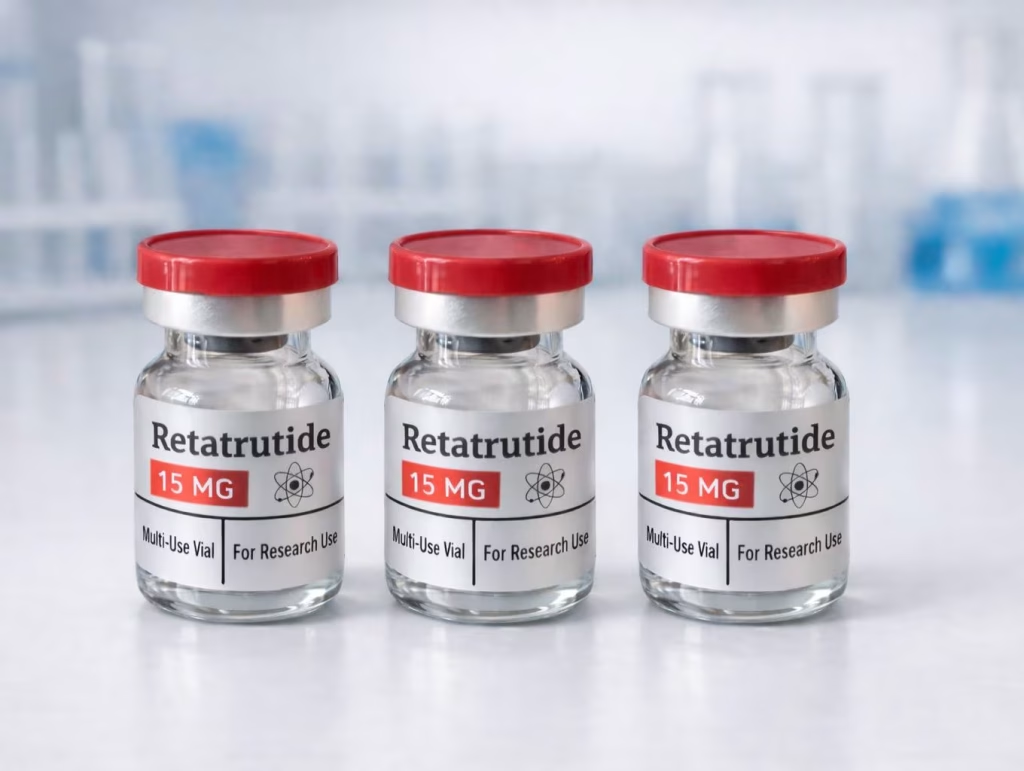
The most frequent side effects observed with retatrutide were mild to moderate and predominantly gastrointestinal in nature. We saw nausea, vomiting, and diarrhoea in a good number of patients receiving retatrutide, and these side effects were slightly more prevalent at higher doses. These side effects commonly initiated at treatment onset and abated with continued use as the body acclimated to the drug.
There were minor reductions in appetite and some weight loss, as is typical with this class of drug. Increases in β-hydroxybutyrate were observed for doses of 4 mg or greater at 24 weeks and 12 mg at 48 weeks. This shift is connected to the body metabolizing more fat, but it may be important in terms of safety, particularly for individuals with comorbidities.
Leptin, a hormone associated with hunger and metabolism, decreased with doses of 4 mg or greater at 24 weeks and 8 mg or greater at 48 weeks. These changes could affect patients’ tolerability of treatment and potentially influence longer-term safety. Fasting serum insulin levels also decreased by up to 70.9% after 48 weeks, which may improve insulin resistance but may require additional monitoring in certain patients.
Tolerability between groups was generally good. The low numbers who completed the full 48 weeks make it difficult to ascertain whether issues could emerge later. Because the study population was not very diverse and excluded patients with type 2 diabetes, we can’t yet be certain about the safety or tolerability of retatrutide for all.
Monitoring liver function during treatment is crucial, given that the study did not deploy invasive liver surveillance such as biopsies. Monitoring liver enzymes and other blood markers while using retatrutide could assist in identifying any red flags early on.
A Holistic Paradigm
A holistic paradigm for managing NAFLD encompasses much more than drugs. It considers the whole individual — physical, mental, and even emotional wellness. This includes integrating retatrutide treatment with lifestyle shifts, such as consistent exercise, nutritious meals, and stress management.
In global health, this holistic paradigm is not necessarily novel — it draws from integrative medicine and employs cross-disciplinary, evidence-supported therapies.
A Holistic Concept
We have some evidence that holistic care — helping the person feel better as a whole, not just one issue — is effective. Critics note that holistic approaches are difficult to quantify and define efficacy, but numerous patients report feeling more satisfied and empowered.
Beyond The Liver
Retatrutide addresses more than liver fat. Studies find that it assists in weight reduction, which can reduce strain on organs and joints. For those with NAFLD and obesity, this translates to decreased risk of diabetes and cardiac issues.
Retatrutide can help control blood sugar, which is important because high blood sugar can exacerbate liver disease. It has been promising in reducing blood pressure and cholesterol, two major risk factors in metabolic diseases. These effects in concert indicate retatrutide can assist in enhancing the whole body’s well-being, not only the liver.
It is not uncommon for NAFLD patients to face a barrage of more than one illness. Obesity, diabetes, and heart disease frequently occur together. By addressing these interrelated issues simultaneously, retatrutide can assist in disrupting the cycle.
Individuals experience increased energy, pain decreases, and daily life becomes more manageable. Others notice enhanced sleep and mood, which just adds to a higher quality of life as well.
Systemic Health
Retatrutide had demonstrated it could significantly improve critical health markers in individuals with obesity. It shows decreases in fasting glucose, reduced hemoglobin A1c, and reduced insulin resistance. Blood pressure and lipid profiles tend to improve as well.
These matter because they are all associated with reduced risk of heart disease and stroke. A big part of why doctors look at more than the liver and how to prevent chronic disease.
By simplifying blood sugar, blood fat, and weight management, retatrutide could assist in preventing other diseases from emerging. It dovetails nicely with team-based care, wherein physicians, nutritionists, and other specialists collaborate.
Metabolic syndrome is prevalent in individuals with fatty liver disease. Retatrutide stands to alter the course of this syndrome through its ability to address multiple risk factors simultaneously. That’s about more than simply slowing disease—it’s a true shot at improved health for patients.
Future Directions
Retatrutide is building interest as a potential solution to MASLD and associated complications. With more individuals globally suffering from metabolic and liver problems, there is a tangible demand for more effective methods to reduce liver fat. Research is advancing to evaluate retatrutide’s comparative efficacy, pharmacological profile, and positioning relative to other emerging options.
A major direction for future research is to identify the mechanisms by which retatrutide reduces liver fat. While most of these studies to this point reveal a clear outcome, the entire sequence of steps within the body is not comprehensively mapped. Understanding how retatrutide works on the cell level might enable doctors to better tailor the right treatment to the right patient.
This could mean investigating correlations between liver fat loss and improved glycemic control or alterations in lipid metabolism. It may assist in establishing individualized regimens, selecting medications according to each individual’s specific physiological makeup. For instance, fresh research on non-invasive biomarkers—easy blood tests or scans—might make it far easier to monitor whether a patient is improving or if their risk of more severe illness remains high.
Other avenues include the concept of combining retatrutide with other medications. The march toward triple agonists, which include GLP-1, GIP, and glucagon, is well underway. These drugs might be synergistic, targeting more than one pathway that promotes liver fat accumulation.
A few preliminary studies indicate that combining retatrutide with these or with medicines that operate on FGF21 might enhance liver fat loss and assist in weight management. For instance, subjects with both MASLD and obesity could experience more pronounced transformations if administered a combination of medications instead of a single compound.
Longer studies are beginning to examine what occurs when people take retatrutide for many months or years. These trials are crucial, as fatty liver and the issues it brings do not resolve themselves immediately. Initial data indicates retatrutide is effective in reducing liver fat and managing blood sugar levels.
The crucial question remains whether these benefits are sustainable over time and if the medication is safe for prolonged use. We are curious about how lifestyle measures, such as altering diet or increasing activity, synergize with retatrutide. For others, a hybrid medicine and tiny life changes scheme may be crucial.
As with semaglutide, improvements in delivery of retatrutide and identification of new targets, such as FGF21, could offer even more elegant solutions. As we learn more, the hope is to make treatment more personal, more effective, and easier to track.
Conclusion
Retatrutide demonstrates genuine potential for individuals dealing with non-alcoholic fatty liver. Trials indicate reduced liver fat, enhanced metabolic health, and a robust safety profile. Participants in the trials experienced significant improvements in their markers and body weight. The method appears both straightforward and comprehensive, offering a fresh alternative for those seeking assistance beyond fundamental diet and fitness regimens. Further studies will indicate how retatrutide fits into routine care, but findings to date provide promise for more reliable options to address fatty liver. For anyone monitoring new health choices, it’s worth getting informed and discussing with a trusted provider what could be the best fit.
Frequently Asked Questions
What is retatrutide and how does it impact non-alcoholic fatty liver disease (NAFLD)?
Retatrutide is an experimental drug. Clinical trials demonstrate its ability to decrease liver fat in individuals with NAFLD. It operates by targeting the hormone pathways that regulate metabolism.
What were the main results of clinical trials for retatrutide in NAFLD patients?
Trials discovered retatrutide caused substantial decreases in liver fat. A number demonstrated retatrutide’s impact on liver health and metabolic markers versus placebo.
How does retatrutide work to reduce liver fat?
Retatrutide is a triagonist, or in other words, it activates multiple hormone receptors. This helps control appetite, glucose, and fat metabolism, which results in reduced fat accumulation in the liver.
Are there additional metabolic benefits with retatrutide?
Yes, retatrutide might boost weight loss, blood sugar management, and cholesterol. These effects can help sustain metabolic health.
Is retatrutide safe and well-tolerated?
According to clinical data, retatrutide is typically well-tolerated. Typical adverse effects are mild and gastrointestinal. Serious side effects are rare and monitored in ongoing studies.
What makes retatrutide different from other treatments for NAFLD?
Retatrutide pinpoints multiple metabolic pathways, not just the liver. This more comprehensive approach could be effective for people with metabolic diseases.
What are the next steps for retatrutide research in NAFLD?
Additional clinical trials are ongoing to validate its safety and long-term advantages. The researchers are looking at its impact in bigger and more varied groups.