



Key Takeaways
-
Fibrosis after BBL can result from surgical trauma, chronic inflammation, or insufficient drainage. Meticulous technique and appropriate aftercare are vital to avoid this complication.
-
Early recognition of fibrosis symptoms, including hardness, lumpiness, or alterations in skin texture, facilitates prompt intervention and improved management.
-
Treatment options vary from non-invasive therapies and lifestyle modifications to minimally invasive procedures and, in extreme cases, surgical revision. Each treatment plan should be personalized.
-
By choosing a skilled surgeon and communicating openly about your medical history and concerns, you can minimize the risk of fibrosis.
-
Strictly following post-op care instructions and scheduling regular follow-up visits are vital to reduce fibrosis risk and help you heal.
-
Emotional support, counseling, and patient education can help with the psychological impact of fibrosis and support overall well-being throughout the healing journey.
Fibrosis after BBL is the hardened scar tissue that develops beneath the skin following a Brazilian Butt Lift. The primary causes are surgical trauma, poor aftercare, or irregular fat healing.
Late signs are hard lumps and tight skin. Treatments may involve massage, ultrasound therapy, and sometimes small procedures to break up the tissue.
The following sections describe how fibrosis occurs and how to safely treat it.
Understanding Fibrosis
Fibrosis is the generation of surplus connective tissue, typically in response to damage. Following BBL, it may present as hard tissue, lumps or adhesions in the surgical region. This process can begin within days of surgery and persist for weeks or months. Fibrosis can sporadically be benign and transient, but for others, it persists for years or becomes permanent.
The area may be indurated and tender to palpation, massage or other therapies for years, even up to 10 years. These alterations can affect healing, ease and appearance.
1. Surgical Trauma
Tissue injury is a prime cause of fibrosis. Trauma from surgery during a BBL can sever small blood vessels and fat cells, leading to bleeding and swelling. Certain surgical methods are more aggressive or less exact, increasing the likelihood of tissue injury.
The more trauma, the more scar tissue the body wants to make, which makes the areas thicker and harder. More skilled and experienced surgeons tend to cause less trauma, so the risk of fibrosis is lower. Deep cuts, rough handling, and using large tools will only exacerbate the issue.
2. Chronic Inflammation
The body’s natural healing process brings swelling and redness. When inflammation lingers, it’s trouble. Chronic inflammation leaves the tissue stuck in repair mode, continually driving the body to lay down more collagen, which accumulates as fibrotic tissue.
This can be exacerbated by infection, malnutrition, or comorbidities. Swelling and redness that persist beyond what you would expect are warning signs. Taming inflammation with rest, hydration, and attention helps reduce the danger.
3. Inadequate Drainage
Post-surgery, fluid can accumulate in the absence of sufficient drainage. This causes pressure and inflammation, which can promote fibrosis. The lymphatic system, which transports fluid and waste out of tissues, is crucial to healing.
If drainage is blocked or slow, recovery stalls. Light lymphatic drainage massage, performed by expert hands, can assist in mobilizing fluid and reduce the chance of fibrotic nodules. Compression and movement stimulate drainage.
4. Patient Predisposition
Certain individuals are more prone to fibrosis based on their genetics or health history. A family history, old surgery scars, and certain chronic illnesses can make you heal with additional scar tissue.
Smokers and individuals with specific autoimmune diseases are more prone. Being aware of your personal risk factors and being transparent with your surgeon helps guide that care plan. Knowledge is power.
5. Aftercare Deficiencies
Proper aftercare is crucial. Missing your follow-up visits, not wearing compression garments or ignoring care rules will exacerbate fibrosis. Missing early therapies means scar tissue sets in.
It is a plan that includes soft care initially, then focused massage and treatments as weeks pass, which offers the greatest opportunity for even, beautiful healing. Return visits allow the caregivers to monitor improvements and change the therapy.
Identifying Fibrosis
Fibrosis after BBL is the accumulation of dense, fibrous, scar-like tissue in the region where fat was injected or harvested. It frequently presents as lumps, hardness, or bands under the skin and can persist for months to years, occasionally up to 10 years, particularly following more scarring-inducing procedures.
It is easier to manage when it is detected early, which allows patients to contain the spread and damage. I want patients to know what to watch for and how fibrosis can transform the contours and texture of treated regions.
Physical Symptoms
-
Subcutaneous hard or raised lumps that feel firm.
-
Bands of thickened tissue or adhesions, sometimes in ridges you can see.
-
Irregular skin texture, often with dimples or uneven areas.
-
Tightness or restricted mobility in the skin and subcutaneous tissue.
-
Sensitivity during massage or when pressure is applied.
-
Prolonged swelling or areas that do not soften.
Normal BBL healing consists of swelling, mild firmness and bruising. These should gradually subside in the first few weeks. Fibrosis symptoms differ as lumps and tightness persist or become severe.
The region might be hard or ropey for months. Altered body contours are frequent. Hardened cords or nodules may cause the buttocks to appear dimpled or less smooth. Others observe that their contour remains firm instead of settling, or the skin feels stiffer.
Self-exam is crucial to the early diagnosis. Patients should lightly palpate, seek out any lumps or odd bands, and compare each side. Just checking a mirror regularly and softly rubbing hands over the area can ensure you catch changes early.
Diagnostic Imaging
Diagnostic imaging aids in confirming fibrosis when physical signs are ambiguous or to assist in treatment planning. Ultrasound is most common because it identifies hard tissue and scar bands beneath the skin safely.
Sometimes MRI or CT scans are used in case the fibrosis is deep or doctors want a better look. Imaging can detect fibrosis that is difficult to palpate, particularly in its early phases.
It identifies the size and depth of scar tissue, which can help guide therapy by indicating where to concentrate massage or more advanced intervention, like ultrasound therapy or red/infrared LED phototherapy.
Early imaging means that treatment can begin before fibrosis worsens. For established fibrosis, imaging additionally monitors advancement throughout a treatment course, revealing when scar tissue begins to degrade.
This matters because dissolving old fibrosis may require multiple sessions, sometimes as many as 16 over a course of months.
Treatment Pathways
Fibrosis treatment after a BBL must be customized to each patient to achieve optimal results. Fibrosis can persist anywhere from three months to more than two years post-surgery, frequently presenting as hard tissue or lumps in the area, which can even occur as soon as days after the procedure. Handling this begins with non-invasive measures, but for some, more advanced care may be necessary. Active patient participation in treatment decisions is important for positive outcomes.
|
Treatment |
Benefits |
Limitations |
|---|---|---|
|
Massage Therapy |
Boosts circulation, breaks down scar tissue |
Not always enough for severe fibrosis |
|
Topical Agents |
Helps skin healing, easy to use |
Effects may be mild, works best with other care |
|
Ultrasound/RF |
Targets deep tissue, speeds healing |
Needs trained staff, may need repeated sessions |
|
LED Phototherapy |
Reduces swelling, supports other therapies |
Limited data, not a stand-alone fix |
|
Surgery |
Removes hard scar tissue, reshapes area |
Higher risks, longer recovery, more costly |
Non-Invasive
Manual lymphatic drainage is crucial in the week following BBL. It assists in reducing inflammation and initiates recovery. Early care should be mild so as to not exacerbate inflammation. Starting week 3, a massage that gets a little harder helps target early fibrosis. It should fit the comfort of the patient, never too hard, and should be examined by a professional.
Topical creams and gels, such as those with silicone or vitamin E, can assist skin in its repair and scar softening. These are convenient at home, but they tend to be most effective as components of a larger strategy.
Lifestyle changes matter, too. Eating well-balanced meals with sufficient protein, drinking plenty of fluids, and not smoking can promote healing. Light exercise on a regular basis is excellent for circulation and prevents fluid retention.
Minimally Invasive
Ultrasound and radiofrequency treatments for fibrosis. Ultrasound provides an intense micromassage, disrupting scar tissue non-surgically. Radiofrequency, in particular monopolar devices, heats deeper skin layers and can aid the body in remodeling collagen. High-power LED phototherapy, typically red or infrared, is occasionally combined with these therapies for enhanced effect.
These provide more rapid recovery, less discomfort, and less risk than surgery. They’re best done by trained practitioners to prevent burns or skin damage. Nothing works for all cases, of course. Some folks will require multiple sessions over weeks.
Combining these treatments with massage or topical agents can produce improved outcomes. However, careful follow-up to monitor progress is essential.
Surgical Revision
Surgical revision is required in cases where non-invasive and minimally invasive methods do not work. This is typically for hard lumps or dense scar bands or adhesions that are painful or visually uneven.
Bleeding, infection, more scarring or skin loss are risks. The advantages are the immediate elimination of scar tissue and better contour. Comprehensive preoperative evaluation is vital. This includes reviewing the patient’s health, the extent of fibrosis, and the risks compared to expected results.
Opt for the most experienced surgeon possible. It is safer and ensures the best result.
Proactive Prevention
Avoiding fibrosis post-BBL requires a deliberate strategy that begins preoperatively and continues throughout recovery. Fibrosis, or tissue thickening, can be painful and cause suboptimal outcomes. That’s why it’s so important to be proactive at every step, from selecting the best surgeon to following recovery instructions to the letter.
A combination of good nutrition, open dialogue, and consistent check-ins keeps the dangers at bay and the results seamless.
Surgeon Selection
To be proactive about prevention, selecting a talented surgeon is one of the most straightforward ways to reduce your fibrosis risk. Experienced BBL surgeons understand exactly how much fat to transfer, where to inject it, and how to do it without causing tissue trauma. The proper method reduces the likelihood of scar tissue developing.
Good surgeons utilize modern technology and adhere to robust safety measures. Risks increase when a surgeon is inexperienced or when safety shortcuts are taken. Open discussion is essential. Patients should speak candidly about any health problems. This helps surgeons identify issues before they begin.
We’ve found that a surgeon who listens and explains clearly gets better outcomes.
|
Criteria |
Experienced Surgeon |
Inexperienced Surgeon |
|---|---|---|
|
Knowledge of anatomy |
Strong |
Limited |
|
Technique precision |
High |
Variable |
|
Risk of fibrosis |
Lower |
Higher |
|
Patient communication |
Open and clear |
May be lacking |
|
Safety protocols |
Consistent |
May be inconsistent |
Preoperative Health
Being in good health before surgery not only helps your body heal, it keeps the risk of fibrosis low. That means maintaining a stable weight, managing chronic diseases, and avoiding tobacco use. Minor adjustments can have a major impact, such as frequent walks, nutritious meals, and ample rest.
Diet matters—vitamin C and zinc packed nutrition repairs skin and tissue. Hydration maintains skin’s elasticity and flushes toxins. Patients need to inform their surgeon of any health problems, even if they appear insignificant. This might include allergies, previous surgeries, or blood clotting issues.
Complete honesty aids the care team in proactively identifying risks. In certain situations, doctors might recommend supplements like omega-3s to manage the inflammation. Sun exposure for a minimum of six weeks delays healing due to UV rays.
Postoperative Care
Once you’re out of surgery, taking care can make a big difference in healing. Compression garments for a week or two contour the area and prevent swelling. Lymphatic drainage massage, initiated in the first week, reduces fluid retention and accelerates healing.
Patients can perform light at-home cold therapy for a couple of days and then transition to heat starting in week three to encourage tissue mobility. Light activity, such as taking a walk each hour, helps prevent stiffness. Avoiding strenuous weightlifting and extended sitting minimizes stress on recovering skin.
Routine visits to your doctor catch any issues early. Patient education is critical—understanding what to expect reduces stress and keeps recovery on course.
The Psychological Impact
Fibrosis after BBL can extend beyond the physical, affecting self-esteem and body image. Swelling, skin ripples, or lumps from fibrosis tend to manifest within the first weeks, when patients are most susceptible to change. This can introduce a cocktail of blues, insecurity, or nervousness, which can intensify as recovery begins and movement is difficult.
For some, the psychological toll can persist for weeks or even months, particularly if the result appears different than expected.
Body Image
Fibrosis alters the body’s appearance and that can affect how people view themselves on a daily basis. When your skin feels lumpy and bumpy, it makes you anxious or insecure. Others become compulsive about their appearance, spending more time in front of the mirror or peeking to see if anyone can notice or hiding part of their body from the world.
This is even more difficult for those with BDD, which is the case for 10 to 15 percent of cosmetic surgery patients. For them, even modest shifts can seem enormous. The psychological effect is maybe even worse. Visible marks or bumps can deepen insecurities so that patients don’t feel comfortable in their own skin.
That’s where social media comes in, with roughly 70 percent of young women saying these platforms influence how they perceive surgery and the outcomes. If body image issues begin to become overwhelming, it can be beneficial to confer with a counselor or attend a support group.
These steps may provide coping mechanisms and remind patients that health trumps vanity. By redirecting your focus to movement, strength, and well-being—not just appearance—you can change your mindset in time.
Emotional Toll
There are psychological highs and lows of coping with fibrosis. Sadness, regret, and even anger are common, particularly the first two weeks after surgery when swelling and pain are at their worst. As much as 40% of surgery patients say they experience an emotional slump during this time.
Frustration usually comes next when healing doesn’t cooperate. Others feel adrift, not knowing if their experience is typical or if something’s amiss. Self-doubt about the decision to go under the knife can start to creep in, and regret soon follows.
These thoughts soften as recovery progresses, but for others the psychological effects linger on. Talking to a loved one, journaling, or even joining a community can assist. Coping tools such as deep breathing, light exercise, or small recovery goals make these feelings more manageable.
Seeking Support
Backing up from friends, family, or others who have gone through the same is crucial. Talking to others who know firsthand can relieve loneliness and make patients feel less stigmatized. There is something immediately comforting about connecting with support groups, in-person and online.
Here is a space to exchange what works and hear what those who have experienced fibrosis after BBL have to say. Professional counseling provides an additional level of assistance, particularly for those with more profound challenges or indications of BDD.
Pre- and post-surgery mental health check-ins can identify larger problems early. Good online forums and resources are available to fill in gaps, providing access to on-demand information and peer support from anywhere in the world.
The Surgeon’s Perspective
Surgeons view fibrosis as a normal part of healing from a BBL, but they recognize that when excessive fibrous tissue accumulates, it can lead to complications such as pain, palpable hard nodules, skin discoloration, or skin contracture. These shifts in experience can manifest early within the first week or even months post-surgery. Sometimes, people sense their skin is taut or see lumpy and dimpled areas up to 12 weeks later.
These symptoms can restrict mobility or healing, and the scars can become fibrotic.
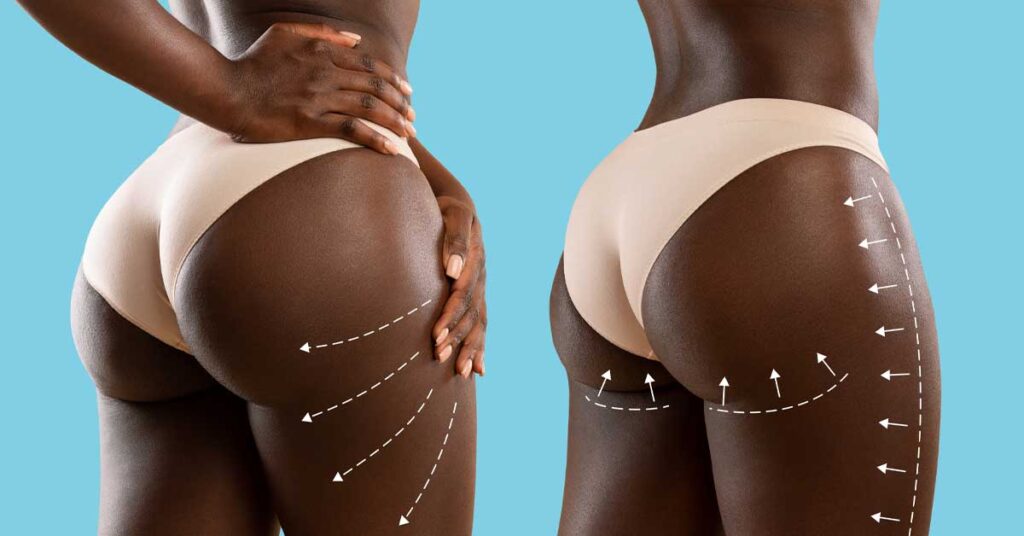
Surgeons do a lot before, during, and after BBL to keep these problems small. It’s the surgeon in the operating room that counts. Soft, even strokes with the cannula, proper fat placement, and no over-aggressive removal of fat all contribute to preventing scar tissue from going haywire.
When the surgeon avoids rough moves and deep cuts, it reduces the chance of thick fiber accumulation below the skin. When the surgeon keeps blood flow healthy and doesn’t bruise the tissue more than necessary, patients can heal smoother with less chronic dimpling or lumps.
As a surgeon, your job isn’t done when the surgery is over. The aftercare regime is equally crucial. Surgeons instruct patients to wear a compression garment, known as a faja, all day and all night for four to six weeks, removing it only to bathe or for post-operative care.
This faja applies gentle, constant compression to the skin, which reduces swelling and aids in preserving the new contour. Many surgeons instruct patients to put additional padding, such as 360 foam or lipo foam, underneath the faja. This distributes the force, prevents the material from gouging, and prevents the skin from bunching or being irritated.
The right padding can prevent stamps and burns and allows the skin to heal flat and smooth.
Manual lymphatic drainage is another step surgeons view as critical, particularly during the first week post-BBL. This easy massage assists in shifting liquid out of the location, reduces swelling, and prevents fibrosis from developing. Up to 80% of all fibrosis cases can improve greatly with manual massage and proper compression if the patient partners with an experienced post-op therapist.
As surgeons, we like to establish a feed plan for each individual depending on their healing and fibrosis formation progress to achieve an optimal outcome.
Continued education is essential for surgeons performing BBLs. The field is constantly evolving and new tools and techniques are being released continuously. Lifelong learning allows surgeons to identify and address issues early.
They discuss with patients what to expect, how to maintain their new shape, and which signs to watch for post-surgery. Best outcomes occur when patients and surgeons approach healing as a collaboration, exchanging updates and troubleshooting problems as they arise.
Conclusion
In summary, fibrosis can occur after a BBL. It can be hard, tight, or lumpy. Common causes include healing, pressure, or neglecting post-op care. Early interventions, such as light massage or remaining active, typically assist the majority of individuals. Treatments vary from easy home remedies to professional assistance from physicians. Most folks are stressed or anxious about body changes. The support of care teams and loved ones goes a long way. Surgeons see this all the time and walk people through what works best. For more about safe healing or what steps suit you, consult with a trusted physician or care team. Straight talk and no spin can really help.
Frequently Asked Questions
What is fibrosis after a Brazilian Butt Lift (BBL)?
Fibrosis is the development of too much scar tissue beneath the skin following a BBL. It can cause lumps, hardness, or irregular texture within the treated area.
What causes fibrosis after a BBL?
Fibrosis after BBL is caused by the body healing itself, trauma to tissue from surgery, poor aftercare or infections. Genetics may be a factor.
How can I recognize fibrosis following a BBL?
Symptoms include hard lumps, tightness or uneven skin texture in the buttocks. Pain and limited mobility are frequent symptoms.
What treatments are available for fibrosis after a BBL?
Typical treatment options are massages, ultrasound, lymphatic drainage and medical intervention from a trusted surgeon.
Can fibrosis after a BBL be prevented?
Early and appropriate aftercare, including gentle massage, use of compression garments, and adherence to your surgeon’s guidance, can reduce the risk of fibrosis.
Does fibrosis go away on its own after a BBL?
Mild fibrosis can sometimes resolve with time and appropriate care. Extreme cases can require professional treatment to reduce symptoms and restore appearance.
When should I consult a doctor for fibrosis after a BBL?
Consult a physician if lumps are persistent or associated with pain or skin changes or if self-care measures aren’t effective. The sooner you can get it treated, the better.