facebook page instagram account youtube account
Es - En

Lymphatic Massage After BBL Surgery | Recovery Timeline and Benefits

Key Takeaways

  • Start lymphatic massage when your surgeon gives the green light, typically within the first week. Guide yourself through a gradual, structured schedule as you recover.

  • Frequent lymphatic massage decreases swelling, reduces the risk of fibrosis, and helps you feel more comfortable during your recovery from a Brazilian butt lift.

  • Make sure to always use a licensed therapist who specializes in post-operative care.

  • Timely intervention is key. Starting too early or too late could impede healing or extend swelling, so heed professional advice closely.

  • Work with your therapist to customize your massage schedule, modifying frequency and methodology according to your surgery and your own healing progression.

  • Emotional well-being is important for recovery. Use massage sessions to include relaxation techniques and reach out for support when you need it.

Most surgeons recommend you begin lymphatic massage approximately 24 to 48 hours after a BBL surgery, once your doctor says it is safe. It helps reduce swelling and fluid build-up and may encourage faster healing.

All cases are unique, so always consult with your care team prior to scheduling a session. The following sections discuss why timing is important, what to anticipate, and how to locate expert assistance.

Optimal Timing

Lymphatic massage is essential to BBL patients’ post-surgical recovery. The ideal time to begin is once your surgeon gives the okay, typically about 5 to 7 days post-surgery. This window lets the incisions start healing, which reduces the risk of complications. Most surgeons recommend waiting around a week, but the timing depends on your body and how your wounds are healing.

Below is a simple numbered list outlining a typical schedule for lymphatic massage after a BBL procedure:

  1. Begin with mild lymphatic drainage 5 to 7 days post-operation, once your doctor gives the OK.

  2. In week 1, daily sessions keep the extreme swelling and fluid accumulation under control.

  3. From weeks two to six, frequency reduces to 2 to 3 times per week as healing continues.

  4. Once every six weeks, weekly, or biweekly maintenance sessions to maintain recovery and tissue health.

1. Immediate Post-Op

Mild lymphatic drainage can be initiated within the first few days post-surgery, only with your surgeon and licensed therapist’s direction. The goal is efficient removal of surplus fluid from operative sites, particularly in the presence of incisional drainage. During this phase, swelling can be at its worst, and massage can help alleviate pain and fluid retention.

Untrained hands should not do the massage because it can put pressure on tissue that is still healing. Listen for pain, redness or increased swelling and discontinue if these appear.

2. The First Week

For most patients, daily lymphatic massages are best in the initial week! The stroke should always be superficial, never deep or vigorous. Even minor fluctuations in pressure can be painful or stall recovery.

I recommend maintaining an open dialogue with your massage therapist to monitor pain and progress. Always heed specific instructions from your surgeon on how frequently to massage and where, because some patients heal faster than others.

3. Weeks Two to Six

While swelling goes down and incisions heal, students typically receive 2 to 3 massages a week. This consistent timing encourages lymphatic drainage and minimizes fibrosis. Light exercise, such as walking, can facilitate lymphatic flow.

Inspect the incision sites prior to each session, and if there is any redness or irritation, inform your therapist and modify the technique. Good hydration, balanced nutrition, and sleep all contribute to helping tissue repair during this period.

4. Long-Term Care

After six weeks, most patients transition to weekly or biweekly lymphatic massages. This aids in preserving results and handling any residual swelling. Continuous massage can help loosen scar tissue and avoid irregular healing.

Self-care counts, as well. Hydrating and being active can help your lymphatic system in between appointments. Be on the lookout for any new lumps, bumps, or changes and check in with your therapist if you notice anything that feels ‘off’.

Recovery Benefits

Lymphatic massage after BBL has specific benefits that help facilitate a healthy recovery. This therapy is well known for its gentle, rhythmic strokes that aid in flushing out excess fluid, relieving swelling and supporting tissue repair. Regular lymphatic drainage treatments can help patients experience less discomfort, prevent the formation of hard scars, and improve the aesthetic appearance of the surgical site.

Below are the main recovery benefits:

  • Diminishes swelling and excessive fluid retention for a speedy recovery.

  • Minimizes the risk of fibrosis and hardened scar tissue.

  • Supports healthy skin texture and smoother contour.

  • Lowers discomfort, pain, and post-surgical soreness.

  • Helps prevent complications like seromas and hematomas.

  • Improves sleep, mood, and overall sense of well-being.

  • Boosts metabolism and encourages better nutrient flow to tissues.

  • Leaves many people feeling lighter and “refreshed” after sessions.

Reduce Swelling

Lymphatic drainage massage attacks swelling that’s common post-BBL. The body has the tendency to retain fluid following surgery, which impedes healing. With slow, gentle strokes, it can direct this additional fluid back into the lymphatic system.

Over time, this helps reduce inflammation, accelerates recovery, and prevents the area from becoming too swollen. Most people thrive on 2 to 3 sessions per week for the first month. This simple consistency helps keep swelling in check.

Light self-massage, when conducted properly, can assist between visits. As always, check with a qualified therapist or your surgeon before attempting this at home! Monitoring the changes in swelling on a weekly basis can help customize the number and type of sessions required.

For some, swelling reduces rapidly; for others, additional time and assistance is needed.

Minimize Fibrosis

Frequent lymphatic massage prevents the formation of hard, dense tissue known as fibrosis. When excess fluid remains in one place for a prolonged period, the body might respond by developing hardened regions. These can cause the skin to feel taut or appear patchy.

Careful scar tissue massage paired with compression garments can keep tissues soft and pliable. Be alert to the early signs of fibrosis, such as lumps, hardness or thickening under the skin. Report these changes to your therapist.

Early detection catches problems when they are easiest to fix.

Enhance Results

Lymphatic massage benefits the final appearance of a BBL by contouring the skin. Good lymph flow ensures that cells receive the necessary nutrients for robust healing. Together with good nutrition and hydration, massage helps to maintain the new tissue healthy and supple.

Share with your therapist any changes you notice. Others experience more defined contours and firmer skin after just a couple of treatments.

Improve Comfort

Light massage is great for relieving soreness and pain. This is most particularly the case post BBL when comfort can be elusive. Soft strokes provide comfort by circulating fluid, reducing lactic acid and soothing the patient.

Discussing pain or stress openly with your therapist allows him or her to tailor each session to your needs. Deep breathing during massage can reduce stress and increase relaxation.

Potential Risks

Post-operative lymphatic massage after a BBL can reduce swelling, relieve pain, and promote healing. The process has risks if not timed or executed properly. Not everyone is going to require lymphatic massage. Some people do fine with compression garments alone, and meticulous surgical technique can reduce the need for additional therapy.

Make sure to discuss this with your surgeon and therapist to figure out what’s best for your situation since the benefits and risks can vary depending on the type of surgery and your health.

Do’s and Don’ts of Lymphatic Massage:

  • Do follow your surgeon’s instructions and post-op plan.

  • Do use compression garments and foam pads as advised.

  • Do monitor your swelling and overall comfort.

  • Do choose a therapist with post-op training.

  • Don’t start massage too soon or too late.

  • Don’t ignore pain or unusual symptoms during sessions.

  • Don’t rely on massage alone—combine with other recovery steps.

  • Don’t skip regular follow-ups with your doctor.

Starting Too Early

Initiating lymphatic massage prior to receiving the green light from your surgeon can exacerbate swelling and pain. Tissues are vulnerable immediately post-op, and too much pressure can harm healing fat cells or skin, resulting in sub-optimal outcomes or extended downtime.

The majority of surgeons suggest waiting 7 to 14 days, but this can vary. Pay attention to your body. If you experience sharp pain, new bruises, or additional swelling, cease and consult with your medical team. Massage may work early, but it is more critical to allow your body time to settle.

Starting Too Late

Waiting too long to start lymphatic massage can allow swelling to hang around and prolong your recovery. Persistent swelling can increase the risk of scar tissue forming in undesirable places. Early treatment assists lymph flow and drains fluid from swollen regions.

Still, massage isn’t necessary for everyone. Other research finds no significant benefit beyond compression gear. If you procrastinate massage, consult with your therapist regarding your schedule and requirements, and be aware of symptoms of fluid accumulation or seromas.
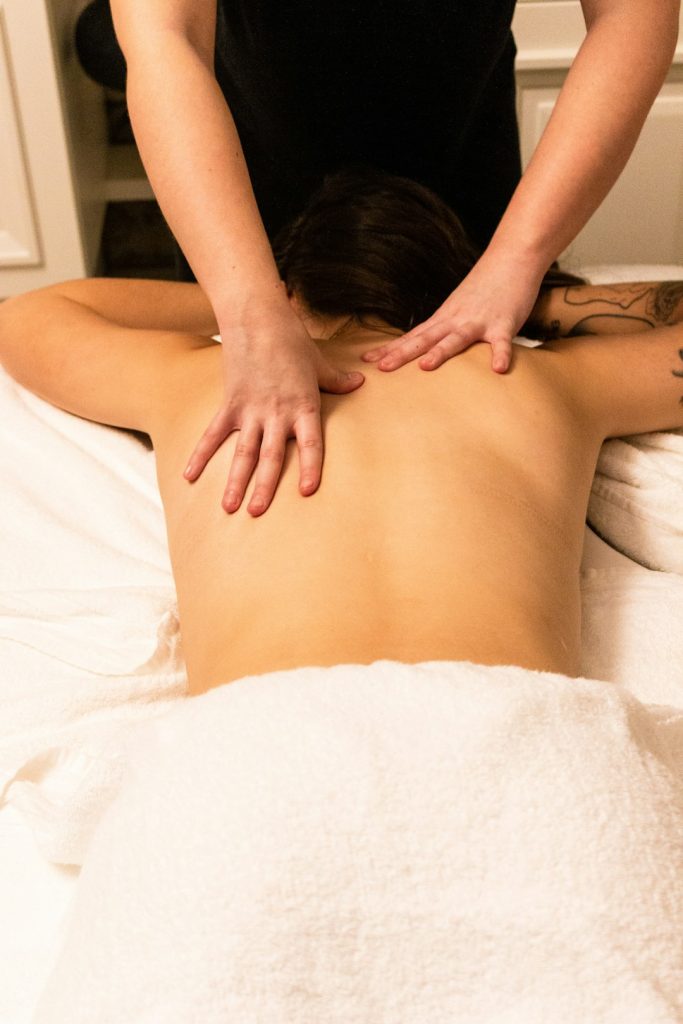
Take an active role in your own recovery, but temper it with patience and guidance from your care team.

Improper Technique

Applying the incorrect type of massage can actually exacerbate the symptoms. Bad technique can damage sensitive tissue, rupture scars, or drive fluid where it doesn’t belong. Select a therapist with actual post-op lymphatic drainage training.

It helps to know what being good looks and feels like, so you can provide feedback. Let your therapist know if any stroke aches or feels ‘wrong’. Not all massage types are appropriate for all surgery, so verify with your physician.

Others experience just a quick reprieve and some don’t need massage at all if their edema is light or their surgeon is exceptional.

Finding Your Therapist

Post-BBL surgery, the proper lymphatic massage can accelerate recovery and reduce the risk of swelling or lumps. Selecting a therapist for this work requires more than a quick hunt. It’s about trust and skill and how comfortable you feel with them. A simple checklist keeps the process on track.

First, make sure your therapist has recent training and experience in lymphatic drainage massage, not general massage. Seek demonstrable work with post-surgical clients, particularly BBL clients, and request their skill certificates. Next, look at their specialties. Some therapists work primarily with cosmetic surgery recovery, while others may cover more general areas. Find one who understands the unique care BBL patients require.

Ask your surgeon or recovery team for names of therapists they trust. Most clinics partner with massage pros that are familiar with how and when post-BBL care should be administered. This can help you bypass unqualified options. If you need additional possibilities, ask friends, family, or even your general practitioner for suggestions.

Others like to browse online directories, reviews, or their health insurance network if lymphatic massage is included. Both routes have their advantages. Referrals generally imply a higher level of trust, whereas online searches demonstrate a greater breadth of options. Don’t feel weird about sampling a few before you find the right fit. Your comfort is important, and studies indicate that the relationship between you and your surgeon can influence your post-surgery outcomes.

Arrange a meeting or phone call before you commit to sessions. This is your opportunity to discuss your recovery plan, inquire about their experience with BBL patients, and confirm you are aligned. Inform them of your surgery date, any apprehensions, and expectations of the massages.

Some people want a therapist who is the same culture or age as them. Others just want the right skill sets. Be candid about what makes you feel secure and understood in your healing. If you feel a disconnect or do not feel good about it, it is okay to continue the search for a better fit.

The initial moments in discovering your therapist can be hard, particularly if you’re a newcomer to post-surgery care or this type of massage. Going slow, asking the right questions, and gut checking can ease the process.

Personalizing Your Plan

Your individualized lymphatic massage plan is influenced by your specific health background, your surgical specifics, and your recovery process. In collaboration with your therapist and surgeon, you can schedule out a plan that best suits you and facilitates safe, gradual recovery. Changes are the norm during healing. We continue to check in and adjust frequency, modalities, and timing.

Your Health

Taking stock of your general health helps steer your massage plan from the beginning. Chronic conditions like diabetes, heart disease, or autoimmune disorders might require specific modifications. Discuss any health history or medications with your therapist prior to starting treatment. This prevents it from getting complicated and keeps your plan secure.

Listen to your body during recovery. Pay attention to indicators like inflammation, bruising, or pain and utilize these as a guide for when to initiate or suspend massage. If you have a fever, abnormal redness, or stabbing pain, then stop sessions and contact your medical team.

Wellness habits such as hydration, light exercise, and proper nutrition can complement your results. These little daily decisions keep lymph moving and enhance the efficacy of every massage.

Surgical Complexity

The nature and degree of surgery influence your schedule. Less invasive surgeries may require just a few sessions, while intricate procedures such as BBL, full abdominoplasty or Lipo 360 frequently demand six to ten or more. As always, talk with your surgeon to find out how your particular surgery modifies your plan.

With an emphasis on treated regions and scaling techniques to the extent of tissue damage. For instance, high-volume liposuction may require more gradual and delicate passes initially. Smaller fat grafts could be eligible for typical methods earlier.

Personalizing your plan requires patience with the process. Surgeons recommend that the first massage be initiated sometime within the first week, only if healing is progressing appropriately. Too much, too soon can stall recovery or cause complications.

Massage sessions last 30 to 60 minutes and might begin at 2 to 3 times per week, evening out as swelling subsides.

Your Body’s Signals

Body Signal

What It Means

Massage Adjustment

Mild swelling

Normal post-op

Continue as planned

Redness/warmth

Possible infection

Pause, consult doctor

Sharp pain

Healing concern

Reduce pressure, notify team

Less swelling

Progressing well

Gradually decrease sessions

Stiffness

Scar tissue forming

Add gentle stretching

Session frequency and timing should align with your core body response. Some patients receive maintenance sessions for two to three months, particularly if swelling lingers or fibrosis is a risk.

Constantly provide feedback to your therapist, particularly if you feel uncomfortable or if symptoms shift. Trust your gut—if it feels off, tweak your plan.

The Emotional Component

Healing from surgery, such as a BBL, is not simply physical. A lot of people experience the emotional component as much as the physical healing. Post-surgery, individuals can experience anxiety, tension, or even depression. The physical changes and the downtime post-surgery can elicit all sorts of emotions. For a lot of people, this is a hard season and solid support counts.

Lymphatic drainage massage can assist here, not just for the swelling but for how you feel internally. The soft touch and slow motion of these massages can calm. A lot of folks report feeling less stressed and more relaxed post-session. It’s not all in their heads—research indicates that lymphatic massage reduces stress and a few even observe reduced symptoms of depression or anxiety after these massages.

Employing relaxation techniques during massage can assist. Deep breathing, soft music, or a calm room can help you relax as you receive your massage. It’s these little things that make the difference. You may notice your mind begins to decelerate and anxiety dissipates slightly.

The massage assists your body in eliminating waste and swelling. Simultaneously, it provides a respite for your brain. They report that they walk out of their appointment feeling lighter—not just in their body but in their mood. This calm can persist for hours or even days, providing you with an essential uplift throughout your recuperation.

It’s good to discuss with your therapist your emotions. A good therapist understands that recuperation isn’t only physical. If you’re concerned or curious, inform them. This can transform the rub into a sanctuary where you can bare your thoughts.

It will build trust and calm your mind. Others report that they feel more prepared to take on the day following a strong talk and massage. It’s not simply the hands-on work but having someone who will listen to you and care.

Recovering from surgery is a slow journey. It can be an opportunity to decelerate and take care of yourself. For most, this is an opportunity to understand their own needs and what makes them feel better.

Prioritizing massage and self-care can make you feel stronger, inside and out. You might become more confident and prepared to return to normal life. Lymphatic massage is one of those ways, supporting your body and your mind as you heal.

Conclusion

When to kick off lymphatic massage after BBL Most surgeons recommend starting during the first week as soon as your body feels up to it and your doc gives the green light. Lymphatic drainage massage is a gentle, rhythmical massage that stimulates movement of lymph fluids around the body. Selecting a certified therapist with actual post-op experience matters. Just remember that everyone heals differently, so follow a routine that aligns with your body and your needs. Keeping in tune with how you feel can help you manage stress and improve your spirits as you recover. For specifics or advice, consult your surgeon or experienced massage therapist. Ready to move forward? Get answers and schedule your care with the right pros.

Frequently Asked Questions

When can I start lymphatic massage after BBL surgery?

Most surgeons suggest beginning lymphatic massage five to seven days post BBL surgery. Always get clearance from your doctor before starting any massage.

Why is lymphatic massage important after a BBL?

Lymphatic massage reduces swelling, improves circulation, and prevents fluid build-up. This helps accelerate healing and enhances your results.

Can lymphatic massage reduce pain after BBL surgery?

Yes, soft lymphatic massage can relieve pain, alleviate tightness and make you feel more comfortable during healing.

Are there risks with lymphatic massage too soon after BBL?

Beginning massage too soon or too hard can damage healing tissues, elevate infection risk, or lead to complications. Always listen to your surgeon.

How do I find a qualified lymphatic massage therapist?

Select a therapist that has experience in working with post-surgical patients. Ideally, choose one with specialized training in lymphatic drainage for cosmetic surgery. Request credentials and reviews.

How many lymphatic massages will I need after BBL?

Many patients require multiple sessions, sometimes two to three times per week, for the initial few weeks. Your doctor will suggest a schedule depending on your individual needs.

Can lymphatic massage affect my emotional recovery after BBL?

Yes, massage can induce relaxation, ease your stress, and nurture your emotional health throughout your recovery process.


How Far in Advance Should I Schedule Liposuction for Summer?

Key Takeaways

  • Plan your liposuction procedure for early spring to allow enough time for recovery and to achieve desired results before summer begins.

  • Plan your liposuction summer well in advance and check with Dr. Bobby very early to ensure no waiting time and the best possible treatment.

  • Adhere to pre- and post-operative directions such as wearing compression garments and restricting activity to best support healing and optimize results.

  • Protect treated areas from sun exposure and control swelling by remaining cool, hydrated and utilizing ice packs as directed by your surgeon.

  • Get your mind ready for the transformations of liposuction summer by tempering expectations and establishing a recovery support system.

  • Plan your recovery accordingly with summer and be flexible. You want to feel confident and comfortable for activities and events to come.

Most clinics recommend planning liposuction a minimum of three to six months ahead of summer. This gives your body time to heal, your swelling to subside, and your final results to be revealed. Healing speed can vary from patient to patient, but planning ahead gives you time to establish realistic goals and relieves stress.

If you’re crazy busy or have a special event, additional time might come in handy. We’ll cover what to expect, recovery tips, and how to choose a clinic in the following sections.

The Summer Timeline

Timing is the key if you’re considering liposuction around summer. Most professionals recommend waiting until three to four months before summer for liposuction. This leaves plenty of time for healing and for the slow unmasking of results.

It’s not an immediate recovery and post-surgical swelling or bruising can extend for weeks. Scheduling your surgery in early spring provides a sense of privacy. Spring attire can easily conceal the compression garments and your body has time to recover before the onset of summer activities.

Below is a step-by-step timeline to guide your liposuction planning:

  1. Schedule your first consultation four or five months before summer.

  2. Have all pre-op work done three months before your planned reveal date.

  3. Schedule your surgery date for early spring to maximize recovery.

  4. Give yourself some initial recovery, including swelling and tenderness, in that first month after surgery.

  5. Try to envision your end results and return to full activity by late spring.

1. Initial Consultation

Your liposuction journey begins with an appointment with a board-certified plastic surgeon. On this visit, you’ll talk about your goals and what you hope to change. The surgeon will go over your history to see if you’re a fit for the procedure.

You’ll discover various liposuction techniques and which one is right for you. Together, you can set a surgery timeline that accommodates your summer plans and any special occasions.

2. Pre-Operative Phase

Summer is just around the corner. Of course, heed all your surgeon’s directives to a tee, from discontinuing medications to eating habits. Your diet and hydration can make a real difference in your healing process.

Line up some assistance post surgery, particularly during those initial days. Schedule any follow-up visits that they want to check how you’re healing.

3. Surgical Date

Secure your surgery date early, as surgeons can fill up in advance. Arrange transportation and aftercare, as you won’t be able to drive yourself home or handle yourself following surgery.

Liposuction usually lasts a few hours, depending on the areas treated. Review the operative care plan with your surgeon so you know what to expect and how to prepare on the day.

4. Initial Recovery

There will be some swelling and tenderness in the initial week. Most will be able to resume light daily activities within a week or so, but intense effort will have to be deferred.

We’re going to put you in a compression garment which will help with swelling and healing. Be vigilant for indications of issues such as excessive bruising or infection, and reach out to your surgeon if something feels wrong.

5. Final Results

Final results can take months to manifest as swelling subsides and your physique finds its new contour. Skin retraction and contour changes evolve over the course of time.

Maintain regular check-ins to gauge your advancement. When summer rolls around, you will greet those changes with confidence.

Why Timing Matters

Why timing your liposuction matters. Proper timing can influence your entire journey from recovery to the type of outcomes you encounter. Allowing your body the right amount of time to recover guarantees that you’re not only looking your best this summer but feeling good as you navigate everyday life.

Timing begins with your health. If you are dealing with some nagging health issues, you may require additional time for medical clearances or to get your body prepared for surgery. Doctors might recommend tests or adjustments to your routine prior to the surgery. This means that the planning phase can be longer for some, particularly if your health status requires more attention.

If you have conditions such as diabetes or high blood pressure, speak to your provider early and account for additional weeks or even months of preparation. They want to have liposuction with certain summer events in mind – maybe an upcoming vacation, wedding, or reunion. Coordinating your surgery with these goals can really make a difference in your confidence and comfort.

The perfect timing is to get liposuction done at least three months prior to wearing summer threads. This three to six month window is typically recommended, as it allows your body time to recover and the swelling to reduce. If you have an important event on your calendar, it is smart to schedule the procedure a minimum of one month in advance, because visible swelling can persist and influence your appearance and well-being.

Recovery is yet another reason why timing is important. Patients typically require one to two weeks of downtime. During this time, stay off your feet. Your body needs to recover. Most people are able to return to light daily activities within a week. However, any exercise or heavy lifting should be avoided for approximately a month.

Swelling is normal after liposuction and can persist for weeks or months. Others find that the most dramatic effects make themselves felt after three to four weeks after the swelling has almost entirely subsided. For others, residual swelling can linger for months, hence why pre-planning is so crucial.

Timing your procedure for cooler months can assist you. It’s easier to wear post-surgery garments and feel comfortable with minor swelling when they’re hidden under layers of clothing. Therefore, winter and early spring provide a convenient recovery window.

By timing surgery with the beginning of spring, you allow yourself a margin to recover, get used to your new silhouette, and enter summer feeling fierce.

Seasonal Considerations

Seasons are important when prepping your liposuction for summer. The season’s heat, humidity, and social pressures impact recovery, comfort, and daily life. Summer may be tempting because of lighter clothing and more flexible scheduling, but it poses its own set of challenges for healing.

Sun Exposure

  • Protect exposed treated surfaces with loose, light clothing for UV protection.

  • Wait until your surgeon gives the okay before slathering that skin in SPF.

  • Opt for a broad-spectrum sunscreen with high SPF for extra protection.

  • Seek shade when outside and steer clear of the sun during peak hours, particularly at midday.

  • Plan surgery at least a month ahead of events or holidays.

Postoperative sun exposure exacerbates swelling and bruising, delaying healing. Skin is vulnerable after treatment, so minimizing sun is essential to maintaining less visible scarring. Even once your surgeon says it is safe, continue to apply sunscreen on treated areas, particularly if you are spending time outside.

Heat and Swelling

  • Try to remain inside when it is hot out, particularly immediately after surgery.

  • Drink more water and choose hydrating drinks such as fruit juice.

  • Apply ice packs as directed to manage swelling.

  • Employ fans or air conditioning to stay cool.

Swelling is part of the recovery and will linger for weeks, sometimes months. High heat and humidity can exacerbate swelling. Light exercise, such as short walks inside, will aid circulation, but stay away from anything that causes overheating. Keeping your body cool and well-hydrated will aid recovery and keep the pain low.

Compression Garments

Compression garments keep swelling in check and ensure your skin fits better after fat removal. Wear them as your surgeon directs, typically for a few weeks, even if it feels too hot. Choose airy fabrics to remain cool and prevent skin irritation. No tight clothes or additional layers, just the prescribed garment and loose, airy clothes over it.

Activity Restrictions

  • Please stay away from swimming, sunbathing, and intense sports for a minimum of 3 to 4 weeks.

  • Avoid heavy lifting or high-impact workouts until fully recovered.

  • Stick to walking or gentle stretching to maintain fitness without risk.

  • Limit outdoor time in direct sun or heat.

Reintroduce normal activities gradually, tuning into your body and consulting with your surgeon before initiating new activities. Summer plans may need to change, so be realistic about what you can do while healing.

Surgeon Availability

Booking liposuction for summer requires some planning, and most of that begins with choosing the right surgeon and making certain they have availability when you need it. A lot of the best surgeons book up months in advance, particularly leading up to summer when demand spikes.

The initial step is to locate a board-certified plastic surgeon and schedule a consultation to discuss the timing and healing expectations. A face-to-face discussion helps you get a sense of the surgeon’s approach, determine if you’re comfortable, and receive clear answers to your questions. Early meetings allow you to flag any large dates you have, such as holidays, trips, or work deadlines to avoid stress and last-minute changes.

Good luck booking your first talk with a surgeon less than three to six months before summer. This window allows you to review your options, listen to what each surgeon has to say about recovery, and select dates that work for both of you.

Dr. Gerth, a top plastic surgeon, tells you to try to schedule your surgery at least a month in advance of major events, but three months is best for healing. Healing from liposuction only takes about a week, but each person’s body is unique and a surgeon is the best person to advise you about your particular situation. Some get better fast, while others have to wait to see swelling subside and results present.

It’s important to verify that the surgeon you select has performed the kind of lipo you desire. Some physicians rely on ultrasound or lasers, while others brave it out old-fashioned style. Inquire whether they’ve worked with patients with your body type or objectives and search for before-and-after pictures.

This assists you in understanding what to anticipate and if the surgeon’s capabilities suit your requirements. When you meet, inquire about their availability during the months you desire and discuss your schedule so you both are on the same page about what to expect. If you feel you may need to shift your date, mention that early so your surgeon can collaborate with you.

Below is a table that lists what to look for in a surgeon and how to check their open dates:

Criteria

How to Check

Board Certification

Ask to see credentials or check official medical boards

Experience with Liposuction

Request case numbers, outcomes, and before/after photos

Familiarity with Technique

Ask about use of specific methods (e.g., ultrasound, laser)

Open Dates Near Summer

Discuss calendar openings and hold dates during consultation

Flexibility for Rescheduling

Ask about policies for changing surgery dates

Communication and Support

Gauge response time, staff helpfulness, and post-op care offered

The Mental Timeline

Planning liposuction for summer is about more than just making an appointment. It’s not just about your daily or weekly to-do list; it’s about priming your brain and organizing your life for the coming weeks and months. Wanting body confidence is legit, but the journey is filled with emotional fluctuations, fluctuating body image, and a requirement for tangible scheduling.

Here’s the mental timeline. Most people schedule liposuction roughly three months in advance of summer. This gives us time to acclimate physically and mentally and have a more private healing back beneath spring layers.

Setting Expectations

Talking through your objectives and concerns with your surgeon is crucial. This discussion provides the foundation for what liposuction can and cannot accomplish. For instance, liposuction removes fat but does not tighten loose skin or substitute good habits.

Most people are shocked at the immediate post-op difference versus their end result. Swelling can persist for months, and the body sometimes appears lumpy or swollen initially. It’s natural to be impatient in these weeks. Establishing these expectations with your care team can relieve stress and avoid disappointment.

It’s normal to have complicated feelings about your body as it evolves. Others become anxious, even regretful, during the healing process, particularly as summer nears and social pressures intensify. Understanding that it’s a process, not a quick fix, puts your journey in a more positive context.

Sometimes extra treatments or touch ups are required to get to your desired look. It’s worth inquiring about this option when you meet with your surgeon so you are prepared.

Emotional Preparation

Cosmetic surgery can be an emotional roller coaster. There are highs, such as enthusiasm for change, and lows, such as self-doubt or anxiety. Acknowledging this early on keeps you grounded.

It’s a good support system that counts. Friends or family who get what you’re going through can simplify the recovery stage. Expressing your emotions maintains your sense of reality.

Easy stress-busters, such as breathing exercises or mini-walks, can calm your nerves pre-surgery and throughout recovery. These techniques are simple to integrate into your day.

Think about why you chose. Whether it is to feel comfortable in your skin or to boost confidence, keeping your goal top of mind helps you navigate the rollercoaster.

Social Planning

Consider the potential overlap with events, holidays, or social plans. If you have a trip or big gathering, schedule your process with sufficient lead time so that you don’t feel pressured.

For the initial weeks, it’s beneficial to keep it low-stakes. Schedule casual hangouts or low-key activities with good friends. That way you remain linked and allow your body the recovery it requires.

Inform others of your need. Clear talk helps friends and family support you, whether that’s helping with errands or giving you space.

As you progress in your recovery, you can wear your new shape with increased confidence. Summer can be a moment to rejoice, not only for the transformations on the exterior but for the confidence within.

Optimizing Your Plan

Planning liposuction in advance of summer requires a savvy, even-keeled strategy. The general objective is to allow your body ample time to recover so you can breeze through the warm months. Generally, three to six months before summer proves to be the sweet spot for most people. This allows you to progress over each phase: consultation, surgery, and healing, without any sense of urgency.

If you start during the cooler months, you enjoy the bonus of being able to hide any compression or swelling under loose layers, something that can make you feel much more comfortable during recovery.

A solid recovery plan is about more than just rest. It means getting healthy and preparing for an easy recovery. Below is a table that breaks down the key steps you will want to follow:

Recovery Plan Elements

Details

Timeframe

Plan 3-6 months before summer; 1-2 weeks downtime post-op

Clothing

Use loose, layered outfits in cooler months to cover swelling/garments

Physical Activity

Pause gym and intense activity for about 1 month

Diet and Hydration

Eat balanced meals; drink enough water for better healing

Surgeon Check-ins

Schedule regular visits to track progress and resolve concerns

Flexibility in Plans

Adjust summer plans to your comfort and healing pace

Your health goes a long way towards managing surgery and recovering. Consult with your physician about your health before you proceed. This can include discussing any chronic conditions, allergies, or surgeries.

A nutritious diet and lots of water can promote healing, reduce inflammation, and maintain your energy. Small strides, such as consuming additional fruits and greens or maintaining a nearby water bottle, can create a genuine impact.

Keeping up with your surgeon is key. Schedule check-ins, not only immediately following surgery, but throughout your recovery. These meetings catch problems early and provide an opportunity to communicate any concerns.

Others find it useful to maintain a pocket notebook or phone log of healing signs or questions to ask their doctor. Be flexible about modifying your plan as your body recovers. No matter how much you want to dive back into summer trips or sports, heed your body.

A little swelling or bruising is typical immediately post-liposuction, but it will subside within a few weeks. If you begin in spring, you give yourself a few additional weeks to be at your best, summer-ready body-wise. This allows you to actually relax and enjoy the season.

Conclusion

Plan liposuction summer ahead. We recommend most people plan three to six months out. This allows the body to recover and the mind to acclimate. Booking early helps with busy clinics and keeps stress low. Choosing the right season counts as well. Hot weather can impede healing, so consider cooler times if you want less downtime. Surgeons get booked solid in spring and early summer. Planning for these things makes the process go smoother. For best results, consult with a trusted physician, inquire, and make realistic goals. Want to feel ready for summer? Think ahead, seek advice, and remember yourself.

Frequently Asked Questions

How far in advance should I plan liposuction before summer?

Plan at least three to six months before the summer. This provides ample time for healing, swelling to subside, and results to appear.

Why is timing important for summer liposuction?

The right timing helps you recover completely and shine at summer gatherings. It provides time to deal with any side effects prior to debuting results.

What seasonal factors affect liposuction planning?

Heat, sun and travel plans can impact healing. Cooler months might be better for recovery since you can wear your compression garments more comfortably.

How does surgeon availability impact my plan?

Top surgeons tend to be booked, especially before summer. The earlier you book, the better chance you have of getting the dates you want.

What should I consider mentally before scheduling liposuction?

Give yourself time to get mentally ready. Know what you are getting into, have realistic expectations, and be prepared for the transition and recovery period.

Can I travel after liposuction during summer?

It’s wise to refrain from travel for a few weeks post-surgery. Follow your surgeon’s advice for avoiding complications and healing safely.

How can I optimize my liposuction plan for summer results?

Plan early consultations, adhere to pre- and post-surgery care, and stay healthy for optimal long-lasting results.