


Key Takeaways
-
GLP-1 medications do a great job controlling your appetite, but they will likely do very little to target stubborn fat pockets or fat distribution because those are hormone and genetic related.
-
Visceral fat, or the fat that encases your organs, is less responsive and might necessitate lifestyle improvements or supplementary therapies on top of medication.
-
Hormonal imbalances and genetic predispositions can render some fat pockets resistant to loss. This underlines the importance of tailored approaches.
-
Fast weight loss leads to loose skin and change in shape, so we need to treat fat and volume loss for harmonious results.
-
Strategic nutrition, targeted exercise, and professional aesthetic treatments can help optimize results when addressing stubborn fat after GLP-1.
-
Working with healthcare professionals and having realistic expectations contribute to a positive and sustainable journey after weight loss.
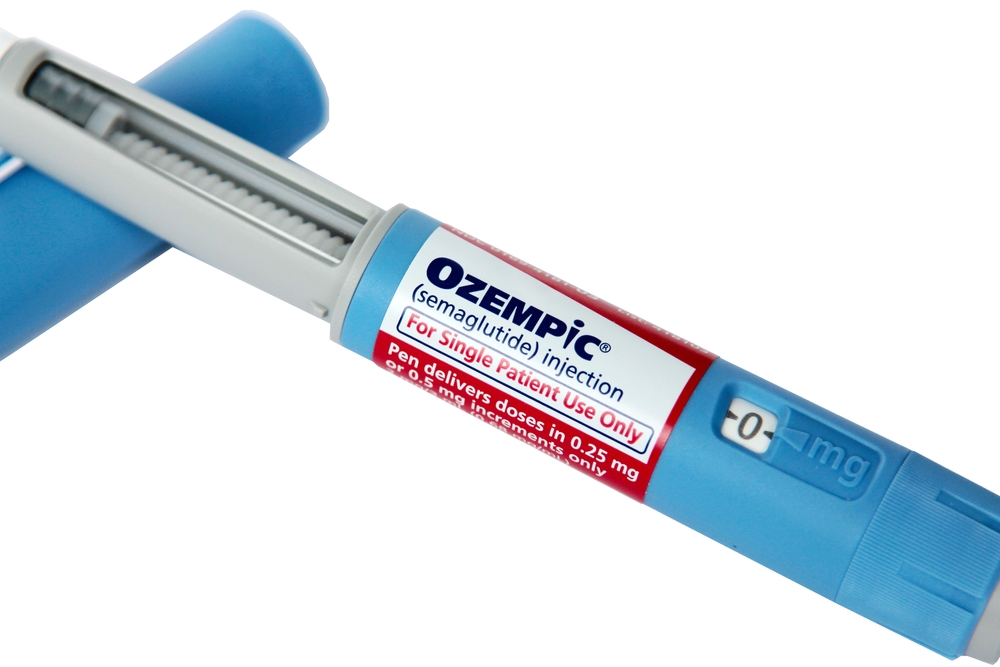
Stubborn fat pockets after GLP-1 are areas of fat that persist even after GLP-1 medication induced weight loss. Most people using GLP-1 drugs, including semaglutide, notice some stubborn fat pockets after GLP-1 just don’t disappear as quickly as others.
These fat pockets can appear on the belly, thighs, or arms. To understand why and what can help, the following sections get into the details.
GLP-1 Limitations
GLP-1 receptor agonists are a type of drug commonly prescribed for weight management and glycemic regulation. They work by suppressing appetite, allowing individuals to consume fewer calories and shed pounds. That’s not what these medications are doing — they’re not directly dissolving fat, and there are still stubborn fat pockets that exist after weight fluctuations of all sizes.
These are because of how fat is stored by the body, hormonal shifts, and individual genetic factors.
|
Limitation |
Feature/Impact |
|---|---|
|
Appetite control only |
Reduces overall intake, no direct action on fat cells |
|
Hormonal impact |
Changes in hormones may cause fat to stay in some areas |
|
Fat distribution |
Certain fat types (e.g., visceral, subcutaneous) react differently to weight loss |
|
Side effects |
Nausea, vomiting, diarrhea can limit use |
|
Medical history |
Not suitable for those with pancreatitis, thyroid cancer, or kidney problems |
|
Antibodies |
Some develop resistance, making drugs less effective over time |
|
Injection required |
Some people may find regular injections inconvenient |
|
Weight regain |
Risk of regaining weight once treatment stops |
|
Allergic reactions |
Not suitable for those with hypersensitivity |
1. Visceral Fat
Visceral fat nestles deep in the abdomen, surrounding vital organs such as the liver and intestines. Unlike subcutaneous fat, which is located immediately beneath the skin, visceral fat has increased the risk of heart disease and diabetes, whereas subcutaneous fat is more cosmetic.
GLP-1 drugs are most effective at reducing body weight by decreasing caloric intake. Their impact on visceral fat can be variable. Visceral fat is stubborn because it is more sensitive to stress hormones and less sensitive to appetite.
After weight loss, individuals may still have visceral abdominal fat. When it comes to reducing visceral fat, lifestyle changes still matter most. Daily workouts, such as brisk walks or bike rides, and a high-fiber, lean protein-centric diet can do the trick.
For others, medicine, including liposuction or emerging therapies, may be necessary, but they have dangers.
2. Hormonal Factors
Hormones greatly impact how and where fat remains on the body. Even after weight loss, shifts in insulin, cortisol, and other hormones can cause certain areas to retain more fat. High insulin, for instance, can move the body to store fat, and low glucagon slows fat burning.
These hormonal swings can cause hunger or food cravings, which makes maintaining weight after discontinuing GLP-1 therapy difficult. Others could crumble under the reason that once their hormone balance shifts, they will suddenly experience increased cravings and regain the weight in a flash.
Make sure to check hormone health with your doctor, particularly after you’ve lost weight. Correcting hormonal imbalances can ensure fat stays off for good.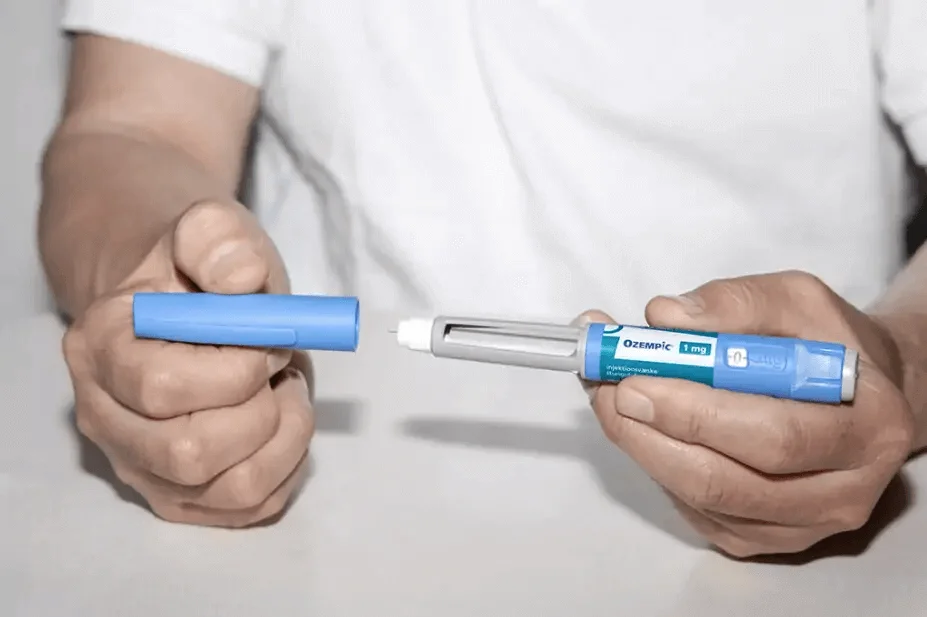
3. Genetic Blueprint
Genes determine how your body shapes up and stores fat. Some folks store more belly fat, others more in hips or thighs. This cycle is difficult to break, even with medications such as GLP-1. If there’s stubborn fat in the family, it’s more likely that it’ll be difficult to shed.
Certain populations are more genetically predisposed to having resistant fat. For instance, if a lot of members in a family suffer from type 2 diabetes or central obesity, then this can be inherited. This implies a one size fits all solution probably won’t crack it.
Receiving advice tailored to personal genetics, such as custom diet and exercise, can be more effective than a one-size-fits-all approach.
4. Cellular Resistance
Cellular resistance implies fat cells cease to release stored fat. Once you’ve had fat, the fat cells never leave; they just shrink after weight loss, primed to fill up once more. Over time, they can begin to resist signals from hormones too, making it even tougher to shed additional fat.
Other attempts to interrupt this cycle include cryolipolysis (fat freezing), ultrasound, or cell-pathway medications. It’s not a cure, but it might assist those of us who have to deal with stubborn post-bariatric surgery flab.
If we can understand these cell changes, we can come up with ways to keep fat off that don’t involve restricting calories. More work is needed for safe, permanent solutions.
The Volume Loss Effect
When you lose weight quickly after using GLP-1 meds such as semaglutide or tirzepatide, it can have a big impact on your body’s appearance. Such drugs assist most patients in losing significant weight, but the path fat exits the body is not necessarily uniform. Certain regions, like the stomach, thighs or arms, might cling to tenacious fat even after a significant weight loss.
This introduces a new array of challenges not only for health but for how the body looks and feels. Major weight loss can transform the shape of the body in directions that aren’t always desired. With the fat pad under the skin now deflating, stretch-marked skin that once covered a more ample frame can fail to bounce back.
This results in loose, sagging skin that folds and hangs. This is most commonly noticed in the belly, upper arms, and inner thighs. When your body’s healing and bounce back is slower with age or extended weight gain, the skin can still end up loose once the weight is gone.
Other patients have lost some muscle mass as well as fat, which can make the skin appear even more lax. Lower protein in weight loss can exacerbate this, but higher protein diets and strength training can help to slow the loss. When skin sags or fat exits some places but not others, we feel it in our souls.
Even once they have achieved a goal weight, they may still feel uncomfortable in the mirror or in clothing. This may cause irritation, diminished self-worth, or sadness. Body contouring addresses the reality that even when people can’t wait to enjoy their progress, body shape changes or residual loose skin can get in the way.
These emotions are real and require focus, just like the physical components of weight loss. Key is to consider both fat and volume loss for a balanced effect. Skin and muscle preservation during weight loss is just as crucial as shedding fat.
Others might opt for body contouring, like liposuction or a tummy tuck, to get rid of loose skin or hard-to-lose pockets of fat. These surgeries are typically done after someone has maintained a stable weight for six to twelve months, as this reduces surgical risk and provides the optimal result.
Certain risks from volume loss, like clots or anesthesia issues, are greater if the body is still developing rapidly. Waiting until weight is stable for a minimum of three to six months is typically recommended prior to any surgery.
Beyond The Medication
Even with GLP-1 meds, some folks have those pesky hard pockets of fat or loose skin that don’t disappear on their own. These can include the abdomen, upper arms, thighs, buttocks, and even the neck or lower face. Taking on these challenges requires more than just medication. Non-surgical solutions, lifestyle modifications, and continued support go a long way in defining body image and well-being post weight loss.
Strategic Nutrition
Nutrition is a foundation for sustainable body transformations post GLP-1. I recommend a balanced diet filled with whole foods like veggies, lean meats, fish, beans, and whole grains to support fat loss and keep you healthy. Limiting refined carbs and sugars will not only help keep blood sugar stable, it will reduce cravings, which is key after withdrawing from meds.
Foods rich in protein and good fats keep muscles lean and help to ignite metabolism and sculpt the figure. Some find it beneficial to have small, regular meals to avoid energy or mood crashes.
-
Go for whole, unprocessed foods instead of packaged or fast food.
-
Include protein with every meal to maintain muscle.
-
Consume good fats from nuts, seeds, and olive oil.
-
Limit added sugars and refined carbs.
-
Get plenty of water so you can flush your skin and your metabolism.
-
Add fiber-rich foods to help you feel full.
Targeted Exercise
Exercise should be tailored to individual needs and emphasize both cardiovascular and strength training. Cardiovascular training, such as brisk walking, swimming, or cycling, burns calories and supports fat loss. Strength training preserves and builds muscle, which is crucial for transforming body shape and increasing metabolic rate.
Specifically, exercises such as squats, lunges, and planks focus on typical trouble zones like the thighs and stomach. Exercise helps tighten skin and can make you feel more potent and confident. After a while, with consistent motion, your body becomes shredded and tough.
-
Cardiovascular exercises: walking, cycling, swimming, jump rope.
-
Strength training: squats, push-ups, lunges, resistance bands.
-
Core-focused moves: planks, crunches, leg raises.
-
Flexibility: yoga, stretching to improve range of motion.
Body contouring treatments such as radiofrequency, ultrasound, or injectable therapies can assist in smoothing loose skin or contouring trouble areas post weight loss. These tend to be superficial, with mild erythema or edema that resolves within a few days. Courses of treatment are required for optimal results, but hundreds of wrinklers experience clearer, brighter skin in as little as two weeks.
Continuous care at home and with the pros can help skin get stronger and more even as well. It’s crucial to have support from friends, groups, or health professionals. Realistic goals help guide the journey, and motivation keeps changes going strong.
Weight loss is almost never one-size-fits-all. What’s comfortable and confidence-building for your body and lifestyle is what sticks.
Aesthetic Solutions
Stubborn fat pockets can persist post GLP-1 medications for weight loss. These zones may be unresponsive to diet or exercise. A lot of us find ourselves seeking options for body contouring and skin toning following significant weight loss. For aesthetic solutions, there are options ranging from non-invasive to surgical, each with varying degrees of effectiveness, downtime, and results.
It’s important to know these choices and consult with an experienced provider who can direct the best fit for your needs.
Fat Reduction
Non-invasive fat reduction, such as cryolipolysis (CoolSculpting) and ultrasound treatment, aims at fat cells without surgical incisions. Cryolipolysis freezes fat cells, allowing the body to dispose of them. Results may take a couple of months to manifest and it is safe on most skin.
Ultrasound therapy employs sound waves to dissolve fat, usually around the belly or thighs. Both options are ideal for individuals who have small pockets of stubborn fat.
Conventional liposuction extracts fat via tiny incisions and suction. It’s more invasive and requires longer to heal. It’s effective for bigger pockets of fat. Non-surgical alternatives offer shorter downtime but less striking outcomes.
Liposuction recovery could be weeks, whereas non-invasive treatments have the majority of people back to normal the next day or two.
-
Cryolipolysis: Freezes and destroys fat cells with no downtime.
-
Ultrasound Fat Reduction breaks down fat using sound waves. It is best for mild to moderate fat.
-
Laser Lipolysis melts fat with heat and can help tighten skin.
-
Traditional Liposuction: Removes fat quickly, but needs longer healing.
Skin Tightening
Losing weight can cause loose skin. Procedures such as radiofrequency and ultrasound skin tightening deliver energy deep into the skin to encourage it to produce more collagen. This makes the skin appear more taut and smooth.
Radiofrequency is easy and operates on the face and body. Ultrasound skin tightening employs focused waves for deeper lift, typically with effects appearing in a few months.
Collagen remodeling is key to maintaining perkiness following weight loss. Many clinics provide combo treatments to accelerate collagen stimulation. Skincare and hydration daily assist skin recovery and help it remain strong.
Muscle Toning
Retaining muscle is key post-weight loss. Muscle toning exercises, such as resistance training, sculpt arms, legs, and core. Whether it’s lifting weights or using resistance bands, working against resistance builds muscle and boosts metabolism.
These workouts can help prevent sagging by bulking the skin from the inside. By incorporating adequate protein into meals, you’re aiding muscle repair. Foods such as beans, eggs, or lean meats are good options.
Checking in on your muscle tone or body shape every few weeks allows you to track what’s working and what’s not.
|
Treatment |
Method |
Recovery Time |
Best For |
Skin Impact |
|---|---|---|---|---|
|
Cryolipolysis |
Freezing fat cells |
1–2 days |
Small fat pockets |
Mild |
|
Ultrasound Therapy |
Sound waves |
1–2 days |
Moderate fat areas |
None |
|
Laser Lipolysis |
Heat from lasers |
1–3 days |
Mild fat, loose skin |
Mild-Firm |
|
Liposuction |
Surgical suction |
2–4 weeks |
Large fat deposits |
None |
|
RF/Ultrasound Tighten |
Energy for collagen |
0–2 days |
Loose or sagging skin |
Firm |
An Integrated Approach
Those stubborn fat pockets can linger even after GLP-1 big weight loss. These spots might not move with just medicine. An integrated approach is when you use more than one of the methods to achieve your body goals. This method is great for individuals looking for a sleeker appearance or those struggling with pockets that refuse to budge, even after a 15 to 20 percent weight loss.
A complete regimen typically combines pharmaceuticals, lifestyle adjustments, and occasionally cosmetic procedures. Weight loss drugs, such as GLP-1, have a big impact, but they can’t control where you lose fat. Non-invasive, for some, BBL HEROIC or MOXI can address sun damage, redness, or dark patches.
These therapies can combine synergistically to deliver more optimal results, particularly when pesky pockets don’t deflate with weight loss alone. Surgery is another possibility, but be sure to wait until your weight has stabilized, typically three to six months, before considering elective surgery. Those who maintain a stable weight for six to twelve months following initiation of therapy tend to do better if they opt for surgery.
Collaborating with a team of healthcare professionals is essential. This could include your general physician, a specialist, and possibly a surgeon or cosmetic professional. Everyone contributes their expertise, making your strategy more comprehensive.
For instance, your doctor can guide your medication and a surgeon can discuss if and when surgery is appropriate for you. Occasionally, you might need to discontinue GLP-1 medicine one or more weeks before surgery to reduce risks. Discussing the timing, half-life of your medicine, and how long you need to fast is a huge part of preparing for a safe and seamless process.
We are all different, so these plans should align with your own needs and goals. What works for us may not work for you! Some may need just a tweak with non-invasive treatments, while others may need surgery or a different medication regimen.
It pays to stay up on your options and keep educating yourself on the latest fat loss and body shaping approaches. That way, you are prepared to make decisions that suit your lifestyle and your well-being.
Choosing Your Path
Following GLP-1 therapy, most individuals have areas of stubborn fat that just won’t quit. Selecting your next steps is subject to your own objectives, your frame, and the manner in which your body stores fat. Some desire a touch of additional sculpting, others aspire to maintain results over the long haul. Understanding your body and desires directs your next direction.
For others, a more sporadic schedule and intermittent fasting is more effective. Research demonstrates that adherence to a reduced calorie diet promotes weight loss maintenance. It’s less important if you choose a high-fat, low-fat, or high-protein diet. Most plans lose seven percent at six months, but maintaining is the key. About one in three regain weight in the first year, so selecting steps that fit your life counts.
Considering alternatives, it’s wise to balance the risk and reward of each therapy. Surgery, like liposuction, delivers quick results but comes with greater risk and recovery. Non-surgical options like freezing fat (cryolipolysis) or ultrasound are less dangerous but might require more visits and end up more expensive in the long term. Certain therapies respond best to small, solid fat pockets, while others are ideal for bigger zones.
Every choice has side effects, healing times, and costs. The advantages of GLP-1 therapy can persist for years post-discontinuation, but staying active and maintaining a clean diet continues to be critical. Exercise is proving to aid in weight maintenance for up to 2 years. Plateaus may occur, but adhering to strong habits provides the highest likelihood of sustained achievement.
When picking between surgery and non-surgical steps, here are a few things to check:
-
Safety and side effects: Surgery has bigger risks, like infection. Non-surgical options can still cause swelling or skin changes.
-
Downtime: Some need weeks off. Others let you go back to daily life right away.
-
Cost: Surgical options often cost more upfront. Non-surgical options require return visits and can pile up.
-
Size and place of fat: Some methods target small areas while others cover bigger spots.
-
Lasting change: Surgery may remove fat for good, but weight can still return with lifestyle changes. Non-surgical methods work best with consistent habits.
-
Your health: Some medical conditions may rule out certain treatments.
Conclusion
Pockets of stubborn fat can linger long after the GLP-1 meds have done their work. They are there. Some spots just hold on, no matter the diet or steps taken. Skin could appear saggy, or spots feel slightly lumpy. A lot of folks assist with things like body contouring, skin lifts, or other easy remedies. These alternatives provide real results and suit a range of needs. Your best shot is to combine medicine with habit and sometimes a little professional assistance. There is no one path, so take your time and weigh your options. A chat with a trusted expert can clear up next steps. For more advice or candid facts, contact or visit reliable resources. Keep it simple and stay real with your goals.
Frequently Asked Questions
Why do some people have stubborn fat pockets after GLP-1 treatment?
GLP-1 stubborn fat pockets. There will still be some fat pockets left due to genetics or body type.
Can GLP-1 medications cause volume loss in the face or body?
Yup, fast weight loss induced by GLP-1 drugs can cause volume loss in the face and body, which makes some people look hollow or saggy.
Are there ways to remove localized fat after GLP-1 treatment?
Yes, body contouring, liposuction, or non-invasive fat reduction can address those pesky stubborn fat pockets left behind after medication.
Is it normal to have uneven fat loss after GLP-1 therapy?
Yep, uneven fat loss is normal. There could be areas that are more stubborn due to genetics, age, or your individual metabolism.
What should I do if I am unhappy with my appearance after GLP-1 weight loss?
See a doctor or aesthetician. They can advise you on safe and effective answers to your issues.
Can a healthy lifestyle help with remaining stubborn fat?
Sure, consistent exercise and balanced nutrition can help to continue reducing fat and strengthen overall body contour post GLP-1.
Are aesthetic treatments safe after GLP-1 medication use?
While most aesthetic treatments are safe post-GLP1, it is always best to talk to a qualified provider about your choices and safety.