



Key Takeaways
-
A BBL pillow safeguards your transferred fat by redirecting weight off your booty and onto your thighs, minimizing compression and aiding ideal fat survival in those crucial early recovery weeks.
-
Try a molded, hard memory foam pillow with a ventilated, hypoallergenic cover to keep supporting you, minimize sweating, and reduce soreness when you sit.
-
Put the pillow under your thighs, not your buttocks, and continue to use it as instructed by your surgeon for 2 to 6 weeks, slowly increasing the time you spend sitting as you heal.
-
If you don’t have a specialized BBL pillow, firm household cushions, recliners, and standing desks can be temporary alternative solutions. Test for comfort and ergonomic support before committing.
-
Don’t make mistakes like sitting on your surgical site, using too-soft flat pillows, or slouching as these can accelerate fat graft loss and compromise results.
-
Use your pillow in conjunction with nutrition, light movement, hydration, and rest to promote circulation, reduce inflammation, and enhance your recovery.
A BBL pillow supports hips and buttocks post Brazilian butt lift surgery. It relieves pressure from the grafted region and can decrease the risk of seroma or implant migration during the initial healing phase.
Most surgeons suggest wearing one for the initial 2 to 6 weeks, along with follow-up and minimal sitting. Options range in shape and material, so talk options with your surgical team to align healing needs and comfort.
Pillow Purpose
A BBL pillow is designed to safeguard the transferred butt fat following your Brazilian butt lift. It prevents pressure directly on the surgical area as the grafted fat engrafts. During this crucial healing period, approximately 2 to 4 weeks for most patients, the pillow facilitates correct body positioning and minimizes the risk of placing weight on the new augmentation while sitting or lying down.
It provides firm support for your legs and pelvis, minimizing unintentional shifts in position that can jeopardize results.
Core Function
The point is to distribute body weight off the butt and onto the thighs and nearby musculature. By distributing weight onto the upper legs rather than the butt, the pillow decreases pressure on grafted fat and minimizes potential for fat reabsorption. This is important because compression of new fat cells can cause them to not take, decreasing volume and changing shape.
The pillow helps prevent squishing during day-to-day activities such as sitting down for a meal or a desk job. Patients say they can sit longer with less concern when they use the pillow because it establishes a buffer between the chair and the affected area.
For this reason, a BBL pillow turns sitting into a delightful experience without ruining your surgery. It reduces soreness and localized pain in the early recovery phase and allows patients to ambulate more confidently and with less guarding of the region.
Unique Design
BBL pillows utilize contours to accommodate the shape of the thighs and support the torso. Either the cutout or the raised rim keeps your butt off the seat with the pressure relief necessary to heal. Ergonomic designs direct weight toward the legs and away from soft tissue on the butt.
Firmness matters: Medium-firm to firm memory foam often holds shape best while still offering cushion. Too soft a pillow will crumble and lose the safe distancing buffer. Too firm might be uncomfortable.
Most of them have removable covers for hygiene, easy washing, and quick drying to keep things un-gross, especially near a healing incision.
Material Impact
Good memory foam or medically infused foams increase durability and maintain support throughout recovery. These memory foams rebound after impact and resist compression damage while maintaining the protective triangulated geometry.
Breathable materials and fabric covers minimize sweating and skin irritation during extended use, which becomes important when patients are kept in sitting positions for periods. Hypoallergenic fabrics help sensitive skin that can be more reactive post-surgery and ointments.
Microfiber pillowcases lend a velvety touch and can make it easier to drift off to sleep or relax. They’re simple to wash and keep skin comfy without altering the pillow’s supportive quality.
Recovery Benefits
BBL pillows provide obvious benefits during your recovery by safeguarding grafted fat, maintaining body alignment, and making everyday healing less painful. These features prevent direct pressure off the buttocks, shift weight to other areas, and support posture to help you meet your surgical goals and reduce your risk for complications.
1. Fat Survival
It’s important to not put direct pressure on your buttocks as compressed fat cells are more likely to be reabsorbed or damaged. A BBL pillow generates a gap so the grafted fat sits without continual pressure, boosting fat survival in the initial, most fragile weeks. Better fat survival equals a longer-lived, more sculpted result that requires less retouch.
Using the pillow sporadically can result in uneven fat loss or lumpy contours, so consistent use, particularly in the first two to six weeks, is key. Combine this habit with proper nutrition and hydration to nourish healing tissues, and stay away from smoking and alcohol, which diminish graft take.
2. Pressure Offloading
BBL pillows divert pressure from the buttocks to the thighs and legs, distributing load over broader areas. This offloading reduces the chance of damaging sensitive fat grafts and the skin surrounding them. Less focal pressure leads to less pain and a smoother healing trajectory.
A pressure mapping comparison illustrates that pressure points focus on the gluteal pad without a pillow, whereas a pillow redirects that force to your upper thighs and hips. Just use the pillow anytime you’re sitting down and pair it with a BBL Faja worn for most of the day to immobilize tissues and minimize damaging pressure even more.
3. Enhanced Comfort
Pillows offer consistent relief for extended sitting, allowing patients to navigate daily activities with less discomfort. Comfort aids morale and compliance. Folks who can sit with less soreness are more likely to adhere to post-op plans like gentle walking.
Good padding relieves lumbar pressure and butt cheek pain. For added coziness, layer on side pillows or a back pillow to shield pelvic tilt and lumbar support. Begin gentle upper-body exercises after three weeks and remain light until cleared.
4. Blood Circulation
While elevating the buttocks cushions the surgical site and encourages blood flow to the area, both of which reduce swelling and accelerate healing. Better blood flow reduces the risk of edema and blood clots.
Light walking in weeks one and two aids circulation, while lymphatic drainage massage can help reduce swelling and minimize scar tissue. Hydrate by drinking 8 to 10 glasses a day and avoid saunas or hot tubs for 8 to 12 weeks.
5. Posture Support
A BBL pillow helps keep the spine and pelvis aligned while sitting, which reduces back pain and helps maintain the new buttock shape. Proper posture avoids compensatory motions that could burden grafts.
For optimal results, sleep on a pillow system with lumbar and leg support while continuing to wear a compression garment to support tissue. We typically see a full return to activity at around eight weeks with medical clearance.
Is It Essential
A BBL pillow is one of the MOST recommended items by surgeons. Whether it is absolutely essential depends on your recovery needs and your surgeon’s advice. Smooth BBL recovery is key to achieving optimal results after a Brazilian butt lift. The pillow addresses that requirement by minimizing direct pressure on the grafted fat as you walk, sit, or sleep during the initial weeks following surgery.
With the pillow, it reduces the likelihood of fat loss due to pressure on your buttocks. Sitting on your butt too early after surgery can cause grafted fat cells to push out or get damaged. That loss diminishes volume and can alter the shape you anticipated. Most plastic surgeons recommend using a BBL pillow for the first six weeks because avoiding pressure on your buttocks during this period is essential for the grafted fat to develop the blood flow it needs to survive.
Compression garments, like your BBL faja, are crucial. Compression minimizes edema and puts tissue back where the surgeon put it. The pillow and the faja work together: the garment controls swelling and supports the new contours, while the pillow lets you sit or recline without putting direct weight on fragile grafts.
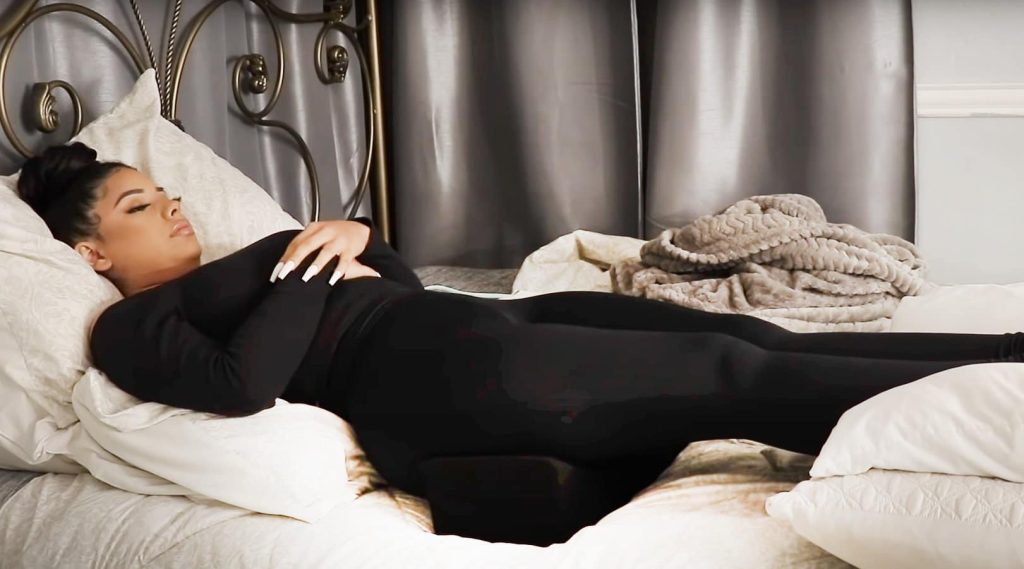
If you have to sit, put the pillow under your thighs or use a ‘donut-style’ cushion to keep all force off the buttocks. For lying down, rotate positions as your surgeon prescribes and use pillows to redirect pressure away from incisions.
Some patients go alternative and still prosper. This could be things like leaning forward, air-filled cushions of varying pressure, or more time spent reclining. While these options can work if they are implemented properly and consistently, they almost never hold a candle to the focused assistance a specialist BBL pillow offers.
A BBL recovery pillow is contoured to distribute pressure away from the grafted areas and contains materials that do not trap heat or moisture, which is important for wound care.
Hydration and post-op rules are key components in this equation. Stay well hydrated with water and electrolyte-rich liquids to promote healing and circulation. See your surgeon’s guidelines on when to discontinue the pillow and when normal sitting is permitted.
Stressing your butt, such as sitting or lying on your butt, for at least six weeks is still a widely advised recommendation to encourage optimal healing and minimize complications.
Alternative Methods
After BBL surgery, avoiding direct pressure on the buttocks is essential for graft survival and comfort. Below is a set of practical alternatives to sitting directly on the buttocks, along with guidance for evaluating each option. A suggestion is also provided to create a simple comparison chart to weigh trade-offs between makeshift approaches and specialized BBL pillow systems.
-
Use household cushions or pillows arranged to offload pressure.
-
Use lounge chairs, adjustable beds, or BBL chairs to transfer weight.
-
Use standing desks, high tables, or alternate standing/lying routines.
-
Include leg or upper-body wedges to spread weight onto thighs and torso.
-
Go for contoured support systems that hold their shape throughout the night.
-
Alternate positions and plan naps to avoid prolonged pressure.
-
Observe comfort, circulation, and incision sites for indications of poor positioning.
-
Make a comparison chart: cost, support level, portability, and risk to grafts.
Household Items
Firm couch cushions, nursing (boppy) pillows, or a tripod of firm throw pillows make great temporary supports. Pile three firm cushions to elevate your hips and form a pocket such that your buttocks are not weighed down upon, with a folded towel underneath your thighs.
Contoured pillows that do not flatten out are better than soft, squishy cushions that lose clearance overnight. Some just cannot help but roll around, so they need compression resistant systems.
Pillows found around the house do not have the ergonomic curves of specialized BBL pillows and will permit tilt or shear that strains grafts. Be on the lookout for slippage or sinking that shifts pressure points.
Repositioning throughout the night may be required. If the incisions are on the sides, plan a couple of days of additional pain as you adjust to new sleeping positions.
Modified Seating
Recliners, BBL chairs, and hospital beds alleviate local pressure by redistributing weight into the back, torso, and thighs. Place a recliner in a semi-reclined position so that the hips are elevated and the buttocks are hanging free.
Add a leg wedge to keep weight on the thighs. Position seats so that your torso and thighs bear the majority of the weight instead of your gluteal region.
No hard, flat surfaces on recovery, as these focus pressure and can destroy grafts. Support your knees and lower legs with wedges to prevent forward sliding.
Aim for attainable positions because many patients have a hard time sleeping away from their pre-op posture and may nap throughout the day to make up for it.
Standing Options
Standing desks and high tables allow you to work or read while maintaining pressure off the derriere. Alternate standing with lying down to prevent exhaustion and swollen legs.
A few simple walks will stimulate your circulation and minimize stiffness. Soft walking is beneficial, but refrain from protracted standing which causes leg edema or fatigue.
If standing aggravates swelling or pain, minimize time upright and maximize seated or lying breaks. Keep sessions short initially and increase as comfortable.
Correct Usage
Expert BBL pillow usage promotes healing, shields fat grafts, and maintains your desired shape. Follow your surgeon’s post-operative instructions carefully. These are tailored to your procedure, graft volume, and body mechanics.
Take advantage of the pillow as a piece of your recovery plan, which may include wearing a compression garment most of the day for 6 to 8 weeks, avoiding pressure on the buttocks for a minimum of two weeks, and being cautious with back-lying or sitting on your back for 2 to 4 weeks.
Placement
Position the BBL pillow underneath your thighs, not your buttocks. This raises the pelvis so the incision stays off direct pressure and minimizes the risk of graft dislodgement. Position the pillow so it supports the hips and upper legs evenly.
The objective is to have weight distributed across the thighs and lower torso rather than stranded on one side. If your back or sides are aching, slip in small pillows for lumbar or lateral support. A thin lumbar pillow can assist proper seated posture and avoid slouching that directs pressure rearward.
Never allow your buttocks to hit a seat surface while sitting. If it cannot be avoided, stand for short periods or shift positions often.
Duration
Wear your BBL pillow religiously for 2 to 6 weeks post-op, depending on your surgeon’s timing. Start with very brief sitting periods, just a few minutes, and gradually extend time as swelling and tenderness subside, usually 2 to 4 weeks.
Monitor sitting time and comfort to inform gentle incremental increases. Record each day how much you sit, where you experience pain or pressure and when the swelling subsides. This log allows you and your surgeon to notice trends.
Many patients find bruising and swelling begin to subside after two to four weeks, with fat settling and complete swelling reduction closer to two to three months. Resume regular sitting or sleeping positions typically after six to eight weeks, when cleared.
Common Mistakes
Don’t sit directly on your butt or put the pillow under the wrong spot. Either can negatively impact transferred fat and change outcomes. Trust me, those puff cushions are way too soft and flat and they would smoosh down and not keep the pressure off the grafts.
Slouching with the pillow results in back pain and won’t hold its shape evenly. Many patients discontinue use of the pillow prematurely.
Common mistakes to avoid:
-
Sitting without the pillow during the first 2–6 weeks
-
Using the pillow beneath your butt rather than your thighs.
-
Using soft flat cushions that compress under weight
-
Ignoring posture and spinal support while seated
-
Failing to wear compression garment as advised
Holistic Healing
Holistic healing addresses the entire being—body, mind, and soul, as you convalesce from a BBL. Utilize a BBL pillow as one actionable asset in a broader strategy incorporating nutrition, activity, rest, mindfulness, and self-love. The pillow helps shield tissue and keep pressure off the grafted spot.
It does not stand in for good habits that reinforce tissue repair, immune function, and long-term outcomes. A good diet accelerates healing and helps maintain results. Target protein-packed meals to aid tissue repair with lean meats, eggs, legumes or tofu.
Add colorful veggies and fruits for vitamins and antioxidants that inhibit inflammation. Maintain daily sodium at moderate levels to prevent fluid retention. If supplements are included in care, talk about vitamin D, vitamin C and a multivitamin with your surgeon or a registered dietitian who can recommend safe doses and interactions.
For metric guidance, aim for around 1.2 to 1.7 grams of protein per kilogram of body weight in the immediate recovery phase if given the all-clear by your clinician. Easy, gradual movement encourages good circulation and prevents complications. Brief strolls in the first 24 to 48 hours, as permitted by your surgeon, assist blood circulation without straining grafts.
Don’t sit on your BBL; sit on the BBL pillow when you must sit. Weeks later, progress from light walks to low-impact exercise such as swimming or cycling based on healing and surgeon clearance. Listen to pain, swelling, and bruising as signals to slow down.
Sleep quality and stress management impact surgery results. Sleep aids tissue restoration and immune cell function. Sleep supports holistic healing. Use pillows and positions that safeguard your grafts and promote rest.
The BBL pillow can assist in keeping pressure off the treated area while laying down. Focus on stress reduction with a short guided meditation, breathing exercises, or restorative yoga to reduce cortisol and support healing. Many folks swear these things cut their stress and help them sleep better, which can lead to better healing.
Complementary therapies like acupuncture, therapeutic massage (once cleared), and select herbs can alleviate pain and promote relaxation. Utilize them as adjuncts and verify safety with your surgical team. Holistic healing is very individual — what’s good for one may not be suitable for another.
Record symptoms and responses so you and your clinician can customize the plan. Holistic modalities augment rather than replace normal post-operative care and they frequently empower patients to feel more control over their recovery.
Conclusion
BBL PILLOW DO YOU NEED IT? A bbl pillow assists in maintaining pressure off the hips and lower back. It reduces swelling and holds the buttocks in position while you sleep. For others, the pillow hastens comfort and reduces the risk of contour shifts post op. Several patients can forego it if they adhere to rigorous sleeping guidelines and utilize dressings or foam supports. Positioning the pillow behind your knees, between your legs, or under your lower back all work well. Use it at least those first two weeks, then scale back as swelling subsides.
Bbl pillow do you need it Consult with your surgeon about fit, height, and fabric. Experiment with a few pillow varieties at home to discover the one that suits your body and snooze habits. If you want a fast next step, review pillow specs and surgeon notes ahead of your purchase.
Frequently Asked Questions
Do I need a BBL pillow after surgery?
You don’t necessarily need a BBL pillow. It’s heavily recommended by many surgeons to protect grafts and minimize pressure on the butt during the initial recovery period. Follow your surgeon’s orders first.
How does a BBL pillow help recovery?
A BBL pillow elevates and supports the buttocks. It relieves pressure on fat grafts, preserves shape, and can reduce swelling and pain in the initial weeks after surgery.
When should I start using a BBL pillow?
Use a BBL pillow as early as your surgeon recommends, typically right after you exit the operating room or within the first few days. Timing varies based on your procedure and surgeon’s protocol.
How long should I use a BBL pillow each day?
Employ it anytime you sit for extended periods within the 4 to 8 weeks, as advised. Short, supervised sitting might be permitted sooner. Double confirm timing with your surgeon.
Can a BBL pillow harm my results?
A well-designed pillow when used properly can’t hurt results. Even if you’re using the wrong type or sitting incorrectly, you can increase pressure on grafts. Adhere to size, placement, and usage instructions from your surgeon.
Are there alternatives to a BBL pillow?
Yes. Options include reclined chairs, custom pillows, and even foregoing sitting altogether by laying on your stomach or sides. These techniques decrease pressure but are less convenient than a pillow.
How do I choose the right BBL pillow?
Opt for a surgeon-endorsed bbl pillow or medical-grade bbl pillow brands. Seek sturdy construction, strategic cutouts or molding, and washable covers. Check reviews and clinical recommendations for credibility.