


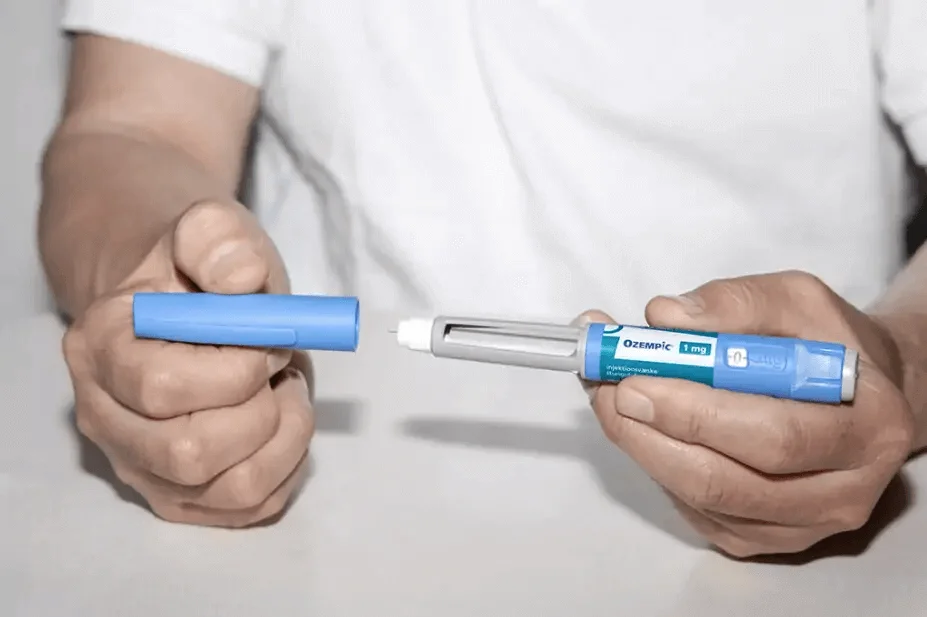
Key Takeaways
-
GLP-1 meds alter post lipo nutrition needs by suppressing appetite and delaying gastric emptying. Prepare for smaller, more frequent meals and monitor hunger signals to prevent under-eating.
-
Focus on protein and nutrient-dense foods to aid wound healing and preserve muscle. Consider protein supplementation when the diet falls short.
-
Modify fat and carbs by preferentially using anti-inflammatory omega 3 fats and low glycemic index carbs, evenly spaced to support delayed gastric emptying.
-
Keep a close eye on hydration and electrolytes. Establish daily fluid goals and use electrolyte-rich beverages if you experience rapid weight fluctuation or gastrointestinal symptoms.
-
Screen routinely for micronutrient deficiencies and supplement for wound-healing nutrients such as vitamin C, zinc, and iron when needed.
-
Collaborate with your medical team and RDN for customized nutrition plans, symptom tracking, and backup plans to address GI side effects or healing setbacks.
Post-lipo nutrition in GLP-1 era refers to dietary planning after liposuction that considers the effects of GLP-1 receptor agonists on appetite and weight. It addresses protein requirements, wound-healing nutrients, hydration, and recalibrated calorie goals when medications suppress intake.
Tips include clear protein gram targets, micronutrient-rich foods, and pacing meals to accommodate diminished appetite. The bulk details meal samples, timing, and monitoring to promote recovery and stable weight.
The GLP-1 Landscape
GLP-1 receptor agonists have transformed obesity treatment from crude calorie counseling to precision, physiology-based medical therapy. These drugs reduce energy intake, with trial-reported decreases of approximately 9 to 16 percent relative to placebo, and generate average weight loss from about 5.3 percent to 17.8 percent over 56 to 72 weeks.
Responses vary: some patients see minimal change while others lose 30 percent or more. Deployment is increasing in practice and is frequently co-administered with other compounds, but real-world discontinuation markedly exceeds trial rates. Therefore, extended planning must presume inconsistent persistence.
Appetite Regulation
GLP-1 meds suppress appetite and caloric intake by influencing central satiety centers and rewiring reward pathways. Patients describe diminished hunger and cravings, with some exhibiting sharp decreases in disordered eating.
GLP-1 receptor activation additionally reduces glucagon secretion and enhances postprandial insulin patterns, which facilitates a more steady blood glucose and sustained appetite suppression. While appetite suppression is a blessing for those wanting fat loss, it can make recovery from surgery tricky because you need ample protein and micronutrients to heal and maintain lean mass.
Pay close attention to hunger cues, incorporate food logs, and schedule frequent mini protein-forward meals. Modify intake if under-eating seems present, as persistent GLP-1 treatment can blunt natural food desire and hide poor fueling.
Gastric Emptying
GLP-1 agonists slow gastric emptying, which affects nutrient transit and satiety onset, potentially reducing glucose peaks and impacting the timing of absorption with oral nutrients and supplements. Slow emptying means moving meal timing and portion sizes.
Smaller, more frequent meals can enhance comfort and nutrient tolerance while maintaining overall intake. Fast dietary shifts, like abruptly adding a lot of fiber or very fatty meals, can provoke nausea, bloating, diarrhea, or vomiting.
While GI side effects are common, they rarely cause discontinuation, as less than 10% stop for GI issues. Foods easier to digest include:
-
Plain cooked vegetables like carrots or zucchini
-
Well-cooked white rice and plain potatoes
-
Tender lean proteins: poached fish, soft tofu, shredded chicken
-
Smoothies with protein powder and mild fruits (banana, mango)
-
Low-fiber cereals and plain yogurt
Metabolic Impact
GLP-1s improve glycemic control and reduce visceral fat, benefits that extend beyond weight loss and may lower cardiometabolic risk. Rapid weight loss can occur, so nutrition must support muscle.
Aim for protein around 1.5 grams per kilogram of lean body mass daily and include resistance activity when cleared. Insufficient protein raises the risk of sarcopenic obesity, which is the loss of muscle with relative fat retention and undermines metabolic health and aesthetic outcomes after liposuction.
Monitor HbA1c, ALT, and body composition. Factors linked to a larger drug response include female sex, lower baseline HbA1c, absence of hypertension, and lower ALT. Adjust plans as metabolic markers change and as adherence to therapy varies over time.
How GLP-1s Reshape Post-Lipo Nutrition
GLP-1 receptor agonists are shifting the baseline for post-lipo nutrition by changing appetite, gastric motility and body composition. These drugs typically deliver 5 to 18 percent weight loss and metabolic marker improvements, but increase the risk of lean mass loss and reduced nutrient consumption.
Below you’ll find what we map out practical nutrition moves, clinical priorities, and specific food choices for patients deploying GLP-1s pre- and post-lipo.
1. Protein Prioritization
Make protein a priority for tissue repair and minimizing muscle loss. Target 1.2 to 2.0 grams per kilogram of bodyweight per day during the first month post-op, accounting for starting weight, continued weight loss, and clinical status.
Most surgeons recommend more during GLP-1 activity. Figure needs from your current weight, not your goal weight, and recalculate every 2 to 4 weeks. Opt for lean meats, fish, eggs, dairy, soy, legumes and even textured protein powders when your appetite is low.
Examples include 120 grams of cooked salmon, which provides about 25 to 30 grams of protein, two large eggs that contain 12 to 14 grams, or 30 grams of whey isolate mixed with milk for an easy 20 to 25 grams boost. When oral intake is insufficient, supplement with ready-to-drink high-protein supplements or medical protein powders to hit targets without excessive bulk.
Protein supplements in the short term assist recovery and may even salvage lean mass lost during weight fluctuations driven by GLP-1s. Consult a dietitian to adjust protein based on kidney status and overall caloric requirements.
2. Fat Modification
Moderate total fat to keep meals energy-dense without being bulky for those with reduced appetite. Center fats around anti-inflammatory omega-3s and monounsaturated sources to support skin healing and diminish inflammation.
Incorporate fatty fish such as salmon and mackerel, flaxseed, walnuts, olive oil, and avocado. Avoid saturated fat from processed meats and fried foods because too much saturated fat could potentially blunt metabolic enhancements.
Little extras such as olive oil drizzles and nut butters can bolster calories and contribute to recovery without requiring masses of food. Stay away from ultra low-fat schemes. They inhibit wound repair and reduce calories when your appetite is muted.
Balance total daily fat to around 25 to 35 percent of energy unless instructed otherwise.
3. Carbohydrate Control
Opt for low–glycemic index carbs for consistent glucose and energy. Distribute carbs evenly between meals due to the gastric emptying slowdown of GLP-1s. Smaller, more even portions help prevent nausea and blood sugar spikes.
Opt for whole grains, legumes, nonstarchy vegetables, and berries. Avoid refined carbs and sugary drinks that result in quick spikes. A sample day includes oatmeal with berries, lentil soup, and quinoa salad with vegetables.
Spread carbs in three to five small meals to coincide with delayed digestion and to maintain steady energy throughout recovery.
4. Hydration Imperatives
GLP-1s and post-op physiology increase dehydration risk. Establish a fluid target of 30 to 35 milliliters per kilogram per day and record intake. Adjust for fever, drains, or diarrhea.
Electrolyte solutions should be used if there is rapid weight change or gastrointestinal loss. Look out for dry mouth, decreased urine output, dizziness, and confusion. Drink frequently with fluids including broths and diluted oral rehydration solutions.
Use reminders or apps if you’re forgetful or inconsistent.
5. Micronutrient Focus
Fast weight loss and little intake create deficiency risks. Screen baseline iron, vitamin D, B12, and vitamin C. Vitamin C, zinc, and iron are crucial for wound healing.
Correct deficits fast with food-first strategies and targeted supplements when necessary. Food examples include citrus and peppers for vitamin C, shellfish and red meat for iron, dairy and fortified plant milks for calcium and vitamin D, and seeds for zinc.
Re-evaluate labs at 4 to 8 weeks and customize supplements accordingly.
Building Your Recovery Plate
Post-lipo nutrition in the GLP-1 era needs meals that fuel tissue recovery, combat nausea and delayed gastric emptying, and maintain hydration. Here are tangible actions and details to construct balanced plates that satisfy elevated protein requirements, provide important micronutrients, and accommodate typical GLP-1 impacts.
Healing Foods
Protein should be present at every meal. Strive for options such as grilled chicken, turkey, fish, eggs, Greek yogurt, lentils, tofu, and tempeh. These provide amino acids for wound healing and help maintain lean mass post-surgery.
Incorporate soft cooked options early on, including poached fish, scrambled eggs, blended Greek yogurt smoothies with protein powder, and well cooked legumes to make digestion easier when gastric emptying slows.
Antioxidants and anti-inflammatory compounds accelerate healing and combat oxidative stress. Stuff plates with berries, cherries, dark leafy greens such as spinach and kale, sweet potato, and bell peppers. For gentle anti-inflammatory support, sprinkle some turmeric or ginger into soups and purees.
Whole grains like oats, quinoa, and brown rice supply sustained energy and fiber. Cook them thoroughly to aid digestion. Hydration promotes recovery and reduces the potential for infection. Aim for 2 to 2.5 liters (8 to 10 cups) of water as a baseline and utilize reminders or a measuring water bottle.
Have a glass of water with every meal and snack. Frequent small drinks are helpful for patients on GLP-1s who can get full very quickly. Eat 4 to 6 smaller servings per day instead of three big ones to prevent feeling nauseous, and do not lie down for a couple to three hours after eating.
Diversity guarantees micronutrient breadth. Mix up your proteins, veggie colors, and types of fruit throughout the day. For example, breakfast omelet with spinach and feta, mid-morning Greek yogurt with blueberries, lunch salad with grilled chicken and quinoa, afternoon lentil soup, and baked salmon with steamed carrots for dinner.
This combo satisfies protein targets while providing vitamins A, C, D, zinc, and iron.
Foods to Limit
Processed foods, extra sugar, and high sodium can hinder healing and increase swelling. Reduce packaged snacks, sugar sodas, and ready meals high in salt. High fat and greasy foods can trigger GI distress in GLP-1 users.
Avoid fried fast foods and heavy cream sauces in the early days of recovery. Alcohol and too much caffeine make you more dehydrated and can hinder recovery, so skip the booze and limit coffee. Small habitual choices matter: swap soda for sparkling water and replace large coffee with an herbal tea or decaf option.
Common foods to avoid for GLP-1 patients include:
-
Fried fries, onion rings, and battered foods
-
Sugary pastries, candy, and sweetened cereals
-
High-salt cured meats and packaged soups
-
Full-fat cream sauces and buttery restaurant dishes
-
Alcoholic drinks and energy drinks with caffeine
Checklist for a balanced meal: Include a palm-sized protein, a fist of cooked vegetables, a half-cup of whole grains or starchy vegetables, healthy fats like olive oil or avocado in small amounts, and water with the meal.
Navigating Potential Risks
Post-liposuction care in the GLP-1 era presents risks that require unambiguous planning. GLP-1 receptor agonists alter appetite, gastric motility, and nutrient intake and this can intersect with surgical recovery. These interactions prompt concerns with malnutrition, delayed wound healing, GI distress, hypoglycemia risk with other diabetes medications, and general nutrition insecurity and dehydration from diarrhea.
With these factors, close monitoring and contingency planning are key to minimizing complications and steering toward safe recovery.
Malnutrition
Look for early signs: persistent fatigue, muscle weakness, poor wound closure, hair loss, and low albumin or prealbumin on labs. Rapid or unplanned weight loss post-liposuction on GLP-1s may mask protein and micronutrient deficiencies.
Begin nutrition screening immediately and screen repeatedly. Implement 24-hour recalls, food frequency checks, and easy screening tools. Provide medical nutrition therapy if intake is poor and strive for around 1.5 grams of protein per kilogram of lean body mass per day to assist repair and immune function.
Provide examples: a 70-kilogram person with 55 kilograms of lean mass would target about 82 grams of protein daily, using lean meats, dairy, or fortified shakes. Monitor trends in weight and body composition, not just scale weight.
Integrate, when possible, bioelectrical impedance or straightforward mid-arm circumference measures. If unintended weight drop or loss of lean mass is emerging, step up care with a dietitian and consider oral supplements or short-term enteral support.

Healing Delays
Not enough calories, low protein and fast weight loss all delay collagen formation and increase the chance of infection. Patients can experience delayed epithelialization, increased risk of seroma and more extensive wound complications.
Prioritize nutrient-dense meals: small frequent servings rich in protein, vitamin C, zinc, and calories. Give them real options—Greek yogurt and fruit, lentil soup with olive oil, scrambled eggs with spinach—to keep it practical.
If weight loss is still necessary, keep it slow and steady. Rapid drops upend tissue healing. Watch wound sites weekly initially, photograph and document clinically.
If healing impasses, re-evaluate consumption, anemia or micronutrient labs, and consider supplemental nutrition or a temporary GLP-1 pause with clinician oversight.
GI Distress
GLP-1s often induce nausea, vomiting, diarrhea, and abdominal pain. These may be exacerbated post-anesthesia or with post-operative opioid use. Severe GI side effects commonly cause patients to discontinue medication, and that’s why early management is crucial.
Navigate potential risks with small frequent meals, low-fiber bland options during flares and clear fluids to avoid dehydration. Suggest gentle low-residue foods such as plain rice, bananas, and yogurt for brief intervals.
Maintain a symptom diary of foods, timing, and medications to identify triggers and personalize diet plans. Watch for red flags: persistent diarrhea risking acute kidney injury, severe vomiting, or hypoglycemia when GLP-1s interact with other diabetes drugs.
Patients with a history of pancreatitis require special caution and close follow-up. Contingency plans should encompass rapid rehydration, temporary medication holds, and quick access to nutrition support.
The Psychological Shift
The psychological shift details how mindset, emotions, and behaviors transform as individuals transition from swift weight loss supported by GLP‑1 therapy and liposuction. It influences drive, eating behavior, body image, and maintaining weight loss. Understanding this shift guides clinicians and patients to plan nutrition, support, and long‑term habits that align with both recovery and long‑term health goals.
Food Aversion
GLP‑1s generally suppress appetite and may lead to nausea or new food aversions. Anticipate a psychological shift. This increased likelihood of hating foods you used to love, particularly rich or greasy foods after lipo.
Try small experiments with texture: soft porridges, blended soups, and chilled yogurts can be easier to accept than hot, heavy meals. Adjust temperature and flavor. Acidity or fresh herbs tend to quell nausea better than spices.
Eat smaller meals more frequently to maintain nutrient steadiness without having to boil a frog and force feed large portions. A scheme could be 5 to 6 mini-meals, with 150 to 250 kcal, rich in protein, simple carbs, and good fats per day.
Monitor reactions in a food journal. Identify what disgusts or satiates and discuss with a dietician to customize menus and supplements if consumption remains low.
Body Image
Powerful fat loss and contour changes can bring ambivalence. A few experience confidence and new self-esteem as metabolic markers do, while others grapple with sagging skin, asymmetry, or identity crisis.
Set realistic expectations about immediate post-lipo appearance. Swelling and numbness can hide final results for weeks to months. Celebrate non-scale wins, such as improved mobility, lower blood pressure, easier breathing, or clothes fitting differently.
Join body-positive groups or embodiment therapy to restore self-love. Both social support and reduced stress forecast a greater psychological transition toward permanent transformation.
Post before and after functional goals, not just aesthetic ones, to maintain a healthy perspective on progress.
Sustainable Habits
Sustainable habits begin in recovery and carry over into everyday life. Build simple routines: a protein at breakfast, scheduled walks, and mindful pauses before snacking.
Mindful eating helps beef up self-regulation and decrease snap decisions when hunger returns or wavers. Every three months, set small, quantifiable goals and measure them.
These goals can include body composition, strength, or lab values, so motivation lies on health endpoints, not just weight. Scheduled follow-ups with nutrition counseling can help reduce relapse risk.
Other research has correlated ongoing support and higher self-efficacy with better long-term maintenance. Create a network of clinicians, peers, and family who understand GLP-1 effects and cosmetic recovery. They will offer practical help and steady encouragement.
A New Recovery Paradigm
A new recovery paradigm combines GLP-1 therapy with personalized nutrition and lifestyle plans to enhance healing and long-term results. It frames medicine as one instrument in a diverse toolkit. It strives to minimize fat while maintaining muscle and bone, controlling appetite and metabolic changes, and promoting general function.
GLP-1s lower weight by cutting appetite and slowing gastric emptying, but medication alone often gives incomplete and short-lived changes without concurrent behavior and dietary shifts. It means combining GLP‑1 therapy with nutrition planning that is next level. For example, deciding upfront on clear, measurable body composition goals, not just scale weight.
Early post‑operative phases are about protein and wound healing, with later transitions to preserving lean mass in continued weight loss. You want protein targets in the 1.2 to 1.6 grams per kilogram per day range during active loss from what I’ve seen recommended. For a 70 kg person, that’s roughly 84 to 112 grams per day.
Spread protein over meals and include high‑quality sources: lean meat, fish, dairy, eggs, legumes, or fortified plant options. Bone health requires calcium of 1,000 to 1,300 milligrams per day and vitamin D monitoring, with supplementation as appropriate.
Tailored, holistic obesity treatment transcends medications. Evaluate medical history, previous weight-loss efforts, psychosocial stressors, and activity levels. Expect high discontinuation with weight-loss drugs when side effects, cost, or unmet goals arise.
Plan for these realities by mapping fallback strategies, such as intensified lifestyle work, medication rotation, or surgical review. Staged care might begin with intensive lifestyle change and dietitian-led counseling, add GLP-1 therapy if necessary, and incorporate maintenance plans centered on behavior change and monitoring.
Multidisciplinary collaboration grounds safety and effectiveness. Obesity medicine experts determine the pharmacologic approach and follow metabolic markers. Dietitian nutritionists create meal plans, counsel on protein timing and micronutrient requirements, and provide pragmatic food substitutions.
Surgical teams control wound care, compression, and timing of activity. Regular case reviews and shared care plans reduce gaps by identifying who adjusts medications after weight drop, who tracks bone markers, and who prescribes progressive resistance work.
Exercise is a foundational component. Strength train two to three times per week to maintain muscle, and think about progressive loads and multi-joint moves. Include one hundred fifty minutes weekly of moderate aerobic exercise or its equivalent, spread over most days to promote cardiometabolic health.
Psychological care is essential: screen for disordered eating, body image distress, and depression. Behavioral therapy, group support, or cognitive approaches enhance compliance and long-term weight management.
When this model is employed, outcomes target function, quality of life, and long-term weight change. Personalized programs, stepped care interventions, and multidisciplinary teams minimize the risk that drugs quit working and that pounds return.
Conclusion
Post-lipo nutrition now sits in the GLP-1 era. GLP-1 drugs lower appetite and change food metabolism. Foods that used to assist healing now require more protein, consistent calories, and steady micronutrients. Count protein in grams. Prioritize lean meat, eggs, dairy, tofu, and legumes. Sprinkle in some colorful vegetables and whole grains for vitamins and fiber. Stay hydrated and keep salt steady to cap swelling. Observe for hypoglycemia and hypophagia. Discuss with your surgeon and a registered dietitian. They can tune portions and supplements to the drug and your goals.
Small, incremental steps work best. Maintain a basic menu, track consumption for 14 days, and refine by feel and wound healing. If pain, lightheadedness, or slow healing appear, get help quickly.
Need a quick, personalized post-lipo meal plan tailored to your GLP-1 dosage and schedule? Pose and I’ll plan one.
Frequently Asked Questions
What are GLP‑1 medications and why do they matter after liposuction?
GLP‑1s are prescribed pharmaceuticals that reduce appetite and modify glucose. They’re important post‑lipo because they shift hunger, weight, and healing requirements. Meal plans need to evolve to fuel recovery and preserve results.
Can GLP‑1s affect wound healing after liposuction?
GLP‑1s can result in weight loss and decreased nutrient consumption. Ensure enough protein and calories for repair. Talk timing of medication over with your surgeon for individualized advice.
How much protein should I aim for during recovery on GLP‑1 therapy?
Shoot for approximately 1.2 to 2.0 grams per kilogram daily, modified by your surgeon or dietitian. Focus on quality sources to help with collagen synthesis and wound healing.
Should I change my calorie targets while using GLP‑1s after surgery?
Yes. GLP‑1s suppress appetite and might require a customized calorie strategy to prevent underfeeding. Collaborate with a professional to find a balance between healing and achieving your desired weight.
Which micronutrients are most important for post‑lipo recovery on GLP‑1s?
Emphasize vitamins C, zinc, A, and iron and sufficient electrolytes. These aid collagen synthesis, immune response, and fluid balance. First, use food and supplement only if you test deficient.
Are liquid or soft foods better if GLP‑1s reduce appetite or cause nausea?
Yes. Nutrient-dense liquids and soft foods can assist in meeting protein and calorie requirements, especially when appetite is weak or nausea sets in. Include shakes with protein, good fats, and carbs.
When should I consult my surgeon or dietitian about GLP‑1s and my recovery?
Check-in before surgery if you initiate or terminate GLP‑1s or if you experience compromised wound healing, weight loss, or nutritional concerns. Pre-lipo planning minimizes risks and tailors meds to recovery goals.