


Key Takeaways
-
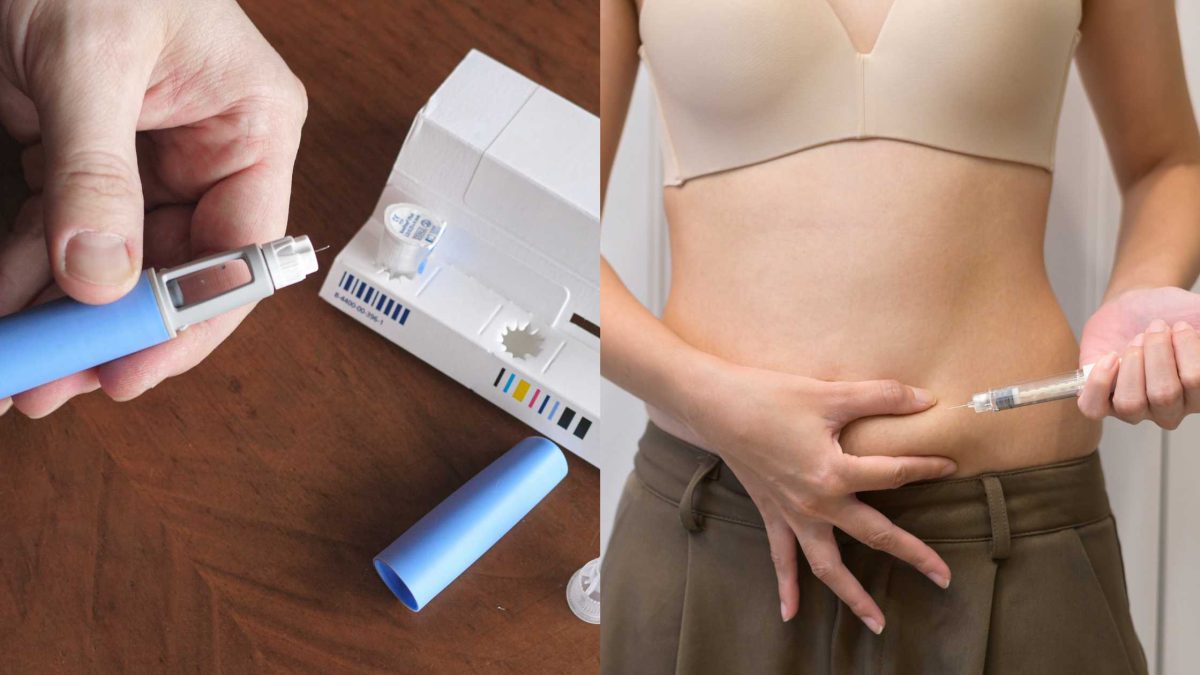
Most patients can remain on semaglutide prior to surgery with adequate risk stratification. Higher-risk patients may hold once-weekly injectable dosing for 1 week to minimize delayed gastric emptying and aspiration risk.
-
Oral semaglutide (Rybelsus) is typically held only on the day of surgery. Personalized timing is needed for those in dose escalation or with prominent GI symptoms.
-
Work out a definite timeline for the last semaglutide dose and surgery date in the medical record and share with the surgical, anesthesia, and endocrinology teams.
-
Employ targeted preoperative checks such as symptom screening for nausea or bloating, gastric ultrasound when indicated, and planning for full stomach precautions or advanced airway management in emergency or high-risk cases.
-
Achieve perioperative glycemic control in the range of approximately 4.4 to 10.0 mmol/L (80 to 180 mg/dL) with short-term insulin or other agents if semaglutide is held. Then reevaluate prior to resuming the GLP-1 agonist when diet is tolerated and bowel function resumes.
-
-
Work up and prepare a multidisciplinary perioperative plan with clear roles for the surgeon, anesthesiologist, and endocrinologist. Delay elective surgery if there are severe GI symptoms or suspected gastroparesis.
Timing surgery after discontinuing semaglutide is the sensible planning step for patients and surgeons. Semaglutide can impact gastric emptying and blood glucose regulation, thus care teams will frequently institute a waiting period to reduce surgical risk.
Standard recommendations span a few weeks to months depending on the dose and medical history. Collaborative coordination between patient, primary physician, and surgeon determines how long it is safe to plan a procedure.
Surgical Timing
Planning surgery after discontinuing semaglutide needs a strategic approach that considers both anesthesia safety and metabolic management. The overall goal is to minimize residual gastric contents and aspiration risk while avoiding unnecessary interruption of effective therapy. Below it describes timing per guidelines, the physiologic rationale, who is most at risk, emergency exceptions, and pragmatic dosing principles.
1. The Guideline
2024 multi-society guidance endorses continuing GLP-1 receptor agonists for most patients when teams evaluate and mitigate risk. For oral semaglutide (Rybelsus), several expert panels say holding just on the day of surgery is appropriate. Injectables (Ozempic, Wegovy) might require a 1-week hold in specific higher risk patients.
Others still advise as much as 14 days for major surgery or patients with gastroparesis. Surgical specialties occasionally recommend longer holds for certain procedures. Record the consensus plan in the chart, with last-dose date, planned surgery date, and justification so anesthesia, surgery, and perioperative medicine teams have a unified timeline.
2. The Rationale
Semaglutide delays gastric emptying and increases the risk of residual gastric contents despite routine fasting. That delay can increase the risk of regurgitation and aspiration during induction of general anesthesia. Withholding the drug before surgery allows gastric motility to normalize and reduces the rate of both aspiration and pulmonary complications.
It’s most justified in patients with previous GI side effects, clinical gastroparesis, or recent dose escalation. Those folks tend to require longer drug-free windows.
3. The Risk
Delayed gastric emptying from GLP-1 drugs is associated with increased aspiration risk and increased postoperative pulmonary morbidity. Other higher-risk groups include patients who are currently up-titrating, those with severe nausea or vomiting, known gastroparesis, and individuals undergoing urgent abdominal or airway procedures.
Research suggests that consuming semaglutide less than 10 days before surgery increases residual gastric content. Discontinuing Ozempic three to five days prior was associated with delayed emergence, and three to seven days were an independent aspiration risk. Fourteen- and thirty-day intervals were not. Evaluate every patient’s perioperative risk prior to selecting timing.
4. The Exception
Emergency surgery doesn’t admit planned discontinuation. Apply full-stomach precautions, maximize airway protection, and use rapid-sequence induction. Consider prolonged fasting when possible. Anesthesiologists need to know recent GLP-1 use in order to plan intraoperative care and postoperative monitoring.
For surgical timing, have policies for emergent cases so teams move quickly.
5. The Dosage
Once-weekly injectables can be held one week pre-op for high-risk patients. Some clinicians use 14 days for extra caution. Oral semaglutide is typically held on the day of surgery.
Track and record the last dose for all GLP-1s in the surgical plan. If drugs can’t be stopped, think about extending fasting from 8 to 24 hours or more to minimize residual contents.
Anesthesia Concerns
Semaglutide and GLP-1 receptor agonists alter gastric emptying and metabolic status that may modify usual anesthesia approaches. Anesthesiologists require definitive drug timing details, indications of gastroparesis and ASP, and a strategy for airway and glucose control prior to induction.
Gastric Emptying
As GLP-1 receptor agonists slow gastric motility and can cause clinically meaningful gastroparesis, residual food or liquid may remain in the stomach. This impact is dose- and agent-specific but can last for days after discontinuing the drug.
Research indicates that ceasing GLP-1 medications 3 to 5 days prior to surgery still posed a risk for delayed wake-up, whereas a 14-day hiatus before significant operations such as total joint replacements is ideal to reduce the chance of retained stomach contents and anesthesia issues.
Delayed emptying elevates the risk of aspiration and regurgitation even after conventional preoperative fasting of 8 to 10 hours. A few centers go as far as fasting 24 hours or longer if patients are on these medications.
POCUS or formal gastric ultrasound provides a noninvasive means to evaluate for residual solids or large fluid volumes. In those with positive findings or symptoms of distension and nausea, consider additional delay, prolonged fasting, or gastric decompression as appropriate.
If severe gastric retention is suspected, extend preoperative fasting and record. Use examples: a patient on semaglutide with postprandial fullness may still have solids at induction. Ultrasound demonstrating solid material should precipitate full stomach precautions.
Aspiration Risk
Delayed gastric emptying directly increases the risk of pulmonary aspiration during induction of anesthesia. Even with extended fasting, aspiration events have happened in patients on GLP-1 agonists.
Consider recent semaglutide exposure as an elevated airway risk and strategize in advance. Secure airway techniques reduce risk: rapid sequence induction with cricoid pressure when indicated and a low threshold for endotracheal intubation rather than supraglottic devices for moderate-to-high risk patients.
Know your preoperative cues—constant nausea, abdominal distension, emesis history—and alert charts and handoffs. By listing recent GLP-1 use on anesthesia risk lists, teams are better prepared.
This may induce anesthesiologist-led efforts to delay elective cases until a sufficient washout period, ideally up to 14 days for major surgery.
Glycemic Control
Perioperative glucose targets typically span 80 to 180 mg/dL. Semaglutide hold can alter glucose control, with some patients at risk for hyperglycemia and others for hypoglycemia depending on oral intake and insulin regimens.
Use rapid-acting insulin or modify basal doses according to clinical discretion and close monitoring. Check glucose preinduction and every 1 to 2 hours intraoperatively for long cases.
Work with endocrinology when possible and plan to restart GLP-1 post-surgery. Modify other diabetes medications based on fasting status and surgical stress.
Preoperative Plan
A well-defined preoperative plan should include semaglutide use and surgical timing to minimize anesthetic risk and gastrointestinal complications. This plan contextualizes medication review, symptom screening, and team communication to ensure that decisions about when to stop semaglutide are both evidence-informed and patient-centered.
Doctor Dialogue
Thus, open, specific talk between patient and physician about semaglutide is crucial. Patients should report the drug name, dose, start date and recent missed or extra doses. Clinicians should discuss risks of delayed gastric emptying, blood glucose swings, and how discontinuing or remaining on the drug may affect those risks.
Discuss alternatives like short-acting glucose control or insulin bridging if semaglutide is held. Have a focused preoperative visit to figure out medication timing and fasting rules. A preoperative visit should review anesthesia plans and record agreed changes.
Leave notes in the chart so surgeons, anesthetists, and nursing staff notice the plan. Transparent documentation decreases crossed wires.
Medication List
Give a complete, up-to-date medication list at the first preop contact and update it every visit. List all GLP-1 receptor agonists, other diabetes medications, over-the-counter medications, vitamins, and herbal supplements. Some supplements impact bleeding or anesthesia.
Be sure to document blood thinners, antiplatelet agents, and recent steroid courses. Keep the list in both paper and a digital photo or patient portal entry for easy sharing. At minimum, double-check medication timing with the anesthesia team once.
Plenty of clinicians (62%) have only moderate experience managing patients on these medications, and documentation helps spread that experience out across the team.
Symptom Watch
Clinicians need to screen for GI symptoms indicating delayed gastric emptying prior to surgery. Inquire if the person has experienced nausea, early satiety, bloating, vomiting, reflux, or constipation. If moderate to severe symptoms are present, defer elective procedures until symptoms have improved and objective testing or treatment is established.
-
Nausea that limits oral intake
-
Vomiting within 24–48 hours of planned anesthesia
-
Persistent bloating or early satiety
-
Unexplained weight loss or erratic glucose readings
-
New or worsening reflux symptoms
Preoperative plan clinics provide more consistency in evaluation. Patients utilizing them 75 to 100 percent of the time have greater exposure to drug-specific issues. Practice varies: some centers evaluate nearly all patients preoperatively while others rarely do.
This affects who notices gastrointestinal signals early. Most clinicians (75 percent) follow standard NPO rules regardless of these drugs, and 87 percent do not change hold times by anesthesia type. Where protocols are lacking, apply cautious postponement for elective cases until gastrointestinal function is stable.
Team Coordination
Surgical, anesthetic, and endocrine teams need to coordinate if surgery is planned after semaglutide is stopped. Defined roles, a common purpose, and trustworthy means to communicate medication timing and risk information minimize mistakes and enable continuity of care throughout the perioperative period.
Surgeon’s Role
The surgeon checks the patient’s semaglutide history, including the dose, last injection, and reason for stopping. This review assists in determining if additional postponement or modification of the procedure is necessary because semaglutide has the ability to delay gastric emptying and alter wound healing or nutritional status.
Enter and record operative risk for delayed gastric emptying. Identify issues like higher aspiration risk or changed drug absorption and incorporate these into the operative plan so the anesthesiologist and nursing staff can adjust preparations.
Record the med plan and last dose in operative notes and in shared EHR. Accurate documentation of dose, route, date, and reason for holding allows others to intervene without constant calling or guesswork.
Explain new medication timing to the patient and why it is important. Be very direct about when to quit, how this impacts blood sugar or nausea, and what symptoms to communicate. Provide written orders to facilitate discharges home.
Anesthesiologist’s Role
The anesthesiologist evaluates aspiration risk and plans airway management accordingly. Review the timeline of semaglutide use and any signs of gastroparesis. Then decide on rapid-sequence induction or other precautions.
Go over the patient’s medication history, specifically the timing of GLP-1 agonist. That review should be up-to-date immediately pre-operatively and available to the team through the electronic medical record or a specific handoff sheet.
Be prepared to employ full-stomach precautions and advanced airway management if delayed gastric emptying is suspected. Ready suction, think awake intubation when appropriate, and pre-brief the OR team on backup measures.
Work with the surgical team on fasting and holding medicines. Decide as a team who will verify the last dose time, how to handle intraoperative glucose, and how you will flag any unexpected gastric contents.
Endocrinologist’s Role
The endocrinologist fine-tunes glycemic control pre-op, intra-op, and post-op. Offer a perioperative glycemic goal, insulin adjustment strategy, and intervention thresholds to avoid hyperglycemia and hypoglycemia.
Tweak diabetes meds if semaglutide is held. Provide specific instructions for insulin dosing, sliding scales, and oral agent management in the setting of variable PO intake and stress hyperglycemia.
Observe for glycemic excursions postoperatively and report to the team. Regular glucose tests and quick dose adjustments minimize complications and promote healing.
Recommend when to resume semaglutide depending on diet tolerance, wound healing, and recovery. Give stepwise instructions so the primary team and patient know when and under what criteria to resume therapy.
Procedure Variables
Semaglutide and other GLP‑1 receptor agonists alter perioperative risk primarily through delayed gastric emptying and glycemic variability. Procedure variables, such as type of procedure, impact how aggressively to change semaglutide dosing, what airway and fasting measures to implement, and which monitoring tools to utilize.
Elective Surgery
High-risk elective cases — joint arthroplasty, major abdominal surgery — require tighter protocols. For weekly injectable semaglutide, withhold one week prior to surgery in high-risk elective cases. Some groups extend to 10 days if residual gastric contents are an issue.
For daily oral semaglutide, most clinicians hold the drug the day prior to surgery. Verify the precise timing of the last dose in preop screening and document it explicitly. Fast additional hours beyond the usual 8 hours as required.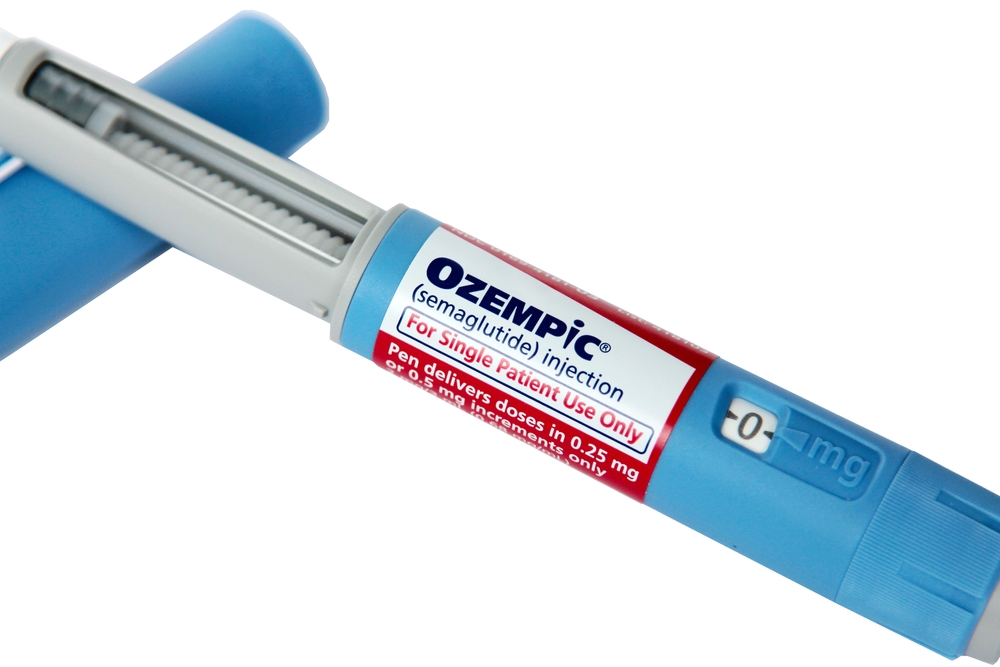
For some patients, fasting may extend to 24 hours or longer to minimize aspiration risk. If patients are experiencing severe nausea, vomiting, or delayed gastric emptying signs, postpone the elective procedure until symptoms subside and gastric emptying returns to normal.
Use gastric US selectively to quantify residual gastric contents when in doubt. Monitor blood glucose aggressively since GLP-1 agents impact glycemia and continue diabetes plans unless the surgeon or anesthesiologist dictates otherwise.
Emergency Surgery
Emergency settings are not a place for scheduled semaglutide tapers. Assume delayed gastric emptying if the patient was on semaglutide within 10 days and manage as a full-stomach risk.
Apply enhanced airway protection: rapid-sequence induction when appropriate and consider awake fiberoptic intubation for very high aspiration risk. Alert the anesthesia team right away to recent GLP-1 use and GI symptoms.
Record the decision process and any exceptions to the usual practice in the medical record: why the drug could not be held and what airway precautions were employed. Go for point-of-care gastric ultrasound if it is going to change management and time allows.
Keep careful glycemic surveillance and modify insulin or dextrose protocols to prevent perioperative hyperglycemia.
Minor Procedures
For minor outpatient procedures where patients tolerate oral intake, semaglutide is often continued. Still screen for GI symptoms and ask explicitly about GLP‑1 use during anesthetic risk assessment.
Even minor procedures can be complicated by unexpected aspiration. If the patient has no nausea and has been eating normally, restart or continue semaglutide once the usual diet resumes.
Check blood glucose more often in the perioperative period since glycemic shifts affect wound healing and recovery. If any concern exists about gastric emptying, use extended fasting or bedside gastric ultrasound before anesthesia.
|
Procedure type |
Semaglutide plan |
Fasting guidance |
Airway/monitoring |
|---|---|---|---|
|
Elective high‑risk |
Hold weekly 7–10 days; stop oral day before |
Consider 24+ hours |
Gastric US if needed; strict monitoring |
|
Emergency |
Cannot wait; proceed |
Treat as full stomach |
Rapid‑sequence/advanced airway; document |
|
Minor |
Usually continue if tolerating intake |
Standard, reassess for symptoms |
Routine monitoring; restart when eating again |
Post-Semaglutide Body
Semaglutide washout for surgery causes a number of metabolic and physiological changes that impact glycemic control, appetite, nutrition, and weight. The following subsections break down those changes and provide specific monitoring and management steps clinicians and patients need to adopt pre- and post-operation.
Metabolic Shift
Discontinuing semaglutide tends to result in heightened appetite and changes in glucose metabolism. Appetite-regulating pathways that were kept in check by the drug bounce back, and patients often experience increased food motivation within weeks.
Glucose handling can transform; insulin secretion and peripheral glucose absorption can slip back toward baseline, increasing the risk of hyperglycemia. Watch for hyperglycemic episodes, especially in individuals with type 2 diabetes or those who experienced substantial weight reductions on treatment.
Check fasting and postprandial glucose and apply continuous glucose monitoring where accessible to catch swings. Temporary use of insulin or other agents may be necessary to maintain near-euglycemic states in the perioperative window. For example, short acting insulin or basal insulin adjustments can address gaps while oral agents are held.
Reevaluate metabolic status prior to discontinuing and restarting GLP-1 therapy, measure HbA1c, electrolytes, and fasting glucose and document any insulin requirements to assist in safe resumption.
Nutritional Status
Just be sure you’re getting the oral nutrients you need before resuming semaglutide. Appetite tends to return prior to complete wound healing and GI tolerance. Therefore, ensure the patient can meet protein and calorie targets by mouth.
Post-Semaglutide body: Wait to restart the GLP-1 agonist until bowel function and diet are tolerated. While evidence supports holding semaglutide at least three weeks pre-op, reinitiation should wait until the patient tolerates a regular diet without nausea or vomiting.
Monitor for malnutrition or dehydration postoperatively by tracking weight, input/output, serum albumin, and basic metabolic panel. Create a checklist for nutritional assessment prior to medication reinitiation: current oral intake, recent weight change, signs of malabsorption, hydration status, and lab markers.
Use targeted supplements if needed to rebuild reserves.
Weight Rebound
Stopping suddenly can cause your weight to shoot back up because of the increased appetite and metabolism changes. Among those who lost twenty percent or more of baseline weight on semaglutide, the steepest regain following stopping occurs one year following withdrawal, and many regained about two-thirds of lost weight.
Yet a bit of cardiometabolic advantage usually lingers; minor gains in HbA1c and chance factors can last a year off treatment. Counsel patients on rebound risk and mitigation: structured meal plans, early dietitian follow-up, and behavioral support work best.
Monitor weight carefully, weekly at first, then monthly. Here are risk management tables.
|
Risk |
Likely timing |
Management |
|---|---|---|
|
Rapid appetite increase |
Weeks after stop |
Dietitian plan, meal structure, pharmacologic bridge (if needed) |
|
Weight regain (major for ≥20% loss) |
Months, steep first year |
Close follow-up, consider restarting therapy when safe |
|
Glycemic instability |
Immediate to weeks |
Short-term insulin or oral agents, CGM monitoring |
|
Dehydration/malnutrition |
Postoperative days–weeks |
Fluid balance monitoring, supplements, labs |
Conclusion
Knowing when surgery falls after you stop semaglutide makes all the difference in risk and care. Discontinue semaglutide on your surgeon and anesthesiologist’s timing. Target a drug-free window according to dose and duration. Prepare your blood sugar strategy and communicate it to your team. Request a customized fasting and glucose plan for surgery day and the day before. Anticipate close monitoring under anesthesia and a rapid return to your normal meds the moment your team gives the green light. Not many cases require significant delay, but some do. Use examples: short elective scope after four weeks off and major abdominal surgery after six to eight weeks off. Discuss with your care team, stick to the plan, and schedule a pre-op review to secure timing and safety.
Frequently Asked Questions
How long should I stop semaglutide before elective surgery?
The majority of recommendations propose discontinuing semaglutide 7 to 12 weeks preoperatively to reduce risks such as delayed gastric emptying. Your surgeon or anesthesiologist will provide the ultimate recommendation depending on your dose and surgical type.
Does stopping semaglutide reduce anesthesia risks?
Yes. Withdrawing semaglutide minimizes delayed gastric emptying and aspiration risk, thereby facilitating safer airway management and anesthesia. The anesthesiology team will finalize the timing.
Who decides the exact timing to stop semaglutide?
Your surgical team and anesthesiologist decide. They balance dose, how long you have been on semaglutide, the immediacy of your surgery, and your metabolic requirements to determine a safe switchover date.
What if my surgery is urgent and I recently used semaglutide?
With urgent surgery, teams utilize customized anesthesia plans and aspiration precautions. They may go ahead with additional monitoring instead of delaying surgery if the risk of waiting is greater.
Can stopping semaglutide affect blood sugar control?
Yes. Stopping can increase blood sugar. Your surgeon and perioperative care team will time glucose monitoring and modify diabetes medications to maintain safe levels.
What preoperative steps should I expect after stopping semaglutide?
Plan for fasting guidance, medication and glucose checks, and clear instructions on when to resume semaglutide. They will record the plan in your chart.
When can I restart semaglutide after surgery?
Restart timing depends on wound healing, oral intake, nausea, and infection risk. Some patients resume one to two weeks after simple surgery, but adhere to your clinician’s specific plan.